How a Vietnam B2B Marketplace Enhances Agility
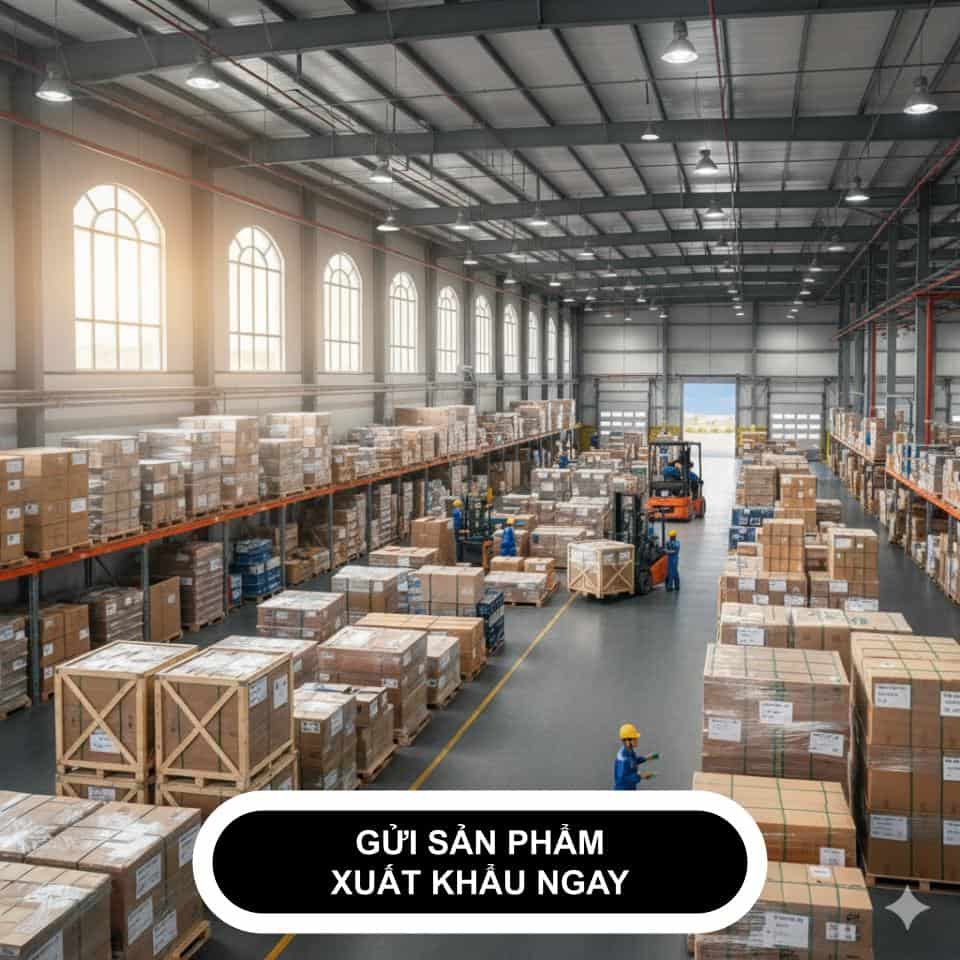
In the wake of global trade volatility, businesses are increasingly looking to Southeast Asia to diversify their production hubs. However, moving production or sourcing to a new region requires more than just finding a factory; it requires a systemic approach to supply chain resilience. A digital Vietnam B2B marketplace serves as the bridge between international demand and local supply, providing the tools necessary to react to market shifts with speed and precision.

Agility in modern manufacturing is defined by how quickly a company can identify new opportunities or mitigate risks. By leveraging digital platforms, companies can move away from traditional, slow-moving procurement cycles. Instead, they gain access to real-time data and a network of pre-vetted suppliers ready to scale production. This digital transformation is central to maintaining a competitive edge in an environment where lead times and reliability are paramount.
1. Finding Reliable Partners Fast
The first step toward agility is the rapid identification of capable partners. In a traditional setting, finding a new supplier in Vietnam might take months of travel and manual verification. A modern Vietnam B2B marketplace compresses this timeline into days. These platforms aggregate thousands of manufacturers across diverse sectors like textiles, electronics, and furniture.
Crucially, these platforms integrate quality control in manufacturing metrics into their listings. Buyers can view certifications, past performance data, and factory audit reports before even initiating contact. This transparency ensures that speed does not come at the expense of product integrity. By having a shortlist of verified manufacturers at their fingertips, businesses can switch or expand production lines almost instantly, a core component of authoritative supply chain management strategies that prioritize flexibility.
2. Overcoming Geographical Barriers
Distance has historically been a barrier to effective supplier relationship management. When stakeholders are thousands of miles apart, communication gaps can lead to production errors and delays. Digital marketplaces solve this by providing centralized communication tools and project management interfaces.
Enhanced visibility allows foreign buyers to monitor production milestones without being physically present. This proximity-through-technology enables more collaborative relationships. Instead of a purely transactional interaction, buyers and suppliers can co-innovate on product designs and material sourcing. Effective supplier relationship management on these platforms also includes financial protection mechanisms, such as escrow services or trade insurance, which mitigate the financial risks associated with cross-border trade.
3. Streamlined Digital Procurement
True agility is found in the efficiency of back-office operations. Streamlined digital procurement through a B2B platform automates the Request for Quotation (RFQ) process, negotiation, and documentation. This automation allows procurement teams to focus on strategy rather than administrative tasks.
Furthermore, these platforms often include modules for customer complaint management. If a batch of goods fails to meet specifications, the digital trail provided by the marketplace makes it easier to track the issue back to the source. Fast resolution of disputes is vital for maintaining flow in the supply chain. When customer complaint management is handled through a structured, transparent system, it prevents minor issues from spiraling into major disruptions. By integrating these feedback loops, businesses can refine their sourcing criteria and ensure that their supply chain remains lean, responsive, and resilient against future market shocks.
Ultimately, the transition to a digital marketplace in Vietnam is not just about cost-cutting; it is about building a foundation for long-term growth. By focusing on quality control, robust relationships, and streamlined operations, businesses can navigate the complexities of global trade with confidence.
Why Quality Control in Manufacturing Is Vital
In an era defined by global volatility and shifting trade patterns, the manufacturing sector has transitioned from a focus on sheer volume to a prioritization of reliability. At the heart of this transition lies quality control in manufacturing, a discipline that ensures every unit produced meets predefined benchmarks. Beyond the factory floor, the impact of quality management ripples through the entire logistical network, serving as a critical pillar for maintaining operational stability during unforeseen disruptions. By ensuring consistency, manufacturers can protect their reputation and ensure that their output remains predictable, even when external factors are not.
The link between production standards and supply chain resilience cannot be overstated. When a crisis hits, whether it is a logistics bottleneck or a raw material shortage, manufacturers with robust quality protocols are better equipped to pivot without compromising the integrity of their products. This stability is particularly vital for companies operating within the Vietnam B2B marketplace, where the ability to demonstrate consistent output is a primary competitive advantage for attracting international buyers.
1. Reducing Waste and Delays
One of the most immediate benefits of stringent quality control is the significant reduction in waste and production delays. In a high-stakes manufacturing environment, defects are more than just a minor inconvenience; they are a systemic drain on resources. When a batch of products fails to meet specifications, it requires either costly rework or complete disposal. Both scenarios consume valuable time and raw materials that are often in short supply during a global crisis.
By implementing rigorous testing at every stage of the production line, companies can identify deviations early. This proactive approach prevents the ‘bullwhip effect’ where minor errors at the start of the chain escalate into massive delays at the delivery end. For firms looking to optimize their quality assurance frameworks, the goal is to create a ‘lean’ process that minimizes the footprint of error, thereby ensuring that the flow of goods remains uninterrupted even when the broader market is under pressure.
2. Implementing Standardized Audits
Standardized audits serve as the bridge between theoretical quality and actual performance. In the context of supplier relationship management, these audits are essential for building trust between manufacturers and their global partners. When a manufacturer adheres to international standards such as ISO 9001, they provide a universal language of quality that reassures stakeholders of their reliability.
Regular auditing ensures that sub-suppliers also adhere to the same high standards, creating a unified front against quality degradation. This is especially important in complex manufacturing hubs where parts are sourced from multiple vendors. By standardizing these checks, manufacturers can ensure that every component is compatible and durable, reducing the risk of product failure in the hands of the end-user. This systematic verification process is what allows a supply chain to remain ‘resilient,’ as it removes the uncertainty that often leads to panic-buying or inventory hoarding during times of scarcity.
3. Real-time Production Monitoring
The advent of Industry 4.0 has introduced sophisticated tools for real-time production monitoring, allowing for a data-driven approach to quality. Instead of waiting until the end of a production run to check for defects, modern manufacturers use sensors and AI-driven analytics to monitor variables in real-time. This immediate feedback loop is a game-changer for customer complaint management, as it allows companies to rectify issues before a single defective unit leaves the warehouse.
Effective monitoring contributes directly to long-term supply chain resilience by providing the data needed to predict potential failures before they occur. When data shows a slight drift in machine calibration, maintenance can be scheduled proactively, preventing a total breakdown that would halt the supply chain. Ultimately, the integration of real-time data ensures that the manufacturer remains a reliable link in the global economy, capable of meeting demands with precision and speed, regardless of the challenges posed by the external environment.
What Is Effective Supplier Relationship Management?
Effective Supplier Relationship Management (SRM) is the systematic, enterprise-wide assessment of suppliers’ assets and capabilities with respect to overall business strategy. In the modern era of global trade, SRM has evolved from a back-office procurement function into a high-level strategic imperative. Transitioning from transactional interactions—focused solely on cost-cutting—to strategic partnerships is the cornerstone of building supply chain resilience. In a rapidly expanding Vietnam B2B marketplace, businesses are finding that long-term stability depends less on finding the cheapest price and more on fostering deep, integrated relationships with production partners.

When organizations treat suppliers as partners rather than mere vendors, they unlock value that is otherwise hidden. This approach allows for better alignment of goals, shared innovation, and a proactive stance toward market shifts. As global logistics become increasingly complex, the ability to rely on a trusted network of suppliers ensures that a company can withstand disruptions and maintain a competitive edge.
1. Building Mutual Trust
Trust is the fundamental element that distinguishes a strategic partnership from a basic transaction. In a transactional model, communication is often restricted to purchase orders and invoices. However, for effective supplier relationship management, transparency is vital. By sharing long-term business goals and market forecasts, companies enable their suppliers to plan capacity and invest in the necessary infrastructure to support growth. This is particularly important regarding quality control in manufacturing. When there is mutual trust, suppliers are more transparent about their production challenges, allowing for collaborative problem-solving before defective products leave the factory floor. In the Vietnam B2B marketplace, where localized expertise is invaluable, trust facilitates smoother navigation of regulatory environments and production standards.
2. Collaborative Risk Mitigation
Risk is an inherent part of any global operation, but it can be managed through collaboration. Strategic SRM involves working closely with suppliers to identify potential vulnerabilities—be they financial, geopolitical, or environmental. This joint effort is a primary driver of supply chain resilience. Instead of a buyer simply demanding that a supplier absorb all risks, both parties work together to create contingency plans, diversify sourcing within the supplier’s own network, and maintain strategic safety stocks. Leading industry analysts at Gartner suggest that organizations that engage in deep supplier collaboration are twice as likely to have visibility into their Tier 2 and Tier 3 suppliers, which is critical for early warning systems during global disruptions.
3. Measuring Supplier Performance
To maintain a high-functioning relationship, performance must be measured through a balanced scorecard that looks beyond just price and lead times. Effective SRM utilizes Key Performance Indicators (KPIs) that reflect the health of the partnership and the quality of the output. A critical component of this measurement is customer complaint management. By tracking how supplier-related issues impact the end customer, companies can hold suppliers accountable while also providing the data needed for continuous improvement. If a specific component is leading to high return rates, the data allows the supplier to refine their quality control in manufacturing processes. Regular performance reviews foster a culture of continuous improvement, ensuring that the partnership remains mutually beneficial and capable of supporting the organization’s long-term strategic objectives.
How Does Customer Complaint Management Build Trust?
In the competitive landscape of the Vietnam B2B marketplace, building trust isn’t just about the initial sale; it’s about what happens when things go wrong. Effective customer complaint management acts as a critical barometer for the health of a distribution network. When businesses treat complaints as valuable data rather than nuisances, they can proactively address vulnerabilities, thereby enhancing their overall Supply chain resilience. By establishing robust feedback loops, organizations can identify recurring issues—from shipping delays to product defects—and implement corrective actions that protect their reputation and long-term profitability. In a world where supply chains are increasingly complex, the ability to listen to the end user and pivot accordingly is a hallmark of a mature, reliable organization.
1. Faster Resolution Workflows
Speed is the cornerstone of trust in B2B relationships. In a fast-paced market, a delay in resolving a grievance can lead to production halts and significant financial losses for the buyer. Implementing automated resolution workflows allows companies to categorize and escalate issues immediately, ensuring that no ticket falls through the cracks. This agility is particularly vital for quality control in manufacturing, where a single batch defect can affect multiple downstream partners. By integrating complaints into a centralized management system, suppliers can provide real-time updates to their clients, proving that they value the partnership. Fast resolution doesn’t just fix a technical problem; it demonstrates operational competence and emotional intelligence, which are the foundations of long-term loyalty in any industrial ecosystem. Furthermore, in the context of the Vietnam B2B marketplace, where localized logistics can sometimes face hurdles, having a predefined plan for rapid response mitigates the risk of long-term brand damage.
2. Data-Driven Feedback Analysis
Modern complaint management has moved beyond simple troubleshooting to sophisticated data analytics. Every complaint is a data point that reveals a potential ‘weak link’ in the supply chain. By analyzing these trends, businesses can pinpoint whether a specific logistics provider consistently fails or if a manufacturing plant is experiencing a drop in standards. According to research on resilient supply chains by the Harvard Business Review, the ability to pivot based on real-time feedback is what separates industry leaders from those who struggle during global disruptions. Data-driven analysis ensures that corrective measures are not just reactive but strategic. For instance, if data shows a recurring issue with product packaging, the company can overhaul its quality control in manufacturing processes to address the root cause. This level of scrutiny reassures stakeholders of the company’s commitment to continuous improvement and excellence, turning negative feedback into a engine for innovation.
3. Improving End-to-End Transparency
Transparency is often the missing ingredient in complex international trade. Effective complaint management fosters an environment of openness by requiring detailed documentation and communication across all tiers of the supply chain. This process relies heavily on strong supplier relationship management. When a complaint arises, the supplier, the manufacturer, and the distributor must work in tandem to trace the root cause. This collaborative approach ensures that every stakeholder is held accountable, from the raw material provider to the last-mile delivery service. By sharing the findings of complaint investigations with customers, businesses prove they have nothing to hide. In the context of the Vietnam B2B marketplace, this transparency builds a ‘brand of trust’ that attracts global investors and partners who prioritize ethical and efficient operations. Ultimately, a transparent feedback loop transforms a negative customer experience into a collaborative improvement project, significantly strengthening the bonds between all parties involved and ensuring that the entire network becomes more robust against future shocks.
How to Future-Proof Your Logistics for 2025?
As we approach 2025, the global trade landscape is undergoing a seismic shift driven by geopolitical fluctuations, climate imperatives, and rapid technological breakthroughs. To maintain a competitive edge, businesses must move beyond reactive measures and adopt a proactive stance. The cornerstone of this evolution is Supply chain resilience, a strategic framework that allows organizations to absorb shocks and emerge stronger from disruptions.

Future-proofing logistics requires a blend of digital integration and strategic diversification. By prioritizing agility and transparency, companies can navigate the complexities of international trade with confidence. Below are the key strategies for ensuring your logistics operations are prepared for the challenges and opportunities of 2025.
1. Investing in Supply Chain Visibility
Real-time visibility has transitioned from a luxury to a necessity. In 2025, the ability to track shipments, inventory levels, and production status across various tiers of the supply chain will define success. High visibility directly contributes to Supply chain resilience by providing the data needed to make informed decisions when delays occur.
Beyond mere tracking, advanced visibility tools allow for better customer complaint management. When logistics managers have instant access to the status of an order, they can provide accurate updates to clients, mitigating frustration and building trust even during transit issues. Utilizing AI-driven analytics to predict potential bottlenecks before they happen is becoming the standard for top-tier logistics providers. This transparency ensures that every stakeholder, from the factory floor to the end consumer, is aligned.
2. Regional Diversification Strategies
The risks associated with over-reliance on a single geographic region have become painfully clear in recent years. To enhance Supply chain resilience, many enterprises are adopting a ‘China Plus One’ strategy, looking toward Southeast Asia to diversify their footprint. In this context, the Vietnam B2B marketplace has emerged as a critical hub for global manufacturers and distributors.
Successful diversification is not just about moving production; it is about building deep local partnerships. This is where supplier relationship management becomes vital. By fostering collaborative partnerships with local vendors, companies can ensure priority service and better adaptability during crises. According to research by McKinsey, companies that diversify their supply base are significantly more capable of maintaining operations during localized disruptions. Developing a network of regional suppliers reduces lead times and logistics costs while protecting the bottom line.
3. Sustainable Sourcing Practices
As regulatory requirements regarding ESG (Environmental, Social, and Governance) performance tighten globally, sustainability is no longer just a marketing buzzword—it is a logistical requirement. Future-proofing your supply chain involves auditing your entire network to ensure ethical labor practices and environmental compliance. Integrating Quality control in manufacturing with sustainability audits ensures that the products are not only durable and high-performing but also ethically produced.
Investing in green logistics—such as carbon-neutral shipping options and circular economy models—further strengthens Supply chain resilience by reducing exposure to carbon taxes and meeting the growing consumer demand for eco-friendly brands. By 2025, the most successful logistics frameworks will be those that balance efficiency with responsibility, creating a robust system that can withstand both economic and environmental pressures. Ensuring that your manufacturing partners adhere to strict quality and ethical standards will be the ultimate differentiator in an increasingly scrutinized global market.
Partner with Vietnam’s Leading Suppliers
You are looking for reliable suppliers in Vietnam? Contact VietnamSuppliers.com today to connect with verified manufacturers and exporters across all industries.
—————————————
References
– Harvard Business Review: Global Supply Chains in a Post-Pandemic World: https://www.hbr.org/2020/09/global-supply-chains-in-a-post-pandemic-world
– ASQ: Quality Assurance vs Quality Control: https://asq.org/quality-resources/quality-assurance-vs-control
– Gartner – Supplier Relationship Management: https://www.gartner.com/en/supply-chain/topics/supplier-relationship-management
– Global Supply Chains in a Post-Pandemic World – Harvard Business Review: https://hbr.org/2020/09/global-supply-chains-in-a-post-pandemic-world
– McKinsey Insights on Supply Chain Resilience: https://www.mckinsey.com/capabilities/operations/our-insights/supply-chain-resilience-is-about-more-than-stockpiling