The Foundation of B2B Supplier Quality Assurance
In the intricate ecosystem of global commerce, Business-to-Business (B2B) relationships form the backbone of supply chains, with quality assurance (QA) standing as the bedrock of success. The seamless flow of goods and services, from raw materials to finished products, hinges on the unwavering commitment to quality at every stage. This section introduces the critical importance of robust quality assurance in B2B relationships, laying the groundwork for understanding upcoming strategies designed to proactively prevent supply chain disruptions, product recalls, and reputational damage. In an era where supply chains are increasingly complex and geographically diverse, a foundational understanding of Supplier Quality Assurance B2B is not just advantageous—it’s imperative.

1. Why QA is Non-Negotiable in B2B Supply Chains
At its core, B2B quality assurance is about mitigating risks and fostering trust. When one business supplies components, materials, or services to another, the quality of these inputs directly impacts the recipient’s ability to deliver a high-quality end product or service. This dependency makes QA a non-negotiable element. A robust Supplier Quality Assurance B2B framework ensures that specified standards, whether internal or industry-wide, are consistently met. Without this commitment, the ripple effect of subpar components can quickly destabilize an entire production line, leading to costly delays and compromised final products.
For businesses engaged in international trade, the complexities multiply. Diverse regulatory environments, varying manufacturing practices, and logistical challenges necessitate stringent International Trade Quality Control. This includes everything from the initial B2B Supplier Vetting Checklist—to ensure potential partners meet stringent criteria—to ongoing monitoring of production and adherence to specific market standards, such as Vietnam Export Quality Standards when sourcing from that region. Ultimately, robust QA safeguards brand reputation, ensures customer satisfaction, and secures regulatory compliance, making it an indispensable pillar of modern B2B operations.
2. Impact of Poor Quality on Business Reputation and Costs
The consequences of neglecting quality in B2B supply chains are far-reaching and potentially devastating. A single instance of poor quality can trigger a cascade of negative effects that erode business reputation and incur significant financial costs. Reputational damage is often the most enduring impact; customer trust, once lost, is incredibly difficult to regain. A business known for unreliable components or faulty products quickly loses its competitive edge, affecting future sales and partnerships. Negative reviews, public scrutiny, and a tarnished brand image can take years to rectify, even with substantial corrective efforts.
Financially, the costs associated with poor quality are extensive. These include direct costs such as rework, scrap materials, warranty claims, and returns. Indirect costs can be even more substantial, encompassing production delays, expedited shipping to compensate for defects, legal fees from contractual disputes, and potential fines for non-compliance. Furthermore, the opportunity cost of lost sales and damaged client relationships adds another layer of financial strain. For example, if a batch of goods fails to meet Vietnam Export Quality Standards, the resulting rejections and reshipments can skyrocket expenses and delay market entry. Investing in proactive Supplier Quality Assurance B2B measures, therefore, is not merely an expense but a critical investment that yields substantial returns by preventing these costly repercussions.
3. Establishing a Proactive Quality Culture
Moving beyond reactive inspections to a proactive quality culture is paramount for sustained B2B success. This involves embedding quality principles into every facet of the supplier relationship, from initial engagement to ongoing delivery. A key starting point is a comprehensive B2B Supplier Vetting Checklist, which evaluates potential partners not just on price and capacity, but crucially on their quality management systems, certifications, and track record. Once a supplier is selected, clear and detailed specifications, coupled with a robust Product Sample Approval Process, are essential to ensure that initial production meets expectations before mass manufacturing begins. This phase is crucial for aligning on International Trade Quality Control requirements and specific regional standards, like Vietnam Export Quality Standards.
Beyond initial checks, a proactive culture demands continuous monitoring, regular performance reviews, and open communication channels. It fosters a collaborative environment where suppliers are partners in quality, not just vendors. This involves sharing feedback, jointly addressing non-conformities, and collectively seeking opportunities for improvement. Investing in technology for quality control, conducting factory audits, and providing training can further empower suppliers to meet stringent requirements. By establishing a proactive quality culture, businesses can build resilient supply chains that consistently deliver high-quality inputs, minimizing risks and maximizing operational efficiency. For comprehensive guidance on strengthening your Supplier Quality Assurance B2B, explore our resources on VietnamSuppliers.com.
Mastering the Product Sample Approval Process
The journey from product concept to market-ready item is fraught with potential pitfalls, none more critical than the product sample approval process. This crucial stage acts as the gatekeeper, preventing myriad quality issues down the line, ensuring that every product specification is met, and ultimately safeguarding brand reputation and profitability. For businesses engaged in B2B transactions, particularly those sourcing internationally, a robust Product Sample Approval Process is not merely a formality; it’s a cornerstone of effective Supplier Quality Assurance B2B. It bridges the gap between design intent and manufacturing reality, offering a tangible representation of what’s to come and providing the final opportunity for course correction before mass production commences. Failing to master this process can lead to costly recalls, production delays, and damaged customer relationships, making its meticulous execution an imperative for sustainable success in global trade.
1. Defining Clear Sample Specifications and Expectations
The bedrock of a successful Product Sample Approval Process lies in the clarity and comprehensiveness of the specifications provided to the supplier. Before any sample is even created, both parties must have an unequivocal understanding of what constitutes an acceptable product. This goes beyond mere aesthetic preferences; it encompasses detailed technical drawings, precise material specifications (including type, grade, finish, and certifications), exact dimensions with permissible tolerances, functional requirements, and performance benchmarks. For instance, if ordering electronic components, EMC compliance and specific voltage tolerances would be non-negotiable.
When engaging in international trade quality control, cultural and linguistic nuances necessitate an even greater emphasis on explicit details. Utilizing a B2B Supplier Vetting Checklist that includes a section on sample specification clarity can be highly beneficial. Providing physical reference samples, color swatches, or approved component lists can further eliminate ambiguity. Crucially, define the “go/no-go” criteria upfront. What are the critical-to-quality (CTQ) parameters? What defects are absolutely unacceptable? Setting these expectations clearly from the outset empowers the supplier to produce a sample that aligns with your vision and minimizes costly, time-consuming revisions.
2. Effective Communication During Sample Iterations
Once the initial sample arrives, the true test of communication begins. The Product Sample Approval Process is rarely a one-shot affair; it typically involves multiple iterations as feedback is exchanged and adjustments are made. Effective communication here is paramount. Provide feedback that is specific, actionable, and constructive. Instead of saying “the color is off,” specify “the color is two shades too dark, please match to Pantone 18-3838 Ultra Violet.” Use visual aids extensively – annotated photos, video demonstrations of functional issues, or even side-by-side comparisons with desired standards can convey messages far more effectively than text alone.
Establish clear channels and frequency for communication. Will feedback be delivered via email, a project management platform, or scheduled video calls? Ensure there’s a designated point of contact on both sides to streamline exchanges. When dealing with international suppliers, especially concerning Vietnam Export Quality Standards, be mindful of time zone differences and potential language barriers. Confirm receipt of feedback and understanding of required changes. A proactive approach to communication, anticipating potential misunderstandings and addressing them head-on, can significantly reduce iteration cycles and accelerate the overall sample approval timeline.
3. Documentation and Record-Keeping for Sample Approval
The final, yet often overlooked, component of mastering the Product Sample Approval Process is meticulous documentation and record-keeping. Every step, from the initial specifications to the final approved sample, must be thoroughly documented. This includes:
- Initial Specification Sheets: Signed and dated by both parties.
- Sample Submission Forms: Detailing the sample’s attributes, date received, and who submitted it.
- Feedback Reports: Comprehensive notes on observations, required changes, and their rationale.
- Revision History: A clear log of all sample iterations, including dates, changes made, and who approved them.
- Final Sample Approval Form: A formal document signed by the authorized approver, indicating acceptance of the sample and permission to proceed to production. This form should explicitly reference the approved sample (e.g., by attaching photos or retaining the physical sample).
This robust paper trail serves multiple purposes. It acts as an undisputed reference point during production, preventing disputes and ensuring consistency. It provides valuable data for future B2B Supplier Vetting Checklist updates and performance reviews. Furthermore, comprehensive records are indispensable for audit trails, demonstrating adherence to internal quality protocols and external regulatory requirements, which is crucial for compliance in International Trade Quality Control. By establishing a systematic approach to documentation, businesses safeguard their interests, streamline operations, and reinforce their commitment to high-quality Supplier Quality Assurance B2B.
Your Ultimate B2B Supplier Vetting Checklist
In the complex world of global commerce, effective Supplier Quality Assurance B2B is not merely a best practice; it’s a strategic imperative. Partnering with the right suppliers can be the bedrock of your business’s success, ensuring consistent product quality, timely delivery, and competitive pricing. Conversely, a poor supplier choice can lead to significant disruptions, financial losses, and reputational damage, especially when navigating the intricacies of International Trade Quality Control and varying regional regulations like those impacting Vietnam Export Quality Standards. This comprehensive B2B Supplier Vetting Checklist provides a methodical approach to scrutinizing potential partners, transforming a daunting task into a manageable process that safeguards your supply chain.

1. Evaluating Financial Stability and Operational Capacity
Before committing to a partnership, it’s crucial to ascertain a potential supplier’s financial health and their ability to meet your demands consistently. A supplier facing financial distress may compromise on quality, delay deliveries, or even cease operations, leaving your business vulnerable. Begin by requesting comprehensive financial statements (income statements, balance sheets, cash flow statements) for the past three to five years. Utilize third-party credit reports and industry benchmarks to assess their solvency, liquidity, and profitability. Look for signs of consistent growth, healthy cash reserves, and manageable debt levels. Beyond finances, evaluate their operational capacity. This includes their production capabilities, machinery, technological infrastructure, and human resources. Can they scale production to meet your projected growth? What are their typical lead times, and are they realistic and sustainable? Investigate their contingency plans for disruptions such as natural disasters, equipment failure, or labor shortages. A robust business continuity plan is a strong indicator of a resilient and reliable partner. Understanding their supply chain’s robustness and their ability to mitigate risks is paramount for long-term stability.
2. Assessing Quality Management Systems (QMS) and Certifications
The backbone of any reliable supplier is a well-defined and rigorously implemented Quality Management System (QMS). A QMS dictates how a company manages its processes to ensure consistent product or service quality. For international trade, adherence to recognized standards is non-negotiable. Look for suppliers holding relevant certifications such as ISO 9001, which demonstrates their commitment to quality across all operations, from design and development to production and service. Depending on your industry, other certifications like ISO 14001 (environmental management), ISO 13485 (medical devices), or IATF 16949 (automotive) might be essential. Beyond certifications, delve into their internal quality control processes. How do they handle non-conforming products? What is their process for corrective and preventive actions (CAPA)? A critical component of this assessment involves the Product Sample Approval Process. Requesting and meticulously evaluating samples allows you to directly assess the quality of their output against your specifications before full-scale production. This step is particularly vital when dealing with new suppliers or complex products, providing tangible proof of their capability to meet stringent quality benchmarks, especially relevant for companies adhering to high Vietnam Export Quality Standards.
3. On-site Audits and Performance History Reviews
While documentation and certifications offer valuable insights, an on-site audit provides an unparalleled, firsthand look into a supplier’s operations. This physical inspection allows you to verify claims, observe production processes, assess safety standards, and evaluate workplace conditions. An effective audit team should include experts in quality, engineering, and procurement to cover all critical aspects. Pay close attention to cleanliness, organization, equipment maintenance, and employee training. Beyond the factory floor, conduct thorough performance history reviews. Request customer references and contact them directly to inquire about their experiences regarding product quality, delivery reliability, communication, and responsiveness to issues. Ask about the supplier’s track record in meeting deadlines, handling unexpected challenges, and their overall professionalism. Online reviews, industry forums, and trade associations can also offer supplementary information. Look for patterns of consistent performance, strong communication, and a proactive approach to problem-solving. A supplier’s willingness to openly share information and facilitate transparent audits is a strong indicator of their confidence and integrity. By combining these rigorous vetting steps, you significantly mitigate risks and pave the way for a productive and enduring B2B partnership, ensuring your supply chain remains robust and reliable. For further resources on maintaining robust supply chains and optimizing your Supplier Quality Assurance B2B, explore specialized platforms dedicated to connecting businesses with high-quality global manufacturers.
Navigating International Trade Quality Control
In the complex landscape of global commerce, maintaining consistent quality standards across diverse international suppliers and ever-evolving regulations is a paramount challenge for B2B enterprises. The journey from sourcing to delivery is fraught with potential pitfalls, making robust Supplier Quality Assurance B2B not just a best practice, but a critical imperative for reputation, cost control, and customer satisfaction. Effectively managing International Trade Quality Control requires a proactive, multi-faceted approach, starting from the initial supplier vetting to the final delivery of goods.
1. Understanding Global Quality Standards and Regulations
The first step in establishing effective international quality control is a thorough understanding of the myriad global quality standards and country-specific regulations. Each market may have unique requirements for product safety, environmental compliance, labeling, and performance. For instance, a product destined for the European Union might require CE marking, while one for the United States could need FDA approval or UL certification. Beyond these regulatory mandates, adherence to globally recognized frameworks like ISO standards (e.g., ISO 9001 for Quality Management Systems) provides a universal benchmark for supplier capabilities and commitment to quality. Businesses must undertake comprehensive due diligence to identify all relevant standards for their products and target markets, ensuring that their B2B suppliers, whether in China, Vietnam, or elsewhere, are fully aware and compliant. This often involves reviewing the supplier’s quality certifications, understanding their internal quality control processes, and explicitly outlining these requirements in the supplier contract. For businesses sourcing from regions like Vietnam, understanding specific Vietnam Export Quality Standards alongside international norms is essential to prevent costly delays or rejections.
2. Third-Party Inspections and Pre-Shipment Checks
Even with a meticulously vetted supplier, direct oversight through independent verification remains an indispensable component of Supplier Quality Assurance B2B. Engaging third-party inspection services offers an unbiased assessment of product quality at various stages of production. These inspections can include:
- Pre-Production Inspection (PPI): Verifying raw materials, components, and initial production setup.
- During Production Inspection (DUPRO): Monitoring production lines to catch issues early and ensure consistency.
- Pre-Shipment Inspection (PSI): A final, crucial check before goods leave the factory, evaluating product specifications, quantity, packaging, and marking.
A robust Product Sample Approval Process at the outset establishes the benchmark for these inspections. Before mass production begins, approved samples—often referred to as ‘golden samples’—serve as the definitive standard against which all subsequent production is measured. Furthermore, a comprehensive B2B Supplier Vetting Checklist should include questions regarding their willingness to accommodate third-party inspections and their internal quality control documentation. These checks are vital for mitigating risks associated with non-conformity, ensuring that the goods meet the agreed-upon standards and preventing costly rectifications post-arrival.
3. Logistics and Handling to Prevent Transit Damage
The journey from the factory floor to the final destination is a critical phase where even perfectly manufactured products can suffer damage due to inadequate logistics and handling. Preventing transit damage is an integral part of International Trade Quality Control. Key considerations include:
- Appropriate Packaging: Products must be packaged to withstand the rigors of international shipping, including shocks, vibrations, compression, and environmental factors like humidity and temperature fluctuations. This might involve custom crating, specialized cushioning, desiccant packs, or vacuum sealing, depending on the product’s fragility and sensitivity.
- Container Loading and Securing: Proper loading techniques are essential to prevent shifting and damage during transit. Goods should be evenly distributed, braced, and secured within containers to minimize movement.
- Incoterms and Responsibility: Clearly defined Incoterms (International Commercial Terms) are crucial, as they specify who is responsible for the goods at each stage of the journey, including insurance and liability for damage. Understanding these terms helps determine where quality control responsibilities lie once the goods leave the supplier’s premises.
- Temperature and Humidity Control: For sensitive goods (e.g., electronics, perishables, pharmaceuticals), maintaining specific environmental conditions throughout the supply chain is non-negotiable. Specialized containers and real-time monitoring can be employed.
Investing in robust packaging and selecting experienced logistics partners are critical investments that safeguard product quality and prevent costly disputes or returns upon arrival. By proactively managing these logistical elements, businesses can ensure that the high-quality products painstakingly produced by their international suppliers arrive in pristine condition, fulfilling the promise of their initial Supplier Quality Assurance B2B efforts.
Continuous Improvement and Risk Management in QA
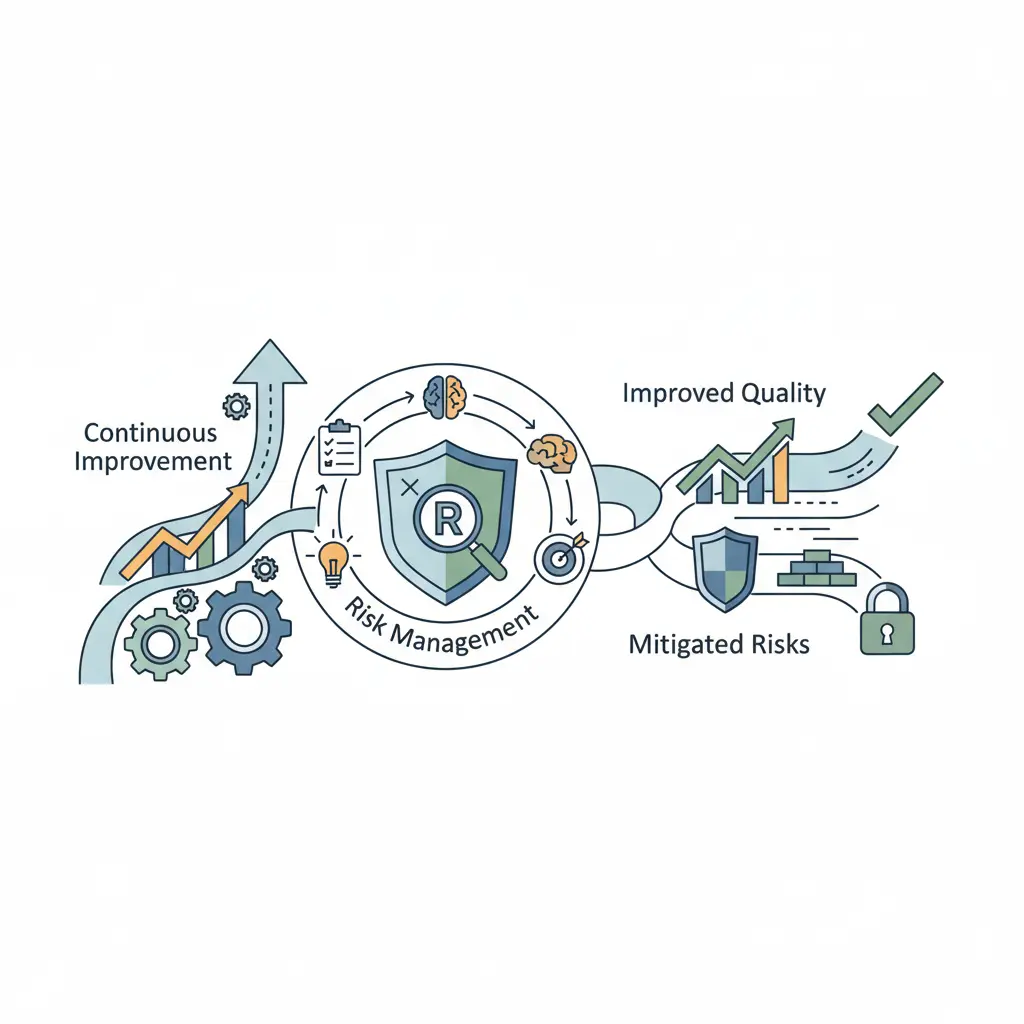
In the dynamic landscape of global commerce, particularly within B2B relationships, Supplier Quality Assurance B2B is not merely a reactive measure but a proactive, continuous journey towards excellence. For businesses engaged in international trade, especially those relying on complex supply chains, robust quality assurance (QA) frameworks are paramount. This involves not only initial vetting but also ongoing strategies for monitoring supplier performance, mitigating potential risks, and fostering long-term, mutually beneficial quality partnerships. Sustained excellence hinges on an adaptable system that can identify, address, and prevent quality issues, ensuring product integrity and brand reputation.
1. Implementing Performance Metrics and Regular Reviews
Effective continuous improvement begins with establishing clear, measurable performance metrics. For B2B Supplier Vetting Checklist and ongoing evaluation, these metrics might include on-time delivery rates, defect rates (parts per million), adherence to specifications, responsiveness to issues, and compliance with ethical standards. These Key Performance Indicators (KPIs) provide an objective basis for evaluating a supplier’s contribution to overall product quality and supply chain efficiency. Regular performance reviews, often quarterly or bi-annually, serve as critical touchpoints. During these reviews, both parties can discuss achievements, address challenges, and collaboratively set goals for improvement. The Product Sample Approval Process is a crucial early stage where these metrics can begin to be applied, ensuring initial batches meet stringent quality criteria before full-scale production. Furthermore, structured audits, both announced and unannounced, can verify adherence to quality management systems and operational procedures, ensuring that stated capabilities translate into consistent quality output.
2. Strategies for Corrective and Preventative Actions (CAPA)
Even with the most rigorous vetting, quality issues can arise. The ability to promptly and effectively address these issues is a hallmark of strong International Trade Quality Control. This is where a robust Corrective and Preventative Action (CAPA) system becomes indispensable. Corrective actions are designed to eliminate the causes of existing nonconformities, preventing their recurrence. This involves thorough root cause analysis, where methodologies like the “5 Whys” or fishbone diagrams are employed to pinpoint the fundamental origin of a problem, rather than merely treating its symptoms. Preventative actions, on the other hand, focus on eliminating the causes of potential nonconformities, preventing them from ever occurring. This proactive approach often stems from risk assessments, trend analysis of performance data, or lessons learned from corrective actions elsewhere in the supply chain. Documenting CAPA processes, assigning clear responsibilities, and verifying the effectiveness of implemented actions are vital for fostering a culture of continuous improvement and ensuring compliance with Vietnam Export Quality Standards and other global benchmarks.
3. Leveraging Technology for Supplier Relationship Management (SRM)
In today’s complex global supply chains, managing supplier relationships manually is inefficient and prone to errors. Leveraging technology through Supplier Relationship Management (SRM) platforms is crucial for optimizing quality assurance and risk mitigation. These platforms centralize supplier data, including performance metrics, audit results, CAPA records, and communication logs, providing a comprehensive, real-time view of each supplier’s profile. Advanced SRM systems can automate many aspects of supplier management, such as performance tracking, alert generation for deviations, and even scheduling reviews. Features like integrated document management facilitate the sharing and approval of quality plans, specifications, and audit reports. Predictive analytics, powered by machine learning, can identify potential risks based on historical data and market trends, allowing businesses to intervene proactively. Such technological integration not only streamlines the entire quality management system but also enhances transparency and collaboration. By providing a unified platform for all quality-related interactions, technology empowers businesses to foster stronger, more strategic partnerships with their suppliers, ensuring long-term quality and reliability in the supply chain.
Partner with Vietnam’s Leading Suppliers
Looking for reliable suppliers in Vietnam? Contact VietnamSuppliers.com today to connect with verified manufacturers and exporters across all industries.
—————————————
References
– :
– What is Quality Control and Why is it Important?: https://www.twi-global.com/technical-knowledge/faqs/what-is-quality-control
– ISO 9001 Quality Management Standard: https://www.iso.org/iso-9001-quality-management.html
– ISO Standards Overview: https://www.iso.org/standards.html
– quality management system: https://www.asq.org/quality-resources/quality-management-system