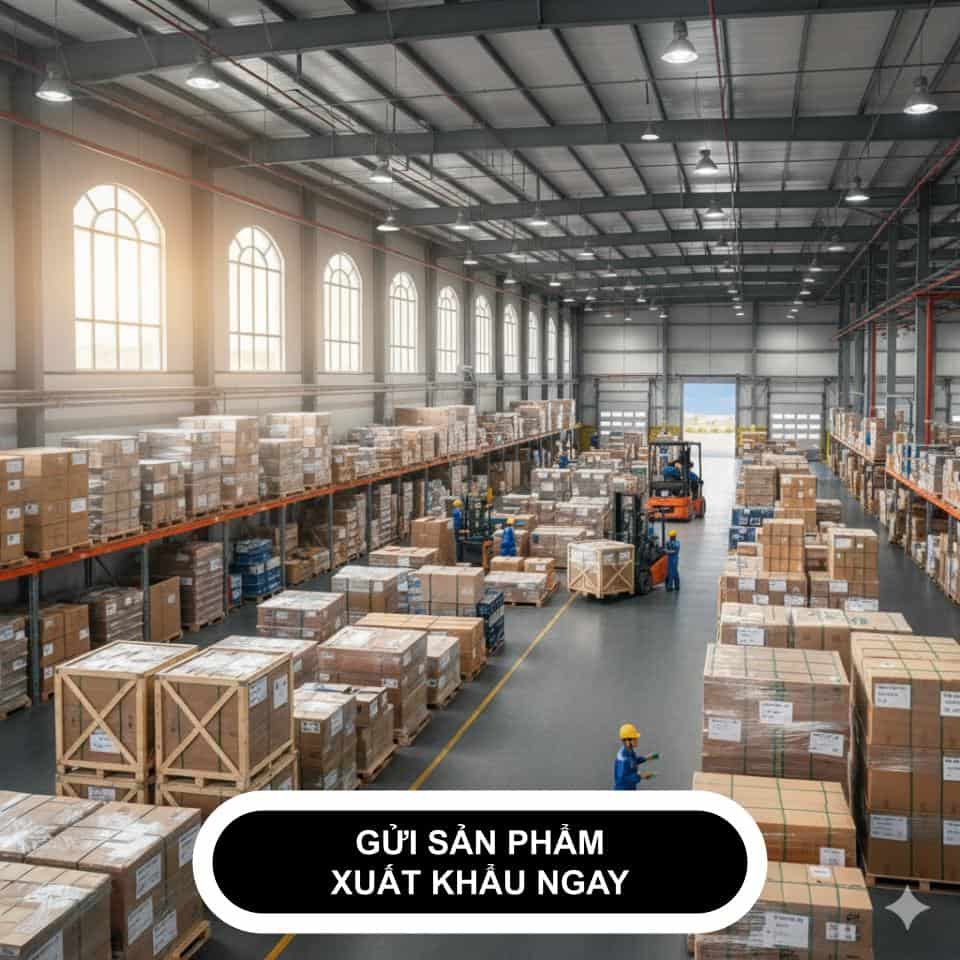
International Trade Market Trends Shaping 2025
The global economic landscape in 2025 is poised for dynamic shifts, with international trade at the forefront of this transformation. A confluence of macro-economic factors — ranging from persistent geopolitical tensions and rapid technological advancements to evolving consumer demands — will redefine established trade routes, supply chain strategies, and market access. Understanding these intricate forces is crucial for businesses aiming to navigate the complexities of the Global Trade Outlook and capitalize on emerging opportunities. This overview delves into the pivotal international trade market trends expected to dominate the discourse, providing insights into the challenges and potential for growth across various sectors.

1. Geopolitical Tensions and Trade Blocs
The year 2025 is poised to witness a continued reshaping of the global trade landscape by significant geopolitical tensions and the emergence of new trade blocs. The ‘America First’ policies, Brexit’s lingering effects, and heightened US-China trade friction have already fragmented established supply chains. Looking ahead, the World Bank’s Global Economic Prospects reports consistently highlight the risks of protectionism and trade weaponization, impacting the overall international trade market trends. Countries are increasingly prioritizing national security alongside economic efficiency, leading to ‘friend-shoring’ and diversification away from perceived high-risk regions. This strategic realignment profoundly affects the Global Trade Outlook, with a notable shift towards regionalization. For instance, the Comprehensive and Progressive Agreement for Trans-Pacific Partnership (CPTPP) and the Regional Comprehensive Economic Partnership (RCEP) represent robust frameworks fostering intra-regional trade, potentially offering new ASEAN export opportunities. This trend also brings a heightened Supply chain disruption forecast, as businesses grapple with navigating complex tariffs, non-tariff barriers, and the potential for sudden policy shifts. Businesses must strategically adapt to these evolving geopolitical fault lines, seeking resilience through diversified sourcing and localized production hubs.
2. The Rise of Digitalization and E-commerce
Technological advancements, particularly in digitalization and e-commerce, are fundamental drivers of change in international trade. The accelerated adoption of digital platforms, automation, Artificial Intelligence (AI), and blockchain technology is streamlining cross-border transactions, enhancing supply chain visibility, and reducing logistical complexities. E-commerce platforms are democratizing international trade, enabling Small and Medium-sized Enterprises (SMEs) to access global markets previously dominated by larger corporations. This expansion of cross-border e-commerce is not only reshaping consumer-to-business (C2B) and business-to-consumer (B2C) trade but also influencing business-to-business (B2B) interactions, leading to more efficient procurement and distribution networks. The integration of AI and data analytics allows for predictive supply chain management, offering a more precise Supply chain disruption forecast and enabling proactive mitigation strategies. Furthermore, blockchain technology promises greater transparency and traceability, particularly vital in sectors dealing with ethical sourcing and regulatory compliance. These digital transformations are key to understanding future international trade market trends and will necessitate continuous investment in digital infrastructure and skills to remain competitive.
3. Shifting Consumer Behavior and Demand Patterns
Evolving consumer preferences are exerting a profound influence on global trade patterns, compelling businesses to recalibrate their production and distribution strategies. A growing emphasis on sustainability, ethical sourcing, and environmental responsibility means that consumers are increasingly willing to pay a premium for goods that align with their values. This shift impacts everything from raw material sourcing to manufacturing processes and packaging. The demand for customized products and personalized experiences, fueled by e-commerce and advanced manufacturing techniques, is also pushing businesses towards more agile and responsive supply chains. Local-for-local production models gain traction, reducing transit times and carbon footprints. These changing demands significantly affect commodity price predictions, as demand shifts towards sustainable alternatives and away from resource-intensive goods. Additionally, the rise of the conscious consumer creates new niches and markets for sustainable and ethically produced goods, offering unique Global Trade Outlook opportunities for regions and industries capable of adapting quickly. Businesses that can effectively respond to these shifting consumer behaviors by offering transparent, sustainable, and personalized products will be best positioned for success in the evolving international trade landscape of 2025.
Supply Chain Disruption Forecast and Resilience
The Global Trade Outlook for the coming years is increasingly shaped by an intricate web of potential disruptions, making a robust supply chain disruption forecast paramount for businesses worldwide. From unpredictable climate events to persistent labor challenges and escalating geopolitical tensions, the stability of international trade market trends faces unprecedented scrutiny. This analysis delves into critical areas of vulnerability, exploring their impact on global logistics and offering strategic frameworks for building enduring resilience. Understanding these challenges is key to navigating the complexities of modern commerce and ensuring continuous operational flow.
1. Climate Change Impacts on Logistics
Climate change impacts on logistics represent one of the most significant and growing threats to global supply chain stability. Extreme weather events – including severe storms, floods, droughts, and wildfires – are becoming more frequent and intense, directly affecting transportation networks, production facilities, and raw material availability. For instance, rising sea levels and increased storm surges threaten crucial port infrastructure, while prolonged droughts can disrupt inland waterway shipping and agricultural commodity production. These events lead to unpredictable delays, increased shipping costs, and potential shortages of goods, impacting everything from perishable foods to industrial components. Businesses must integrate climate risk assessments into their planning, focusing on diversifying sourcing regions and investing in climate-resilient infrastructure. A recent report from the World Economic Forum underscores how climate change exacerbates existing supply chain vulnerabilities, demanding proactive measures and innovative solutions to safeguard the flow of goods and maintain stability in the international trade market trends. This proactive approach is crucial not only for environmental sustainability but also for economic resilience.
2. Labor Shortages and Automation Adoption
Persistent labor shortages and automation adoption are fundamentally reshaping the logistics and manufacturing sectors. The global workforce is experiencing demographic shifts, retirement waves, and changing job preferences, leading to critical shortages in truck drivers, warehouse staff, and skilled factory workers. This scarcity drives up operational costs, creates bottlenecks, and limits production capacity. In response, many companies are accelerating the adoption of automation technologies, from robotic process automation (RPA) in administrative tasks to automated guided vehicles (AGVs) in warehouses and AI-driven predictive analytics for inventory management. While automation offers significant advantages in terms of efficiency, speed, and accuracy, its implementation requires substantial investment, specialized skills, and careful integration to ensure seamless operations. This trend also brings ethical considerations regarding job displacement and the need for workforce retraining. For emerging markets, particularly within ASEAN, understanding this shift is vital for planning future export opportunities, as competitive advantage will increasingly depend on technological sophistication and skilled labor. Balancing human capital with technological advancements is key to navigating this evolving landscape and ensuring long-term supply chain stability.
3. Strategies for Supply Chain Diversification
To mitigate the multifaceted risks identified, robust strategies for supply chain diversification are essential. Over-reliance on a single supplier, region, or transportation route significantly amplifies vulnerability. Diversification involves a multi-pronged approach: “multi-shoring” (sourcing from multiple countries), “nearshoring” (moving production closer to end markets), and “reshoring” (bringing production back to the home country). This strategy aims to build redundancy and flexibility, ensuring that if one node in the supply chain fails, alternatives are readily available. Furthermore, investing in robust inventory management systems, forging stronger supplier relationships, and leveraging advanced data analytics for real-time visibility are critical components. Businesses should also explore regionalizing supply chains, focusing on strengthening trade corridors within blocks like ASEAN to capitalize on regional market strengths and reduce dependence on distant, complex networks. This proactive approach helps buffer against geopolitical shocks, protect against unexpected commodity price predictions, and maintain operational continuity even amidst significant global disruptions. The goal is to move from a lean, cost-optimized model to a more agile and resilient one, capable of adapting to the rapid shifts in the global economic and environmental landscape.
Forecasting the trajectory of essential commodity prices is a critical exercise for businesses, policymakers, and consumers worldwide. The coming year promises a complex interplay of geopolitical shifts, evolving demand patterns, and the accelerating pace of the green transition, all of which will profoundly influence the cost of energy, metals, and agricultural goods. These **commodity price predictions** are vital for anticipating their anticipated effects on global manufacturing, inflationary pressures, and overall consumer spending, thereby shaping the Global Trade Outlook.

1. Energy Market Volatility and Green Transition
The energy sector is poised for continued dynamism, with both traditional fossil fuels and renewable sources contributing to an environment of significant **international trade market trends**. Crude oil prices will likely remain sensitive to OPEC+ production decisions, geopolitical tensions in key producing regions, and the pace of global economic recovery. While demand is projected to strengthen, especially from emerging markets, increased supply from non-OPEC producers and strategic reserves could temper sharp price spikes. Natural gas markets, particularly in Europe and Asia, are expected to navigate a delicate balance between robust industrial demand and efforts to secure stable, diverse supplies, potentially keeping prices elevated but subject to seasonal weather patterns.
Crucially, the accelerating global push towards the green transition is reshaping the energy landscape. Investments in solar, wind, and battery storage technologies are surging, driving down the long-term costs of renewable energy. This shift, however, brings its own set of challenges, including intermittency issues and the need for massive infrastructure upgrades. The transition will influence traditional energy prices by gradually eroding demand, yet in the short to medium term, it introduces complexities as supply chains for green technologies mature. Manufacturers reliant on energy-intensive processes will need to strategize to mitigate cost fluctuations, impacting production expenses and, consequently, consumer prices through World Bank Commodity Markets Outlook forecasts, contributing to inflation and directly affecting consumer spending power.
2. Industrial Metals Demand and Resource Scarcity
Industrial metals are at the heart of the modern economy, underpinning everything from construction to high-tech electronics and the burgeoning electric vehicle (EV) sector. Copper, a bellwether for global economic health, is expected to see sustained demand driven by electrification projects, urban development, and renewable energy infrastructure. However, supply faces persistent challenges from declining ore grades, labor disputes, and environmental regulations, leading to potential **resource scarcity** and upward price pressure. Lithium, nickel, and cobalt – critical for EV batteries – will continue their price ascent, albeit with potential volatility as new mining projects come online and recycling technologies advance.
The **supply chain disruption forecast** for industrial metals remains a significant concern. Geopolitical factors, trade policies, and logistical bottlenecks continue to pose risks to the stable flow of these essential materials. Nations are increasingly focusing on securing domestic supplies and diversifying sourcing to reduce dependency on single regions. This drive for self-sufficiency and resilience could lead to localized price discrepancies and affect the global competitiveness of manufacturing sectors, from automotive to consumer electronics. Businesses engaging in international trade market trends must closely monitor these dynamics, as the cost of these foundational materials directly impacts manufacturing inputs, dictating the final cost of goods and influencing investment decisions across industries.
3. Agricultural Commodity Stability and Food Security
Agricultural commodities – including grains, edible oils, and sugar – directly impact food security and household budgets globally. Prices in this sector are particularly vulnerable to climatic events, such as droughts and floods, which can severely impact crop yields. Geopolitical conflicts also play a crucial role, disrupting traditional supply routes and export capabilities, as seen in recent years. Furthermore, rising input costs, including fertilizers and energy for farming operations, will continue to exert upward pressure on food prices.
While global food production capacity generally meets demand, localized shortages and price spikes are a recurring risk. Governments and international organizations are increasingly focused on building resilient food systems and improving storage capabilities to mitigate volatility. For regions like Southeast Asia, **ASEAN export opportunities** in agriculture will be pivotal, contributing to both regional food security and global supply chains. However, these opportunities are also subject to global market dynamics and competition. Stable agricultural commodity prices are crucial for managing inflation and protecting consumer purchasing power, especially for low-income households, making careful monitoring and proactive strategies essential for maintaining economic stability and mitigating the impact on global food security.
ASEAN Export Opportunities and Growth Sectors
The Association of Southeast Asian Nations (ASEAN) stands as a beacon of economic dynamism and strategic importance in the evolving global landscape. Comprising ten diverse economies, ASEAN collectively represents a market of over 660 million people with a rapidly growing middle class and increasing purchasing power. For international businesses, understanding the region’s trajectory and specific industry opportunities is crucial for navigating the complex Global Trade Outlook. As international trade market trends continue to shift, often influenced by recent supply chain disruption forecast models and evolving commodity price predictions, ASEAN’s resilience and forward-looking policies present unparalleled export opportunities.
1. Emerging Sectors in ASEAN for Export Growth
ASEAN’s economic transformation is creating fertile ground for a range of new and expanding export sectors. Businesses looking to tap into these markets should focus on industries driven by demographic shifts, technological adoption, and sustainability goals:
- Digital Economy and E-commerce: With soaring internet penetration and a young, digitally-native population, ASEAN’s digital economy is booming. E-commerce, fintech, digital content, and logistics services are experiencing exponential growth, presenting opportunities for software solutions, payment systems, digital marketing, and IT infrastructure.
- Green Technologies and Renewable Energy: ASEAN nations are increasingly committed to sustainable development and reducing carbon footprints. This drives demand for renewable energy solutions (solar, wind, hydropower), energy-efficient technologies, waste management systems, electric vehicles (EVs), and sustainable urban development solutions.
- Healthcare and Pharmaceuticals: Rising incomes, an aging population, and greater health awareness are fueling significant demand for quality healthcare products and services. This includes pharmaceuticals, medical devices, diagnostic equipment, healthcare IT solutions, and specialized medical services.
- Advanced Manufacturing and Electronics: While a traditional strength, the sector is evolving towards higher-value, technology-intensive manufacturing. Opportunities lie in precision engineering, automation, robotics, advanced materials, and components for smart devices and industrial applications, integrating seamlessly into global supply chain networks.
- Agri-food Technology: Ensuring food security and enhancing agricultural productivity are key priorities. This sector offers potential for exports of advanced agricultural machinery, smart farming solutions, food processing technologies, and high-quality, value-added food products.
2. Leveraging Free Trade Agreements in Southeast Asia
One of ASEAN’s most significant appeals for exporters is its extensive network of Free Trade Agreements (FTAs). These agreements reduce trade barriers, streamline customs procedures, and enhance market access, making the region highly attractive for international trade. Key agreements include:
- ASEAN Economic Community (AEC): This internal market aims for a single market and production base with free movement of goods, services, investment, skilled labor, and capital. While still developing, it significantly harmonizes regulations and reduces intra-ASEAN trade costs.
- Regional Comprehensive Economic Partnership (RCEP): As the world’s largest FTA, RCEP includes all ten ASEAN member states, plus Australia, China, Japan, New Zealand, and South Korea. It offers unprecedented market access, standardized rules of origin, and simplified customs procedures across a vast economic bloc, fundamentally reshaping global trade flows and providing a stable framework against potential supply chain disruptions.
- Bilateral FTAs: ASEAN members also have numerous bilateral FTAs with major trading partners globally, including the European Union, India, Canada, and the United States (through individual country agreements). These agreements provide tailored benefits and preferential market access for specific products and services.
Businesses can strategically utilize these FTAs to lower operational costs, enhance competitiveness, and access broader consumer bases, making ASEAN export opportunities even more compelling.
3. Investment Climate and Incentives for Exporters
ASEAN nations actively cultivate a business-friendly environment to attract foreign direct investment (FDI) and boost exports. This proactive approach is underpinned by stable economic growth, strategic geographical location, and a young, dynamic workforce. Governments across the region offer a spectrum of incentives to encourage foreign businesses, particularly those engaged in manufacturing for export:
- Fiscal Incentives: These often include corporate income tax exemptions (tax holidays) for several years, reduced tax rates, import duty exemptions on raw materials, machinery, and components, and accelerated depreciation allowances.
- Non-Fiscal Incentives: Exporters can benefit from streamlined administrative procedures, dedicated industrial zones and special economic zones (SEZs) with superior infrastructure and facilities, access to skilled labor training programs, and relaxed foreign ownership restrictions in certain sectors.
- Government Support Services: Investment promotion agencies (e.g., Malaysia’s MIDA, Thailand’s BOI, Vietnam’s MPI) provide comprehensive support, from initial consultation and market entry advice to facilitating permits and licenses.
Such a supportive environment minimizes risks for international investors and maximizes the potential returns, solidifying ASEAN’s position as a premier destination for businesses seeking robust ASEAN export opportunities and sustainable growth amidst global economic shifts.
Strategic Adaptations for Global Businesses in 2025
As businesses prepare for 2025, the global trade outlook presents a complex tapestry of challenges and opportunities. Geopolitical shifts, technological advancements, and evolving consumer demands are reshaping international trade market trends, demanding a proactive and agile approach. To effectively navigate this landscape, businesses must implement strategic adaptations focused on risk mitigation and capitalizing on emerging opportunities. This section offers actionable insights for maintaining competitiveness and fostering growth amidst uncertainty.

1. Diversifying Sourcing and Sales Markets
One of the most critical strategies for businesses in 2025 is to reduce over-reliance on single sourcing or sales markets. The past few years have highlighted the vulnerabilities of concentrated supply chains, with a supply chain disruption forecast remaining a persistent concern. Diversification not only hedges against geopolitical risks and natural disasters but also opens new avenues for growth.
- Sourcing Diversification: Explore multiple geographical regions for raw materials, components, and finished goods. This could involve nearshoring, friend-shoring, or investing in deeper relationships with suppliers in emerging markets. Companies should conduct thorough risk assessments of potential new sourcing hubs, considering factors like labor costs, regulatory environments, and logistical infrastructure.
- Market Diversification: Identify and penetrate new consumer markets to spread revenue risk. The dynamic growth of economies in Southeast Asia, for instance, offers significant ASEAN export opportunities. Businesses should leverage market intelligence to understand local preferences, distribution channels, and competitive landscapes before committing resources. Digital platforms can play a crucial role in enabling access to these new markets without extensive physical presence initially.
2. Innovating Business Models for Agility
Agility is no longer a buzzword but a fundamental requirement for survival and success. Businesses must innovate their core models to be responsive to rapid changes in demand, technology, and economic conditions. This includes embracing digital transformation and fostering a culture of continuous improvement.
- Digital Transformation: Accelerate the adoption of advanced technologies such as AI, IoT, and blockchain to enhance operational efficiency, improve forecasting capabilities, and create more transparent supply chains. For example, AI-powered analytics can provide more accurate commodity price predictions, allowing for more strategic procurement. E-commerce and digital payment solutions are also vital for reaching diverse customer bases and streamlining transactions.
- Flexible Operations: Implement modular production systems, cross-trained workforces, and dynamic inventory management strategies that can quickly adapt to shifts. Consider “as-a-service” models, subscription-based offerings, or on-demand manufacturing to reduce fixed costs and increase flexibility. Partnering with logistics providers that offer scalable solutions can also enhance responsiveness to market fluctuations.
3. Navigating New Trade Policies and Regulations
The global regulatory environment is becoming increasingly complex, with new trade agreements, tariffs, and non-tariff barriers emerging regularly. Businesses must develop robust strategies to monitor, understand, and comply with these evolving policies to avoid disruptions and penalties.
- Proactive Monitoring and Analysis: Establish dedicated teams or utilize external expertise to continuously monitor changes in trade policies, customs regulations, and international standards. Understanding the implications of bilateral and multilateral trade agreements, as well as sanctions and export controls, is paramount. This includes staying informed about the broader global economic landscape and trade policy shifts from key trading blocs.
- Compliance and Risk Management: Implement comprehensive compliance programs that cover all aspects of international trade, from product labeling and certification to data privacy regulations. Develop risk management frameworks to assess the potential impact of new policies on supply chains, pricing, and market access. Engaging with industry associations and governmental bodies can also provide valuable insights and influence future policy directions.
In conclusion, 2025 demands a strategic recalibration for global businesses. By proactively diversifying markets, innovating for agility, and meticulously navigating the regulatory maze, companies can transform potential headwinds into opportunities for sustainable growth. The ability to adapt and evolve will be the hallmark of successful enterprises in the coming year, underscoring the importance of a dynamic approach to the evolving global trade outlook.
Partner with Vietnam’s Leading Suppliers
Looking for reliable suppliers in Vietnam? Contact VietnamSuppliers.com today to connect with verified manufacturers and exporters across all industries.
—————————————
References
– World Bank’s Global Economic Prospects: https://www.worldbank.org/en/publication/global-economic-prospects
– A recent report from the World Economic Forum underscores how climate change exacerbates existing supply chain vulnerabilities: https://www.weforum.org/agenda/2022/05/supply-chain-disruptions-climate-change-covid-19-risk/
– World Bank Commodity Markets Outlook: https://www.worldbank.org/en/research/commodity-markets
– Asian Development Outlook: https://www.adb.org/publications/series/asian-development-outlook
– World Bank Global Economic Prospects: https://www.worldbank.org/en/publication/global-economic-prospects