The Premium Imperative: Why Certifications Matter More Than Ever
The global marketplace is undergoing a profound transformation, driven by an escalating awareness of environmental, social, and governance (ESG) factors. For businesses operating in the export sector, particularly those targeting discerning premium buyers, simply offering a high-quality product is no longer sufficient. Today, proving that products are ethically sourced, environmentally responsible, and produced under fair labor conditions has become a critical differentiator. This shift underscores The Premium Imperative: Why Certifications Matter More Than Ever. As consumers and corporations alike demand greater transparency and accountability, obtaining robust sustainable export certifications for premium buyers is no longer a niche advantage but a fundamental requirement for market entry and sustained success. Non-compliance, conversely, presents significant risks, ranging from reputational damage to financial penalties, highlighting the urgency for exporters to embrace verifiable sustainability and compliance standards.

1. Rising Consumer & Corporate Demand for Sustainability
The first major driver behind the imperative for certification is the undeniable surge in both consumer and corporate demand for sustainability. Modern consumers, particularly those in premium market segments, are increasingly making purchasing decisions based on a brand’s commitment to ESG principles. They are willing to pay a premium for products that bear labels indicating responsible sourcing, ethical production, and a reduced environmental footprint. This sentiment extends beyond individual buyers to the B2B landscape. Large corporations, driven by their own ESG commitments, stakeholder pressure, and regulatory scrutiny, are scrutinizing their entire supply chains. They require their suppliers to demonstrate verifiable proof of sustainability efforts, often through specific ESG certification for suppliers. This translates into a powerful market signal: if you want to be a preferred supplier for premium brands and retailers, you must speak the language of sustainability, backed by credible certifications. A recent study by PwC highlighted that 79% of global consumers are willing to pay a premium for sustainable goods, with sustainability being a key component. For exporters, this isn’t just about meeting a standard; it’s about aligning with the core values of their target market and securing a competitive edge.
2. Mitigating Reputational and Financial Risks
In an interconnected world, a single incident of non-compliance or unethical practices within a supply chain can quickly escalate into a global crisis, severely damaging a company’s reputation and financial standing. The absence of proper international trade compliance certifications and robust B2B supplier verification services exposes exporters to significant risks. For instance, being implicated in issues like forced labor, environmental pollution, or unsafe working conditions can lead to immediate order cancellations, boycotts, and a permanent loss of trust from premium buyers. Regulators worldwide are also tightening their grip, introducing stricter laws around supply chain due diligence and carbon emissions, with hefty fines for non-compliance. Failing to meet these standards can result in products being blocked at borders, expensive recalls, or even exclusion from key export markets. For premium buyers, associating with a non-compliant supplier is an unacceptable risk to their own brand integrity. Therefore, proactive investment in verifiable certifications acts as a crucial shield, demonstrating due diligence and a commitment to responsible operations, thereby mitigating both reputational and significant financial risks.
3. Unlocking Access to Lucrative Markets
Beyond risk mitigation, obtaining appropriate certifications is a strategic enabler for unlocking access to the most lucrative and discerning export markets. Premium buyers, whether major retailers, high-end distributors, or luxury brands, often mandate specific certifications as a prerequisite for doing business. These can range from environmental standards like ISO 14001 or various organic certifications to social compliance audits like SA8000 or fair trade labels, and specific quality assurance for export markets such as ISO 9001. For many, these are non-negotiable entry tickets. Having recognized certifications not only streamlines the onboarding process but also significantly reduces the due diligence burden for potential buyers, making an exporter a more attractive and trustworthy partner. These certifications serve as independent verification of an exporter’s commitment to excellence, sustainability, and compliance, projecting an image of reliability and integrity. In a competitive landscape, differentiating your offerings through credible certifications opens doors to partnerships that command higher prices and ensure long-term, stable business relationships. It allows exporters to tap into a segment of the market where value is placed not just on the product itself, but on the entire responsible journey it undertakes from origin to consumer.
Navigating ESG Certification for Suppliers
In today’s global marketplace, B2B transactions increasingly demand ethical and sustainable practices. For suppliers aiming to attract premium buyers, navigating ESG (Environmental, Social, and Governance) certification is a strategic imperative. These certifications demonstrate a commitment to responsible operations, opening doors to lucrative export markets and partnerships. Embracing ESG standards is a powerful way to achieve sustainable export certifications for premium buyers, ensuring your business stands out. This section details ESG’s core pillars, explores key frameworks, and outlines best practices for implementation.
1. Understanding Core ESG Pillars (Environmental, Social, Governance)
To successfully integrate ESG, grasp these interconnected pillars:
- Environmental (E): Focuses on a company’s impact on the natural world: climate change mitigation, resource efficiency (water, energy), waste management, and pollution prevention. For suppliers, this means demonstrating efforts in energy reduction, sustainable packaging, or robust recycling. Meeting environmental criteria is crucial for B2B supplier verification services, as buyers scrutinize supply chain ecological footprints.
- Social (S): Examines a company’s relationship with employees, customers, and communities. Key considerations include fair labor practices, human rights, diversity, employee health and safety, and community engagement. Ethical sourcing and safe working conditions are critical. Strong social performance reduces reputational risks for buyers and builds a resilient workforce, essential for International trade compliance certifications.
- Governance (G): Refers to a company’s leadership, internal controls, and adherence to laws and ethics. This includes board structure, anti-corruption policies, transparency, and data security. Robust governance ensures accountability, mitigates risks, and fosters long-term value. For export markets, sound governance underpins trust and reliability, a fundamental aspect of quality assurance for export markets.
2. Key ESG Frameworks and Standards (e.g., EcoVadis, GRI)
The ESG reporting and certification landscape includes several recognized frameworks:
- EcoVadis: A world-renowned provider of business sustainability ratings, often requested by large corporations to assess global supply chains. EcoVadis evaluates companies across 21 criteria in Environment, Labor & Human Rights, Ethics, and Sustainable Procurement. A good EcoVadis score is a critical ESG certification for suppliers, directly influencing purchasing decisions by premium buyers relying on its rigorous methodology for B2B supplier verification services. A high rating offers a significant competitive edge.
- Global Reporting Initiative (GRI) Standards: The most widely used global standards for sustainability reporting, providing a comprehensive framework for organizations to report on their economic, environmental, and social impacts. Following GRI guidelines enables suppliers to systematically communicate ESG performance to stakeholders, including potential buyers. This structured reporting demonstrates transparency and accountability, crucial for international trade compliance certifications and establishing credibility.
Other important frameworks include ISO standards (e.g., ISO 14001 for environmental management) that complement a holistic ESG profile.
3. Implementing ESG Best Practices in Your Supply Chain
Integrating ESG principles is an ongoing journey requiring commitment.
- Conduct a Baseline Assessment: Evaluate current operations against ESG criteria. Identify strengths and areas for improvement.
- Develop a Tailored ESG Strategy: Set clear, measurable ESG goals, integrating them into your overall business strategy.
- Implement Best Practices: Invest in energy-efficient machinery, optimize logistics, establish ethical sourcing policies, ensure fair wages and safe working conditions, and implement strong data governance. Proactive quality assurance for export markets now explicitly includes ESG performance.
- Engage Your Supply Chain: Extend ESG requirements to your own suppliers. Collaborate with them to improve sustainability, fostering a responsible ecosystem. This reinforces your commitment to sustainable export certifications for premium buyers throughout your value chain.
- Monitor, Measure, and Report: Regularly track progress using KPIs. Transparently report performance via frameworks like GRI or EcoVadis. This shows accountability and provides data for continuous improvement.
- Seek Certification and Verification: Pursue relevant ESG certifications that validate efforts and provide credible proof. This often includes B2B supplier verification services sought by premium buyers.
In an era where corporate responsibility is paramount, embracing ESG is about competitive advantage and future-proofing your business. Suppliers who proactively navigate ESG certification and embed sustainable practices will unlock access to premium buyers, enhance brand reputation, mitigate risks, and build long-term value. For those seeking to excel in international trade and secure partnerships, focusing on sustainable export certifications is the path forward. Explore more insights and resources on achieving these standards and connecting with premium buyers by visiting sustainable export certifications for global markets.
B2B Supplier Verification & Quality Assurance for Export Markets
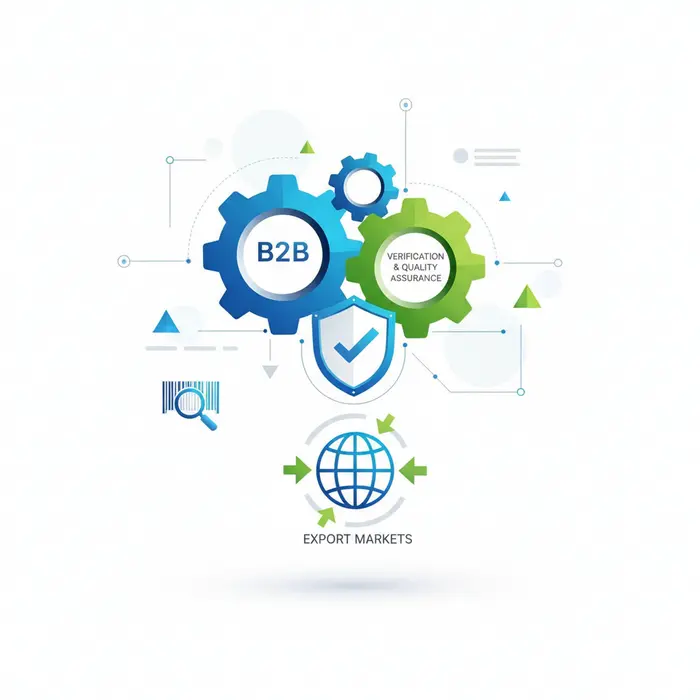
In today’s interconnected global economy, establishing trust and ensuring consistent product quality are paramount for businesses aiming to succeed in premium international export markets. Robust B2B supplier verification services and comprehensive quality assurance processes are not merely regulatory hurdles; they are strategic imperatives that build credibility with discerning international buyers and guarantee market readiness. For exporters eyeing long-term success, investing in these areas translates directly into stronger partnerships, reduced risks, and enhanced brand reputation, ultimately paving the way for sustainable export certifications for premium buyers.
1. The Role of Third-Party Verification in Building Trust
Building trust with international buyers, especially those in premium markets, begins with transparency and verifiable compliance. This is where third-party B2B supplier verification services become indispensable. Independent verification agencies provide an unbiased assessment of a supplier’s capabilities, financial stability, operational processes, and adherence to international standards. This due diligence goes beyond self-declarations, offering crucial insights into a supplier’s ethical practices, production capacity, and overall reliability. For buyers, a verified supplier mitigates risks associated with quality inconsistencies, delivery delays, and non-compliance with trade regulations. Furthermore, the increasing demand for responsible sourcing means that ESG certification for suppliers, validated by third parties, is becoming a prerequisite for many premium buyers. This not only assures buyers of a product’s quality but also its origins and the sustainability of its production, reinforcing the exporter’s commitment to responsible global trade and enabling them to acquire sustainable export certifications for premium buyers.
2. Implementing Robust Quality Management Systems (QMS)
Beyond initial verification, sustained quality for export markets hinges on the implementation and continuous improvement of robust Quality Management Systems (QMS). A well-defined QMS, often guided by internationally recognized standards such as ISO 9001 Quality Management, provides a systematic framework for managing processes to ensure consistent quality output. This involves documenting procedures, establishing quality control checkpoints at every stage of production—from raw material sourcing to final packaging—and training personnel to adhere to these standards. For export businesses, a strong QMS is vital for maintaining product uniformity, reducing defects, and meeting the stringent quality expectations of international buyers. It demonstrates a proactive approach to quality, minimizing the need for costly recalls and rejections. Moreover, a certified QMS acts as a testament to an exporter’s commitment to excellence, which is a powerful differentiator in competitive global markets, directly contributing to quality assurance for export markets and facilitating easier attainment of International trade compliance certifications.
3. Pre-Shipment Inspections and Audits for Reliability
The final layer of assurance before a product leaves its origin country is the pre-shipment inspection (PSI) and audit. These critical checks ensure that goods conform to all specified requirements, including quantity, packaging, labeling, and quality standards, right before export. PSIs are typically conducted by independent third-party inspectors who rigorously examine a sample of the shipment against the buyer’s specifications and international norms. This includes visual inspections, functional tests, measurements, and verification of shipping marks and documentation. For exporters, a successful PSI minimizes the risk of disputes, returns, or penalties upon arrival in the destination market. For buyers, it offers peace of mind, confirming that the order is exactly as expected and ready for distribution. These audits are particularly crucial for International trade compliance certifications, as they verify adherence to destination country regulations and product safety standards. By consistently passing these rigorous pre-shipment checks, exporters build a reputation for reliability and quality, strengthening their position in premium markets and upholding the highest standards of quality assurance for export markets.
Mastering International Trade Compliance Certifications
The global marketplace offers unparalleled opportunities for growth, yet it is also a labyrinth of regulations, standards, and legal requirements. For businesses aspiring to thrive in international trade, particularly those aiming to secure premium buyers, mastering compliance is not merely an option but a strategic imperative. Achieving and maintaining Sustainable export certifications for premium buyers is critical for demonstrating credibility, mitigating risks, and ensuring seamless market access. This guide explores essential certifications and regulations that underpin successful global exports, transforming potential hurdles into competitive advantages. It highlights the vital role of International trade compliance certifications in building trust and facilitating smooth cross-border transactions, ultimately enhancing a company’s reputation and market reach.
1. Understanding Incoterms and Customs Regulations
At the heart of any international transaction lies a clear understanding of responsibilities, costs, and risks between buyer and seller. This is precisely where Incoterms (International Commercial Terms) become indispensable. Developed by the International Chamber of Commerce (ICC), Incoterms provide universally recognized rules defining who is responsible for what during shipment, from origin to destination. Whether it’s EXW (Ex Works), FOB (Free On Board), CIF (Cost, Insurance and Freight), or DDP (Delivered Duty Paid), selecting the correct Incoterm prevents misunderstandings, disputes, and costly delays. Each term dictates specific obligations regarding transport, insurance, and critical customs formalities.
Beyond Incoterms, navigating the intricate world of customs regulations is paramount. Every country has its unique set of import and export laws, tariffs, duties, and documentation requirements. Exporters must meticulously prepare commercial invoices, packing lists, and certificates of origin, ensuring they align with Harmonized System (HS) codes for accurate product classification. Misclassification can lead to significant fines, confiscation of goods, or delayed clearance. Adherence to these regulations is a cornerstone of effective International trade compliance certifications, ensuring goods move smoothly across borders and avoid legal complications. Understanding these nuances is key to maintaining strong relationships with international partners and ensuring predictable supply chains.
2. Product-Specific Certifications (e.g., CE, FDA, REACH)
Gaining access to lucrative international markets often hinges on meeting stringent product-specific certifications, which demonstrate that goods conform to local health, safety, and environmental standards. These certifications are not merely bureaucratic checkboxes; they are critical safeguards designed to protect consumers and the environment, and they are non-negotiable for Quality assurance for export markets.
- CE Marking (Conformité Européenne): Mandatory for many products sold within the European Economic Area (EEA), the CE mark signifies that a product complies with EU directives concerning health, safety, and environmental protection. Manufacturers must conduct conformity assessments and affix the CE mark to demonstrate compliance, allowing for free movement of goods within the EU. For detailed information, consult the official CE marking guide from the European Commission.
- FDA Approval (Food and Drug Administration):: For products destined for the United States, particularly food, drugs, medical devices, cosmetics, and certain electronic products, FDA approval or registration is often required. This ensures products are safe, effective, and accurately labeled, protecting American consumers.
- REACH Regulation (Registration, Evaluation, Authorisation and Restriction of Chemicals): Applicable to all chemical substances manufactured or imported into the EU, REACH aims to improve the protection of human health and the environment through the early identification of intrinsic properties of chemical substances. Companies dealing with chemicals must comply with REACH, demonstrating responsible chemical management throughout their supply chain.
These certifications underscore a commitment to Quality assurance for export markets, enabling companies to build trust with buyers and consumers while expanding their global footprint.
3. Anti-Bribery and Corruption Compliance (e.g., FCPA)
In an increasingly interconnected world, ethical conduct and transparency are paramount, particularly when engaging in international trade. Anti-bribery and corruption (ABC) compliance is a critical component of International trade compliance certifications, safeguarding a company’s reputation and legal standing. Laws like the U.S. Foreign Corrupt Practices Act (FCPA) and the UK Bribery Act prohibit companies and their agents from offering, promising, or giving anything of value to foreign government officials to obtain or retain business. Violations can result in severe penalties, including hefty fines, imprisonment, and significant reputational damage.
Effective ABC compliance demands a robust internal control framework, including thorough due diligence on all third-party intermediaries, agents, and partners, especially when utilizing B2B supplier verification services. Implementing clear anti-bribery policies, providing regular employee training, and establishing transparent financial record-keeping are essential steps. Furthermore, adopting an ESG certification for suppliers framework can help embed ethical practices deeper into the supply chain, ensuring that partners also adhere to high standards of integrity. By prioritizing ABC compliance, businesses not only avoid legal pitfalls but also demonstrate a commitment to ethical global commerce, which is highly valued by premium international buyers seeking reliable and responsible partners. This proactive approach strengthens a company’s position as a trustworthy and sustainable player in the global market.
Strategic Steps for Achieving Certification Success by 2025
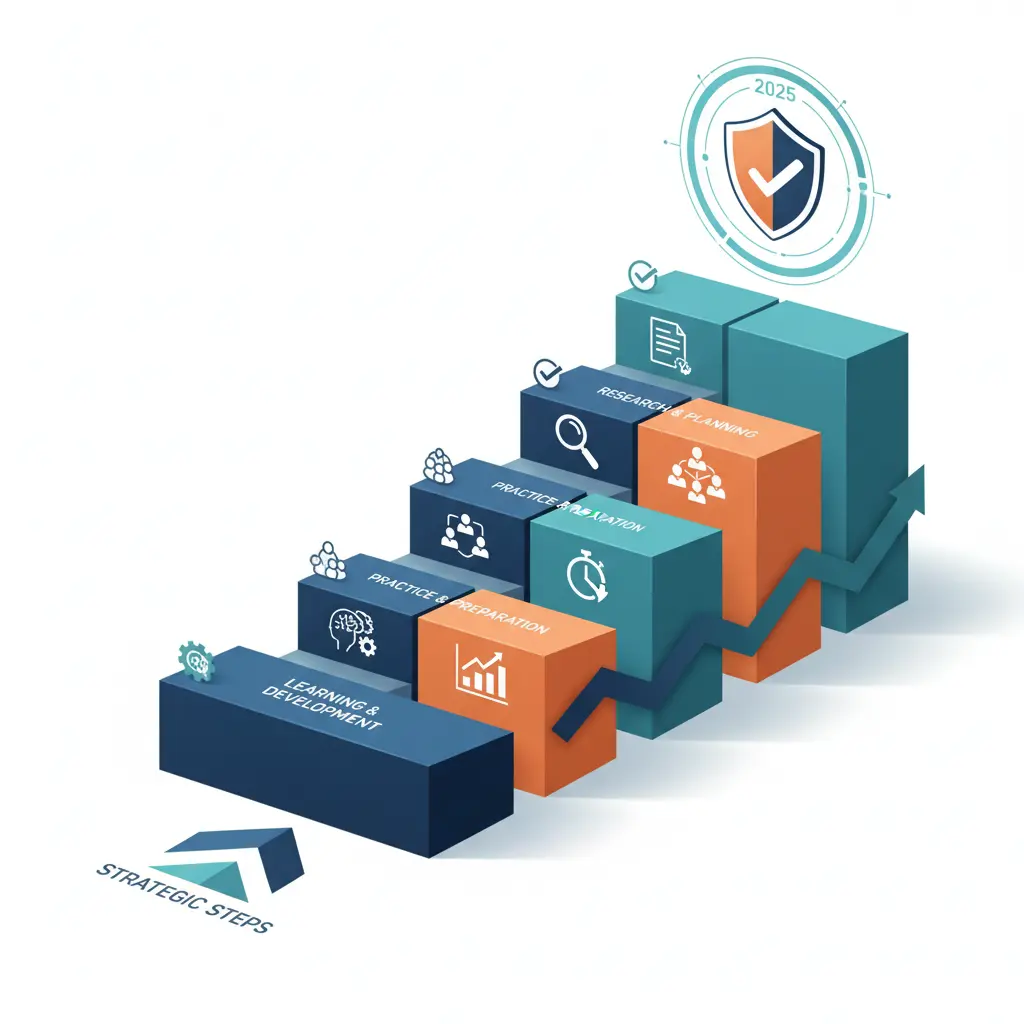
In today’s global marketplace, discerning international buyers, particularly those in premium segments, are increasingly prioritizing sustainability, ethical practices, and robust compliance from their suppliers. Achieving Sustainable export certifications for premium buyers is no longer a mere advantage but a critical prerequisite for unlocking new markets and securing high-value contracts. Exporters must proactively develop a strategic roadmap to navigate the complex landscape of international standards and regulations. This involves not only understanding the specific certifications required by target markets but also embedding sustainability and quality assurance into every facet of their operations. By 2025, a well-executed certification strategy will differentiate leading exporters, ensuring long-term competitiveness and access to the most lucrative international opportunities.
1. Conducting a Comprehensive Gap Analysis
The foundational step in any certification journey is a thorough gap analysis. This process involves evaluating your current operational practices, products, and management systems against the requirements of desired international certifications. Begin by identifying your target premium international buyers and the specific markets they operate in. Research the certifications that are highly valued or mandatory in these segments, which could range from ISO standards (e.g., ISO 9001 for quality management, ISO 14001 for environmental management) to specialized industry-specific certifications, organic labels, Fair Trade, or emerging Sustainable export certifications for premium buyers. Pay close attention to environmental, social, and governance (ESG) criteria, as ESG certification for suppliers is rapidly becoming a non-negotiable for many global corporations. Document your current adherence to these standards, pinpointing areas where your practices fall short. This detailed assessment will provide a clear picture of the resources, time, and changes required to bridge the gap and achieve compliance.
2. Building an Internal Compliance & Sustainability Team
Certification success is not solely an external process; it demands robust internal ownership and expertise. Establishing a dedicated internal compliance and sustainability team is crucial for driving and maintaining certification standards. This team should ideally be cross-functional, involving representatives from production, quality assurance, procurement, human resources, and sales. Designate a project manager or a lead responsible for overseeing the entire certification roadmap. Their role will involve coordinating efforts, tracking progress, and ensuring that all necessary documentation and operational changes are implemented. Invest in training for this team to enhance their understanding of specific certification requirements, audit processes, and continuous improvement methodologies. By fostering internal champions, you not only ensure consistent adherence to standards but also build internal capacity for ongoing B2B supplier verification services and future certification endeavors. This internal expertise is invaluable for long-term sustainability and market access.
3. Partnering with Certification Bodies and Consultants
Navigating the intricacies of International trade compliance certifications can be overwhelming, making strategic partnerships essential. Engage reputable certification bodies early in your planning process. These organizations are not just auditors; they can often provide valuable insights into specific requirements and best practices. Furthermore, consider partnering with specialized consultants who possess deep expertise in the certifications you are targeting. These consultants can offer tailored guidance, assist with developing necessary documentation, conduct pre-audits, and provide training to prepare your team for the formal certification process. When selecting partners, evaluate their track record, industry recognition, and understanding of your specific export markets. Leveraging their expertise can significantly streamline your journey towards achieving Quality assurance for export markets and ultimately securing those coveted premium buyers. Their insights can help translate complex regulations into actionable steps, ensuring a smoother and more efficient path to certification success by 2025 and beyond, solidifying your reputation for Sustainable export certifications for premium buyers.
Partner with Vietnam’s Leading Suppliers
Looking for reliable suppliers in Vietnam? Contact VietnamSuppliers.com today to connect with verified manufacturers and exporters across all industries.
—————————————
References
– PwC’s 2023 Global Consumer Insights Survey: India Snapshot: https://www.pwc.in/consulting/strategy/consumer-markets/pwc-india-consumer-insights-survey-2023.html
– international trade compliance certifications: https://www.globalreporting.org/
– ISO 9001 Quality Management: https://www.iso.org/iso-9001-quality-management.html
– CE marking guide from the European Commission: https://ec.europa.eu/growth/single-market/goods/new-legislative-framework/ce-marking_en
– ITC Standards Map: https://www.intracen.org/trade-support/standards/