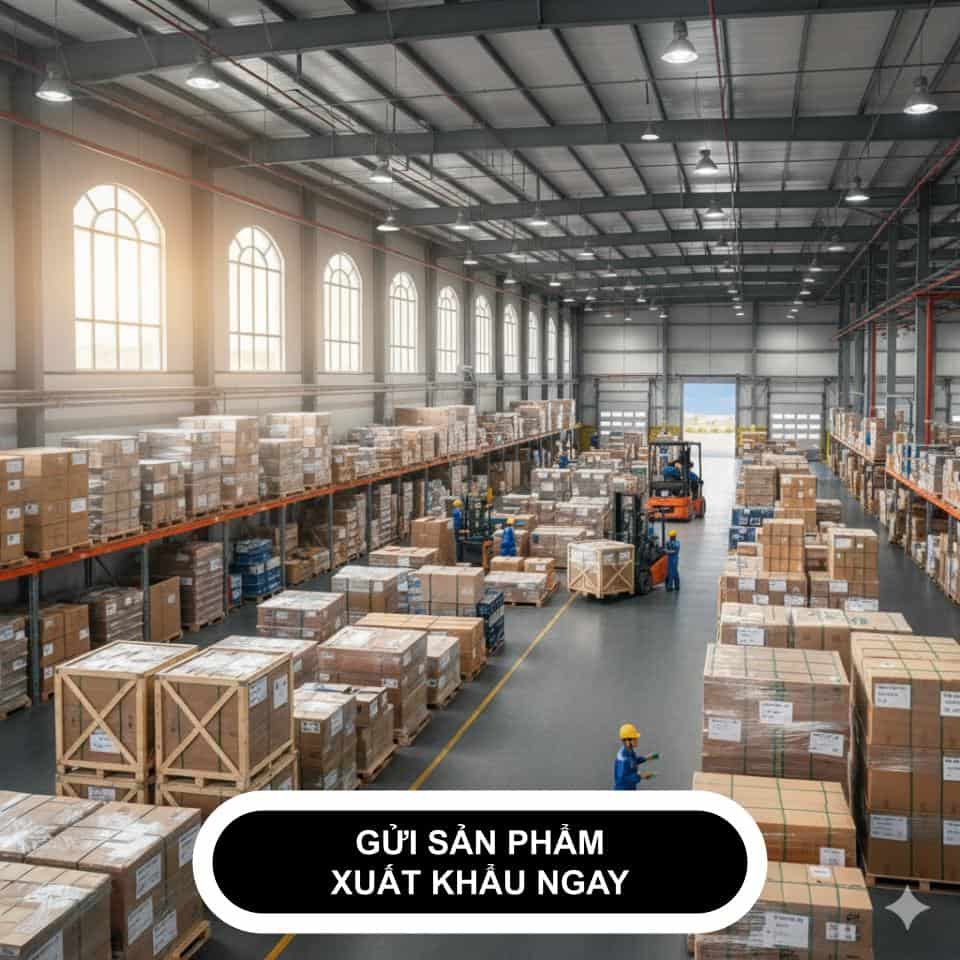
The Global Supply Chain Landscape: 2024 Overview
The year 2024 marks a pivotal moment for global supply chains, characterized by an intricate interplay of persistent challenges and emerging opportunities. Following a turbulent period of pandemic-induced disruptions, geopolitical realignments, and economic volatilities, businesses worldwide are grappling with evolving market dynamics. This overview sets the stage by examining the current state of affairs, providing essential context for understanding the 2024-2025 outlook and the strategic imperatives for supply chain leaders.

1. Key Challenges & Opportunities in 2024
In 2024, the global supply chain faces a multifaceted array of challenges. Persistent inflationary pressures continue to drive up operational costs across transportation, warehousing, and manufacturing. Labor shortages remain a critical concern, particularly in logistics and skilled manufacturing, impacting efficiency and capacity. Furthermore, volatile energy prices contribute significantly to the unpredictability of shipping and production costs. The recent disruptions in key maritime corridors, notably the Red Sea crisis, have led to significant spikes in international freight rates and extended transit times, underscoring the fragility of established routes.
Amidst these hurdles, numerous opportunities are emerging. Rapid advancements in logistics technology trends, such as AI-driven demand forecasting, machine learning for predictive maintenance, and blockchain for enhanced transparency, are empowering companies to optimize operations and mitigate risks. The push for sustainability is also driving innovation, fostering the development of greener logistics solutions, circular economy models, and more ethical sourcing practices. Additionally, strategic shifts towards nearshoring and reshoring are gaining traction, aiming to reduce lead times, enhance control over production, and build more resilient regional supply networks.
2. Post-Pandemic Shifts and New Normals
The COVID-19 pandemic fundamentally reshaped consumer behavior, business operations, and supply chain design. The once-dominant “just-in-time” inventory model is increasingly giving way to a more pragmatic “just-in-case” approach, emphasizing buffer stocks and diversified supplier bases to guard against unforeseen disruptions. The accelerated shift to e-commerce and omnichannel retail demands more agile last-mile delivery capabilities and robust, flexible fulfillment networks. Consequently, companies are investing heavily in developing comprehensive supply chain resilience strategies. This involves enhancing visibility across the entire chain, implementing advanced risk management protocols, and building greater adaptability into their operational frameworks. Understanding and adapting to these ongoing shifts are crucial for any realistic Global supply chain outlook 2024.
3. Geopolitical Impacts on Trade Routes
Geopolitical tensions have become a dominant force shaping the global freight market analysis in 2024. Ongoing conflicts in Eastern Europe, heightened instability in the Middle East affecting critical waterways like the Suez Canal, and persistent trade disputes between major economic blocs are directly impacting established trade routes. These events lead to rerouting of traditional shipping lanes, significantly increasing transit times, escalating insurance premiums, and pushing up operational costs. Such disruptions compel businesses to re-evaluate their geographic sourcing and manufacturing footprints, often leading to a diversification of production locations to reduce single-point-of-failure risks. The increasing regionalization of trade blocs and a renewed focus on national and energy security further complicate the intricate web of global commerce, necessitating proactive adjustments in sourcing strategies and logistics planning to navigate this complex and unpredictable environment.
International Freight Rates & Global Market Analysis
The global freight market remains a highly dynamic and often unpredictable landscape, characterized by rapid shifts in demand, capacity, and pricing. As businesses navigate a complex geopolitical environment, inflationary pressures, and evolving consumer behaviors, a deep understanding of current and projected trends in international freight rates is paramount. This analysis provides a comprehensive Global freight market analysis, exploring the multifaceted factors influencing sea, air, and land cargo markets, and offering insights into the broader Global supply chain outlook 2024.
1. Ocean Freight: Volatility and Capacity Trends
Ocean freight, the backbone of global trade, continues to experience significant volatility. Following the pandemic-induced surge and subsequent normalization, the latter half of 2023 and early 2024 have been marked by renewed disruptions, most notably the Red Sea crisis. This geopolitical event has forced many carriers to reroute vessels around the Cape of Good Hope, adding considerable transit time and operational costs. Consequently, container rates, which had largely stabilized, saw sharp increases on key East-West trade lanes. Despite these spikes, the underlying long-term trend points towards increased capacity. A significant order book for new container vessels, placed during the pandemic boom, is now delivering tonnage to the market. This influx of new ships, combined with potential slowdowns in global trade growth, could exert downward pressure on rates in the medium term, absent further major disruptions. Carriers are employing various Supply chain resilience strategies, including blank sailings and slow steaming, to manage capacity and stabilize rates. However, factors like new environmental regulations (e.g., IMO 2023, EU ETS) will add to operational costs, potentially offsetting some of the downward pressure from increased capacity. Shippers must remain agile, leveraging contractual agreements with flexible terms and closely monitoring real-time market data for effective container shipping market analysis.
2. Air Cargo: Demand, Rates, and Future Projections
The air cargo market presents a different set of dynamics. After experiencing unprecedented demand during the initial phases of the pandemic due to e-commerce booms and supply chain bottlenecks, air freight demand has somewhat moderated. The recovery of international passenger travel has significantly boosted belly cargo capacity, which had been severely restricted. This increase in available capacity, combined with a slight cooling in global manufacturing output, has generally led to a more stable, albeit softer, rate environment compared to the peak years. However, air cargo rates remain sensitive to specific product cycles (e.g., new electronics launches), urgent resupply needs, and regional disruptions. Fuel prices, labor availability (pilots, ground staff), and geopolitical airspace restrictions continue to be critical cost components. Looking ahead, the Global supply chain outlook 2024 for air cargo projects steady, albeit modest, growth, driven by high-value, time-sensitive goods, pharmaceuticals, and continued expansion of e-commerce, particularly in emerging markets. Shippers are increasingly using air freight as a strategic component of their Supply chain resilience strategies to mitigate risks from ocean disruptions and improve speed-to-market.
3. Land Logistics: Regional Dynamics and Intermodal Shifts
Land logistics, encompassing road, rail, and inland waterways, exhibits highly regionalized dynamics but is equally vital to the overall international freight rates ecosystem. In North America, the trucking market continues to grapple with driver shortages and regulatory changes, impacting capacity and rates. European land freight faces challenges from varying labor laws, fuel excise duties, and cross-border customs procedures, exacerbated by geopolitical tensions in Eastern Europe. Asia’s vast and rapidly developing economies are seeing significant investments in road and rail infrastructure, facilitating intra-Asian trade and connecting to global supply chains. A key trend across all regions is the increasing adoption of intermodal solutions. Shifting cargo from road to rail or barge offers significant benefits in terms of cost efficiency, reduced carbon emissions, and congestion relief, especially for longer hauls. Governments and private entities are investing in multimodal hubs and digital platforms to streamline intermodal transfers. Furthermore, the adoption of Logistics technology trends such as IoT for real-time tracking, AI-powered route optimization, and autonomous vehicles is poised to revolutionize land logistics, enhancing efficiency, transparency, and predictability. These technological advancements are crucial for building more resilient and sustainable terrestrial supply chains.
In conclusion, the Global freight market analysis for 2024 and beyond points to a landscape defined by ongoing volatility and the critical need for adaptability. While new vessel capacity may temper ocean freight rates in the long term, immediate disruptions like the Red Sea crisis demonstrate the fragility of global routes. Air cargo offers speed and flexibility, crucial for Supply chain resilience strategies, while land logistics benefits from technological integration and intermodal shifts. Businesses must embrace Logistics technology trends, diversify sourcing, and foster strong partnerships to navigate the complexities and capitalize on the opportunities within the evolving international freight landscape, ensuring a robust Global supply chain outlook 2024.
Building Robust Supply Chain Resilience Strategies
The global landscape for commerce continues its unpredictable trajectory into the Global supply chain outlook 2024, underscoring the critical need for businesses to move beyond mere efficiency towards robust supply chain resilience. The past few years have highlighted vulnerabilities in lean, cost-optimized supply chains, from pandemic-induced shutdowns and geopolitical tensions to natural disasters and sudden shifts in consumer demand. A proactive approach to building resilience is no longer an option but a strategic imperative for navigating the complexities of the global freight market analysis and ensuring business continuity. This section explores essential supply chain resilience strategies designed to fortify supply chains against future disruptions, emphasizing diversification, advanced risk management, and intelligent inventory practices crucial for any forward-thinking enterprise.

1. Diversifying Sourcing & Manufacturing Hubs
One of the most impactful supply chain resilience strategies involves strategically expanding and diversifying sourcing and manufacturing hubs. The concentration of production in a single region, while often cost-effective, exposes businesses to immense risk from natural calamities, political unrest, or trade policy changes. Businesses are increasingly adopting a “China+1” or “regionalization” strategy, establishing secondary or tertiary production sites in different geographic locations. This not only mitigates geopolitical and localized risk but also helps stabilize international freight rates by reducing reliance on a single shipping lane or port. For instance, shifting some manufacturing to Southeast Asian nations or near-shore locations can create alternative routes and reduce lead times. Such diversification requires careful assessment of infrastructure, labor availability, and regulatory environments, but the long-term resilience benefits often outweigh the initial investment, profoundly impacting global freight market analysis.
2. Risk Management & Scenario Planning
Effective risk management is the bedrock of any resilient supply chain. This involves a comprehensive approach to identifying, assessing, and mitigating potential disruptions before they materialize. Companies must move beyond historical data and embrace advanced scenario planning, utilizing predictive analytics and sophisticated logistics technology trends to model potential impacts of various events—from port strikes and cyberattacks to sudden commodity price spikes. Building a robust risk management framework includes mapping the entire supply chain, identifying critical nodes, and understanding interdependencies. Collaboration with suppliers and partners is vital, ensuring transparency and shared visibility into potential vulnerabilities. Furthermore, establishing clear contingency plans, backup suppliers, and alternative logistics routes can significantly reduce response times during a crisis. The ability to rapidly assess a disruption and execute pre-planned mitigation strategies is a hallmark of truly resilient operations. According to McKinsey & Company, companies that proactively build supply-chain resilience can prevent up to two-thirds of the damage from major disruptions.
3. Demand Forecasting Accuracy & Inventory Optimization
In an unpredictable global environment, accurate demand forecasting and optimized inventory management are critical components of supply chain resilience strategies. Traditional forecasting methods often struggle with volatility, leading to either costly overstocking or crippling stockouts. Leveraging advanced analytics, artificial intelligence (AI), and machine learning (ML) can significantly enhance forecasting accuracy by identifying subtle patterns, incorporating real-time market signals, and accounting for external factors. This improved foresight allows businesses to make more informed decisions about inventory levels, production schedules, and procurement. Inventory optimization is not about simply holding more stock, but about strategically positioning safety stock at critical points, implementing vendor-managed inventory (VMI) where appropriate, and exploring postponement strategies to delay product differentiation. These strategies minimize carrying costs while maximizing product availability, providing a buffer against unexpected demand surges or supply shortfalls. Such intelligent approaches are integral to maintaining agility and responsiveness, core tenets of effective resilience in today’s dynamic global landscape, as highlighted in the broader global supply chain outlook 2024.
Conclusion
Building robust supply chain resilience is a continuous journey requiring strategic investment and a commitment to adaptability. By diversifying sourcing, implementing comprehensive risk management, and enhancing demand forecasting with optimized inventory strategies, businesses can transform vulnerabilities into strengths. These interconnected strategies are not merely defensive measures but enable organizations to maintain competitive advantage, navigate the complexities of international freight rates and the global freight market analysis, and seize opportunities amidst uncertainty. As the Global supply chain outlook 2024 continues to evolve, companies that prioritize and systematically build resilience will be better positioned to not only survive disruptions but to thrive in an increasingly volatile world.Navigating the Future: Logistics Technology Trends
In a world grappling with unprecedented shifts, from geopolitical tensions to environmental imperatives, the global supply chain outlook 2024 underscores an urgent need for adaptability and innovation. The demand for robust supply chain resilience strategies has never been more critical. As businesses strive to optimize operations, mitigate risks, and enhance customer satisfaction, the integration of advanced logistics technology trends is no longer optional but essential. This section delves into the transformative power of emerging technologies that are reshaping the landscape of logistics, promising greater efficiency, transparency, and agility across the entire value chain.
AI, Machine Learning & Predictive Analytics in Logistics
The dawn of Artificial Intelligence (AI) and Machine Learning (ML) has ushered in a new era for logistics, moving beyond reactive problem-solving to proactive optimization. These powerful technologies enable systems to learn from vast datasets, identify patterns, and make informed decisions with minimal human intervention. Predictive analytics, a core application, revolutionizes demand forecasting by analyzing historical sales data, seasonal trends, market fluctuations, and even external factors like weather or social media sentiment. This allows businesses to anticipate future needs more accurately, thereby optimizing inventory levels, reducing waste, and preventing stockouts. Moreover, AI-driven algorithms are redefining route optimization, factoring in real-time traffic, weather conditions, delivery schedules, and even vehicle capacity to determine the most efficient paths, significantly cutting fuel costs and delivery times. From optimizing warehouse layouts and managing labor to predicting equipment failures and assessing geopolitical risks, AI and ML are central to enhancing operational efficiency and fostering smarter decision-making, directly influencing international freight rates by streamlining processes and reducing bottlenecks.
Automation & Robotics in Warehousing & Fulfillment
The relentless pursuit of speed and accuracy in order fulfillment has propelled automation and robotics to the forefront of logistics innovation. Warehouses and distribution centers are rapidly transforming into highly automated environments where human workers collaborate with sophisticated machines. Technologies such as Autonomous Guided Vehicles (AGVs) and Autonomous Mobile Robots (AMRs) transport goods across facilities, while robotic arms handle picking, packing, and sorting tasks with unparalleled precision and speed. Automated Storage and Retrieval Systems (AS/RS) maximize storage density and retrieve items quickly, reducing the physical footprint required and accelerating throughput. Drones are also finding niches in inventory management, conducting rapid cycle counts and inspections. These advancements address the challenges of labor shortages, improve workplace safety by handling repetitive or hazardous tasks, and dramatically boost operational efficiency. The integration of these automated solutions is pivotal for handling the increasing volume and complexity of e-commerce orders, driving down operational costs, and ultimately impacting the overall global freight market analysis by enhancing the speed and reliability of goods movement.
Blockchain for Supply Chain Transparency & Traceability
In an increasingly interconnected yet opaque global supply chain, the need for trust and transparency is paramount. Blockchain technology offers a decentralized, immutable ledger that can record every transaction and movement of goods from origin to destination. Each “block” of information is cryptographically linked to the previous one, creating an unbreakable chain of data that cannot be altered or falsified. This provides unprecedented visibility and traceability, allowing all authorized participants – manufacturers, logistics providers, retailers, and even consumers – to track products in real-time. For perishable goods or high-value items, blockchain can verify authenticity, monitor conditions (e.g., temperature, humidity), and ensure compliance with regulatory standards. By creating a single source of truth, it mitigates fraud, reduces disputes, and enhances accountability across complex networks. This level of transparency is crucial for building robust supply chain resilience strategies, enabling businesses to quickly identify the source of issues, verify ethical sourcing, and respond swiftly to disruptions, thus solidifying the foundation for a reliable global supply chain outlook 2024.
The convergence of AI, automation, and blockchain represents a paradigm shift in logistics, moving towards smarter, more resilient, and transparent supply chains. Embracing these advanced logistics technology trends will be critical for businesses aiming to thrive in the complex and competitive landscape of the future.
Global Supply Chain Outlook 2025: Strategic Recommendations
As businesses prepare for 2025 and beyond, the global supply chain landscape continues to evolve at an unprecedented pace. Characterized by persistent geopolitical tensions, economic volatility, and rapid technological advancements, the need for proactive and strategic planning has never been more critical. The Global supply chain outlook 2024 indicated a period of adjustment and recalibration, setting the stage for 2025 as a pivotal year for transformation. Companies must not only adapt but innovate to build resilient, agile, and sustainable supply networks. This section provides forward-looking insights and actionable recommendations for navigating this complex environment, focusing on strategies that foster long-term stability and competitive advantage.

1. Investing in Digital Transformation
The imperative for digital transformation within supply chains is no longer a futuristic concept but an immediate necessity. For 2025, businesses must prioritize investments in cutting-edge technologies to enhance visibility, efficiency, and responsiveness. Artificial Intelligence (AI) and Machine Learning (ML) are crucial for predictive analytics, enabling companies to anticipate demand fluctuations, potential disruptions, and optimize inventory management. Internet of Things (IoT) devices offer real-time tracking of goods, providing unprecedented transparency across the entire logistics chain, which is vital for monitoring International freight rates and managing transit times effectively. Furthermore, blockchain technology can significantly improve data security, traceability, and transactional transparency, building trust among supply chain partners.
Embracing these Logistics technology trends allows companies to automate repetitive tasks, reduce human error, and free up resources for more strategic initiatives. The insights gained from advanced data analytics can inform more precise demand forecasting, optimize routing, and even identify opportunities for cost savings amidst fluctuating international freight rates. Companies that fail to adapt risk falling behind competitors who leverage these tools to make data-driven decisions and enhance their operational agility, directly impacting their competitive edge in the global freight market analysis.
2. Fostering Collaboration & Ecosystem Partnerships
In an increasingly interconnected yet volatile world, no single entity can navigate the complexities of the global supply chain alone. For 2025, a strategic recommendation involves shifting from purely transactional relationships to fostering deep, collaborative ecosystem partnerships. This means working closely with suppliers, logistics providers, technology vendors, and even customers to create shared value and enhance supply chain resilience strategies. These partnerships can take various forms, from joint ventures in R&D for sustainable packaging to information-sharing agreements that provide a holistic view of the supply network.
Such collaboration enables shared risk management, collective problem-solving, and accelerated innovation. For instance, close collaboration with logistics partners can provide early warnings about potential port congestions or changes in shipping regulations, allowing for proactive adjustments. Similarly, sharing demand forecasts with key suppliers can help them better plan their production cycles, preventing bottlenecks. This approach builds a robust network capable of withstanding shocks and adapting quickly to new market conditions, making a significant difference in a dynamic global freight market analysis.
3. Sustainability & ESG Integration in Logistics
Environmental, Social, and Governance (ESG) considerations are no longer just buzzwords; they are fundamental drivers of supply chain strategy for 2025. Consumers, investors, and regulators are increasingly demanding greater transparency and accountability regarding a company’s environmental impact and ethical practices. Integrating sustainability into logistics involves a multi-faceted approach, including optimizing transportation routes to reduce carbon emissions, investing in electric or hydrogen-powered fleets, and utilizing sustainable packaging materials. It also extends to ethical sourcing, ensuring fair labor practices throughout the supply chain, and upholding human rights.
Beyond compliance, a strong ESG commitment enhances brand reputation, attracts environmentally conscious customers, and can even unlock new financing opportunities. Companies that proactively manage their environmental footprint and social impact are better positioned to meet evolving regulatory requirements and mitigate future risks. This strategic focus not only contributes to a healthier planet but also creates a more ethical and resilient Global supply chain outlook 2024, securing long-term viability and stakeholder trust.
In conclusion, the path to a robust and competitive supply chain in 2025 and beyond hinges on strategic investments in digital transformation, cultivating strong collaborative partnerships, and embedding sustainability across all operations. Businesses that embrace these recommendations will be better equipped to navigate uncertainties, capitalize on opportunities, and secure a resilient future in the ever-evolving global market.
Partner with Vietnam’s Leading Suppliers
Looking for reliable suppliers in Vietnam? Contact VietnamSuppliers.com today to connect with verified manufacturers and exporters across all industries.
—————————————
References
– international freight rates: https://unctad.org/publication/review-maritime-transport-2023
– container shipping market analysis: https://www.drewry.com/supply-chain-advisors/supply-chain-insights/supply-chain-asia-report
– McKinsey & Company: https://www.mckinsey.com/capabilities/operations/our-insights/building-supply-chain-resilience-in-a-disruptive-environment
– Automation and AI in logistics: The next wave of value creation: https://www.mckinsey.com/industries/aerospace-and-defense/our-insights/automation-and-ai-in-logistics-the-next-wave-of-value-creation
– supply chain resilience strategies: https://www.mckinsey.com/capabilities/operations/our-insights/supply-chain-resilience-in-a-new-era-global-risks-and-how-to-address-them