
Understanding RoHS Compliance in Global Trade
In the intricate landscape of global manufacturing and commerce, ensuring products meet stringent environmental standards is not just a regulatory hurdle but a fundamental aspect of responsible business practice. Central to this is RoHS Compliance Import Export, a critical framework that dictates the acceptable levels of hazardous substances in electrical and electronic equipment (EEE). For businesses engaged in international trade, navigating RoHS requirements is paramount to avoid significant disruptions, penalties, and reputational damage. This guide will delve into what RoHS entails, its overarching purpose, and why it forms an indispensable pillar of modern import/export operations, setting the foundation for robust and sustainable global trade.

1. What is RoHS? A Brief Overview
RoHS, an acronym for the Restriction of Hazardous Substances, is a directive originating from the European Union that restricts the use of specific hazardous materials found in electrical and electronic products. Initially adopted in February 2003 as EU Directive 2002/95/EC, its primary purpose is to protect human health and the environment from the risks posed by these substances during the manufacturing, use, and disposal phases of EEE. The original RoHS directive restricted six substances: lead (Pb), mercury (Hg), cadmium (Cd), hexavalent chromium (CrVI), polybrominated biphenyls (PBB), and polybrominated diphenyl ethers (PBDE).
The directive has since evolved. The current iteration, EU RoHS Directive 2011/65/EU (known as RoHS 2), came into force in 2011 and expanded the scope to cover more product categories, introduce CE marking requirements, and outline clearer responsibilities for manufacturers, importers, and distributors. Later amendments, often referred to as RoHS 3, added four new phthalates to the restricted list in 2015, which became enforceable from July 22, 2019, for most EEE. These updates underscore a continuous effort to reduce environmental impact and improve product safety.
2. Why RoHS Matters for Import/Export Businesses
For import/export businesses, understanding and adhering to RoHS Compliance Import Export is non-negotiable. Non-compliance can lead to severe consequences, including product rejection at customs, market access bans, substantial fines, and mandatory product recalls, all of which incur significant RoHS Certification Cost and operational disruptions. The directive’s influence extends far beyond the EU borders, with many countries worldwide adopting similar regulations or requiring RoHS compliance as a de facto standard for imported goods. This global convergence means that even if a product is not directly destined for the EU, meeting RoHS standards can unlock access to a broader international market.
Businesses sourcing components or finished products globally must conduct thorough due diligence, ensuring their entire supply chain, from raw material suppliers to manufacturers, is compliant. This often involves engaging professional RoHS Testing Services Global to verify material composition and confirm adherence to the restricted substance limits. Collaborating with certified RoHS Compliant Manufacturers Vietnam or elsewhere is crucial for mitigating risks. Staying informed about the latest EU RoHS Directive Updates is also vital, as substance restrictions and product scopes can change, necessitating continuous adaptation of production and verification processes to maintain market access and avoid costly delays.
3. Evolution of RoHS: Key Milestones
The journey of RoHS began with the initial Directive 2002/95/EC, which became effective in 2006. This groundbreaking legislation laid the groundwork for restricting hazardous substances, fundamentally altering manufacturing practices in the electronics industry. A significant milestone was the introduction of RoHS 2 (Directive 2011/65/EU) in 2011. This revision brought several key enhancements, including the expansion of the directive’s scope to cover all EEE unless specifically excluded, the introduction of CE marking requirements indicating conformity, and more precise definitions for economic operators. It also aligned RoHS with the New Legislative Framework for products, emphasizing greater coherence with other EU product regulations.
Further evolution occurred with Directive (EU) 2015/863, commonly referred to as RoHS 3, which added four new substances—Bis(2-ethylhexyl) phthalate (DEHP), Butyl benzyl phthalate (BBP), Dibutyl phthalate (DBP), and Diisobutyl phthalate (DIBP)—to the restricted list. These phthalates are primarily used as plasticizers and their restriction aimed to further reduce environmental and health risks. These continuous updates highlight a progressive tightening of environmental regulations and underscore the ongoing need for businesses to remain agile and informed. For those involved in RoHS Compliance Import Export, understanding these milestones is key to anticipating future changes and maintaining uninterrupted trade flows.
In conclusion, RoHS compliance is far more than a regulatory checkbox; it’s a strategic imperative for any business operating in the global market. By embracing its principles and staying abreast of its evolving requirements, companies can ensure their products are safe, environmentally sound, and capable of accessing the vast opportunities of international trade. The subsequent sections of this guide will provide practical insights into achieving and maintaining this crucial compliance.
EU RoHS Directive Updates & Their Global Impact
The European Union’s Restriction of Hazardous Substances (RoHS) Directive (2011/65/EU), often referred to as RoHS 2, stands as a cornerstone in global environmental legislation. Initially aimed at reducing the environmental impact of electrical and electronic equipment (EEE), its scope and stringency have consistently evolved. These EU RoHS Directive Updates are not merely European concerns; they create a significant ripple effect, influencing design, manufacturing, and supply chain practices worldwide, especially for businesses involved in RoHS Compliance Import Export. Understanding these changes is critical for maintaining market access and avoiding costly non-compliance penalties.
1. Latest Revisions to the EU RoHS 2 (Directive 2011/65/EU)
The EU RoHS Directive is a living document, frequently updated through delegated directives that either add new restricted substances to Annex II or modify the exemptions listed in Annex III and Annex IV. Recent years have seen a continued focus on refining the directive’s scope and addressing new scientific findings regarding hazardous substances. For instance, while the original directive focused on six substances, the list has since expanded to ten, with the latest additions in 2015 for four phthalates (DEHP, BBP, DBP, DIBP) becoming effective for most EEE categories in July 2019 (and July 2021 for medical devices and monitoring and control instruments).
Beyond new substance restrictions, the European Commission regularly reviews and modifies exemptions. These exemptions are crucial as they allow the use of restricted substances where their elimination is currently technically or scientifically impracticable, or where their environmental or health impacts are outweighed by the benefits of their use. However, these exemptions have limited validity periods and are subject to regular renewal applications and rigorous scientific review. Manufacturers must constantly monitor these expiry dates and any subsequent decisions, as a lapsed exemption can quickly render a compliant product non-compliant. Keeping abreast of these nuanced EU RoHS Directive Updates is an ongoing commitment.
2. Impact of New Substance Restrictions and Exemptions
The introduction of new substance restrictions has profound implications across the entire supply chain. Manufacturers are compelled to redesign products, reformulate materials, and meticulously vet components to ensure they do not contain restricted substances above the permissible thresholds. This often necessitates significant investment in research and development, materials engineering, and enhanced quality control processes. For many companies, especially those dealing with complex EEE, identifying the precise chemical composition of every sub-component can be a monumental task, leading to increased “RoHS Certification Cost” and prolonged product development cycles.
The dynamic nature of exemptions also creates challenges. A component supplier might rely on an exemption that is subsequently narrowed or revoked. This forces manufacturers to quickly find alternative materials or redesign parts, often under tight deadlines. Furthermore, the global nature of supply chains means that even if a manufacturer in Europe is aware of the changes, their suppliers in different regions, such as “RoHS Compliant Manufacturers Vietnam,” might need extensive support and testing to ensure their materials meet the updated requirements. Engaging “RoHS Testing Services Global” becomes indispensable for verifying compliance at various stages of production and for different geographical sourcing points. Non-compliance can lead to product recalls, significant fines, and severe damage to brand reputation.
3. Preparing for Future EU Regulatory Changes
Proactive preparation is key to navigating the evolving landscape of EU RoHS. Businesses must adopt a robust compliance strategy that goes beyond mere reaction. This includes establishing a dedicated team or individual responsible for monitoring EU RoHS Directive Updates and related legislation, such as REACH (Registration, Evaluation, Authorisation and Restriction of Chemicals), which often precedes RoHS restrictions.
A critical step is to implement rigorous supply chain due diligence. This involves:
- Supplier Engagement: Communicating RoHS requirements clearly to all suppliers, requesting material declarations, and conducting audits.
- Documentation Management: Maintaining comprehensive records of compliance for all components and finished products, including test reports and declarations of conformity.
- Risk Assessment: Identifying products or components most likely to be affected by future restrictions based on current material science trends and regulatory signals.
- Investment in Technology: Utilizing product lifecycle management (PLM) or enterprise resource planning (ERP) systems to track material composition and compliance status across the product portfolio.
For companies engaged in global trade, understanding the nuances of RoHS Compliance Import Export is paramount. It involves not only meeting EU standards but also understanding how these standards are adopted or adapted by other major markets, often through mutual recognition agreements or similar domestic legislation. Collaborating with experienced partners, including “RoHS Compliant Manufacturers Vietnam” who are well-versed in international standards, can significantly streamline the compliance process. Continuous education and a commitment to sustainable practices will ensure long-term market access and foster a resilient, environmentally responsible supply chain.
RoHS Certification Cost & Strategic Compliance
Navigating the global market demands adherence to a myriad of regulations, and for electrical and electronic equipment (EEE), none is more critical than the Restriction of Hazardous Substances (RoHS) Directive. For businesses involved in RoHS Compliance Import Export, understanding the associated costs and developing strategic compliance frameworks is paramount not only for legal conformity but also for market access and brand reputation. This section delves into the various financial implications of achieving and maintaining RoHS compliance, offering practical strategies to mitigate costs while ensuring robust adherence to international standards.

1. Breakdown of RoHS Testing and Certification Expenses
The total RoHS Certification Cost is a composite of several factors, primarily driven by the complexity of the product and the testing required. At its core, compliance involves ensuring that all homogenous materials within a product do not exceed the permissible limits for ten restricted substances, including lead, mercury, cadmium, hexavalent chromium, polybrominated biphenyls (PBB), polybrominated diphenyl ethers (PBDE), and four phthalates (DEHP, BBP, DBP, DIBP). The main expenses include:
- Material Testing: This is often the most significant cost. It typically involves screening methods like X-ray fluorescence (XRF) for initial checks, followed by more precise laboratory analyses such as Inductively Coupled Plasma-Optical Emission Spectrometry (ICP-OES) for heavy metals and Gas Chromatography-Mass Spectrometry (GC-MS) for phthalates and brominated flame retardants. The number of components, materials, and product configurations directly impacts the testing scope and cost. Prices can range from a few hundred to several thousand dollars per product, depending on the depth and breadth of testing.
- Product Certification: Once testing confirms compliance, a certification body issues a certificate of compliance or a Declaration of Conformity (DoC). This process involves reviewing test reports, technical documentation, and the manufacturer’s internal control systems.
- Consulting and Audit Fees: Many companies, especially those new to RoHS, engage consultants to guide them through the process, perform factory audits, or help establish a compliance management system.
- Re-certification and Maintenance: RoHS compliance is not a one-time event. Changes in product design, material suppliers, or updates to the EU RoHS Directive require ongoing vigilance and potential re-testing.
Engaging reputable RoHS Testing Services Global can help streamline this process, ensuring accurate and recognized results.
2. Cost-Effective Strategies for Small and Medium Businesses
For SMEs, managing RoHS Certification Cost effectively is crucial for competitive advantage. Here are some strategies:
- Proactive Design and Sourcing: Integrate RoHS compliance into the product design phase. Opt for components and materials that are inherently compliant. Work closely with RoHS Compliant Manufacturers Vietnam or elsewhere, demanding compliance certificates and material declarations from your suppliers. This ‘upstream’ approach significantly reduces the need for extensive post-production testing.
- Supplier Management: Establish robust communication channels with your supply chain. Require suppliers to provide comprehensive material declarations (e.g., IPC-1752B or similar) and evidence of their own compliance efforts. A strong supplier compliance program can minimize your direct testing burden.
- Batch Testing and Material Grouping: If multiple products share common materials or components from the same supplier, strategic batch testing can be employed. Group similar materials or components to reduce the number of individual tests required, provided homogeneity and risk assessment allow.
- Stay Updated on Regulations: The regulatory landscape, especially the EU RoHS Directive Updates, can change. Regularly monitoring these changes helps avoid costly last-minute adjustments.
- Internal Expertise vs. External Consultants: For simpler product lines, developing in-house expertise might be more cost-effective than continuous reliance on external consultants. However, for complex products or new market entries, specialist advice is invaluable.
3. Documentation Requirements and Record Keeping
Beyond physical testing, a cornerstone of RoHS compliance is diligent documentation and record keeping. Manufacturers are legally obliged to prepare technical documentation that demonstrates the conformity of their products. This technical file typically includes:
- General Description of the Product: Including photographs and diagrams.
- Design and Manufacturing Drawings: Detailing components and sub-assemblies.
- Risk Assessment: Highlighting hazardous substances.
- Test Reports: From accredited laboratories for all restricted substances.
- Supplier Declarations: Evidence of compliance from all material and component suppliers.
- Declaration of Conformity (DoC): A formal statement by the manufacturer asserting compliance with the directive.
These records must be maintained for a period of ten years after the product has been placed on the market. Robust record-keeping is vital during audits by market surveillance authorities, proving due diligence and preventing costly non-compliance penalties. Implementing a quality management system (QMS) that integrates RoHS compliance procedures ensures consistent data collection and easy retrieval, forming a critical part of a successful RoHS Compliance Import Export strategy.
Finding RoHS Compliant Manufacturers & Services Globally
In an increasingly interconnected global economy, ensuring product compliance with international environmental directives like the Restriction of Hazardous Substances (RoHS) is paramount for businesses engaged in import and export. The RoHS directive, primarily enforced in the European Union but widely adopted worldwide, restricts specific hazardous materials in electrical and electronic equipment (EEE). Navigating global supply chains to identify and partner with manufacturers and service providers that rigorously adhere to these standards is critical for market access, brand reputation, and avoiding costly penalties. This guide offers insights into securing compliant partnerships, with a particular focus on dynamic emerging markets and the essential role of global testing services.
1. Vetting Manufacturers for RoHS Compliance (e.g., Vietnam, Asia)
Selecting the right manufacturing partner is the cornerstone of successful RoHS compliance. When sourcing from emerging markets, such as Vietnam or other parts of Asia, a thorough vetting process is indispensable. Do not assume compliance; actively verify it. Start by requesting comprehensive documentation, including material declarations, component-specific test reports, and declarations of conformity. Prioritize manufacturers with established internal quality management systems (QMS) specifically designed to address restricted substances.
Engaging with RoHS Compliant Manufacturers Vietnam involves more than just checking boxes; it requires understanding their operational commitment to environmental stewardship. Inquire about their raw material procurement processes, internal testing capabilities, and how they manage their own supply chain for hazardous substances. Manufacturers genuinely committed often invest in staff training on RoHS requirements and maintain up-to-date compliance records. A site visit or an independent audit can further confirm their adherence. This proactive approach significantly reduces risks associated with non-compliant materials entering your supply chain, safeguarding your ability to conduct RoHS Compliance Import Export operations smoothly.
2. Leveraging Global RoHS Testing Services
Even with diligent manufacturer vetting, independent verification through global RoHS testing services is a crucial layer of assurance. These specialized laboratories employ advanced analytical techniques to confirm the absence or permissible levels of restricted substances in materials and finished products. Common methods include X-ray fluorescence (XRF) screening for rapid preliminary analysis, followed by more precise chemical methods like GC-MS, ICP-OES, and UV-Vis spectroscopy for quantitative measurements of specific substances (e.g., lead, cadmium, mercury, hexavalent chromium, PBBs, PBDEs, phthalates).
The cost associated with achieving compliance, often referred to as RoHS Certification Cost, is a worthwhile investment considering potential penalties for non-compliance, product recalls, and reputational damage. Reputable RoHS Testing Services Global operate accredited labs (e.g., ISO/IEC 17025 certified) with a global footprint, ensuring consistency and recognition of their reports across different jurisdictions. They can provide final product testing, raw material screening, and component-level verification, instilling confidence at every stage of your product’s lifecycle. Establishing a relationship with a reliable global testing partner is essential for maintaining ongoing compliance and reacting swiftly to any potential issues.
3. Supply Chain Due Diligence for Restricted Substances
Achieving and maintaining RoHS compliance is not a one-time event; it’s an ongoing process demanding continuous supply chain due diligence for restricted substances. This involves implementing robust systems for monitoring and managing compliance throughout your entire product lifecycle. Regular communication with suppliers is key, ensuring they are informed of and adhere to the latest regulatory changes and your specific requirements.
The landscape of environmental regulations is dynamic, with periodic EU RoHS Directive Updates introducing new restrictions or clarifying existing ones. For instance, amendments to Annex II of the RoHS Directive (2011/65/EU) have added new phthalates to the restricted list. Your due diligence process should include contractual clauses mandating compliance, requiring notification of material changes, and allowing for audits. Furthermore, establishing a system for collecting and archiving compliance documentation, such as material declarations (e.g., IPC-1752A) and test reports, is critical for demonstrating compliance to regulatory authorities. Proactive management and a clear understanding of your supply chain’s material composition are vital for sustainable global trade and avoiding disruptions in your RoHS Compliance Import Export operations.
Conclusion:
Navigating RoHS compliance in a globalized market requires a multi-faceted strategy encompassing diligent manufacturer vetting, strategic utilization of global testing services, and robust supply chain due diligence. By proactively implementing these measures, businesses can confidently source, manufacture, and distribute products worldwide, ensuring adherence to environmental standards and unlocking opportunities in international trade.
Streamlining RoHS Compliance for Smooth Import/Export
In the intricate world of international trade, ensuring that your products adhere to environmental regulations is not just good practice—it’s a legal imperative. The Restriction of Hazardous Substances (RoHS) directive plays a critical role in controlling the use of specific hazardous materials in electrical and electronic equipment (EEE), impacting everything from product design to global logistics. For businesses engaged in import and export, robust RoHS Compliance Import Export strategies are essential to minimize delays, avoid hefty penalties, and maintain market access.
Understanding and implementing these directives can seem daunting, but with the right approach, businesses can navigate the complexities efficiently. This guide offers practical advice and best practices for integrating RoHS compliance seamlessly into your import and export processes, safeguarding your supply chain and enhancing your reputation.
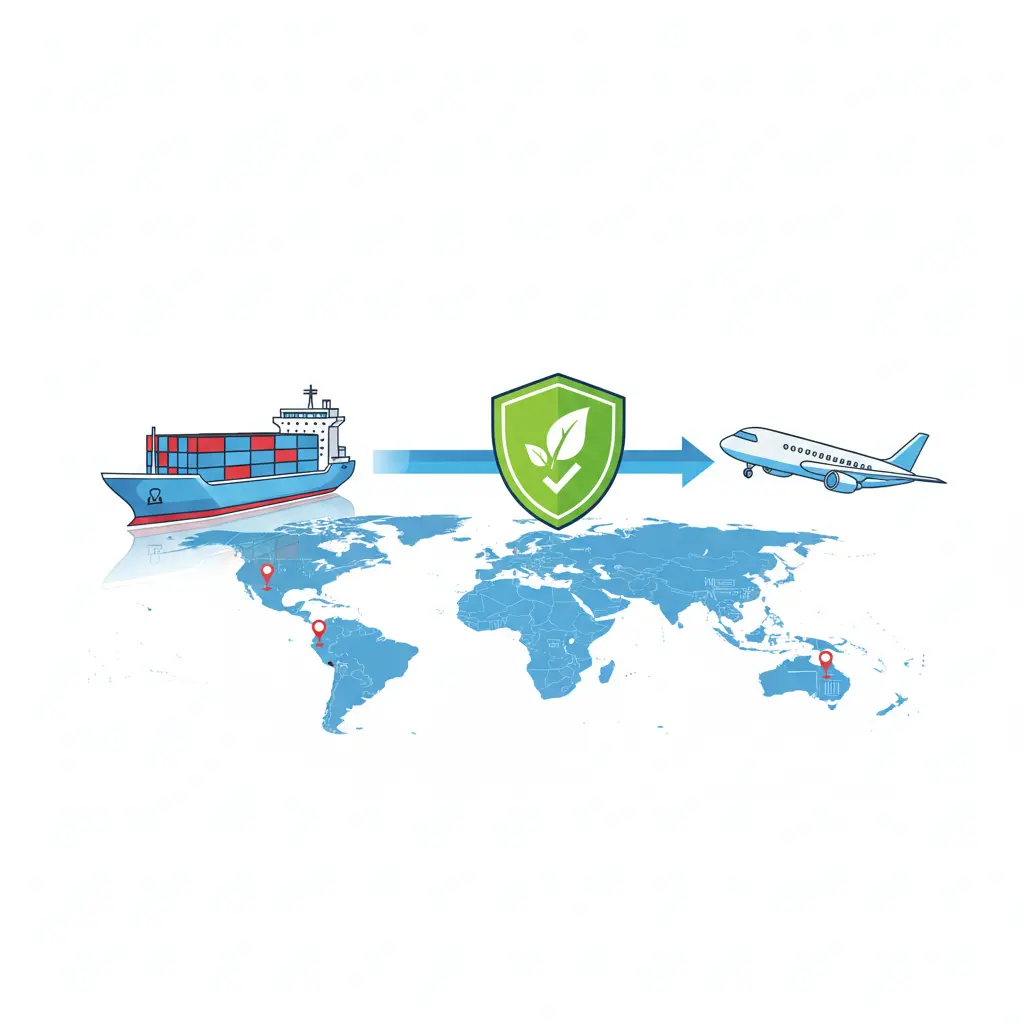
1. Integrating RoHS into Your Import/Export Workflow
Effective RoHS compliance begins long before products leave the factory floor or arrive at a port. It requires a proactive, integrated approach across your entire supply chain. Here’s how to embed it into your import/export workflow:
- Supplier Due Diligence: The cornerstone of compliance is knowing your suppliers. Implement rigorous checks to ensure that components and materials sourced meet RoHS standards. Request and verify Certificates of Conformity (CoCs) and material declarations. When working with RoHS Compliant Manufacturers Vietnam or elsewhere, don’t just take their word for it; ask for supporting documentation and be prepared to audit their processes.
- Technical Documentation & Record Keeping: Maintain comprehensive technical files for all compliant products. This includes design specifications, material declarations, test reports from RoHS Testing Services Global, and evidence of internal control systems. This documentation is crucial for demonstrating compliance to customs authorities and market surveillance bodies.
- Product Testing: While not always mandatory for every component, strategic testing is a vital part of due diligence, especially for high-risk components or new suppliers. Understanding the RoHS Certification Cost for such testing should be factored into your product development budget as an investment in market access.
- Labeling & Declaration: Ensure products are correctly labeled according to relevant directives. This might include specific markings, manufacturer identification, and contact information. Accurately declare product compliance on all shipping documents, invoices, and customs declarations.
- Training & Awareness: Educate your internal teams—from procurement and engineering to sales and logistics—on the importance and specifics of RoHS. A well-informed team is your first line of defense against compliance failures.
2. Common Pitfalls to Avoid in RoHS Compliance
Despite best intentions, businesses often stumble into common traps that can lead to significant disruptions and penalties:
- Ignoring EU RoHS Directive Updates: RoHS is not static. Directives, such as those from the European Commission on RoHS, are regularly reviewed and updated, with new substances added or exemptions changed. Failing to monitor these changes can quickly render previously compliant products non-compliant. Subscribe to official updates and industry newsletters to stay informed.
- Assumed Compliance: Never assume a component or product is compliant just because a supplier says so, or because a previous batch was compliant. Continuous verification is key, especially if you’re dealing with a dynamic supply chain or new product lines.
- Inadequate Documentation: Customs authorities and market surveillance bodies require robust evidence of compliance. Missing or incomplete technical files, test reports, or supplier declarations are red flags that can lead to product impoundment, fines, or even forced recalls.
- Focusing Only on Finished Products: Compliance must extend to every component and sub-assembly. A single non-compliant part can invalidate the compliance of the entire finished product, irrespective of its size or cost.
- Lack of Internal Communication: Siloed departments can lead to compliance gaps. Ensure open lines of communication between design, procurement, manufacturing, quality control, and logistics to maintain a holistic view of compliance.
3. Future Trends in Global Environmental Directives
The landscape of environmental directives is continuously evolving, pushing towards greater sustainability and transparency. Businesses involved in import/export must anticipate these changes to stay ahead:
- Expanded Scope and New Substances: Expect directives like RoHS to broaden their scope to include more product categories and restrict additional hazardous substances. This reflects a global trend towards stricter chemical management.
- Digital Product Passports: The concept of digital product passports is gaining traction, particularly in the EU. These will provide comprehensive information about a product’s composition, origin, repairability, and end-of-life options throughout its lifecycle, demanding unprecedented levels of data transparency from manufacturers.
- Circular Economy Initiatives: Future directives will increasingly focus on circular economy principles, promoting product design for durability, repairability, and recyclability. This will influence material choices and product longevity, directly impacting how manufacturers approach compliance.
- Global Harmonization vs. Regional Variation: While there’s a push for greater global harmonization of environmental standards, regional variations will likely persist. Businesses must remain adaptable, understanding that compliance in one market doesn’t automatically translate to another.
- Increased Enforcement: As environmental concerns grow, expect stricter enforcement of existing and future directives, with higher penalties for non-compliance. Investing in robust compliance systems now will mitigate future risks.
By proactively integrating RoHS compliance into your import/export operations, avoiding common pitfalls, and staying abreast of future trends, businesses can ensure smooth trade, uphold their environmental responsibilities, and secure their position in the global market.
Partner with Vietnam’s Leading Suppliers
Looking for reliable suppliers in Vietnam? Contact VietnamSuppliers.com today to connect with verified manufacturers and exporters across all industries.
—————————————
References
– EU RoHS Directive 2011/65/EU (RoHS 2): https://eur-lex.europa.eu/legal-content/EN/TXT/?uri=CELEX:02011L0065-20190722
– EU RoHS Directive Updates: https://environment.ec.europa.eu/topics/circular-economy/waste/restriction-hazardous-substances-rohs-directive_en
– :
– EU RoHS Directive Updates: https://environment.ec.europa.eu/topics/circular-economy/rohs-directive_en
– European Commission on RoHS: https://environment.ec.europa.eu/topics/waste-and-recycling/rohs-directive_en

