The Rise of Vietnam in Global Sourcing
In the dynamic landscape of global manufacturing and supply chains, Vietnam has rapidly emerged as a powerhouse, attracting an increasing number of international businesses seeking robust and reliable production alternatives. Once primarily known for its agricultural exports, Vietnam has strategically positioned itself as a premier destination for manufacturing and Vietnam Sourcing Strategy, offering a compelling array of advantages over many traditional manufacturing hubs. This shift is not coincidental but the result of deliberate policy, strategic investment, and a growing skilled workforce.
The allure of Vietnam stems from a combination of factors, including its strategic geographical location, a pro-business government, an expanding network of free trade agreements, and a cost-effective labor force. For businesses looking to optimize their supply chains, mitigate risks associated with over-reliance on a single country, or simply reduce production costs without compromising quality, understanding why Vietnam has become a top destination is crucial. From textiles and footwear to electronics and furniture, the diversity of industries thriving in Vietnam continues to expand, making it an indispensable part of any forward-thinking global sourcing strategy.
1. Key Economic Advantages for Importers
Vietnam’s economic landscape presents a highly attractive environment for importers. One of the primary drivers is its competitive labor costs, which remain significantly lower than those in many developed nations and even some competing Asian economies. This cost-efficiency translates directly into more competitive pricing for manufactured goods, offering a substantial advantage to businesses looking to improve their profit margins. Beyond labor, the Vietnamese government has implemented various incentives, including tax breaks and simplified customs procedures, to encourage foreign direct investment (FDI) and streamline the import/export process, making it easier to import from Vietnam guide your products efficiently.
Furthermore, Vietnam boasts a young, adaptable, and increasingly skilled workforce. Significant investments in education and vocational training have equipped a new generation with the expertise required for modern manufacturing processes, from advanced electronics assembly to precision garment production. This combination of cost-effectiveness and a growing talent pool ensures both efficiency and quality. For businesses wondering how to find Vietnam manufacturers that meet specific quality standards, the expanding industrial parks and specialized zones across the country offer a robust Vietnam supplier directory of high-quality producers.
2. Diversifying Your Supply Chain Beyond China
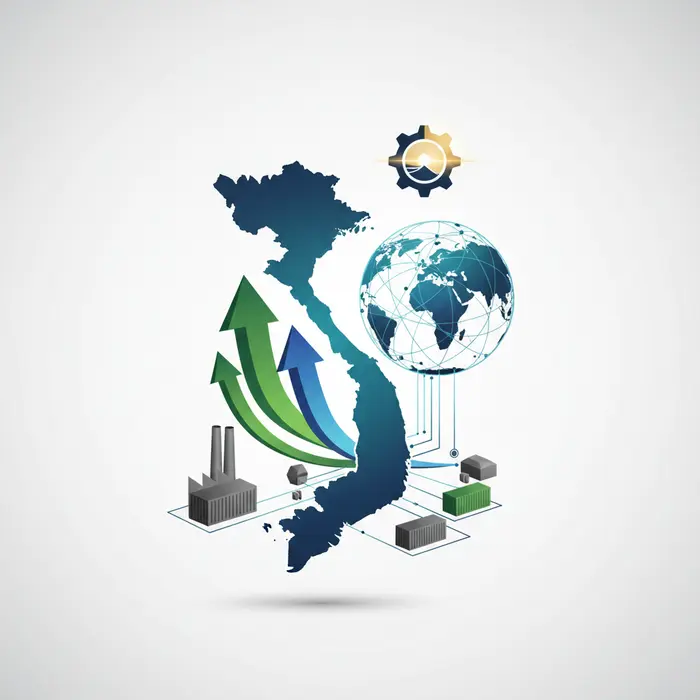
The geopolitical shifts and economic dynamics of recent years have underscored the imperative for businesses to diversify their global supply chains. Over-reliance on a single country, particularly China, has exposed many companies to significant risks, including trade tariffs, geopolitical tensions, and pandemic-related disruptions. Vietnam offers a compelling solution for businesses seeking to de-risk and strengthen their supply resilience.
Its burgeoning manufacturing capabilities provide a viable alternative or complementary base for production. Companies can leverage Vietnam’s strengths in specific sectors to create a more balanced and robust sourcing portfolio. This ‘China plus one’ strategy, where Vietnam serves as a crucial additional manufacturing hub, allows businesses to maintain cost advantages while enhancing flexibility and reducing vulnerability. Moreover, the presence of experienced Vietnam sourcing agents can significantly ease the transition, helping businesses navigate local regulations, identify reputable suppliers, and manage quality control effectively, ensuring a seamless integration into their diversified supply chain.
3. Robust Infrastructure and Strategic Trade Agreements
Vietnam’s commitment to becoming a global manufacturing leader is evident in its continuous investment in infrastructure development. The country has significantly expanded and modernized its transportation networks, including deep-water ports like Cai Mep and Haiphong, international airports, and a growing system of highways. These infrastructure improvements are critical for efficient logistics, ensuring that raw materials can be imported and finished goods exported quickly and cost-effectively. This logistical efficiency further enhances Vietnam’s appeal as a manufacturing destination, reducing lead times and improving overall supply chain predictability.
Crucially, Vietnam has proactively engaged in a comprehensive network of free trade agreements (FTAs), solidifying its position in global commerce. These include membership in the ASEAN Free Trade Area (AFTA), the Comprehensive and Progressive Agreement for Trans-Pacific Partnership (CPTPP), and the European Union–Vietnam Free Trade Agreement (EVFTA). These agreements provide preferential access to major international markets, reducing tariffs and non-tariff barriers, which directly benefits importers. For instance, the EVFTA has been instrumental in boosting trade between Vietnam and the EU, showcasing the country’s strategic alignment with global economic powers. According to a report by the World Bank, Vietnam’s economy has demonstrated remarkable resilience and growth, further cementing its role as a key player in global trade and manufacturing. These trade agreements not only open up new markets but also signal Vietnam’s commitment to an open, integrated, and rules-based international trading system, providing long-term stability and confidence for foreign investors and importers.
How to Find Vietnam Manufacturers & Suppliers
As a global manufacturing hub, Vietnam presents immense opportunities for businesses seeking diverse, high-quality, and cost-effective production partners. However, navigating this vibrant market requires a well-defined Vietnam Sourcing Strategy to identify reliable manufacturing partners and suppliers. This guide provides practical steps and resources for efficiently finding and vetting potential collaborators, ensuring a smooth and successful import process from Vietnam.
1. Utilizing Online Vietnam Supplier Directories
One of the most accessible starting points for anyone looking to how to find Vietnam manufacturers is through online supplier directories. These platforms serve as vast databases, connecting buyers with a multitude of potential suppliers across various industries. Popular global B2B marketplaces like Alibaba.com and GlobalSources.com feature extensive listings of Vietnamese companies, often categorized by product, capacity, and certifications. Additionally, country-specific platforms, while fewer in number and often in Vietnamese, can offer more localized options and direct contact information. When using these directories, focus on suppliers with detailed profiles, clear product images, and positive reviews or ratings. While these platforms are excellent for initial discovery and generating a longlist of prospects, remember that verification and further communication are crucial next steps before committing to any supplier.
2. Trade Fairs and B2B Platforms
For a more hands-on and immersive experience in identifying Vietnamese suppliers, participating in trade fairs and leveraging specialized B2B platforms is invaluable. Vietnam hosts numerous international trade exhibitions throughout the year, such as Vietnam Expo, SaigonTex (for textiles and garments), and VietnamWood (for woodworking machinery and furniture production). Attending these events allows you to physically inspect product samples, directly engage with manufacturers, discuss capabilities, and build personal relationships—a significant advantage in Vietnamese business culture. Beyond physical fairs, certain B2B platforms specialize in facilitating sourcing and procurement, offering more integrated tools for requesting quotes, managing orders, and even conducting virtual factory tours. These platforms often provide a level of vetting that general directories might not, helping businesses to more confidently import from Vietnam guide their sourcing journey.
3. Leveraging Vietnam Sourcing Agents and Consultants
For businesses seeking to mitigate risks, overcome language barriers, and gain an edge in the competitive Vietnamese market, engaging professional Vietnam sourcing agents or consultants is an excellent option. These local experts possess in-depth knowledge of the Vietnamese manufacturing landscape, including common business practices, regulatory requirements, and an established network of vetted suppliers. A reputable sourcing agent can assist with everything from supplier identification and factory audits to price negotiation, quality control, and logistics coordination. Their local presence and expertise are particularly beneficial for small to medium-sized enterprises or companies new to Vietnam supplier directory navigation, as they can significantly streamline the sourcing process and help avoid costly mistakes. For deeper insights into Vietnam’s trade landscape and economic conditions, which underpin much of its manufacturing growth, consulting resources from organizations like the World Trade Organization can be highly beneficial. For example, the World Trade Organization’s country profile on Viet Nam offers comprehensive data on trade policy and statistics, providing an authoritative overview for strategic decision-making.
4. Performing Thorough Due Diligence and Verification
Regardless of the method used to identify potential partners, the importance of comprehensive due diligence cannot be overstated. This critical step ensures the reliability, ethical practices, and production capabilities of your chosen manufacturer or supplier. Due diligence should involve several key components: background checks on company registration and legal standing; requesting and verifying business licenses, certifications (e.g., ISO, BSCI, SA8000), and past client references; and conducting factory audits. Factory audits can be performed by third-party inspection companies or by your own team, assessing production capacity, quality management systems, working conditions, and adherence to environmental standards. Additionally, clear communication regarding product specifications, quality expectations, payment terms, and delivery schedules is paramount. A proactive approach to verification minimizes risks such as production delays, quality issues, and potential fraud, laying a solid foundation for a long-term and successful partnership in Vietnam.
Navigating the Import Process from Vietnam
Embarking on a Vietnam Sourcing Strategy offers immense opportunities for businesses looking to diversify their supply chains and capitalize on competitive manufacturing costs. However, successfully importing goods from Vietnam requires a thorough understanding of the intricate logistics, customs procedures, and regulatory requirements. This comprehensive guide will walk you through the essential steps, from documentation to shipping, ensuring a smoother and more compliant import process. Whether you’re trying to find Vietnam manufacturers or navigating complex trade policies, a well-planned approach is crucial for a successful import from Vietnam. Understanding the nuances of the supply chain will help you leverage resources like a Vietnam supplier directory and potentially work with Vietnam sourcing agents effectively.
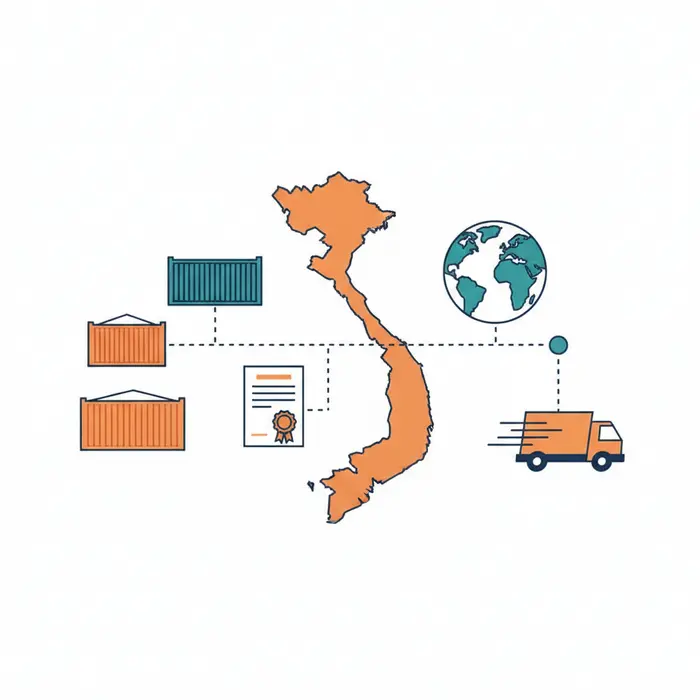
1. Essential Documentation and Customs Clearance
A seamless import operation from Vietnam hinges on meticulous documentation and efficient customs clearance. Importers must prepare a range of critical documents to avoid delays and penalties. Key documents typically include the Commercial Invoice, Packing List, and the Bill of Lading (sea freight) or Air Waybill (air freight). A crucial document for claiming preferential tariff treatment under free trade agreements is the Certificate of Origin. Depending on the product, you might also need import/export licenses, health certificates, or product-specific certifications.
Navigating customs regulations involves proper classification of goods using Harmonized System (HS) codes and accurate valuation for duty assessment. Engaging a licensed customs broker in your destination country is highly recommended. These professionals ensure all documentation is correctly prepared and submitted, facilitate communication with customs authorities, and help you comply with all import regulations, streamlining the clearance process and mitigating risks associated with importing goods from Vietnam.
2. Shipping Options and Logistics Considerations
Choosing the right shipping method is paramount for cost-effectiveness and timely delivery when importing from Vietnam. The two primary options are sea freight and air freight. Sea freight is economical for bulk or non-urgent shipments (FCL or LCL), with transit times of 3-6 weeks. Air freight is faster but considerably more expensive, reserved for high-value, perishable, or time-sensitive goods.
Understanding Incoterms (International Commercial Terms) is crucial as they define responsibilities for delivery. Common Incoterms like FOB, CIF, and DDP dictate who bears costs and risks during transit. Carefully negotiating Incoterms with your Vietnamese supplier directly impacts your logistical costs and liability. Selecting a reliable freight forwarder is another critical step. They manage the entire shipping process, from origin pickup to final delivery, optimize routes, and handle unforeseen issues. Efficient logistics planning is a cornerstone of a successful Vietnam Sourcing Strategy, impacting both cost and lead time.
3. Quality Control and Compliance
Maintaining product quality and ensuring compliance with international standards are non-negotiable aspects of importing from Vietnam. Implementing robust quality control (QC) measures, such as pre-shipment inspections by independent third-party agencies, is essential. These inspections verify that goods meet specified quality, quantity, and packaging requirements before leaving the factory, preventing costly returns or rework.
Furthermore, adherence to product safety and regulatory compliance standards of your target market is paramount. This may include obtaining certifications like CE or RoHS, or specific safety marks. Always confirm with your Vietnamese manufacturers that they can meet these requirements and provide necessary documentation. Beyond product quality, ethical sourcing and social compliance are increasingly important. Conduct due diligence on manufacturers’ adherence to labor and environmental standards. Utilizing a reputable Vietnam supplier directory or working with experienced Vietnam sourcing agents can help identify compliant factories, ensuring your imports align with ethical trade principles.
Navigating the import process from Vietnam, while complex, becomes manageable with diligent planning and a clear understanding of the regulatory landscape. By prioritizing accurate documentation, strategic shipping, and rigorous quality control, businesses can successfully tap into Vietnam’s growing manufacturing capabilities and secure a competitive edge in the global market. A proactive approach to these critical areas will significantly contribute to a profitable and sustainable import operation.
The Role of Vietnam Sourcing Agents
The allure of Vietnam as a global manufacturing powerhouse is undeniable, drawing businesses worldwide with its competitive costs, skilled workforce, and burgeoning infrastructure. However, navigating the intricacies of the Vietnamese supply chain, from identifying reliable manufacturers to ensuring quality control and smooth logistics, can be a daunting task. This is where a robust Vietnam Sourcing Strategy, often spearheaded by experienced Vietnam sourcing agents, becomes not just beneficial but essential. These local experts act as your eyes and ears on the ground, streamlining operations and mitigating potential risks.
Effective Vietnam sourcing agents are more than intermediaries; they are strategic partners for anyone looking to successfully import from Vietnam. Their profound understanding of local business practices, cultural nuances, and the specific manufacturing landscape is invaluable. They bridge communication gaps, overcome cultural misunderstandings, and possess intimate market knowledge. By leveraging an agent, businesses gain access to a pre-vetted network of suppliers, robust negotiation power, and on-the-ground quality control, ultimately saving time, money, and reducing the stress associated with international procurement.
1. When to Partner with a Local Agent
Engaging a Vietnam sourcing agent is crucial if you are new to the Vietnamese market, lack established local contacts, or have limited resources for frequent on-site visits. Agents are indispensable for small to medium-sized enterprises (SMEs) that cannot afford their own local offices or dedicated sourcing teams. For products requiring specialized manufacturing processes or stringent quality, an agent can expertly identify how to find Vietnam manufacturers that meet precise specifications. They become your dedicated representative, navigating language barriers, ensuring legal compliance, and handling unexpected issues during production or shipment, essentially providing a real-time ‘import from Vietnam guide’.
2. Vetting and Managing Sourcing Agent Relationships
The success of your Vietnam Sourcing Strategy relies heavily on selecting the right agent. Look for agents with a proven track record, specific industry expertise, and strong references. Transparency is key; a reputable agent should be open about fees, network, and supplier due diligence. Communication style and frequency are critical – ensure their reporting methods align with your needs. Once an agent is selected, clearly define the scope of work, key performance indicators (KPIs), and service level agreements (SLAs) in a legally binding contract. Regular communication and periodic performance reviews are essential for effective management. While an agent can introduce you to potential partners from a vast ‘Vietnam supplier directory’, independent checks for critical suppliers are prudent. Understanding international trade and supply chain management nuances, like those discussed in Statista’s reports on global supply chains, can further inform your expectations and strategy.
3. Maximizing Your Sourcing Agent’s Value
To truly maximize the return on your investment, treat your Vietnam sourcing agent as an extension of your team. Beyond initial supplier identification, a good agent offers a suite of services: thorough factory audits, meticulous quality control (pre-production, in-line, final inspection), skillful price negotiation, and efficient logistics coordination. They also assist with compliance, navigating local regulations and international trade laws. Provide them with detailed specifications, clear quality standards, and consistent feedback. Empower them with authority for minor decisions to foster ownership and responsiveness. By fostering a collaborative partnership, you unlock their full potential, transforming your sourcing operations into a well-oiled machine that consistently delivers quality products, on time and within budget, forming the backbone of an effective Vietnam Sourcing Strategy.
Building a Sustainable Vietnam Sourcing Strategy 2025
In an increasingly complex global supply chain, developing a resilient and ethical sourcing strategy in Vietnam is no longer just an advantage but a necessity. For businesses aiming for long-term success, focusing on sustainability, adaptability, and responsibility will define their competitive edge. This guide explores the critical considerations for building a robust Vietnam Sourcing Strategy for 2025 and beyond, addressing key areas from quality assurance to future trends and risk mitigation.
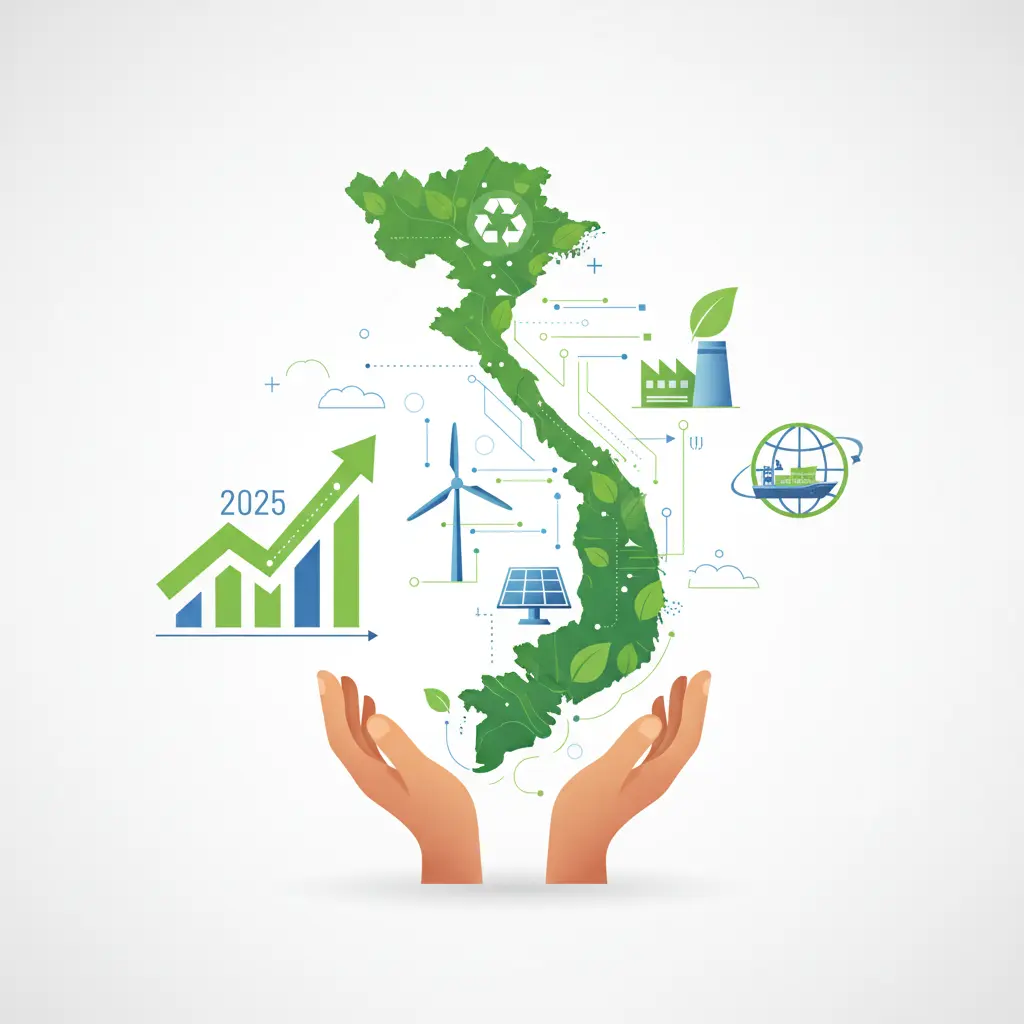
1. Quality Control and Compliance Best Practices
Achieving consistent quality and ensuring ethical compliance are cornerstones of a sustainable Vietnam sourcing strategy. Establishing clear quality standards, such as Acceptable Quality Limits (AQL) and international certifications (e.g., ISO 9001), is paramount. Implement a multi-stage inspection process, including pre-production checks, in-line inspections, and final random inspections, to catch issues early and prevent costly rework or rejections. For businesses seeking to import from Vietnam guide, understanding local regulations and international labor laws is crucial.
Beyond product quality, robust compliance practices are vital. Conduct regular, independent social and environmental audits of your Vietnamese suppliers. These audits should cover labor conditions, wage practices, working hours, health and safety, and environmental impact. Partnering with reputable third-party quality assurance and compliance firms can provide objective oversight and ensure adherence to both local laws and your company’s ethical standards. Furthermore, foster transparency and open communication with suppliers to address any compliance gaps proactively, building trust and long-term partnership.
2. Future Trends in Vietnam’s Manufacturing Landscape
Vietnam’s manufacturing sector is undergoing significant transformation, presenting both opportunities and challenges for sourcing professionals. One key trend is the increasing adoption of Industry 4.0 technologies. Manufacturers are investing in automation, robotics, AI, and IoT to enhance efficiency, precision, and productivity. This shift means suppliers can offer higher quality products and faster turnaround times, but also requires buyers to understand and leverage these technological advancements.
Another critical trend is the growing emphasis on green manufacturing and sustainability. With increasing global pressure for eco-friendly practices, Vietnamese factories are adopting renewable energy sources, waste reduction programs, and sustainable material sourcing. Businesses committed to a sustainable Vietnam Sourcing Strategy should prioritize suppliers demonstrating commitment to environmental stewardship. Additionally, Vietnam’s manufacturing base is diversifying beyond traditional textiles and footwear into higher-value sectors like electronics, automotive components, and medical devices. Staying abreast of these changes is essential for businesses looking to how to find Vietnam manufacturers that align with future product roadmaps. The World Bank highlights Vietnam’s continuous economic growth and foreign investment, driving innovation and infrastructure development.
3. Supply Chain Resilience and Risk Mitigation
Building a sustainable Vietnam sourcing strategy in 2025 necessitates a strong focus on supply chain resilience and proactive risk mitigation. Geopolitical shifts, trade policy changes, natural disasters, and global pandemics have underscored the fragility of single-source or concentrated supply chains. Diversifying your supplier base within Vietnam, and even across different countries, can significantly reduce reliance on any one entity or region, spreading risk and ensuring continuity of supply.
Developing comprehensive contingency plans for potential disruptions is crucial. This includes identifying alternative logistics routes, emergency production capacities, and communication protocols with suppliers during crises. Moreover, closely monitoring geopolitical developments and changes in trade agreements (e.g., CPTPP, EVFTA) is essential to anticipate and adapt to potential impacts on tariffs, lead times, and regulations. Leveraging digital tools for supply chain visibility – from real-time tracking to predictive analytics – can provide early warnings of disruptions and enable swift, informed decision-making. Finally, establishing deep, transparent relationships with suppliers, perhaps through reputable Vietnam sourcing agents, fosters mutual trust and collaboration, which are invaluable during times of uncertainty.
By integrating robust quality control, understanding future trends, and prioritizing resilience, businesses can forge a sustainable and successful sourcing partnership with Vietnam that endures well beyond 2025.
Partner with Vietnam’s Leading Suppliers
Looking for reliable suppliers in Vietnam? Contact VietnamSuppliers.com today to connect with verified manufacturers and exporters across all industries.
—————————————
References
– World Bank: https://www.worldbank.org/en/country/vietnam/overview
– World Trade Organization’s country profile on Viet Nam: https://www.wto.org/english/thewto_e/countries_e/viet_nam_e.htm
– Certificates of Origin – International Trade Administration: https://www.trade.gov/knowledge-product/certificates-origin
– Statista reports on global supply chains: https://www.statista.com/topics/6154/global-supply-chains/
– World Bank Vietnam Overview: https://www.worldbank.org/en/country/vietnam/overview