The Evolving Landscape of Global Supply Chains
The global economic environment is in a perpetual state of flux, driven by profound shifts that are redefining how goods move across borders. From geopolitical realignments to unprecedented technological advancements, businesses worldwide face an increasingly complex operational landscape. This necessitates not just adaptation, but proactive and Global Supply Chain Optimization strategies to ensure resilience, efficiency, and sustained competitiveness. Understanding these underlying currents is crucial for any enterprise aiming to thrive in the modern global marketplace.

1. Post-Pandemic Shifts and Geopolitical Impacts
The COVID-19 pandemic served as a stark wake-up call, exposing the fragilities inherent in lean, just-in-time supply chains optimized primarily for cost efficiency. The immediate aftermath saw widespread disruptions, port congestion, and component shortages, prompting a significant re-evaluation of supply chain resilience. This period accelerated trends like reshoring, nearshoring, and diversification of sourcing bases, moving away from over-reliance on single geographic regions. Simultaneously, escalating geopolitical tensions – including trade disputes, regional conflicts, and increased protectionism – have added further layers of complexity and risk. These dynamics directly impact International Procurement Strategy, forcing companies to reconsider their global footprint, diversify suppliers, and invest heavily in Supply Chain Risk Management Solutions. The goal is no longer just cost reduction, but balancing cost with robustness and strategic autonomy, ensuring continuous operation even in the face of unforeseen global challenges.
2. Technological Drivers for Supply Chain Transformation
In response to and in anticipation of these shifts, technology has emerged as a paramount enabler for supply chain transformation. The integration of advanced analytics, Artificial Intelligence (AI), Machine Learning (ML), and the Internet of Things (IoT) is revolutionizing visibility, predictability, and efficiency across the entire supply chain. AI-powered forecasting models can now process vast datasets to predict demand fluctuations and potential disruptions with unprecedented accuracy, allowing for more proactive decision-making. Blockchain technology offers immutable, transparent records of transactions and product movements, enhancing traceability and trust, particularly vital for intricate Cross-border Logistics Services. IoT sensors provide real-time data on inventory levels, asset locations, and environmental conditions, enabling dynamic route optimization and preventative maintenance. These technological advancements are not merely incremental improvements; they are foundational pillars for building intelligent, self-optimizing supply networks capable of adapting to rapid change and driving competitive advantage.
3. Navigating Complexity with Advanced Optimization Strategies
The confluence of post-pandemic lessons and evolving geopolitical landscapes, coupled with the power of new technologies, underscores the urgent need for advanced optimization strategies. Simple linear optimizations are no longer sufficient; instead, organizations must adopt holistic, adaptive frameworks. This involves leveraging predictive and prescriptive analytics to model various scenarios, identify potential bottlenecks, and automate decision-making processes. Companies are increasingly integrating real-time data from disparate sources – from market demand signals to weather patterns and geopolitical alerts – into sophisticated digital twins of their supply chains. Such comprehensive approaches extend to critical areas like Trade Finance for Global Sourcing, where digital platforms can streamline complex international payment and credit processes, enhancing liquidity and reducing transaction risks for suppliers and buyers alike. Ultimately, successful Global Supply Chain Optimization in this new era means building agile, resilient, and intelligent networks that can not only withstand disruptions but also capitalize on new opportunities, ensuring operational continuity and strategic growth in an unpredictable world.
International Procurement Strategy for Competitive Advantage
In today’s interconnected global economy, an effective Global Supply Chain Optimization strategy is no longer a mere operational function but a critical driver of competitive advantage. International procurement, specifically, involves the strategic sourcing of goods and services from across national borders to leverage global efficiencies. This goes beyond simply finding the lowest price; it encompasses a holistic approach to managing costs, ensuring superior quality, and building robust, resilient supplier relationships amidst diverse geopolitical and economic landscapes. Mastering international procurement allows businesses to tap into broader talent pools, access specialized resources, mitigate risks, and ultimately deliver enhanced value to their customers.
1. Strategic Sourcing and Supplier Relationship Management
At the heart of any successful International Procurement Strategy lies strategic sourcing. This process involves a systematic approach to evaluating and selecting suppliers, moving beyond transactional interactions to foster long-term partnerships. Instead of solely focusing on immediate cost savings, strategic sourcing prioritizes total cost of ownership (TCO), which includes acquisition costs, logistics, quality control, inventory holding, and even the environmental and social impact of suppliers. Effective supplier relationship management (SRM) is crucial here. It involves collaborative planning, performance monitoring, and continuous improvement initiatives with key suppliers.
Building resilient supplier relationships is paramount for mitigating disruptions. This involves regular communication, shared risk assessments, and understanding the geopolitical and economic stability of various sourcing regions. Companies must develop robust Supply Chain Risk Management Solutions that anticipate potential issues, such as natural disasters, political instability, trade policy changes, or economic downturns. Diversifying the supplier base across multiple regions, implementing strong contingency plans, and leveraging technology for real-time visibility are essential components. By nurturing these relationships, businesses can ensure continuity of supply, gain preferential treatment during shortages, and collaboratively innovate for future growth, thereby fortifying their competitive edge.
2. Leveraging Global Talent and Resource Pools
An often-overlooked aspect of international procurement is the opportunity to tap into a vast array of global talent and specialized resource pools. Beyond direct materials, this includes sourcing intellectual capital, technological expertise, and specialized services that may not be readily available or cost-effective domestically. For instance, businesses can leverage engineering talent in emerging markets for product development, access specialized manufacturing processes in specific regions, or engage with IT services providers globally to enhance operational efficiency. This strategic approach enables companies to benefit from diverse perspectives, foster innovation, and gain access to cutting-edge technologies and methodologies that might otherwise be inaccessible.
Leveraging global talent extends to optimizing internal procurement teams as well. By building diverse, internationally experienced teams, companies can better navigate cultural nuances, regulatory complexities, and local market dynamics inherent in global sourcing. This not only enhances the effectiveness of procurement operations but also contributes to the overall intellectual capital of the organization, driving a more agile and responsive global supply chain.
3. Navigating Cross-border Logistics and Trade Finance
Successfully executing an international procurement strategy hinges on mastering the intricate landscape of Cross-border Logistics Services and Trade Finance for Global Sourcing. Cross-border Logistics Services encompass everything from freight forwarding and customs clearance to warehousing and last-mile delivery. Optimizing these services requires careful planning, selecting reliable logistics partners, and leveraging technology for tracking and real-time visibility. Companies must navigate complex international trade regulations, tariffs, quotas, and customs procedures, ensuring compliance to avoid costly delays and penalties. A streamlined logistics network reduces lead times, improves delivery reliability, and significantly impacts the total cost of goods.
Equally vital is effective Trade Finance for Global Sourcing. This involves managing the financial instruments and payment mechanisms used in international transactions, such as letters of credit, open accounts, international wire transfers, and supply chain finance solutions. Businesses must mitigate currency risks, manage cash flow efficiently, and ensure secure payments to suppliers while optimizing working capital. Leveraging trade finance tools can bridge financing gaps, provide liquidity to suppliers, and foster trust in cross-border dealings. By strategically managing both logistics and finance, companies can enhance the efficiency and security of their international supply chains, turning potential challenges into sources of competitive advantage for Global Supply Chain Optimization.
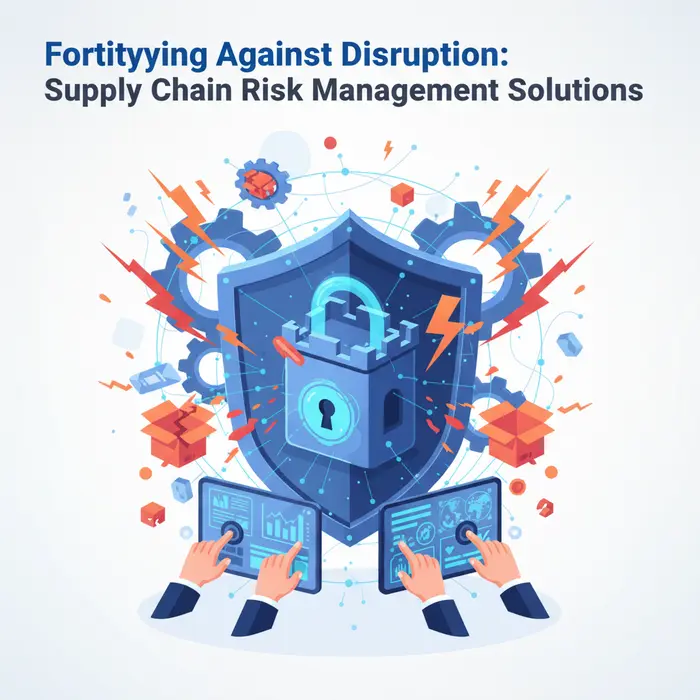
Fortifying Against Disruption: Supply Chain Risk Management Solutions
In an increasingly interconnected yet volatile global economy, supply chains face an unprecedented array of threats. From sudden geopolitical shifts and devastating natural disasters to sophisticated cyberattacks and unpredictable economic downturns, the imperative for robust Global Supply Chain Optimization has never been more critical. Effective Supply Chain Risk Management Solutions are no longer just a best practice; they are a fundamental requirement for business continuity and competitive advantage. This section delves into comprehensive strategies and cutting-edge tools designed to identify, assess, and mitigate diverse risks, ensuring the stability and resilience of international procurement and cross-border logistics.
1. Proactive Risk Identification and Mitigation Strategies
The foundation of effective supply chain resilience lies in foresight. Organizations must move beyond reactive measures to establish sophisticated systems for proactive risk identification. This involves continuous monitoring of global political landscapes for signs of geopolitical instability, early warning systems for natural disasters (e.g., typhoons, earthquakes, pandemics), and constant vigilance against evolving cyber threats that can compromise data integrity and operational systems. Tools like predictive analytics and artificial intelligence can process vast amounts of data—from weather patterns and political news feeds to social media sentiment and economic indicators—to flag potential disruptions before they materialize. Conducting regular, comprehensive risk assessments, including scenario planning and stress testing, helps businesses understand vulnerabilities across their entire value chain. For instance, simulating the impact of a major port closure or a sudden tariff hike on an International Procurement Strategy can reveal weak points and inform contingency plans. Mitigation strategies then include diversifying supplier bases, hedging against currency fluctuations for Trade Finance for Global Sourcing, and developing detailed crisis response protocols. Investing in robust cybersecurity infrastructure and employee training is also paramount to protect against data breaches and operational downtime. By anticipating potential disruptions, companies can implement preventative measures, minimizing both the likelihood and impact of adverse events on their Supply Chain Risk Management Solutions.
2. Building Resilient and Agile Supply Networks
Beyond identifying risks, the next crucial step is to engineer supply chains that are inherently resilient and agile enough to withstand shocks and adapt swiftly. This involves a multi-faceted approach to network design and supplier management. International Procurement Strategy benefits significantly from multi-sourcing, spreading risk by utilizing multiple suppliers for critical components or services across different geographic regions. This reduces dependence on single points of failure, safeguarding against localized disruptions like natural disasters or labor strikes. Regionalization or nearshoring — moving production closer to end markets — can shorten lead times, reduce transportation costs, and minimize exposure to long-distance Cross-border Logistics Services disruptions. However, this must be balanced with the benefits of global sourcing. Strategic inventory optimization, which involves holding buffer stock of essential items without excessive capital tie-up, provides crucial breathing room during unexpected delays. Strong, collaborative relationships with suppliers are equally vital. Implementing robust supplier relationship management (SRM) programs fosters transparency, encourages shared risk-taking, and facilitates quicker problem-solving. Furthermore, establishing redundant transportation routes and diversifying logistics partners can prevent bottlenecks in the movement of goods. An agile supply network is also characterized by its ability to quickly reconfigure, leveraging modular designs and flexible manufacturing processes to pivot production or sourcing in response to changing market conditions or emerging threats. These strategies collectively fortify the supply chain, transforming it from a linear process into a dynamic, interconnected ecosystem capable of self-healing.
3. Leveraging Technology and Data for Enhanced Visibility
The digital revolution offers powerful tools to elevate Supply Chain Risk Management Solutions to new levels of sophistication. End-to-end visibility, once an elusive goal, is now achievable through advanced technologies. Implementing real-time tracking systems, often powered by IoT (Internet of Things) sensors and GPS, allows companies to monitor goods in transit, anticipate delays, and provide immediate responses to unforeseen events affecting Cross-border Logistics Services. Blockchain technology offers immutable, transparent records of transactions and product movements, enhancing trust and traceability, particularly crucial for complex global supply chains and compliance with regulations for Trade Finance for Global Sourcing. Artificial intelligence (AI) and machine learning (ML) algorithms can analyze vast datasets to identify patterns, predict future disruptions, and even recommend optimal mitigation strategies based on historical data and current events. Digital twins – virtual replicas of physical supply chains – allow businesses to simulate various scenarios without disrupting actual operations, testing the resilience of their International Procurement Strategy and identifying potential vulnerabilities. Moreover, cloud-based platforms facilitate seamless data sharing and collaboration among all supply chain partners, from raw material suppliers to logistics providers and distributors. By harnessing these technologies, organizations gain unparalleled insights into their operations, enabling data-driven decision-making and transforming reactive crisis management into proactive, predictive resilience, driving true Global Supply Chain Optimization.
Streamlining Cross-border Logistics Services for Efficiency
The complexities inherent in international trade demand an exceptionally robust and adaptive approach to logistics. From the initial stages of international transportation to the intricate processes of customs clearance, efficient warehousing, and the crucial last-mile delivery, each step presents unique challenges that can impact timelines, costs, and customer satisfaction. True efficiency in global commerce hinges on a strategic approach to Cross-border Logistics Services, one that meticulously optimizes routes, transportation modes, and leverages cutting-edge digital solutions to ensure seamless international movement of goods. Achieving Global Supply Chain Optimization is not merely about moving products; it’s about creating a lean, resilient, and transparent network that can withstand disruptions and capitalize on market opportunities.
1. Optimizing Transportation Modes and Routes
The foundation of efficient cross-border logistics lies in making informed decisions about transportation modes and routes. Businesses must carefully evaluate the trade-offs between speed, cost, and capacity when selecting between air freight for time-sensitive goods, sea freight for bulk and cost-effective shipments, rail for inland long-haul, and road transport for regional distribution. An effective International Procurement Strategy often involves a multi-modal approach, combining different transport types to leverage their respective strengths. For instance, combining sea freight for the main leg with rail or road for inland distribution can significantly reduce costs while maintaining reasonable transit times.
Route optimization is equally critical. This involves more than just finding the shortest distance; it includes considering geopolitical stability, regulatory requirements of transit countries, potential chokepoints, and seasonal weather patterns. Advanced logistics software, powered by AI and machine learning, can analyze vast datasets to identify the most efficient and resilient routes, dynamically adjusting to real-time conditions. This proactive approach helps mitigate risks and ensures goods reach their destination reliably, directly contributing to overall supply chain resilience.
2. Navigating Customs, Compliance, and Trade Regulations
Perhaps one of the most daunting aspects of international logistics is the labyrinthine world of customs, compliance, and trade regulations. Each country boasts its own set of import/export laws, tariffs, duties, quotas, and product-specific standards, making accurate documentation and classification (using Harmonized System or HS codes) paramount. Errors or omissions can lead to significant delays, hefty fines, and even seizure of goods, undermining even the best-laid International Procurement Strategy.
Effective Supply Chain Risk Management Solutions in this domain involve staying abreast of ever-evolving international trade agreements (such as Free Trade Agreements, FTAs), understanding rules of origin, and leveraging expert customs brokers who specialize in specific trade lanes or product categories. Furthermore, managing the financial implications of these regulations, including duties and taxes, can be streamlined through strategic Trade Finance for Global Sourcing solutions. These financial instruments can help manage cash flow and provide certainty in an often unpredictable landscape of international taxation. Simplifying these complex procedures through proper planning and expert guidance is essential for maintaining momentum and avoiding costly bottlenecks in the global supply chain.
3. Leveraging Digital Solutions and Technology for Seamless Operations
The future of streamlined cross-border logistics is undeniably digital. Technology offers unprecedented opportunities for enhancing visibility, efficiency, and responsiveness across the entire supply chain. Modern Supply Chain Management (SCM) platforms, integrated with Enterprise Resource Planning (ERP) systems, provide a holistic view of inventory, orders, and shipments. The application of Artificial intelligence (AI) and machine learning (ML) enables predictive analytics for demand forecasting, optimized inventory levels, and proactive identification of potential disruptions.
Blockchain technology offers enhanced transparency and traceability, creating an immutable record of goods movement, ownership transfers, and compliance documentation, which is invaluable for ensuring authenticity and reducing fraud. Internet of Things (IoT) devices, such as smart sensors on containers, provide real-time data on location, temperature, and humidity, enabling precise tracking and immediate intervention if conditions deviate. This data-driven approach, from real-time tracking to automated customs declarations and smart warehousing solutions, is pivotal for achieving true Global Supply Chain Optimization. By embracing these innovations, businesses can transform their logistics operations from a cost center into a strategic differentiator, fostering greater agility and resilience in an increasingly interconnected world.
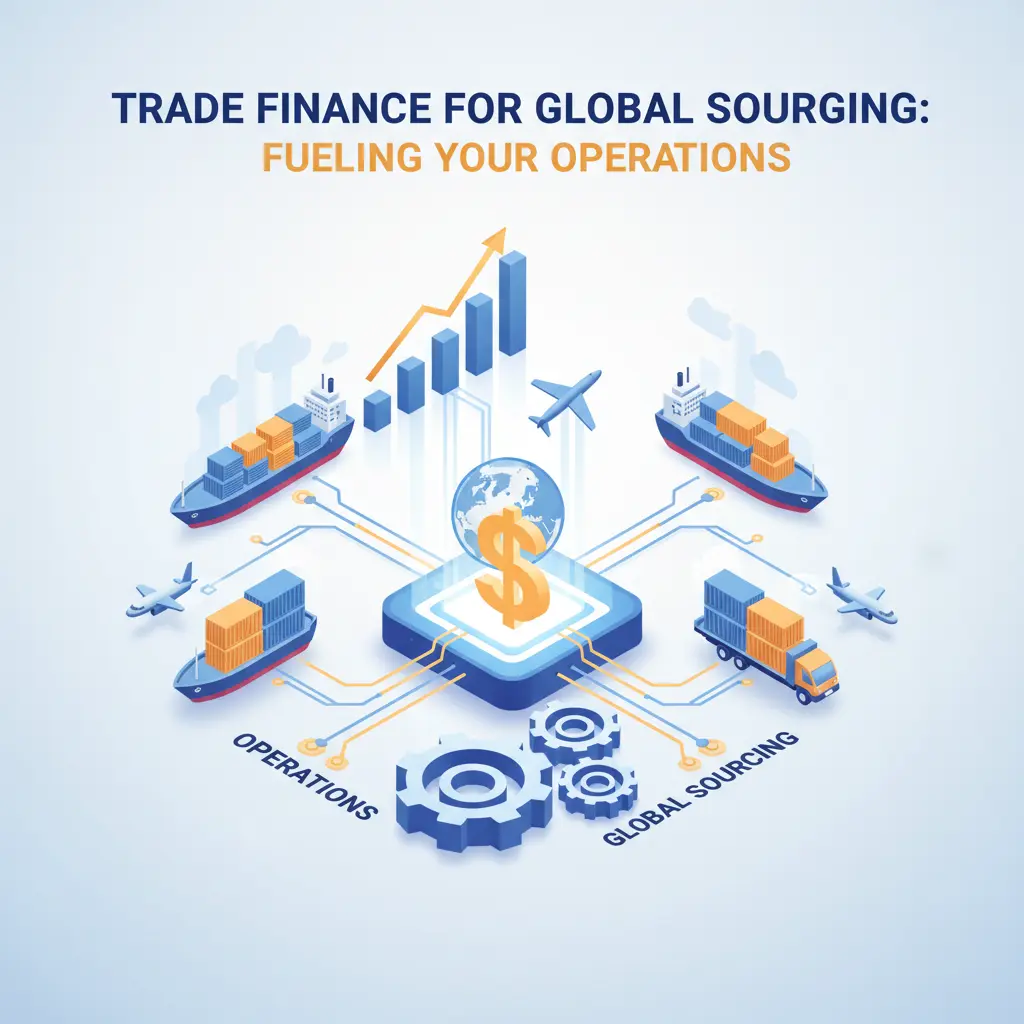
Trade Finance for Global Sourcing: Fueling Your Operations
Trade finance is the lifeblood of international commerce, playing a pivotal role in enabling businesses to navigate the complexities of global sourcing and procurement. In an interconnected world where supply chains span continents, understanding and leveraging trade finance mechanisms are critical for maintaining healthy cash flow, mitigating inherent financial risks, and ultimately achieving Global Supply Chain Optimization. From securing raw materials to delivering finished goods, robust trade finance solutions ensure that transactions are executed smoothly, efficiently, and securely, thereby fueling your operational success in the international arena. It provides the necessary capital and guarantees that bridge the trust gap between buyers and sellers operating across different legal and economic jurisdictions, facilitating an effective International Procurement Strategy.
1. Understanding Payment Methods and Financing Options
This section delves into the diverse array of payment instruments and financing solutions available to businesses engaged in global sourcing, highlighting how each can impact cash flow, risk exposure, and operational efficiency. When procuring goods internationally, selecting the appropriate payment method is crucial. Common methods range from highly secure options like Letters of Credit (L/C), which offer significant protection to both buyer and seller by involving banks as intermediaries, to less secure but more flexible options like Telegraphic Transfers (T/T) for upfront payments or Open Account terms, where goods are shipped and delivered before payment is due.
Beyond basic payment methods, a spectrum of financing options exists to support various stages of the global supply chain. Pre-shipment finance helps suppliers cover the costs of raw materials, production, and labor before goods are shipped. This can take forms such as working capital loans or advance payments. Post-shipment finance, on the other hand, provides capital to sellers once goods have been shipped but before payment is received from the buyer, often through invoice factoring or discounting. For buyers, options like buyer’s credit or import loans can extend payment terms, allowing them to manage their working capital more effectively. Furthermore, Supply Chain Finance (SCF) programs integrate financing solutions across the entire supply chain, optimizing liquidity for all participants and fostering stronger relationships. These financing tools are integral for effective Supply Chain Risk Management Solutions, ensuring that operations are not hindered by liquidity constraints.
2. Managing Currency Exchange and International Payments
Effective management of currency exchange rates and the seamless execution of international payments are paramount for businesses involved in global sourcing. Fluctuations in foreign exchange (FX) rates can significantly impact the cost of goods and profitability, turning a planned profit into an unexpected loss. This H3 explores strategies for mitigating currency risk and optimizing the process of cross-border financial transactions.
Businesses can employ several strategies to manage FX risk, including hedging instruments such as forward contracts, options, or currency swaps. A forward contract, for instance, allows a company to lock in an exchange rate for a future transaction, providing certainty over costs and revenues. Understanding market dynamics and geopolitical factors is also vital for informed decision-making. Moreover, efficient international payment processing is essential for reducing delays and minimizing transaction costs. Utilizing specialized payment platforms, working with banks experienced in cross-border transactions, and understanding the regulatory landscape for international remittances can streamline operations. Technologies like blockchain are also emerging as potential game-changers for faster, more transparent, and cost-effective international payments. By proactively managing currency exposure and optimizing payment flows, companies can protect their margins and enhance the predictability of their Cross-border Logistics Services.
3. Mitigating Risks and Optimizing Cash Flow with Trade Finance
Trade finance is not merely about facilitating payments; it is a powerful suite of tools designed to mitigate a wide array of risks inherent in international trade and to significantly optimize a company’s cash flow. This section details how various trade finance instruments serve as crucial safeguards against commercial, political, and compliance risks, while simultaneously freeing up working capital for growth and operational resilience.
One of the primary benefits of trade finance is its ability to reduce commercial risks, such as non-payment by the buyer or non-delivery by the seller. Instruments like Letters of Credit, export credit insurance, and forfaiting transfer these risks away from the trading parties to financial institutions or insurers. Political risks, including war, civil unrest, or government intervention that could disrupt trade, can be mitigated through specialized political risk insurance. Furthermore, navigating the complex web of international trade regulations, sanctions, and anti-money laundering (AML) laws is a significant challenge. Trade finance institutions, with their expertise and compliance frameworks, help businesses adhere to these stringent requirements, reducing the risk of penalties and reputational damage.
Beyond risk mitigation, trade finance plays a vital role in optimizing cash flow. By providing liquidity at different stages of the transaction – from pre-shipment financing for suppliers to extended payment terms for buyers – it ensures that capital is not tied up unnecessarily. This improved liquidity allows businesses to invest in expansion, manage unforeseen expenses, and take advantage of early payment discounts. The International Chamber of Commerce (ICC) continually updates its rules and standards for trade finance, such as UCP 600 for Letters of Credit, to ensure global consistency and reliability, further bolstering confidence in these critical tools. For any business engaged in global sourcing, strategic utilization of trade finance is indispensable for building a resilient financial foundation.
Partner with Vietnam’s Leading Suppliers
Looking for reliable suppliers in Vietnam? Contact VietnamSuppliers.com today to connect with verified manufacturers and exporters across all industries.
—————————————
References
– McKinsey: Building Supply Chain Resilience: https://www.mckinsey.com/capabilities/operations/our-insights/building-supply-chain-resilience-what-it-means-and-what-to-do
– Supply Chain Risk Management | Deloitte US: https://www2.deloitte.com/us/en/pages/operations/articles/supply-chain-risk-management.html
– Building Supply Chain Resilience: https://www.mckinsey.com/capabilities/operations/our-insights/building-supply-chain-resilience
– The WTO Trade Facilitation Agreement: https://www.wto.org/english/tratop_e/tradfa_e/tradfa_e.htm
– International Chamber of Commerce (ICC) trade finance standards: https://www.iccwbo.org/trade-finance-standards/