
Defining Economic Sanctions and Their Purpose
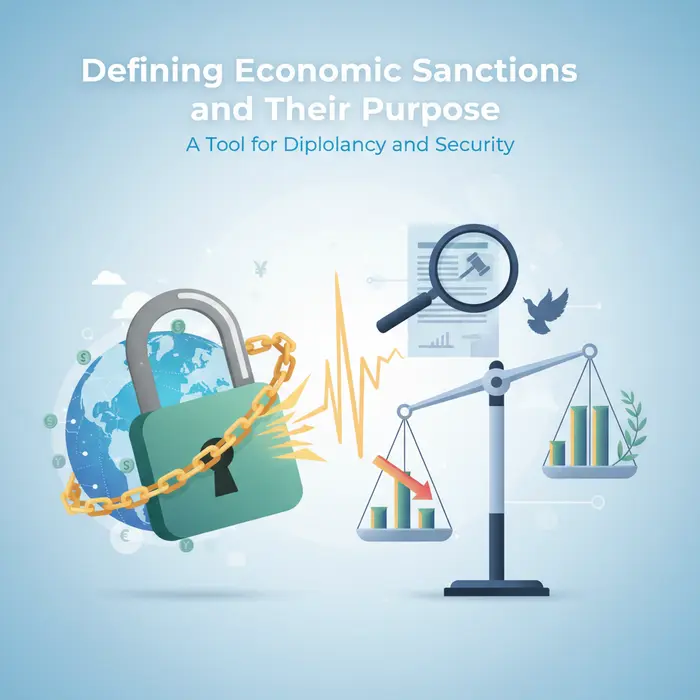
Economic sanctions represent a powerful and increasingly common tool in international relations, wielded by nations and international bodies to achieve specific geopolitical objectives without resorting to military force. At their core, economic sanctions definition refers to the imposition of restrictions on trade, financial transactions, or other economic activities with targeted countries, entities, or individuals. These measures are designed to exert pressure by limiting access to goods, services, technology, and capital, thereby disrupting economic stability and incentivizing a change in behavior. Understanding their nuances is crucial for businesses navigating the complexities of global commerce, particularly concerning International Trade Sanctions Impact on supply chains and market access.
The landscape of global trade is continually shaped by these policy instruments, making an in-depth understanding of their types, objectives, and implications essential for export compliance sanctions and robust supply chain resilience sanctions strategies. From embargoes to asset freezes, sanctions aim to isolate targets economically, forcing them to reconsider actions deemed contrary to international norms or national interests.
1. Types of Economic Sanctions: Comprehensive vs. Targeted
Economic sanctions generally fall into two broad categories: comprehensive and targeted. Comprehensive sanctions are broad in scope, often prohibiting nearly all commercial and financial activity with an entire country or regime. Historically, examples include the extensive embargoes against Cuba and Iran. While intended to exert maximum pressure, comprehensive sanctions have often faced criticism for their humanitarian impact on civilian populations and their potential to inadvertently strengthen repressive regimes by fostering black markets. The difficulty in enforcing such sweeping measures and the ethical dilemmas they present have led to a shift in policy.
In contrast, targeted sanctions, often referred to as “smart sanctions,” are designed to be more precise, focusing on specific individuals, entities, sectors, or activities within a country. These can include asset freezes, travel bans, arms embargoes, restrictions on specific imports/exports, or limitations on financial services. The aim is to minimize harm to innocent civilians while maximizing pressure on decision-makers and their supporters. For instance, sanctions might target government officials, state-owned enterprises, or industries vital to a regime’s illicit activities. This approach demands rigorous export compliance sanctions and robust supplier sanctions screening processes to ensure that prohibited parties or goods are not inadvertently supported, requiring businesses to implement sophisticated due diligence programs.
2. Geopolitical Objectives: Coercion, Deterrence, and Punishment
The implementation of economic sanctions is driven by a range of geopolitical objectives, primarily categorized into coercion, deterrence, and punishment. Coercion is perhaps the most direct aim, seeking to compel a target to change its behavior, policies, or even regime. This could involve ending nuclear proliferation efforts, ceasing human rights abuses, or reversing territorial aggressions. The effectiveness of coercion hinges on the target’s vulnerability to economic pressure and the perceived costs of non-compliance versus the costs of capitulation.
Deterrence involves using the threat or application of sanctions to prevent undesirable actions from occurring in the first place. By demonstrating a willingness to impose economic pain, states aim to dissuade potential adversaries from undertaking actions that violate international law or national interests. For example, the threat of expanded sanctions might deter a country from developing weapons of mass destruction. Finally, punishment is applied when a target has already committed an objectionable act, and sanctions are imposed to inflict economic costs as retribution. This serves to signal disapproval, underscore international norms, and potentially weaken the target’s capacity for future transgressions. While these objectives are distinct, they often overlap, with sanctions regimes evolving to serve multiple purposes simultaneously, impacting global trade sanctions impact and requiring businesses to continuously monitor the geopolitical landscape.
3. The Evolving Landscape of Sanctions and Business Implications
The frequency, complexity, and scope of economic sanctions have grown significantly in recent years, making them a permanent fixture in the global economic and political environment. This evolving landscape presents substantial challenges and risks for businesses engaged in international trade. Companies must contend with dynamic sanctions lists, differing interpretations across jurisdictions, and the potential for severe penalties for non-compliance, including hefty fines and reputational damage. The emphasis on targeted sanctions means that businesses must implement granular and continuous supplier sanctions screening processes to identify and prevent dealings with sanctioned entities or individuals, even deep within their supply chains.
Building supply chain resilience sanctions has become paramount. This involves not only screening direct partners but also understanding the ultimate beneficial ownership and geographical exposure of all entities in a company’s ecosystem. Geopolitical events can rapidly alter the sanctions environment, necessitating agile compliance programs and robust risk management frameworks. The increased focus on secondary sanctions – measures that target third-country entities for dealing with sanctioned parties – further complicates the international business arena, compelling non-U.S. companies, for example, to comply with U.S. sanctions if they wish to access the U.S. financial system or markets. Navigating this intricate web requires constant vigilance, investment in compliance technology, and a deep understanding of the legal and political dimensions of international trade sanctions impact.
Navigating Export Compliance and Sanctions Regimes
In an increasingly interconnected global economy, businesses engaged in international trade face a formidable challenge: navigating the intricate web of export compliance regulations and international sanctions regimes. The International Trade Sanctions Impact can be profound, affecting everything from market access and supply chain stability to corporate reputation and financial viability. Non-compliance is not merely a bureaucratic hurdle; it carries severe penalties, including hefty fines, imprisonment, and exclusion from international markets. This section delves into the complexities of these regulations, highlights the role of international bodies in enforcement, and underscores the critical need for robust internal controls to mitigate risks and ensure adherence.
1. Key Regulatory Bodies: OFAC, EU, UN, and National Authorities
Understanding the landscape of regulatory bodies is the first step towards effective export compliance. At the forefront are national authorities like the U.S. Department of the Treasury’s Office of Foreign Assets Control (OFAC), which administers and enforces U.S. economic sanctions. These sanctions are a form of foreign policy tool, and their definition encompasses restrictive measures primarily targeting specific countries, entities, and individuals to influence behavior by restricting economic activity. Similarly, the European Union (EU) implements a wide array of restrictive measures (sanctions) often in line with United Nations Security Council resolutions, but also autonomously. The United Nations (UN) itself imposes mandatory sanctions on UN member states to address threats to international peace and security. Beyond these, individual national authorities worldwide, such as the UK’s Office of Financial Sanctions Implementation (OFSI) or national customs agencies, play a crucial role in enforcing their own specific export controls and sanctions, which often supplement or expand upon international mandates.
2. Best Practices for Export Control and Licensing
Effective export compliance sanctions programs are built upon a foundation of best practices designed to prevent unauthorized exports and ensure adherence to all applicable laws. This involves a multi-faceted approach, starting with a comprehensive understanding of Export Control Classification Numbers (ECCNs) for dual-use items and the U.S. Munitions List (USML) for defense articles. Businesses must accurately classify their products, software, and technology to determine licensing requirements. This often necessitates obtaining specific licenses from regulatory bodies like the U.S. Department of Commerce’s Bureau of Industry and Security (BIS) or relevant EU national export control authorities before shipping certain goods or transferring controlled technology. A robust internal compliance program should include regular employee training, clear record-keeping policies, and an established process for screening all transactions, customers, and end-users against denied parties lists and sanctions lists. Furthermore, due diligence extends to understanding end-use and end-user restrictions, which often prohibit transactions even if a license is not explicitly required.
3. Mitigating Risks: Supplier Screening and Supply Chain Resilience
The reach of sanctions extends far beyond direct transactions, embedding risks deep within global supply chains. Therefore, proactive risk mitigation strategies are essential. Supplier sanctions screening is a critical component, requiring businesses to vet all their suppliers, distributors, and other third-party partners against various sanctions lists. This process is not a one-time event; it demands continuous monitoring due to the dynamic nature of sanctions regimes, with new entities or individuals being added or removed regularly. Ignoring this step can inadvertently lead to doing business with sanctioned parties, exposing the company to significant legal and reputational damage. Furthermore, building supply chain resilience sanctions means developing strategies to withstand disruptions caused by new or evolving sanctions. This includes diversifying supplier bases, mapping out multi-tiered supply chains to identify potential choke points, and having contingency plans in place for alternative sourcing or shipping routes. A resilient supply chain is one that can adapt quickly to geopolitical shifts and regulatory changes, ensuring business continuity while remaining compliant.
In conclusion, navigating export compliance and sanctions regimes demands unwavering vigilance and a proactive, integrated approach. From understanding the mandates of key regulatory bodies to implementing stringent export control best practices and embedding robust supplier screening and supply chain resilience strategies, businesses must prioritize compliance as a core operational imperative. The costs of non-compliance far outweigh the investments in building a sophisticated and adaptive compliance framework, underscoring its pivotal role in sustaining global trade operations.
The Imperative of Supplier Sanctions Screening
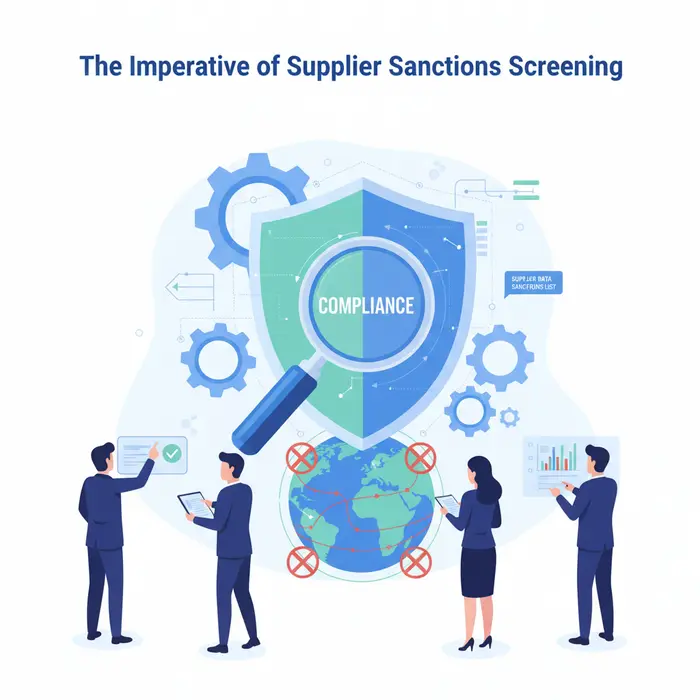
In today’s intricate global marketplace, businesses face a constant barrage of regulatory challenges. Among the most critical is navigating the complex landscape of international trade sanctions. The International Trade Sanctions Impact can be severe, leading to hefty fines, reputational damage, and even criminal charges. This makes robust supplier sanctions screening not merely a best practice, but an absolute imperative for any organization engaged in cross-border commerce. Understanding the economic sanctions definition and proactively screening partners is crucial to avoid inadvertent breaches, mitigate significant risks, and prevent devastating financial or reputational damage that could cripple operations.
Automated vs. Manual Screening Processes for Risk Mitigation
When it comes to effective supplier sanctions screening, the choice between automated and manual processes is pivotal for genuine risk mitigation. Manual screening, often reliant on human review of government watchlists and databases, is inherently prone to error, time-consuming, and provides only a static snapshot of a supplier’s status. It struggles to keep pace with the rapidly changing landscape of global sanctions, making it difficult to maintain robust export compliance sanctions. In contrast, automated screening solutions leverage sophisticated technology to continuously monitor vast datasets, including global sanctions lists, adverse media, and politically exposed persons (PEPs) databases. These systems offer real-time updates, identify potential matches with greater accuracy, and significantly reduce the operational burden. By integrating with existing procurement systems, automated tools ensure that no new supplier is onboarded without thorough vetting, and existing suppliers are continuously re-screened, thereby bolstering a company’s defenses against the adverse International Trade Sanctions Impact.
Due Diligence: Identifying Red Flags and High-Risk Entities
Beyond basic name-matching, comprehensive due diligence is the cornerstone of effective supplier sanctions screening. This involves a deep dive into potential partners to identify ‘red flags’ that could indicate hidden risks or links to sanctioned entities. Key indicators include vague ownership structures, shell companies, operations in high-risk jurisdictions known for lax regulatory oversight, inconsistent corporate information, or adverse media reports linking the entity or its principals to illicit activities. Thorough due diligence also examines the ultimate beneficial owners (UBOs) of a supplier to ensure transparency and uncover any hidden connections to individuals or organizations on sanctions lists. By systematically identifying these high-risk entities early in the engagement process, businesses can proactively avoid entanglement with illicit networks, safeguard their reputation, and ensure strict adherence to export compliance sanctions. Ignoring these red flags can have profound consequences, exposing the business to significant legal penalties and operational disruptions.
The Evolving Landscape of Compliance and Continuous Monitoring
The global sanctions environment is not static; it is a dynamic and ever-changing landscape characterized by new designations, delistings, and evolving regulations. This continuous flux means that a one-time screening at onboarding is insufficient to maintain long-term compliance and ensure supply chain resilience sanctions. To mitigate ongoing risks, businesses must implement a strategy of continuous monitoring for all their suppliers. This involves regularly re-screening existing partners against updated sanctions lists, monitoring for new adverse media, and tracking changes in ownership or operational structure. Without continuous monitoring, a supplier that was compliant yesterday could become sanctioned tomorrow, leaving your business inadvertently exposed to severe penalties and reputational damage from the International Trade Sanctions Impact. Adopting a proactive stance with ongoing vigilance is paramount for maintaining robust export compliance sanctions and securing the integrity of your global supply chain against an unpredictable regulatory tide.
Mitigating Sanctions Impact on Supply Chain Resilience
Strategies for businesses to build resilient supply chains that can withstand disruptions caused by new or expanded international trade sanctions.
In an increasingly interconnected yet geopolitically volatile world, businesses face the formidable challenge of navigating the International Trade Sanctions Impact on their global operations. New or expanded international trade sanctions can abruptly sever supply lines, cripple production, and lead to significant financial penalties if not properly managed. Building a resilient supply chain is no longer just about efficiency; it’s about survival in an environment where geopolitical shifts can dramatically reshape trade landscapes overnight. Proactive strategies are essential to mitigate these risks and ensure business continuity.
1. Diversification of Sourcing and Logistics Networks
One of the most effective strategies for countering the unpredictability of international trade sanctions is the comprehensive diversification of sourcing and logistics networks. Relying heavily on a single country, region, or even a handful of suppliers for critical components or raw materials creates inherent vulnerabilities. Businesses should proactively identify and qualify alternative suppliers across multiple geographies, particularly in jurisdictions less prone to being targets or implementers of sanctions relevant to their operations. This extends beyond primary suppliers to secondary and tertiary tiers, ensuring a broader base of options. Furthermore, diversifying logistics routes and modes of transport—exploring different shipping lanes, air freight carriers, and land routes—can circumvent blockades or restrictions imposed on specific regions or carriers. This multi-pronged approach builds redundancy, allowing businesses to pivot quickly when a traditional supply route or source becomes compromised due to new or expanded sanctions.
2. Contingency Planning and Risk Management Frameworks for Disruption
Robust contingency planning and the implementation of sophisticated risk management frameworks are paramount in fortifying supply chains against sanctions-related disruptions. This involves a systematic approach to identifying potential vulnerabilities within the existing supply chain that could be exposed by sanctions. Companies must conduct thorough due diligence, including supplier sanctions screening, to ensure that their partners are not directly or indirectly subject to restrictions. Understanding the nuances of economic sanctions definition and their scope is crucial. This proactive identification should lead to the development of clear, actionable disruption protocols. These protocols might include pre-negotiated contracts with alternative suppliers, strategic stockpiling of critical components (where feasible and cost-effective), and detailed scenario planning for various sanctions regimes. Regularly updating these plans and conducting simulations ensures that teams are prepared to execute them effectively, minimizing downtime and financial exposure from unexpected export compliance sanctions.
3. Leveraging Technology for Enhanced Visibility and Compliance
In the complex landscape of global trade, technology plays a pivotal role in enhancing supply chain resilience sanctions and ensuring compliance. Advanced supply chain management (SCM) software, AI-driven analytics, and blockchain technology can provide unparalleled visibility into every tier of the supply chain, from raw material extraction to final delivery. This real-time visibility is critical for effective supplier sanctions screening, allowing businesses to continuously monitor their partners against evolving sanctions lists and identify potential compliance breaches before they escalate. Furthermore, these technologies can automate the process of tracking regulatory changes, providing instant alerts regarding new export compliance sanctions or updates to existing ones. Predictive analytics can also help model potential disruptions based on geopolitical indicators, enabling proactive adjustments to sourcing or logistics strategies. By integrating technology, companies can streamline their compliance efforts, reduce manual errors, and build a more responsive and sanctions-proof supply chain.
4. Strengthening Legal and Compliance Frameworks
Beyond operational adjustments, a strong legal and compliance framework is the bedrock of mitigating sanctions impact on supply chains. This involves establishing comprehensive internal compliance programs that are regularly reviewed and updated to reflect the dynamic nature of international trade sanctions. Companies must invest in continuous training for all relevant personnel, particularly those involved in procurement, logistics, sales, and legal departments, on the latest export compliance sanctions regulations and the implications of an economic sanctions definition specific to their industry or target markets. Engaging with expert legal counsel specializing in international trade law and sanctions compliance is essential for interpreting complex regulations and navigating ambiguous situations. Implementing robust internal controls, such as audit trails and clear approval processes for high-risk transactions, further strengthens adherence. A proactive approach to legal and compliance ensures that businesses not only avoid costly penalties but also maintain their reputation and operational integrity in a challenging global trade environment, reinforcing overall supply chain resilience sanctions.
Future Outlook: Evolving Sanctions Landscape and Business Adaptations
The global geopolitical landscape is constantly shifting, bringing with it an increasingly complex and dynamic regime of international trade sanctions. For businesses engaged in cross-border commerce, understanding and adapting to these changes is not merely an option but a critical imperative for survival and growth. The scope of sanctions is broadening, moving beyond traditional country-specific embargoes to encompass targeted individuals, entities, specific technologies, and entire economic sectors. This evolving environment demands continuous vigilance and strategic adjustments to remain compliant, mitigate risks, and maintain competitive advantage, profoundly influencing the International Trade Sanctions Impact on global supply chains.
1. Emerging Trends in Sanctions Enforcement and Scope
The modern sanctions landscape is characterized by several key trends that businesses must acknowledge. Firstly, there’s a significant expansion in the types of activities and actors being targeted. What once primarily constituted an economic sanctions definition aimed at restricting a nation’s trade, now frequently includes highly specific designations impacting individuals linked to human rights abuses, cybercrime, or illicit financing. Secondly, the rise of secondary sanctions means that even non-U.S. entities can face penalties for dealing with sanctioned parties, regardless of whether their transactions involve a U.S. nexus. This extraterritorial reach dramatically broadens the compliance challenge.
Enforcement efforts are also becoming more robust and sophisticated. Governments are leveraging advanced data analytics and international cooperation to identify and penalize violations more effectively. This includes scrutiny of digital transactions, cryptocurrency, and intricate corporate structures designed to obscure ownership. The increasing frequency and severity of penalties underscore the high stakes involved for businesses, making proactive International Trade Sanctions Impact assessments essential.
2. Proactive Strategies for Continuous Compliance and Adaptation
Navigating this intricate web of regulations requires businesses to adopt proactive and adaptable strategies. A foundational step is to establish a robust and comprehensive export compliance sanctions program. This program should go beyond basic list screening and incorporate thorough due diligence on all counterparties, including ultimate beneficial owners (UBOs). Regular, in-depth risk assessments tailored to the company’s specific operations, geographical exposure, and product lines are crucial. These assessments should identify potential vulnerabilities and guide the implementation of appropriate controls.
Continuous monitoring is paramount. Sanctions lists are updated frequently, and what was compliant yesterday might be a violation today. Businesses should leverage technology, such as AI-powered screening tools, to automate monitoring and reduce the risk of human error. Employee training is another critical component; all relevant personnel, from sales to logistics, must understand their role in maintaining compliance and be aware of the latest regulations. Consulting with legal experts specializing in international trade law can provide invaluable guidance in developing and refining these strategies. For more authoritative information on current sanctions programs, businesses can refer to official sources like the U.S. Department of the Treasury: Financial Sanctions website.
3. Building Supply Chain Resilience Amidst Sanctions Risks
The expanding reach of sanctions poses significant threats to global supply chains, often exposing hidden risks within seemingly innocuous partnerships. Businesses must therefore prioritize building resilience into their supply networks. This begins with rigorous supplier sanctions screening, extending beyond direct suppliers to their sub-tier partners. Mapping the entire supply chain to identify and assess potential touchpoints with sanctioned jurisdictions, entities, or individuals is a vital exercise. Understanding the origin of components, raw materials, and intermediate goods can reveal unforeseen exposure.
To enhance supply chain resilience sanctions, diversification of sourcing is a key strategy. Relying heavily on a single region or supplier, especially in high-risk areas, significantly increases vulnerability. Implementing multi-sourcing strategies and developing contingency plans for alternative suppliers or logistics routes can mitigate disruptions caused by sudden sanctions. Furthermore, incorporating sanctions clauses into all supplier contracts, requiring compliance and providing for immediate termination in the event of a breach, adds a layer of legal protection. The dynamic nature of the International Trade Sanctions Impact necessitates that companies view supply chain risk management not as a one-off task, but as an ongoing, iterative process integral to their business strategy.
Partner with Vietnam’s Leading Suppliers
Looking for reliable suppliers in Vietnam? Contact VietnamSuppliers.com today to connect with verified manufacturers and exporters across all industries.
—————————————
References
– Office of Foreign Assets Control (OFAC): https://home.treasury.gov/policy-issues/office-of-foreign-assets-control-ofac
– U.S. Department of the Treasury’s Office of Foreign Assets Control: https://www.treasury.gov/ofac
– Learn more about economic sanctions definition from OFAC: https://home.treasury.gov/policy-issues/office-of-foreign-assets-control-ofac
– U.S. Department of the Treasury’s Office of Foreign Assets Control (OFAC) Sanctions Programs: https://home.treasury.gov/policy-issues/financial-sanctions/sanctions-programs-and-country-information
– U.S. Department of the Treasury: Financial Sanctions: https://home.treasury.gov/policy-issues/financial-sanctions

