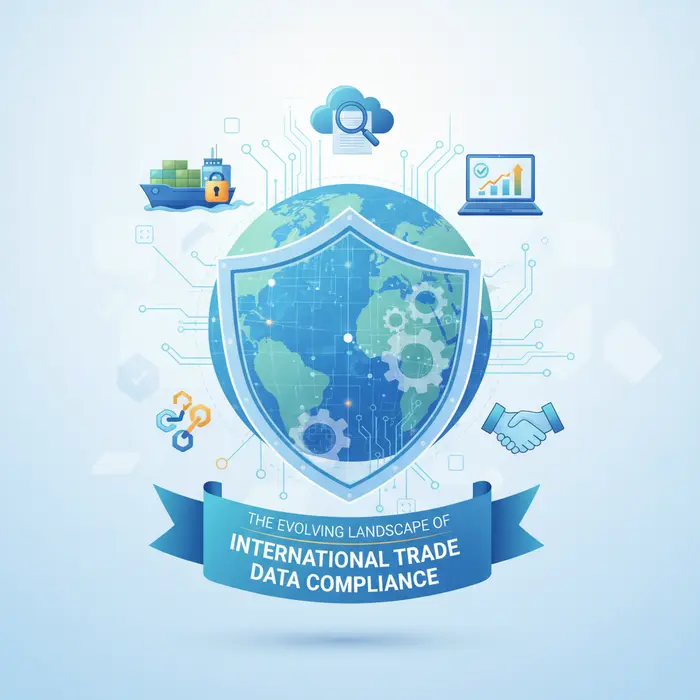
The Evolving Landscape of International Trade Data Compliance
In an increasingly interconnected global economy, the movement of goods across borders generates vast amounts of data. Effective International Trade Data Reporting Compliance has become a cornerstone for businesses engaged in cross-border commerce. The landscape of international trade data reporting is not static; it is a dynamic environment shaped by technological advancements, geopolitical shifts, and evolving regulatory demands. Businesses today face unprecedented complexity, where meticulous accuracy and adherence to a myriad of regulations are not just best practices, but critical imperatives for operational continuity, financial stability, and market access.
1. Why Data Accuracy is Paramount in Global Trade
The accuracy of trade data is not merely a bureaucratic formality; it is the backbone of efficient and legitimate global commerce. Inaccurate data can lead to significant operational bottlenecks, including customs delays, incorrect tariff assessments, and even shipment seizures. Precise data ensures that businesses pay the correct duties and taxes, preventing both overpayment and underpayment, which can lead to audits and penalties. Beyond financial implications, accurate data is crucial for risk management, allowing authorities to identify and mitigate threats such as illegal trade, counterfeiting, and security breaches. Furthermore, with increasing scrutiny on environmental, social, and governance (ESG) factors, detailed and verifiable data is essential for demonstrating compliance with Supply Chain Data Transparency Regulations, ensuring ethical sourcing and sustainable practices. Navigating complex Global Customs Data Requirements demands a proactive approach to data management, safeguarding a company’s reputation and its ability to operate seamlessly across borders.
2. Key Regulatory Changes Impacting 2025
The regulatory environment for international trade is undergoing continuous transformation, with 2025 poised to introduce several significant shifts. One notable trend is the acceleration of digitalization in customs procedures globally. Many countries are implementing or expanding single-window systems, requiring electronic submissions for all trade-related documents and data. This push for digital data exchange aims to streamline processes but also demands enhanced capabilities from businesses for electronic data capture and transmission. Furthermore, there’s a growing emphasis on pre-arrival and pre-departure data submission, granting customs authorities more time for risk assessment before goods even leave or enter a jurisdiction. Changes in regional trade agreements, like updates to rules of origin or product-specific regulations, will also necessitate careful monitoring and adjustments in reporting practices. Companies must invest in robust Export Data Reporting Software and training to adapt to these evolving demands, ensuring their systems can integrate with new digital platforms and comply with updated data fields and formats.
3. Consequences of Non-Compliance and Penalties
The repercussions of non-compliance in international trade data reporting can be severe and far-reaching, impacting a company’s finances, reputation, and operational efficiency. Financial penalties range from hefty fines, often calculated as a percentage of the shipment’s value, to retroactive duties and taxes. Goods may face significant delays at customs, incur storage costs, or even be seized and forfeited, leading to substantial losses and disruption to supply chains. Beyond the immediate financial hits, businesses can suffer severe reputational damage, losing credibility with customs authorities, customers, and partners. Repeated or egregious violations can result in increased scrutiny, loss of trusted trader status, and even restrictions on future import/export privileges. For businesses involved in specific markets, such as those engaged in Vietnam Export Compliance Reporting, understanding and adhering to local nuances is critical, as penalties can vary significantly by country. In extreme cases, intentional misrepresentation or fraudulent reporting can lead to criminal charges against individuals within the company. Therefore, a robust compliance framework, supported by accurate data and continuous monitoring, is indispensable to mitigate these risks.
Decoding Global Customs Data Requirements
In the intricate world of international trade, seamless cross-border movement of goods hinges critically on meticulous International Trade Data Reporting Compliance. Businesses navigating global markets must grapple with a kaleidoscopic array of Global Customs Data Requirements, which vary significantly from one jurisdiction to another. Adherence to these specific data elements and formats is not merely a bureaucratic hurdle; it is fundamental to avoiding costly delays, penalties, and even potential seizure of goods. This deep dive explores the core pillars of customs data reporting, emphasizing the imperative for robust systems and a thorough understanding of country-specific nuances.
1. Harmonized System (HS) Codes & Their Importance
At the heart of virtually all international trade declarations lies the Harmonized System (HS) code. Developed and maintained by the World Customs Organization (WCO), the HS is an international standard for classifying traded products. It’s a six-digit numerical code, organized into 99 chapters, that provides a universally recognized nomenclature for goods. Beyond the initial six digits, individual countries often extend the code to eight or ten digits (e.g., HTS codes in the U.S., CN codes in the EU) to cater to their specific tariff and statistical needs. Accurate HS code classification is paramount because it directly impacts import duties, taxes, eligibility for free trade agreements, and specific regulatory requirements (like safety standards or import restrictions). Misclassification can lead to incorrect duty payments, delays in customs clearance, and severe penalties. For businesses, leveraging advanced Export Data Reporting Software often includes features for HS code lookup and validation, minimizing errors and ensuring compliance across diverse markets.
2. Valuation Methods, Origin Rules, and Incoterms Data
Beyond classification, the value of goods, their country of origin, and the terms of sale are critical data points for customs authorities. The valuation of imported goods typically follows the WTO Customs Valuation Agreement, which primarily uses the transaction value method (the price actually paid or payable for the goods). However, specific adjustments and alternative methods exist, requiring precise documentation. Rules of Origin are equally vital, determining the “economic nationality” of a product. These rules dictate whether goods qualify for preferential tariff treatment under free trade agreements or are subject to quotas or anti-dumping duties. Providing incorrect origin data can lead to substantial financial repercussions. Incoterms (International Commercial Terms) define the responsibilities of buyers and sellers for the delivery of goods under sales contracts, outlining when and where costs and risks transfer. Clearly stating the applicable Incoterm (e.g., EXW, FOB, CIF, DDP) in customs declarations is essential for determining the dutiable value and ensuring transparency in the supply chain. Robust Supply Chain Data Transparency Regulations increasingly demand granular detail on these aspects to prevent fraud and ensure fair trade practices.
3. Country-Specific Declarations (e.g., AES, SAD)
While global standards like HS codes and Incoterms provide a foundation, each country or economic bloc mandates its own specific declaration forms and electronic reporting systems. For instance, the United States requires exporters to file through the Automated Export System (AES) via the ACE (Automated Commercial Environment) platform, providing detailed information about the shipment, parties involved, and goods. In the European Union, the Single Administrative Document (SAD) — or its electronic equivalent, often referred to as the Import/Export Declaration — is used for both import and export declarations, harmonizing procedures across member states. Other nations have their own unique systems, like specific electronic portals in Southeast Asian countries. For businesses engaged in Asian markets, understanding specific requirements for Vietnam Export Compliance Reporting, for example, is paramount. This includes not only the data elements but also the required format, submission deadlines, and supporting documentation. Failure to comply with these country-specific declarations can lead to significant delays at borders, fines, and even goods being held or returned. Staying abreast of these evolving regulatory landscapes requires continuous vigilance and often, the implementation of specialized customs compliance software.
Leveraging Export Data Reporting Software for Efficiency
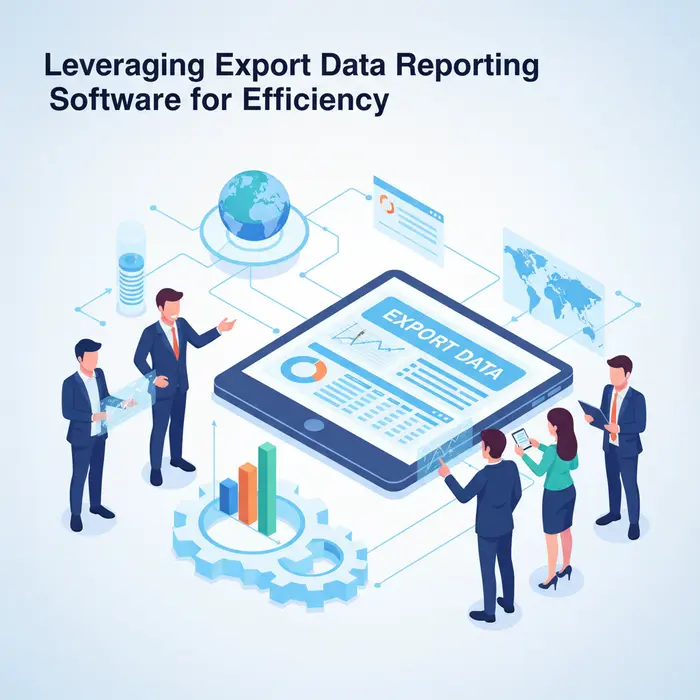
In the complex landscape of global commerce, efficient and accurate data management is not just an advantage—it’s a necessity. Businesses engaged in international trade face a labyrinth of diverse regulations, demanding stringent International Trade Data Reporting Compliance. The sheer volume and specificity of information required by various customs authorities globally can overwhelm even the most organized operations. This is where specialized Export Data Reporting Software emerges as a game-changer, designed to streamline processes, dramatically reduce errors, and ensure the timely submission of all required trade data. By automating critical aspects of compliance, these solutions provide unparalleled Supply Chain Data Transparency Regulations adherence, proving indispensable for businesses navigating everything from standard exports to complex Vietnam Export Compliance Reporting.
1. Features of Top Export Compliance Software Solutions
Top-tier Export Data Reporting Software solutions are engineered with a suite of features that address the multifaceted challenges of Global Customs Data Requirements. These platforms typically offer capabilities such as automated tariff code classification, which significantly reduces the manual effort and potential for misclassification errors. They often include robust denied party screening, ensuring compliance with international sanctions and preventing trade with restricted entities. Furthermore, these systems provide comprehensive document generation, creating accurate customs declarations, commercial invoices, packing lists, and certificates of origin with just a few clicks. Advanced analytics and reporting dashboards are also common, offering real-time visibility into export operations, compliance status, and potential risks. For regions with unique stipulations, such as Vietnam Export Compliance Reporting, these software solutions often feature localized rule sets and reporting formats, ensuring specific adherence to regional mandates. The inherent design of these tools is to simplify and centralize complex data points, making international trade data reporting not just a task, but a managed, efficient process.
2. Integration with ERP Systems & Supply Chain Tools
The true power of modern Export Data Reporting Software is unleashed through its seamless integration capabilities. By connecting directly with existing Enterprise Resource Planning (ERP) systems (like SAP, Oracle, or Microsoft Dynamics) and other supply chain management tools, these solutions eliminate data silos and manual data entry, which are common sources of errors and delays. This integration allows for the automatic transfer of crucial data—such as product descriptions, quantities, values, and origin—from sales orders and inventory systems directly into the compliance reporting module. This real-time data flow ensures that customs declarations and other export documents are consistently accurate and up-to-date, reflecting the latest transactional information. Such interconnectedness is vital for maintaining Supply Chain Data Transparency Regulations, offering a holistic view of operations from order placement to final delivery. For businesses dealing with dynamic markets and stringent Global Customs Data Requirements, this level of integration is not just a convenience; it’s a strategic imperative that underpins efficient International Trade Data Reporting Compliance.
3. Automating Data Submission & Record-Keeping
One of the most significant advantages of deploying Export Data Reporting Software is the ability to automate the submission of data to relevant government agencies and customs authorities. These systems are often pre-configured with the specific electronic data interchange (EDI) formats required by various countries, allowing for direct, secure, and timely transmission of information. This automation not only accelerates the submission process but also drastically reduces the likelihood of human error in formatting or transmitting data, which could otherwise lead to costly delays, fines, or rejected shipments. Beyond submission, these software solutions provide robust record-keeping functionalities. They automatically archive all submitted declarations, associated documents, and audit trails, creating an easily accessible and auditable repository of compliance records. This feature is invaluable during customs audits, demonstrating due diligence and adherence to International Trade Data Reporting Compliance. The automation of both submission and record-keeping liberates personnel from tedious administrative tasks, allowing them to focus on more strategic aspects of international trade, while simultaneously bolstering adherence to Global Customs Data Requirements and Supply Chain Data Transparency Regulations.
In an increasingly regulated global economy, the adoption of specialized Export Data Reporting Software is no longer a luxury but a fundamental component of a resilient and compliant international trade strategy. By providing comprehensive features, seamless integration with existing systems, and powerful automation capabilities for submission and record-keeping, these solutions empower businesses to navigate the complexities of International Trade Data Reporting Compliance with confidence and efficiency. They are essential tools for ensuring adherence to Global Customs Data Requirements and fostering robust Supply Chain Data Transparency Regulations, ultimately leading to smoother operations, reduced risks, and improved profitability in the global marketplace, particularly for specific regional needs like Vietnam Export Compliance Reporting.
Navigating Supply Chain Data Transparency Regulations
The global trade landscape is undergoing a profound transformation, driven by an escalating demand for transparency across the entire supply chain. Stakeholders, from consumers and investors to regulatory bodies, are increasingly scrutinizing how goods are produced, sourced, and transported. This heightened scrutiny necessitates robust Supply Chain Data Transparency Regulations, compelling businesses to adopt more rigorous processes for International Trade Data Reporting Compliance. The era of opaque supply chains is rapidly fading, replaced by a mandate for clear, verifiable data that underpins ethical sourcing and responsible business practices. Companies must navigate a complex web of regulatory frameworks, encompassing everything from environmental impact to human rights, ensuring their operations align with evolving global standards and expectations.
Compliance in this environment goes beyond mere customs declarations; it demands a holistic understanding of Global Customs Data Requirements and the ability to track data points throughout the entire product lifecycle. The proliferation of region-specific rules, such as those impacting Vietnam Export Compliance Reporting, further complicates the compliance landscape, requiring sophisticated solutions like advanced Export Data Reporting Software to manage and submit accurate information efficiently. The overarching goal is not just to avoid penalties but to build resilient, trustworthy supply chains that can withstand scrutiny and adapt to future regulatory shifts.
Beneficial Ownership & Sanctions Screening Data
A cornerstone of modern International Trade Data Reporting Compliance is the meticulous collection and verification of beneficial ownership and sanctions screening data. Beneficial ownership refers to identifying the ultimate natural persons who own or control a legal entity, moving beyond nominee directors or shell companies. This data is critical for combating financial crimes such as money laundering, terrorist financing, and corruption, which often exploit complex corporate structures to conceal illicit activities. Regulators worldwide, including the Financial Crimes Enforcement Network (FinCEN) in the U.S. and similar bodies internationally, are tightening requirements for companies to disclose this information, impacting everything from import declarations to financial transactions.
Equally vital is comprehensive sanctions screening, which involves checking all trading partners and associated entities against various government-issued watchlists (e.g., OFAC, EU, UN sanctions lists). Failure to comply with sanctions regimes can lead to severe penalties, reputational damage, and disruption of trade flows. Effective Export Data Reporting Software must integrate real-time sanctions screening capabilities to flag potential risks before transactions are executed. This proactive approach not only ensures adherence to legal requirements but also reinforces a company’s commitment to ethical sourcing and responsible trade. Adhering to robust due diligence standards is paramount in this area, necessitating thorough checks on all entities within the supply chain to prevent association with sanctioned individuals or organizations.
ESG Data Reporting in Global Supply Chains
Environmental, Social, and Governance (ESG) factors have rapidly moved from optional corporate initiatives to mandatory reporting requirements, profoundly influencing Supply Chain Data Transparency Regulations. ESG data reporting provides a comprehensive view of a company’s sustainability and ethical impact, extending these considerations to its entire global supply chain. Environmental data encompasses metrics like carbon footprint, water usage, waste generation, and energy consumption, requiring companies to trace these impacts from raw materials to finished products. Social data focuses on human rights, labor practices (including fair wages, safe working conditions, and the absence of forced labor), community engagement, and diversity within the supply chain. Governance data pertains to anti-corruption policies, ethical business conduct, board diversity, and transparency in financial reporting.
The demand for ESG data is driven by investor pressure, consumer preferences, and emerging regulations like the EU’s Corporate Sustainability Due Diligence Directive. Businesses engaged in international trade, particularly those involved in Vietnam Export Compliance Reporting or similar country-specific requirements, must increasingly collect and report this data to demonstrate their commitment to sustainable and ethical practices. Integrating ESG data into Global Customs Data Requirements and using advanced Export Data Reporting Software that can consolidate and analyze this information is essential for demonstrating compliance and maintaining a competitive edge in a market that increasingly values responsible production.
Data Sharing Protocols Across Trade Partners
Achieving true supply chain transparency and comprehensive International Trade Data Reporting Compliance necessitates seamless and secure data sharing protocols across all trade partners. A typical global supply chain involves numerous entities—manufacturers, logistics providers, customs brokers, distributors, and retailers—each holding crucial pieces of data. Without standardized and secure methods for exchanging this information, bottlenecks, inaccuracies, and compliance gaps can emerge. Effective data sharing protocols define the format, frequency, and security measures for exchanging sensitive supply chain information, ensuring consistency and reliability.
The implementation of advanced technologies, such as blockchain for immutable record-keeping, Application Programming Interfaces (APIs) for real-time data exchange, and cloud-based platforms for centralized data management, is pivotal. These tools enable companies to move beyond traditional, fragmented data silos to a more integrated and transparent ecosystem. Robust data sharing protocols are crucial not only for satisfying Supply Chain Data Transparency Regulations but also for enhancing operational efficiency, mitigating risks (e.g., product recalls, disruptions), and fostering stronger, more collaborative relationships with trade partners. As regulatory demands for transparency continue to grow, the ability to securely and efficiently share critical data across the entire supply chain will be a defining characteristic of compliant and competitive global businesses, particularly when navigating complex Global Customs Data Requirements.
Special Focus: Vietnam Export Compliance Reporting
Vietnam has rapidly emerged as a powerhouse in global manufacturing and trade, attracting significant international investment and becoming a critical node in countless supply chains. For businesses engaged in exporting goods to or through Vietnam, navigating the intricate web of customs regulations, tariffs, and reporting obligations is paramount. This dedicated section delves into the unique challenges and specific ‘Vietnam Export Compliance Reporting’ requirements, offering insights to ensure smooth, compliant, and efficient trade operations within this dynamic market. Adhering strictly to International Trade Data Reporting Compliance is not merely a bureaucratic hurdle but a strategic imperative to avoid costly delays, penalties, and reputational damage.
1. Key Data Elements for Vietnamese Customs Declarations
Accurate and complete data submission is the bedrock of successful ‘Vietnam Export Compliance Reporting’. Vietnamese customs authorities, like their counterparts worldwide, demand precise information to assess duties, ensure security, and track trade flows. Exporters must be meticulous in preparing documentation, with several key data elements being non-negotiable for customs declarations. These include the Harmonized System (HS) code, which precisely classifies the goods; a detailed description of the merchandise; the country of origin, often requiring a Certificate of Origin (Form A, B, E, etc., depending on trade agreements); the declared value (CIF, FOB, etc.); quantity and unit of measure; and the recipient’s information.
Furthermore, commercial invoices, packing lists, bills of lading or air waybills, and any necessary permits or licenses (e.g., for restricted goods, food, pharmaceuticals) must accompany the declaration. Discrepancies in any of these elements can lead to delays, requests for clarification, and potential fines. Leveraging sophisticated Export Data Reporting Software can significantly streamline this process, minimizing human error and ensuring consistency across all declarations. Such software can automate data entry, validate HS codes, and integrate with customs systems, enhancing overall ‘International Trade Data Reporting Compliance’ and efficiency. Maintaining a robust data management system is crucial for managing the volume and complexity of information required for each shipment.
2. Recent Updates to Vietnam’s Trade Regulations and Tariffs
Vietnam’s trade landscape is continuously evolving, marked by proactive engagement in regional and global free trade agreements (FTAs). Recent years have seen Vietnam enter into significant agreements such as the Comprehensive and Progressive Agreement for Trans-Pacific Partnership (CPTPP), the EU-Vietnam Free Trade Agreement (EVFTA), and the Regional Comprehensive Economic Partnership (RCEP). These agreements have profound implications for tariffs, often leading to preferential duty rates for goods originating from member countries. Staying abreast of these developments is critical for optimizing costs and maintaining Global Customs Data Requirements.
Beyond FTAs, Vietnam has also been enhancing its customs procedures through digitalization initiatives. The Vietnam Automated Cargo Clearance System/Vietnam Customs Information System (VNACCS/VCIS) is a prime example, facilitating electronic submissions and quicker processing. Exporters need to understand how these digital platforms impact their reporting obligations and adapt their processes accordingly. Regular monitoring of official announcements from the General Department of Vietnam Customs (GDVC) and reputable trade organizations is essential. For instance, the World Trade Organization (WTO) provides a comprehensive overview of Vietnam’s trade policy reviews, which can offer valuable insights. Failure to incorporate the latest regulatory changes can result in non-compliance, unexpected duties, or shipment detentions, undermining Supply Chain Data Transparency Regulations.
3. Best Practices for Vietnam-Specific Reporting and Audits
Ensuring ongoing compliance with Vietnam’s export regulations requires more than just submitting accurate initial declarations; it demands a proactive and systematic approach to reporting and readiness for potential audits. One best practice is to establish robust internal controls and standardized operating procedures (SOPs) for all export documentation. This includes regular training for staff involved in preparing and submitting declarations, ensuring they are familiar with the latest ‘Vietnam Export Compliance Reporting’ requirements and customs procedures.
Furthermore, businesses should invest in technology that supports ‘Supply Chain Data Transparency Regulations’, allowing for real-time tracking of goods, documentation, and compliance status. Integrated ‘Export Data Reporting Software’ can help manage declarations, track licenses, and generate audit trails, which are invaluable during a customs audit. Maintaining comprehensive records for at least five years, as often stipulated by Vietnamese law, is paramount. These records should include all commercial documents, customs declarations, payment proofs, and any correspondence with customs authorities. Engaging with local customs brokers or trade consultants who possess up-to-date knowledge of Vietnamese specificities can provide an invaluable layer of expertise and help navigate complex situations. Regular internal audits and mock external audits can also identify and rectify potential weaknesses before they become compliance issues, thereby solidifying your ‘International Trade Data Reporting Compliance’ posture. A continuous improvement mindset is key to mastering ‘Global Customs Data Requirements’ in such a dynamic environment.
Partner with Vietnam’s Leading Suppliers
Looking for reliable suppliers in Vietnam? Contact VietnamSuppliers.com today to connect with verified manufacturers and exporters across all industries.
—————————————
References
– World Customs Organization (WCO) data model: https://www.wcoomd.org/en/topics/facilitation/resources/data-model.aspx
– World Customs Organization Harmonized System: https://www.wcoomd.org/en/topics/nomenclature/overview/what-is-the-harmonized-system.aspx
– Foreign Trade – U.S. Census Bureau: https://www.census.gov/foreign-trade/index.html
– OECD Due Diligence Guidance: https://www.oecd.org/investment/due-diligence-guidance/
– World Trade Organization (WTO) – Vietnam Trade Policy Review: https://www.wto.org/english/thewto_e/countries_e/viet_nam_e.htm