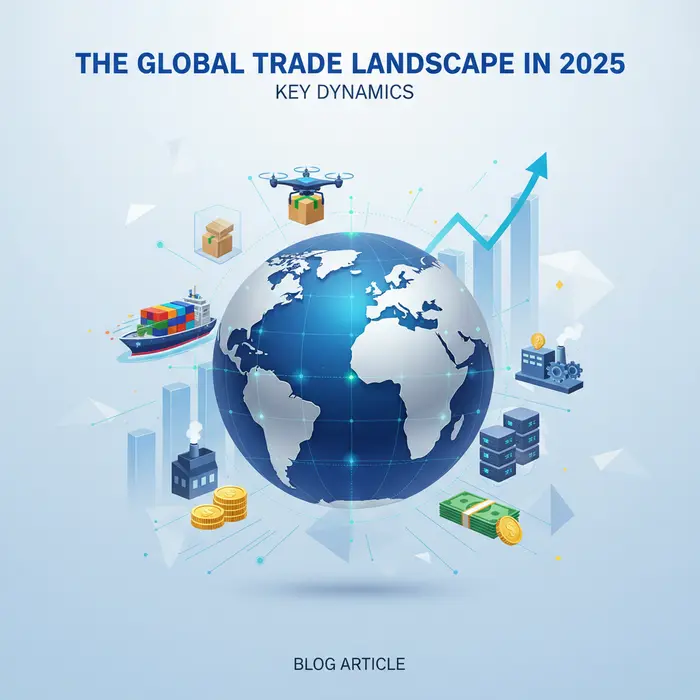
The Global Trade Landscape in 2025: Key Dynamics
As businesses navigate the complexities of a rapidly evolving global economy, understanding the key dynamics shaping international trade in 2025 is paramount for developing robust resilience strategies. The coming year is defined by a confluence of geopolitical shifts, persistent economic pressures, and accelerating technological innovation, all of which demand a proactive approach to global supply chain management and market engagement. This introductory overview sets the stage for a deeper dive into how companies can build an agile and robust framework, ultimately contributing to an effective International Trade Resilience Report. From navigating intricate regulatory environments to leveraging digital tools, the capacity for adaptation will distinguish leaders in the global marketplace.
1. Current Geopolitical & Economic Headwinds
The year 2025 continues to feel the ripple effects of sustained geopolitical instability. Ongoing conflicts in Eastern Europe and the Middle East persistently disrupt critical shipping lanes, inflate energy costs, and reroute traditional trade flows, contributing significantly to global supply chain risk analysis. Sanctions and counter-sanctions further complicate international transactions, necessitating meticulous compliance and risk assessment for businesses operating across borders. Economically, major economies grapple with the aftermath of inflationary pressures, leading to tighter monetary policies and the persistent threat of recessionary conditions. This economic uncertainty, coupled with rising protectionist sentiments in several nations, fosters an environment of significant export market volatility report. Tariffs, non-tariff barriers, and a push towards reshoring or nearshoring production challenge the traditional cost-efficiency models of global sourcing, forcing businesses to re-evaluate their entire operational footprint and consider localized production where feasible. Navigating these headwinds requires sophisticated trade disruption impact assessment capabilities and adaptable business models, as highlighted in the latest global trade outlook from authoritative sources.
2. Emerging Markets & Growth Opportunities
Despite the global challenges, 2025 also presents compelling growth opportunities, particularly within dynamic emerging markets. Regions like Southeast Asia, with its burgeoning manufacturing capabilities and growing consumer base, continue to attract foreign direct investment and serve as alternative production hubs. Parts of Latin America and Africa are also gaining traction, offering diversified sourcing options and untapped market potential. This shift away from over-reliance on single markets is a crucial element of modern B2B trade resilience strategies. Companies are increasingly exploring new trade corridors and investment opportunities to mitigate risks associated with established markets and geopolitical tensions. Diversification not only applies to sourcing but also to market entry strategies, with a focus on local partnerships and understanding regional consumer preferences. These markets often offer competitive labor costs, growing infrastructure, and a youthful demographic, positioning them as vital contributors to future global trade expansion. Capitalizing on these opportunities demands thorough market research and a willingness to adapt business practices to local contexts, reinforcing the need for continuous trade disruption impact assessment.
3. Technological Advancements & Trade Modernization
Technology remains a pivotal driver of change, revolutionizing how international trade is conducted in 2025. The accelerating adoption of Artificial Intelligence (AI) and machine learning in logistics and customs clearance is streamlining operations, reducing lead times, and enhancing predictive capabilities for demand forecasting and global supply chain risk analysis. Blockchain technology continues to gain traction in trade finance and supply chain visibility, offering unprecedented transparency and security, thereby mitigating fraud and improving trust among trading partners. The Internet of Things (IoT) empowers real-time tracking of goods, optimizing inventory management and allowing for precise trade disruption impact assessment. Furthermore, the relentless expansion of e-commerce and digital platforms is democratizing international trade, enabling even small and medium-sized enterprises (SMEs) to access global markets with greater ease. Automation in port operations, warehousing, and freight forwarding is boosting efficiency and resilience. These technological advancements are not merely efficiency tools; they are foundational to modernizing trade infrastructure, fostering greater connectivity, and building truly resilient global supply chains capable of withstanding future shocks. Businesses that embrace these innovations will be best positioned for competitive advantage in this dynamic landscape, significantly strengthening their overall International Trade Resilience Report preparedness.
Global Supply Chain Risk Analysis: Unpacking Vulnerabilities
Global supply chains, once seen as efficient engines of globalization, have increasingly revealed their inherent fragility. A comprehensive International Trade Resilience Report is no longer a luxury but a necessity, providing a deep dive into the critical vulnerabilities and risks that permeate these complex networks. From the subtle tremors of geopolitical shifts to the undeniable force of climate change and the insidious threat of cyberattacks, understanding these risks is paramount for sustained B2B trade resilience and mitigating the impact of trade disruption. This section undertakes a thorough global supply chain risk analysis, unpacking the multifaceted challenges that businesses must navigate to build more robust and responsive supply ecosystems.
1. Mapping Critical Vulnerabilities & Dependencies
Understanding the intricate web of global supply chains begins with meticulously mapping critical vulnerabilities and dependencies. This involves identifying key suppliers, manufacturing sites, logistics hubs, and transportation routes across all tiers, often extending far beyond direct, tier-1 partners. A significant vulnerability lies in single points of failure – exclusive suppliers for critical components, reliance on specific geographic regions for raw materials, or choke points in shipping lanes. The lack of end-to-end visibility, particularly into tier-2 and tier-3 suppliers, exacerbates this problem, creating blind spots where disruptions can emerge unseen. Furthermore, dependencies on specific technologies, intellectual property, or even a specialized workforce in a single location represent additional risks. Effective trade disruption impact assessment requires a detailed inventory of these elements, allowing companies to understand where and how disruptions would cascade, impacting everything from production schedules to delivery commitments and ultimately, customer satisfaction. Building B2B trade resilience strategies demands a proactive approach to this mapping, prioritizing areas where alternative suppliers or routes can be established to bolster overall resilience.
2. Geopolitical Tensions & Their Supply Chain Impact
The rise in geopolitical tensions and their supply chain impact has become a dominant factor in recent years, introducing unpredictable volatility into international trade. Trade wars, such as those between major economic powers, lead to tariffs, export controls, and import restrictions, fundamentally altering sourcing strategies and market access. Sanctions imposed on specific countries or entities can sever supply relationships overnight, compelling companies to scramble for new partners or face legal repercussions. Regional conflicts, civil unrest, and political instability in key manufacturing or resource-rich areas can disrupt production, block transportation routes, and endanger personnel. The weaponization of supply chains, where access to critical goods or technologies is used as a diplomatic lever, adds another layer of complexity. An International Trade Resilience Report frequently highlights how changes in government policy, shifts in international alliances, or even unexpected election results can send shockwaves through global networks. Businesses must develop robust export market volatility reports and scenario planning capabilities to anticipate and adapt to these rapidly evolving geopolitical landscapes, often requiring diversification of sourcing across multiple political jurisdictions to mitigate risk.
3. Environmental Risks & Sustainable Resilience Strategies
Finally, environmental risks and sustainable resilience strategies have moved from the periphery to the forefront of global supply chain concerns. Climate change manifests through more frequent and intense extreme weather events – floods, droughts, wildfires, and hurricanes – which can destroy infrastructure, disrupt agricultural output, and halt production. Resource scarcity, particularly for water and certain minerals, poses long-term threats to supply continuity. Furthermore, increasing regulatory pressure around carbon emissions, waste reduction, and ethical sourcing demands significant adjustments to supply chain operations. A thorough global supply chain risk analysis must integrate these environmental factors, assessing not only direct physical risks but also the potential for reputational damage and legal penalties associated with unsustainable practices. Sustainable resilience strategies involve a multi-pronged approach: investing in green logistics and renewable energy, diversifying sourcing to mitigate regional climate impacts, promoting circular economy principles, and enhancing transparency in environmental performance across the supply chain. These strategies not only build resilience against climate-related disruptions but also enhance brand value and meet growing consumer and regulatory expectations for corporate social responsibility, ultimately contributing to a more robust and future-proof supply chain.
The intricate web of global commerce, once a symbol of efficiency and interconnectedness, has increasingly faced unprecedented challenges. From geopolitical tensions and natural disasters to public health crises, trade disruptions have become a recurring feature of the modern economic landscape. Understanding their real-world effects and developing robust recovery strategies is paramount for businesses and nations striving for international trade resilience. This section delves into a comprehensive trade disruption impact assessment, exploring the immediate and long-term repercussions across various industries, and outlines proven methodologies to navigate and overcome these challenges.
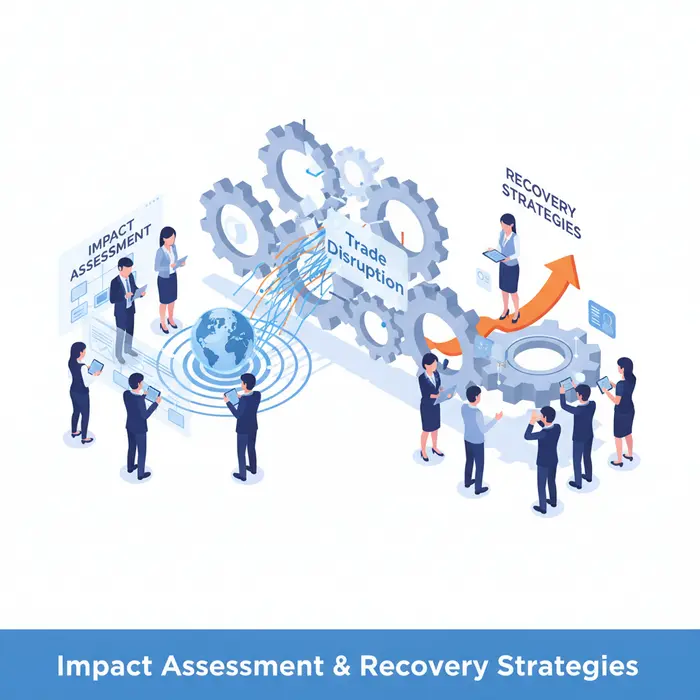
1. Case Studies of Recent Disruptions & Their Repercussions
Recent years have provided numerous stark examples of how quickly global supply chains can unravel. The COVID-19 pandemic and its impact on supply chain vulnerabilities, for instance, triggered widespread factory shutdowns, labor shortages, and logistical bottlenecks, leading to unprecedented shipping delays and exponential freight cost increases. Industries reliant on ‘just-in-time’ inventory systems, such as automotive and electronics, faced severe component shortages, forcing production halts and significant revenue losses. Similarly, the 2021 Suez Canal blockage, though temporary, caused ripple effects felt across continents, disrupting energy supplies and delaying billions of dollars worth of goods. Geopolitical conflicts and trade wars have also introduced tariffs, sanctions, and market access restrictions, compelling businesses to re-evaluate their sourcing and distribution networks. These incidents underscore the urgent need for a proactive global supply chain risk analysis, moving beyond reactive measures to predictive and preventative strategies.
2. Economic & Industry-Specific Impacts of Trade Bottlenecks
The economic fallout from trade bottlenecks is multifaceted, often leading to inflationary pressures as reduced supply collides with persistent demand. National GDPs can suffer from decreased manufacturing output and export capabilities, impacting employment and consumer purchasing power. At an industry-specific level, the consequences vary but are consistently detrimental. The automotive sector, grappling with semiconductor shortages, saw millions of vehicles unproduced, while the electronics industry faced higher production costs and delayed product launches. Retailers contended with empty shelves and disgruntled customers due to shipping delays and port congestion. Even agriculture has not been immune, with export market volatility reports highlighting how disruptions in logistics or trade agreements can impact commodity prices and food security. A thorough trade disruption impact assessment reveals that while some sectors can absorb shocks, others face existential threats, necessitating tailored B2B trade resilience strategies to survive and thrive.
3. Pathways to Rapid Recovery & Mitigation Best Practices
Building an International Trade Resilience Report requires a strategic blend of proactive measures and agile response mechanisms. Rapid recovery pathways begin with enhanced supply chain visibility, leveraging technology like blockchain and AI to monitor goods in real-time and anticipate potential disruptions. Diversification is key: sourcing from multiple geographies, utilizing alternative shipping routes, and expanding into new export markets reduces reliance on single points of failure. Nearshoring and friendshoring initiatives are gaining traction, bringing production closer to end-markets or within politically aligned regions to minimize geopolitical risks. Furthermore, robust inventory management strategies, including maintaining strategic stockpiles of critical components, can buffer against short-term supply shocks. Companies must also invest in digital transformation to streamline customs processes and adapt to changing regulatory environments. Engaging in comprehensive risk mapping and scenario planning allows businesses to pre-emptively identify vulnerabilities and develop contingency plans. For a deeper dive into actionable insights and strategic frameworks, explore our International Trade Resilience Report resources.
In conclusion, the era of predictable global trade is behind us. Businesses and governments must continuously adapt, integrate advanced global supply chain risk analysis, and implement robust B2B trade resilience strategies to navigate the complexities of international commerce. By learning from past disruptions and investing in future-proof methodologies, stakeholders can build more resilient, agile, and sustainable trade networks capable of withstanding the next unforeseen challenge.
B2B Trade Resilience Strategies for a Volatile Future
Description: Practical and actionable B2B trade resilience strategies designed to empower businesses in building robust and adaptable international trade operations amidst ongoing volatility and uncertainty.
In an era characterized by unprecedented global disruptions—from geopolitical tensions and economic downturns to pandemics and climate-related events—businesses engaged in international trade face a continuously evolving landscape of risks. Building robust and adaptable operations is no longer a strategic advantage but a fundamental necessity for survival and sustained growth. This section delves into practical and actionable B2B trade resilience strategies designed to empower businesses in navigating this complex environment, ensuring their international trade operations can withstand and recover from various shocks. By focusing on proactive measures and strategic foresight, companies can transform potential vulnerabilities into sources of competitive strength, turning insights from any International Trade Resilience Report into actionable plans.
1. Supply Chain Diversification & Regionalization
The fragility of single-source or concentrated supply chains has been starkly exposed by recent global events. A cornerstone of B2B trade resilience lies in strategically diversifying sourcing, manufacturing, and distribution networks. This involves moving beyond a “just-in-time” philosophy to incorporate “just-in-case” redundancies. Businesses should actively seek multiple suppliers across different geographies, reducing reliance on any single region or country prone to specific political, economic, or environmental risks. For instance, diversifying raw material suppliers from China to include alternatives in Vietnam, India, or Mexico can mitigate risks associated with regional lockdowns or trade disputes.
Furthermore, regionalization—or “nearshoring” and “friendshoring”—is gaining prominence. This strategy involves bringing production and sourcing closer to primary markets or aligning with politically stable and reliable trading partners. While it might sometimes entail higher initial costs, the long-term benefits include reduced shipping times, lower carbon footprints, enhanced control over quality, and a significant reduction in exposure to long-distance global supply chain risk analysis. For businesses, a thorough International Trade Resilience Report often highlights the benefits of balancing global reach with regional focus, creating a hybrid model that maximizes both efficiency and security. Such an approach enables quicker responses to localized disruptions and strengthens regional economic ties, fostering a more secure trading environment.
2. Digitalization & Automation in Trade Processes
The digital transformation of international trade operations is pivotal for enhancing resilience and efficiency. Manual, paper-based processes are inherently slow, prone to errors, and lack the real-time visibility necessary to respond effectively to disruptions. Digitalization encompasses a wide range of technologies, from electronic data interchange (EDI) and blockchain for secure, transparent transaction tracking to AI-powered predictive analytics for demand forecasting and inventory management. Implementing cloud-based platforms for trade finance, customs clearance, and logistics management can streamline operations, reduce administrative burdens, and provide a single source of truth across the entire trade ecosystem.
Automation, particularly in areas like customs declarations, compliance checks, and freight booking, not only speeds up processes but also minimizes human error and reduces operational costs. For instance, automating trade compliance through AI-driven tools helps businesses navigate complex tariff regimes and regulatory changes, crucial insights often found in an International Trade Resilience Report, thereby avoiding costly delays and penalties. Furthermore, advanced analytics and real-time data dashboards offer invaluable insights into potential bottlenecks, allowing for proactive intervention rather than reactive damage control. This enhanced visibility supports effective trade disruption impact assessment, enabling businesses to pivot quickly and re-route shipments or reallocate resources during crises, ultimately building more adaptive and responsive trade operations.
3. Advanced Risk Management Frameworks for Businesses
A robust B2B trade resilience strategy is incomplete without a comprehensive, advanced risk management framework. This goes beyond traditional financial risk assessment to encompass a broader spectrum of operational, geopolitical, environmental, and cyber risks. Businesses need to implement continuous monitoring systems that track global events, market shifts, and emerging threats. This includes leveraging predictive analytics and scenario planning to anticipate potential disruptions and model their impact on trade operations. For example, understanding potential export market volatility report trends due to political instability or changes in consumer demand is crucial for proactive adjustment.
Developing contingency plans for various scenarios—such as port closures, raw material shortages, or sudden shifts in trade policies—is essential. This involves identifying critical choke points in the supply chain, mapping out alternative routes, and establishing emergency communication protocols with key stakeholders. Furthermore, fostering strong relationships with these partners through collaborative risk-sharing agreements can significantly enhance collective resilience. Regularly reviewing and updating these frameworks, perhaps annually as part of an International Trade Resilience Report review process, ensures their continued relevance and effectiveness in the face of dynamic global challenges. By adopting proactive and integrated risk management, businesses can transform potential threats into opportunities for innovation and sustained competitive advantage, making their B2B trade operations inherently more resilient.
In an increasingly interconnected yet unpredictable global economy, understanding and mitigating risks associated with international trade is paramount for businesses. This comprehensive International Trade Resilience Report delves into the complex dynamics of export market volatility, analyzing the underlying drivers of instability in key global markets. By providing forward-looking projections and actionable strategic recommendations, this report aims to equip exporters with the insights necessary to navigate challenges and build robust trade resilience. The goal is to transform potential threats into opportunities for sustainable growth and competitive advantage in the international arena.
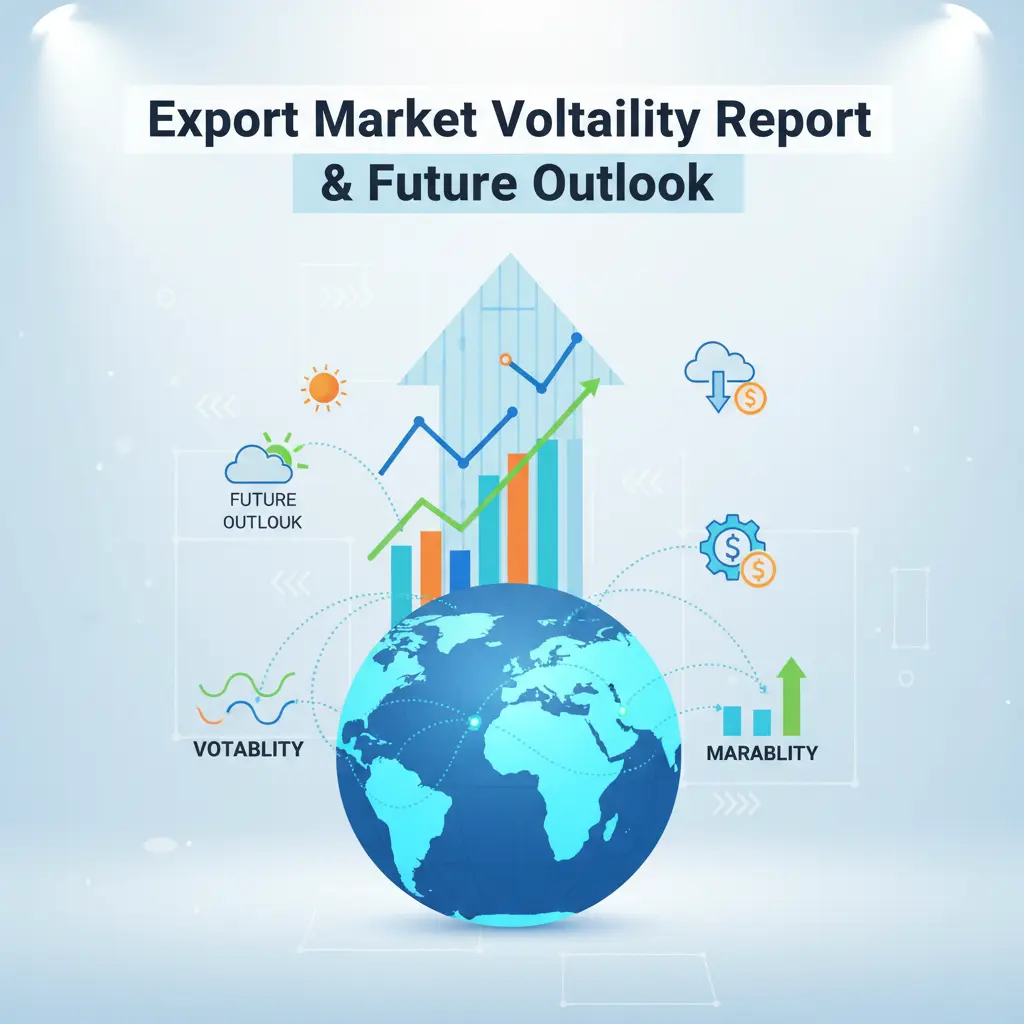
1. Drivers of Market Instability: Economic & Political Factors
The landscape of global trade is continually reshaped by a confluence of economic and political forces, creating significant market instability. Economically, persistent inflation, aggressive interest rate hikes by central banks, and volatile currency exchange rates are impacting purchasing power and investment decisions globally. For instance, a strong U.S. dollar can make exports from other countries more expensive, affecting demand. We are witnessing global economic slowdowns and potential recessions in major economies, alongside commodity price volatility, particularly in energy and raw materials, which directly impacts production costs and consumer spending. Furthermore, enduring global supply chain disruptions, stemming from geopolitical events, natural disasters, and shifts in labor availability, continue to elevate operational risks and costs. For a deeper dive into these complex interdependencies, a thorough global supply chain risk analysis is essential.
Politically, geopolitical tensions remain a primary driver of instability. Conflicts, trade wars, and the imposition of sanctions (e.g., tariffs, export controls) by major powers disrupt established trade routes and market access. The resurgence of protectionism, with countries prioritizing domestic industries through various trade barriers, further fragment the global trading system. Regulatory shifts, such as new environmental standards, data privacy laws, or changes in import quotas, can swiftly alter market conditions and compliance requirements for exporters. Lastly, domestic political instability within key export markets, including elections, social unrest, or policy reversals, introduces significant uncertainty, affecting investor confidence and market predictability. These multifaceted factors necessitate a proactive approach to risk assessment and mitigation.
2. Regional Export Performance & Forecasts for Key Sectors
Export performance varies significantly across regions, influenced by their unique economic structures and exposure to global drivers of instability. Asia, while maintaining its status as a manufacturing powerhouse, faces challenges from slowing demand in Western markets and increasing regional competition. Europe contends with energy crises, inflation, and the ripple effects of geopolitical conflicts, yet some sectors like high-tech manufacturing and luxury goods show resilience. North America, driven by strong domestic consumption, exhibits relative stability but is not immune to global supply chain pressures and interest rate hikes. Emerging markets in Africa and Latin America present both significant growth opportunities and heightened risks associated with political instability and commodity price fluctuations. A robust trade disruption impact assessment is crucial for understanding regional nuances.
Looking at key sectors, manufacturing continues its transformation with a greater emphasis on automation and regionalized supply chains, especially for critical components. The technology sector, despite recent market corrections, is projected for robust growth, driven by digitalization, AI adoption, and increased demand for cybersecurity solutions, though it faces regulatory scrutiny and geopolitical tech rivalry. The agricultural sector remains highly susceptible to climate change, geopolitical events impacting food security, and trade policies, with forecasts pointing to continued volatility in food prices. Textiles and apparel sectors are undergoing significant shifts towards sustainability and ethical sourcing, while facing pressure from rising labor costs and changing consumer preferences. Exporters in these sectors must adapt quickly to maintain competitiveness and capitalize on emerging trends.
3. Strategic Recommendations for Navigating Export Challenges
To thrive in a volatile export environment, businesses must adopt resilient and adaptive strategies. Firstly, **Market Diversification** is critical. Expanding into new geographical markets reduces over-reliance on a single region or country, spreading risk. Similarly, diversifying product lines or service offerings can hedge against demand fluctuations in specific categories. Secondly, **Supply Chain Resilience** must be a priority. This involves implementing multi-sourcing strategies, exploring nearshoring or friendshoring options to shorten supply routes, and investing in digital tools for enhanced visibility and transparency across the supply chain. These are core components of effective B2B trade resilience strategies.
Thirdly, **Robust Risk Management Frameworks** are essential. This includes proactive currency hedging strategies to mitigate foreign exchange risks, obtaining political risk insurance for ventures in unstable regions, and continuously monitoring market intelligence to anticipate shifts. Regular export market volatility report analyses and scenario planning can prepare businesses for various contingencies. Fourthly, **Digital Transformation** offers powerful tools for resilience. Leveraging e-commerce platforms and digital marketing can unlock new customer segments and markets with lower entry barriers. Data analytics can provide invaluable insights into market trends, consumer behavior, and competitive landscapes, enabling more informed decision-making. Lastly, fostering strong relationships with local partners and adapting business models to local regulatory and cultural contexts can significantly enhance market penetration and stability. By implementing these strategic recommendations, exporters can not only weather the storms of global market volatility but also emerge stronger and more competitive.
Partner with Vietnam’s Leading Suppliers
Looking for reliable suppliers in Vietnam? Contact VietnamSuppliers.com today to connect with verified manufacturers and exporters across all industries.
—————————————
References
– WTO’s Global Trade Outlook: https://www.wto.org/english/news_e/pres24_e/pr954_e.htm
– Deloitte Global Supply Chain Risk Management: https://www2.deloitte.com/us/en/pages/operations/articles/global-supply-chain-risk-management.html
– COVID-19 pandemic and its impact on supply chain vulnerabilities: https://www.wto.org/english/thewto_e/whatis_e/tif_e/supplychains_e.htm
– WTO | Supply Chains in a Changing World: https://www.wto.org/english/news_e/archive_e/report_e/supply_chain_e.htm
– WTO: Global trade set for slow rebound in 2024 after decline in 2023: https://www.wto.org/english/news_e/pres24_e/pr954_e.htm