Introduction to Vietnam’s Manufacturing Landscape
Vietnam has rapidly ascended as a pivotal global manufacturing and export hub, transforming its economic landscape over the past two decades. Once primarily an agricultural economy, the Socialist Republic of Vietnam has strategically positioned itself as an attractive destination for foreign direct investment (FDI), leveraging its unique geographic advantages, a burgeoning workforce, and proactive government policies. This meteoric rise has captivated international businesses seeking resilient and cost-effective supply chains, firmly establishing Vietnam as a critical player in the global sourcing arena. For businesses looking to optimize their production and distribution networks, understanding the dynamics of Vietnam suppliers is now more crucial than ever.

1. Why Vietnam: Key Advantages for Global Sourcing
Vietnam’s appeal to global manufacturers stems from a compelling combination of strategic advantages. Its geographical position in Southeast Asia provides excellent access to major shipping routes and key Asian markets, minimizing logistics costs and transit times. Labor costs, while gradually increasing, remain highly competitive compared to more developed manufacturing powerhouses, offering a significant cost advantage for various industries. Moreover, Vietnam boasts a young, adaptable, and increasingly skilled workforce, eager to embrace new technologies and production methods.
The nation has also invested heavily in infrastructure development, including modernizing ports, expanding road networks, and improving industrial zones, which are crucial for efficient production and export operations. A web of Free Trade Agreements (FTAs), such as the Comprehensive and Progressive Agreement for Trans-Pacific Partnership (CPTPP) and the EU-Vietnam Free Trade Agreement (EVFTA), further enhances its attractiveness by providing preferential access to major consumer markets worldwide. These agreements reduce tariffs and streamline trade procedures, making sourcing from Vietnam guide an essential resource for companies navigating international trade. Furthermore, Vietnam’s political stability offers a predictable and secure environment for long-term investments, a stark contrast to some other emerging markets.
2. Growth of Vietnam Manufacturing Industries
The diversification and sophistication of Vietnam manufacturing industries have been remarkable. Initially known for low-skill, labor-intensive sectors like textiles and footwear, Vietnam has progressively moved up the value chain. Today, it is a significant producer of high-tech electronics, including smartphones, computer components, and integrated circuits, attracting giants like Samsung, Intel, and LG. The textile and garment sector remains robust, benefiting from FTAs and strong demand for its quality products globally. Furniture manufacturing, another key industry, has seen consistent growth, driven by skilled craftsmanship and sustainable practices.
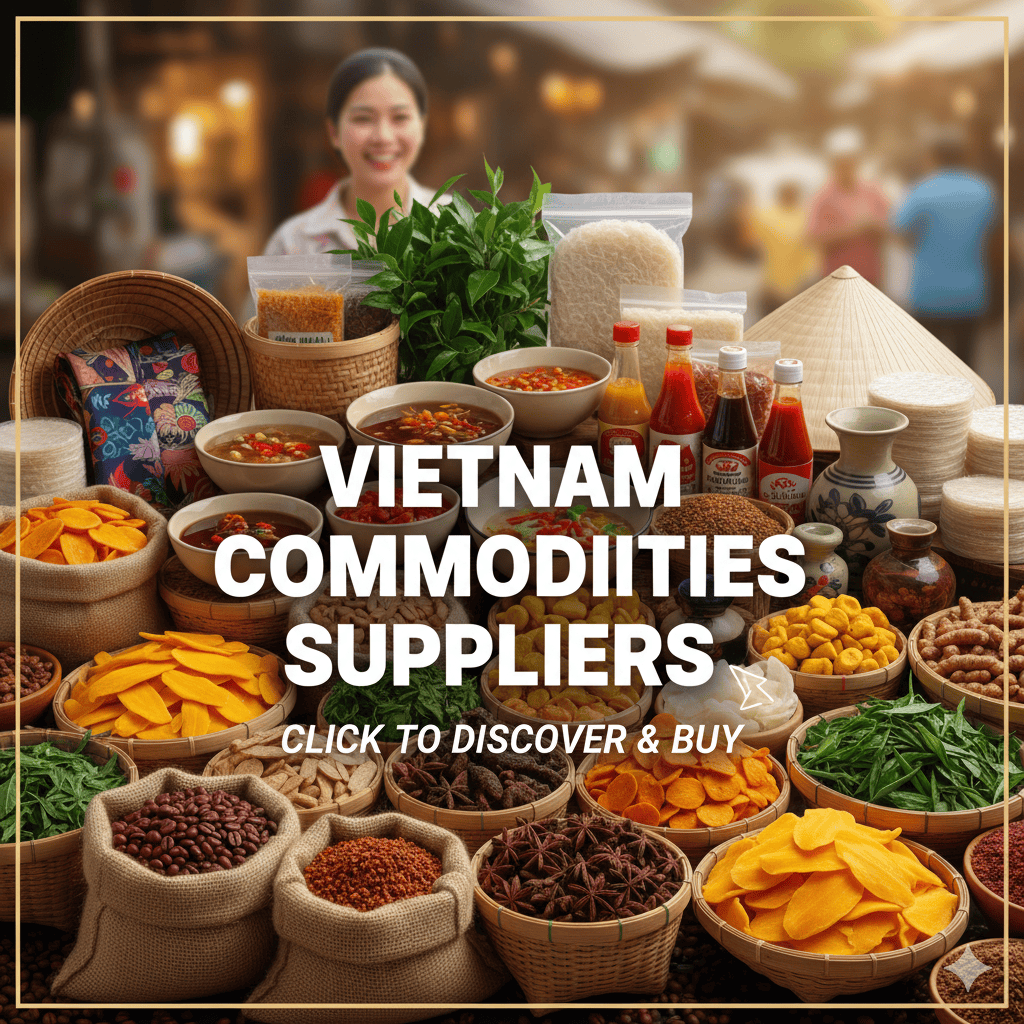
Beyond these, industries such as automotive components, plastics, chemicals, and food processing are expanding, showcasing a broad industrial base. This growth is reflected in the impressive variety of top Vietnam export products, ranging from coffee and seafood to sophisticated electronics and machinery. The country’s ability to attract and integrate foreign-invested enterprises into its supply chains has been a key factor in this evolution, creating a vibrant ecosystem of local and international Vietnam suppliers. Businesses often refer to a Vietnam factory list to explore potential partnerships across these diverse sectors.
3. Government Policies Supporting Investment and Trade
The Vietnamese government has played an instrumental role in fostering this manufacturing boom through a series of progressive and investor-friendly policies. Key initiatives include generous tax incentives, streamlined administrative procedures for business registration and investment licensing, and the establishment of numerous industrial parks and economic zones that offer specialized infrastructure and support services. The commitment to economic reform, embodied in its “Doi Moi” policy since 1986, has consistently aimed at market liberalization and integration into the global economy.
Moreover, active participation in multilateral and bilateral trade agreements demonstrates Vietnam’s dedication to creating an open and fair trade environment. These agreements not only facilitate exports but also attract further FDI by guaranteeing market access and investor protection. For instance, the World Bank highlights Vietnam’s strong economic performance and its success in attracting FDI, attributing much of this to its stable macroeconomic management and commitment to trade integration. The continuous efforts to improve the business climate and ensure policy predictability reinforce Vietnam’s position as a reliable and dynamic destination for manufacturing investment, solidifying its reputation among global supply chain strategists.
Comprehensive Sourcing from Vietnam Guide
This comprehensive sourcing from Vietnam guide offers a practical roadmap for international businesses aiming to leverage Vietnam’s dynamic manufacturing landscape. Known for its rapidly growing economy, skilled workforce, and strategic location, Vietnam has become a pivotal player in global supply chains. This guide covers everything from identifying suitable Vietnam suppliers to mastering logistics and quality assurance, helping you navigate the complexities of sourcing effectively from one of Asia’s most promising manufacturing hubs. Understanding the nuances of Vietnam manufacturing industries is crucial for successful ventures.
1. Market Research and Identifying Potential Vietnam Suppliers
Effective sourcing begins with thorough market research to assess product feasibility and Vietnam’s industrial strengths. Vietnam excels in sectors such as textiles and garments, footwear, electronics, furniture, and agricultural products, which represent some of the Top Vietnam export products.
Once market research confirms Vietnam as a viable option, identifying potential Vietnam suppliers is the next step. Utilize these channels:
- Online Directories & B2B Platforms: Websites like Alibaba, Global Sources, and specialized Vietnamese business directories offer extensive lists of manufacturers. Always verify information independently.
- Trade Shows: Attending major trade shows in Vietnam (e.g., SaigonTex, Vietnamwood) or international expos featuring Vietnamese companies allows for face-to-face meetings and product inspection.
- Sourcing Agents: Reputable sourcing agents based in Vietnam can significantly streamline the process, offering local market knowledge, supplier vetting, and communication assistance.
- Industry Associations: Organizations like the Vietnam Chamber of Commerce and Industry (VCCI) or industry-specific associations provide valuable insights and connections to a relevant Vietnam factory list.
When evaluating suppliers, prioritize those with strong relevant experience, clear communication, and a proven ability to meet your quality and volume requirements. Look beyond just price; consider their track record and responsiveness.
2. Due Diligence and Vetting Processes
Rigorous due diligence is paramount to mitigate risks and ensure a successful partnership. This phase involves a comprehensive evaluation of a supplier’s legitimacy, financial stability, operational capabilities, and commitment to quality and ethical practices.
Key vetting steps include:
- Business Registration Verification: Confirm the supplier’s legal registration, business licenses, and operational permits with Vietnamese authorities to ensure legitimacy.
- Financial Health Assessment: Assess stability through credit reports, trade references, and operational scale.
- Factory Audits and Site Visits: Whenever possible, conduct a physical audit of the factory to inspect production facilities, quality control systems, and working conditions. If not feasible, hire a third-party auditing firm.
- Quality Management Systems (QMS): Verify robust QMS, such as ISO 9001, to ensure consistent product quality. Inquire about specific quality control procedures.
- Certifications and Compliance: Look for relevant certifications (e.g., BSCI, SA8000 for social compliance; CE, RoHS for product safety) demonstrating adherence to international standards.
- Communication: Gauge their responsiveness, language proficiency, and transparency. Clear communication is critical for long-term success.
3. Negotiation, Contracts, and Payment Terms
With a thoroughly vetted supplier, you move to the critical stages of negotiation, contract drafting, and establishing payment terms. This phase lays the legal and financial groundwork for your sourcing relationship.
- Negotiation Strategy: Approach negotiations with clear product specifications, quality standards, and delivery timelines. Focus on achieving a fair, long-term deal rather than just the lowest cost. Discuss minimum order quantities (MOQs), sampling, and lead times.
- Comprehensive Contracts: A detailed, legally binding contract is essential. It should cover:
- Product Specifications: Detailed descriptions, materials, and quality benchmarks.
- Pricing and Payment Schedule: Unit costs, tooling costs, and a clear payment timeline (e.g., deposit, progress, final payment).
- Delivery Terms: Incoterms (e.g., FOB, EXW) specifying shipping responsibilities, insurance, and costs, plus clear delivery dates and delay penalties.
- Quality Assurance: Outline pre-shipment inspection protocols, defect rates, and procedures for non-conforming goods.
- Intellectual Property (IP) Protection: Crucial clauses for proprietary designs.
- Dispute Resolution: Agreed-upon methods for resolving disagreements.
Consult legal counsel experienced in international trade law and Vietnamese regulations. Understanding local Vietnam business laws is paramount.
- Payment Terms: Common methods include Telegraphic Transfer (T/T) and Letter of Credit (L/C).
- T/T (Wire Transfer): Typically involves an upfront deposit (e.g., 30-50%) and the balance upon completion or shipment. Faster but offers less security.
- L/C (Letter of Credit): Provides greater security as a bank guarantees payment upon meeting specified conditions. More complex and costly but recommended for new or large orders.
Balance your investment protection with good faith to your supplier.
By diligently following these steps, businesses can establish robust and reliable sourcing operations in Vietnam, leveraging its manufacturing prowess for sustainable growth.
Top Vietnam Export Products and Key Industries
Vietnam has rapidly emerged as a powerhouse in global trade, transforming its economy from agriculture-centric to a dynamic export-oriented manufacturing hub. This meteoric rise has been fueled by strategic government policies, a diligent workforce, and significant foreign direct investment. For businesses looking to optimize their global supply chains, understanding Vietnam’s core export strengths is crucial. This section provides an in-depth look at the leading product categories and industries that contribute most significantly to Vietnam’s impressive export economy. For those seeking reliable partners, a comprehensive Vietnam suppliers list can offer a gateway to this thriving market.

1. Textiles and Apparel Dominance
Vietnam’s textile and apparel industry stands as a formidable pillar of its export economy, securing its position as one of the world’s leading garment exporters. With decades of experience and continuous investment, this sector boasts a robust ecosystem encompassing spinning, weaving, dyeing, and garment manufacturing. Vietnam’s economic growth has been significantly propelled by this industry, which benefits from preferential trade agreements, a competitive labor force, and increasing sophistication in production capabilities. From basic knitwear to complex fashion garments, Vietnamese factories produce a vast array of products for global brands and retailers. The industry is highly adaptable, constantly upgrading technology to meet international quality standards and fast-changing fashion trends. Many businesses embarking on a Sourcing from Vietnam guide often find textiles and apparel at the top of their list due to the country’s proven track record, strong supply chain integration, and the ability of Vietnam manufacturing industries to handle diverse orders, from small to large scale. The focus on sustainable practices is also growing, enhancing Vietnam’s appeal as a responsible manufacturing destination.
2. Electronics and High-Tech Manufacturing
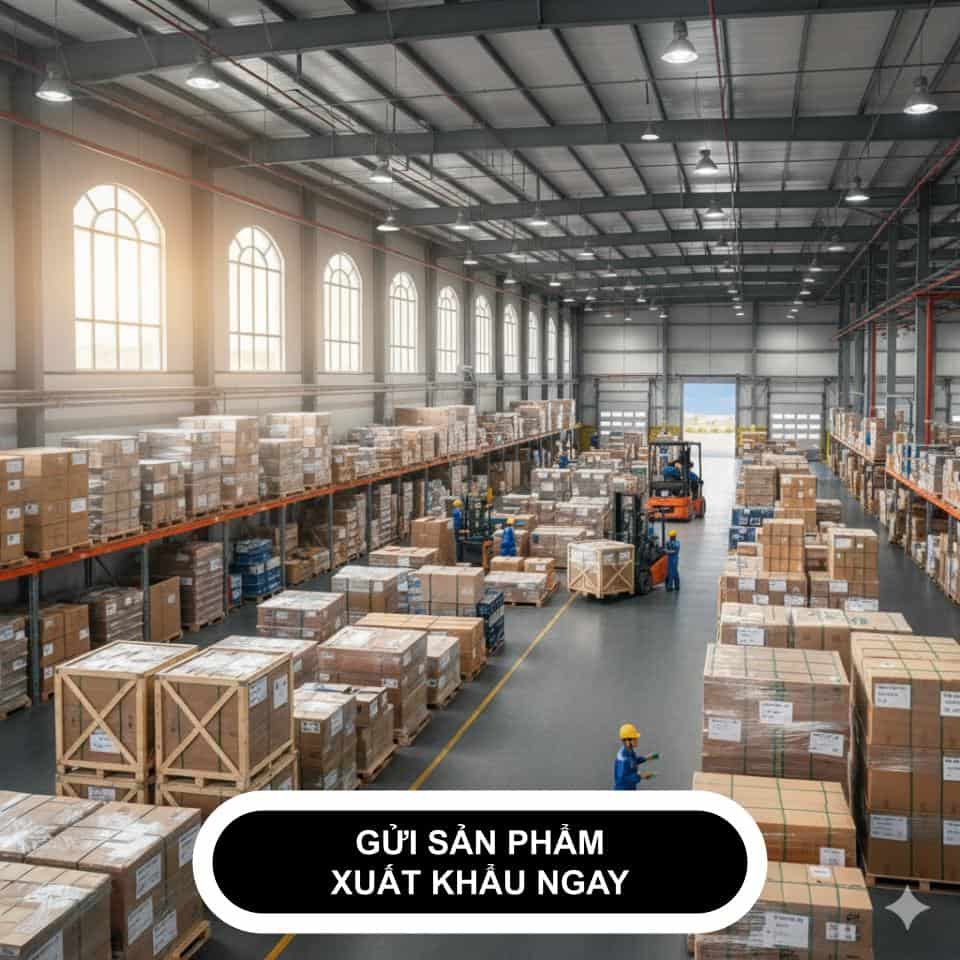
In a relatively short period, electronics and high-tech manufacturing have surged to become Vietnam’s single largest export sector, reshaping the country’s industrial landscape. Major global players, including Samsung, Intel, and LG, have made substantial investments, establishing large-scale production facilities for smartphones, tablets, computer components, and consumer electronics. This influx of foreign direct investment has not only brought advanced technology and expertise but also created millions of jobs, driving the development of a highly skilled workforce. The government’s strategic emphasis on attracting high-tech industries, coupled with a young, educated population, has positioned Vietnam as a critical hub in the global electronics supply chain. For companies exploring a Vietnam factory list for electronics, the country offers competitive production costs, robust infrastructure, and a growing network of local component suppliers. This sector continues to innovate, moving beyond simple assembly to higher value-added activities, making “Top Vietnam export products” increasingly synonymous with cutting-edge electronics.
3. Footwear and Leather Goods
Another enduring and powerful export sector for Vietnam is footwear and leather goods. The country is recognized globally as a manufacturing giant for various types of footwear, including athletic shoes, casual footwear, and dress shoes, produced for leading international brands. This industry leverages Vietnam’s competitive labor costs and a long history of craftsmanship. Factories are equipped with modern machinery and skilled labor capable of producing high-quality goods that meet stringent global standards. Beyond footwear, Vietnam is also a significant producer of leather bags, wallets, and other accessories. The sector’s resilience and adaptability are evident in its ability to navigate changing market demands and technological advancements. When considering a Sourcing from Vietnam guide for footwear, prospective buyers will find a mature industry with established supply chains and a strong commitment to quality and efficiency. The ongoing investment in training and upgrading facilities ensures that Vietnamese manufacturers remain at the forefront of the global footwear market, solidifying its place among the “Top Vietnam export products.”
Navigating the Vietnam Factory List and Supplier Directories
Vietnam has rapidly emerged as a global manufacturing powerhouse, attracting businesses worldwide looking to diversify their supply chains. Its strategic location, competitive labor costs, and increasingly skilled workforce make it an irresistible destination for sourcing a vast array of products. However, finding reliable Vietnam suppliers and building strong, lasting partnerships requires a strategic, multi-faceted approach. This comprehensive “Sourcing from Vietnam guide” will equip you with practical advice on exploring online platforms, engaging at trade events, and leveraging local resources to navigate the thriving Vietnam manufacturing industries successfully.
1.
Online B2B Platforms and Supplier Databases
In the digital age, online B2B platforms are often the first port of call for businesses seeking a “Vietnam factory list.” Major global players like Alibaba, Global Sources, and Made-in-China host extensive directories, allowing you to filter suppliers by country, product category, and certifications. Beyond these giants, specialized platforms focusing solely on Vietnamese suppliers or specific industries are also emerging. When utilizing these platforms, due diligence is paramount. Scrutinize supplier profiles for verified status, production capabilities, quality certifications (e.g., ISO 9001, BSCI, SA8000), and customer reviews. Always request samples, conduct initial video calls, and verify business registrations where possible. These platforms are invaluable for identifying potential partners across a spectrum of “Top Vietnam export products,” from textiles and footwear to electronics and furniture. Effective use of these databases can significantly narrow down your search, providing a solid foundation for further vetting.
2.
Trade Fairs and Exhibitions in Vietnam
While online platforms offer convenience, nothing quite compares to the insights gained from attending trade fairs and exhibitions in Vietnam. These events provide an unparalleled opportunity for face-to-face interaction with manufacturers, allowing you to physically inspect product samples, assess factory representatives’ professionalism, and build rapport. Key trade shows, such as Vietnam Expo, VIFA-EXPO (furniture), and various industry-specific events (e.g., textiles, electronics), showcase the country’s diverse manufacturing capabilities. Engaging directly allows for more effective negotiation, a deeper understanding of production processes, and the chance to observe potential partners in a competitive environment. Furthermore, these events offer a broad perspective on the latest trends and innovations within Vietnam’s manufacturing sectors. Vietnam’s economic transformation, as highlighted by institutions like the World Bank, makes these events crucial for understanding the market dynamics and identifying the most reliable and innovative suppliers.
3.
Working with Sourcing Agents and Consultants
For businesses new to sourcing from Vietnam or those lacking local presence, engaging a reputable sourcing agent or consultant can be a game-changer. These professionals offer invaluable local expertise, navigating cultural nuances, language barriers, and complex regulatory landscapes. A good sourcing agent can help you efficiently sift through the vast “Vietnam factory list,” perform factory audits, manage quality control throughout production, and negotiate favorable terms. They act as your eyes and ears on the ground, minimizing risks associated with communication breakdowns, quality discrepancies, and logistical challenges. When selecting an agent, look for transparency, a proven track record, clear communication channels, and a deep understanding of your specific product category. While an additional cost, their expertise often translates into significant savings in time, money, and potential headaches, ensuring a smoother and more successful sourcing journey.
Ultimately, successful sourcing from Vietnam hinges on a combination of thorough research, direct engagement, and leveraging local expertise. By strategically utilizing online platforms, attending trade events, and considering the support of sourcing agents, businesses can build robust, long-term partnerships with reliable Vietnamese suppliers, contributing to a resilient and efficient supply chain.
Challenges and Opportunities for Vietnam Suppliers in 2025
The global economic landscape continues its dynamic evolution, and for businesses engaging with Vietnam suppliers, 2025 promises both significant hurdles and promising avenues for growth. Vietnam has solidified its position as a global manufacturing hub, driven by competitive labor costs, strategic geographic location, and a growing network of trade agreements. However, navigating the complexities of international trade, sustainability demands, and economic shifts will be crucial for sustained success. This section examines the current and future landscape, discussing potential hurdles and emerging trends that will shape the environment for Vietnam suppliers.

1. Supply Chain Resilience and Diversification
The lessons learned from recent global disruptions, most notably the COVID-19 pandemic and geopolitical tensions, have underscored the critical importance of supply chain resilience. For Vietnam suppliers and their international partners, 2025 will see an intensified focus on building robust and adaptable supply networks. This means moving beyond single-source reliance and strategically diversifying production bases across multiple geographies. While Vietnam’s Vietnam manufacturing industries continue to attract significant investment, companies are increasingly exploring ‘China+1’ or ‘Vietnam+1’ strategies, incorporating other Southeast Asian nations or even reshoring/nearshoring options where feasible. Digital transformation, including the adoption of advanced analytics, AI, and blockchain, will play a pivotal role in enhancing visibility, traceability, and responsiveness within these complex supply chains. Furthermore, investing in local infrastructure, skilled labor development, and fostering strong supplier relationships will be key to mitigating future shocks and ensuring continuity of supply.
2. Sustainability and Ethical Sourcing Trends
The imperative for sustainability and ethical practices in global supply chains is no longer a niche concern but a mainstream demand. In 2025, Vietnam suppliers will face increasing pressure to comply with stringent environmental, social, and governance (ESG) criteria from international buyers and regulatory bodies. Consumers and investors alike are demanding greater transparency regarding the origin of products, labor conditions, carbon footprint, and waste management practices. For businesses utilizing a Sourcing from Vietnam guide, it will be essential to integrate these considerations from the outset. This includes ensuring fair wages, safe working conditions, minimizing environmental impact, and implementing circular economy principles. Adherence to international standards like SA8000 for social accountability or ISO 14001 for environmental management will become competitive differentiators. Companies that proactively embrace sustainable manufacturing processes and transparent reporting will not only enhance their brand reputation but also gain a significant advantage in attracting ethical-minded buyers and investors. (Learn more about building sustainable supply chains from the World Economic Forum).
3. Impact of Global Economic Shifts and Trade Policies
Global economic shifts and evolving trade policies will continue to exert a profound influence on Vietnam’s export-oriented economy in 2025. Persistent inflation in major consumer markets, rising interest rates, and potential economic slowdowns could temper demand for Vietnam’s Top Vietnam export products. Furthermore, ongoing geopolitical tensions and the possibility of new trade barriers or protectionist measures in key markets like the US and Europe present significant uncertainties. However, Vietnam’s extensive network of Free Trade Agreements (FTAs), including the CPTPP, EVFTA, and RCEP, offers a crucial buffer, providing preferential access to numerous markets and fostering regional integration. Suppliers and buyers alike must stay abreast of these policy changes, leveraging the benefits of FTAs while preparing for potential disruptions. The ability of Vietnam factory list to adapt swiftly to changing tariff structures, rules of origin, and import regulations will be paramount. Investing in advanced technology, optimizing operational efficiencies, and exploring new emerging markets will also be critical strategies for navigating this complex global economic environment.
Partner with Vietnam’s Leading Suppliers
Looking for reliable suppliers in Vietnam? Contact VietnamSuppliers.com today to connect with verified manufacturers and exporters across all industries.
—————————————
References
– World Bank Vietnam Overview: https://www.worldbank.org/en/country/vietnam/overview
– Vietnam Trade Barriers: https://www.trade.gov/country-commercial-guides/vietnam-trade-barriers
– Vietnam Economic Data – World Bank: https://data.worldbank.org/country/vietnam
– World Bank: Vietnam Overview: https://www.worldbank.org/en/country/vietnam/overview
– How to Build a Sustainable Supply Chain: https://www.weforum.org/agenda/2023/11/supply-chain-sustainability-circular-economy-decarbonisation-trade/