The Rise of Vietnam in Global Trade 2025
An overview of Vietnam’s impressive economic growth and its increasing prominence as a global export powerhouse.

1. Key Economic Indicators and Growth Drivers
Vietnam’s economic trajectory in recent decades has been nothing short of spectacular, transforming it from an agrarian society into a dynamic, export-oriented economy. By 2025, this momentum is expected to solidify Vietnam’s position as a critical player in global trade. The nation consistently records impressive GDP growth rates, often among the highest in Southeast Asia, driven by robust foreign direct investment (FDI), expanding manufacturing capabilities, and a burgeoning domestic market. Key growth drivers include its strategic geographic location, a young and increasingly skilled workforce, and a proactive government committed to economic liberalization. Major Vietnam export products span a diverse range, from high-tech electronics and components – including smartphones and microchips – to textiles, footwear, and furniture. The country is also a significant global supplier of Vietnam agricultural commodities, such as coffee, rice, seafood, and rubber. Integration into global trade frameworks through free trade agreements like the CPTPP, EVFTA, and RCEP has further opened markets and streamlined trade, making Vietnam an attractive destination for international businesses. This combination of factors underpins a sustainable growth model, propelling Vietnam’s economy forward.
2. Government Initiatives Supporting Export
The Vietnamese government has played a pivotal role in fostering this export-led growth through a series of strategic initiatives and policies. These efforts aim to create an investor-friendly environment and enhance the competitiveness of Vietnamese goods on the global stage. Streamlined customs procedures, tax incentives for foreign investors, and investment in critical infrastructure – including deep-water ports, modern highways, and logistics hubs – have significantly reduced the cost and time of doing business. Export promotion programs actively support local enterprises in penetrating new markets, while digital transformation initiatives are improving efficiency across supply chains. Furthermore, the government’s commitment to signing and implementing comprehensive free trade agreements has provided preferential access to major consumer markets, cementing Sourcing from Vietnam advantages. These proactive policies not only attract a steady stream of FDI but also empower domestic industries to scale up, innovate, and meet stringent international quality standards, thereby diversifying and strengthening the nation’s export base. Such strong governmental backing ensures a stable and predictable environment for trade and investment.
3. Shifting Global Supply Chains: Vietnam’s Position
The landscape of global supply chains is undergoing a significant transformation, with many multinational corporations adopting a “China+1” strategy to mitigate risks and diversify production bases. Vietnam has emerged as a primary beneficiary of this realignment, rapidly becoming a preferred alternative for manufacturing and assembly. Its political stability, competitive labor costs, and improving infrastructure make it an ideal hub for Vietnam manufacturing exports. Companies seeking to de-risk their operations or leverage new trade agreements are increasingly relocating production facilities to Vietnam. This shift is particularly evident in sectors like electronics, apparel, and automotive components. The country’s growing network of industrial parks and special economic zones offers ready-to-use facilities and supportive ecosystems for foreign investors. For businesses looking to Find Vietnam suppliers B2B, the market offers a vibrant ecosystem of capable manufacturers and service providers. This strategic positioning, coupled with a resilient workforce and a commitment to continuous improvement, ensures Vietnam’s sustained relevance and growth within the evolving global trade paradigm, making it an indispensable link in future global supply chains.
Top Vietnam Export Products: A Sectoral Deep Dive
Vietnam has rapidly emerged as a global manufacturing and agricultural powerhouse, with its Vietnam export products continually diversifying and increasing in value. The nation’s strategic location, competitive labor costs, and proactive government policies promoting trade and foreign direct investment have significantly bolstered its export capabilities. From high-tech electronics to traditional agricultural commodities, understanding Vietnam’s primary product categories is crucial for businesses looking to engage in global trade or find Vietnam suppliers B2B. This deep dive explores the key sectors driving Vietnam’s impressive export growth, highlighting the advantages of sourcing from Vietnam and future trends.
1. Vietnam Manufacturing Exports: Electronics, Textiles & Footwear
The manufacturing sector is undoubtedly the bedrock of Vietnam’s export economy. Vietnam manufacturing exports have seen explosive growth, particularly in three major categories:
- Electronics and Components: Vietnam has become a critical hub for global electronics production, largely driven by multinational corporations investing heavily in the country. Smartphones, computers, printers, and electronic components dominate this category. The presence of tech giants has fostered a robust ecosystem, making Vietnam a go-to destination for high-tech manufacturing.
- Textiles and Garments: Vietnam is one of the world’s leading exporters of textiles and apparel. Its strengths lie in a skilled workforce, competitive pricing, and a growing emphasis on meeting international quality standards and sustainability requirements. Garments, footwear, and accessories are exported to major markets worldwide, benefitting from various free trade agreements.
- Footwear: Following closely behind textiles, Vietnam is a major global player in footwear manufacturing, producing for renowned international brands. The sector benefits from large-scale production capabilities and a continuous drive for efficiency and innovation in design and materials.
These sectors highlight the significant sourcing from Vietnam advantages, including a stable political environment, an increasingly educated workforce, and a strategic location facilitating global supply chains.
2. Vietnam Agricultural Commodities: Coffee, Rice, Seafood & More
Despite its industrial growth, Vietnam remains a formidable force in global agriculture. Its fertile lands and extensive coastline support a diverse range of Vietnam agricultural commodities, cementing its role as a major food exporter.
- Coffee: Vietnam is the world’s second-largest exporter of coffee, particularly Robusta beans. Its coffee industry is a vital economic pillar, supporting millions of farmers and supplying global markets.
- Rice: As one of the top rice exporters globally, Vietnamese rice feeds millions worldwide. The Mekong Delta, often referred to as Vietnam’s rice bowl, is instrumental in this production.
- Seafood: With a vast coastline and advanced aquaculture practices, Vietnam is a leading exporter of various seafood products, including shrimp, pangasius (basa fish), tuna, and squid. The industry places increasing importance on sustainable farming and processing methods.
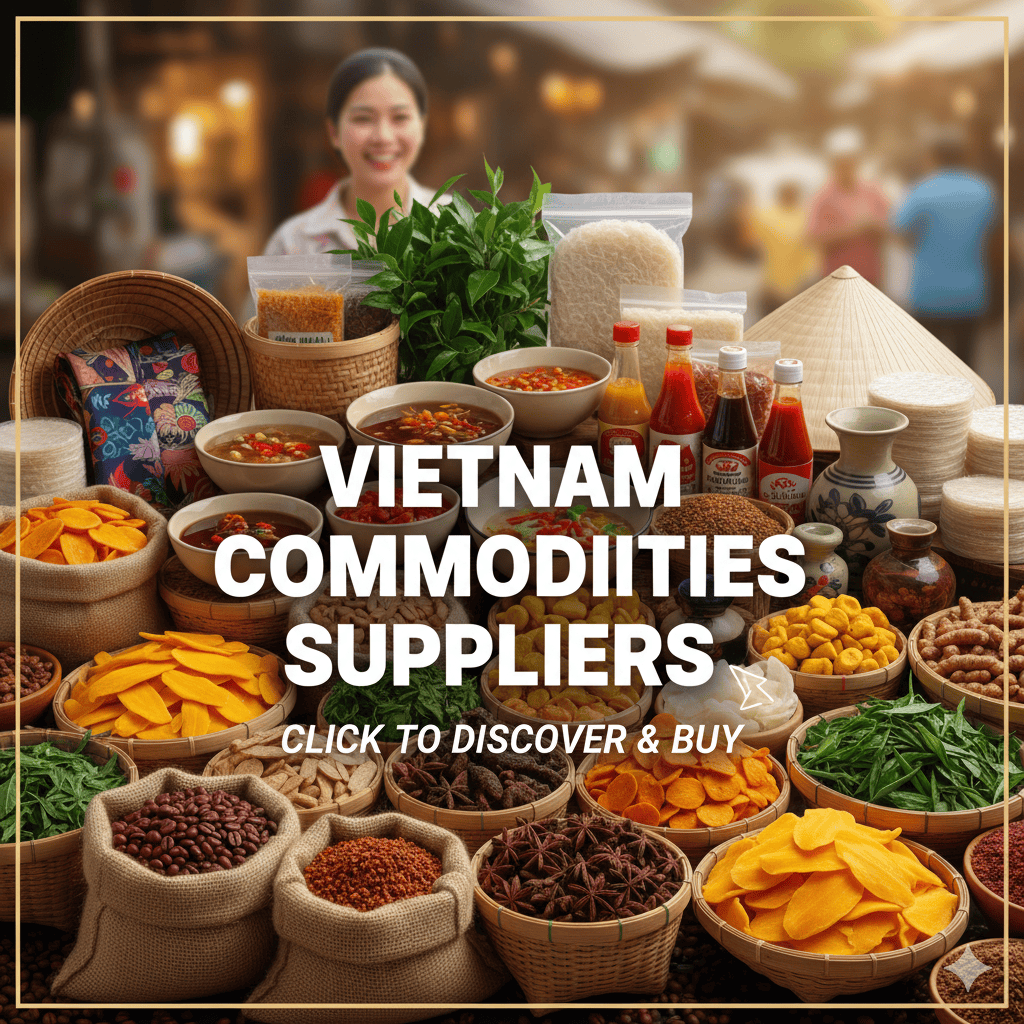
- Other Commodities: Beyond these mainstays, Vietnam also excels in exporting cashew nuts (the world’s largest processor and exporter), pepper, rubber, tea, and a variety of fresh fruits and vegetables like dragon fruit, durian, and rambutan.
This diverse export portfolio underscores Vietnam’s capacity to leverage its natural resources and agricultural expertise to meet global demand.
3. Emerging Export Sectors and Future Trends
While traditional manufacturing and agriculture remain strong, Vietnam is actively developing new export sectors and embracing future-oriented trends to sustain its economic momentum. Emerging areas include:
- Wood Products and Furniture: Vietnam has become a significant player in the global furniture market, known for its craftsmanship and competitive pricing in wooden furniture and other wood-based products.
- Plastic Products: The plastics industry is growing, driven by both domestic demand and increasing export orders for various plastic goods, from packaging to consumer products.
- Rubber: Beyond raw rubber, Vietnam is expanding its exports of value-added rubber products, including tires and industrial components.
- High-Tech and Services: Looking ahead, Vietnam aims to move up the value chain by focusing on higher-tech manufacturing, software development, and IT services. Investments in R&D and digital infrastructure are paving the way for a knowledge-based economy.
Future trends indicate a shift towards more sustainable production, higher value-added goods, and an increased integration into global digital supply chains, ensuring Vietnam remains a dynamic and attractive destination for trade and investment.
Sourcing from Vietnam: Key Advantages for Importers
In the evolving landscape of global trade, Vietnam has rapidly emerged as a powerhouse, attracting international businesses seeking diversified supply chains and competitive manufacturing solutions. Its strategic location, robust economic growth, and supportive government policies position it as a premier destination for Vietnam export products across various sectors. For importers worldwide, understanding the strategic benefits of sourcing from Vietnam advantages is crucial for long-term success and market competitiveness.
From textiles and electronics to furniture and Vietnam agricultural commodities, the Southeast Asian nation offers a compelling alternative to traditional sourcing hubs, often providing better value, greater flexibility, and access to a rapidly developing industrial base. This analysis delves into the key reasons why more and more international businesses are turning their attention to Vietnam.

1. Cost-Effectiveness and Competitive Pricing
One of the most significant draws for importers is Vietnam’s remarkable cost-effectiveness. Compared to established manufacturing giants, Vietnam offers lower operational costs, primarily driven by a younger, more affordable, and increasingly skilled labor force. This translates directly into competitive pricing for a wide array of products, from intricate electronics components to large-scale textile orders. Businesses can achieve substantial cost savings without compromising on quality, enhancing their profit margins and market position. The Vietnamese government’s consistent efforts to improve infrastructure, streamline bureaucratic processes, and offer incentives to foreign investors further contribute to an attractive business environment, reducing overheads for manufacturers and, subsequently, for importers.
2. Skilled Workforce and Production Capacity
Vietnam boasts a rapidly growing, youthful, and adaptable workforce. The government has heavily invested in education and vocational training, creating a pool of skilled labor proficient in various industrial processes, including precision manufacturing, advanced assembly, and quality control. This dedication to human capital development ensures high production standards and increasing efficiency across its burgeoning Vietnam manufacturing exports sector. Beyond labor, the country’s production capacity has expanded dramatically. New industrial parks, advanced machinery, and technology adoption are propelling Vietnam’s ability to handle large-scale orders and diverse product lines, making it a reliable partner for companies seeking consistent supply and scalable operations.
3. Trade Agreements and Tariffs Benefits
Vietnam’s proactive engagement in international trade relations has resulted in an extensive network of Free Trade Agreements (FTAs), offering unparalleled tariff benefits to importers. Key agreements include the Comprehensive and Progressive Agreement for Trans-Pacific Partnership (CPTPP), the EU-Vietnam Free Trade Agreement (EVFTA), and the Regional Comprehensive Economic Partnership (RCEP). These agreements significantly reduce or even eliminate tariffs on a vast range of goods traded between Vietnam and member countries. This reduction in import duties directly lowers the landed cost of products, making Vietnamese goods even more competitive in global markets. Furthermore, these agreements often come with provisions that simplify customs procedures, enhance supply chain transparency, and reduce non-tariff barriers, creating a smoother and more predictable trade environment for international businesses looking to diversify their sourcing strategies and find Vietnam suppliers B2B. The strategic advantage derived from these FTAs is a compelling reason for businesses to consider Vietnam as a primary sourcing destination.
Navigating the Market: Finding Reliable Vietnam Suppliers B2B
As a global manufacturing and export hub, Vietnam has rapidly emerged as a highly attractive destination for international buyers seeking diverse and high-quality products. Its strategic location, competitive labor costs, and increasingly sophisticated infrastructure offer compelling sourcing from Vietnam advantages. For businesses looking to diversify their supply chains or capitalize on the growing range of Vietnam export products, connecting with credible Vietnamese suppliers is paramount. This guide provides practical advice and resources to help you navigate the market and establish strong B2B relationships with trustworthy partners in Vietnam.
1. Online Platforms and Directories
One of the most accessible starting points for buyers looking to find Vietnam suppliers B2B is through online platforms and dedicated directories. Global B2B marketplaces like Alibaba, Global Sources, and TradeKey host a significant number of Vietnamese manufacturers and exporters. These platforms allow you to filter suppliers by product category, minimum order quantity, and even certifications, making it easier to narrow down potential partners for your specific needs, whether you are seeking Vietnam agricultural commodities or advanced Vietnam manufacturing exports.
Beyond global giants, consider exploring Vietnam-specific online directories such as Vietnam Yellow Pages or official trade promotion websites (e.g., Vietrade – Vietnam Trade Promotion Agency). These local platforms often feature a more concentrated list of Vietnamese businesses and can sometimes provide deeper insights into their operations. When using online platforms, pay close attention to supplier profiles, read reviews, and verify their business registration details where possible. Initial communication should be clear and concise, outlining your requirements to gauge their responsiveness and understanding.
2. Trade Fairs and Networking Events
While online platforms offer convenience, nothing quite matches the value of face-to-face interaction for building trust and assessing product quality firsthand. Participating in trade fairs and networking events, both in Vietnam and internationally, is an invaluable method for connecting with reliable Vietnamese suppliers. Major events like Vietnam Expo (Hanoi and Ho Chi Minh City), SaigonTex, and specialized shows such as AgroViet (for agricultural products) provide direct access to a wide array of manufacturers and exporters.
These events allow you to inspect product samples, discuss capabilities directly with company representatives, and gain a better understanding of the local market dynamics. Networking events, often organized by chambers of commerce or industry associations, can also open doors to valuable contacts and recommendations. Attending these fairs not only helps you identify potential suppliers but also enables you to build personal relationships, which are often crucial for long-term successful partnerships in the Vietnamese business culture.
3. Due Diligence and Supplier Verification
After identifying potential suppliers, thorough due diligence is non-negotiable to mitigate risks and ensure reliability. This critical step involves verifying a supplier’s legitimacy, financial stability, and operational capacity. Request official business registration documents, export licenses, and any relevant industry certifications (e.g., ISO for quality management, HACCP or GAP for food safety, SA8000 for social accountability). For significant orders, consider engaging a third-party inspection company to conduct a factory audit, assess production capabilities, and verify quality control processes.
It’s also prudent to ask for client references, particularly from other international buyers. Look for evidence of a stable and reputable history in the export market. Understanding Vietnam’s robust economic growth and trade policies can also provide context for a supplier’s operational environment. For instance, the World Bank offers detailed economic overviews and reports on Vietnam’s performance, which can offer valuable insights into the broader trade landscape. Finally, ensure that all agreements are clearly documented in comprehensive contracts that specify product standards, payment terms, shipping logistics, and dispute resolution mechanisms. Proactive verification safeguards your investment and lays the foundation for a strong, long-lasting partnership.
Challenges and Future Outlook for Vietnam Exports
Vietnam’s export sector has been a remarkable engine of economic growth, transforming the nation into a global manufacturing and agricultural powerhouse. However, maintaining this momentum requires navigating an increasingly complex global landscape. From evolving market dynamics to intensifying international competition, Vietnam faces a unique set of challenges and opportunities that will shape its long-term prospects as a leading exporter. Understanding these hurdles and proactively implementing strategic responses is crucial for the sustained success of Vietnam export products.

1. Supply Chain Resilience and Global Economic Shifts
The global economy is characterized by increasing volatility, driven by geopolitical tensions, inflationary pressures, and the lingering effects of the pandemic. For Vietnam, a nation deeply integrated into global supply chains, this translates into potential vulnerabilities. Challenges include rising logistics costs, port congestion, and the risk of protectionist trade policies in key export markets. Ensuring supply chain resilience is paramount. This involves diversifying sourcing channels, investing in domestic logistics infrastructure, and exploring regional trade agreements to mitigate external shocks. Furthermore, the slowdown in major economies could temper demand for Vietnamese goods, particularly in sectors like textiles, footwear, and electronics. To counter this, Vietnam must continue to broaden its market reach, seeking opportunities in emerging economies while deepening existing trade relationships. The ability to adapt quickly to these global economic shifts will be a defining factor in maintaining the competitiveness of Vietnam export products.
2. Sustainability and Ethical Sourcing Considerations
Global consumers and import markets are increasingly prioritizing sustainability and ethical production. This trend presents both a challenge and an opportunity for Vietnam. Importers are demanding greater transparency regarding environmental, social, and governance (ESG) practices throughout the supply chain. This means adherence to stricter environmental regulations, fair labor practices, and responsible resource management, particularly for Vietnam agricultural commodities and manufacturing sectors. While meeting these standards requires significant investment in upgrading production processes and certifications, it also opens doors to premium markets and strengthens Vietnam’s brand reputation. Companies engaged in Vietnam manufacturing exports must invest in green technologies, adopt renewable energy sources, and ensure ethical working conditions to remain competitive. Embracing these principles is not just a compliance issue but a strategic imperative for long-term market access and sustainable growth.
3. Innovations and Diversification Strategies
To sustain its export growth, Vietnam must evolve beyond its current reliance on labor-intensive manufacturing and raw material exports. The future lies in innovation, technological upgrading, and diversification across products and markets. This involves moving up the value chain – shifting from assembling basic components to producing more sophisticated, higher value-added goods, such as advanced electronics, machinery, and specialized industrial components. Investment in research and development (R&D) and fostering a skilled workforce are critical. Digital transformation also plays a pivotal role, enabling businesses to leverage e-commerce platforms and B2B marketplaces to find Vietnam suppliers B2B more efficiently and reach global buyers directly. Exploring new growth sectors, such as renewable energy equipment, high-tech agricultural products, and digital services, can also reduce dependency on traditional export pillars. By focusing on innovation and strategic diversification, Vietnam can solidify its position as a dynamic and resilient global trade partner. The country’s commitment to free trade agreements and its growing infrastructure make sourcing from Vietnam advantages increasingly apparent for international buyers, underpinning a positive long-term outlook for its export sector. According to the World Bank, Vietnam’s economy is projected to continue its robust growth, driven by strong exports and domestic demand, suggesting a resilient future despite global headwinds. (World Bank: Vietnam Overview)
Partner with Vietnam’s Leading Suppliers
Looking for reliable suppliers in Vietnam? Contact VietnamSuppliers.com today to connect with verified manufacturers and exporters across all industries.
—————————————
References
– World Bank – Vietnam Overview: https://www.worldbank.org/en/country/vietnam/overview
– Vietnam Export Data – OEC: https://oec.world/en/profile/country/vnm
– World Bank Vietnam Overview: https://www.worldbank.org/en/country/vietnam/overview
– World Bank – Vietnam Overview: https://www.worldbank.org/en/country/vietnam/overview
– World Bank: Vietnam Overview: https://www.worldbank.org/en/country/vietnam/overview