Understanding the Tariff Landscape and its Global Impact
Tariffs, essentially taxes levied on imported goods and services, have long been a tool for governments to influence trade balances, protect domestic industries, or generate revenue. However, the contemporary tariff landscape is characterized by a significant resurgence in their application, often driven by complex geopolitical and economic factors. This overview delves into current tariff trends, their underlying economic drivers, and the far-reaching effects they exert on international trade and the intricate web of global supply networks.

1. Recent Tariff Trends and Their Economic Drivers
The past decade has witnessed a marked shift from the post-Cold War era of trade liberalization towards a more protectionist stance globally. This trend is largely defined by the increased use of tariffs as a strategic policy instrument. Major economies, most notably the U.S. and China, have engaged in tit-for-tat tariff impositions, escalating trade disputes that reverberate across continents. Beyond direct trade wars, countries are increasingly employing tariffs for a variety of strategic objectives, signaling a new era for global trade trends and policies.
The economic drivers behind these trends are multifaceted. National security concerns often prompt tariffs on goods deemed critical for defense or strategic industries. Domestic industry protection aims to shield local manufacturers and farmers from foreign competition, fostering job creation and economic resilience at home. Geopolitical leverage and the desire to rebalance trade deficits also play a significant role, with tariffs acting as a bargaining chip in international negotiations. Furthermore, intellectual property disputes, environmental considerations, and labor standards are increasingly being cited as justifications for imposing trade barriers. Navigating these complex drivers has made effective global trade risk management an imperative for businesses worldwide.
2. Direct and Indirect Tariff Impact on Global Supply Chains
The Tariff Impact on Global Supply Chains is profound, manifesting in both direct cost increases and complex, often unforeseen, disruptions. Directly, tariffs inflate the cost of imported raw materials, components, and finished goods, which is typically passed on to consumers or absorbed by businesses, eroding profit margins. This can lead to higher consumer prices, reduced demand, and a decrease in the competitiveness of companies reliant on imported inputs.
Indirectly, tariffs force a fundamental re-evaluation of established supply networks. Companies are compelled to devise robust tariff mitigation strategies, which might include shifting sourcing to non-tariff countries, investing in domestic production, or re-negotiating terms with existing suppliers. This often triggers a wave of supply chain diversification, with regions like Vietnam emerging as attractive alternatives due to their competitive manufacturing capabilities and favorable trade agreements. The increased complexity necessitates heightened vigilance in international trade compliance, as businesses must meticulously navigate diverse regulatory environments to avoid penalties and maintain operational continuity. The comprehensive impact underscores why understanding and adapting to the Tariff Impact on Global Supply Chains is crucial for modern enterprises.
3. Industry-Specific Vulnerabilities and Opportunities
The effects of tariffs are not uniformly distributed; certain industries are inherently more vulnerable, while others may find unexpected opportunities. Sectors with highly integrated and geographically dispersed supply chains, such as electronics, automotive manufacturing, and aerospace, face significant vulnerabilities. Their reliance on specific components sourced from tariff-hit regions can lead to substantial cost increases and production delays, making retooling or relocating manufacturing prohibitively expensive and time-consuming.
Conversely, agricultural sectors are often targets of retaliatory tariffs, devastating export markets for products like soybeans, pork, or wine. The retail sector also bears the brunt of increased import costs, which directly impact consumer prices and thus, purchasing power and sales volumes.
However, tariffs can also create opportunities. For countries or regions not subject to tariffs, or those actively promoting trade, there’s a chance to attract foreign investment and increase exports. The drive for supply chain diversification Vietnam, for instance, has seen a boom in manufacturing and export activities in Southeast Asia. Additionally, tariffs can stimulate growth in domestic industries, encouraging investment in localized production and automation to bypass import duties. Companies specializing in international trade compliance and global trade risk management also find increased demand for their services, helping businesses navigate the intricate web of new regulations and implement effective tariff mitigation strategies in this evolving trade environment.
Strategic Tariff Mitigation Strategies for Businesses
In an increasingly complex global trade landscape, businesses face significant challenges from fluctuating tariffs and trade policies. The Tariff Impact on Global Supply Chains can lead to higher operational costs, reduced profitability, and disrupted production schedules. To navigate these turbulent waters, companies must adopt proactive and strategic tariff mitigation strategies. This section explores actionable approaches businesses can implement to reduce financial burdens and operational disruptions, ensuring resilience and maintaining competitive advantage amidst evolving global trade dynamics. Effective global trade risk management is paramount for sustained success.
1. Optimizing Sourcing and Procurement to Avoid Tariffs
One of the most direct ways to mitigate tariff impact is by strategically re-evaluating existing sourcing and procurement models. This involves analyzing the origin of raw materials, components, and finished goods to identify opportunities for tariff avoidance. Businesses can explore alternative sourcing locations, shifting production or procurement to countries that are not subject to the tariffs in question. For instance, companies heavily reliant on goods from a country facing high tariffs might consider diversifying their supply chain diversification Vietnam or other Southeast Asian nations that have favorable trade agreements or no specific tariff impositions for the product category. This “friends-horing” or “nearshoring” approach not only bypasses tariffs but can also reduce lead times and improve overall supply chain visibility and control. Furthermore, companies should assess whether products can be modified or reclassified to fall under different Harmonized System (HS) codes that carry lower or zero tariffs. This requires a deep understanding of classification rules and meticulous documentation to ensure International trade compliance.
2. Leveraging Free Trade Agreements and Duty Drawbacks
Another powerful strategy for tariff mitigation involves making full use of Free Trade Agreements (FTAs) and duty drawback programs. FTAs, such as the USMCA (formerly NAFTA), CPTPP, and numerous bilateral agreements, allow goods originating from member countries to be traded with reduced or zero tariffs. Businesses must accurately determine the country of origin of their products to qualify for FTA benefits, which often involves complex rules of origin criteria. Investing in expertise or software to manage origin declarations and certificates is crucial. Beyond FTAs, duty drawback programs offer a means to reclaim duties, taxes, and fees paid on imported merchandise that is subsequently exported. For example, if components are imported, duties are paid, and then these components are incorporated into a finished product that is exported, the original import duties may be eligible for a refund. The U.S. Customs and Border Protection (CBP) provides extensive guidance on these programs, which can significantly reduce the net cost of tariffs. Companies should meticulously track imports and corresponding exports, maintain detailed records, and understand the specific requirements for different drawback types to maximize recovery.
3. Technology and Automation in Tariff Management
Managing the complexities of tariffs, trade regulations, and compliance manually can be overwhelming and prone to errors. This is where technology and automation play a critical role in effective Global trade risk management. Implementing Global Trade Management (GTM) software or leveraging advanced analytics and artificial intelligence (AI) tools can streamline tariff management processes. These technologies can automate tasks such as HS code classification, duty and tax calculations, trade agreement eligibility checks, and compliance screening against restricted party lists. Real-time visibility into tariff rates, regulatory changes, and compliance statuses allows businesses to make faster, more informed decisions about sourcing, shipping, and pricing. AI-powered tools can also analyze historical data and predict potential tariff changes, enabling proactive adjustments to supply chain strategies. Furthermore, blockchain technology is emerging as a solution to enhance transparency and traceability throughout the supply chain, facilitating easier verification of origin and compliance. By embracing technology, companies can significantly reduce administrative burden, minimize compliance risks, and optimize their tariff mitigation efforts.
Navigating International Trade Compliance Complexities
In an increasingly interconnected yet protectionist global economy, understanding and adhering to evolving trade regulations is not merely a bureaucratic chore—it is a strategic imperative. Businesses operating across borders face a dynamic landscape characterized by frequent shifts in policies, tariffs, and customs procedures. The Tariff Impact on Global Supply Chains has grown exponentially, transforming cost structures, operational strategies, and competitive positioning. Non-compliance in this tariff-heavy environment carries substantial risks, ranging from hefty fines and supply chain disruptions to severe reputational damage. Mastering International trade compliance is crucial for sustainable global commerce.

1. Evolving Trade Regulations and Customs Procedures
The intricate web of international trade is constantly being rewoven by new policies, bilateral agreements, and geopolitical shifts. Companies must contend with a myriad of regulations covering everything from import/export controls, product classifications (HS codes), and origin rules to anti-dumping duties and sanctions. Staying abreast of these changes requires continuous vigilance and robust internal processes. For instance, shifts in environmental regulations in one jurisdiction can have ripple effects on the material sourcing and manufacturing processes in another, demanding flexibility and foresight. Customs procedures, too, are subject to frequent updates, often aimed at streamlining processes but sometimes introducing new documentation requirements or stricter enforcement. Businesses that fail to adapt risk delays, increased costs, and direct penalties, underscoring the critical need for proactive international trade compliance.
2. Ensuring Due Diligence and Supply Chain Transparency
In today’s complex global landscape, mere compliance with direct import/export regulations is insufficient. True Global trade risk management necessitates rigorous due diligence across the entire supply chain. This means thoroughly vetting suppliers, understanding the origin of components, and ensuring all partners adhere to ethical labor practices, environmental standards, and anti-corruption laws. A lack of transparency can expose companies to hidden risks, such as sourcing from sanctioned entities, utilizing forced labor, or violating product safety standards – issues that can quickly escalate into major legal and reputational crises. Many companies are exploring Supply Chain Diversification Vietnam and other regions not only for cost efficiencies but also to build resilience and reduce over-reliance on single points of failure or politically sensitive areas. This diversification is a key component of mitigating risks associated with evolving trade policies and potential disruptions, bolstering overall supply chain integrity.
3. Penalties and Risks of Non-Compliance
The consequences of non-compliance in international trade are severe and multi-faceted. Financially, companies face substantial fines that can quickly erode profit margins. Goods may be seized or detained at borders, leading to costly delays, spoiled inventory, and breached contracts. Beyond monetary penalties, non-compliance can result in a loss of import/export privileges, hindering future trade operations. Reputational damage is another significant risk; a company found in violation of trade laws can suffer irreparable harm to its brand, losing customer trust and investor confidence. In egregious cases, individuals within the organization may even face criminal charges. Proactive Tariff mitigation strategies and a robust compliance framework are therefore not optional extras, but fundamental pillars for any entity engaged in international trade. Investing in expertise, technology, and internal controls is paramount to navigating these complexities and safeguarding a company’s global operations.
Supply Chain Diversification: The Vietnam Advantage
In an increasingly volatile global economy, supply chain diversification has transitioned from a strategic option to an imperative. Businesses worldwide are grappling with the ramifications of geopolitical tensions, natural disasters, and pandemics, all of which underscore the critical need for robust and flexible sourcing strategies. A significant factor driving this shift is the substantial Tariff Impact on Global Supply Chains, which has forced companies to rethink traditional manufacturing hubs and explore new avenues to mitigate risks and maintain competitive pricing. Vietnam has emerged as a leading contender in this evolving landscape, offering a compelling alternative for manufacturing and sourcing, and proving itself as a pivotal part of modern tariff mitigation strategies.
1. Assessing the Need for Supply Chain Diversification
The past decade has laid bare the vulnerabilities inherent in highly centralized global supply chains. Over-reliance on a single country or region for manufacturing exposes companies to significant risks, ranging from political instability and trade disputes to unforeseen disruptions like the COVID-19 pandemic. The escalating trade tensions and subsequent imposition of tariffs, particularly between major economic blocs, have directly impacted operational costs, profit margins, and market access. These external pressures have compelled businesses to proactively engage in global trade risk management, seeking to build more resilient and agile networks. The objective is not merely to avoid tariffs but to enhance overall supply chain resilience, ensuring continuity, flexibility, and cost-effectiveness even amidst external shocks. This strategic re-evaluation often involves identifying new partners and production locations that offer political stability, favorable trade policies, and a competitive operational environment, thereby safeguarding against future disruptions and ensuring international trade compliance.
2. Vietnam as a Strategic Manufacturing and Sourcing Hub
Vietnam’s rise as a preferred destination for supply chain diversification is no accident; it is the culmination of strategic governmental policies, a robust workforce, and an advantageous geographical position. The country has proactively pursued free trade agreements, including the Comprehensive and Progressive Agreement for Trans-Pacific Partnership (CPTPP) and the EU-Vietnam Free Trade Agreement (EVFTA), which provide preferential access to major global markets. This network of agreements significantly aids in tariff mitigation strategies, making Vietnam an attractive base for export-oriented manufacturing. Furthermore, Vietnam boasts a relatively young and educated workforce with competitive labor costs, attracting foreign direct investment across various sectors, from textiles and footwear to electronics and automotive components. Significant investments in infrastructure, including ports, roads, and industrial parks, further bolster its appeal. Companies looking for supply chain diversification Vietnam find a strong ecosystem supporting manufacturing, assembly, and logistics, positioning the country as a credible and increasingly sophisticated alternative to traditional manufacturing powerhouses.
3. Challenges and Benefits of Shifting Production to Vietnam
While the benefits of shifting production to Vietnam are substantial, companies must also navigate certain challenges. On the upside, diversifying to Vietnam can lead to reduced dependence on a single market, potentially lower production costs, and access to new consumer markets. It significantly enhances global trade risk management by spreading operational exposure and bolstering supply chain resilience. For example, by moving parts of their operations, companies can mitigate the impact of specific tariffs or regulatory changes in other regions, as highlighted in reports on building robust supply chains in turbulent times. Enhancing supply chain resilience is a key driver for many organizations. However, potential hurdles include the initial investment in setting up new facilities, navigating local regulatory frameworks, managing cultural differences, ensuring intellectual property protection, and developing a new local supplier base. Logistics can also present complexities, particularly for companies accustomed to established networks in other regions. Despite these challenges, the long-term strategic advantages — including enhanced international trade compliance, improved cost structures, and strengthened resilience against future global disruptions — often outweigh the initial difficulties, making Vietnam an increasingly compelling choice for forward-thinking businesses.
Building Resilience: Global Trade Risk Management in 2025
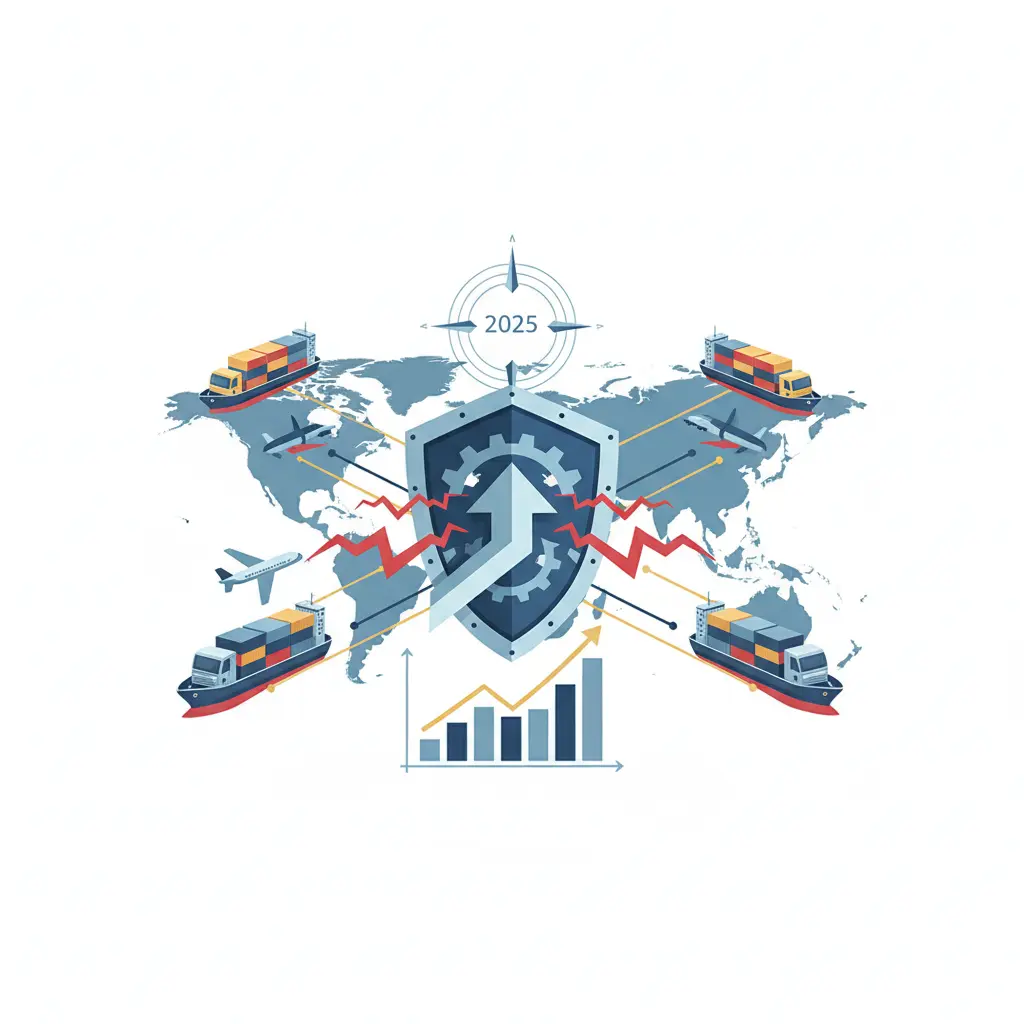
The global trade landscape in 2025 is characterized by unprecedented volatility, making robust risk management not just a strategic advantage but a fundamental necessity for businesses worldwide. As companies navigate a complex web of geopolitical shifts, economic uncertainties, and evolving regulatory environments, understanding and mitigating the tariff impact on global supply chains has become a paramount concern. This section outlines a comprehensive approach to identifying, assessing, and mitigating various risks associated with global trade and tariffs, aiming to build truly resilient supply chains for the future.
1. Identifying Key Geopolitical and Economic Risks
Effective global trade risk management begins with a clear understanding of the threats that can disrupt operations and erode profitability. In 2025, geopolitical tensions remain a primary driver of uncertainty. Trade wars, regional conflicts, and political instability in key manufacturing or sourcing regions can lead to sudden policy changes, including the imposition of new tariffs or export restrictions. Businesses must monitor these developments closely, recognizing that seemingly distant events can have immediate and severe consequences on their supply chains. Economically, factors such as inflation, currency fluctuations, and potential recessions in major consumer markets also present significant risks. These economic shifts can alter consumer demand, increase operational costs, and impact the competitiveness of goods, further exacerbating the tariff impact on global supply chains. Regulatory changes, often stemming from these geopolitical and economic shifts, introduce additional layers of complexity, requiring constant vigilance to ensure international trade compliance and avoid costly penalties.
2. Developing Robust Risk Assessment Frameworks
Once risks are identified, the next crucial step is to develop and implement robust risk assessment frameworks. These frameworks move beyond reactive measures, employing a proactive, data-driven approach. They typically involve quantitative analysis to model potential financial losses from various scenarios, such as a 10% tariff increase on specific goods or a major port disruption. Qualitative assessments, meanwhile, evaluate the broader strategic implications and non-financial impacts. Scenario planning is vital, allowing companies to simulate different future environments and test the resilience of their existing supply chain configurations. Leveraging advanced analytics, including predictive AI, can help anticipate emerging risks and forecast their potential effects on sourcing, production, and distribution. Continuous monitoring and regular updates to these frameworks are essential, as the global trade environment is in constant flux. Businesses must be agile, ready to adapt their strategies based on real-time data and evolving risk profiles to effectively manage global trade risk management. The ability to quickly reassess and pivot is what distinguishes resilient supply chains from vulnerable ones.
3. Future-Proofing Supply Chains for Uncertainty
Building resilience means actively future-proofing supply chains against unforeseen disruptions. One of the most effective tariff mitigation strategies involves strategic supply chain diversification Vietnam and other emerging markets. By reducing over-reliance on a single country or region for sourcing and manufacturing, companies can significantly reduce their exposure to specific geopolitical or economic risks. For instance, shifting portions of production to Vietnam has proven to be a successful strategy for many businesses looking to circumvent tariffs imposed elsewhere, while also benefiting from a growing manufacturing base and favorable trade agreements. Beyond geographical diversification, companies should explore multi-sourcing options for critical components and materials, ensuring alternatives are readily available. Implementing advanced inventory management systems, such as dynamic safety stock models, can buffer against short-term supply shocks. Furthermore, fostering strong relationships with suppliers and logistics partners is crucial for gaining visibility and flexibility across the entire value chain. Ensuring adherence to the latest international trade policies and regulations, and proactively understanding rules of origin, can also unlock significant advantages, such as reduced duties under various free trade agreements. Ultimately, future-proofing supply chains requires a holistic approach that integrates strategic planning, technological adoption, and continuous adaptation to an ever-changing global marketplace.
In conclusion, the path to building resilient global supply chains in 2025 is paved with proactive risk identification, robust assessment frameworks, and dynamic future-proofing strategies. By embracing these principles, businesses can not only mitigate the detrimental effects of tariffs and other trade-related risks but also transform challenges into opportunities for sustainable growth and competitive advantage in a complex world.
Partner with Vietnam’s Leading Suppliers
Looking for reliable suppliers in Vietnam? Contact VietnamSuppliers.com today to connect with verified manufacturers and exporters across all industries.
—————————————
References
– :
– Duty Drawback | U.S. Customs and Border Protection: https://www.cbp.gov/trade/duty-drawback
– International Trade Compliance: https://www.intracen.org/trade-support-institutions/improving-your-advocacy-services/national-trade-policy-and-compliance/
– Enhancing supply chain resilience: https://www.mckinsey.com/capabilities/operations/our-insights/building-supply-chain-resilience-in-a-turbulent-world
– World Trade Organization: https://www.wto.org/