The Evolving Landscape of Supply Chain Optimization 2025
The year 2025 is poised to be a pivotal moment for global commerce, with businesses facing an increasingly intricate web of challenges from shifting consumer demands to volatile geopolitical landscapes. In this dynamic environment, Supply Chain Optimization is no longer a mere operational goal but a strategic imperative. The need for agility, resilience, and predictive capabilities has never been more pronounced, driving companies to re-evaluate traditional approaches and embrace innovative solutions. The ability to adapt swiftly to disruptions, manage complex international logistics, and fulfill diverse order types will define competitive advantage in the coming year.

1. Why traditional models are failing amidst global changes
For decades, supply chains were designed for efficiency and cost reduction, often relying on lean principles and single-source dependencies. This model, while effective in stable times, has proven brittle against the backdrop of recent global upheavals. The COVID-19 pandemic exposed critical vulnerabilities, leading to widespread stockouts, production halts, and shipping delays. Beyond health crises, geopolitical tensions, trade wars, and extreme weather events continue to disrupt established routes and sources. Traditional, linear supply chains lack the inherent flexibility required to pivot quickly when a key manufacturing hub is shut down or a major shipping lane becomes impassable. Furthermore, the burgeoning complexity of B2B complex order processing and the increasing demand for multi-SKU order fulfillment strategies mean that static, rule-based systems simply cannot keep pace with dynamic customer expectations and market volatility. Businesses are realizing that resilience must be prioritized alongside efficiency, necessitating a fundamental shift away from outdated paradigms.
2. The impact of geopolitical shifts and technology integration
Geopolitical shifts are reshaping global trade routes and influencing International logistics management solutions. Tariffs, sanctions, and evolving trade agreements create a moving target for sourcing and distribution. Companies must navigate a labyrinth of regulations, compliance issues, and fluctuating currency exchange rates. This complexity underscores the critical role of advanced technology in modern Supply Chain Optimization. Artificial intelligence (AI) and machine learning (ML) are becoming indispensable for predictive analytics, demand forecasting, and risk assessment. Blockchain technology offers enhanced transparency and traceability, crucial for managing Global sourcing multi-product orders across diverse regions and ensuring ethical sourcing. Automation, from robotic process automation (RPA) in warehouses to autonomous vehicles in logistics, is streamlining operations, reducing human error, and accelerating throughput. The integration of IoT devices provides real-time visibility into inventory levels, asset tracking, and environmental conditions, empowering proactive decision-making. As McKinsey highlights, “technology adoption and ecosystem collaboration are key to building resilient supply chains in an era of uncertainty.” This technological embrace is not just about efficiency; it’s about building an intelligent, adaptive network capable of responding to unforeseen challenges.
3. Future-proofing your supply chain strategy for resilience
Building a future-proof supply chain demands a proactive, multi-faceted strategy centered on resilience. This involves diversifying sourcing geographically to mitigate risks associated with single regions and exploring near-shoring or friend-shoring options where strategically viable. Companies need to invest in robust International logistics management solutions that offer flexibility, including multimodal transportation options and partnerships with multiple carriers. Developing agile multi-SKU order fulfillment strategies supported by scalable warehousing and dynamic inventory management systems will be crucial for meeting varied customer demands without excessive holding costs. For organizations dealing with intricate client requirements, optimizing B2B complex order processing through integrated digital platforms is paramount. Furthermore, leveraging advanced analytics to simulate potential disruptions and model mitigation strategies can transform reactive responses into proactive planning. The ongoing commitment to Supply Chain Optimization also necessitates continuous learning and adaptation, fostering a culture of innovation. By embracing these principles, businesses can move beyond mere survival to thrive amidst the complexities of 2025 and beyond, ensuring continuity, customer satisfaction, and sustained growth.
Mastering Multi-SKU Order Fulfillment Strategies
Delve into efficient strategies and technologies for managing complex orders involving diverse stock-keeping units (SKUs) across various channels.
In today’s globalized marketplace, businesses face the formidable challenge of fulfilling orders that often comprise a multitude of distinct SKUs, sourced internationally and destined for various channels. Efficiently managing these complex, multi-product orders is paramount for customer satisfaction, cost reduction, and ultimately, robust Supply Chain Optimization. This section explores cutting-edge multi-SKU order fulfillment strategies designed to enhance precision, speed, and adaptability, particularly crucial for B2B complex order processing and overcoming the hurdles of global sourcing multi-product orders.
1. Advanced Warehousing and Inventory Techniques for Efficiency
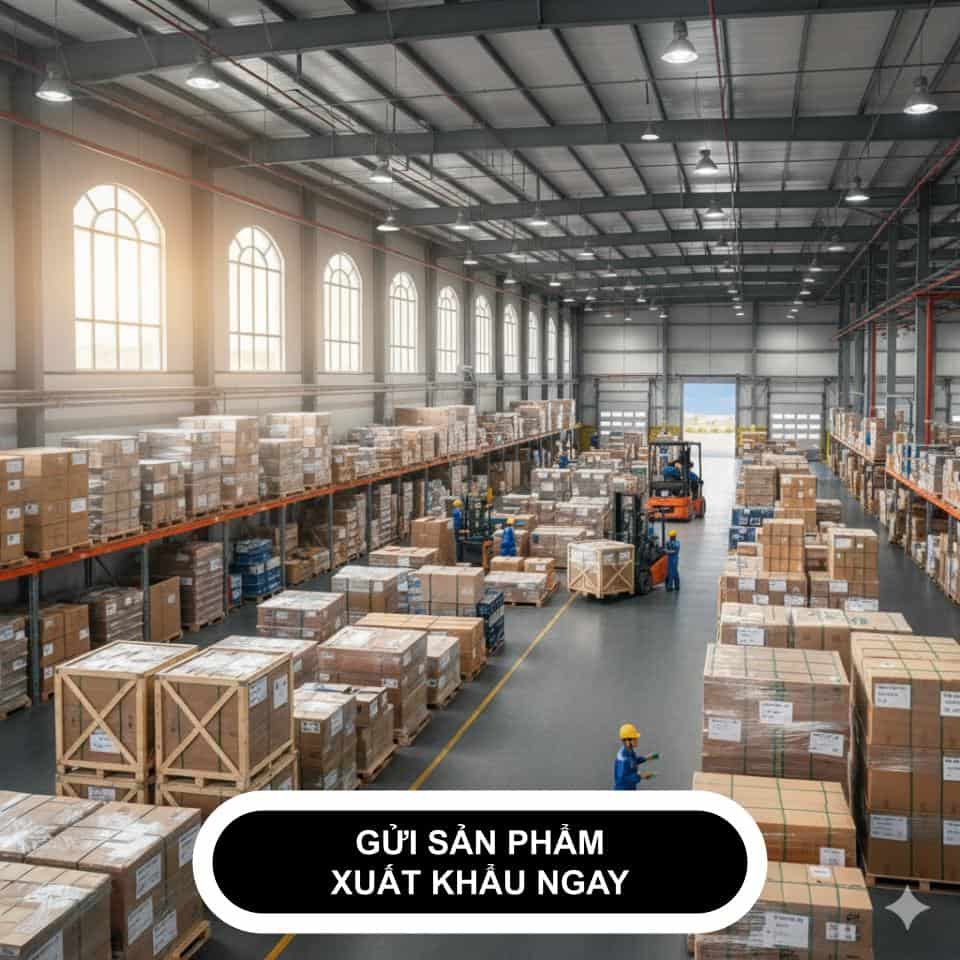
Mastering multi-SKU order fulfillment begins in the warehouse, where strategic layout and meticulous inventory management are critical. Traditional warehousing approaches often falter when confronted with the complexity of diverse SKUs, varying demand patterns, and fluctuating order sizes. To counter this, advanced techniques such as intelligent slotting optimize product placement based on velocity, size, and order commonality, significantly reducing travel time for pickers. Implementing wave picking, where multiple orders are grouped and picked simultaneously, or zone picking, where pickers are assigned to specific areas, dramatically boosts throughput for multi-SKU order fulfillment strategies.
Furthermore, adopting a robust Warehouse Management System (WMS) is non-negotiable. A WMS facilitates dynamic inventory placement, supports cross-docking for fast-moving items, and provides real-time visibility into stock levels, preventing overselling or stockouts. For B2B complex order processing, where orders can be large and highly customized, precise inventory tracking and efficient picking paths orchestrated by a WMS ensure accuracy and timely dispatch, minimizing errors and improving overall operational flow. These advanced techniques transform a warehouse from a mere storage facility into a dynamic hub of efficiency.
2. Leveraging Automation and Robotics in Fulfillment Centers
The sheer volume and complexity of multi-SKU orders necessitate a shift towards automation and robotics within fulfillment centers. Investing in technologies like Automated Storage and Retrieval Systems (AS/RS) can dramatically increase storage density and retrieval speed, particularly beneficial for diverse inventory. Autonomous Mobile Robots (AMRs) and Automated Guided Vehicles (AGVs) can transport items between different zones, reducing manual labor and the physical strain on human workers, while significantly accelerating picking and packing processes.
Collaborative robots (cobots) work alongside human operators, assisting with repetitive tasks such as sorting, packing, or quality control, thereby enhancing accuracy and reducing processing times for international logistics management solutions. For global sourcing multi-product orders, where items might arrive from various origins and need consolidation, automated sortation systems can quickly direct incoming goods to their designated storage or outbound staging areas. According to a report by MHI on Material Handling & Logistics U.S. Roadmap, the adoption of automation and robotics is rapidly transforming supply chains, driving unprecedented levels of efficiency and resilience, which is critical for handling the intricate demands of a globalized, multi-SKU environment. These technological advancements are not just about speed but also about consistency and error reduction, vital for customer satisfaction.
3. Implementing Real-Time Visibility and Predictive Analytics
In the realm of complex multi-SKU fulfillment, information is power. Achieving real-time visibility across the entire supply chain, from supplier to customer, is crucial for proactive management and rapid decision-making. Technologies such as IoT sensors, RFID, GPS tracking, and telematics provide granular data on inventory location, movement, and condition. This immediate insight allows companies to monitor progress of global sourcing multi-product orders, anticipate potential delays, and react swiftly to disruptions, whether they are unexpected weather events or customs clearance issues.
Beyond mere visibility, implementing predictive analytics transforms raw data into actionable intelligence. By analyzing historical order patterns, seasonal trends, and external factors, businesses can forecast demand more accurately, optimize inventory levels, and even pre-emptively position stock closer to anticipated demand hubs. This capability is invaluable for refining multi-SKU order fulfillment strategies and ensuring optimal resource allocation. For comprehensive insights into optimizing your operations, explore further resources on Supply Chain Optimization and discover how advanced analytics can streamline your global logistics. Predictive models can also identify bottlenecks in B2B complex order processing before they impact delivery times, enabling a truly agile and responsive supply chain.
Mastering multi-SKU order fulfillment requires a holistic approach that integrates advanced warehousing practices, state-of-the-art automation, and intelligent data-driven decision-making. By adopting these strategies, businesses can not only meet the escalating demands of modern commerce but also gain a significant competitive edge through enhanced efficiency, accuracy, and customer satisfaction in their pursuit of comprehensive Supply Chain Optimization.
Navigating International Logistics Management Solutions
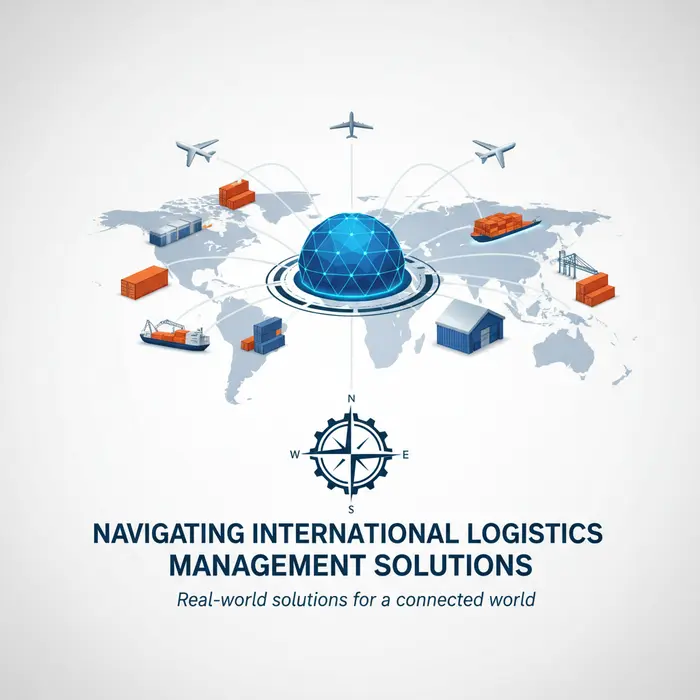
In today’s interconnected global economy, the efficient movement of goods across borders is paramount for business success. Supply Chain Optimization is no longer a luxury but a strategic imperative, particularly when dealing with the intricate demands of international logistics. Businesses face a myriad of challenges, from varying customs regulations and diverse transportation networks to managing multi-SKU order fulfillment strategies for B2B complex order processing. This section explores best practices and technological solutions designed to achieve seamless cross-border movement of goods, ultimately contributing to robust global trade.
1. Ensuring customs compliance and adherence to trade regulations
One of the most formidable hurdles in international trade is navigating the labyrinth of customs compliance and ever-evolving trade regulations. Failure to adhere can result in costly delays, fines, and even seizure of goods, severely impacting the efficiency of your Supply Chain Optimization efforts. Effective international logistics management solutions begin with a deep understanding of import/export laws, tariffs, duties, and licensing requirements pertinent to each country involved. Businesses must meticulously classify their goods using Harmonized System (HS) codes and ensure accurate documentation, including commercial invoices, packing lists, and certificates of origin. Leveraging expert knowledge, either in-house or through customs brokers, is crucial. Furthermore, understanding the nuances of Incoterms® rules is essential for clearly defining responsibilities and costs between buyers and sellers, preventing disputes and facilitating smooth transitions at every border. Investing in specialized software solutions that offer automated compliance checks and document generation can significantly streamline this process, minimizing human error and accelerating customs clearance for even the most complex, multi-SKU orders.
2. Optimizing routes and effective carrier management systems
The efficiency of global shipping hinges significantly on optimized routes and a robust carrier management strategy. For B2B complex order processing and global sourcing multi-product orders, selecting the right transportation mode and carrier can lead to substantial cost savings and improved delivery times. Modern international logistics management solutions often integrate advanced Transportation Management Systems (TMS) that utilize real-time data, predictive analytics, and AI to identify the most efficient and cost-effective routes. These systems can account for factors such as fuel prices, geopolitical conditions, port congestion, and carrier performance. Effective carrier management involves building strong relationships with a diverse portfolio of reliable carriers, negotiating favorable contracts, and continuously monitoring their service levels against key performance indicators (KPIs). This is especially critical for multi-SKU order fulfillment strategies, where consolidating shipments and optimizing container utilization can drastically reduce freight costs and environmental impact. Proactive communication and robust tracking capabilities are vital to ensure transparency and accountability across the entire logistics network, underpinning successful Supply Chain Optimization.
3. Mitigating risks and building resilience in global shipping
The global supply chain is inherently susceptible to various disruptions, ranging from natural disasters and geopolitical instabilities to cyber threats and unexpected port closures. Building resilience and implementing comprehensive risk mitigation strategies are indispensable components of effective international logistics management solutions. This involves conducting thorough risk assessments to identify potential vulnerabilities within your supply chain, particularly for global sourcing multi-product orders. Diversification of suppliers, manufacturing locations, and shipping routes is a key strategy to avoid over-reliance on a single point of failure. Implementing real-time visibility tools provides end-to-end transparency, allowing businesses to track shipments, anticipate delays, and respond proactively to unforeseen events. Developing robust contingency plans, including alternative carriers, backup inventory locations, and expedited shipping options, ensures business continuity. Furthermore, embracing advanced technologies like blockchain for secure data sharing and IoT sensors for condition monitoring enhances security and reduces product damage or loss. By fostering a culture of preparedness and continuous improvement, businesses can transform potential disruptions into opportunities for strengthening their Supply Chain Optimization and maintaining competitive advantage.
In conclusion, mastering international logistics management is fundamental to achieving comprehensive Supply Chain Optimization. By prioritizing meticulous customs compliance, leveraging advanced technologies for route and carrier management, and proactively building resilience against risks, businesses can navigate the complexities of global trade with greater confidence and efficiency. These integrated international logistics management solutions not only ensure the seamless movement of goods but also drive significant cost savings, enhance customer satisfaction, and foster sustainable growth in the global marketplace, especially crucial for handling demanding B2B complex order processing and varied multi-SKU order fulfillment strategies.
Streamlining B2B Complex Order Processing
Business-to-business (B2B) transactions present a unique labyrinth of challenges that far surpass the typical complexities of direct-to-consumer (B2C) sales. From intricate order intake processes involving multiple SKUs, custom configurations, and tiered pricing to the precise execution of final delivery across global supply chains, every step demands meticulous attention. Companies navigating the B2B landscape must master these complexities to remain competitive, with Supply Chain Optimization emerging as the cornerstone for efficiency and profitability. Effective management of these elaborate orders is crucial for maintaining strong customer relationships and ensuring operational agility, especially when dealing with high-value contracts and long-term partnerships. The journey from initial inquiry to successful delivery is laden with potential pitfalls, making robust, integrated solutions indispensable for any modern B2B enterprise.
1. Implementing digital platforms for enhanced B2B order management
The foundation of streamlined B2B complex order processing lies in the adoption of advanced digital platforms. Unlike consumer-facing sites, B2B portals require sophisticated functionalities tailored to enterprise needs, such as custom catalogs, personalized pricing, credit terms, and approval workflows. These platforms automate many of the traditionally manual tasks associated with order placement, significantly reducing errors and accelerating processing times. They provide real-time visibility into inventory levels, order status, and shipping information, empowering both the seller and the buyer with critical data. By centralizing order data, these digital tools facilitate more effective multi-SKU order fulfillment strategies, allowing businesses to handle high volumes of diverse products with greater accuracy and less operational friction. Embracing B2B e-commerce is no longer an option but a strategic imperative, driving efficiency and enhancing the overall customer experience.
2. Managing personalization and customer-specific requirements efficiently
A defining characteristic of B2B transactions is the pervasive need for personalization and the accommodation of highly specific customer requirements. This can range from bespoke product configurations and unique packaging demands to specialized labeling and delivery schedules. Manually tracking and fulfilling these nuances for every client is not only inefficient but prone to errors. Digital platforms, combined with robust data management systems, enable businesses to capture, store, and apply these customer-specific rules automatically throughout the order lifecycle. This capability is paramount for B2B complex order processing, ensuring that each order, no matter how unique, is handled precisely to specification. For companies engaged in global sourcing multi-product orders, the ability to manage diverse specifications from various suppliers and funnel them into personalized customer deliveries is a critical competitive advantage. Efficient personalization leads to higher customer satisfaction, stronger loyalty, and a reduced likelihood of costly returns or rework.
3. Seamless integration with ERP and CRM systems
The true power of digital order management is unlocked through seamless integration with core enterprise systems such as Enterprise Resource Planning (ERP) and Customer Relationship Management (CRM). ERP systems manage critical functions like inventory, production, finance, and procurement, providing the backbone for operational efficiency. CRM systems, on the other hand, house vital customer data, sales history, and communication logs. When order management platforms are deeply integrated with ERP and CRM, data flows effortlessly between departments, eliminating silos and manual data entry. This interconnectedness allows for automated order validation against inventory, real-time credit checks, and streamlined invoicing. For businesses dealing with international logistics management solutions, such integration provides a comprehensive view of the entire supply chain, from raw material procurement to final delivery, facilitating proactive decision-making and mitigating risks. This holistic approach is fundamental to achieving comprehensive Supply Chain Optimization, reducing lead times, improving forecast accuracy, and ultimately enhancing the bottom line. By ensuring all systems ‘speak’ to each other, businesses can elevate their B2B complex order processing from a challenge to a strategic differentiator.
Strategic Global Sourcing for Multi-Product Orders & Future Outlook
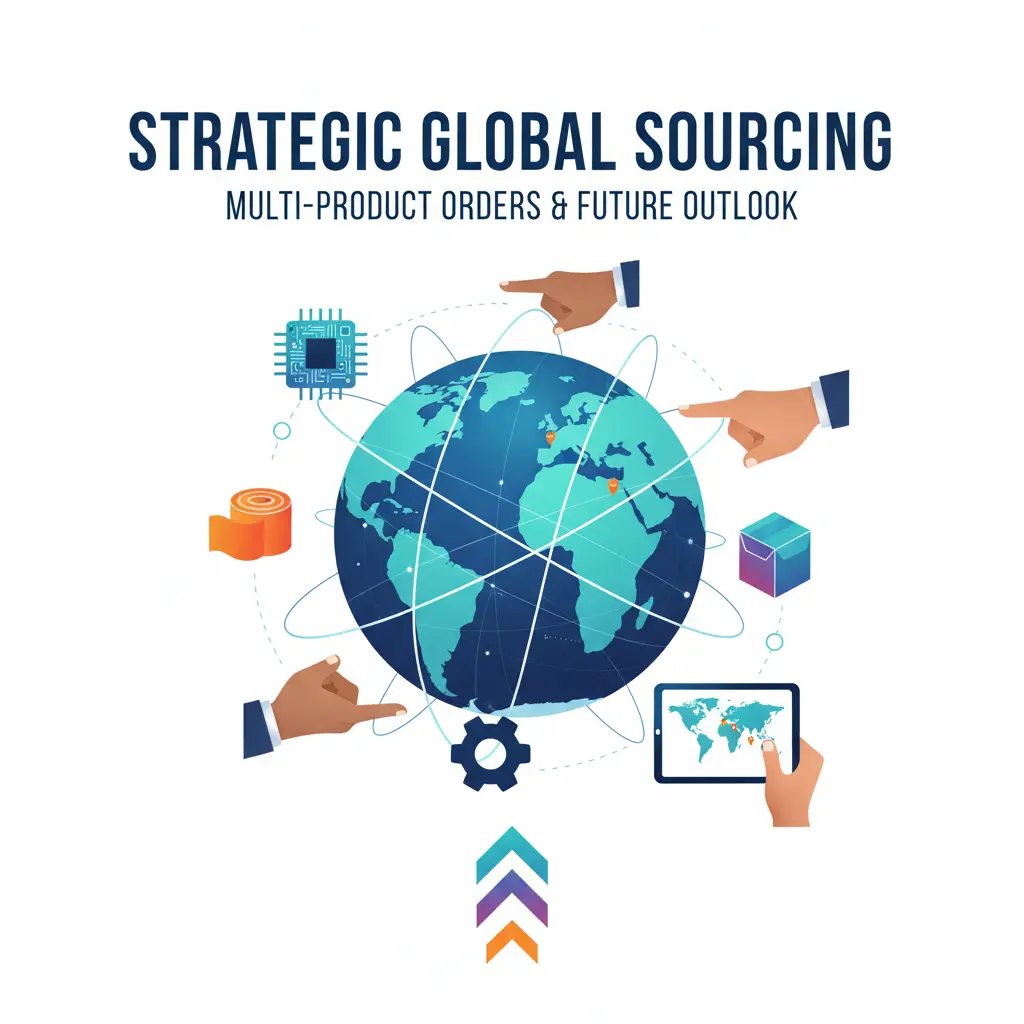
In today’s interconnected global economy, companies face the intricate challenge of managing diverse product portfolios while leveraging worldwide manufacturing capabilities. Strategic global sourcing for multi-product orders is no longer just a competitive advantage; it’s a fundamental necessity for sustainable growth. This section examines effective strategies for sourcing diverse products globally, emphasizing robust supplier relationships, unwavering ethical standards, and concluding with key takeaways crucial for future success in this complex landscape. Mastering multi-SKU order fulfillment strategies and navigating B2B complex order processing are critical for achieving optimal Supply Chain Optimization.
1. Optimizing supplier relationship management and diversification
Effective management of supplier relationships forms the backbone of successful global sourcing, particularly when dealing with multi-product orders. Companies must move beyond transactional interactions to foster collaborative partnerships. This involves establishing clear communication channels, setting mutually beneficial expectations, and conducting regular performance reviews. For multi-product sourcing, diversifying your supplier base across different regions and even within the same product category is paramount. This strategy mitigates risks associated with single-source reliance, political instability, natural disasters, or unexpected disruptions. Implementing a robust vendor assessment framework that evaluates not only cost and quality but also reliability, lead times, and innovation capabilities is crucial. By nurturing strong, long-term relationships with a diverse group of suppliers, businesses can ensure continuity, gain access to specialized expertise, and enhance flexibility when managing complex multi-SKU orders.
2. Integrating ethical sourcing and sustainability practices
Beyond cost and quality, the modern global supply chain demands a strong emphasis on ethical sourcing and sustainability. Consumers, regulators, and investors increasingly scrutinize a company’s environmental and social impact throughout its value chain. Integrating ethical practices involves conducting thorough due diligence on potential suppliers, ensuring compliance with labor laws, human rights standards, and environmental regulations. This includes auditing working conditions, verifying fair wage practices, and assessing environmental footprints. Embracing sustainability extends to optimizing logistics to reduce carbon emissions, utilizing eco-friendly materials, and supporting suppliers committed to sustainable manufacturing processes. By transparently demonstrating a commitment to ethical sourcing, companies not only mitigate reputational risks but also build brand loyalty and contribute positively to global communities. For further insights into building resilient and ethical supply chains, organizations like the World Economic Forum provide valuable frameworks.
3. Key takeaways for building a resilient and agile supply chain
Building a resilient and agile supply chain for multi-product orders requires a multi-faceted approach. First, leverage advanced technology, including AI-driven analytics and blockchain, for enhanced visibility and traceability across your entire supply network. This allows for real-time monitoring of inventory, shipments, and potential disruptions, enabling proactive decision-making. Second, focus on scenario planning and risk management, identifying potential vulnerabilities and developing contingency plans for various eventualities, from geopolitical shifts to supplier failures. Third, cultivate an organizational culture of continuous improvement, regularly reviewing processes, and adapting to market changes. Finally, invest in human capital, ensuring your team is equipped with the skills to manage international logistics management solutions and complex supplier relationships. By implementing these strategies, companies can transform their global sourcing operations into a source of enduring competitive advantage, ready to navigate future challenges and seize new opportunities.
Partner with Vietnam’s Leading Suppliers
Looking for reliable suppliers in Vietnam? Contact VietnamSuppliers.com today to connect with verified manufacturers and exporters across all industries.
—————————————
References
– McKinsey: Supply chain resilience in a new era: https://www.mckinsey.com/capabilities/operations/our-insights/supply-chain-resilience-in-a-new-era
– Material Handling & Logistics U.S. Roadmap report by MHI: https://www.mhi.org/resources/reports/material-handling-logistics-us-roadmap
– Incoterms® rules: https://www.iccwbo.org/resources-for-business/incoterms-rules/
– B2B E-Commerce insights from Gartner: https://www.gartner.com/en/supply-chain/insights/b2b-e-commerce
– World Economic Forum: https://www.weforum.org/agenda/2022/05/how-to-build-resilient-supply-chains-for-the-future/