The Imperative of Supply Chain Diversification in Asia Pacific
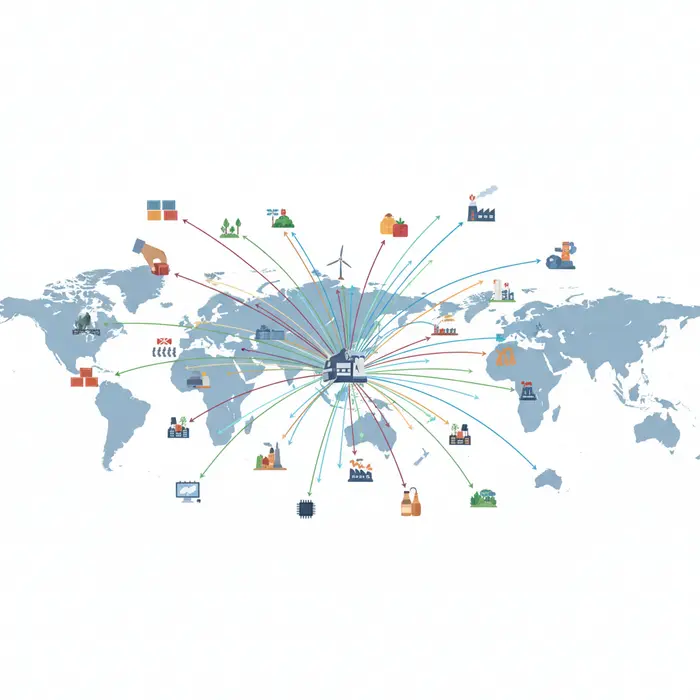
The global economic landscape is in constant flux, and for businesses operating within or sourcing from the Asia Pacific region, the call for Supply Chain Diversification Asia Pacific has never been more urgent. A confluence of geopolitical shifts, persistent economic uncertainties, and indelible lessons drawn from recent global disruptions has underscored the critical need for companies to rethink and restructure their supply networks. From trade tensions between major powers to the unforeseen shocks of a global pandemic, the fragility of concentrated supply chains has been starkly exposed, pushing businesses to seek greater resilience and strategic flexibility across this dynamic region.
1. Geopolitical Tensions and Trade Policy Shifts
The geopolitical arena has emerged as a primary catalyst for supply chain re-evaluation. Escalating trade tensions, particularly between the United States and China, have forced multinational corporations to assess their exposure to tariffs, sanctions, and regulatory unpredictability. This has fueled a trend towards "de-risking," where companies actively seek to reduce their reliance on single-country production hubs. Moreover, regional trade agreements like the Regional Comprehensive Economic Partnership (RCEP) are reshaping the Asia Pacific Export Market Trends, offering both opportunities and complexities. While RCEP promises enhanced integration and lower trade barriers within its member states, it also necessitates a nuanced understanding of origin rules and regional value content, driving companies to diversify their sourcing to leverage these new frameworks effectively. The shifting sands of trade policy mean that a static supply chain is a vulnerable one, making proactive diversification a strategic imperative.
2. Building Resilience Post-Pandemic and Economic Shocks
The COVID-19 pandemic served as a brutal, real-time stress test for global supply chains. Factory shutdowns, port congestion, and unprecedented demand shifts highlighted the severe vulnerabilities of just-in-time, single-source models. Beyond the pandemic, events such as the Suez Canal blockage, rising energy costs, and persistent inflationary pressures continue to underscore the need for inherent resilience. Businesses are now prioritizing "just-in-case" over "just-in-time," building buffers and seeking redundancy across their networks. This paradigm shift involves establishing multiple sourcing locations and manufacturing sites, mitigating the risk of a single point of failure disrupting the entire operation. The focus is no longer solely on cost efficiency but on ensuring continuity and robustness against a backdrop of increasing economic uncertainty and unforeseen disruptions.
3. Risk Mitigation Strategies for Global Businesses
To effectively diversify and mitigate risks, global businesses are adopting multifaceted strategies. A key approach involves geographic dispersion, moving beyond traditional manufacturing centers to emerging economies within the Asia Pacific. The ASEAN Trade Growth Outlook, for instance, highlights several countries as increasingly viable alternatives. Nations like Vietnam, Thailand, Malaysia, and Indonesia are attracting significant investment due to competitive labor costs, improving infrastructure, and supportive government policies. Implementing a robust Vietnam Sourcing Strategy, for example, allows companies to tap into a rapidly developing manufacturing base while spreading their risk away from over-reliance on a single nation. Furthermore, businesses are exploring multi-vendor strategies, developing relationships with several suppliers for critical components or finished goods, and investing in localized production for regional markets to reduce lead times and exposure to cross-border logistics challenges. These strategies collectively aim to create agile, responsive, and resilient supply chains capable of navigating the complex future of global trade.
In conclusion, the relentless push for Supply Chain Diversification Asia Pacific is not merely a reactive measure but a strategic evolution. It reflects a proactive understanding that future success hinges on building flexible, resilient, and geographically balanced supply networks that can withstand the inevitable shocks and capitalize on the dynamic growth opportunities presented by the region.
ASEAN Trade Growth Outlook: Emerging Hubs & Opportunities
As the global economic landscape demands more resilient and diversified supply chain strategies, the Association of Southeast Asian Nations (ASEAN) is rapidly emerging as a pivotal alternative manufacturing and sourcing base. Its strategic location, dynamic economies, and robust integration initiatives position it at the forefront of global Supply Chain Diversification Asia Pacific efforts, offering compelling opportunities for growth and resilience.
1. Key Drivers of ASEAN’s Economic Expansion and Attractiveness
ASEAN’s significant economic expansion is driven by several key factors. Firstly, a young, growing workforce, a rapidly expanding middle class, and a consumer base exceeding 660 million fuel strong domestic demand and provide a substantial labor pool. Secondly, the region’s strategic geographical location, at the crossroads of major shipping lanes, offers significant logistical advantages. Governments across ASEAN are actively pursuing pro-business reforms, investment incentives, and extensive infrastructure development—including modern ports, efficient transportation networks, and advanced digital infrastructure—to enhance connectivity and operational efficiency.
Crucially, regional integration, exemplified by the ASEAN Economic Community (AEC) and the Regional Comprehensive Economic Partnership (RCEP) agreement, is paramount. The AEC fosters a single market within ASEAN, facilitating the free flow of goods, services, investment, and skilled labor. RCEP, the world’s largest free trade agreement, extends this integration, linking ASEAN with major economies like China, Japan, and Australia. This expansive pact streamlines customs, harmonizes standards, and reduces tariffs across a vast bloc, profoundly impacting RCEP Impact on Global Trade and solidifying ASEAN’s role in future trade patterns. These efforts create a stable, predictable environment, making the ASEAN Trade Growth Outlook exceptionally positive.
2. Spotlight on High-Growth ASEAN Economies (e.g., Indonesia, Thailand, Malaysia)
Within the dynamic ASEAN bloc, several economies are notable for their robust growth trajectories and distinct advantages, actively contributing to regional strength and attracting significant foreign direct investment.
- Indonesia: Southeast Asia’s largest economy, Indonesia boasts a massive domestic market and rich natural resources. Government reforms aim to improve the investment climate, digitize the economy, and develop infrastructure, driving rapid growth in manufacturing, digital services, and renewable energy.
- Thailand: A long-established manufacturing powerhouse in automotive, electronics, and food processing, Thailand is strategically pivoting towards high-tech and value-added industries under its “Thailand 4.0” initiative. Its sophisticated industrial base and skilled workforce make it an attractive hub for advanced manufacturing.
- Malaysia: Recognized for its advanced manufacturing, strong electronics industry, and robust R&D, Malaysia offers highly developed infrastructure and a skilled, multilingual workforce. Significant strides in digital transformation and green technology further position it as an innovation hub.
Beyond these, nations like Vietnam are also experiencing meteoric growth, drawing attention for specific sectors and competitive advantages, underpinning broader Vietnam Sourcing Strategy and manufacturing diversification within the region.
3. Leveraging Regional Integration for Supply Chain Resilience
The deepening regional integration within ASEAN, especially through the AEC and RCEP, is fundamental for building resilient supply chains. These agreements reduce trade barriers, harmonize customs, and promote regulatory coherence, directly lowering operational costs and accelerating goods movement. Businesses gain easier access to a vast, integrated market of over 2.2 billion people under RCEP, along with enhanced flexibility in sourcing components and assembling products across member states without significant tariffs or bureaucratic hurdles.
By leveraging the diverse manufacturing capabilities and resource endowments of different ASEAN nations, companies can mitigate risks associated with over-reliance on a single production base. This distributed manufacturing model enhances efficiency and provides critical agility in response to global disruptions. Furthermore, the emphasis on digital trade and e-commerce facilitation within these agreements supports seamless cross-border transactions, aligning with current Asia Pacific Export Market Trends. ASEAN’s integrated framework offers a compelling blueprint for businesses seeking sustainable growth and unparalleled resilience in a dynamic global environment.
Vietnam Sourcing Strategy: A Blueprint for Diversification
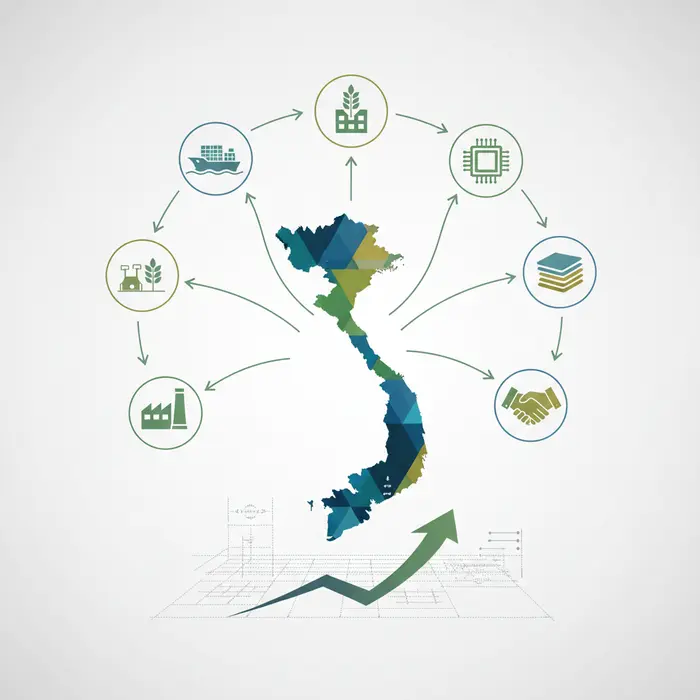
In the wake of global disruptions and the imperative for resilience, Supply Chain Diversification Asia Pacific has become a strategic priority for businesses worldwide. Among the nations emerging as prime beneficiaries of these efforts, Vietnam stands out as a dynamic hub, offering a compelling blend of competitive advantages, strategic location, and a proactive government. This deep dive explores Vietnam’s prominent role in reshaping global supply chains, covering its unique strengths, potential hurdles, and practical strategies for effective sourcing and investment. Understanding the nuances of the ASEAN Trade Growth Outlook and the broader Asia Pacific Export Market Trends is crucial for companies looking to leverage Vietnam as a cornerstone of their future operational resilience.
1. Vietnam’s Competitive Advantages (Labor, Infrastructure, Government Policies)
Vietnam’s ascent as a manufacturing powerhouse is underpinned by several key competitive advantages that make it an attractive destination for Supply Chain Diversification Asia Pacific. Firstly, its demographic dividend offers a young, abundant, and increasingly skilled labor force at competitive wage rates compared to established manufacturing hubs. This cost-effectiveness is a significant draw for industries ranging from textiles and footwear to electronics and automotive components.
Secondly, the Vietnamese government has made substantial investments in modernizing its infrastructure. Major port expansions (e.g., Cai Mep-Thi Vai), new international airports, and a growing network of highways and industrial parks across the country significantly enhance logistics and connectivity. This infrastructure development facilitates smoother import and export operations, reducing lead times and transportation costs, which is vital for any robust Vietnam Sourcing Strategy.
Thirdly, proactive government policies and an extensive network of Free Trade Agreements (FTAs) have cemented Vietnam’s position. Beyond its participation in ASEAN, Vietnam is a signatory to the Comprehensive and Progressive Agreement for Trans-Pacific Partnership (CPTPP) and the EU-Vietnam FTA (EVFTA). Crucially, its membership in the Regional Comprehensive Economic Partnership (RCEP) further integrates it into the world’s largest trade bloc, promising reduced tariffs and streamlined customs procedures across the Asia-Pacific region. These agreements are expected to significantly boost regional trade and investment, reinforcing Vietnam’s strategic importance within the RCEP Impact on Global Trade narrative. These agreements provide preferential access to major global markets, making exports from Vietnam more competitive and attractive.
2. Overcoming Challenges and Navigating the Vietnamese Market
While Vietnam offers compelling opportunities, companies must be prepared to navigate potential challenges. Bureaucratic processes, though improving, can still be complex and time-consuming. Understanding local regulations, securing necessary licenses, and dealing with administrative procedures often requires patience and local expertise. Language barriers can also pose communication challenges, necessitating reliable translation services or local hires with strong English proficiency.
Intellectual property (IP) protection remains a concern for some investors, although the legal framework is continually being strengthened. Diligent due diligence, clear contractual agreements, and consistent monitoring are essential safeguards. Furthermore, while infrastructure is developing rapidly, certain remote areas or specific types of logistics infrastructure might still present bottlenecks. A thorough assessment of the specific supply chain needs and the local infrastructure capacity in targeted regions is critical for a successful Vietnam Sourcing Strategy. Cultural differences in business practices also require an adaptive approach, emphasizing relationship-building and respect for local customs.
3. Best Practices for Establishing and Managing Operations in Vietnam
To successfully establish and manage operations in Vietnam as part of your Supply Chain Diversification Asia Pacific efforts, several best practices are paramount. Foremost is conducting comprehensive due diligence on potential partners, suppliers, and locations. This includes evaluating their financial stability, operational capabilities, ethical standards, and environmental compliance. Local partnerships can be invaluable for navigating the market, understanding cultural nuances, and accelerating market entry.
Secondly, developing a robust talent acquisition and retention strategy is vital. Investing in training programs for local employees not only enhances productivity but also fosters loyalty. Understanding and adhering to local labor laws is crucial to avoid disputes and ensure a harmonious work environment.
Thirdly, embracing technology for enhanced supply chain visibility and efficiency is key. Implementing advanced inventory management systems, tracking technologies, and digital communication platforms can mitigate risks and improve responsiveness across your operations in Vietnam. Moreover, staying abreast of the latest Asia Pacific Export Market Trends and regularly reviewing your Vietnam Sourcing Strategy allows for agility and adaptation to changing market dynamics. For comprehensive insights into optimizing your supply chain diversification efforts, further exploration on platforms like Vietnamsuppliers.com can provide valuable resources and supplier connections.
In conclusion, Vietnam presents an unparalleled opportunity for businesses seeking to diversify and strengthen their global supply chains. By strategically leveraging its competitive advantages, proactively addressing potential challenges, and implementing best practices, companies can successfully integrate Vietnam into their long-term growth and resilience strategies, driving significant value amidst the evolving global trade landscape.
RCEP Impact on Global Trade: Reshaping Asia Pacific Logistics
The Regional Comprehensive Economic Partnership (RCEP) stands as a monumental free trade agreement, encompassing a quarter of global trade and nearly a third of the world’s population. Its inception has profoundly reshaped trade flows, tariff structures, and, most critically, spurred a significant restructuring of supply chains within the broader Asia Pacific landscape. This agreement, linking the ten ASEAN member states with Australia, China, Japan, New Zealand, and South Korea, is not merely about market access; it’s a strategic framework for deeper regional economic integration and resilience, making Supply Chain Diversification Asia Pacific a primary strategic imperative for businesses operating in or with the region.
1. Tariff Reductions and Streamlined Rules of Origin under RCEP
One of RCEP’s most direct and impactful provisions is the extensive reduction of tariffs across a vast array of goods. Member countries have committed to eliminating tariffs on approximately 92% of traded goods, with many cuts taking immediate effect and others phasing in over the next two decades. This comprehensive tariff liberalization significantly lowers the cost of cross-border trade, making goods more competitive within the bloc. Beyond just tariffs, RCEP introduces a unified set of Rules of Origin (ROO) applicable across all member states. This means that products manufactured within the RCEP zone, even if they utilize inputs from multiple member countries, are treated as originating from the RCEP region, qualifying for preferential tariffs throughout the bloc. This harmonization drastically simplifies customs procedures, reduces administrative burdens, and eliminates the complexity of navigating multiple bilateral trade agreements, directly fostering a more integrated and efficient production network. Businesses looking at the ASEAN Trade Growth Outlook will find these streamlined rules a powerful incentive to invest and expand within the region, optimizing their sourcing and manufacturing footprints to leverage RCEP’s benefits.
2. Enhancing Regional Value Chains and Trade Facilitation
RCEP goes beyond tariffs to encompass crucial provisions for trade facilitation, customs procedures, and technical regulations, all designed to enhance the efficiency and robustness of regional value chains. The agreement promotes paperless trading, expedites customs clearance, and encourages greater transparency in trade regulations. These measures collectively reduce transaction costs and transit times, making the movement of goods within the RCEP bloc smoother and faster. For businesses, this translates into greater predictability and reliability in their supply chains, enabling them to adopt just-in-time inventory strategies and respond more agilely to market demands. The focus on intellectual property, e-commerce, and services trade further strengthens the framework for integrating diverse sectors into a cohesive regional economy. This robust framework encourages companies to deepen their engagement in regional value chains, fostering a more resilient and interconnected manufacturing ecosystem. For instance, a Vietnam Sourcing Strategy can now more easily integrate components from other RCEP members, benefiting from preferential tariffs and streamlined logistics, thereby contributing to broader Supply Chain Diversification Asia Pacific efforts.
3. Strategic Implications for Member and Non-Member Countries
The strategic implications of RCEP are far-reaching, creating both opportunities for member states and challenges for non-members. For RCEP members, the agreement offers unparalleled market access, positioning them to attract greater foreign direct investment (FDI) as companies seek to capitalize on the preferential trading environment. This deep integration can accelerate economic growth and foster a more robust manufacturing base across the region. Countries like Vietnam and Malaysia are particularly poised to benefit from improved access to the vast markets of China, Japan, and Korea. Conversely, non-member countries face the risk of trade diversion, where businesses might shift their sourcing or manufacturing to RCEP member countries to leverage the agreement’s benefits. This could put competitive pressure on non-member exporters and potentially lead to a realignment of global supply chains. The agreement is a significant factor in current Asia Pacific Export Market Trends, as companies re-evaluate their trade routes and manufacturing locations. According to the World Bank, RCEP could add $186 billion annually to the world economy and contribute significantly to global trade integration. Understanding the comprehensive RCEP Impact on Global Trade is crucial for businesses and policymakers worldwide to adapt to this evolving trade landscape and navigate the new competitive dynamics it introduces. The long-term trajectory of global trade will undoubtedly be shaped by how effectively countries and companies leverage or adapt to the opportunities and challenges presented by this landmark agreement.
Asia Pacific Export Market Trends & Future Outlook 2025
The Asia Pacific region continues to stand as the undisputed powerhouse of global trade, driven by a dynamic interplay of technological innovation, evolving consumer demands, and strategic regional integration. As we approach 2025, understanding the intricate Asia Pacific Export Market Trends is crucial for businesses looking to navigate and capitalize on this vibrant landscape. The overarching theme defining this era is an accelerated emphasis on Supply Chain Diversification Asia Pacific, a strategic pivot away from concentrated manufacturing hubs towards more resilient and geographically distributed networks.

1. Key Export Growth Sectors (Technology, EVs, Renewable Energy)
The technological revolution remains the primary catalyst for export growth across the Asia Pacific. The region is not just a manufacturing base but also a significant innovation hub. Exports of semiconductors, advanced electronics, and ICT components continue their robust expansion, fueled by global demand for digital infrastructure, AI, and smart devices. Countries like South Korea, Taiwan, and Singapore are at the forefront of this high-tech export surge, continuously investing in R&D to maintain their competitive edge.
Beyond traditional electronics, the Electric Vehicle (EV) sector is emerging as a critical growth engine. From battery components and rare earth materials to finished EVs, Asia Pacific nations, particularly China, South Korea, and increasingly Southeast Asian countries, are solidifying their positions in the global EV supply chain. This extends to associated infrastructure, creating new avenues for export in charging technology and related services. Concurrently, the global push towards sustainability is propelling the renewable energy sector. Exports of solar panels, wind turbine components, and green hydrogen technologies are witnessing unprecedented demand, with China dominating production and exports, while other nations like Vietnam and India are rapidly scaling up their capacities to meet regional and international commitments. This sector not only drives economic growth but also aligns with global climate objectives, showcasing the region’s adaptive strength in new global markets.
2. Digitalization, E-commerce, and Cross-Border Trade
Digital transformation is fundamentally reshaping trade dynamics, making cross-border transactions more accessible and efficient. The rapid adoption of e-commerce platforms, both B2B and B2C, has significantly lowered barriers to entry for small and medium-sized enterprises (SMEs), enabling them to reach international markets with unprecedented ease. This trend is particularly evident in economies with strong digital infrastructure and a tech-savvy population. Digital payment systems, blockchain for supply chain transparency, and AI-driven logistics are streamlining processes, reducing costs, and enhancing the speed of trade.
The growth of digital trade is also fostering new forms of services exports, including IT consulting, digital content, and remote business support. Governments across the region are actively promoting digital trade agreements and frameworks to facilitate this evolution, ensuring secure and seamless data flows. This push towards digitalization directly supports the broader objectives of Supply Chain Diversification Asia Pacific by allowing more flexible and decentralized production and distribution models. The enhanced connectivity provided by these digital tools ensures that even smaller players can participate effectively in the global value chain, moving beyond traditional physical trade limitations.
3. Forecasting Supply Chain Diversification Trajectories to 2025 and Beyond
The imperative for Supply Chain Diversification Asia Pacific has never been more pronounced, driven by lessons learned from geopolitical tensions, trade disputes, and the COVID-19 pandemic. Businesses are actively seeking to de-risk by expanding their manufacturing and sourcing bases beyond single-country reliance. This strategy is not merely about relocation; it’s about building resilience and agility into global operations.
The ASEAN Trade Growth Outlook remains exceptionally strong, with nations like Vietnam emerging as prime beneficiaries of this diversification trend. A proactive Vietnam Sourcing Strategy is becoming a cornerstone for many international companies, drawn by competitive labor costs, a growing industrial base, and favorable trade policies. The RCEP Impact on Global Trade, as the world’s largest free trade agreement, is also a significant driver, further integrating regional economies and offering preferential tariffs that incentivize intra-regional trade and investment. This agreement facilitates smoother customs procedures and harmonizes regulations, creating a more attractive environment for businesses looking to spread their operational footprint.
Looking towards 2025, we anticipate continued investment in infrastructure development, particularly in emerging ASEAN economies, to support these diversified supply chains. Furthermore, there will be a growing emphasis on creating ‘smart’ supply chains – ones that leverage AI, IoT, and big data for predictive analytics, inventory optimization, and real-time tracking. The future landscape will be characterized by multiple, specialized hubs, connected by efficient logistics networks, allowing for greater adaptability and responsiveness to global market shifts. This strategic evolution ensures that the Asia Pacific region maintains its pivotal role in global manufacturing and trade, underpinned by robust and resilient supply networks.
Partner with Vietnam’s Leading Suppliers
Looking for reliable suppliers in Vietnam? Contact VietnamSuppliers.com today to connect with verified manufacturers and exporters across all industries.
—————————————
References
– East Asia and Pacific Economic Update: https://www.worldbank.org/en/region/eap/publication/east-asia-and-pacific-economic-update
– RCEP Benefits Are Significant, New ADB Report Says: https://www.adb.org/news/rcep-benefits-are-significant-new-adb-report-says
– Impacts of the Regional Comprehensive Economic Partnership on Participating Economies: https://www.adb.org/publications/impacts-rcep-participating-economies
– :
– World Bank – Supply Chain Diversification: https://www.worldbank.org/en/topic/supply-chain-diversification