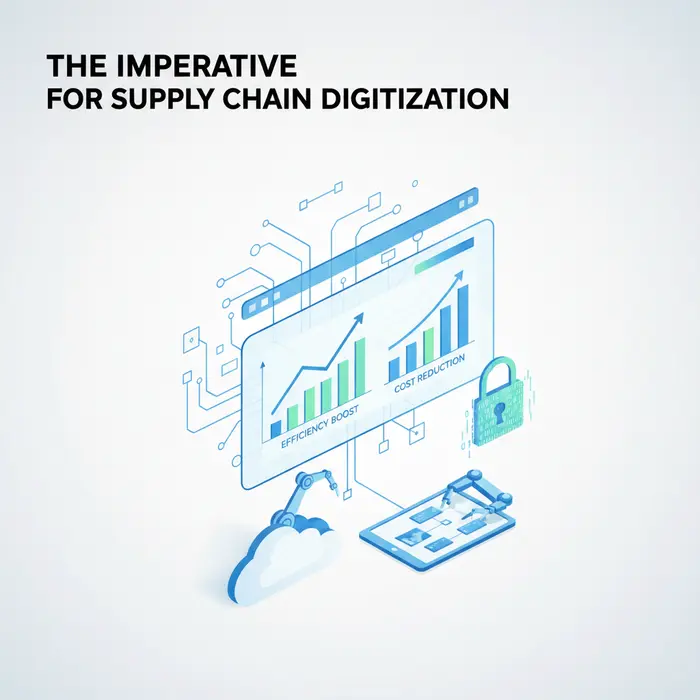
The Imperative for Supply Chain Digitization
In an increasingly interconnected yet volatile global economy, the imperative for Supply Chain Digitization has never been more pronounced. Businesses worldwide are recognizing that merely optimizing existing processes is no longer sufficient; a fundamental digital transformation is crucial to remain competitive, enhance resilience, and navigate the complexities of modern trade. Embracing digital solutions moves companies beyond reactive strategies, equipping them with the agility and foresight necessary to thrive in an evolving global trade landscape.
1. Evolving Global Trade Landscape and Challenges
The global trade landscape is in a constant state of flux, characterized by geopolitical shifts, the lingering impacts of pandemics, climate-related disruptions, and rapidly changing consumer expectations. These factors create an environment of unprecedented uncertainty, challenging traditional supply chain models. Businesses face escalating demands for faster delivery, greater transparency, and ethical sourcing, all while grappling with increased regulatory complexities and tariff fluctuations. In this dynamic arena, relying on outdated, fragmented systems is a recipe for vulnerability. The need for sophisticated digital trade solutions for importers becomes evident, allowing them to manage complex import procedures with greater accuracy and speed. Furthermore, the push towards sustainability and efficiency necessitates the adoption of paperless international trade platforms, reducing administrative burdens and environmental footprints, aligning with global efforts towards more streamlined and eco-friendly commerce as highlighted by organizations such as the World Trade Organization’s focus on trade facilitation and the digital economy.
2. Risks and Inefficiencies of Manual Processes
Despite technological advancements, many organizations still rely heavily on manual, paper-based processes for critical supply chain functions. This reliance introduces a multitude of risks and inefficiencies that can severely hamper operational effectiveness and profitability. Manual data entry is prone to human error, leading to inaccuracies that cascade through the supply chain, causing delays, customs issues, and financial losses. The lack of real-time data visibility means companies often operate with blind spots, unable to track shipments, monitor inventory levels, or identify potential disruptions until it’s too late. This absence of timely information impedes proactive decision-making, results in higher carrying costs, and compromises customer service. Physical documentation also creates bottlenecks, particularly in international trade where paperwork can be extensive and complex, slowing down customs clearance and increasing the likelihood of disputes. Without advanced supply chain visibility software, businesses struggle to gain end-to-end oversight, making it difficult to optimize routes, manage supplier performance, or respond swiftly to unforeseen events. Moreover, the manual handling of customs procedures, lacking customs clearance automation, can significantly increase lead times and incur demurrage charges, eroding profit margins and competitive advantage.
3. Harnessing Digital Transformation for Resilience and Competitive Advantage
Embracing comprehensive Supply Chain Digitization is not merely an upgrade; it’s a strategic imperative for building resilient and competitive enterprises. By integrating advanced technologies such as AI, blockchain, IoT, and cloud computing, businesses can unlock unparalleled levels of efficiency, transparency, and responsiveness. Digital platforms provide real-time, granular data across the entire supply chain, from raw material sourcing to final delivery. This enhanced visibility, powered by sophisticated supply chain visibility software, allows for proactive risk management, enabling companies to anticipate disruptions, identify alternative suppliers or routes, and mitigate potential impacts before they escalate. Automated processes, including customs clearance automation and the use of paperless international trade platforms, drastically reduce administrative overheads, accelerate transaction times, and minimize human error, leading to significant cost savings and improved compliance. Furthermore, digital solutions foster seamless collaboration among all supply chain partners, creating a more interconnected and responsive ecosystem. For importers, leveraging specialized digital trade solutions for importers translates into smoother operations, faster clearance, and reduced inventory holding costs. Ultimately, a digitized supply chain empowers businesses with the agility to adapt to market shifts, the intelligence to make data-driven decisions, and the robustness to withstand future challenges, ensuring sustained growth and a decisive competitive edge in the global marketplace.
Core Components of Digital Trade Solutions for Importers
In today’s interconnected global economy, the competitive edge for importers increasingly hinges on their operational agility and efficiency. This demands a strategic pivot towards robust Supply Chain Digitization. Digital trade solutions for importers are not merely about adopting new software; they represent a fundamental overhaul of traditional, often cumbersome, processes. By integrating advanced technological building blocks, these solutions are specifically tailored to enhance importers’ operational capabilities, streamlining everything from procurement to customs clearance. The goal is to create a more transparent, efficient, and resilient import process, moving away from fragmented, paper-intensive workflows towards sophisticated, interconnected digital ecosystems. Embracing these core components allows importers to navigate the complexities of international trade with greater confidence and control, ultimately reducing costs and accelerating time to market.
Integrated Digital Platforms for Importers
At the heart of modern digital trade solutions lies the integrated digital platform. For importers, this means a unified ecosystem that consolidates various critical functions, eliminating data silos and manual handoffs. Such platforms serve as a single source of truth, connecting importers with suppliers, logistics providers, banks, and customs authorities through a secure, centralized interface. Key functionalities typically include supplier management, order placement, shipment tracking, inventory management, and document exchange. The transition to paperless international trade platforms significantly reduces administrative burdens, mitigates errors, and accelerates transaction cycles. By providing a holistic view of the entire import lifecycle, these platforms empower importers with unparalleled control and visibility, fostering better collaboration across the supply chain and ensuring all stakeholders operate from the most current and accurate information. This integration is foundational for achieving true supply chain digitization and unlocking greater efficiencies.
Real-time Data Exchange and AI-driven Insights
Beyond mere integration, the power of digital trade solutions for importers is amplified by real-time data exchange and advanced analytical capabilities. Importers can now access up-to-the-minute information on shipment statuses, inventory levels, compliance updates, and market fluctuations. This constant flow of data is crucial for informed decision-making and proactive problem-solving. Furthermore, the incorporation of Artificial Intelligence (AI) and Machine Learning (ML) transforms raw data into actionable insights. AI algorithms can predict potential delays, identify optimal shipping routes, forecast demand fluctuations, and highlight compliance risks before they become issues. This predictive power is a game-changer for supply chain visibility software, allowing importers to anticipate disruptions, optimize inventory, and improve their responsiveness to market changes. From optimizing container utilization to managing fluctuating exchange rates, AI-driven insights provide a strategic advantage, ensuring importers can adapt swiftly to dynamic global trade environments.
Automated Customs Compliance and Documentation
Navigating the labyrinth of international customs regulations is one of the most challenging aspects of importing. Digital trade solutions offer sophisticated customs clearance automation capabilities that drastically simplify this process. These tools automate the generation, submission, and validation of customs declarations, permits, and other required documentation, significantly reducing manual effort and the potential for human error. They incorporate up-to-date tariff codes, import duties, and regulatory changes for various countries, ensuring that every shipment is compliant with the latest legal frameworks. Furthermore, integrated platforms can perform automated checks against denied party lists, product restrictions, and sanctions, minimizing the risk of penalties and delays. The World Customs Organization (WCO) highlights the substantial benefits of advanced technology for customs, emphasizing improved efficiency, reduced processing times, and enhanced security across borders. By automating these complex procedures, importers can achieve faster clearance, avoid costly demurrage charges, and maintain a stellar compliance record, which is vital for uninterrupted trade flows.
Secure Digital Payment and Financing Gateways
Financial transactions are an intrinsic part of international trade, and digital solutions are revolutionizing how importers manage payments and access financing. Integrated digital payment gateways facilitate secure, transparent, and swift transactions with suppliers across borders, often supporting multiple currencies and payment methods. These platforms reduce reliance on traditional, slower banking processes, minimizing settlement times and operational costs. Beyond direct payments, many digital trade solutions incorporate features for trade finance, allowing importers to access options like supply chain finance, letters of credit, or invoice discounting directly through the platform. This provides crucial working capital flexibility, enabling importers to manage cash flow more effectively and seize new opportunities without liquidity constraints. The inherent security features, such as encryption and multi-factor authentication, ensure that sensitive financial data and transactions are protected against fraud, building trust and efficiency in the global financial supply chain.
Enhancing Supply Chain Visibility and Efficiency
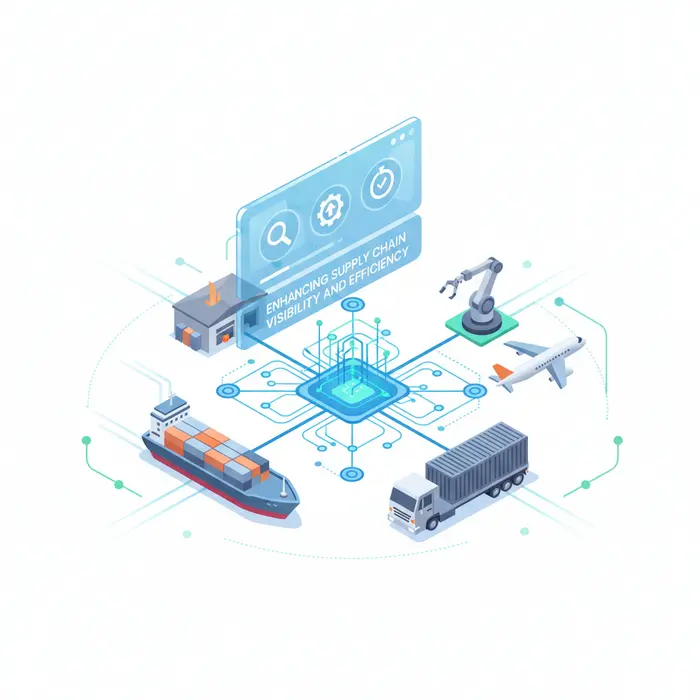
In today’s interconnected global economy, the complexity of supply chains demands unprecedented levels of clarity and control. Cutting-edge Supply Chain Digitization, particularly through sophisticated supply chain visibility software, is revolutionizing how businesses manage their logistics, procurement, and distribution. By providing end-to-end transparency, these digital tools empower enterprises to make more informed decisions, proactively address disruptions, and optimize operational efficiency across their entire network. This exploration delves into how these innovations transform challenges into opportunities, paving the way for more resilient and responsive trade ecosystems.
1. Leveraging Supply Chain Visibility Software for Transparency
The core promise of modern Supply Chain Digitization lies in its ability to illuminate every segment of the supply chain, from raw material sourcing to final product delivery. Supply chain visibility software aggregates data from disparate systems—including IoT sensors, ERPs, TMS, and WMS—into a single, unified dashboard. This comprehensive view allows stakeholders to track goods in real-time, monitor inventory levels across multiple locations, and assess carrier performance with unparalleled precision. For digital trade solutions for importers, this means instant updates on shipment status, potential delays, and compliance requirements, significantly reducing uncertainty and operational risk. The immediate identification of bottlenecks, such as a delayed container or an unexpected customs hold, enables rapid intervention, mitigating potential costs and customer dissatisfaction. Beyond tracking, advanced platforms offer predictive insights, alerting businesses to potential issues before they escalate, fostering a truly proactive management approach rather than a reactive one.
2. Predictive Analytics for Inventory and Logistics Optimization
Beyond real-time tracking, the true power of Supply Chain Digitization is unlocked through predictive analytics. By leveraging historical data, current market trends, and even external factors like weather patterns or geopolitical events, these sophisticated algorithms forecast future demand, potential supply disruptions, and optimal routing strategies. For inventory management, this translates into more accurate stock levels, minimizing the risks of both overstocking (which ties up capital) and understocking (which leads to lost sales). Logistics operations benefit immensely from predictive analytics, allowing for dynamic re-routing to avoid congestion, optimize delivery schedules, and reduce fuel consumption and carbon footprint. This proactive approach to planning not only enhances efficiency and reduces operational costs but also improves customer satisfaction through more reliable delivery times. For businesses engaging in international trade, predictive insights are invaluable for anticipating lead times, managing fluctuating shipping costs, and ensuring seamless product flow, effectively transforming complex global logistics into streamlined, data-driven processes.
3. Streamlining Customs and Documentation with Digital Platforms
International trade has historically been hampered by complex, paper-intensive customs procedures and documentation requirements. However, the advent of paperless international trade platforms and advanced digital trade solutions for importers is dramatically simplifying this landscape. These platforms integrate directly with customs authorities and trading partners, enabling the secure and efficient exchange of necessary documents such as invoices, packing lists, certificates of origin, and bills of lading in digital formats. This transition from physical paperwork to electronic records not only accelerates the customs clearance process but also significantly reduces errors, minimizes processing delays, and enhances transparency. Furthermore, customs clearance automation features, often integrated within these platforms, can automatically validate data, identify potential compliance issues, and even submit declarations, thereby drastically cutting down manual effort and associated costs. For importers, this means faster transit times, reduced demurrage and detention fees, and a smoother, more predictable flow of goods across borders, making global sourcing and distribution more accessible and efficient than ever before.
Streamlining Global Trade with Paperless Platforms
In an increasingly interconnected global economy, the efficiency of international trade hinges on the speed and accuracy of documentation. Traditional paper-based processes, fraught with manual handling, delays, and potential for errors, are rapidly becoming obsolete. The advent of Supply Chain Digitization marks a pivotal shift, ushering in an era of paperless international trade platforms. These advanced digital trade solutions for importers and exporters alike promise to eliminate cumbersome paperwork, accelerate transaction flows, and significantly enhance the transparency and resilience of global supply chains. By embracing these platforms, businesses can unlock unprecedented levels of operational efficiency, reduce costs, and navigate the complexities of international commerce with greater agility.
1. Benefits of Paperless International Trade Platforms
The transition to paperless platforms offers a multitude of advantages for all stakeholders in global trade. Foremost among these is a dramatic reduction in processing times. What once took days or even weeks for physical documents to traverse continents can now be completed in mere minutes, facilitating faster customs clearance and quicker cargo movement. This acceleration directly translates into reduced demurrage charges, improved inventory management, and a faster cash conversion cycle. Furthermore, paperless international trade platforms significantly enhance accuracy by minimizing human error associated with manual data entry. Digital systems incorporate validation checks and standardize data formats, ensuring consistency across all documents.
Beyond speed and accuracy, these platforms provide unparalleled supply chain visibility software. Stakeholders gain real-time insights into the status of shipments, documentation, and compliance requirements, fostering greater trust and collaboration. Security is also bolstered; digital documents, often encrypted and timestamped, are less susceptible to loss, theft, or forgery compared to their physical counterparts. Cost savings are another compelling benefit, stemming from reduced printing, shipping, storage, and administrative overheads. Finally, by automating routine tasks, staff can refocus on strategic activities, driving innovation and growth within their organizations. The adoption of the ICC Digital Standards Initiative further underlines the industry’s commitment to creating a unified and efficient digital trade ecosystem.
2. Blockchain for Secure Documentation and Transactions
Among the most transformative technologies underpinning paperless international trade platforms is blockchain. Its distributed ledger technology provides an immutable, transparent, and highly secure record of all transactions and document exchanges. Each document, once uploaded and verified, is cryptographically linked to the previous one, forming an unbreakable chain. This inherent security feature virtually eliminates the risk of fraud and tampering, as any alteration would be immediately visible to all authorized participants on the network.
For global trade, blockchain’s application is particularly powerful in managing critical documents such as bills of lading, letters of credit, and customs declarations. It enables all parties – from shippers and carriers to banks and customs authorities – to access a single, definitive version of the truth in real-time. This shared, unalterable ledger streamlines verification processes, accelerates financial settlements, and significantly enhances trust among disparate entities across the globe. By providing an indisputable audit trail, blockchain dramatically simplifies compliance and dispute resolution, further solidifying the security and efficiency benefits of digital trade solutions for importers and exporters.
3. Implementation Strategies and Overcoming Challenges
Successfully transitioning to paperless international trade platforms requires a strategic approach. The first step involves a comprehensive assessment of existing processes to identify pain points and areas ripe for digitization. Selecting the right platform is crucial, one that offers robust features like secure document exchange, integration capabilities with existing ERP or TMS systems, and supports global compliance standards. Phased implementation is often advisable, starting with a pilot program for a specific trade lane or document type before scaling up.
Key to successful adoption is stakeholder engagement and training. Educating staff, suppliers, customs brokers, and other partners on the benefits and usage of new systems is paramount. Data security and privacy concerns must be addressed through robust encryption, access controls, and compliance with international data regulations. Furthermore, achieving widespread adoption often depends on legal and regulatory frameworks recognizing electronic documents as equivalent to paper. While progress is being made globally in this area, businesses must remain aware of country-specific requirements. Addressing these challenges proactively ensures that the promise of customs clearance automation and enhanced Supply Chain Digitization is fully realized, paving the way for a more efficient and resilient future for global trade.
Automating Customs Clearance and Compliance
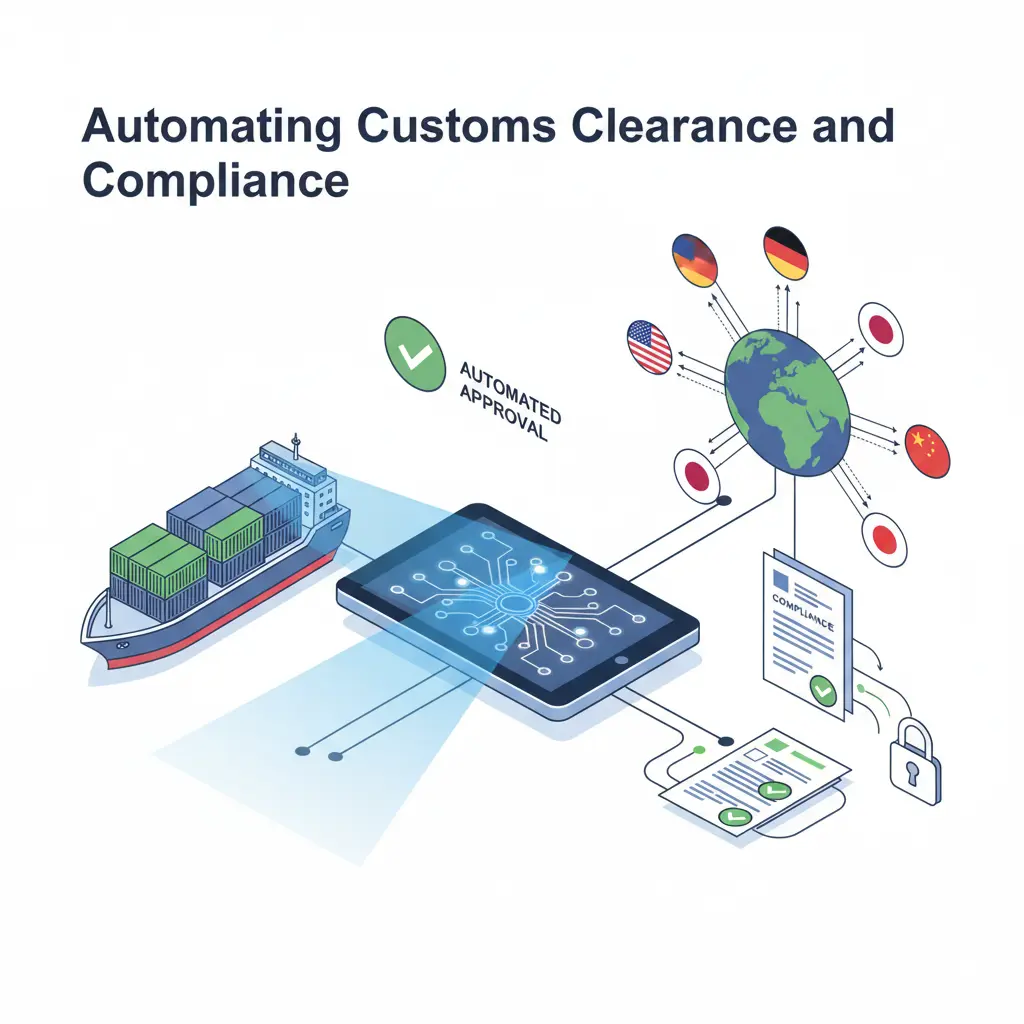
In today’s interconnected global economy, the movement of goods across borders is a fundamental aspect of trade. However, navigating the intricate web of customs regulations, tariffs, and documentation can be a significant bottleneck for businesses. Supply Chain Digitization, particularly through customs clearance automation, is revolutionizing this landscape. This transformation simplifies complex regulatory processes, drastically reduces delays, and ensures unwavering compliance with the ever-evolving international trade laws. For importers and exporters alike, embracing automated solutions is no longer a luxury but a necessity for maintaining a competitive edge and fostering efficient global trade.
1. Implementing Customs Clearance Automation Solutions
The transition from manual, paper-based customs procedures to automated systems marks a pivotal advancement in global trade. Implementing robust customs clearance automation solutions involves leveraging advanced software to handle everything from initial data capture to final customs declarations. These platforms facilitate the electronic submission of documents, automate tariff classification, and calculate duties and taxes with unparalleled accuracy. By integrating directly with customs authorities’ systems, they minimize human error, accelerate processing times, and provide real-time updates on shipment status. This streamlined approach not only speeds up the clearance process but also ensures that all necessary information is present and correct, drastically reducing the likelihood of costly penalties or delays. Furthermore, such solutions often come with analytics capabilities, offering businesses insights into their trade patterns and potential areas for further optimization within their overall Supply Chain Digitization strategy.
2. Ensuring Regulatory Compliance with Digital Tools
Maintaining regulatory compliance is perhaps the most critical challenge in international trade, with non-compliance leading to severe penalties, customs seizures, and reputational damage. Digital tools are indispensable in overcoming this hurdle. Modern digital trade solutions for importers are designed to keep pace with dynamic global trade regulations, offering features like automated checks against restricted party lists, embargoes, and product-specific import requirements. These platforms provide up-to-the-minute information on international trade laws and compliance changes, allowing businesses to adapt quickly. They can automatically verify that all declarations align with current legal frameworks, ensuring accurate product classifications, country-of-origin rules, and preferential trade agreements are applied. By centralizing compliance data and automating audit trails, businesses gain greater transparency and a comprehensive record of their adherence to regulations, making audits simpler and less disruptive. This proactive approach to compliance significantly mitigates risks and builds a more reliable and resilient supply chain.
3. Enhancing Efficiency and Reducing Costs Through Automation
Beyond compliance, the strategic adoption of automation in customs clearance yields substantial improvements in operational efficiency and significant cost reductions. The shift to paperless international trade platforms eliminates the need for physical document handling, storage, and courier services, translating directly into lower administrative expenses and a reduced environmental footprint. Automation also reduces the time goods spend in transit or at customs checkpoints, minimizing demurrage charges, storage fees, and the risk of spoilage for time-sensitive cargo. Furthermore, advanced supply chain visibility software integrated with customs automation provides end-to-end tracking of shipments. This enables proactive management of potential delays, better inventory planning, and optimized logistics, further contributing to cost savings. By streamlining processes, reducing errors, and accelerating throughput, customs clearance automation becomes a powerful driver for overall business efficiency, allowing companies to reallocate resources to strategic initiatives rather than manual administrative tasks. This comprehensive approach to Supply Chain Digitization ensures smoother operations, improved cash flow, and ultimately, enhanced profitability in the global marketplace.
Partner with Vietnam’s Leading Suppliers
Looking for reliable suppliers in Vietnam? Contact VietnamSuppliers.com today to connect with verified manufacturers and exporters across all industries.
—————————————
References
– World Trade Organization’s focus on trade facilitation and the digital economy: https://www.wto.org/english/tratop_e/tradfa_e/digitalecon_e.htm
– The Benefits of Advanced Technology for Customs – World Customs Organization: https://www.wcoomd.org/en/media/newsroom/news/2019/september/the-benefits-of-advanced-technology-for-customs.aspx
– Supply Chain Visibility: https://www.gartner.com/en/supply-chain/insights/supply-chain-visibility
– ICC Digital Standards Initiative: https://www.icc-ccs.org/icc-digital-standards-initiative
– Understanding the WTO Agreements: https://www.wto.org/english/thewto_e/whatis_e/tif_e/agrm_e.htm