
What are OEM Manufacturing Services?
Original Equipment Manufacturing (OEM) is a cornerstone of modern product development, enabling businesses worldwide to bring innovative products to market efficiently and cost-effectively. This section will define what OEM entails, explore its pivotal role in contemporary manufacturing strategies, and identify the industries that most frequently leverage these indispensable services. Understanding OEM manufacturing services is crucial for any company looking to optimize its production process, reduce overhead, and scale operations rapidly.
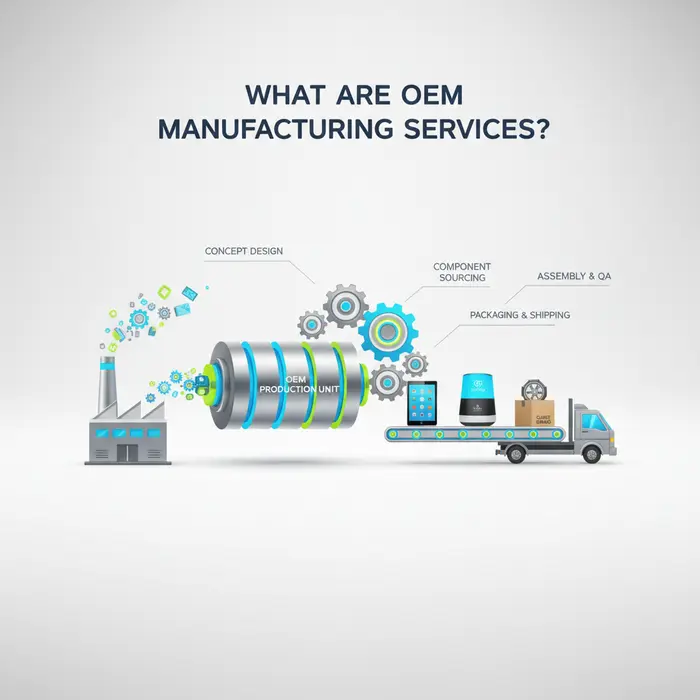
1. Defining Original Equipment Manufacturer (OEM)
An Original Equipment Manufacturer (OEM) is a company that produces parts and components that are then used in the final products of another company. While the term OEM originally referred to a company that produced components for other manufacturers, its modern usage often extends to companies that produce entire finished products according to a client’s specific design and specifications. This process, often referred to as custom manufacturing OEM, allows brands to leverage specialized production facilities without the burden of owning and operating them.
In essence, an OEM supplier manufactures products (or parts of products) that retain the branding of the purchasing company. For instance, a technology company might design a new smartphone and then contract an OEM to manufacture the physical device based on their blueprints. The smartphone will then be sold under the technology company’s brand. This arrangement necessitates clear OEM contract terms that outline specifications, quality standards, intellectual property rights, and delivery schedules. Unlike private label manufacturing, where an existing generic product is rebranded, OEM is about creating a product from the ground up to a client’s unique design, making it a critical service for innovation and differentiation.
2. Key Benefits of Partnering with an OEM
Partnering with an OEM offers a multitude of strategic advantages, empowering businesses to streamline operations and enhance competitiveness. One primary benefit is significant cost reduction. OEMs often operate at scale, possessing specialized machinery and expertise that would be prohibitively expensive for individual companies to replicate. This leads to lower unit costs, better raw material pricing, and reduced labor expenses. Furthermore, by outsourcing manufacturing, companies can free up capital and resources that would otherwise be tied up in production facilities, allowing them to focus on core competencies such as research and development, marketing, and sales.
Another crucial benefit is access to specialized expertise and technology. OEMs are often experts in their specific manufacturing domains, employing skilled engineers and technicians, and utilizing cutting-edge technologies that client companies might not possess. This translates into higher quality products, improved efficiency, and faster time-to-market. Companies looking for high-quality, competitive manufacturing often turn to regions known for robust supply chains, with Vietnam OEM suppliers, for example, becoming increasingly prominent due to their growing industrial capacity and competitive labor costs. This strategic partnership allows businesses to scale production rapidly to meet demand fluctuations without substantial upfront investment in infrastructure, providing unparalleled flexibility and agility in a dynamic marketplace.
3. Common Industries Utilizing OEM Solutions
The strategic advantages offered by OEM services make them indispensable across a broad spectrum of industries, particularly those characterized by complex products, high production volumes, or specialized manufacturing processes. The electronics industry, for instance, heavily relies on OEMs for components ranging from circuit boards and microchips to entire finished devices like laptops, smartphones, and IoT gadgets. The automotive sector also extensively uses OEMs for everything from engine parts and braking systems to interior components and electronic modules.
Beyond these, the medical device industry leverages OEM partners for the precision manufacturing of instruments, diagnostic equipment, and surgical tools, where strict quality control and regulatory compliance are paramount. Aerospace, industrial machinery, consumer goods (e.g., appliances, power tools), and even the fashion industry (for components like specialized fasteners or materials) also frequently engage OEMs. While the distinction between private label vs OEM can sometimes blur, OEM is favored when a company requires a product built to its exact, unique specifications and design, rather than simply rebranding an off-the-shelf item. This reliance underscores the OEM’s critical role in driving innovation, efficiency, and global supply chain resilience across diverse economic sectors.
Custom Manufacturing OEM vs. Private Label
In the competitive world of product development, businesses often grapple with the decision of how to bring their ideas to market. Two prevalent models stand out: Custom Manufacturing OEM and Private Label. While both involve third-party manufacturers, their fundamental distinctions have profound implications for product control, brand strategy, and intellectual property. Understanding these differences is crucial for any business aiming to optimize its supply chain and solidify its market position.
1. Understanding Custom Manufacturing OEM
Custom Manufacturing OEM, or Original Equipment Manufacturer, is a model where a buyer collaborates with a manufacturer to produce a product based on the buyer’s unique designs, specifications, and intellectual property. In essence, the buyer owns the blueprint, the design, and often the patents, while the OEM acts as the production arm. This approach is synonymous with true innovation and product differentiation.
When engaging in OEM manufacturing services, businesses gain unparalleled control over every facet of their product, from the initial concept and material selection to the final aesthetics and functionality. This level of oversight ensures that the end product perfectly aligns with the brand’s vision and meets specific market demands without compromise. The benefits include the creation of truly proprietary products, the ability to build strong brand identity around unique offerings, and potentially higher profit margins due to exclusive designs. For businesses looking for “Vietnam OEM suppliers,” it’s vital to clearly articulate all specifications to ensure the product meets precise standards.
However, the custom manufacturing OEM model typically entails higher upfront investment in research and development, longer product development cycles, and often higher minimum order quantities (MOQs) as manufacturers tool up for bespoke production runs. It’s imperative for businesses to meticulously define OEM contract terms to protect their intellectual property and ensure quality control, delivery schedules, and pricing are clearly stipulated.
2. The Nuances of Private Label Manufacturing
In contrast, Private Label manufacturing involves a buyer branding an existing product that a manufacturer already produces or has designed. The manufacturer develops a product, and the buyer purchases it, putting their own brand name, logo, and packaging on it. This model is often chosen for its speed to market and lower development costs, making it an attractive option for businesses looking to expand their product lines quickly or enter new markets with less risk.
While private label offers some customization options—such as different colors, scents, or minor formulation tweaks—the core product remains largely the same across various brands that might source from the same manufacturer. The primary advantage of private label is its efficiency: businesses bypass the costly and time-consuming R&D phase, leveraging the manufacturer’s existing expertise and production lines. This results in lower MOQs and a faster turnaround time compared to custom manufacturing OEM. It’s an excellent strategy for retailers, e-commerce brands, or entrepreneurs who want to offer a diverse range of products without the complexities of full-scale product development.
However, the trade-off for this efficiency is often a lack of unique product differentiation and limited control over the product’s core design or formulation. This means that competitors could potentially sell a very similar product, leading to increased price competition. Intellectual property rights typically remain with the manufacturer, and the ability to innovate or significantly alter the product is constrained.
3. Choosing the Right Model for Your Business Goals
Deciding between private label vs OEM hinges entirely on a business’s strategic objectives, budget, timeline, and desire for product control. If your brand’s cornerstone is innovation, proprietary technology, and a distinct market identity, then custom manufacturing OEM is the clear path. It offers the freedom to create something truly unique, cementing your brand’s position as a leader with exclusive offerings.
Conversely, if speed to market, cost-effectiveness, and market entry are paramount, and your brand’s value proposition isn’t solely dependent on proprietary product features, then private label manufacturing presents a compelling alternative. It allows for quick expansion of product portfolios, testing new market segments, and capitalizing on existing product demand without significant R&D investment.
Consider the long-term vision: Do you want to own the intellectual property and have complete creative control, or are you comfortable leveraging existing product lines for quick wins? Businesses focused on building a unique brand through innovative products and high levels of customization will gravitate towards “custom manufacturing OEM”. Those looking to quickly fill market gaps, offer a wider range of products under their brand, or test new markets with minimal risk will find private label more suitable. Ultimately, the choice aligns with your brand’s core strategy and how much control you need over the product’s intrinsic nature to achieve your business goals.
Finding the Right OEM Supplier: A Global Perspective
In today’s interconnected global economy, identifying and partnering with the ideal OEM manufacturing services provider is paramount for product success and market competitiveness. This strategic decision goes beyond mere cost-cutting; it involves aligning with a partner who can ensure quality, innovation, and supply chain resilience. As businesses increasingly look to diversify their manufacturing footprints, understanding the nuances of global sourcing becomes critical. This guide will navigate the process of finding and vetting potential OEM partners, with a particular focus on the growing appeal of Vietnam OEM suppliers and key considerations for engaging manufacturers worldwide.

1. Why Consider Vietnam OEM Suppliers
Vietnam has rapidly emerged as a powerhouse in the global manufacturing landscape, drawing significant attention from international brands seeking to optimize their supply chains. Several compelling factors contribute to its appeal as a prime destination for custom manufacturing OEM partnerships:
- Strategic Location & Trade Agreements: Positioned at the heart of Southeast Asia, Vietnam offers excellent access to major shipping routes. Its extensive network of free trade agreements, including the CPTPP and EVFTA, provides preferential tariffs and streamlines trade with key global markets, reducing import/export complexities and costs.
- Competitive Labor Costs & Growing Workforce: While labor costs are rising, they remain highly competitive compared to more established manufacturing hubs. Vietnam boasts a young, adaptable, and increasingly skilled workforce, supported by government investments in education and vocational training, ensuring a capable labor pool for diverse industries.
- Diversification & Risk Mitigation: Many companies are actively seeking to diversify their manufacturing base away from single-country dependency, especially in light of recent geopolitical tensions and supply chain disruptions. Partnering with Vietnam OEM suppliers offers a robust strategy for building supply chain resilience and mitigating risks.
- Developing Infrastructure & Industrial Zones: Significant government investment in infrastructure, including ports, roads, and industrial parks, continues to enhance manufacturing efficiency and logistical capabilities across the country.
- Specialized Manufacturing Capabilities: Vietnam has developed strong expertise in sectors such as textiles and apparel, footwear, electronics, furniture, and plastics, making it a versatile choice for various product categories.
2. Key Criteria for Vetting Potential Partners
Regardless of geographical location, a rigorous vetting process is essential when selecting an OEM partner. Here are critical criteria to evaluate:
- Quality Control and Certifications: Assess their quality management systems (e.g., ISO 9001, industry-specific certifications) and track record. Request samples and references. A robust QC process is non-negotiable for consistent product excellence.
- Communication and Transparency: Effective communication is vital. Evaluate their responsiveness, language capabilities, and willingness to share information openly about production processes, challenges, and timelines.
- Production Capacity and Scalability: Ensure the supplier can meet your current volume demands and scale up or down as your business evolves. Discuss lead times and minimum order quantities (MOQs).
- Cost-Effectiveness and Pricing Structure: Go beyond unit cost. Consider tooling costs, shipping, duties, packaging, and any hidden fees. Understand their pricing model and payment terms.
- Ethical and Environmental Practices: Verify their commitment to fair labor practices, worker safety, and environmental sustainability. Many brands now require suppliers to adhere to corporate social responsibility (CSR) standards.
- Experience and Expertise: Does the supplier have proven experience manufacturing products similar to yours? Their industry-specific knowledge can be invaluable.
- Financial Stability: A financially stable partner is more likely to be a long-term, reliable asset. Conduct due diligence to ensure they have the resources to fulfill your orders.
- OEM Contract Terms and IP Protection: Clearly define all aspects of the partnership in a comprehensive contract, including intellectual property (IP) rights, confidentiality, exclusivity, warranty, and dispute resolution mechanisms. This is especially crucial when considering private label vs OEM, as IP ownership differs significantly.
3. Leveraging Online Platforms and Trade Shows for Sourcing
Finding potential OEM partners requires a multi-faceted approach, combining digital tools with traditional networking opportunities:
- Online B2B Platforms: Websites like Alibaba, Global Sources, and ThomasNet serve as extensive directories for manufacturers worldwide. While convenient, thorough due diligence, including requesting factory audits and verifying credentials, is essential. Specialized industry platforms can also provide more targeted options.
- Trade Shows and Industry Fairs: Attending major international trade shows (e.g., Canton Fair, CES, or specific industry events in Vietnam, China, or Europe) offers invaluable opportunities. You can meet suppliers face-to-face, inspect product samples, discuss capabilities directly, and build personal relationships, which can be crucial for long-term partnerships.
- Networking and Referrals: Leverage your professional network. Industry peers, consultants, and business associations often have direct experience with OEM suppliers and can provide reliable recommendations.
- Sourcing Agents and Consultants: For companies new to international sourcing, engaging a reputable sourcing agent or consultant can streamline the process. They often have established networks, local expertise, and can assist with vetting, negotiations, and quality control.
Ultimately, selecting the right OEM supplier, whether a specialized Vietnam OEM supplier or another global manufacturer, is a strategic investment in your product’s future. By meticulously vetting candidates against key criteria and utilizing diverse sourcing methods, businesses can forge robust partnerships that drive innovation, quality, and sustained growth.
Navigating OEM Contract Terms and Agreements
Understanding the intricacies of Original Equipment Manufacturer (OEM) contracts is paramount for businesses seeking to develop and produce products efficiently and safely. These agreements serve as the legal backbone of your manufacturing partnership, laying out critical legal and logistical components that ensure clarity, protect intellectual property (IP), and establish clear expectations for both parties. For any company engaging in OEM manufacturing services, especially when working with global partners like Vietnam OEM suppliers, a well-drafted contract is not merely a formality; it’s a strategic asset that mitigates risks and fosters a successful collaboration. This section delves into the essential provisions that form the bedrock of robust OEM contract terms, guiding your strategy whether you’re opting for custom manufacturing OEM solutions or navigating the nuances of private label vs OEM.
1. Essential Clauses in an OEM Agreement
The foundation of any successful OEM partnership rests on a meticulously drafted agreement that clearly outlines the rights and responsibilities of both the buyer and the manufacturer. Beyond basic party identification, several essential clauses demand rigorous attention. Foremost is the “Scope of Work” or “Product Specifications” clause, precisely defining what is being manufactured, including detailed blueprints, material requirements, and performance criteria. Ambiguity here can lead to costly rework and disputes. Equally vital are “Pricing and Payment Terms,” specifying unit costs, payment schedules (e.g., deposits, milestone payments), and currency, addressing potential adjustments. Furthermore, “Delivery Schedules and Lead Times” are crucial, detailing production timelines, shipping methods, and Incoterms, which allocate responsibilities and costs. Provisions for “Termination” and “Dispute Resolution” are necessary safety nets, outlining conditions for exiting the agreement and preferred methods for resolving disagreements like mediation or arbitration. Finally, a “Force Majeure” clause protects both parties from unforeseen events that make contract fulfillment impossible, delaying or excusing performance without penalty. Careful attention to these fundamental OEM contract terms establishes a clear framework for operation in custom manufacturing OEM projects, minimizing potential misunderstandings.
2. Intellectual Property (IP) Protection and Confidentiality
In the realm of OEM manufacturing services, safeguarding intellectual property is paramount. Your designs, innovations, and proprietary information are valuable assets that must be protected. The contract must explicitly address IP ownership. Typically, if the buyer provides designs for a custom manufacturing OEM product, they retain full ownership, granting the OEM a limited license solely for manufacturing under the agreement. A robust Non-Disclosure Agreement (NDA), often integrated or separate, is critical. This clause prohibits the OEM from sharing or using your confidential information—including product designs, manufacturing processes, and business strategies—for any purpose other than fulfilling the contract. It should also specify the duration of the confidentiality obligation, even after contract termination. Furthermore, the contract should clarify the ownership and control of molds, tooling, and fixtures developed specifically for your product; these should typically revert to the buyer or be destroyed upon contract termination. Detailed provisions regarding data security and trade secrets reinforce your IP rights. Neglecting these aspects in your OEM contract terms can lead to significant financial and reputational damage, especially when working across different legal jurisdictions.
3. Quality Control, Testing, and Warranty Provisions
Ensuring the quality and reliability of products produced through OEM manufacturing services is non-negotiable for brand reputation and customer satisfaction. The OEM contract must meticulously detail the quality standards and control measures implemented throughout production. This includes specifying relevant industry standards (e.g., ISO certifications, CE marking) that products must meet. The agreement should outline a comprehensive “Quality Control and Inspection” protocol, detailing when and how inspections will occur—from pre-production material checks and in-process quality assurance to final product inspections before shipment. It should grant the buyer the right to audit the OEM’s facility and inspect goods at various stages. Crucially, “Testing Protocols” must be defined, specifying performance tests and any other relevant assessments. The “Warranty Provisions” are equally vital, stipulating the warranty period, scope of defects covered, and remedies available (e.g., repair, replacement, refund) for non-conforming goods. Clear procedures for reporting defects, returning faulty products, and resolving warranty claims are essential. For businesses partnering with Vietnam OEM suppliers or other international manufacturers, these clauses safeguard against product failures, minimize liability risks, and maintain brand integrity in your custom manufacturing OEM endeavors.
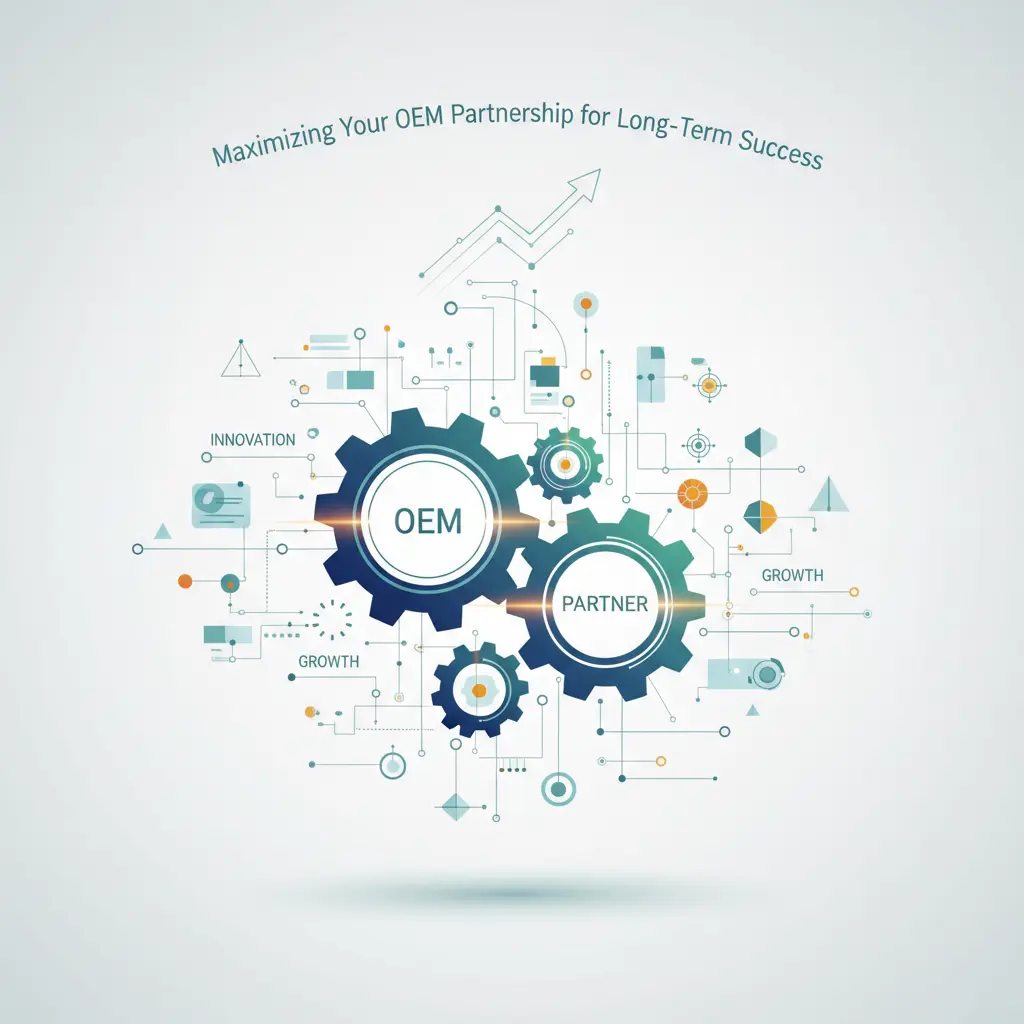
Maximizing Your OEM Partnership for Long-Term Success
Forging a successful Original Equipment Manufacturer (OEM) partnership is more than just a transactional agreement; it’s about cultivating a symbiotic relationship that drives innovation, efficiency, and sustained growth. In today’s dynamic global market, where supply chain disruptions and rapidly evolving consumer demands are the norm, a robust OEM partnership becomes a cornerstone of competitive advantage. This section delves into strategic approaches for fostering strong, collaborative relationships with your OEM manufacturing services partners, ensuring not just efficient project management and custom manufacturing OEM, but also scalable solutions for future growth and formidable supply chain resilience.
1. Effective Communication and Project Management Strategies
Effective communication forms the bedrock of any successful OEM partnership. It’s imperative to establish clear, consistent, and transparent communication channels from the outset. This involves more than just periodic emails; it necessitates structured weekly or bi-weekly calls, dedicated project management platforms, and a shared understanding of project milestones and deliverables. For complex custom manufacturing OEM projects, detailed specifications, engineering drawings, and quality control checklists must be meticulously documented and mutually agreed upon to prevent misunderstandings and costly rework. Project management should be a collaborative effort, with both parties actively participating in risk identification, problem-solving, and continuous improvement. Implementing agile methodologies, where feasible, can allow for greater flexibility and quicker adaptation to design changes or market shifts, ensuring that your OEM partner remains aligned with your vision and can deliver high-quality OEM manufacturing services on schedule. Regular feedback loops are critical for fostering an environment of trust and accountability, leading to more efficient processes and superior product outcomes.
2. Scalability and Future Growth Considerations
As your business evolves, your OEM partnership must be capable of evolving with it. Scalability is a key consideration when selecting and nurturing an OEM relationship. This means evaluating your partner’s capacity to handle increased production volumes, adapt to new product lines, and incorporate technological advancements without compromising quality or efficiency. When reviewing OEM contract terms, pay close attention to clauses related to minimum order quantities (MOQs), production capacity, lead times, and pricing adjustments for volume changes. A strong partner, especially among Vietnam OEM suppliers, should offer flexibility and demonstrate a willingness to invest in new equipment or processes to support your growth trajectory. Discuss long-term projections and potential expansion plans early in the relationship. This proactive approach allows your OEM partner to anticipate future demands, allocate resources effectively, and offer insights into optimizing your supply chain for future growth, making them a strategic asset rather than just a production facility.
3. Risk Mitigation and Supply Chain Resilience
In an unpredictable global economy, safeguarding your supply chain against disruptions is paramount. A strong OEM partnership should inherently contribute to your supply chain resilience. This involves more than just having a reliable manufacturer; it requires a proactive approach to risk mitigation. Diversifying your supplier base, even if it means initially working with a primary OEM and a secondary backup, can provide crucial redundancy. Implement robust quality control protocols at every stage of production, from raw material sourcing to final assembly, to minimize product defects and recall risks. Understand the key differences between private label vs OEM in terms of control over the manufacturing process and intellectual property, and structure your contracts accordingly. Furthermore, collaborate with your OEM partner on contingency planning for unforeseen events such as natural disasters, geopolitical issues, or material shortages. Transparency regarding their sub-suppliers and raw material sources is vital. By working together to identify potential vulnerabilities and developing alternative strategies, you can build a more robust and responsive supply chain, ensuring business continuity even in challenging circumstances. For more insights into building resilient supply chains, refer to industry insights from McKinsey & Company on Supply Chain Resilience. This collaborative approach transforms your OEM partner into a critical ally in navigating the complexities of modern manufacturing and distribution, securing long-term success.
Partner with Vietnam’s Leading Suppliers
Looking for reliable suppliers in Vietnam? Contact VietnamSuppliers.com today to connect with verified manufacturers and exporters across all industries.
—————————————
References
– Industrial production growth rate in Vietnam: https://www.statista.com/statistics/264648/industrial-production-growth-rate-in-vietnam/
– OEM vs Private Label: What’s the Difference and Which is Right for You?: https://www.thomasnet.com/articles/plant-facility/oem-vs-private-label/
– Building supply chain resilience: Lessons from the pandemic – McKinsey & Company: https://www.mckinsey.com/capabilities/operations/our-insights/building-supply-chain-resilience-lessons-from-the-pandemic
– Example OEM Supply Agreement: https://www.contractstandards.com/public/contracts/oem-supply-agreement
– :

