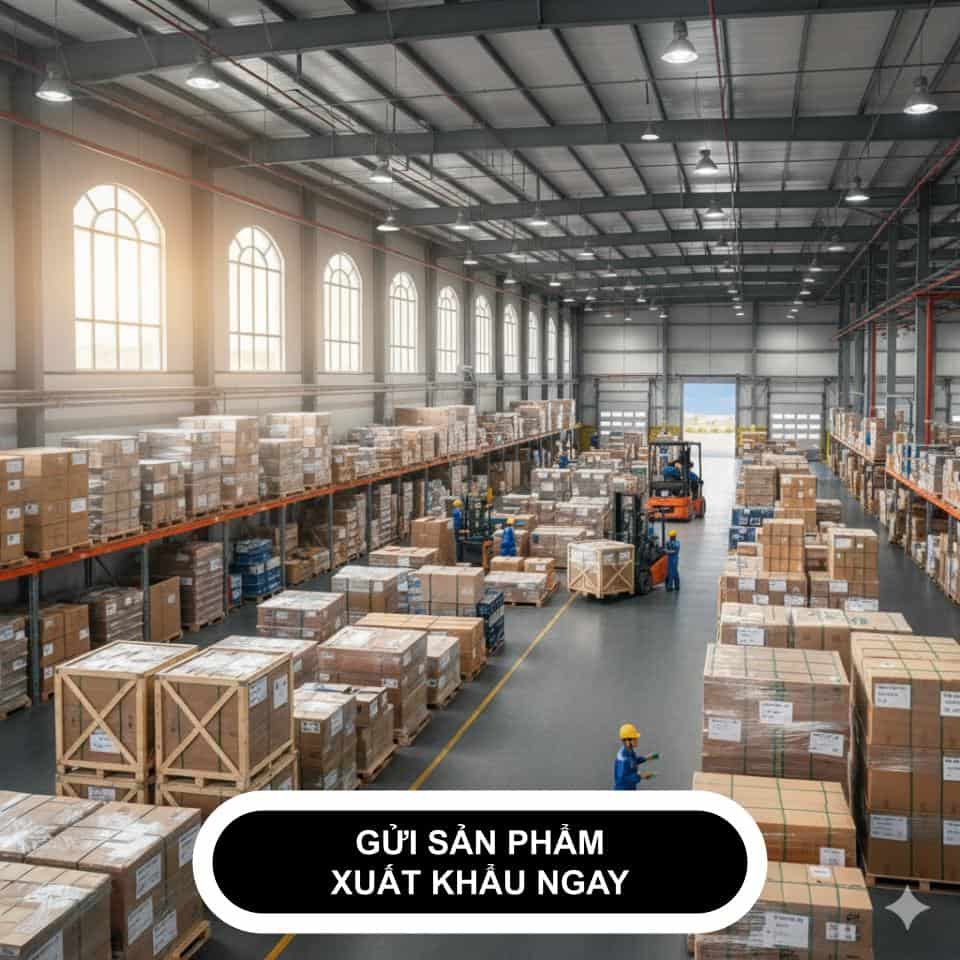
Understanding International Trade Tariffs
In the intricate web of global commerce, international trade tariffs stand as fundamental mechanisms shaping economic relations between nations. These government-imposed taxes on imported goods play a critical role, influencing everything from consumer prices and supply chains to national industrial policy and international diplomacy. By defining tariffs and exploring their core functions, we can better understand their profound impact on both global commerce and the fiscal health of national economies, setting the stage for a deeper discussion into their complexities and consequences.

1. What are Tariffs? A Basic Definition
At its simplest, a tariff is a tax levied by a government on goods and services imported from another country. These duties are typically collected by customs authorities at the point of entry and are paid by the importing company. The primary effect of a tariff is to increase the price of imported goods, making them less competitive compared to domestically produced alternatives. Tariffs can take various forms, commonly categorized as types of tariffs. For instance, an ad valorem tariff is calculated as a percentage of the imported good’s value, while a specific tariff is a fixed amount per unit (e.g., $2 per shirt). A compound tariff combines both ad valorem and specific elements. Understanding these distinctions is crucial for businesses engaged in cross-border trade, as they directly impact the cost structure of their operations and ultimately, consumer prices.
2. Historical Context and Purpose of Tariffs
The practice of imposing tariffs dates back centuries, serving various strategic and economic objectives. Historically, one of the primary purposes was simply to generate revenue for the state. Before the advent of comprehensive income taxation, customs duties were a significant source of government funding. Beyond revenue, tariffs have long been employed as a tool for protectionism. By making foreign goods more expensive, governments aim to shield nascent or vulnerable domestic industries from international competition, allowing them to grow and become more robust. This protective function often sparks debate regarding economic efficiency versus national self-sufficiency.
In modern times, the purposes of international trade tariffs have expanded. They are used to influence trade balances, discourage unfair trade practices like dumping, and even exert political pressure on other nations. While sometimes seen as impediments to free trade, proponents argue that tariffs can be necessary to level the playing field, protect national security interests, or enforce labor and environmental standards. The careful application and negotiation of these duties are central to ongoing multilateral discussions and bilateral trade agreements around the world.
3. How Tariffs Influence Global Markets
The impact of tariffs on import costs and, consequently, global markets is multifaceted and profound. When tariffs are imposed, the cost of imported goods rises for businesses, which often pass these increased costs on to consumers in the form of higher retail prices. This can reduce consumer purchasing power and shift demand towards domestic alternatives, if available. For manufacturers relying on imported raw materials or components, tariffs can inflate production costs, potentially harming their competitiveness in both domestic and international markets.
Furthermore, tariffs can disrupt global supply chains, prompting companies to seek new suppliers or even relocate production facilities to avoid duties. This can lead to inefficiencies, increased lead times, and higher operational expenses. The global trading system relies on a complex tariff classification system, such as the Harmonized System (HS), to ensure consistent application of duties worldwide. Navigating this system, often overseen by bodies like the World Trade Organization (WTO), is a crucial aspect of international trade compliance.
However, it’s not all about increased costs. Tariffs can also be mitigated through tariff exemptions and trade agreements. Bilateral and multilateral trade agreements, like free trade agreements (FTAs), often reduce or eliminate tariffs between signatory countries, fostering increased trade and economic integration. These agreements create preferential market access for member states, making trade more efficient and predictable. Conversely, disputes over tariffs can escalate into trade wars, where countries impose retaliatory tariffs, leading to reduced global trade volumes, economic uncertainty, and strained international relations. Understanding these dynamics is key to appreciating the complex interplay between trade policy and global economic stability.
Key Types of International Trade Tariffs
International trade is profoundly shaped by international trade tariffs – taxes levied on imported goods. These duties serve multiple governmental objectives, from generating revenue to protecting domestic industries. Understanding their varied forms is vital for businesses in global commerce, as their structure and application directly influence import costs and market competitiveness. The World Trade Organization (WTO) framework, for example, guides how these diverse tariffs are applied, underscoring the importance of a clear tariff classification system. Governments strategically deploy different types of tariffs to achieve specific economic and political outcomes.
1. Ad Valorem Tariffs: Percentage-Based Duties
The most common tariff type, “ad valorem,” means “according to value.” These tariffs are calculated as a fixed percentage of the imported good’s value. For instance, a 10% ad valorem tariff on a $20,000 imported car yields a $2,000 duty, scaling directly with the product’s price.
Structure and Application: Ad valorem tariffs require accurate valuation of imported goods, typically based on CIF (Cost, Insurance, and Freight) or FOB (Free On Board) values. This necessitates robust customs valuation systems to prevent undervaluation and ensure fair collection. They are widely applied across a broad spectrum of goods.
Economic Rationale: Their primary purposes are revenue generation and consistent protection for domestic industries. As product prices fluctuate, the tariff collected automatically adjusts, providing stable revenue. They also offer proportional protection, raising foreign goods’ costs relative to their value, enhancing domestic competitiveness.
Advantages and Disadvantages: Ad valorem tariffs are flexible, automatically adjusting for inflation or deflation. However, reliance on accurate, sometimes subjective customs valuation can lead to complexity, disputes, and potential manipulation.
2. Specific Tariffs: Fixed Charges per Unit
Specific tariffs are fixed monetary charges levied per physical unit of an imported good, irrespective of its value. Examples include $2 per kilogram of imported cheese or $0.50 per t-shirt, based on measurable characteristics like weight or quantity.
Structure and Application: Calculation is straightforward: the fixed charge is multiplied by the number of units imported. This simplicity makes them easy to administer and enforce, requiring only quantity verification. They are commonly applied to bulk commodities and agricultural products where valuation can be challenging.
Economic Rationale: Specific tariffs offer ease of administration and predictable revenue. They are particularly effective in protecting domestic industries from extremely low-priced imports, as the fixed charge can represent a significant percentage of cheap goods’ cost, making them more expensive and countering “dumping.”
Advantages and Disadvantages: Their main advantages are simplicity, low administrative costs, and strong protection against low-priced imports. A significant drawback is their failure to adjust for inflation, causing their real value and protective effect to erode over time. They can also be regressive, disproportionately burdening lower-priced goods.
3. Compound Tariffs and Other Variations
Beyond the fundamental types, tariffs adopt more intricate forms, often combining elements or serving specialized objectives, providing governments greater trade policy flexibility.
Compound Tariffs: These hybrid duties combine both an ad valorem component and a specific component on the same imported good (e.g., “5% ad valorem plus $0.10 per kilogram”). This leverages the strengths of both systems: the ad valorem part adjusts with value, while the specific part offers robust protection against cheap imports and simplifies collection. They are often used for manufactured goods with varying quality levels, ensuring comprehensive protection.
Other Notable Variations:
- Sliding Scale Tariffs: Rates vary based on the import price, used to stabilize domestic market prices.
- Retaliatory Tariffs: Imposed in response to another country’s unfair trade practices, aiming to compel policy change.
- Protective Tariffs: Specifically designed to shield domestic industries from foreign competition.
- Revenue Tariffs: Primarily aimed at generating government income, typically on goods not produced domestically.
- Tariff-Rate Quotas (TRQs): A dual-rate system where imports within a quota face a lower tariff, while those exceeding it incur a significantly higher rate. This mechanism is crucial in many tariff exemptions and trade agreements, managing trade while protecting sensitive sectors.
The strategic deployment of these diverse tariff mechanisms reflects governments’ intricate balancing act between promoting international trade and safeguarding national economic interests.
Impact of Tariffs on Import Costs and Businesses

Tariffs, essentially taxes levied on imported goods, are powerful instruments of trade policy. While often employed to protect domestic industries, generate government revenue, or influence international relations, their implementation invariably triggers a cascade of effects across global supply chains, affecting businesses and consumers alike. Understanding the intricate mechanics of International Trade Tariffs is crucial for any entity engaged in cross-border commerce, as they directly influence everything from product pricing to strategic market positioning.
1. Direct Impact on Import Prices and Profit Margins
The most immediate and tangible effect of tariffs is a direct increase in the landed cost of imported goods. When a tariff is imposed, it acts as an additional cost on top of the product’s purchase price, shipping, and insurance. For businesses that rely heavily on imported raw materials, components, or finished products, this translates directly into higher input costs. For example, an ad valorem tariff, calculated as a percentage of the imported good’s value, can significantly inflate the price of high-value items, while a specific tariff, a fixed charge per unit, affects lower-value bulk goods. Importers face a critical decision: absorb these increased costs, thereby eroding profit margins, or pass them on to the next stage of the supply chain.
The impact of tariffs on import costs varies depending on the specific product and its existing demand elasticity. If demand is inelastic, businesses might successfully pass on the costs. However, in competitive markets, absorbing a portion of the tariff becomes necessary to maintain market share, thus squeezing profitability. Navigating the complex tariff classification system is also vital, as misclassification can lead to incorrect duties or even penalties, further impacting financial health. Businesses constantly analyze various types of tariffs, from specific to compound, to project their true cost of goods sold.
2. Supply Chain Disruptions and Sourcing Decisions
Beyond the immediate financial hit, tariffs exert profound pressure on global supply chains, compelling businesses to re-evaluate their sourcing strategies. When key components or raw materials become prohibitively expensive due to new tariffs, companies are forced to seek alternative suppliers. This can lead to significant disruptions, as finding new vendors, qualifying their products, and establishing new logistical channels takes time, effort, and capital. The focus shifts from simply optimizing for cost to balancing cost with tariff exposure and supply chain resilience.
Many businesses respond by diversifying their sourcing geographically, exploring options in countries not subject to the same tariffs, or even considering reshoring (bringing manufacturing back to the home country) or nearshoring (moving production to a nearby country). While these moves can mitigate tariff risks, they often introduce new challenges such as higher labor costs, different regulatory environments, and the need to overhaul existing infrastructure. The long-term effects of tariffs can thus include a fundamental restructuring of global manufacturing footprints, impacting efficiency, lead times, and overall operational agility. Companies also increasingly look for tariff exemptions and trade agreements to mitigate these disruptions.
3. Consumer Price Inflation and Purchasing Power
Ultimately, a significant portion of increased import costs resulting from tariffs is often passed on to consumers in the form of higher retail prices. When businesses cannot fully absorb the tariff burden, they adjust their pricing strategies to maintain profitability, leading to consumer price inflation. This means that everyday goods, from electronics and clothing to food items and automobiles, can become more expensive. For consumers, this translates directly into a reduction in purchasing power – their money buys less than it did before the tariffs were imposed.
The impact is particularly pronounced on essential goods or products for which there are limited domestic alternatives. Higher prices for imported goods can also have a ripple effect, potentially boosting demand for domestically produced substitutes, though often at a higher price point due to reduced competition or increased production costs. In some cases, prolonged tariff battles can even contribute to broader economic slowdowns as consumer spending tightens. Governments and trade bodies often monitor the effects on various sectors, understanding that the burden of International Trade Tariffs frequently falls heaviest on the end-user.
In conclusion, tariffs are not merely customs duties; they are economic levers with far-reaching consequences. They elevate import costs, compel businesses to redesign their intricate supply chains, and ultimately diminish consumer purchasing power through price inflation. Navigating this complex landscape requires strategic foresight, adaptability, and a deep understanding of global trade dynamics.
The Tariff Classification System and Customs Procedures
Navigating the complexities of global commerce requires a deep understanding of International Trade Tariffs and the intricate customs procedures that govern the movement of goods across borders. At the heart of this system lies the Harmonized System (HS) Code, a globally standardized method for classifying products. This classification is not merely an administrative formality; it fundamentally dictates the duties, taxes, regulations, and eligibility for trade agreements applicable to every imported and exported item. Mastering the tariff classification system and associated customs valuation methods is paramount for businesses to ensure efficiency, compliance, and cost-effectiveness, directly impacting import costs and competitiveness.
1. The Harmonized System (HS): Global Standard
The Harmonized Commodity Description and Coding System, commonly known as the Harmonized System (HS) Code, stands as the universal language of trade. Developed and maintained by the World Customs Organization (WCO), this numeric system standardizes the classification of virtually all traded products. Its primary purpose is to ensure uniformity in the classification of goods worldwide, facilitating international trade data collection, tariff application, and the establishment of rules of origin. The HS comprises approximately 5,000 commodity groups, each identified by a six-digit code, organized into 99 chapters, further grouped into 21 sections. Each country then expands upon this base six-digit code with additional digits to create its own national tariff schedule, typically extending to 8 or 10 digits for more granular classification. Accurate use of this tariff classification system is the first critical step in ensuring compliance and predictability in cross-border transactions.
2. Tariff Codes and Their Importance in Trade
Beyond the initial six-digit HS code, individual nations append further digits to create specific national tariff codes, which precisely define the product and dictate the applicable duties and regulations. These extended codes are indispensable for several reasons. Firstly, they directly determine the types of tariffs to be applied. For instance, an imported product might be subject to an ad valorem duty (a percentage of the goods’ value), a specific duty (a fixed amount per unit, e.g., per kilogram or liter), or a compound duty (a combination of both). Secondly, accurate tariff classification has a profound impact of tariffs on import costs. An incorrect classification can lead to significant financial repercussions, including overpaying duties, which erodes profit margins, or underpaying duties, which can result in hefty fines, penalties, and goods detention by customs authorities. Furthermore, tariff codes are crucial for identifying eligibility for tariff exemptions and trade agreements. Free Trade Agreements (FTAs) and other preferential trade programs often grant reduced or zero duty rates for goods originating from signatory countries, provided they are correctly classified and meet specific rules of origin criteria. Without precise classification, businesses miss out on crucial cost savings and competitive advantages.
3. Customs Valuation Methods
Once a product’s tariff code is established, the next critical step in customs procedures is customs valuation – the process of determining the dutiable value of imported goods. This value forms the basis upon which ad valorem duties, other taxes, and fees are calculated. Accurate valuation is vital for duty assessment, trade statistics, and ensuring fair competition. The universally accepted framework for customs valuation is outlined in the World Trade Organization (WTO) Agreement on Customs Valuation, which primarily promotes the use of the “transaction value” method. This method stipulates that the dutiable value should be the price actually paid or payable for the goods when sold for export to the country of importation, with certain adjustments. These adjustments may include commissions, packing costs, royalties, license fees, and the value of goods and services supplied by the buyer. If the transaction value cannot be determined, alternative methods are sequentially applied, including the transaction value of identical goods, similar goods, the deductive method, the computed method, and the fallback method, all consistent with WTO principles. Adhering to these valuation principles, supported by meticulous documentation, is essential for avoiding disputes with customs authorities, ensuring predictable impact of tariffs on import costs, and maintaining compliance across all international trade activities.
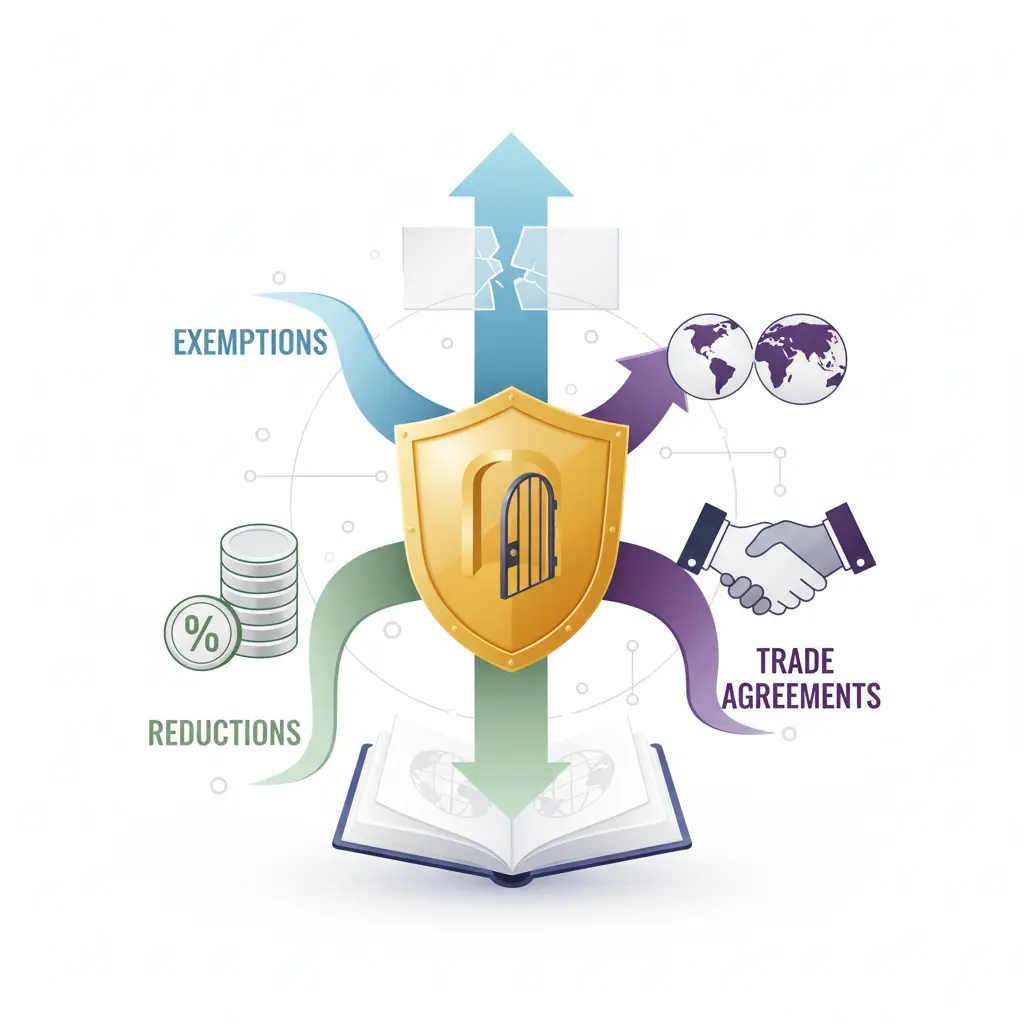
Tariff Exemptions, Reductions, and Trade Agreements
While International Trade Tariffs are a fundamental aspect of global commerce, numerous sophisticated mechanisms exist to mitigate their impact of tariffs on import costs. These strategic instruments are designed to reduce or entirely waive duties, significantly influencing global trade flows, supply chain dynamics, and the competitiveness of international businesses. Understanding these frameworks is crucial for navigating the complexities of cross-border commerce and leveraging opportunities for enhanced market access and reduced operational expenses. This section explores the primary mechanisms that facilitate tariff exemptions and trade agreements, promoting deeper economic integration and streamlining global trade processes.
1. Free Trade Agreements (FTAs) and Preferential Tariffs
Free Trade Agreements (FTAs) are treaties between two or more countries aimed at eliminating or substantially reducing types of tariffs and other trade barriers between them. By establishing a preferential trading environment, FTAs allow goods originating from member countries to enter other member countries at lower, or even zero, tariff rates. These reduced rates are known as preferential tariffs. The primary objective is to boost trade volumes, stimulate economic growth, and foster closer economic ties among participating nations.
A crucial element of any FTA is the “Rules of Origin,” which stipulate the criteria for determining if a good qualifies as originating from a member country, thereby making it eligible for preferential treatment. Compliance with these rules prevents goods from non-member countries from illicitly benefiting from the agreement. Prominent examples include the USMCA (formerly NAFTA) and numerous agreements involving the European Union. These comprehensive agreements often cover more than just tariffs, extending to customs procedures, intellectual property, and investment, thereby creating a robust framework for international commerce. The prevalence of Regional Trade Agreements highlights their significance in shaping global trade landscapes.
2. Generalized System of Preferences (GSP)
The Generalized System of Preferences (GSP) is a unilateral trade preference program where developed countries (donor countries) grant non-reciprocal, duty-free or reduced-duty access to their markets for eligible products from designated developing and least developed countries (beneficiary countries). The core purpose of GSP is to promote economic growth, industrialization, and sustainable development in beneficiary nations by providing them with preferential market access. This mechanism differs from FTAs as it is not based on reciprocal concessions.
Eligibility for GSP benefits is typically determined by a beneficiary country’s economic development status, often assessed by per capita income thresholds, and sometimes adherence to specific international labor and human rights standards. Donor countries unilaterally define which products are eligible, frequently excluding sensitive sectors. Exporters in beneficiary countries must accurately classify their goods using the tariff classification system to claim GSP benefits. While GSP programs are vital for supporting developing economies, their unilateral nature means they are subject to periodic review and renewal by donor countries, which can introduce uncertainty.
3. Customs Unions and Common Markets
Customs Unions represent a deeper form of economic integration than FTAs. They not only eliminate internal tariffs and non-tariff barriers among member countries but also establish a common external tariff (CET) policy towards non-member countries. This unified external trade policy ensures that all goods entering the Customs Union from outside face the same tariff rate, regardless of their point of entry. This approach simplifies trade administration and prevents trade deflection.
Building on a Customs Union, a Common Market takes integration even further by ensuring the free movement of goods, services, capital, and labor among its member states. This creates a single, unified economic space designed to foster greater efficiency, competition, and shared prosperity. The European Union (EU) serves as the quintessential example of a Common Market. Other examples include MERCOSUR (a Customs Union) and the Southern African Customs Union (SACU). For businesses, the complete absence of internal tariffs within these blocs significantly removes the burden of International Trade Tariffs between members, while the common external policy offers predictable trading conditions with the rest of the world. These advanced forms of trade agreements signify profound efforts to dismantle trade barriers and foster deep economic interdependence.
Partner with Vietnam’s Leading Suppliers
Looking for reliable suppliers in Vietnam? Contact VietnamSuppliers.com today to connect with verified manufacturers and exporters across all industries.
—————————————
References
– WTO | Tariff classification: https://www.wto.org/english/tratop_e/clas_e/clas_e.htm
– World Trade Organization (WTO) framework: https://www.wto.org/english/thewto_e/what_e/tif_e/agrm1_e.htm
– WTO Agreement on Tariffs: https://www.wto.org/english/thewto_e/whatis_e/tif_e/agrm7_e.htm
– World Customs Organization (WCO) – HS Code: https://www.wcoomd.org/en/topics/nomenclature/instrument-and-tools/hs_code.aspx
– Regional Trade Agreements – WTO: https://www.wto.org/english/thewto_e/whatis_e/tif_e/agrm7_e.htm