
Understanding Global Export Control Regulations
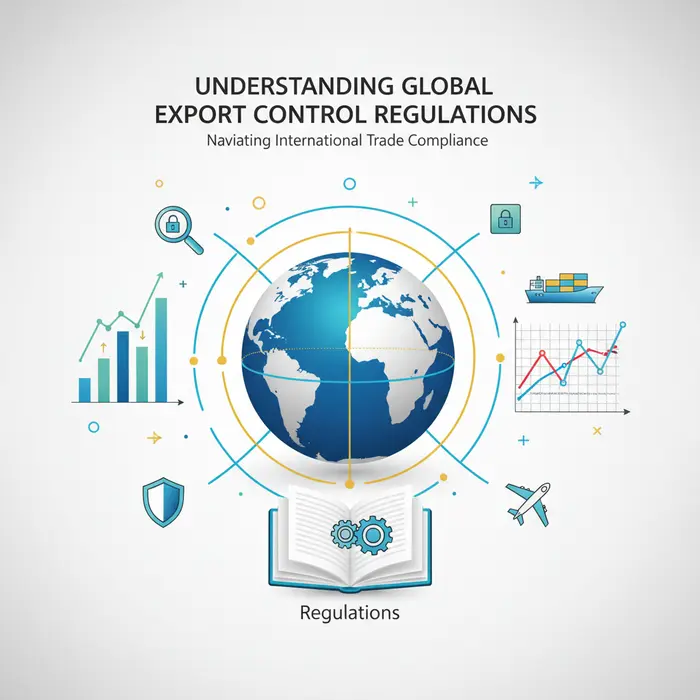
In an increasingly interconnected world, international trade is a powerful engine for economic growth and cultural exchange. However, this global flow of goods, technology, and services is not without boundaries. Countries worldwide implement Global Export License Requirements and intricate regulatory frameworks to manage what leaves their borders. Understanding these directives, often termed Export Control Regulations, is paramount for any business engaged in international commerce. Non-compliance can lead to severe penalties, including hefty fines, loss of export privileges, and reputational damage. This section delves into the fundamental principles of export control, the critical reasons behind their implementation, and introduces the key regulatory bodies that shape the landscape of global trade.
1. What are Export Control Regulations?
Export Control Regulations are a set of national laws and international agreements designed to restrict or prohibit the export of certain items, software, and technology to specific destinations, end-users, or for particular end-uses. These controls are not merely about preventing the shipment of illegal goods; they primarily focus on items with ‘dual-use’ potential – products, technologies, or software that can serve both civilian and military applications. Examples include advanced electronics, sophisticated software, certain chemicals, and specialized machinery. The classification of goods, often guided by HS Code Classification Export and specific export control classification numbers (ECCNs), dictates the level of scrutiny and the type of International Trade Permits required. Navigating these rules necessitates a deep understanding of product specifications, destination country regulations, and the ultimate purpose of the exported items to ensure complete Customs Compliance Services.
2. Why Countries Implement Export Controls
The motivations behind implementing Export Control Regulations are multifaceted, primarily centered on national security and foreign policy objectives. Countries establish these controls to:
- Prevent Proliferation of Weapons of Mass Destruction (WMDs): A primary goal is to stop the spread of nuclear, chemical, and biological weapons, and their delivery systems. Controls ensure that sensitive technologies and components do not fall into the hands of states or non-state actors that might use them to develop WMDs.
- Counter Terrorism: Export controls help prevent terrorist organizations from acquiring materials, technologies, and expertise that could be used to plan or execute attacks.
- Maintain Regional Stability: By controlling the export of conventional arms and related dual-use items, countries aim to prevent escalation of conflicts in volatile regions and support international peace efforts.
- Support Foreign Policy and Human Rights: Controls can be used as a tool to pressure regimes engaged in human rights abuses or to enforce international sanctions. They also prevent exports to countries subject to embargoes or trade restrictions due to their geopolitical actions.
- Protect Economic Competitiveness: In some instances, controls may be applied to protect domestic industries or prevent competitors from acquiring critical technologies.
These objectives highlight why Global Export License Requirements are not just bureaucratic hurdles but crucial mechanisms for safeguarding international security and stability.
3. Key Regulatory Bodies and Their Roles
The landscape of export control is governed by a complex web of national and international bodies. While specific agencies vary by country, several key types of entities play critical roles:
- National Export Control Authorities: In the United States, the Bureau of Industry and Security (BIS) within the Department of Commerce regulates the export of dual-use items, while the Directorate of Defense Trade Controls (DDTC) within the State Department manages defense articles. Similarly, the EU has its own regulations, implemented by member states like Germany’s BAFA or the UK’s ECJU (Export Control Joint Unit). These bodies issue licenses, provide guidance, and enforce compliance.
- Customs Agencies: National customs agencies are on the front lines, inspecting shipments and ensuring that goods match declared HS Code Classification Export and possess the necessary International Trade Permits before crossing borders. They play a crucial role in preventing illegal exports and enforcing Customs Compliance Services.
- International Regimes and Agreements: Beyond national laws, several multilateral export control regimes influence global standards. Examples include the Wassenaar Arrangement (for conventional arms and dual-use goods), the Nuclear Suppliers Group (NSG), the Australia Group (for chemical and biological weapons precursors), and the Missile Technology Control Regime (MTCR). These groups aim to harmonize national controls and prevent proliferation through shared lists of controlled items and best practices.
For businesses, understanding the specific requirements of these bodies is essential for successful and compliant international trade. Staying informed about changes in regulations and leveraging professional Customs Compliance Services can mitigate risks and ensure smooth operations within the framework of Global Export License Requirements.
Identifying When an Export License is Required
Navigating the complexities of international trade demands a thorough understanding of export control regulations. Before any goods leave your premises, a critical question arises: “Is an export license required for this transaction?” Failing to secure necessary permits can lead to significant penalties, reputational damage, and supply chain disruptions. Determining the need for an export license isn’t a one-size-fits-all assessment; it hinges on a meticulous evaluation of four key factors: the nature of the goods, the destination country, the intended end-use, and the identity of the end-user. This guide helps businesses understand the intricacies of Global Export License Requirements, ensuring compliance and fostering smooth international trade permits. Embracing robust customs compliance services is paramount.
1. Goods Classification: Dual-Use vs. Military Items
The first step involves accurately classifying your goods. Items fall broadly into two categories: military and dual-use. Military items, designed or modified for military applications, are subject to stringent controls under national lists like the U.S. Munitions List (USML). Exporting such items almost invariably requires a license, often from defense or state departments.
In contrast, dual-use items are goods, software, and technology with both commercial and military or proliferation applications. This category is vast. Identifying if your product is dual-use is crucial, often involving an Export Control Classification Number (ECCN) in Wassenaar Arrangement countries, or a specific classification within the EU Dual-Use Regulation. For instance, the U.S. Department of Commerce’s Bureau of Industry and Security (BIS) administers the Export Administration Regulations (EAR), governing most dual-use items. Understanding these classifications requires detailed technical specifications. While HS Code Classification Export assists with customs duties, specific export control classifications (like ECCNs) are the definitive guide for Export Control Regulations.
2. Destination Factors: Sanctioned Countries and Embargoes
Even for non-sensitive goods, the destination country can trigger license requirements. Governments impose sanctions and embargoes on specific countries or regions for geopolitical, national security, or human rights reasons. These range from comprehensive embargoes to targeted sanctions on particular sectors, entities, or individuals.
Before any export, it’s imperative to check all relevant government lists of sanctioned countries. For example, the U.S. Department of the Treasury’s Office of Foreign Assets Control (OFAC) maintains extensive lists, prohibiting or restricting exports even of low-tech commercial goods. The EU, UN, and other national bodies also publish their own lists. Exporting to a sanctioned country almost always requires a license, and many transactions may be entirely prohibited. This factor often overrides goods classification. Staying updated on these dynamic lists is a core component of effective export control regulations and managing global export license requirements.
3. End-Use and End-User Considerations
Beyond goods and destination, the ultimate end-use and end-user are equally critical. This “know your customer” principle prevents diversion to prohibited activities or entities. Even if your item is uncontrolled and the destination isn’t sanctioned, a license may still be required if the end-use or end-user is problematic.
End-use concerns typically revolve around proliferation activities, such as the development of weapons of mass destruction (WMD) or missile technology. If you believe your goods might be used for such purposes, or if the end-user is involved, an export license will almost certainly be required, and the transaction likely denied. This is often referred to as the “catch-all” clause in export control regulations.
End-user concerns involve screening against various denied parties or restricted entities lists. Governments publish lists of individuals, companies, and organizations prohibited from receiving specific exports. Examples include the U.S. Department of Commerce’s Entity List and Denied Persons List, and the Treasury Department’s Specially Designated Nationals (SDN) List. Exporting to an entity on any of these lists is generally prohibited without a specific license. Due diligence in vetting your end-user is crucial, involving background checks and understanding their activities. A thorough check of all involved parties against these lists is a non-negotiable step in ensuring compliance with Global Export License Requirements.
Determining when an export license is required is a multi-layered process demanding diligent inquiry into your goods’ classification, the destination’s status, and the end-use and end-user’s intentions. It’s a continuous obligation requiring staying abreast of ever-evolving export control regulations and international trade permits. Neglecting any of these critical factors can lead to severe legal and financial repercussions. For businesses in global trade, understanding these requirements isn’t just about compliance; it’s about safeguarding operations and fostering sustainable international relationships. When in doubt, seeking professional advice on customs compliance services is always the wisest course of action.
HS Code Classification and Product Identification
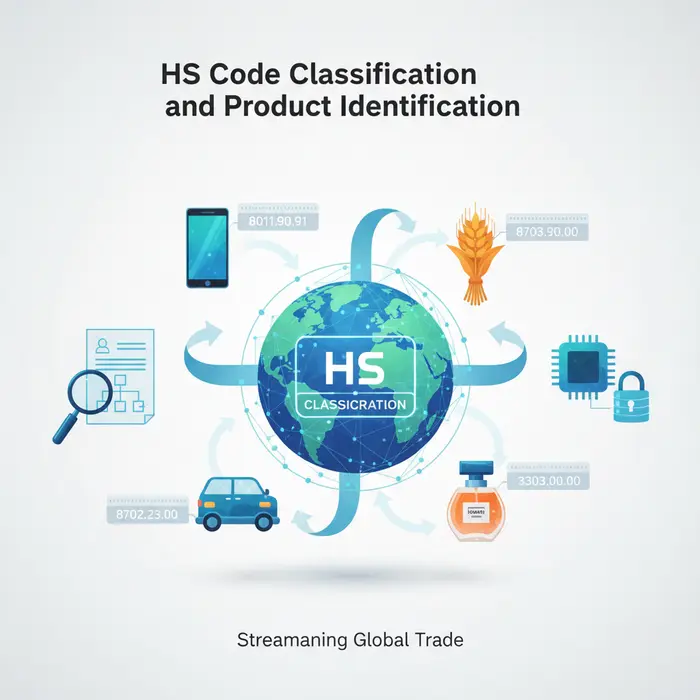
The intricate world of international trade demands precision, and at its core lies the critical process of HS Code Classification and Product Identification. For businesses engaged in global commerce, understanding and accurately applying Harmonized System (HS) codes isn’t merely a bureaucratic step; it’s a fundamental pillar influencing everything from Global Export License Requirements to the final cost of goods and the ease of customs clearance. This section delves into the profound importance of these codes, guiding you through the classification process and highlighting their direct impact on export controls, tariffs, and overall Customs Compliance Services. Missteps in this area can lead to significant delays, hefty fines, and jeopardized trade relationships, making expert knowledge indispensable for navigating the complexities of Export Control Regulations and securing necessary International Trade Permits.
The Importance of Accurate HS Code Classification
The Harmonized System (HS) is a globally standardized nomenclature for classifying traded products. Developed and maintained by the World Customs Organization (WCO), it provides a six-digit code system, which countries then expand upon to ten or more digits for their national tariff and statistical purposes. Accurate HS code classification is paramount for several reasons. Firstly, it directly determines the tariff rate (customs duties) applied to your goods. A slight misclassification can lead to paying excessive duties or, conversely, underpaying, which can result in penalties and retroactive duty collection. Secondly, HS codes are instrumental in identifying products subject to specific Export Control Regulations and import restrictions, including quotas, anti-dumping duties, and embargoes. Correct identification ensures you meet all Global Export License Requirements and avoid shipping prohibited items. Furthermore, HS codes are vital for collecting trade statistics, enforcing sanitary and phytosanitary measures, and establishing rules of origin under various Free Trade Agreements (FTAs). Without precise classification, businesses face the risk of customs audits, shipment delays, penalties, and even seizure of goods, undermining their Customs Compliance Services efforts and overall operational efficiency.
How to Determine Your Product’s HS Code
Determining the correct HS code for your product is a detailed process that requires a thorough understanding of both your goods and the HS nomenclature. The HS code structure progresses from general to specific: Chapters (2 digits), Headings (4 digits), and Subheadings (6 digits). National tariff schedules then extend this to 8 or 10 digits. To begin, thoroughly analyze your product’s key characteristics: what it is, its composition, function, and form. Is it raw material, a component, or a finished good? Next, consult your country’s Harmonized Tariff Schedule (e.g., the HTSUS in the United States or the EU’s TARIC database). This often involves navigating the General Rules of Interpretation (GRIs), which provide legally binding principles for classification. These rules help resolve ambiguities when a product could potentially fall into multiple categories. For complex items, seeking expert advice from customs brokers, trade consultants, or utilizing specialized classification software is highly recommended. Some customs authorities also offer binding tariff information (BTI) rulings, providing a legally certain classification for your products for a specified period. This proactive approach to HS Code Classification Export minimizes risks and provides clarity.

Impact on Export Controls and Tariffs
The chosen HS code has a direct and profound impact on both export controls and tariffs, making precise Product Identification an indispensable aspect of international trade strategy. Regarding export controls, specific HS codes are often linked to sensitive goods that require International Trade Permits or fall under strict Export Control Regulations. For example, dual-use items (goods with both commercial and military applications) are typically identified through their HS classification, necessitating special licenses before export. Failing to correctly classify such items can lead to severe penalties, including imprisonment and hefty fines, and can disrupt a company’s ability to trade internationally. This directly ties into Global Export License Requirements, where the HS code serves as a gatekeeper, determining which goods need scrutiny.
On the tariff front, the HS code is the primary determinant of the customs duty rate applied upon import. Even a single digit difference in the HS code can mean the difference between zero duty and a significant tariff, impacting your product’s competitiveness and profitability. Furthermore, eligibility for preferential tariff treatment under Free Trade Agreements (FTAs) is often contingent on the product’s HS code, which helps verify its origin and adherence to specific rules of origin criteria. Companies that master HS Code Classification Export can strategically optimize their supply chains, take advantage of trade agreements, and ensure seamless Customs Compliance Services. Conversely, inaccurate classification can lead to unexpected costs, shipment delays, and legal challenges, underscoring the vital role of meticulous HS code management in achieving successful global trade operations.
Navigating International Trade Permit Applications
Engaging in international trade offers immense opportunities for growth, yet it also presents a complex landscape of regulations and compliance requirements. One of the most critical aspects for any business involved in cross-border transactions is understanding and securing the necessary international trade permits, particularly export licenses. Navigating these requirements can be daunting, but a structured approach ensures compliance, mitigates risks, and facilitates smooth global operations. This guide provides a step-by-step overview of the export license application process, highlights essential documentation, outlines typical timelines, and sheds light on common pitfalls to avoid, helping businesses confidently meet Global Export License Requirements.
1. Gathering Required Documentation
The foundation of a successful export license application lies in meticulous documentation. Before initiating any formal submission, ensure all pertinent paperwork is accurately prepared and readily available. Key documents typically include:
- Commercial Invoice: Detailing the goods, their value, and the terms of sale.
- Packing List: Itemizing the contents of each package, along with their weights and dimensions.
- Export Declaration: A governmental form (e.g., Electronic Export Information in the U.S.) that provides information about the export transaction.
- End-User Certificate (EUC): Often required for sensitive goods, confirming the ultimate recipient and intended use of the products, ensuring they won’t be diverted for prohibited purposes.
- Product Specifications and Technical Data: Detailed descriptions, brochures, schematics, and material composition are crucial for proper classification.
- HS Code Classification: Accurate HS Code Classification Export is paramount. Assigning the correct Harmonized System (HS) code determines duties, taxes, and licensing requirements. Misclassification is a common error that can lead to significant delays and penalties.
- Shipper’s Letter of Instruction (SLI): Provides instructions to the freight forwarder regarding the handling of the shipment.
- Proof of Business Registration and Good Standing: For both exporter and often the importer.
Ensuring the authenticity and completeness of these documents is not just about compliance; it streamlines the entire process and builds trust with regulatory bodies.
2. The Application Process Step-by-Step
While specific procedures vary by country and the nature of the goods, the general export license application process follows a predictable sequence:
- Research and Identify Regulations: Begin by determining if your goods require an export license based on their type, destination, and end-user. This involves understanding your national Export Control Regulations and those of the destination country.
- Classify Your Goods: Accurately determine the HS Code and, if applicable, the Export Control Classification Number (ECCN) or equivalent national control list designation for your product. This step is critical in identifying the specific licensing authority and requirements.
- Identify the Licensing Authority: Different types of goods (e.g., dual-use, military, agricultural) may fall under the purview of different government agencies. For instance, in the U.S., the Department of Commerce handles most commercial and dual-use items, while the Department of State handles defense articles.
- Complete the Application Form: Fill out the official application form provided by the relevant authority. This often requires detailed information about the exporter, importer, end-user, goods, value, and intended use.
- Submit Supporting Documentation: Attach all the gathered documents, ensuring they are consistent with the information provided in the application.
- Review and Follow-Up: Government agencies typically conduct thorough reviews. Be prepared to respond to requests for additional information promptly. Typical timelines can range from a few weeks to several months, depending on the complexity of the goods, destination, and the efficiency of the licensing body.
- Receive Decision: Once approved, an export license will be issued, detailing the validity period and any specific conditions. If denied, a clear reason should be provided, allowing for potential appeals or adjustments.
3. Common Challenges and Best Practices
Even with careful preparation, challenges can arise during the application process for International Trade Permits. Awareness of these can help mitigate potential issues:
- Misclassification of Goods: Incorrect HS codes or ECCNs are a leading cause of delays, denials, and penalties. Invest in professional classification services or conduct thorough internal research.
- Incomplete or Inconsistent Documentation: Missing documents or discrepancies between various forms will inevitably lead to requests for more information, delaying approval.
- Lack of Due Diligence on End-Users: Failing to properly vet the end-user for sanctions, embargoes, or dubious activities can result in severe legal consequences. Implement robust screening processes.
- Evolving Regulations: International trade regulations are dynamic. What was compliant last year might not be today. Stay updated on changes in export controls, sanctions lists, and trade agreements.
Best Practices for Success:
- Early Planning: Begin the licensing process well in advance of your shipment date.
- Consult Experts: Consider engaging Customs Compliance Services or legal professionals specializing in international trade law, especially for complex transactions or sensitive goods.
- Internal Compliance Program: Develop and implement a robust internal compliance program that includes training, regular audits, and clear policies for all employees involved in export activities.
- Maintain Records: Keep detailed records of all applications, communications, and approvals for a minimum of five years, as required by most regulatory bodies.
- Communicate Proactively: If delays are expected or if there are changes to your application, communicate proactively with the licensing authority.
By understanding the intricacies of the permit application process and adhering to best practices, businesses can navigate the complexities of international trade with greater confidence and efficiency, ensuring continuous compliance and successful global market participation.
Ensuring Ongoing Customs Compliance Services
Ensuring ongoing customs compliance is not a one-time task; it’s a continuous commitment essential for businesses engaged in international trade. While obtaining necessary licenses and permits is a critical first step, maintaining compliance post-license issuance is equally, if not more, vital for avoiding penalties, reputational damage, and operational disruptions. This section discusses the importance of proactive compliance management, covering robust record-keeping practices, the role of internal audits, and strategic approaches for staying updated with the ever-evolving global export laws and regulations. Businesses must prioritize these aspects to ensure smooth, legal, and efficient cross-border operations, safeguarding their supply chains and maintaining their standing as responsible global traders.

1.
Post-Licensing Responsibilities and Record-Keeping
Once an exporter successfully navigates the complex landscape of Global Export License Requirements and secures the necessary permits, the journey of compliance has only just begun. A fundamental post-licensing responsibility is meticulous record-keeping. Companies must maintain comprehensive and accurate documentation for all export transactions, often for several years, as mandated by various Export Control Regulations. This includes, but is not limited to, commercial invoices, packing lists, bills of lading, export declarations, purchase orders, end-use statements, and crucially, all communication related to the HS Code Classification Export process and licensing decisions.
These records serve multiple purposes: they provide evidence of compliance during audits, facilitate internal reviews, and can be instrumental in resolving disputes or inquiries from customs authorities. Proper record management ensures transparency and accountability, proving that due diligence was exercised in adhering to all International Trade Permits and regulations. Implementing a robust digital record-keeping system, coupled with regular backups, is a best practice that helps in quick retrieval and protects against data loss, forming a cornerstone of effective Customs Compliance Services. Neglecting this aspect can lead to significant fines, license revocations, or even criminal charges, making it a critical area of focus for any exporting entity navigating complex Global Export License Requirements.
2.
Internal Audits and Enforcement Actions
Proactive compliance management extends to conducting regular internal audits. These self-assessments are invaluable tools for identifying potential weaknesses or non-compliance issues before they escalate into significant problems or attract enforcement actions from regulatory bodies. Internal audits should systematically review export transactions, verify the accuracy of HS Code Classification Export, ensure adherence to license conditions, and assess the effectiveness of internal control procedures related to Export Control Regulations. This includes checking if all required International Trade Permits were obtained and properly utilized.
An effective internal audit program involves trained personnel who understand Global Export License Requirements and regulatory expectations. Findings from these audits should lead to corrective actions, such as retraining staff, updating procedures, or making voluntary disclosures to authorities when non-compliance is discovered. Ignoring audit findings or failing to implement corrective measures can lead to more severe penalties if external regulatory bodies uncover the same issues. Enforcement actions by customs and export control agencies can range from monetary fines and enhanced scrutiny to the suspension or revocation of export privileges, underscoring the necessity of robust Customs Compliance Services and a diligent approach to compliance, especially concerning Global Export License Requirements.
3.
Staying Updated with Evolving Export Laws
The landscape of global trade is constantly shifting, influenced by geopolitical developments, technological advancements, and new economic policies. Consequently, Export Control Regulations and International Trade Permits are subject to frequent changes, updates, and amendments. For businesses engaged in international trade, staying abreast of these evolving Global Export License Requirements is not merely advisable but absolutely essential for ongoing compliance.
Strategies for remaining updated include subscribing to official government notifications (e.g., from the Bureau of Industry and Security (BIS) for US regulations, or relevant trade bodies for other jurisdictions), monitoring industry news, and participating in trade associations or seminars focused on Customs Compliance Services. Engaging with legal experts specializing in international trade law and leveraging advanced compliance software can also provide critical insights and tools. Furthermore, regular training programs for staff involved in export operations are crucial to ensure that everyone understands the latest requirements regarding HS Code Classification Export and Global Export License Requirements. Proactive monitoring and adaptation to changes in trade policy, sanctions lists, and dual-use item regulations can prevent inadvertent breaches and safeguard a company’s international trading capabilities. One excellent resource for understanding international trade rules is the World Trade Organization (WTO), which provides comprehensive information on global trade agreements and regulations. Continuous vigilance and a commitment to learning are paramount in navigating the complexities of modern Global Export License Requirements and ensuring uninterrupted export operations.
Partner with Vietnam’s Leading Suppliers
Looking for reliable suppliers in Vietnam? Contact VietnamSuppliers.com today to connect with verified manufacturers and exporters across all industries.
—————————————
References
– Bureau of Industry and Security (BIS): https://www.bis.doc.gov/
– Export Administration Regulations (EAR): https://www.bis.doc.gov/index.php/regulations/export-administration-regulations-ear
– World Customs Organization (WCO): https://www.wcoomd.org/en/topics/nomenclature/overview.aspx
– Export Control Regulations: https://www.bis.doc.gov/
– :

