
Introduction to EU CSDDD Compliance 2025
The landscape of global business is undergoing a significant transformation, driven by increasing demands for ethical practices and environmental stewardship. At the forefront of this change is the EU Corporate Sustainability Due Diligence Directive (CSDDD), a landmark piece of legislation poised to redefine corporate responsibility across value chains. As 2025 draws nearer, understanding and preparing for EU CSDDD compliance is no longer optional but a strategic imperative for businesses operating within or supplying to the European Union. This directive, a cornerstone of the EU Green Deal import regulations, aims to foster sustainable and responsible corporate behavior, ensuring that companies address human rights and environmental impacts throughout their operations and supply chains. Its implementation timeline leading up to 2025 marks a critical period for businesses to assess, adapt, and integrate new due diligence processes, significantly impacting global trade, including sustainable sourcing practices from regions like Vietnam.
1. Understanding the Directive’s Core Objectives
At its heart, the EU CSDDD seeks to hold companies accountable for adverse human rights and environmental impacts stemming from their own operations, those of their subsidiaries, and their value chain partners. This goes beyond traditional corporate social responsibility, mandating concrete actions. The core objectives are clear: to prevent, mitigate, and bring an end to negative impacts such as forced labor, child labor, inadequate working conditions, and environmental pollution. By setting robust ESG reporting standards EU imports, the CSDDD pushes for greater transparency and accountability. It compels companies to embed due diligence into their policies, conduct regular risk assessments, implement preventive action plans, establish grievance mechanisms, and publicly communicate their efforts. This proactive approach is designed to shift companies from merely responding to issues to actively identifying and addressing potential harms before they materialize, aligning perfectly with the broader goals of the EU Green Deal.
2. Who is Affected: Scope and Thresholds
The reach of the CSDDD is extensive, encompassing a wide array of companies, both within and outside the EU, based on specific thresholds related to employee numbers and net turnover. Broadly, the directive targets two main groups of companies: EU-based companies and non-EU companies generating significant turnover within the EU. The initial phase will primarily focus on larger entities, specifically:
- Group 1: EU companies with more than 1,000 employees and a net worldwide turnover exceeding €450 million.
- Group 2: Non-EU companies generating a net turnover of more than €450 million in the EU.
Subsequent phases will include smaller companies in high-risk sectors. This expansive scope means that countless businesses worldwide, from manufacturers in Asia engaging in sustainable sourcing Vietnam export to raw material suppliers in Africa, will be indirectly or directly affected. Companies falling under the directive will be required to scrutinize their entire chain of activities – from sourcing raw materials to production and distribution – ensuring adherence to the new EU supply chain due diligence requirements. This necessitates a thorough mapping of supply chains and a robust system for identifying and managing potential risks, making EU CSDDD compliance a complex but necessary undertaking for global enterprises.
3. The Critical Implementation Timeline to 2025
While the directive’s final adoption has occurred, the implementation will be phased, with the largest companies expected to comply first. For the initial group of very large companies (Group 1 as defined above), compliance is anticipated to begin in 2027. Subsequently, other large companies, meeting slightly lower thresholds, will follow suit in 2028 or 2029. However, the period leading up to 2025 is crucial for all potentially affected businesses. It is not merely a waiting game but a critical preparation window. Companies need to commence detailed impact assessments, revamp their procurement policies, engage with suppliers to ensure compliance, and invest in robust data collection and reporting systems. This proactive approach is essential for mitigating risks, ensuring business continuity, and avoiding potential penalties, which could include fines and civil liability. The journey to full EU CSDDD compliance is complex and requires significant strategic planning, resource allocation, and a fundamental shift in corporate culture to embed sustainability and human rights deeply into every aspect of business operations, well in advance of the mandatory deadlines.
Deciphering EU Supply Chain Due Diligence Requirements
The European Union is setting new benchmarks for corporate responsibility, compelling businesses to actively address human rights and environmental impacts throughout their global value chains. Navigating these new EU supply chain due diligence requirements is crucial for companies engaged in international trade, particularly those aiming for EU CSDDD compliance. This deep dive focuses on the specific obligations companies face, from ESG reporting standards for EU imports to practical steps for achieving sustainable sourcing and adhering to EU Green Deal import regulations across their value chains. For example, businesses engaging in sustainable sourcing for Vietnam exports need to understand these mandates to ensure market access and maintain ethical operations.
1. Identifying and Assessing Adverse Impacts
The foundational step in achieving robust EU CSDDD compliance is the systematic identification and assessment of actual and potential adverse human rights and environmental impacts. This isn’t merely a tick-box exercise; it requires a proactive, ongoing process that spans a company’s own operations, its subsidiaries, and its direct and indirect supply chain. Companies must establish robust mechanisms to scrutinize their entire value chain, from raw material extraction to product disposal, often involving complex networks. This involves meticulously mapping supply chains, understanding the geographical, political, and operational contexts of their suppliers, and identifying high-risk areas, sectors, or commodities.
Key considerations encompass a broad spectrum of issues, including forced labor, child labor, inadequate health and safety conditions, discrimination, land grabbing, biodiversity loss, water pollution, air emissions, and excessive greenhouse gas output. For businesses involved in sustainable sourcing for Vietnam exports, this means going beyond first-tier suppliers to assess sub-suppliers and their practices, especially in sectors known for higher risks such as textiles, electronics, agriculture, or mineral extraction. Due diligence must consider both the likelihood and the potential severity of these impacts on people and the planet. Companies are not expected to bear an impossible burden but rather to act proportionally to their influence and the severity of the risk. Crucially, they are expected to engage meaningfully with stakeholders, including affected groups and their representatives, trade unions, and civil society organizations, to gather insights and validate their assessments. This process forms the bedrock for effective ESG reporting standards for EU imports, ensuring transparency and accountability for the EU market under the broader umbrella of EU Green Deal import regulations.
2. Preventing, Mitigating, and Ending Impacts: Action Plans
Once adverse impacts are identified through the assessment phase, companies are legally obliged to take appropriate measures to prevent, mitigate, and, where they occur, bring them to an end. This necessitates developing and implementing effective action plans tailored to the specific nature and severity of the risks identified. These plans should not be static; they require regular review, adaptation, and continuous improvement based on monitoring outcomes. For instance, if an assessment reveals persistent labor rights violations or excessive environmental degradation in a particular tier of an EU supply chain due diligence requirements for a manufacturing facility, the action plan might involve introducing stringent contractual clauses, providing capacity building and training for suppliers, implementing technological solutions to reduce pollution, or even, as a measure of last resort, carefully planned disengagement.
Practical steps include integrating due diligence policies into all relevant company policies and management systems, allocating adequate financial and human resources, and making necessary investments in sustainable practices. Companies should develop robust codes of conduct for their suppliers and ensure adherence through regular audits, site visits, and remote monitoring. Where direct influence is limited, particularly with indirect suppliers further down the chain, companies are still expected to use their leverage to encourage mitigation efforts and support improvements. Collaborating with industry peers, participating in multi-stakeholder initiatives, and engaging with local experts can significantly amplify the impact of these efforts. Furthermore, a critical component is the establishment of effective operational-level grievance mechanisms to allow affected stakeholders to raise concerns, seek remediation, and provide feedback without fear of retaliation. These mechanisms are crucial for effective EU CSDDD compliance, demonstrating a commitment not just to identifying problems but also to actively resolving them, aligning with the stringent ESG reporting standards for EU imports and the overarching goals of the EU Green Deal import regulations. Continuous communication and transparency with stakeholders about these efforts are also essential.
ESG Reporting Standards for EU Imports
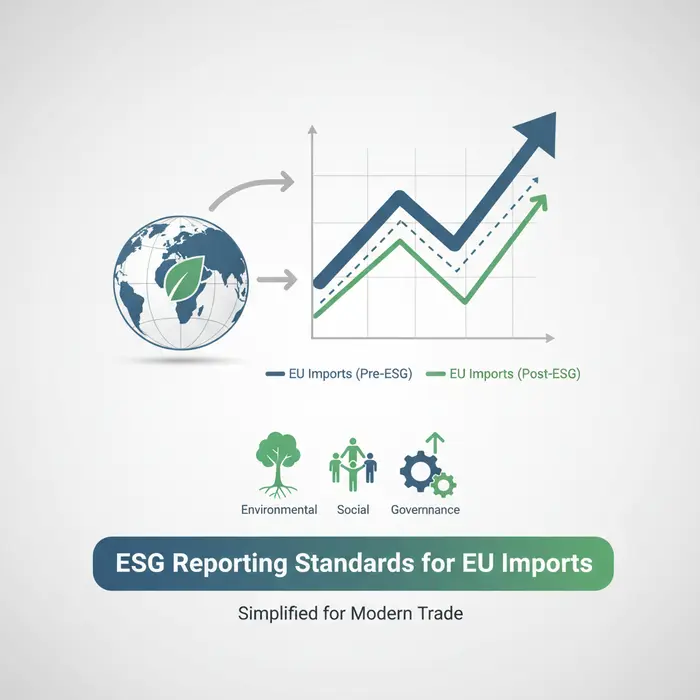
The European Union’s Corporate Sustainability Due Diligence Directive (CSDDD) marks a pivotal shift in how companies importing goods into the EU must approach their supply chains. This directive, designed to foster responsible business conduct, directly integrates with existing and emerging ESG reporting frameworks. For global suppliers, particularly those engaged in sustainable sourcing for Vietnam export or other regions, understanding these interlocking regulations is crucial for ensuring smooth EU imports and maintaining market access. The CSDDD emphasizes an unprecedented level of transparency, demanding businesses not only identify but also prevent, mitigate, and account for adverse human rights and environmental impacts throughout their value chains. This necessitates a robust approach to ESG reporting standards for EU imports, moving beyond mere compliance to genuine sustainability integration.
1. Alignment with CSRD and other ESG Directives
The CSDDD does not operate in a vacuum; it complements and reinforces other key pieces of the EU Green Deal import regulations. Most notably, it aligns closely with the Corporate Sustainability Reporting Directive (CSRD). While the CSDDD sets out the due diligence obligations, the CSRD dictates the reporting requirements for how companies communicate their sustainability performance, including the outcomes of their due diligence processes. Companies falling under both directives will find their efforts to meet EU CSDDD compliance directly feed into their CSRD reporting. This synergy is designed to create a comprehensive framework where due diligence informs disclosure, and disclosure drives accountability. Furthermore, the CSDDD interacts with sector-specific regulations and other EU initiatives, such as the EU Taxonomy and the Sustainable Finance Disclosure Regulation (SFDR), all contributing to a more transparent and sustainable economic landscape. For businesses grappling with these integrated frameworks, understanding their interconnections is paramount. Adhering to these frameworks ensures that companies not only meet their legal obligations but also enhance their reputation and attract sustainability-focused investors. For comprehensive information on the CSRD, you can refer to the European Commission’s official page on Corporate Sustainability Reporting.
2. Best Practices for Transparent Reporting
Achieving EU CSDDD compliance and effectively meeting ESG reporting standards for EU imports requires more than just ticking boxes; it demands a commitment to genuine transparency. Best practices include establishing clear governance structures, defining roles and responsibilities for due diligence, and implementing robust data collection systems. Companies should leverage recognized international frameworks like the GRI Standards or the TCFD recommendations to structure their disclosures, even if not directly mandated, as these can provide a solid foundation for robust reporting. Materiality assessments are crucial to identify the most significant human rights and environmental impacts within their value chains, allowing for focused and effective reporting. Furthermore, engaging directly with suppliers, especially those involved in sustainable sourcing for Vietnam export and other critical regions, is vital. This includes conducting risk assessments, capacity building, and potentially incorporating sustainability clauses into contracts. Digital tools and platforms can significantly aid in managing complex supply chain data and ensuring auditability. Transparency also extends to the communication of both positive impacts and identified challenges, demonstrating a commitment to continuous improvement rather than portraying a flawless image.
3. Navigating Data Collection and Verification
One of the most significant challenges and opportunities arising from the CSDDD is the imperative for rigorous data collection and verification across intricate global supply chains. For companies importing into the EU, this means extending their oversight far beyond direct suppliers to encompass upstream activities, particularly in regions known for specific environmental or social risks. Effective data collection for EU supply chain due diligence requirements involves implementing systems capable of gathering information on everything from labor practices and working conditions to environmental footprints (e.g., emissions, water usage, deforestation risk). This often requires a collaborative approach with suppliers, providing them with clear guidelines and support for data provision. However, self-reported data must be meticulously verified. This can involve third-party audits, on-site assessments, grievance mechanisms, and leveraging satellite imagery or other technological solutions for environmental monitoring. The accuracy and completeness of this data are paramount, as it forms the basis for risk assessments, mitigation strategies, and ultimately, credible ESG reporting standards for EU imports. Investing in robust data management systems and verification processes is not just a compliance cost but an investment in supply chain resilience and enhanced brand reputation, crucial for companies aiming for sustainable sourcing for Vietnam export and other global operations.
The EU’s CSDDD is a transformative piece of legislation that underscores the growing importance of ESG considerations in global trade. By integrating with and complementing existing reporting frameworks, it creates a powerful impetus for companies to enhance transparency and accountability throughout their supply chains. For businesses engaged in EU imports, proactive engagement with these new EU supply chain due diligence requirements and robust ESG reporting standards is no longer optional but a strategic imperative, paving the way for more responsible and sustainable international commerce.
Sustainable Sourcing Strategies for Vietnam Exports to the EU
The European Union’s ambitious Corporate Sustainability Due Diligence Directive (CSDDD) marks a transformative era for global trade, particularly for exporters from Vietnam targeting the lucrative EU market. As an integral part of the broader EU Green Deal import regulations, the CSDDD introduces stringent requirements for businesses to identify, prevent, mitigate, and account for adverse human rights and environmental impacts in their value chains. For Vietnamese exporters, understanding and proactively adapting to these EU supply chain due diligence requirements is not just about avoiding penalties, but about securing future market access and enhancing competitive advantage through robust sustainable sourcing practices. This section provides practical strategies to achieve EU CSDDD compliance and strengthen overall sustainability efforts, ensuring Vietnam’s exports remain aligned with European values and consumer demands.
Mapping Supply Chains in High-Risk Sectors
The foundational step for any Vietnamese exporter seeking to meet EU CSDDD compliance is to undertake a comprehensive and meticulous mapping of their entire supply chain. This process is particularly critical for businesses operating in sectors identified as high-risk, such as textiles, footwear, electronics, agricultural products, and seafood. These industries are often characterized by complex, multi-layered supplier networks, making them susceptible to risks related to forced labor, child labor, unsafe working conditions, deforestation, water pollution, and excessive greenhouse gas emissions.
Effective supply chain mapping goes beyond direct (Tier 1) suppliers. It necessitates tracing raw materials to their origin, identifying all intermediaries, and understanding the environmental and social context of each production stage. This deep dive enables exporters to pinpoint specific “hotspots” where human rights abuses or environmental damage are most likely to occur. Such detailed mapping forms the bedrock for targeted due diligence efforts, providing the necessary data for transparent ESG reporting standards for EU imports and demonstrating a proactive approach to sustainable sourcing. Without a clear picture of the supply chain’s intricacies, effective risk assessment and mitigation are virtually impossible, leaving businesses vulnerable to non-compliance and reputational damage under the new EU Green Deal import regulations.
Partnering for Compliance: Audits and Capacity Building
Achieving and maintaining EU CSDDD compliance is rarely a solitary endeavor; it requires collaborative partnerships throughout the supply chain. Vietnamese exporters must transition from a transactional relationship with their suppliers to one built on shared responsibility and continuous improvement in sustainable sourcing. This involves implementing robust third-party audit programs that go beyond mere compliance checklists. Audits should be comprehensive, unannounced where appropriate, and conducted by reputable, independent bodies capable of assessing adherence to international labor standards, environmental regulations, and ethical business practices.
However, audits alone are insufficient. A crucial component of this strategy is capacity building, where exporters invest in their upstream suppliers. This means providing targeted training, technical assistance, and resources to help them understand and meet the EU supply chain due diligence requirements. Programs could cover areas such as improving occupational health and safety, implementing waste reduction strategies, enhancing water management, promoting fair wages, and establishing effective grievance mechanisms. By empowering suppliers with the knowledge and tools to improve their own sustainability practices, Vietnamese exporters not only mitigate risks but also foster a more resilient and ethical supply chain, collectively raising the bar for sustainable sourcing for Vietnam export. Such partnerships are vital for navigating the complex landscape of ESG reporting standards for EU imports.
Leveraging Technology for Transparency and Traceability
In the digital age, technology offers powerful solutions for enhancing supply chain transparency and traceability, which are increasingly indispensable for meeting EU CSDDD requirements. Vietnamese exporters should explore and implement digital platforms, blockchain technology, and IoT (Internet of Things) sensors to gather and manage data across their value chains. These technologies can provide real-time, immutable records of product origin, processing steps, environmental impact metrics (e.g., carbon footprint, water usage), and labor conditions at various production sites.
For instance, blockchain can create a secure, verifiable ledger of transactions and certifications, making it difficult to tamper with information regarding a product’s journey from farm or factory to the EU market. IoT sensors can monitor environmental parameters or working conditions in real-time, alerting companies to potential breaches. This level of granular traceability not only aids in demonstrating diligent EU CSDDD compliance but also provides concrete data required for rigorous ESG reporting standards for EU imports. By embracing these technological advancements, Vietnamese businesses can streamline data collection, reduce the administrative burden of compliance, and build greater trust with consumers and regulatory bodies. Proactive adoption of technology for transparency is a strategic imperative for any Vietnamese exporter aiming to maintain a competitive edge and ensure long-term market access under the evolving EU CSDDD framework and the broader EU Green Deal import regulations.
In conclusion, the EU CSDDD represents a significant paradigm shift, demanding greater accountability and transparency throughout global supply chains. For Vietnamese exporters, proactively embracing these sustainable sourcing strategies – from meticulous supply chain mapping and collaborative capacity building to leveraging cutting-edge technology for traceability – is not merely a regulatory necessity. It is an opportunity to strengthen brand reputation, improve operational resilience, and secure a sustainable competitive advantage in the highly discerning European market. Those who adapt swiftly and comprehensively will be best positioned for continued success.
The Broader Impact: EU Green Deal Import Regulations & Future Outlook
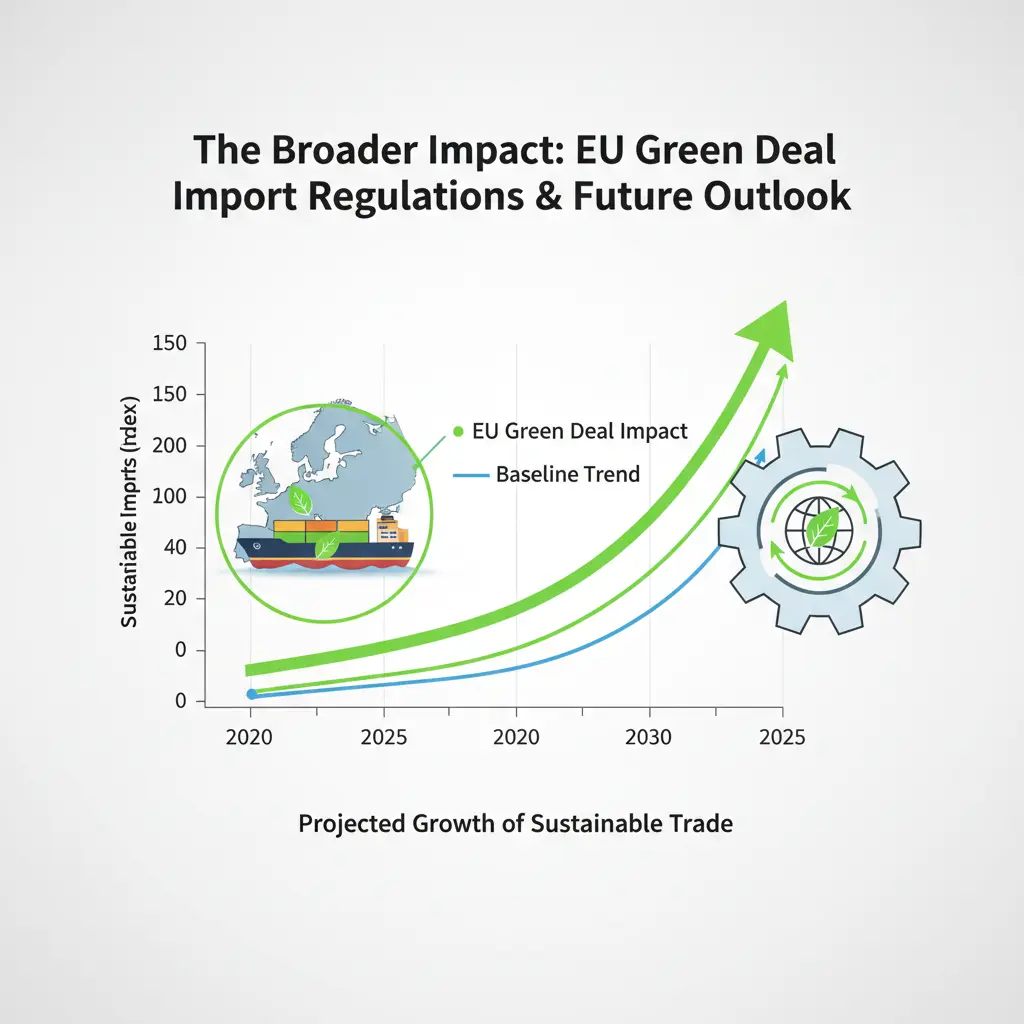
The EU Corporate Sustainability Due Diligence Directive (CSDDD) is not an isolated piece of legislation but a pivotal cornerstone of the ambitious EU Green Deal. This directive significantly expands the scope of sustainability regulations beyond EU borders, compelling companies globally to re-evaluate their entire supply chain practices. Officially adopted to foster sustainable and responsible corporate behavior, the CSDDD aims to hold companies accountable for human rights and environmental impacts both within their own operations and throughout their value chains. Its long-term implications for global trade and future import regulations are profound, setting a new benchmark for corporate responsibility and sustainable business operations. For non-EU exporters, particularly those in vibrant manufacturing hubs like Vietnam, understanding and achieving EU CSDDD compliance is paramount for continued market access and competitiveness. For comprehensive details on the directive, consult the European Commission’s official page on Sustainable corporate governance.
1. Interplay with Carbon Border Adjustment Mechanism (CBAM)
The EU’s commitment to climate neutrality and ethical trade is multi-faceted, with the CSDDD operating in close concert with other landmark policies like the Carbon Border Adjustment Mechanism (CBAM). While CBAM primarily targets the carbon intensity of imports in specific, energy-intensive sectors (e.g., cement, iron and steel), aiming to prevent ‘carbon leakage’ and level the playing field, the CSDDD delves deeper into social and environmental due diligence across the entire value chain. The synergy is crucial: CBAM addresses the ‘what’ (carbon footprint and emissions reporting), while CSDDD dictates the ‘how’ (responsible sourcing, ethical labor, and environmental protection). For companies engaged in Sustainable sourcing Vietnam export, navigating these intertwined regulations means not only meticulously accounting for their product’s carbon footprint but also demonstrating robust human rights and environmental protections throughout their EU supply chain due diligence requirements. This integrated approach signifies a comprehensive and irreversible shift in EU Green Deal import regulations, demanding a holistic and verifiable view of sustainability from global suppliers.
2. Anticipating Future Regulatory Expansions
The CSDDD represents a significant leap forward in global corporate accountability, but it is by no means the final step in the EU’s extensive regulatory journey towards a truly sustainable economy. We can confidently anticipate future expansions and refinements building upon this foundational directive. The initial scope of covered companies might broaden to include a wider array of smaller enterprises and more sectors, extending the reach of due diligence obligations. Furthermore, the requirements themselves could become more prescriptive, encompassing an even wider array of environmental criteria (e.g., biodiversity loss, water scarcity) and human rights issues (e.g., living wages). As ESG reporting standards EU imports evolve, the data requirements for demonstrating compliance are likely to intensify, moving towards more granular, real-time monitoring and verifiable impact assessments. This proactive and evolving regulatory stance signals a clear trajectory for global trade, where sustainability performance will increasingly dictate market access and competitive standing. Businesses that embrace EU CSDDD compliance early, integrating robust due diligence into their core operational strategies, will be far better positioned to adapt to these evolving demands and seize competitive advantages.
3. Strategic Implications for Non-EU Exporters
For non-EU exporters, the CSDDD profoundly transforms the landscape from a purely transactional relationship into one built on shared responsibility, transparency, and verifiable sustainability practices. Countries like Vietnam, with their dynamic manufacturing sectors and heavy reliance on export markets, face a critical juncture. Meeting the stringent EU supply chain due diligence requirements will necessitate significant investment in upgrading operational transparency, implementing robust traceability systems from raw materials to finished products, and fostering ethical labor practices and environmental stewardship throughout their production chains. This isn’t merely about avoiding potential penalties; it’s fundamentally about securing future market access and enhancing brand reputation in an increasingly conscious consumer environment. Companies that proactively adapt, embracing rigorous EU CSDDD compliance as a strategic imperative, will differentiate themselves in a competitive global market, gaining a tangible advantage over competitors who lag. Conversely, those that view these regulations as mere hurdles or choose to delay compliance risk losing access to one of the world’s largest and most valuable consumer bases. Ultimately, the EU Green Deal, spearheaded by pivotal initiatives like the CSDDD, is reshaping global supply chains, rewarding those who align with a comprehensive vision of sustainable, responsible, and transparent international trade.
Partner with Vietnam’s Leading Suppliers
Looking for reliable suppliers in Vietnam? Contact VietnamSuppliers.com today to connect with verified manufacturers and exporters across all industries.
—————————————
References
– Parliament adopts new law on corporate due diligence: https://www.europarl.europa.eu/news/en/press-room/20240420IPR20580/parliament-adopts-new-law-on-corporate-due-diligence
– EU supply chain due diligence requirements: https://ec.europa.eu/info/business-economy-euro/doing-business-eu/corporate-sustainability-due-diligence_en
– European Commission’s official page on Corporate Sustainability Reporting: https://ec.europa.eu/info/business-economy-euro/company-reporting-and-auditing/company-reporting/corporate-sustainability-reporting_en
– Corporate Sustainability Due Diligence Directive: https://commission.europa.eu/business-economy-euro/doing-business-eu/corporate-sustainability-due-diligence-directive_en
– European Commission’s official page on Sustainable corporate governance: https://commission.europa.eu/business-economy-euro/doing-business-eu/corporate-sustainability-due-diligence_en

