
Understanding the Landscape of Ethical Sourcing
In an increasingly transparent global economy, the demand for Ethical Sourcing Strategies for Rural Suppliers has moved from a niche concern to a business imperative. Companies are facing unprecedented scrutiny regarding the origins of their products, compelling them to look beyond the immediate transaction and delve deep into their supply chains. This section introduces the critical importance and inherent challenges of implementing robust ethical sourcing strategies, particularly when engaging with suppliers in rural and developing regions. While fraught with complexities, embracing sustainable rural procurement not only mitigates risks but also unlocks significant opportunities for positive social and economic impact.

1. Defining Ethical Sourcing in a Global Context
Ethical sourcing, at its core, refers to the practice of procuring goods and services in a responsible and sustainable manner that respects human rights, protects the environment, and promotes fair labor practices throughout the entire supply chain. Globally, this encompasses a broad spectrum of considerations, including ensuring fair wages, safe working conditions, prohibiting child and forced labor, minimizing environmental footprint, and fostering community development. It’s a commitment to transparency and accountability, ensuring that every link in the chain adheres to internationally recognized standards of social and environmental responsibility. The push for ethical sourcing is fueled by consumer demand for responsibly made products, stringent regulatory frameworks, and a growing understanding of corporate social responsibility. Organizations like the International Labour Organization (ILO) provide crucial frameworks for decent work, guiding companies toward more humane and equitable supply chains.
2. Challenges and Opportunities with Rural Suppliers
Engaging with rural and developing region suppliers presents a unique set of challenges and equally compelling opportunities. Challenges often include limited infrastructure, such as poor roads and unreliable internet access, which complicate logistics and communication. Many rural producers, especially direct sourcing small farmers, may lack formal business structures, technical skills, access to finance, and an understanding of international compliance standards. Issues like informal labor, lack of clear land titles, and traceability gaps can make due diligence particularly arduous. However, these very challenges often mask significant opportunities. Developing country supplier diversification can lead to more resilient supply chains, reducing over-reliance on a few large suppliers. Rural communities often possess unique traditional skills, indigenous knowledge, and access to distinct raw materials that can differentiate products in the market. Furthermore, establishing ethical partnerships in these regions offers a powerful avenue for genuine local value creation supply chain. By investing in training, capacity building, and fair trade practices, companies can empower communities, improve livelihoods, and build strong, long-term relationships based on mutual respect and shared growth.
3. Why Prioritize Sustainable Rural Procurement?
Prioritizing sustainable rural procurement is not merely an act of corporate altruism; it’s a strategic business imperative that delivers multifaceted benefits. Firstly, it significantly mitigates reputational and operational risks. Scandals related to unethical labor practices or environmental damage can severely harm a brand’s image and bottom line. By investing in ethical sourcing, companies safeguard their brand equity and ensure supply chain stability. Secondly, it meets the escalating demand from conscious consumers who are willing to pay a premium for ethically produced goods. This consumer preference translates into market differentiation and increased sales. Thirdly, sustainable rural procurement contributes directly to achieving Environmental, Social, and Governance (ESG) goals, which are increasingly critical for investors and stakeholders. Beyond the business case, the social impact is profound. By providing fair market access and stable incomes, companies can alleviate poverty, empower marginalized communities, and foster economic development in areas that often lack opportunities. Environmentally, promoting sustainable agricultural practices and responsible resource management among rural suppliers helps protect biodiversity, conserve natural resources, and combat climate change, ensuring the long-term viability of both the supply chain and the planet.
Building Direct Relationships with Small Farmers
In an increasingly conscious global marketplace, businesses are recognizing the profound value of Ethical Sourcing Strategies for Rural Suppliers. Moving beyond traditional, multi-layered supply chains, building direct relationships with small farmers represents a paradigm shift towards greater sustainability, transparency, and local value creation. This approach not only enhances product quality and traceability but also empowers marginalized agricultural communities, particularly in developing countries, fostering a more resilient and equitable global supply chain.
1. Benefits of Direct Sourcing Small Farmers
Direct sourcing small farmers offers a multitude of benefits that extend far beyond simple cost savings. Firstly, it ensures superior quality control and traceability. By directly engaging with producers, buyers gain intimate knowledge of farming practices, input usage, and harvesting methods, leading to higher quality raw materials tailored to specific needs. This transparency is crucial for brands committed to sustainable rural procurement and meeting consumer demands for ethically produced goods. Secondly, it fosters significant social and economic impact. Direct trade empowers smallholders by providing them with better income opportunities, reducing their reliance on exploitative middlemen, and enabling them to invest in their farms and communities. This directly aligns with the goal of local value creation supply chain, fostering economic stability and growth in rural areas. Thirdly, it strengthens supply chain resilience. Diversifying suppliers, especially through developing country supplier diversification, minimizes risks associated with over-reliance on a few large producers, making the supply chain more robust and adaptable to market fluctuations, climate challenges, or geopolitical shifts. Moreover, cultivating these direct relationships builds trust and loyalty, paving the way for long-term collaborative partnerships.
2. Overcoming Logistical Barriers in Remote Areas
While the advantages are clear, establishing direct relationships with small farmers, especially those in remote or underdeveloped regions, presents unique logistical challenges. Poor infrastructure, limited access to reliable transportation, and unreliable communication networks can hinder efficient procurement and timely delivery. To overcome these hurdles, innovative and collaborative solutions are required. Investing in local aggregation points or farmer cooperatives can consolidate produce, making transportation more efficient and cost-effective. Companies can also partner with local NGOs or community groups who possess vital on-the-ground knowledge and can facilitate communication, training, and logistical coordination. Furthermore, leveraging appropriate technology, such as mobile payment systems, basic inventory management apps, or satellite-based communication, can bridge information gaps and streamline operations even in areas with limited connectivity. Developing long-term partnerships that include support for infrastructure development, even on a small scale (e.g., storage facilities, access roads), can yield significant returns by improving efficiency and reducing post-harvest losses, thereby strengthening direct sourcing small farmers initiatives.
3. Fair Pricing Models and Payment Transparency
Central to building enduring trust and truly effective ethical sourcing strategies is the implementation of fair pricing models and absolute payment transparency. Small farmers are often at the mercy of volatile market prices and opaque payment structures that disproportionately benefit intermediaries, leading to persistent poverty. A fair pricing model should account for the true cost of production, including labor, inputs, and a reasonable profit margin that allows farmers to thrive, not just survive. This often involves long-term purchasing agreements or forward contracts that provide income stability and predictability, enabling farmers to plan for the future and invest in sustainable practices. Furthermore, complete transparency in payment schedules and methods is essential. Utilizing secure, traceable digital payment platforms can eliminate ambiguities, reduce opportunities for corruption, and ensure farmers receive their dues promptly. Providing farmers with clear, easy-to-understand contracts in their local language and offering training on financial literacy can also empower them to understand and advocate for their rights, solidifying a truly reciprocal relationship. According to the International Trade Centre (ITC), fair prices are a cornerstone of sustainable development, allowing farmers to invest in sustainable practices and improve their livelihoods, fostering long-term supply chain viability.
In conclusion, building direct relationships with small farmers is not merely a philanthropic endeavor but a strategic business imperative for companies aiming for genuine sustainable rural procurement. By consciously minimizing intermediaries, transparently managing pricing, and proactively addressing logistical challenges, businesses can cultivate resilient, ethical supply chains that deliver superior products while driving significant positive social and environmental impact. This forward-thinking approach is fundamental to a responsible and equitable global economy.
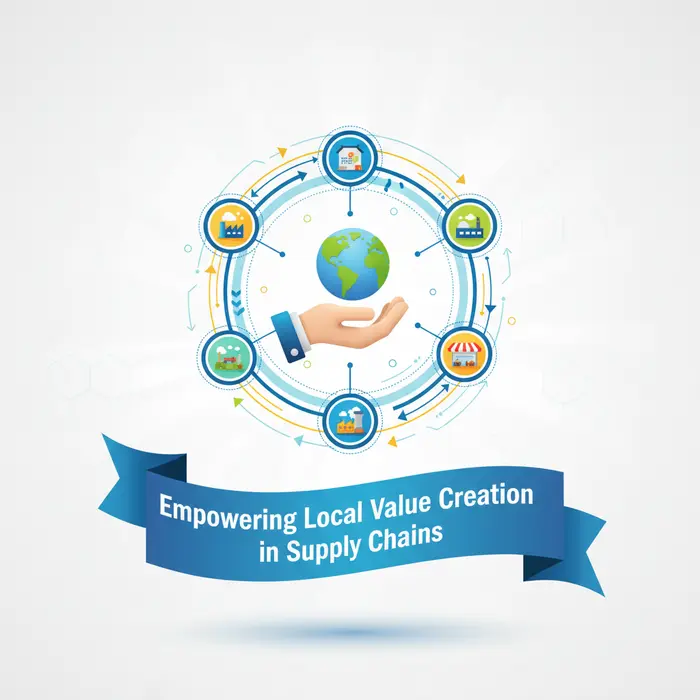
Empowering Local Value Creation in Supply Chains
Companies are increasingly recognizing their potential to be powerful agents of change, extending their positive impact beyond mere profitability. Through their procurement practices, especially when engaging with rural communities, businesses can actively contribute to economic development and social well-being. By adopting Ethical Sourcing Strategies for Rural Suppliers, supply chains transform from transactional relationships into partnerships that foster genuine local value creation, building resilience and driving sustainable growth. This approach moves beyond simply buying goods to investing in the ecosystems and people that produce them, ensuring a more equitable distribution of benefits and long-term viability for all stakeholders.
1. Investing in Local Infrastructure and Skills
For rural communities to thrive as reliable, high-quality suppliers, foundational investments are often critical. Companies engaging in sustainable rural procurement can play a pivotal role, actively contributing to local infrastructure development. This might involve collaborating to improve road networks for efficient transport, investing in clean water initiatives for community health, or supporting the establishment of local processing facilities to enable producers to add value to raw materials. Such investments increase local profit margins and create employment.
Beyond physical infrastructure, investing in human capital is equally crucial. Businesses can fund vocational training programs tailored to rural needs, teaching skills in sustainable agriculture, quality control, efficient manufacturing, or basic business management and financial literacy. These initiatives not only elevate the production capabilities of small farmers and local enterprises but also empower individuals with marketable skills, fostering economic independence. These strategic investments create a more robust and resilient supply base while enhancing the social fabric of the communities involved.
2. Facilitating Technology Transfer and Training
Modern supply chains demand efficiency, consistency, and adherence to quality standards. Many rural suppliers, particularly direct sourcing small farmers in developing countries, may lack access to the latest technologies or best practices. Companies can bridge this gap by facilitating technology transfer and comprehensive training. This ranges from introducing climate-smart agricultural techniques and precision farming tools to implementing traceability systems that build consumer trust. For manufacturing, it involves sharing expertise in lean production, waste reduction, or advanced quality assurance.
The impact is multi-faceted: improved product quality for the purchasing company and enhanced long-term capacity for rural suppliers, enabling them to compete in broader markets. Training programs should be practical, culturally sensitive, and delivered in local languages. By empowering these suppliers with knowledge and tools, companies promote a more diversified supplier base, especially pertinent for developing country supplier diversification. This reduces reliance on a few large players and fosters economic growth across a wider network, creating a mutually beneficial relationship grounded in shared progress.
3. Measuring Impact: Beyond Financial Metrics
True local value creation in supply chains extends beyond conventional financial metrics like cost savings or procurement volumes. To genuinely assess the effectiveness of ethical sourcing, companies must adopt a holistic approach to impact measurement, tracking social and environmental indicators alongside economic ones. Key social metrics could include improvements in household income for smallholder farmers, increased employment rates (especially for women), enhanced access to education and healthcare, and overall community well-being. Environmental metrics might involve reductions in water usage, improved soil health, or decreased carbon footprints within the supply chain.
By systematically collecting and analyzing this data, companies gain a comprehensive understanding of their contributions to the local value creation supply chain. This transparency helps refine strategies for greater impact and serves as a powerful communication tool for stakeholders, from investors to consumers, who increasingly demand evidence of corporate social responsibility. Regular reporting on these non-financial outcomes demonstrates a company’s commitment to sustainable development, fostering a virtuous cycle where positive social and environmental impacts drive business success and further investment in rural communities.
Diversifying Your Supply Chain with Developing Country Partners
In an increasingly interconnected yet volatile global economy, supply chain resilience is paramount. Companies are strategically looking beyond traditional sourcing hubs to integrate diverse suppliers, particularly from developing countries. This diversification not only mitigates risks associated with geographical concentration but also unlocks significant opportunities for innovation, cost efficiencies, and market expansion. Furthermore, it fosters a commitment to Ethical Sourcing Strategies for Rural Suppliers, promoting sustainable development and local value creation. By intentionally engaging partners in developing nations, businesses can build more robust, agile, and ethically sound supply chains that benefit all stakeholders.
1. Identifying and Vetting Developing Country Suppliers
The journey to diversifying your supply chain begins with a meticulous process of identifying and vetting potential partners in developing countries. This requires a nuanced approach that goes beyond standard due diligence, considering the unique socio-economic landscapes. Initial identification can leverage various channels, including trade promotion organizations, embassies, industry-specific associations, non-governmental organizations (NGOs) focused on economic development, and specialized online B2B platforms. Participation in international trade fairs and reverse trade missions can also provide invaluable direct interaction.
Vetting these suppliers demands a comprehensive framework. Beyond financial stability and production capacity, it is crucial to assess their commitment to ethical labor practices, environmental stewardship, and community engagement. For instance, when engaging in sustainable rural procurement or direct sourcing small farmers, understanding their operational context, agricultural practices, and social impact is critical. Site visits, independent third-party audits, and interviews with employees and local community members can provide deeper insights into their actual practices. Building transparent relationships from the outset, communicating expectations clearly, and assessing their willingness to adapt and improve are key to establishing a foundation of trust and long-term partnership.
2. Risk Mitigation in Diverse Supply Chains
Integrating suppliers from developing countries introduces distinct sets of risks that must be proactively identified and mitigated to ensure supply chain stability and success. These can range from logistical challenges (e.g., infrastructure limitations, customs complexities) and political or economic instability to quality control issues and cultural differences. Effective risk mitigation for developing country supplier diversification involves a multi-pronged strategy.
Firstly, robust contractual agreements, often including provisions for force majeure and dispute resolution mechanisms aligned with international standards, are essential. Secondly, investing in local representation or partnerships can significantly enhance oversight, communication, and problem-solving capabilities. Thirdly, leveraging technology for real-time tracking, inventory management, and communication can improve transparency and responsiveness. Furthermore, fostering a culture of continuous improvement through supplier training and capacity-building programs, particularly in areas like quality management, compliance, and sustainability practices, can empower partners to meet international standards. Diversifying across multiple suppliers within developing regions can also spread risk, preventing over-reliance on a single entity or geography.
3. Supporting Compliance and Certification Standards
Achieving and maintaining compliance with international standards and certifications is a cornerstone of ethical and sustainable sourcing, especially when engaging developing country partners. Many developing country suppliers, particularly smaller enterprises or rural producers, may lack the resources or expertise to navigate complex certification processes independently. Companies committed to local value creation supply chains can play a pivotal role in supporting their partners in meeting these critical benchmarks.
This support can manifest in various ways: providing financial assistance for certification audits, offering technical training on environmental management systems (e.g., ISO 14001) or social accountability standards (e.g., SA8000), and guiding them through industry-specific certifications (e.g., Fair Trade, Organic, Rainforest Alliance). Establishing mentorship programs where experienced staff help suppliers develop their internal processes and documentation can also be highly effective. Ultimately, by actively investing in their partners’ compliance capabilities, companies not only ensure their own supply chain integrity but also empower developing country suppliers to access broader markets, enhance their competitiveness, and contribute more significantly to their local economies. This collaborative approach transforms suppliers from mere providers into valued, long-term partners in a truly ethical and resilient global network.
Future-Proofing Ethical Sourcing Strategies
Future-proofing Ethical Sourcing Strategies for Rural Suppliers is no longer a choice but an imperative for businesses aiming for long-term sustainability and resilience. As global supply chains face increasing scrutiny, environmental pressures, and social demands, companies must proactively adapt their procurement practices. This involves looking beyond immediate cost efficiencies to embrace emerging trends, technological advancements, and best practices that ensure not only compliance but also genuine positive impact on rural communities and ecosystems. The goal is to build robust, transparent, and equitable supply chains that can withstand future challenges and contribute to sustainable development, especially in regions reliant on sustainable rural procurement.

Leveraging Blockchain for Supply Chain Transparency
One of the most transformative technologies for enhancing Ethical Sourcing Strategies for Rural Suppliers is blockchain. By creating an immutable, distributed ledger, blockchain technology offers unparalleled transparency and traceability from the point of origin to the consumer. For rural suppliers, often fragmented and lacking formal documentation, blockchain can provide a verifiable record of product provenance, cultivation practices, and labor conditions. This digital footprint can confirm fair wages, prevent child labor, and validate organic or sustainable certifications. Imagine a coffee farmer in a remote village digitally recording their harvest, proving fair payment received, and enabling consumers worldwide to trace their coffee’s journey with confidence. Such systems can significantly reduce fraud, streamline auditing, and build consumer trust. Furthermore, direct engagement through blockchain platforms can facilitate direct sourcing small farmers, cutting out intermediaries and ensuring a greater share of the value chain reaches the producers. This not only empowers rural communities but also provides brands with credible data to support their sustainability claims, reinforcing their commitment to ethical practices.
Collaborative Industry Initiatives and Standards
Achieving widespread ethical sourcing requires more than individual company efforts; it necessitates collective action through collaborative industry initiatives and the adoption of robust standards. Organizations, NGOs, and governments are increasingly coming together to create frameworks that foster responsible practices across entire sectors. Engaging in multi-stakeholder platforms helps define common ethical benchmarks, share best practices, and address systemic issues that individual companies might struggle with alone. For instance, global initiatives like the Ethical Trading Initiative (ETI) set standards for labor practices, providing a benchmark for companies to ensure workers’ rights are protected throughout their supply chains. Such collaborations can also drive developing country supplier diversification, helping companies identify and build capacity among new, ethical sources. By aligning with recognized certifications and industry-wide agreements, businesses can enhance their credibility, mitigate risks, and contribute to a level playing field where ethical conduct is the norm. Furthermore, these collaborations often focus on capacity building and training for rural suppliers, equipping them with the knowledge and tools to meet international standards and integrate more effectively into global value chains.
Adapting to Climate Change and Social Shifts
The long-term success of Ethical Sourcing Strategies for Rural Suppliers is inextricably linked to their ability to adapt to profound climate change impacts and evolving social landscapes. Rural communities, particularly those in developing regions, are often on the front lines of climate change, facing erratic weather patterns, drought, and resource scarcity that threaten agricultural yields and livelihoods. Future-proofing requires investing in climate-resilient agriculture, promoting sustainable land use, and supporting diversification of crops and income streams for smallholder farmers. This might involve adopting agroforestry practices, implementing water-efficient irrigation, or assisting farmers in accessing climate-resistant seeds. Simultaneously, societal expectations are shifting, with consumers demanding greater transparency, social equity, and demonstrable local value creation supply chain. Companies must respond by fostering equitable partnerships, ensuring fair pricing, and investing in community development initiatives that go beyond mere compliance. Empowering women farmers, supporting local cooperatives, and providing access to education and healthcare are crucial components of this holistic approach. By embedding resilience and social responsibility deeply into their sourcing models, businesses can not only safeguard their supply chains but also contribute meaningfully to the well-being and economic stability of the rural communities they rely upon. This proactive adaptation ensures long-term viability and truly sustainable rural procurement.
In conclusion, future-proofing Ethical Sourcing Strategies for Rural Suppliers is a multi-faceted endeavor that demands foresight, innovation, and genuine commitment. By embracing technologies like blockchain for transparency, engaging in collaborative industry initiatives for shared standards, and proactively adapting to environmental and social changes, businesses can construct resilient, equitable, and truly sustainable supply chains. These strategic investments not only mitigate risks and enhance reputation but also unlock new opportunities for growth, foster stronger relationships with rural producers, and contribute to a more sustainable global economy. The journey towards ethical sourcing is continuous, requiring constant evolution and a dedication to both people and the planet.
Partner with Vietnam’s Leading Suppliers
Looking for reliable suppliers in Vietnam? Contact VietnamSuppliers.com today to connect with verified manufacturers and exporters across all industries.
—————————————
References
– Decent work in supply chains – ILO: https://www.ilo.org/global/topics/supply-chains/lang–en/index.htm
– Fair prices boost farmers’ income and empower them to invest in sustainability: https://www.intracen.org/news/Fair-prices-boost-farmers-income-and-empower-them-to-invest-in-sustainability/
– BSR – Supplier Training Guide: https://www.bsr.org/reports/supplier-training-guide
– Sustainability Standards in Global Value Chains: A Guide for Businesses – International Trade Centre: https://www.intracen.org/news/Sustainability-Standards-in-Global-Value-Chains-A-Guide-for-Businesses/
– Ethical Trading Initiative (ETI): https://www.ethicaltrade.org/

