What are Customs Clearance Services?
In the intricate world of global commerce, the movement of goods across international borders is a daily occurrence, yet it’s far from a simple task. At the heart of this complex process lies Customs Clearance Services – a critical component that ensures the legal and efficient passage of shipments between countries. For businesses engaged in import and export, understanding these services is not merely a bureaucratic necessity; it is fundamental to avoiding costly delays, penalties, and ensuring smooth supply chain operations. This section will define customs clearance, explain its vital role in international trade, and highlight why every business stakeholder needs to grasp its nuances.
1. Official Definition and Scope
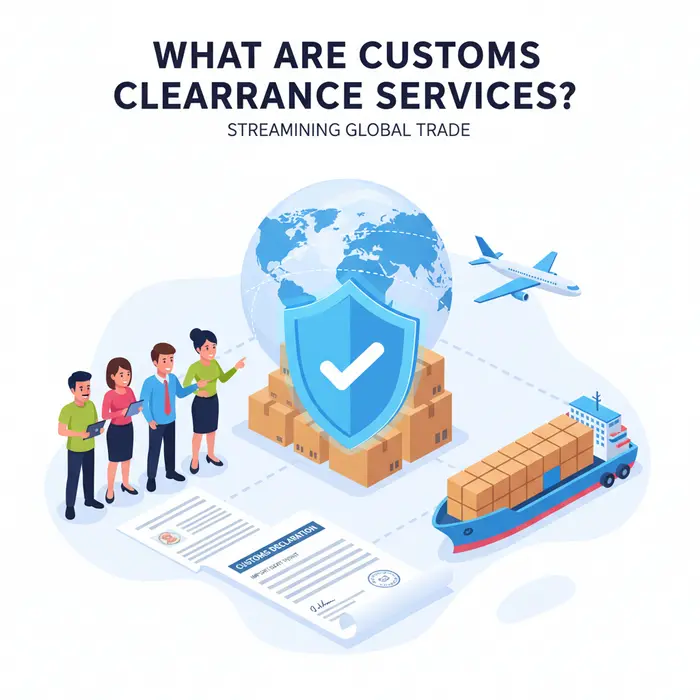
Customs clearance refers to the process of getting goods cleared through customs to facilitate their entry into or exit from a country. It involves the preparation and submission of documentation required to import or export goods, representing the consignee or consignor in customs declarations, and the payment of duties and taxes. Essentially, it’s the gateway through which all international shipments must pass, ensuring compliance with the importing or exporting country’s laws and regulations. This comprehensive process covers everything from product classification and valuation to tariff assessment and adherence to specific trade agreements.
Given the complexity and ever-changing nature of international trade laws, most businesses rely on specialized expertise. This is where the role of a customs broker becomes indispensable. A customs broker is a highly trained professional or firm licensed by the customs authority to assist importers and exporters in meeting all import and export requirements. They act as intermediaries, navigating the labyrinth of customs regulations on behalf of their clients. Customs brokerage firms offer a suite of services designed to streamline the clearance process, ensuring that goods comply with all necessary legal frameworks, tariffs, and duties, thereby minimizing risks and maximizing efficiency for their clients.
2. Key Stages of the Process
The import export customs clearance process typically involves several critical stages, each requiring meticulous attention to detail:
- Documentation Preparation: This initial stage is crucial. It involves compiling all necessary documents, such as the commercial invoice, packing list, bill of lading or air waybill, certificates of origin, and any required permits or licenses (e.g., for restricted goods). Accuracy in these documents is paramount to prevent delays.
- Customs Declaration: Once documents are ready, a customs declaration form is prepared and submitted to the customs authority. This form provides detailed information about the goods, their value, origin, and intended use. Modern systems often use electronic data interchange (EDI) for faster processing.
- Assessment and Valuation: Customs officials review the declaration and accompanying documents to assess the correct Harmonized System (HS) code for the goods, determine their dutiable value, and calculate applicable duties, taxes, and fees. Proper classification is vital as it directly impacts the amount of duties payable.
- Duty and Tax Payment: After assessment, the importer (or their customs broker) is responsible for paying any calculated customs duties, value-added tax (VAT), excise duties, and other applicable fees. Goods will not be released until these payments are settled.
- Inspection and Release: Customs authorities may conduct physical inspections of the goods to verify their consistency with the declared information. Once all checks are completed, duties are paid, and all regulatory requirements are met, customs grants clearance, allowing the goods to proceed to their final destination.
3. Why Customs Clearance Matters Globally
The significance of efficient customs clearance extends far beyond individual shipments, impacting global supply chains, economic stability, and international trade relationships. Firstly, it ensures compliance with national and international laws, preventing the entry of prohibited goods, protecting domestic industries, and safeguarding public health and safety. Non-compliance can lead to severe penalties, fines, seizure of goods, and reputational damage, severely disrupting a business’s operations.
Secondly, streamlined customs processes contribute significantly to the efficiency of global supply chains. Delays at customs checkpoints can lead to increased storage costs, missed delivery deadlines, damaged goods, and lost revenue. In a just-in-time inventory environment, such disruptions can have cascading negative effects across entire industries. By facilitating rapid and predictable movement of goods, benefits of using a customs broker become evident, as they mitigate these risks, ensuring that products reach markets on time and within budget.
Moreover, effective customs clearance fosters trust and predictability in international trade. Countries with efficient customs administrations are often viewed as more reliable trading partners, attracting foreign investment and stimulating economic growth. It enables businesses to access new markets, expand their customer base, and leverage global resources, ultimately contributing to a more interconnected and prosperous world economy. Therefore, a thorough understanding and professional management of customs clearance services are not just operational necessities but strategic imperatives for any business aiming to thrive in the global marketplace.
The Indispensable Role of a Customs Broker
In the intricate world of international trade, where goods traverse borders daily, the process of moving cargo from one country to another is fraught with complexities. Businesses engaged in global commerce often face a labyrinth of regulations, tariffs, and documentation requirements. This is where the expertise of a Customs Clearance Services provider, specifically a customs broker, becomes not just beneficial, but indispensable. A customs broker acts as a crucial intermediary, bridging the gap between traders and customs authorities, ensuring smooth and compliant cross-border transactions.
1. Who is a Licensed Customs Broker?
At its core, a licensed customs broker is a highly specialized professional or a customs brokerage firm authorized by the relevant government customs agency to act on behalf of importers and exporters. They possess a deep understanding of customs laws, regulations, and procedures, which is critical for navigating the often-confusing landscape of international trade. To earn this designation, individuals must typically pass rigorous examinations administered by their respective national customs authorities, demonstrating comprehensive knowledge of tariff classification, valuation, duty rates, and import/export requirements. This licensing ensures that brokers are well-versed in the dynamic legal frameworks governing global trade, making them indispensable allies for businesses seeking efficiency and compliance. Their expertise extends beyond mere paperwork, encompassing a strategic understanding of how to optimize supply chains and minimize potential hurdles, effectively defining what is a customs broker and the scope of customs brokerage firms.
2. Core Responsibilities and Duties
The primary functions of a customs broker revolve around facilitating the legal and efficient movement of goods across international borders. Their core responsibilities include the meticulous preparation and submission of all necessary customs documentation. This often involves reviewing commercial invoices, packing lists, bills of lading, and other pertinent shipping documents to ensure accuracy and completeness. They are responsible for correctly classifying goods according to the Harmonized System (HS) codes, which directly impacts the applicable duty rates and regulatory requirements. Furthermore, customs brokers calculate and facilitate the payment of duties, taxes, and other fees to customs authorities on behalf of their clients, preventing costly delays or penalties. Their proactive approach to import export customs clearance ensures that shipments are processed swiftly, reducing demurrage and storage costs for traders. From obtaining permits and licenses for restricted goods to managing declarations and post-entry audits, their duties cover the entire spectrum of customs compliance.
3. Navigating Complex Regulations
One of the most significant benefits of using a customs broker lies in their ability to navigate the ever-evolving labyrinth of international trade regulations. Customs laws are subject to frequent changes, new trade agreements emerge, and import/export restrictions can be introduced without much warning. Keeping abreast of these developments is a full-time job, one that most businesses simply do not have the resources to manage internally. Customs brokers serve as an invaluable resource, providing up-to-date information on compliance requirements, preferential trade agreements, and potential pitfalls. They help businesses avoid costly errors such as misclassification, incorrect valuation, or non-compliance with product-specific regulations, which can result in significant fines, seizure of goods, or even criminal charges. For instance, understanding specific import requirements for various goods, as detailed by authorities like the U.S. Customs and Border Protection, is crucial for smooth entry. By leveraging their expertise, businesses can ensure their shipments meet all necessary legal standards, reducing risks and streamlining their international supply chains. This proactive risk management, coupled with their ability to expedite customs processing, underscores why customs brokers are truly indispensable partners in global trade.
Decoding Import & Export Customs Clearance
In the complex tapestry of global trade, efficient Customs Clearance Services are not just a convenience but a critical necessity. Whether you’re a burgeoning e-commerce venture or a seasoned multinational corporation, navigating the intricate web of regulations, tariffs, and documentation is paramount to ensuring your goods move smoothly across international borders. This section aims to demystify the processes involved in both importing goods into and exporting goods from a country, highlighting the pivotal role played by experts in the field. Understanding these procedures is key to avoiding costly delays, penalties, and ensuring compliance, ultimately streamlining your supply chain and boosting your business’s international reach.
1. The Import Clearance Journey
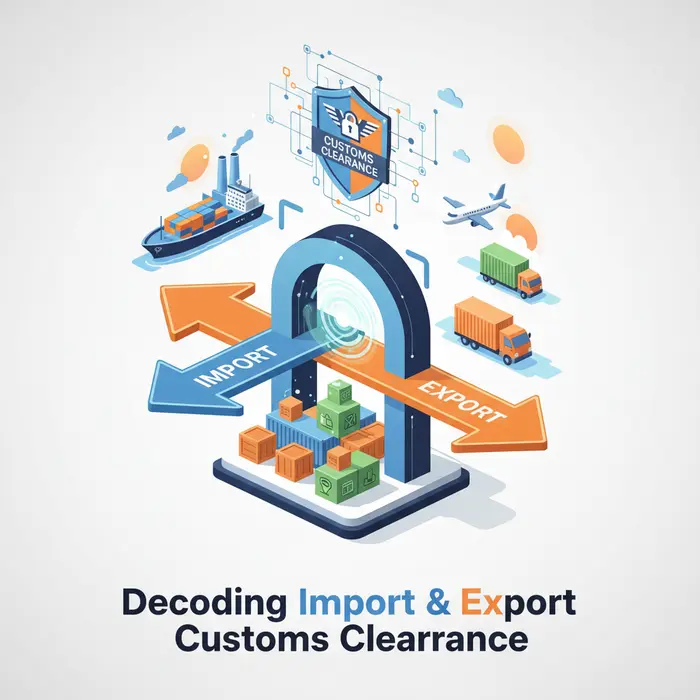
The import clearance journey is the process by which goods arriving from a foreign country are officially allowed to enter the domestic market. This multi-step procedure begins even before the goods physically arrive at the port of entry. Importers must be prepared with precise documentation and a clear understanding of the regulatory landscape.
- Pre-Arrival Notification: Carriers or freight forwarders typically submit electronic manifest information to customs authorities before the vessel or aircraft arrives.
- Goods Arrival and Inspection: Upon arrival, goods may undergo physical inspection by customs officers to verify their declared nature, quantity, and value.
- Documentation Submission: The importer, or their appointed customs broker, submits a formal entry declaration. This includes crucial details like the Harmonized System (HS) code, country of origin, value, and applicable duties and taxes.
- Duty and Tax Assessment: Customs calculates duties, taxes (like VAT or GST), and other fees based on the declared value and classification of the goods. These must be paid before the goods can be released.
- Release of Goods: Once all requirements are met, duties paid, and any necessary inspections concluded, customs authorizes the release of the goods.
Navigating this journey effectively often requires specialized knowledge, which is where the benefits of using a customs broker become evident. These professionals are adept at handling the nuances of import export customs clearance, ensuring adherence to complex regulations and often expediting the process.
2. The Export Clearance Journey
Conversely, the export clearance journey involves the procedures required for goods to legally depart a country and enter international commerce. While often perceived as less complex than import, it still carries significant regulatory weight, especially concerning export controls and national security.
- Export Documentation Preparation: The exporter, or their customs broker, prepares essential documents such as the commercial invoice, packing list, certificate of origin, and transport documents (Bill of Lading or Air Waybill).
- Customs Declaration: An export declaration is filed with the customs authorities, providing details about the goods, their value, destination, and the exporter. This declaration is crucial for tracking trade statistics and enforcing export controls.
- Compliance with Export Controls: Exporters must ensure their goods are not subject to any export restrictions or licensing requirements based on their nature, destination, or end-user. This is particularly relevant for dual-use goods or sensitive technologies.
- Loading and Departure: Once customs approves the declaration and all checks are complete, the goods are loaded onto the chosen mode of transport and depart the country.
Engaging Customs brokerage firms is highly advisable for both import and export, as they possess the expertise to manage the complexities of permits, licenses, and specific country requirements, minimizing potential roadblocks.
3. Essential Documentation Requirements
The backbone of seamless customs clearance for both import and export is accurate and complete documentation. Errors or omissions in these documents can lead to significant delays, fines, or even seizure of goods. Key documents universally required include:
- Commercial Invoice: A detailed record of the transaction between the exporter and importer, including description of goods, quantity, unit price, total value, and terms of sale.
- Packing List: Provides information on the contents of each package, their weight, dimensions, and markings, aiding in cargo handling and inspection.
- Bill of Lading (for sea freight) or Air Waybill (for air freight): A contract between the shipper and carrier, serving as a receipt for goods and a document of title (for B/L).
- Certificate of Origin: Certifies the country where the goods were manufactured or produced. This is vital for determining applicable tariffs, quotas, and preferential trade agreements.
- Import/Export License (if applicable): Required for certain controlled goods (e.g., pharmaceuticals, chemicals, military items).
- Customs Declaration Form: The official form submitted to customs authorities for declaring the goods. For an example of the kind of information typically required by customs agencies globally, you can refer to general guides on U.S. Customs and Border Protection procedures, which illustrate common data points across international trade.
- Other Certificates: Depending on the goods, specific certificates like phytosanitary certificates (for plants), health certificates (for animals/food), or conformity certificates may be needed.
Understanding what is a customs broker and how they assist with these documents is fundamental. They act as intermediaries between importers/exporters and customs authorities, ensuring all paperwork is correctly prepared and submitted. Businesses looking to navigate these waters effectively should consider partnering with reliable providers of Customs Clearance Services to ensure compliance and efficiency. Their expertise in customs brokerage allows businesses to focus on their core operations while leaving the intricate clearance procedures to the specialists.
Benefits of Partnering with Customs Brokerage Firms
In the intricate world of global trade, businesses face a labyrinth of regulations, tariffs, and logistical challenges. Navigating these complexities independently can lead to costly delays, penalties, and operational inefficiencies. This is where professional Customs Clearance Services become indispensable, offering a strategic advantage to companies engaged in international commerce. Partnering with dedicated customs brokerage firms transforms a potential headache into a streamlined process, ensuring goods move efficiently across borders. These firms are not just service providers; they are crucial partners who safeguard compliance, optimize supply chains, and mitigate risks inherent in global shipping.
1. Ensuring Regulatory Compliance
One of the primary benefits of using a customs broker is their profound expertise in regulatory compliance. But, what is a customs broker? Essentially, a customs broker is a highly trained and licensed professional or firm that specializes in facilitating the entry of goods into a country. They act as an intermediary between importers/exporters and government agencies, ensuring all necessary documentation, duties, and taxes are accurately processed according to local and international laws.
The landscape of international trade regulations is constantly evolving, encompassing everything from tariff classifications (Harmonized System codes) and valuation methods to country of origin rules and specific product-related agency requirements (e.g., FDA for food, EPA for chemicals). A single misstep can result in severe penalties, shipment seizures, or significant delays. Customs brokerage firms stay abreast of these changes, utilizing their deep knowledge to accurately classify goods, calculate duties, and complete declarations. This proactive approach ensures that your shipments adhere to all legal requirements, protecting your business from costly violations and maintaining a clean compliance record with authorities like U.S. Customs and Border Protection (CBP).
2. Saving Time and Reducing Costs
The time-consuming nature of import export customs clearance can significantly impact a business’s operational efficiency and bottom line. Every minute a shipment is held at the border due to incorrect paperwork or procedural errors translates into lost time and potential financial penalties like demurrage and detention fees. Customs brokerage firms possess the systems, processes, and expertise to expedite this complex journey.
By entrusting your customs operations to professionals, businesses can reallocate valuable internal resources to core activities. Brokers handle all the intricate details, from preparing and submitting accurate customs declarations to coordinating with freight forwarders and carriers. Their ability to preemptively identify and resolve potential issues minimizes the likelihood of delays, ensuring a smoother flow of goods. Furthermore, their expertise in duty optimization, free trade agreements, and special programs can lead to significant cost reductions, as they ensure you pay the correct—and often lowest legally permissible—amount of duties and taxes, preventing overpayments or unexpected charges.
3. Mitigating Risks and Delays
International trade is inherently exposed to various risks, from unforeseen regulatory changes and political instability to logistical hurdles and natural disasters. The benefits of using a customs broker extend significantly into risk mitigation and ensuring supply chain continuity. These firms act as a critical buffer, shielding businesses from potential disruptions.
Brokers are adept at anticipating potential roadblocks, such as increased scrutiny on certain commodities or origin countries, and can advise on strategies to minimize their impact. In the event of an audit, inspection, or dispute with customs authorities, a professional broker serves as your knowledgeable advocate, navigating the complexities and working towards a swift resolution. Their established relationships with customs officials and thorough understanding of appeal processes can prove invaluable. By proactively managing potential issues and skillfully resolving unexpected challenges, customs brokerage firms help prevent costly delays, secure your supply chain, and ensure your goods reach their destination on schedule, safeguarding your business’s reputation and profitability.
In conclusion, partnering with a professional customs brokerage firm is more than just outsourcing a task; it’s a strategic investment in efficiency, compliance, and risk management. It allows businesses to confidently expand their global reach, knowing that the intricate world of international trade is expertly managed by seasoned professionals dedicated to their success.
Choosing Your Ideal Customs Broker for 2025
Navigating the intricate world of international trade demands precision, expertise, and foresight. As businesses look towards 2025, the complexities of global supply chains, evolving trade agreements, and technological advancements make selecting the right customs broker more critical than ever. A strategic partner in Customs Clearance Services can be the difference between seamless operations and costly delays, ensuring your goods move efficiently across borders.
At its core, a customs broker is a highly specialized professional or firm licensed to act on behalf of importers and exporters. Their primary role is to facilitate import export customs clearance, ensuring that all shipments comply with a myriad of government regulations, tariffs, duties, and documentation requirements. From classifying goods and calculating duties to preparing and submitting necessary paperwork, a skilled broker streamlines the entire process. The numerous benefits of using a customs broker include mitigating risks, saving time and money, and ensuring compliance, allowing your business to focus on its core operations.

1. Key Factors in Broker Selection
When evaluating potential Customs brokerage firms, a methodical approach is essential. Consider the following pivotal factors:
- Experience and Industry Specialization: Does the broker have a proven track record, especially within your specific industry or with the types of products you import/export? Expertise in particular trade lanes or agreements (e.g., CPTPP, RCEP) can be invaluable.
- Compliance and Regulatory Acumen: The landscape of international trade regulations is constantly shifting. Your broker must demonstrate an in-depth understanding of current laws and a proactive approach to anticipating future changes. This includes knowledge of valuation, origin rules, and free trade agreements.
- Technological Capabilities: Modern customs brokerage relies heavily on technology. Look for firms utilizing advanced software for data submission, real-time tracking, reporting, and integration with your existing ERP or supply chain management systems. Automation can significantly reduce errors and processing times.
- Communication and Responsiveness: A reliable broker should offer clear, consistent communication and be readily accessible to address queries or resolve issues promptly. Effective communication channels and dedicated account management are vital.
- Global Network and Reach: If your business operates across multiple countries, a broker with a strong international network or partnerships can provide seamless service across various customs jurisdictions, simplifying your global operations.
- Transparent Fee Structure: Understand the broker’s pricing model clearly. While cost is a factor, prioritize value over simply the lowest price. A cheaper broker might incur hidden costs through delays or non-compliance penalties.
2. Questions to Ask Potential Firms
Engaging prospective brokers with a strategic set of questions will help you uncover their capabilities and suitability:
- “What is your approach to staying updated on evolving trade regulations and how do you communicate these changes to clients?”
- “Can you provide specific examples of how your technology platform has improved efficiency or compliance for other clients?”
- “What is your experience with [our specific industry, e.g., electronics, textiles, pharmaceuticals] and the unique customs challenges associated with it?”
- “How do you handle unexpected issues such as customs detentions, examinations, or disputes? What is your escalation process?”
- “Can you outline your fee structure comprehensively, including any potential ancillary charges?”
- “What level of reporting and data analytics do you provide regarding our shipments and compliance performance?”
- “How do you ensure data security and confidentiality for our sensitive trade information?”
3. Adapting to Future Trade Regulations
The global trade environment is dynamic, influenced by geopolitical shifts, sustainability initiatives, and the increasing digitalization of customs processes. A forward-thinking customs broker will not only ensure compliance with current laws but also help your business prepare for future challenges. This includes:
- Navigating New Trade Agreements: Proactive brokers will keep you informed about new free trade agreements or changes to existing ones that could impact your duties and market access.
- Embracing Digital Transformation: As more customs authorities move towards paperless declarations and digital platforms, your broker should be at the forefront of these technological shifts, leveraging e-documentation and API integrations.
- Supply Chain Resilience: The ability to adapt to disruptions – be it natural disasters, pandemics, or political unrest – is crucial. A good broker can offer guidance on diversifying supply routes and ensuring rapid clearance during crises.
- Sustainability and Ethical Sourcing: Increasingly, customs declarations may require information related to environmental compliance and ethical sourcing. A knowledgeable broker can help navigate these emerging requirements, ensuring your supply chain meets global standards. For detailed information on global trade regulations, you can refer to authoritative sources like the World Trade Organization.
In conclusion, choosing your ideal customs broker for 2025 is an investment in your business’s future success. It requires diligent research, clear communication, and a shared vision for efficient, compliant, and adaptable international trade operations. Partnering with the right firm transforms a necessary expense into a strategic advantage.
Partner with Vietnam’s Leading Suppliers
Looking for reliable suppliers in Vietnam? Contact VietnamSuppliers.com today to connect with verified manufacturers and exporters across all industries.
—————————————
References
– World Customs Organization Glossary: https://www.wcoomd.org/en/topics/facilitation/resources/glossary.aspx
– U.S. Customs and Border Protection: https://www.cbp.gov/trade/basic-import-export
– U.S. Customs and Border Protection: https://www.cbp.gov/trade/basic-import-export
– U.S. Customs and Border Protection: Customs Brokers: https://www.cbp.gov/trade/basic-import-export/brokers
– global trade regulations: https://www.wto.org/english/thewto_e/whatis_e/tif_e/agrm_e.htm