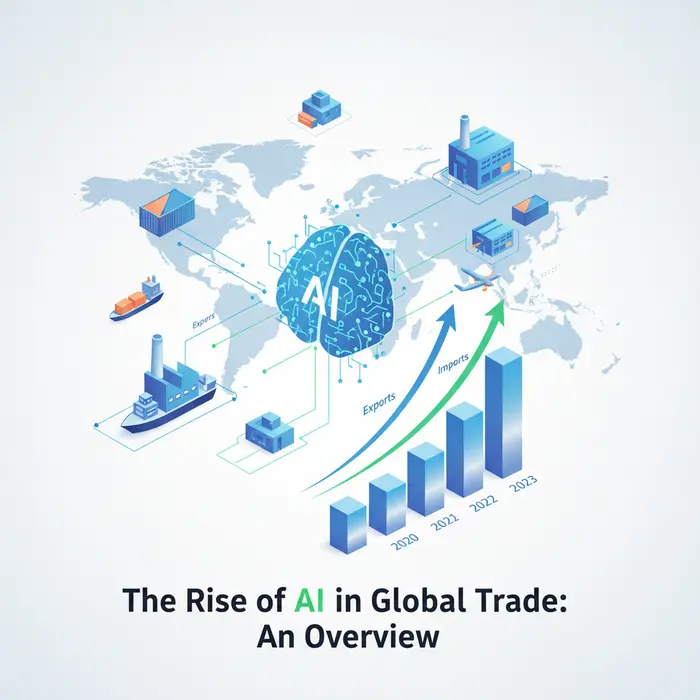
The Rise of AI in Global Trade: An Overview
In an increasingly interconnected yet volatile world, global trade stands at a critical juncture. Geopolitical shifts, evolving consumer demands, and unprecedented supply chain disruptions have highlighted the urgent need for more resilient, efficient, and transparent international commerce. Amidst this complex landscape, Artificial Intelligence (AI) has emerged not merely as a technological advancement but as a foundational pillar poised to redefine the very fabric of how goods and services move across borders. The integration of AI in Global Trade is rapidly transforming operations, from predictive analytics in logistics to automating complex customs procedures, setting the stage for a new era of international commerce where data-driven insights power strategic decisions.
This section delves into the current state of global trade, elucidates the definitive role AI is beginning to play, and examines the key drivers accelerating its adoption. As businesses navigate the complexities of global markets, understanding the transformative potential of AI becomes paramount, offering solutions to long-standing challenges and unlocking unparalleled opportunities for growth and innovation.
1. Current State of Global Trade
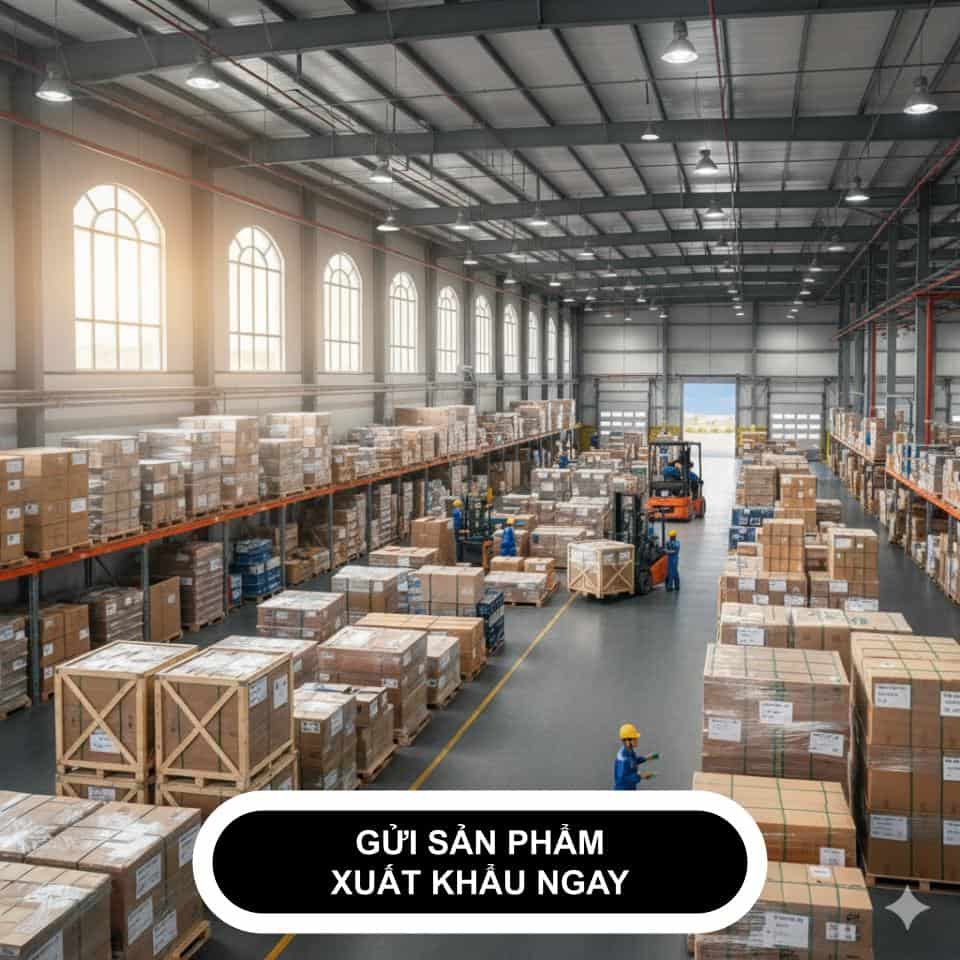
The global trade ecosystem is characterized by both immense opportunity and significant headwinds. While digitalization has made strides, many aspects still grapple with legacy systems, manual processes, and opaque information flows. Businesses frequently encounter challenges such as fluctuating demand, extended lead times, regulatory hurdles, and intense competitive pressures. The recent past has underscored the fragility of traditional supply chains, exposing vulnerabilities to unforeseen events like pandemics, natural disasters, and geopolitical conflicts. This has fueled a widespread demand for Digital Supply Chain Transformation, aiming for greater resilience and adaptability.
Furthermore, the drive for enhanced transparency and ethical sourcing has gained momentum, pushing companies to scrutinize their entire value chain. While technologies like Blockchain for International Trade offer promising avenues for immutable record-keeping and provenance tracking, their widespread implementation is still evolving. This fragmented and often inefficient environment creates fertile ground for disruptive technologies like AI to step in, offering solutions that promise to streamline operations, reduce costs, and foster greater reliability across the board.
2. Defining AI’s Role in International Commerce
AI’s fundamental role in international commerce is multifaceted, primarily centered on its capacity to process vast datasets, identify patterns, make predictions, and automate complex tasks with remarkable precision and speed. At its core, AI brings intelligence to every stage of the trade lifecycle. For instance, in logistics, AI algorithms optimize shipping routes, predict potential delays due to weather or port congestion, and manage warehouse inventory more efficiently, leading to significant cost savings and faster delivery times. This is particularly crucial for E-commerce Global Logistics Solutions, where customer expectations for speed and accuracy are exceptionally high.
Beyond logistics, AI is revolutionizing trade finance by automating credit assessments, detecting fraudulent transactions, and streamlining compliance checks, leading to faster and more secure financial flows. This trade finance innovation powered by AI reduces operational costs and minimizes risks for financial institutions and trading partners alike. Moreover, AI-driven platforms can analyze market trends to inform sourcing strategies, automate customs documentation to ensure compliance, and even personalize buyer-seller interactions, making global trade more accessible and efficient for businesses of all sizes.
3. Key Drivers for AI Adoption
Several compelling factors are accelerating the adoption of AI across global trade sectors. Firstly, the undeniable imperative for increased operational efficiency and cost reduction remains a primary motivator. AI’s ability to automate repetitive tasks, optimize resource allocation, and minimize errors directly translates into significant bottom-line improvements. Secondly, the escalating demand for supply chain resilience and visibility, heightened by recent global disruptions, is pushing companies to invest in AI-powered predictive analytics and real-time monitoring tools. These capabilities enable proactive risk management and faster response to unforeseen challenges.
Thirdly, competitive pressure forces businesses to innovate. Companies that leverage AI to gain insights into market dynamics, optimize pricing strategies, and enhance customer experiences are better positioned to outmaneuver rivals. The explosion of data generated from e-commerce, IoT devices, and digital platforms also provides the raw material necessary for AI algorithms to learn and improve, making its application increasingly viable. Finally, the need for enhanced security, fraud detection, and regulatory compliance—especially in complex cross-border transactions—further underscores AI’s invaluable contribution, ensuring a more secure and trustworthy global trading environment.
Digital Supply Chain Transformation with AI
The landscape of global commerce is undergoing a profound digital supply chain transformation, largely spearheaded by the pervasive integration of Artificial Intelligence (AI). From the intricate details of production scheduling to the final mile of delivery, AI in global trade is not just optimizing processes but fundamentally revolutionizing efficiency, transparency, and resilience. As McKinsey & Company reports, the ability of AI to analyze vast datasets, predict trends, and automate decision-making is becoming indispensable. This technological leap ensures that supply chains are not only more agile and responsive but also better equipped to withstand unforeseen disruptions, thereby redefining the very essence of modern trade.
Predictive Analytics for Logistics & Inventory
One of the most immediate and impactful applications of AI in global trade is in predictive analytics for logistics & inventory. Traditional supply chain models often rely on historical data, which can be slow to adapt to rapidly changing market conditions or sudden shifts in consumer demand. AI-powered systems, however, leverage machine learning algorithms to analyze real-time data from diverse sources – including weather patterns, geopolitical events, social media trends, and economic indicators – to forecast demand with unprecedented accuracy. This enables companies to optimize inventory levels, minimizing both stockouts and costly overstock situations. For E-commerce Global Logistics Solutions, this means precise route optimization, dynamic warehouse management, and proactive identification of potential delivery delays, significantly reducing operational costs and improving customer satisfaction. By anticipating disruptions and demand fluctuations, businesses can maintain optimal stock levels across their global network, ensuring products are where they need to be, precisely when they are needed.
Automated Customs & Compliance
Navigating the labyrinthine world of international trade regulations is a significant bottleneck in global logistics. Automated Customs & Compliance, powered by AI and often augmented by Blockchain for International Trade, is streamlining this traditionally manual and error-prone process. AI algorithms can rapidly process and validate complex customs declarations, automatically flagging discrepancies or potential compliance issues with various trade agreements and tariffs. This dramatically reduces clearance times, minimizes the risk of penalties, and ensures adherence to evolving regulatory frameworks across different jurisdictions. Furthermore, AI can learn from past data to identify patterns indicative of fraud or non-compliance, enhancing security without impeding legitimate trade flows. The integration of blockchain technology provides an immutable, transparent ledger for all transaction data, reinforcing trust and traceability from origin to destination, which is crucial for secure and efficient trade finance innovation. This not only accelerates cross-border shipments but also strengthens the integrity of the entire supply chain.
Enhanced Visibility & Risk Management
In an interconnected world, the ability to see and understand every link in the supply chain is paramount for effective risk management. AI delivers enhanced visibility & risk management by continuously monitoring every node, from raw material suppliers to freight carriers and end customers. AI systems can detect anomalies, predict potential disruptions – be it a natural disaster, a geopolitical conflict, or supplier insolvency – and even recommend alternative routes or suppliers in real-time. This proactive approach transforms reactive problem-solving into predictive risk mitigation. For instance, sensors combined with AI can track product conditions during transit, ensuring quality and alerting stakeholders to deviations. The comprehensive data analysis capabilities of AI also feed into more robust digital supply chain transformation strategies, allowing companies to build more resilient networks. This unparalleled insight empowers businesses to make informed decisions swiftly, protecting their assets, maintaining operational continuity, and safeguarding their reputation in a volatile global market.
The transformative power of AI in global trade is undeniable, creating smarter, more resilient, and efficient supply chains. From optimizing logistics with predictive analytics to automating compliance and providing unparalleled visibility, AI is charting a new course for international commerce. Businesses that embrace this digital supply chain transformation will gain a significant competitive advantage, ensuring agility and responsiveness in an ever-evolving global marketplace. The journey towards fully autonomous and intelligent supply chains is well underway, promising a future where goods move across borders with unprecedented speed, accuracy, and security.
Blockchain for International Trade & Finance Innovation
The landscape of international trade and finance is undergoing a seismic shift, driven by the synergistic power of Artificial intelligence (AI) and blockchain technology. This formidable combination is not merely optimizing existing processes but creating entirely new paradigms for secure transactions, verifiable data flows, and unprecedented efficiency in global commerce. As businesses navigate an increasingly complex global marketplace, the integration of AI in global trade offers solutions to long-standing challenges, from reducing fraud to streamlining supply chains and democratizing access to finance. This exploration delves into how these cutting-edge technologies are reshaping the future of international business, promising a more transparent, secure, and agile ecosystem.

1. Securing Transactions with AI-Powered Blockchain
One of the most profound impacts of this technological convergence is the enhanced security it brings to international transactions. Blockchain for International Trade inherently provides an immutable, distributed ledger that records every transaction transparently and verifiably. When AI is layered onto this foundation, its capabilities for pattern recognition and anomaly detection are unleashed, elevating security to new heights. AI algorithms can continuously monitor blockchain transactions for suspicious activities, flag potential fraud, and identify irregularities that human oversight might miss. This proactive threat detection is crucial in complex global supply chains, where multiple parties and jurisdictions are involved. For instance, AI can analyze shipping data, payment patterns, and customs declarations against historical norms and known fraud indicators, instantly alerting stakeholders to discrepancies. This synergistic approach significantly mitigates risks associated with counterfeiting, data tampering, and financial fraud, fostering greater trust among trading partners and streamlining regulatory compliance. The result is a more resilient and secure digital infrastructure for cross-border commerce.
2. Revolutionizing Trade Finance Workflows
Traditional trade finance has long been characterized by its paper-intensive processes, slow settlement times, and a significant reliance on intermediaries, leading to inefficiencies and high costs. The integration of AI and blockchain is catalyzing a radical Trade Finance Innovation. Blockchain provides a shared, secure, and real-time ledger for all participants in a trade transaction, from exporters and importers to banks and insurers. This eliminates the need for multiple reconciliations and reduces the likelihood of disputes. AI further enhances these workflows by automating credit risk assessments, predicting payment defaults, and optimizing invoice financing. For instance, AI-driven platforms can analyze a company’s financial history, market trends, and even social media sentiment to provide instant, accurate risk profiles, thereby accelerating lending decisions and expanding access to finance for SMEs. Furthermore, the transparency offered by blockchain, combined with AI’s analytical prowess, enables real-time visibility into the entire trade lifecycle, from order placement to delivery and payment. This Digital Supply Chain Transformation empowers businesses with actionable insights, allowing them to optimize inventory, manage logistics more effectively, and reduce working capital requirements, ultimately democratizing access to vital trade finance services globally.
3. Smart Contracts & Automated Payments
Smart contracts, self-executing contracts with the terms of the agreement directly written into code, are at the heart of the automated revolution in international trade. Built on blockchain technology, these contracts automatically trigger actions, such as payments, upon the fulfillment of predefined conditions, eliminating the need for intermediaries and manual intervention. For example, a smart contract can release payment to a supplier as soon as an IoT sensor confirms goods have arrived at the destination port and passed quality inspection. AI enhances smart contracts by adding layers of intelligence and adaptability. AI algorithms can monitor external data feeds (e.g., weather conditions, geopolitical events, market prices) to assess the feasibility and risks associated with contract execution, or even propose dynamic adjustments to contract terms based on real-time circumstances. This capability is particularly transformative for E-commerce Global Logistics Solutions, where timely and verifiable delivery is paramount. The synergy between AI and smart contracts ensures that payments are not only automated but also intelligent, dynamic, and highly secure. This level of automation drastically reduces processing times, minimizes human error, and ensures greater compliance, fostering an environment of efficiency and trust that redefines the speed and reliability of cross-border transactions.
E-commerce Global Logistics Solutions Driven by AI
The relentless pace of e-commerce has dramatically reshaped global trade, demanding unprecedented efficiency and agility in logistics. As businesses expand across borders, managing the complexities of international shipping, warehousing, and last-mile delivery becomes a colossal challenge. This is where artificial intelligence (AI) emerges as a transformative force, revolutionizing AI in Global Trade and offering advanced E-commerce Global Logistics Solutions. From optimizing intricate supply chains to enhancing customer satisfaction, AI’s analytical prowess and automation capabilities are driving a new era of precision and responsiveness in cross-border e-commerce logistics. It enables intelligent, data-driven decisions that anticipate demand, mitigate risks, and streamline every touchpoint from manufacturer to consumer, representing a fundamental Digital Supply Chain Transformation.
1. Optimizing Cross-Border Shipping Routes
AI’s most significant impact on global logistics often begins with route optimization. For cross-border e-commerce, this involves far more than simply finding the shortest path. AI algorithms process vast datasets, including historical shipping times, weather patterns, geopolitical factors, customs regulations, and real-time events, to predict the most efficient and cost-effective routes. This predictive intelligence minimizes delays, reduces fuel consumption, and lowers operational costs. Furthermore, AI can dynamically reroute shipments in response to unforeseen disruptions, such as port congestion or extreme weather. Advanced AI systems also play a crucial role in predicting customs bottlenecks and generating necessary documentation, thereby accelerating clearance processes. This proactive approach not only enhances operational efficiency but also provides greater transparency throughout the shipping process. According to insights from McKinsey & Company, AI and advanced analytics are becoming indispensable for optimizing supply chain performance, including intricate global shipping networks.
2. Warehouse Automation & Robotics
Within warehouses and distribution centers, AI is orchestrating a profound transformation through automation and robotics. AI-powered robots, such as automated guided vehicles (AGVs) and autonomous mobile robots (AMRs), can navigate complex layouts, retrieve products, sort packages, and assist with inventory management with remarkable speed and accuracy. These systems significantly reduce human error, improve picking efficiency, and enable 24/7 operations, scaling seamlessly with fluctuating e-commerce demand. Beyond physical automation, AI algorithms optimize warehouse layouts, predict inventory needs based on sales data and market trends, and streamline picking and packing processes. This intelligent automation ensures products are stored optimally, retrieved efficiently, and prepared for dispatch with minimal delay, directly contributing to faster order fulfillment and a more robust supply chain. The synergy between AI and robotics creates highly efficient, scalable, and resilient warehousing solutions essential for modern global e-commerce.
3. Personalized Customer Experience in Logistics
The final, yet crucial, frontier for AI in e-commerce logistics is the customer experience. AI-driven systems leverage data to provide highly personalized and transparent delivery experiences. This includes accurate, real-time tracking updates, predictive delivery windows that consider traffic and weather, and even proactive alerts for potential delays. Chatbots and virtual assistants powered by AI handle customer inquiries efficiently, providing instant support regarding shipment status, returns, and delivery options, reducing the burden on human customer service teams. Moreover, AI can analyze customer preferences to offer personalized delivery choices, such as specific delivery times, alternative pickup locations, or eco-friendly shipping options. By enhancing communication, transparency, and offering tailored solutions, AI transforms the logistics process from a mere transaction into a positive brand interaction, fostering trust and loyalty in the competitive global e-commerce landscape. This personalization extends the reach of E-commerce Global Logistics Solutions directly into the hands of the consumer, making logistics an integral part of the overall brand experience.
In conclusion, AI is not merely an incremental improvement; it is a fundamental disruptor reshaping every facet of global e-commerce logistics. From optimized cross-border shipping and automated warehouses to personalized customer experiences, AI’s impact is profound. By fostering greater transparency, predictability, and responsiveness across the entire supply chain, AI enables businesses to navigate international trade with unprecedented agility. This technological leap, often complemented by advancements like Blockchain for International Trade to enhance data integrity and security, ensures global e-commerce continues its rapid expansion, driven by smarter, more efficient, and customer-centric logistics solutions. The future of global trade is undeniably intelligent, powered by AI.
Challenges, Opportunities & The Road Ahead for AI in Trade
The integration of artificial intelligence (AI) into global trade promises a transformative shift, offering unparalleled efficiencies, enhanced decision-making, and new avenues for growth. However, this journey is not without its intricate challenges. From securing sensitive data in complex cross-border transactions to navigating a labyrinth of international regulations, the path forward for AI in global trade requires careful consideration and strategic planning. This section explores the hurdles, illuminates the immense potential, and casts a forward-looking perspective on AI’s future development and the ethical imperatives that will shape its adoption in the global marketplace.

1. Addressing Data Security & Privacy Concerns
One of the most pressing challenges for AI in global trade is ensuring the security and privacy of vast amounts of sensitive data. International trade involves an intricate web of participants – manufacturers, suppliers, logistics providers, customs agencies, and financial institutions – all exchanging proprietary information, financial records, and personal data. AI systems, which thrive on data, become potential targets for cyber-attacks, intellectual property theft, and privacy breaches. Robust security frameworks are paramount, encompassing advanced encryption, multi-factor authentication, and anomaly detection systems powered by AI itself to identify and mitigate threats in real-time. Moreover, the implementation of decentralized technologies like Blockchain for International Trade can offer an immutable and transparent ledger for transactions, enhancing trust and security across the supply chain, reducing reliance on centralized data repositories. Adhering to diverse international data privacy regulations, such as GDPR and CCPA, adds another layer of complexity, demanding AI solutions that are designed with privacy-by-design principles to ensure compliance and build stakeholder trust in the transformative power of AI.
2. Navigating Regulatory Landscapes
The regulatory environment for global trade is already notoriously complex, characterized by a mosaic of national laws, international agreements, and regional blocs. The advent of AI introduces new layers of regulatory uncertainty. Governments worldwide are still grappling with how to regulate AI, focusing on areas like algorithmic transparency, accountability, bias detection, and ethical deployment. For AI solutions in trade, this translates into a need for systems that can adapt to varying legal frameworks concerning data governance, intellectual property rights, automated decision-making, and cross-border data flows. Harmonization efforts by international bodies like the WTO or UNCTAD will be crucial in creating a more predictable operating environment. Companies deploying AI must invest in legal expertise and compliance tools to ensure their AI systems do not inadvertently violate trade sanctions, customs laws, or ethical guidelines. This proactive approach to navigating regulatory landscapes will be vital for widespread adoption and preventing legal bottlenecks that could hinder innovation and efficiency gains.
3. Future Growth Projections and Investment Areas
Despite the challenges, the future growth projections for AI in global trade are immense, positioning it as a cornerstone for the future of AI in trade. Analysts predict significant investment in AI-driven solutions across various facets of the trade ecosystem. Key growth areas include predictive analytics for demand forecasting and inventory management, automation of customs declarations and compliance checks, and advanced fraud detection systems. The optimization of logistics and shipping through AI-powered route planning and real-time tracking will revolutionize E-commerce Global Logistics Solutions, reducing costs and delivery times. Furthermore, AI will be pivotal in Trade Finance Innovation, streamlining credit assessments, automating documentation, and mitigating risks for financial institutions. The overarching trend points towards Digital Supply Chain Transformation, where AI acts as the central intelligence orchestrating complex global operations. Investment will flow into developing ethical AI frameworks, explainable AI (XAI) to ensure transparency in decision-making, and robust cybersecurity measures. Collaboration between industry, academia, and governments will accelerate research and development, fostering an environment where AI’s full potential can be realized responsibly and sustainably, unlocking unprecedented efficiencies and creating more resilient, transparent, and equitable global trade networks.
Partner with Vietnam’s Leading Suppliers
Looking for reliable suppliers in Vietnam? Contact VietnamSuppliers.com today to connect with verified manufacturers and exporters across all industries.
—————————————
References
– World Bank Digital Development Overview: https://www.worldbank.org/en/topic/digitaldevelopment/overview
– AI and advanced analytics in supply chains: The next frontier – McKinsey & Company: https://www.mckinsey.com/capabilities/operations/our-insights/ai-and-advanced-analytics-in-supply-chains-the-next-frontier
– WTO | DG welcomes new report on digital trade: https://www.wto.org/english/news_e/news20_e/dg_12mar20_e.htm
– McKinsey & Company: https://www.mckinsey.com/capabilities/operations/our-insights/ai-and-advanced-analytics-in-supply-chain
– Blockchain for International Trade: https://www.ibm.com/blogs/blockchain/2023/10/blockchain-for-international-trade/