Understanding Sustainable Supply Chain Compliance
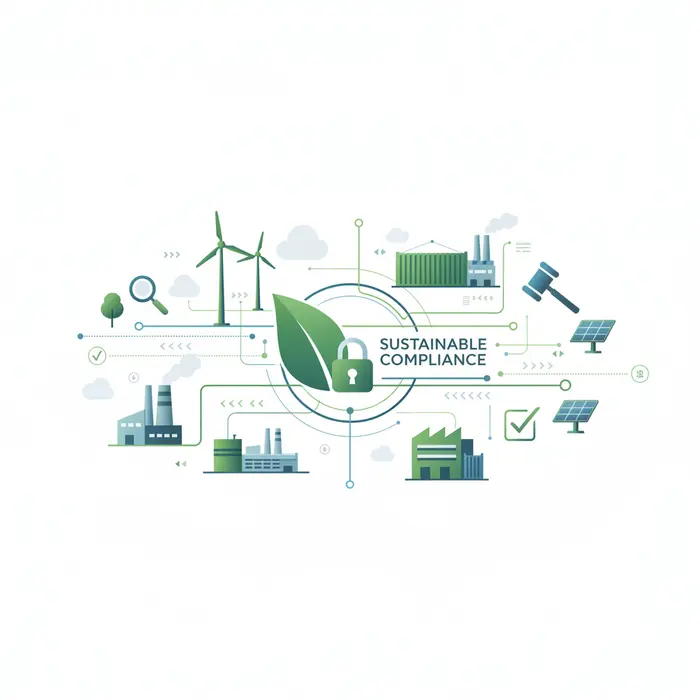
In an increasingly interconnected global economy, the concept of Sustainable Supply Chain Compliance has transitioned from a niche concern to an urgent imperative. It encompasses the rigorous adherence to environmental, social, and governance (ESG) standards throughout a company’s entire supply chain, from raw material sourcing to final product delivery. This goes beyond mere legal requirements, embracing ethical practices, ecological responsibility, and social equity. As global trade intensifies, so does scrutiny over how goods are produced and transported, making robust compliance not just a competitive advantage but a fundamental prerequisite for market access. The growing importance of this area is undeniable, with consumers, investors, and governments alike demanding greater transparency and accountability. This heightened awareness is setting the stage for an unprecedented wave of future regulations that will redefine international commerce and penalize those who fail to adapt.
1. Why Compliance is Non-Negotiable in 2025
By 2025, operating a business without a robust strategy for Sustainable Supply Chain Compliance will be akin to navigating rough seas without a compass. The landscape for global trade is rapidly shifting, driven by a confluence of factors including escalating climate change impacts, increasing social justice movements, and tightening legislative frameworks. Companies face severe repercussions for non-compliance, ranging from substantial financial penalties and legal liabilities to irreparable damage to brand reputation and consumer boycotts. Investors are also increasingly integrating ESG performance into their decision-making, making capital harder to secure for non-compliant entities. Moreover, disruptions stemming from environmental disasters or social unrest in supply chain hubs underscore the inherent risks of an unsustainable model. Proactive compliance is no longer a ‘nice-to-have’ but a ‘must-have’ for business continuity and long-term viability. For more insights on navigating these complexities, explore resources on Sustainable Supply Chain Compliance.
2. The Evolving Regulatory Landscape for Global Trade
The regulatory environment governing global trade is undergoing a profound transformation, moving towards stricter accountability for sustainability. Nations and blocs are introducing comprehensive legislation that extends jurisdiction far beyond national borders, impacting every player in the supply chain. Key trends include an increase in environmental regulations import export, such as carbon border adjustment mechanisms (CBAM) and extended producer responsibility (EPR) schemes, which will impose levies or obligations based on the environmental impact of imported goods. Simultaneously, mandates for rigorous ESG due diligence suppliers are becoming standard, requiring companies to assess and mitigate human rights and environmental risks across their entire value chain. The European Union’s Corporate Sustainability Due Diligence Directive (CSDDD) is a prime example, compelling large companies to identify, prevent, mitigate, and account for adverse human rights and environmental impacts. Furthermore, demand for Green trade certification requirements is growing, with certifications proving adherence to specific sustainability standards becoming a gatekeeper for market access in many sectors.
3. Strategic Benefits of Proactive Compliance
While the immediate focus on compliance often revolves around risk mitigation, adopting a proactive stance on sustainable supply chain practices unlocks significant strategic advantages. Companies that prioritize Sustainable Supply Chain Compliance enhance their brand reputation, attracting environmentally conscious consumers and top talent. This proactive approach also often leads to greater operational efficiencies; for example, effective supply chain carbon footprint management can identify areas for energy savings, waste reduction, and optimized logistics, translating into considerable cost reductions. Early adoption of sustainability standards positions businesses as leaders, giving them a competitive edge in tenders and when forging partnerships. It also fosters greater resilience against future regulatory changes and supply chain disruptions. Furthermore, by engaging in thorough ESG due diligence, companies build stronger, more transparent relationships with their suppliers, fostering innovation and shared responsibility. Ultimately, proactive compliance transforms potential liabilities into opportunities for growth, innovation, and long-term value creation in the global marketplace.
Navigating Environmental Regulations in Import/Export
The global landscape of international trade is increasingly shaped by environmental concerns, making Sustainable Supply Chain Compliance a paramount challenge for businesses involved in import and export. As regulatory bodies worldwide tighten their grip on ecological impact, understanding and adapting to these evolving mandates is no longer optional but a strategic imperative. Upcoming changes promise to significantly alter how goods are sourced, produced, transported, and disposed of, demanding proactive measures to mitigate risks and unlock new opportunities for green trade.
1. Key International Environmental Pacts and Their Impact
International environmental agreements form the bedrock upon which national environmental laws are built, directly influencing global trade practices. Treaties such as the Montreal Protocol on Substances that Deplete the Ozone Layer have curtailed the trade of specific chemicals, while the Convention on International Trade in Endangered Species of Wild Fauna and Flora (CITES) strictly regulates the cross-border movement of protected flora and fauna. The Basel Convention on the Control of Transboundary Movements of Hazardous Wastes and Their Disposal, for instance, dictates the responsible handling and movement of hazardous materials, profoundly impacting industries from electronics to chemicals. Moreover, broader frameworks like the Paris Agreement, while not directly regulating trade, incentivize nations to adopt policies that reduce carbon emissions, indirectly fostering demand for low-carbon products and services. Businesses must conduct thorough ESG due diligence on suppliers to ensure adherence to these global norms, preventing penalties and reputational damage from non-compliance with these far-reaching pacts.
2. National-Specific Environmental Laws (e.g., EU Green Deal, EPA)
Beyond international agreements, national and regional environmental laws present a complex web of requirements for importers and exporters. The European Union’s ambitious Green Deal, for example, is a game-changer. It encompasses a vast array of legislative proposals, including the Carbon Border Adjustment Mechanism (CBAM), which will impose a carbon price on imported goods from less climate-ambitious countries, and the EU Deforestation Regulation (EUDR), prohibiting the import of products linked to deforestation. Businesses importing into the EU must prepare for stricter product standards, extended producer responsibility (EPR) schemes, and enhanced transparency requirements regarding their supply chains’ environmental footprint. Similarly, the U.S. Environmental Protection Agency (EPA) enforces comprehensive regulations covering air and water quality, hazardous waste management, and chemical safety (e.g., TSCA – Toxic Substances Control Act). These national-specific environmental regulations import export impact everything from product composition to packaging and labelling, requiring businesses to adapt their operations or risk market access. Proactive engagement with these diverse legal frameworks is crucial for maintaining competitive advantage and ensuring market entry.
3. Adapting to Waste Management and Circular Economy Directives
A significant paradigm shift in environmental regulation is the move towards a circular economy, emphasizing waste reduction, reuse, and recycling. This transition is manifesting in numerous waste management and circular economy directives worldwide. The EU’s Waste Electrical and Electronic Equipment (WEEE) Directive and the Restriction of Hazardous Substances (RoHS) Directive are prime examples, mandating responsible collection, recycling, and the elimination of certain hazardous substances in electronic products. Similar directives are emerging globally, requiring manufacturers and importers to take greater responsibility for their products’ entire lifecycle. This includes designing products for durability and recyclability, using recycled content, and participating in EPR schemes that finance the collection and treatment of end-of-life products. These regulations compel businesses to rethink their entire product value chain, from raw material sourcing to end-of-life management. Effective supply chain carbon footprint management and adherence to new green trade certification requirements are becoming essential for proving compliance and gaining market trust. Embracing circular economy principles is not just about compliance; it’s about fostering innovation, reducing resource dependency, and building more resilient and sustainable business models.
Implementing ESG Due Diligence for Suppliers
In today’s interconnected global economy, ensuring a resilient and ethical supply chain goes beyond traditional financial and operational vetting. Businesses must now embed comprehensive ESG (Environmental, Social, Governance) due diligence into their supplier and partner selection processes to ensure they meet increasingly stringent sustainability standards and proactively mitigate various risks. This proactive approach is fundamental to achieving Sustainable Supply Chain Compliance, safeguarding brand reputation, and navigating complex regulatory landscapes, including nuanced Environmental regulations import export.
1. Establishing ESG Criteria for Supplier Vetting
The foundation of effective ESG due diligence for suppliers lies in establishing clear, measurable, and relevant criteria against which all potential and existing partners will be assessed. These criteria should align with both international best practices and your organization’s specific sustainability goals and values. For environmental aspects, this includes evaluating a supplier’s carbon footprint, water usage, waste management practices, pollution control measures, and adherence to specific environmental regulations pertinent to import and export activities. Social criteria encompass labor practices, human rights (including child labor and forced labor policies), health and safety standards, diversity and inclusion, and community engagement. Governance criteria focus on anti-corruption policies, ethical conduct, data privacy, and board independence and transparency. It is crucial to define these parameters early and communicate them clearly to all stakeholders, ensuring that expectations for ESG due diligence suppliers are unequivocal.
2. Tools and Frameworks for Effective Supplier Assessments
Once ESG criteria are established, businesses need robust tools and frameworks to conduct thorough supplier assessments. Initial screening often involves self-assessment questionnaires (SAQs) that gather preliminary data on a supplier’s ESG policies and performance. However, relying solely on self-reported data carries inherent risks. Therefore, complementing SAQs with third-party audits and certifications is essential. Platforms like EcoVadis, Sedex, and the Responsible Business Alliance (RBA) provide standardized methodologies and ratings for assessing supplier sustainability performance across various industries. These platforms help evaluate compliance with robust ESG reporting standards and can identify areas needing improvement. Furthermore, looking for Green trade certification requirements and verifying relevant certifications (e.g., ISO 14001 for environmental management, SA8000 for social accountability) can significantly streamline the assessment process and provide an objective layer of validation. Integrating these tools allows for a comprehensive understanding of a supplier’s ESG profile.

3. Risk Mitigation Strategies Through Ongoing Due Diligence
ESG due diligence is not a one-time activity but an ongoing process vital for continuous risk mitigation. After initial vetting, implementing a system for continuous monitoring and regular performance reviews is critical. This includes tracking key ESG performance indicators (KPIs), such as Supply chain carbon footprint management metrics, labor incident rates, and compliance with ethical codes. Companies should establish a clear process for addressing identified non-compliances, ranging from corrective action plans and capacity-building initiatives for suppliers to, in severe cases, disengagement. Regular communication and collaboration with suppliers are paramount, fostering a partnership approach to improvement rather than merely imposing requirements. This proactive engagement helps build more resilient, transparent, and ethical supply chains, ensuring long-term Sustainable Supply Chain Compliance and mitigating the evolving landscape of ESG-related risks effectively.
By systematically establishing criteria, leveraging advanced assessment tools, and committing to ongoing monitoring, businesses can transform their supply chains into drivers of sustainability and responsible global trade. This robust approach to ESG due diligence suppliers not only protects against potential risks but also enhances brand value and contributes to a more sustainable future.
Green Trade Certification Requirements & Standards
In today’s global economy, demonstrating a commitment to sustainability is no longer just a marketing advantage; it’s a fundamental requirement for market access and maintaining a strong brand reputation. Businesses are increasingly facing pressure from consumers, regulators, and investors to prove their dedication to Sustainable Supply Chain Compliance. This often necessitates adhering to stringent green trade certification requirements that go beyond basic legal obligations, influencing everything from sourcing raw materials to final product delivery. The strategic adoption of these certifications not only ensures compliance with evolving environmental regulations import export but also serves as a powerful differentiator, fostering trust and opening new market opportunities.
Overview of Leading Green Certifications
A multitude of green certifications exist, each with specific focuses and applications. Understanding the most prominent ones is crucial for businesses aiming to enhance their sustainability profile and address the growing demand for ESG due diligence suppliers. Key examples include:
- Fair Trade: Primarily focused on social and economic sustainability, Fair Trade certification ensures producers in developing countries receive fair prices for their goods, work in safe conditions, and benefit from community development funds. It applies to various products, including coffee, chocolate, cotton, and handicrafts.
- FSC (Forest Stewardship Council): This certification promotes responsible management of the world’s forests. FSC-certified products, such as timber and paper, guarantee that they originate from sustainably managed forests, where environmental, social, and economic considerations are balanced. It plays a vital role in combating deforestation and illegal logging.
- ISO 14001 (Environmental Management Systems): Unlike product-specific certifications, ISO 14001 provides a framework for organizations to design and implement an effective environmental management system (EMS). It helps companies identify, manage, monitor, and control their environmental impacts, from reducing waste to minimizing energy consumption. While not a product label, it demonstrates a commitment to ongoing environmental performance improvement across an entire operation.
- Other Notables: Depending on the industry, certifications like GOTS (Global Organic Textile Standard) for textiles, LEED (Leadership in Energy and Environmental Design) for green buildings, and specific carbon footprint management standards are also critical for businesses looking to address their supply chain carbon footprint management.
Step-by-Step Guide to Achieving Certification
Obtaining a green trade certification is a structured process that demands commitment and resources. While specific steps vary by standard, a general roadmap typically includes:
- Initial Assessment & Gap Analysis: Begin by thoroughly understanding the chosen certification’s requirements and conducting an internal review to identify existing practices that align with or deviate from the standard. This gap analysis highlights areas needing improvement.
- Develop an Action Plan: Based on the gap analysis, create a detailed plan outlining the necessary changes, timelines, responsibilities, and resource allocation. This may involve process modifications, technology upgrades, or policy revisions.
- Implement Changes & Training: Execute the action plan, making the required operational and procedural adjustments. Crucially, train relevant staff members on new policies, procedures, and their roles in maintaining compliance.
- Documentation: Meticulous record-keeping is paramount. Document all new policies, procedures, training records, audit findings, and evidence of compliance. Many certifications require a robust documentation system.
- Internal Audit: Before engaging an external body, conduct an internal audit to verify that all requirements have been met and the implemented system is functioning effectively. This helps identify and rectify any remaining non-conformities.
- External Audit & Certification: Engage an accredited third-party certification body to conduct a formal audit. If the organization demonstrates full compliance, certification is granted.
- Continuous Improvement & Surveillance: Certification is not a one-time event. Organizations must commit to continuous improvement, undergo periodic surveillance audits, and re-certification to maintain their status.
Leveraging Certifications for Competitive Advantage
Beyond compliance, green trade certifications offer significant strategic advantages:
- Enhanced Market Access: Many international markets and large buyers now mandate specific green certifications as a prerequisite for doing business, making them essential for meeting environmental regulations import export.
- Improved Brand Reputation & Consumer Trust: Certifications serve as a credible, third-party verified signal of sustainability efforts, building trust with environmentally conscious consumers and stakeholders.
- Operational Efficiency & Cost Savings: The process of achieving certification often reveals inefficiencies, leading to optimized resource use, reduced waste, and lower energy costs, directly impacting supply chain carbon footprint management.
- Risk Mitigation: Adherence to certified standards helps companies proactively manage environmental, social, and governance (ESG) risks, reducing the likelihood of regulatory penalties and reputational damage.
- Attracting Investment: As ESG factors become central to investment decisions, certified sustainable businesses are more attractive to ethical investors and financial institutions.
By strategically pursuing and leveraging green trade certifications, businesses can not only meet the demands for ESG due diligence suppliers but also unlock new opportunities for growth, resilience, and positive impact.
Effective Supply Chain Carbon Footprint Management
In today’s global economy, businesses face immense pressure to demonstrate environmental stewardship. Effective Supply chain carbon footprint management is no longer optional but a critical imperative for achieving Sustainable Supply Chain Compliance. This encompasses a systematic approach to measuring, reducing, and reporting greenhouse gas (GHG) emissions across the entire value chain, from raw material sourcing to product delivery and end-of-life. Adhering to stringent environmental regulations import export standards and demonstrating robust ESG due diligence suppliers are essential for market access, investment, and meeting global climate goals. Proactive carbon footprint management not only mitigates regulatory risks but also unlocks opportunities for operational efficiencies, cost savings, and enhanced brand reputation. Achieving Green trade certification requirements often hinges on a transparent and verifiable carbon management strategy.

Measuring Scope 1, 2, and 3 Emissions Accurately
The foundational step in effective carbon footprint management is accurate measurement of all relevant emissions. Emissions are typically categorized into three scopes:
- Scope 1 Emissions: Direct emissions from sources owned or controlled by the company (e.g., company vehicles, owned facilities).
- Scope 2 Emissions: Indirect emissions from the generation of purchased energy (e.g., electricity, heat consumed).
- Scope 3 Emissions: All other indirect emissions occurring in a company’s value chain, both upstream and downstream. This is often the most significant and challenging scope, encompassing emissions from purchased goods, transportation, business travel, and product use/end-of-life.
Accurate measurement requires robust data collection methodologies, combining direct monitoring, utility bills, supplier data, and industry averages. Tools like the GHG Protocol provide internationally recognized standards and guidance, ensuring comparability and credibility. Without precise data, reduction efforts cannot be effectively targeted or tracked, undermining the goal of achieving Sustainable Supply Chain Compliance. Integrating data from all tiers of the supply chain, especially for Scope 3, is crucial for a holistic view. For more insights on this, consider exploring resources on Sustainable Supply Chain Compliance.
Strategies for Emission Reduction and Operational Optimization
Once emissions are accurately measured, the next critical phase involves implementing reduction and operational optimization strategies across all scopes.
- For Scope 1 and 2: Companies can invest in renewable energy sources for owned facilities, improve energy efficiency through equipment upgrades (e.g., LED lighting), optimize fleet routes, and transition to electric vehicles. Engaging in power purchase agreements (PPAs) for green electricity is also effective.
- For Scope 3: This demands deep collaboration with suppliers and customers. Strategies include:
- Supplier Engagement: Working with suppliers to set carbon reduction targets and implement greener manufacturing and logistics practices. This strengthens ESG due diligence suppliers.
- Sustainable Logistics: Optimizing transportation networks, utilizing multimodal transport, and choosing lower-emission carriers. This directly impacts Supply chain carbon footprint management.
- Product Design: Designing products for longevity, recyclability, and using low-carbon materials.
- Waste Reduction: Minimizing waste across the value chain.
Operational optimization through lean manufacturing and demand planning can also significantly reduce energy consumption and waste. Companies should set ambitious, science-based targets (SBTs) to guide their efforts, aligning with global climate goals. Embracing these strategies can pave the way for meeting Green trade certification requirements and demonstrating leadership in Sustainable Supply Chain Compliance. The U.S. Environmental Protection Agency (EPA) provides extensive information on strategies for reducing greenhouse gas emissions across various sectors. Reducing Greenhouse Gas Emissions.
Technology and Data for Transparent Carbon Reporting
Effective Supply chain carbon footprint management relies heavily on robust technology and transparent data reporting. Manual processes are often insufficient for the scale and complexity of modern supply chains, particularly for extensive Scope 3 emissions.
- Specialized Software: Carbon accounting platforms and sustainability management software automate data collection, calculate emissions using recognized methodologies, and track progress. They also facilitate scenario planning.
- Blockchain and AI: Emerging technologies like blockchain can enhance data transparency and traceability, ensuring the integrity of emission data. AI can analyze vast datasets to identify hotspots, predict trends, and recommend optimized reduction strategies.
- Data Integration and Visualization: Seamless integration of data across different systems provides a comprehensive, real-time view. Interactive dashboards make complex data accessible for internal and external stakeholders.
Transparent reporting is crucial for accountability. Companies are increasingly required to disclose carbon performance through frameworks like CDP, GRI, and TCFD. These reports inform investors, customers, and regulators, demonstrating adherence to environmental regulations import export and strengthening overall Sustainable Supply Chain Compliance. By leveraging advanced technology and committing to open data practices, businesses can meet and exceed expectations for ESG due diligence suppliers and drive meaningful change towards a sustainable future.
Partner with Vietnam’s Leading Suppliers
Looking for reliable suppliers in Vietnam? Contact VietnamSuppliers.com today to connect with verified manufacturers and exporters across all industries.
—————————————
References
– EU Corporate Sustainability Due Diligence Directive: https://ec.europa.eu/commission/presscorner/detail/en/ip_22_1143
– UN Environment Programme: https://www.unep.org/
– robust ESG reporting standards: https://www.globalreporting.org/how-to-report/reporting-standards/
– :
– U.S. EPA: Reducing Greenhouse Gas Emissions: https://www.epa.gov/ghgemissions/sources-and-programs-and-policies-reducing-greenhouse-gas-emissions