
Understanding the Middle East Market Landscape
The Middle East, a vibrant crossroads of cultures and economies, presents a compelling frontier for international businesses seeking growth. Far from being a monolithic entity, this region encompasses diverse markets, from the booming Gulf Cooperation Council (GCC) states to emerging economies like Egypt and Jordan. Gaining insights into its economic potential, key growth sectors, and the cultural nuances is vital for successful business entry and expansion. For companies eyeing this dynamic region, developing a robust Middle East Market Entry Strategy is paramount.

1. Key Economic Drivers & Emerging Growth Sectors
The Middle East is characterized by substantial economic muscle, primarily driven by its vast energy reserves, but increasingly diversified into non-oil sectors. Countries like Saudi Arabia and the UAE are investing heavily in Vision 2030 and other strategic plans, fostering an environment ripe for innovation and foreign investment. Key economic drivers include a young, tech-savvy population, significant government spending on infrastructure and social projects, and strategic geographical positioning as a trade hub between East and West.
Emerging growth sectors offer immense B2B export opportunities Middle East. These include renewable energy, with ambitious solar and wind projects underway; technology and digitalization, propelled by a rapid adoption of e-commerce, AI, and fintech; tourism and hospitality, as nations invest in world-class attractions; and healthcare, driven by an aging population and increasing demand for specialized medical services. For nations like Vietnam, these sectors open significant avenues for Vietnam exports to Middle East, ranging from agricultural products and textiles to manufacturing and high-tech solutions.
2. Cultural & Business Etiquette Essentials for Success
Beyond economic data, understanding the intricate cultural fabric of the Middle East is non-negotiable for business success. Respect for local customs, religious practices, and social hierarchies forms the bedrock of productive relationships. Key aspects include the importance of personal relationships and trust-building (often taking precedence over immediate transactions), a patient approach to negotiations, and adherence to Islamic principles which influence business hours, holidays, and ethical conduct.
Communication styles can differ; indirect communication and saving face are often prioritized. Punctuality is appreciated, but flexibility may be required due to local customs. Dress codes are generally conservative. Demonstrating knowledge of and respect for local traditions, such as greetings, hospitality, and gift-giving (where appropriate), can significantly foster goodwill and open doors. Engaging with local partners who possess deep cultural understanding can be invaluable in navigating these nuances effectively.
3. Regional Geopolitical Factors & Market Stability
The Middle East’s geopolitical landscape, while complex, is undergoing significant shifts towards stability and regional cooperation, crucial for international trade and investment. Governments are actively working to enhance business environments, streamline processes, and attract foreign direct investment. Understanding specific GCC trade regulations, for instance, is vital for compliance and smooth market operations. These regulations often include specific import duties, standards, and free zone benefits designed to attract businesses.
Infrastructure development is a priority across the region, leading to advanced port facilities, extensive road networks, and efficient air cargo services, which are critical for International trade logistics Middle East. While challenges like regional conflicts or economic volatility can emerge, many countries in the GCC are renowned for their political stability and robust legal frameworks safeguarding investments. Due diligence into specific country risks and opportunities, coupled with agile strategies, allows businesses to leverage the region’s overall trajectory towards economic integration and growth. Strategic planning should always account for both the opportunities and potential challenges presented by the regional dynamics.
In conclusion, the Middle East offers a lucrative yet nuanced market. Success hinges on a comprehensive understanding of its economic pulse, deep respect for its rich cultural heritage, and a keen awareness of its evolving geopolitical landscape. With strategic preparation, businesses can unlock significant potential in this dynamic and promising region.
Navigating GCC Trade Regulations and Legal Frameworks
For businesses eyeing the lucrative Middle East Market Entry Strategy, a deep understanding of the Gulf Cooperation Council (GCC) trade regulations and legal frameworks is not merely beneficial—it’s imperative. This region, encompassing Bahrain, Kuwait, Oman, Qatar, Saudi Arabia, and the United Arab Emirates, offers immense B2B export opportunities Middle East, especially for dynamic economies like Vietnam seeking to expand Vietnam exports to Middle East. However, navigating its unique landscape requires meticulous planning, an awareness of customs procedures, understanding business registration nuances, and robust intellectual property protection strategies to ensure seamless International trade logistics Middle East and sustained growth.
1. Customs Duties, Free Zones, and Import/Export Procedures
The GCC operates as a customs union, implementing a common external tariff (CET) on most imported goods. Typically, customs duties range from 0% to 5% on a broad spectrum of products, though certain goods like tobacco, alcohol, and luxury items attract significantly higher tariffs. Additionally, value-added tax (VAT) has been introduced in several GCC states (e.g., UAE, Saudi Arabia, Bahrain, Oman) at a standard rate, typically 5%, which applies to most goods and services.
A cornerstone of the GCC’s trade facilitation strategy is its extensive network of free zones. These designated areas offer compelling incentives for businesses, including 100% foreign ownership, exemption from corporate and personal income taxes (often for a renewable period), and, crucially, exemption from customs duties on imported goods that are either re-exported or used in manufacturing within the free zone. This provides a significant advantage for companies engaged in re-export activities or light manufacturing before distribution to the wider Middle East or beyond.
Import and export procedures generally require a licensed local entity, comprehensive documentation (e.g., commercial invoice, packing list, certificate of origin, bill of lading), and adherence to specific product standards and certifications. Customs declarations are mandatory and often processed electronically, followed by physical inspections. Businesses must ensure accurate product classification and valuation to avoid delays and penalties.
2. Business Registration & Legal Entity Structures in the GCC
Establishing a legal presence in the GCC involves choosing the right structure, which often depends on your operational intent and chosen location (mainland vs. free zone). Common legal entities include:
- Limited Liability Company (LLC): The most common structure for mainland operations, often requiring a local partner or sponsor in some GCC countries, though regulations around foreign ownership are evolving and becoming more liberal, particularly in Saudi Arabia and the UAE.
- Branch Office: Allows a foreign company to conduct business in the GCC, but it’s an extension of the parent company and typically limited to activities similar to the parent. Requires local agent/sponsor in some jurisdictions.
- Representative Office: Primarily for marketing, promotion, and gathering market intelligence; not permitted to conduct direct sales or generate revenue.
- Free Zone Company: Offers 100% foreign ownership and specialized licenses for specific activities within the free zone boundaries.
The registration process typically involves reserving a trade name, drafting a Memorandum of Association, obtaining necessary licenses (commercial, industrial, professional), and securing permits from relevant government authorities. Requirements vary significantly across countries and even between different free zones, making local legal counsel indispensable.
3. Intellectual Property Protection and Enforcement
As the GCC economies diversify and become more innovation-driven, intellectual property (IP) protection is gaining significant traction. For businesses, safeguarding trademarks, patents, copyrights, and industrial designs is critical to preventing infringement and maintaining a competitive edge.
IP rights in the GCC are primarily territorial, meaning registration must occur within each country where protection is sought. Most GCC countries are signatories to international IP treaties, such as the Paris Convention for the Protection of Industrial Property and the Berne Convention for the Protection of Literary and Artistic Works, and many are members of the World Intellectual Property Organization (WIPO).
To secure protection:
- Trademarks: Registration with the respective national trademark office is essential. The Madrid Protocol offers a streamlined international registration process for member states.
- Patents: National patent applications are required, though regional options like the GCC Patent Office (inactive for new applications since 2021, but legacy patents remain) or international routes via the Patent Cooperation Treaty (PCT) can facilitate filings.
- Copyrights: Generally protected automatically upon creation, but registration (where available) can strengthen enforcement.
Enforcement mechanisms include customs seizures of counterfeit goods, civil litigation for damages, and in some cases, criminal penalties for IP infringement. Proactive registration and working with local legal experts are key to effective IP strategy and defense in the GCC.
Successfully navigating the GCC’s trade and legal landscape requires diligent preparation, continuous monitoring of regulatory changes, and often, the guidance of local experts. This strategic approach will unlock the full potential of this dynamic market for businesses looking to expand their global footprint.
Identifying B2B Export Opportunities and Market Gaps
The Middle East, particularly the Gulf Cooperation Council (GCC) states, presents a vibrant and rapidly expanding landscape for B2B export opportunities. With ambitious economic diversification agendas, significant infrastructure development, and a growing consumer base, companies looking to expand internationally can find substantial market gaps to fill. A successful Middle East Market Entry Strategy hinges on a nuanced understanding of local demand, regulatory frameworks, and competitive dynamics. This section will delve into strategies for pinpointing high-potential sectors, conducting thorough market analysis, and establishing robust partnerships to capitalize on these prospects.

1. High-Growth Sectors for B2B Exports (e.g., Tech, Healthcare, F&B)
The GCC region’s push for economic diversification away from oil revenue has fueled immense growth in non-oil sectors, creating fertile ground for B2B exports. Technology, for instance, is experiencing a boom driven by smart city initiatives, digital transformation efforts, and a young, tech-savvy population. Opportunities abound in areas like AI, cybersecurity, fintech, and cloud computing solutions, making it a prime target for B2B export opportunities Middle East. Healthcare is another critical sector, with substantial investment in medical infrastructure, specialized services, and pharmaceuticals, driven by rising health consciousness and an aging population in some areas. For Vietnamese suppliers, this could mean exporting medical equipment, supplies, or even digital health solutions. The Food & Beverage (F&B) sector also offers significant potential. While known for its oil wealth, the GCC countries import a substantial portion of their food. As taste profiles diversify and demand for high-quality, sustainable, and organic products increases, there’s a strong demand for F&B processing equipment, ingredients, and specialized food products. For example, Vietnam exports to Middle East in agricultural produce and processed foods have seen consistent growth, indicating a strong appetite for quality products from Southeast Asia. Renewable energy, logistics, and education also present burgeoning B2B prospects.
2. Market Research & Competitive Analysis Best Practices
Before committing resources, comprehensive market research and competitive analysis are paramount. This involves identifying specific target markets within the GCC—whether it’s the UAE’s cosmopolitan hub, Saudi Arabia’s massive domestic market, or Qatar’s rapidly developing economy. Businesses must diligently analyze local demand patterns, cultural preferences, and the existing supply chain. Understanding GCC trade regulations, including tariffs, customs procedures, and product certification requirements, is crucial for smooth market entry and avoiding costly delays. Detailed competitive analysis involves identifying key local and international players, assessing their market share, pricing strategies, and value propositions. This process helps pinpoint genuine market gaps where your product or service can offer a distinct advantage. Leveraging resources like trade reports, government economic outlooks, and insights from local chambers of commerce can provide invaluable data. For a deeper understanding of the economic prospects and attractiveness of the region, businesses should consult authoritative reports, such as those provided by leading consultancies, to get insights into the nuances of the Middle Eastern business landscape. A SWOT analysis (Strengths, Weaknesses, Opportunities, Threats) tailored to the target GCC market can further refine your strategy, ensuring your offerings are aligned with local needs and regulatory compliance.
3. Building Effective B2B Partnerships and Distribution Networks
Success in the Middle Eastern B2B landscape often hinges on the strength of local partnerships. Navigating local business customs, regulatory frameworks, and cultural sensitivities is significantly eased with a reliable local partner, distributor, or agent. The due diligence process for selecting partners is critical; look for entities with a strong track record, relevant industry experience, established networks, and a clear understanding of your value proposition. These partnerships can facilitate market access, provide essential local intelligence, and streamline operational processes. Establishing robust International trade logistics Middle East solutions is equally vital. This includes optimizing shipping routes, managing customs clearance efficiently, and ensuring timely delivery to B2B clients. Given the geographical spread and diverse infrastructure across the GCC, a well-planned logistics strategy can be a significant competitive differentiator. Furthermore, participating in regional trade fairs and B2B matchmaking events can be an effective way to identify potential partners and build relationships. For a comprehensive approach to entering this dynamic region, understanding the entire ecosystem is key, and resources detailing a thorough Middle East Market Entry Strategy can offer invaluable guidance. Strong relationships, built on trust and mutual benefit, are the cornerstone of sustainable growth in this lucrative market.
Vietnam’s Role in Middle East Trade: A Case Study
Vietnam’s economic rise has been nothing short of remarkable, transforming it into a global manufacturing hub and a formidable player in international trade. While its traditional export markets have been North America, Europe, and Asia, a significant, yet often overlooked, growth area is the Middle East. This dynamic region, with its high purchasing power, ambitious infrastructure projects, and strategic geographical location, presents a burgeoning market for Vietnamese goods and services. The relationship is evolving from a nascent connection to a robust trade partnership, driven by mutual economic interests and a diversification of global supply chains. Understanding this evolving landscape is crucial for Vietnamese businesses looking to expand their reach and for Middle Eastern importers seeking reliable, high-quality products. For those exploring comprehensive strategies, a tailored Middle East Market Entry Strategy is paramount.
1. Key Export Products from Vietnam to the Middle East
The diversification of Vietnam exports to Middle East markets reflects the country’s manufacturing prowess. Historically, agricultural products formed the backbone of this trade. Rice, coffee, pepper, and cashew nuts from Vietnam have found a welcoming market in the Middle East, satisfying consumer demand and food security initiatives. Beyond agriculture, textiles and garments represent another significant export category. Vietnam’s competitive labor costs and skilled workforce enable it to produce a wide range of apparel that appeals to Middle Eastern consumers.
In recent years, the export portfolio has expanded considerably. Electronics, particularly smartphones, components, and consumer appliances, now constitute a substantial portion of Vietnam’s exports to the region. The Middle East’s rapid digitalization and tech-savvy population create a constant demand for these products. Furthermore, footwear, furniture, plastics, and various manufactured goods are increasingly making their way into Gulf Cooperation Council (GCC) countries and beyond. This broadening product base underscores Vietnam’s capability to cater to diverse market needs, moving beyond raw materials to value-added manufactured goods.
2. Success Stories and Best Practices for Vietnamese Exporters
Successful entry into the Middle East market hinges on understanding local nuances and building strong relationships. One notable success story involves a Vietnamese coffee exporter who, after initially struggling with traditional distribution channels, partnered with a local GCC distributor with extensive network and cultural understanding. This collaboration led to a significant increase in market penetration and brand recognition. Similarly, several garment manufacturers have found success by adapting their designs to local tastes and preferences, offering modest wear alongside contemporary fashion.
For Vietnamese businesses eyeing B2B export opportunities Middle East, several best practices stand out. Firstly, market research is paramount. Understanding specific country regulations, consumer preferences (e.g., Halal certification requirements for food products), and competition is crucial. Participating in trade fairs like Gulfood, Arab Health, or Saudi Build provides invaluable platforms for networking and showcasing products. Secondly, building trust and long-term relationships is key in the Middle Eastern business culture. This often involves face-to-face meetings, demonstrating reliability, and offering flexible payment terms where appropriate. Finally, leveraging digital platforms and e-commerce can open new avenues for reaching a broader customer base, especially in countries with high internet penetration.
3. Challenges and Opportunities for Vietnamese Businesses
Navigating the Middle Eastern market is not without its challenges. GCC trade regulations can be complex and vary between countries, requiring diligent adherence to import duties, product standards, and certification processes. For instance, obtaining Halal certification for food products is a mandatory requirement that necessitates specific production and handling protocols. International trade logistics Middle East also presents a hurdle, particularly concerning shipping costs, transit times, and cold chain management for perishable goods. Furthermore, cultural differences, language barriers, and the need for reliable local partners can sometimes impede market entry.
Despite these challenges, the opportunities for Vietnamese businesses are immense. The Middle East’s economic diversification away from oil, coupled with massive government investments in infrastructure, tourism, and technology, creates consistent demand. Events like the Dubai Expo 2020 and the upcoming Saudi Vision 2030 are driving significant economic activity. Vietnam’s competitive pricing, growing reputation for quality, and strategic free trade agreements (e.g., with the UAE as part of ASEAN) position it favorably. Focusing on niche markets, embracing technological solutions for logistics, and forming strategic alliances with local distributors or agents can unlock significant growth. The future of Vietnam-Middle East trade is bright, promising sustained growth and deeper economic integration.
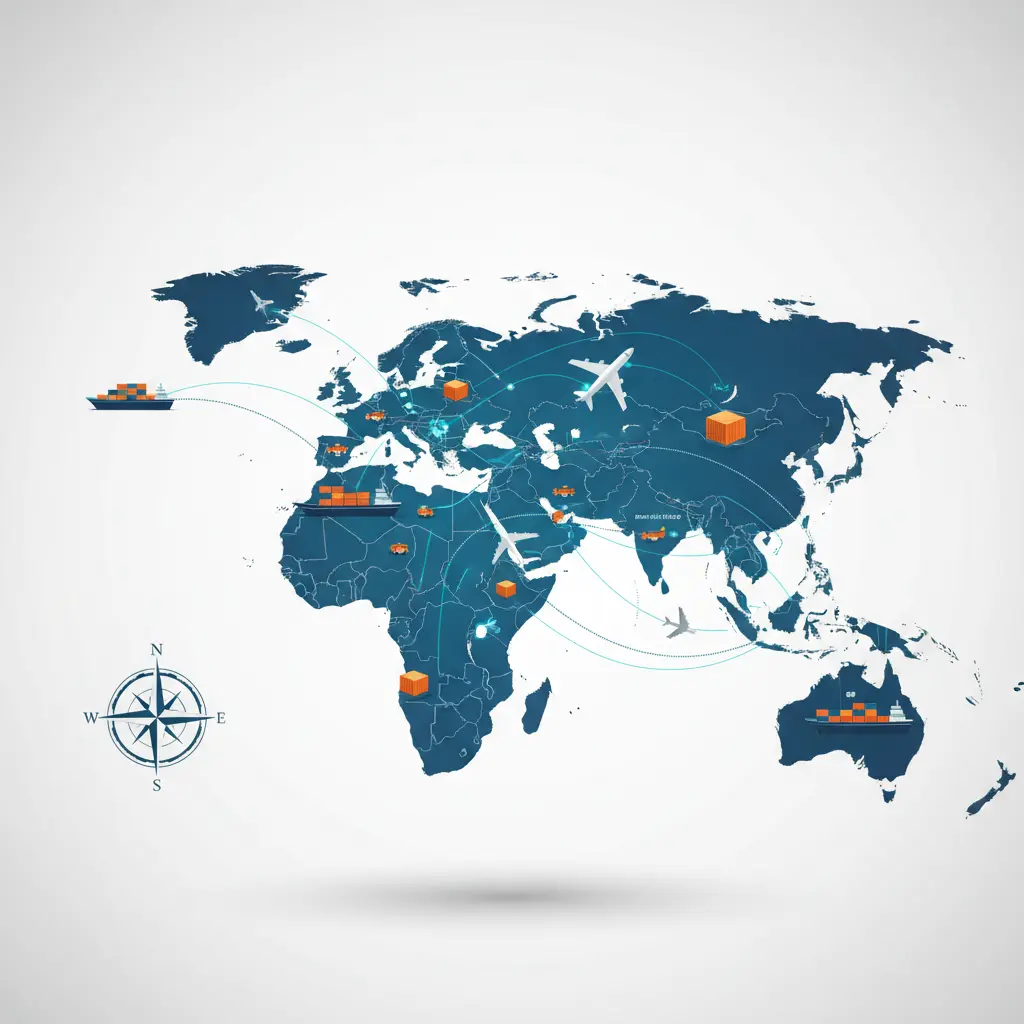
The Middle East serves as a critical global trade hub, strategically positioned at the confluence of Europe, Asia, and Africa. Its rapidly expanding economies, driven by ambitious diversification initiatives, offer substantial Middle East Market Entry Strategy opportunities for international businesses. To fully leverage this potential, a nuanced understanding and expert execution of international trade logistics are essential. Efficient supply chain management, encompassing everything from initial shipping to final distribution, is paramount for navigating the region’s unique operational landscape and ensuring seamless business success.
1. Optimal Shipping Routes & Major Port Infrastructure
The Middle East’s geographical advantage is underscored by its control over vital maritime passages like the Suez Canal and the Strait of Hormuz, crucial for global shipping. Businesses engaged in Vietnam exports to Middle East or other international trade must optimize these routes. The region boasts an impressive array of world-class port infrastructure, capable of handling vast volumes of diverse cargo:
- Jebel Ali Port (Dubai, UAE): A pivotal transshipment hub and one of the world’s busiest ports, offering extensive connectivity for various cargo types, enhanced by its integration with the Jebel Ali Free Zone.
- King Abdullah Port (Saudi Arabia): A modern facility on the Red Sea, strategically positioned to facilitate East-West trade with advanced technology and deep berths.
- Hamad Port (Qatar): Qatar’s primary gateway to global trade, featuring significant capacity and specialized terminals supporting the nation’s economic diversification.
- Khalifa Port (Abu Dhabi, UAE): A highly automated and technologically advanced port serving as a key trade gateway for the UAE.
- Salalah Port (Oman): Located outside the Strait of Hormuz, offering strategic advantages for direct access to major shipping lanes and reduced transit times.
Selecting the optimal port requires considering capabilities, connectivity, customs efficiency, and adherence to GCC trade regulations for cost-effective and timely delivery.
2. Warehousing Solutions, Cold Chain Logistics & Distribution
Effective warehousing and distribution are critical post-arrival components for any successful Middle East Market Entry Strategy. The region provides diverse warehousing solutions, from general storage to highly specialized facilities. Due to the often-extreme climate, robust cold chain logistics are particularly vital.
- Warehousing: Modern facilities, often within or near free zones (e.g., JAFZA, Dubai South), offer flexible options like temperature-controlled environments and bonded storage. Free zones provide incentives such as 100% foreign ownership and tax exemptions, ideal for regional distribution hubs.
- Cold Chain Logistics: Indispensable for perishables (food, pharmaceuticals), this involves refrigerated storage, transport, and real-time temperature monitoring to maintain product integrity. Demand for sophisticated cold chain solutions is rising due to consumer needs and regulatory standards.
- Distribution Networks: Establishing efficient last-mile and regional networks is crucial for reaching markets across the GCC. This involves navigating varying infrastructure and local regulations. Partnering with local distributors or logistics providers can significantly streamline this process, especially for businesses pursuing B2B export opportunities Middle East.
3. Supply Chain Management, Risk Mitigation & Technology
Mastering international trade logistics in the Middle East demands a holistic approach to supply chain management, integrating proactive risk mitigation with cutting-edge technological solutions to ensure end-to-end visibility, efficiency, and resilience.
- Supply Chain Optimization: This involves continuous analysis and refinement of every logistics stage. Integrating operations with local ecosystems and fostering strong relationships with freight forwarders, customs brokers, and last-mile partners is key.
- Risk Mitigation: While generally stable for trade, the region can present risks such as geopolitical shifts and customs delays. Comprehensive risk management plans, route diversification, and contingency strategies are crucial. Navigating local bureaucracy and complying with evolving trade policies are also vital for effective risk mitigation.
- Leveraging Technology: Technology is revolutionizing international trade logistics Middle East. AI for demand forecasting, IoT for real-time tracking, and blockchain for enhanced transparency and security are becoming indispensable. Cloud-based logistics platforms improve collaboration and data exchange. For deeper insights into global logistics performance, the World Bank’s Logistics Performance Index (LPI) offers valuable benchmarks. Integrating these technologies provides a competitive edge and optimizes operational costs for any Middle East Market Entry Strategy.
Mastering international trade logistics in the Middle East requires a strategic blend of geographical awareness, infrastructural leverage, tailored warehousing, robust risk management, and technological adoption. By meticulously planning and executing these elements, businesses can unlock the vast commercial potential of this dynamic region.
Partner with Vietnam’s Leading Suppliers
Looking for reliable suppliers in Vietnam? Contact VietnamSuppliers.com today to connect with verified manufacturers and exporters across all industries.
—————————————
References
– IMF Middle East and Central Asia: https://www.imf.org/en/Countries/MCD
– DMCC Business Setup Steps – Dubai Multi Commodities Centre: https://www.dmcc.ae/free-zone/set-up-a-business/business-set-up-steps
– EY 2023 Middle East and North Africa (MENA) Attractiveness Survey: https://www.ey.com/en_ae/growth/mena-attractiveness-survey
– World Bank MENA Economic Update: https://www.worldbank.org/en/region/mena/publication/mena-economic-update
– The Logistics Performance Index (LPI): https://lpi.worldbank.org/report

