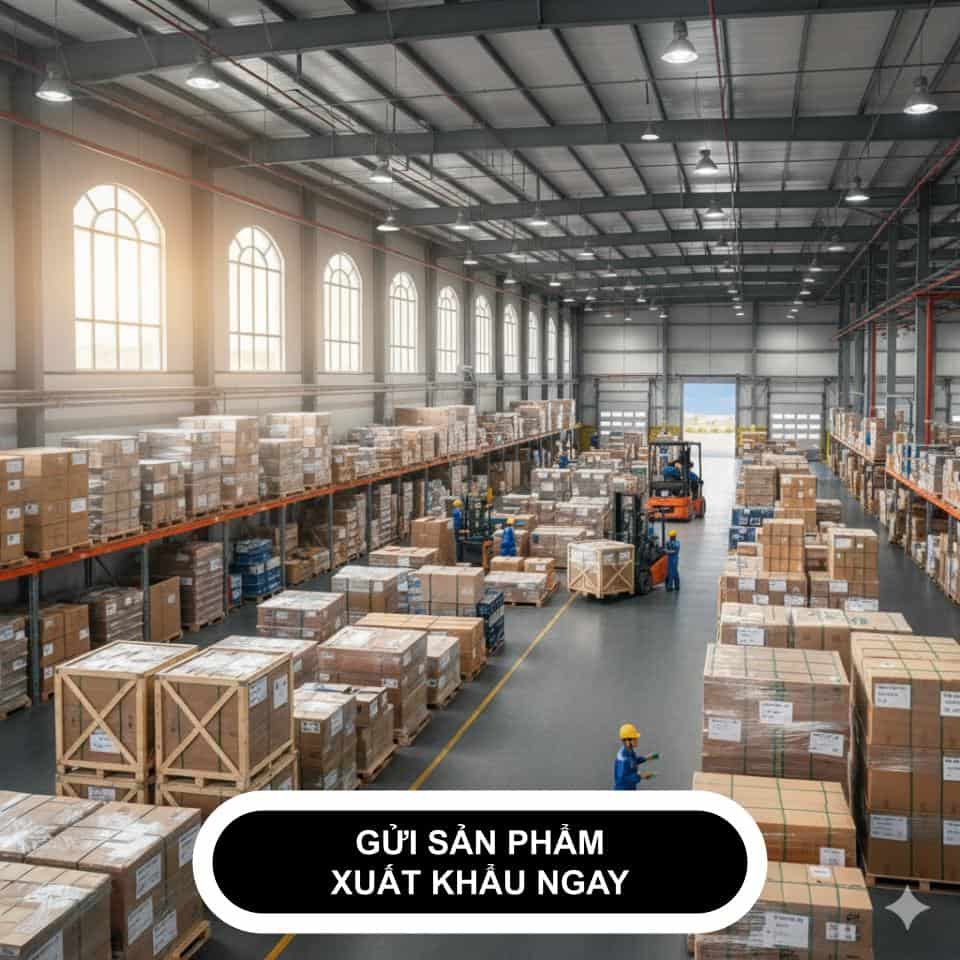
Executive Summary & Key Insights for 2025

The year 2025 is poised to be a pivotal period for global maritime trade, marked by both persistent challenges and significant opportunities for innovation and growth. This report provides a comprehensive Global Maritime Trade Outlook, offering an in-depth analysis of the trends, forecasts, and strategic imperatives shaping the industry. Our findings highlight a landscape in continuous flux, influenced by geopolitical shifts, economic dynamics, technological advancements, and an increasing focus on sustainability. Understanding these intricate interdependencies is crucial for stakeholders to navigate the complexities and capitalize on emerging potentials in the upcoming year.
1. Overview of the Global Maritime Industry Landscape
The global maritime industry remains the backbone of international commerce, responsible for transporting over 80% of global trade by volume. As we approach 2025, the landscape is characterized by a drive for resilience following recent disruptions, coupled with a renewed emphasis on efficiency and environmental stewardship. Economic recovery trajectories vary globally, impacting demand patterns and freight volumes across major shipping lanes. Geopolitical tensions continue to introduce an element of unpredictability, influencing trade routes and operational security. Furthermore, the imperative to decarbonize shipping is accelerating, with significant investments in alternative fuels and eco-friendly vessel designs becoming commonplace. The overall Global Maritime Trade Outlook suggests a moderate but steady growth trajectory, albeit with regional variances. The performance of the global logistics ecosystem, as measured by the Global logistics performance index, is expected to see incremental improvements driven by digital adoption and enhanced infrastructure, particularly in developing economies.
2. Key Highlights and Forecasts for 2025
For 2025, several critical trends will define the maritime sector. We anticipate continued volatility in energy markets, which will directly impact bunker fuel costs and, consequently, Container shipping rates analysis. While some normalization from pandemic-era highs is expected, structural factors like increased regulatory costs and supply-demand imbalances in certain segments may keep rates elevated compared to pre-2020 levels. Port congestion updates indicate a mixed outlook; investments in port infrastructure and digitalization should alleviate some bottlenecks, but unforeseen events or concentrated peak seasons could still trigger localized congestion. From a technological perspective, the adoption of AI, IoT, and blockchain for improved visibility and operational efficiency will gain further momentum, paving the way for advanced Supply chain optimization strategies. Shippers and carriers will increasingly focus on diversified sourcing and route planning to build more robust and agile supply chains, reducing single points of failure and adapting to evolving trade policies.
3. Methodology and Data Sources Utilized
This report’s forecasts and insights are derived from a robust methodology that integrates quantitative and qualitative analyses. Our approach combines econometric modeling of global trade flows, container volumes, and freight rates with expert interviews and qualitative assessments from leading industry analysts. Key data sources include publicly available statistics from international bodies such as the World Trade Organization (WTO), the International Monetary Fund (IMF), and various national statistical offices. We also leverage proprietary datasets from major shipping lines, port authorities, and logistics providers. Furthermore, the analysis incorporates insights from authoritative reports, including the United Nations Conference on Trade and Development’s (UNCTAD) Review of Maritime Transport, which provides comprehensive overviews of maritime industry trends. The synthesis of this diverse data ensures a holistic and reliable outlook for the Global Maritime Trade in 2025, offering actionable intelligence for strategic decision-making.
Navigating Port Congestion Updates and Challenges
The intricate web of global maritime trade is perpetually challenged by dynamic forces, none more disruptive in recent years than port congestion. From the initial shocks of the pandemic to evolving geopolitical landscapes and shifts in consumer demand, understanding and responding to Global Maritime Trade Outlook shifts and persistent bottlenecks at critical shipping hubs is paramount. This section offers an in-depth analysis of port congestion updates, pinpointing global hotspots, dissecting their underlying causes, and examining their profound implications for shipping efficiency and the fluidity of international trade flows.
1. Current Global Status of Port Congestion
The global shipping industry continues to grapple with varying degrees of port congestion, a persistent hangover from the extraordinary demand surges and operational disruptions experienced during the pandemic. While the peak levels observed in 2021 and early 2022 have largely subsided in many major ports, the issue remains a significant concern, albeit with shifting characteristics. Current port congestion updates indicate a transition from widespread, acute backlogs to more localized, chronic bottlenecks influenced by a confluence of factors. These include labor shortages, particularly among longshoremen and truck drivers; inadequate port infrastructure unable to scale with vessel size increases; and a lack of seamless digital integration across the logistics chain. Furthermore, unexpected weather events and localized industrial actions frequently exacerbate existing pressures, illustrating the fragile balance within the global logistics performance index. This ongoing instability necessitates continuous monitoring and agile responses from all stakeholders in the supply chain.
2. Regional Hotspots and Bottlenecks Analysis
Despite a general easing, several regions consistently emerge as significant hotspots for port congestion, acting as critical bottlenecks that ripple through the global supply chain. In Asia, major export hubs like Shanghai, Ningbo, and occasionally Singapore, face recurrent pressure due to their immense throughput volumes and susceptibility to manufacturing surges and typhoon seasons. European ports such as Rotterdam and Hamburg experience congestion stemming from inland logistics challenges, including limited barge capacity, rail network inefficiencies, and the sheer volume of transshipment operations. North American ports, particularly the key gateways on the U.S. East Coast (e.g., New York/New Jersey, Savannah), have seen a resurgence of delays, partly due to cargo diversions from the West Coast and ongoing labor negotiations. The underlying causes vary by region but often include a mismatch between vessel capacity and port handling capabilities, limited berthing space, equipment shortages (e.g., chassis), and a fragmented approach to landside logistics. According to the UNCTAD Review of Maritime Transport 2023, improving port infrastructure and operational efficiency remains crucial for enhancing the global logistics performance index and preventing future crises.
3. Impact on Shipping Schedules and Reliability
The most tangible and immediate consequence of port congestion is its detrimental impact on shipping schedules and overall supply chain reliability. Vessels are frequently delayed, leading to extended transit times and a domino effect that disrupts subsequent port calls, sometimes even necessitating blank sailings or port omissions. This unpredictability makes it incredibly difficult for shippers to plan inventory, manage production schedules, and meet delivery deadlines, leading to increased safety stock and higher inventory carrying costs. Furthermore, prolonged waiting times at anchorages and berth delays contribute directly to increased operational expenses for carriers, which are often passed on to customers through surcharges. A thorough Global Maritime Trade Outlook reveals that Container shipping rates analysis consistently shows upward pressure in congested corridors, driven by reduced effective capacity and increased demand for premium services to bypass delays. The cumulative effect is a significant erosion of supply chain efficiency, higher logistics costs, and a general decline in service reliability, pushing businesses to urgently pursue supply chain optimization strategies that can mitigate these risks and build greater resilience against future disruptions.
Container Shipping Rates Analysis & Market Dynamics
The intricate world of container shipping, a backbone of global commerce, is in a perpetual state of flux, largely driven by fluctuating rates that directly impact supply chains and the broader Global Maritime Trade Outlook. Understanding the dynamics behind these cost shifts is paramount for businesses, logistics providers, and policymakers alike. This comprehensive container shipping rates analysis delves into the multifaceted factors influencing these fluctuations, examining market supply and demand equilibrium, and offering insights into future projections. From geopolitical tensions to technological advancements, every element plays a critical role in shaping the cost of moving goods across oceans, thereby influencing global logistics performance index benchmarks and necessitating robust supply chain optimization strategies.

1. Analysis of Global Container Shipping Rates Trends
The trajectory of global container shipping rates has been a rollercoaster ride, particularly since the onset of the COVID-19 pandemic. Prior to 2020, rates exhibited relative stability, characterized by fierce competition among carriers. However, the pandemic unleashed unprecedented disruptions, leading to a dramatic surge in freight costs. Demand for goods skyrocketed while supply chain bottlenecks, including pervasive port congestion updates across major global hubs, severely constrained capacity. Indices like the Shanghai Containerized Freight Index (SCFI) and the Drewry World Container Index soared to historic highs in late 2021 and early 2022. This period of extreme volatility highlighted the fragility of global logistics. More recently, as consumer demand has moderated, inventory levels have normalized, and port congestion updates have shown signs of easing, rates have retreated significantly from their peaks, often settling closer to, or even below, pre-pandemic levels in some lanes. This ongoing container shipping rates analysis reveals a market attempting to find a new equilibrium amidst evolving economic conditions and geopolitical realities.
2. Factors Driving Rate Fluctuations (Fuel, Geopolitics, Demand)
Several critical factors converge to dictate the ebb and flow of container shipping rates. Fuel costs, primarily bunker fuel, represent a significant operational expense for carriers. Fluctuations in global oil prices directly translate into surcharges, affecting overall freight costs. Furthermore, environmental regulations, such as IMO 2020’s low-sulphur fuel mandate and ongoing decarbonization initiatives, introduce additional costs for compliance and investment in cleaner technologies. Geopolitical events are increasingly influential; recent disruptions in the Suez Canal due to conflicts in the Red Sea, for instance, forced many vessels to reroute via the Cape of Good Hope, adding significant transit time, fuel consumption, and insurance premiums, thereby tightening effective capacity and driving rates upwards. Trade wars, sanctions, and regional instabilities also create uncertainty, impacting trade volumes and shipping routes. Demand dynamics remain a fundamental driver. Consumer spending patterns, e-commerce growth, manufacturing output, and inventory cycles profoundly affect the volume of goods shipped. A surge in demand without a corresponding increase in vessel or port capacity inevitably leads to higher rates. Conversely, a slowdown in global trade activity, as reflected in a declining global logistics performance index, can put downward pressure on rates. Understanding these interconnected forces is crucial for anticipating market shifts and developing robust supply chain optimization strategies.
3. Liner Strategies, Fleet Capacity, and Newbuild Orders
The strategic decisions of container shipping lines significantly impact market rates and capacity. Carriers often form alliances to pool resources, share vessel space, and offer broader network coverage, which can influence pricing power. Capacity management techniques, such as blank sailings (cancelling scheduled voyages) or slow steaming, are employed to match supply with demand, especially during periods of overcapacity or low demand, thereby propping up rates. The global container fleet’s capacity is a long-term determinant. A surge in newbuild orders placed during the pandemic’s peak, fueled by record profits and the anticipation of sustained high demand, is now poised to enter service. This influx of new, often larger, vessels over the next few years presents a significant challenge: potential overcapacity. Industry analysts, including those at UNCTAD’s Review of Maritime Transport 2023, have highlighted this impending surge as a key factor that could exert considerable downward pressure on freight rates. How carriers manage this new capacity, alongside persistent issues like port congestion updates, will be crucial in shaping the market. Shippers, in turn, must adapt their supply chain optimization strategies to leverage periods of lower rates and greater service availability, while carriers will need to balance profitability with market share in an increasingly competitive environment. The interplay of these strategic moves and fleet developments will define the future landscape of container shipping rates analysis.
Global Logistics Performance Index & Resilience
Understanding the intricate dynamics of global trade requires a comprehensive look at the infrastructure, services, and efficiency that underpin it. This section delves into the latest Global Logistics Performance Index (LPI) scores, providing a vital benchmark for regional logistics efficiency. It also examines the broader resilience of global supply chains, especially in the face of evolving geopolitical landscapes, which significantly influence the Global Maritime Trade Outlook and related market indicators.
1. Latest Global Logistics Performance Index (LPI) Scores
The Logistics Performance Index (LPI), developed by the World Bank, serves as a crucial benchmarking tool for countries to identify their challenges and opportunities in logistics. It assesses six key dimensions: the efficiency of customs and border clearance, the quality of trade and transport infrastructure, the ease of arranging competitively priced international shipments, the competence and quality of logistics services, the ability to track and trace consignments, and the timeliness of shipments in reaching their destination within the scheduled or expected delivery time. The latest LPI report, often updated biennially, provides invaluable insights into the state of global logistics.
The 2023 LPI report highlighted a period of significant shifts, reflecting the aftermath of the COVID-19 pandemic and subsequent supply chain disruptions. While high-income countries, particularly in Europe and parts of Asia, consistently rank among the top performers due to their advanced infrastructure and robust digital systems, the report also emphasized a global trend towards increased digitalization and green logistics. Countries like Singapore, Finland, and Denmark frequently feature at the top, showcasing best practices in customs efficiency, infrastructure development, and logistics competence. The report noted an improved focus on supply chain resilience and diversification, driven by recent global shocks. Moreover, developing nations showed varied progress, with some making significant strides by investing in infrastructure and streamlining customs procedures, underscoring the potential for growth and improvement through targeted reforms and adoption of modern logistics practices. For a detailed breakdown, the official World Bank Logistics Performance Index website offers the most up-to-date findings and analysis.
2. Benchmarking Regional Logistics Efficiency and Gaps
Benchmarking regional logistics efficiency through the LPI reveals significant disparities and highlights critical areas for improvement across different parts of the world. Each region presents a unique set of strengths and weaknesses, influenced by economic development, geographical location, and regulatory environments.
- Asia-Pacific: This region is a mixed bag, with powerhouses like Singapore, Japan, and South Korea consistently achieving high LPI scores due to their sophisticated port infrastructure, technological adoption, and efficient customs. However, emerging economies within the region often face challenges related to infrastructure bottlenecks, customs delays, and a fragmented logistics sector. The focus here is increasingly on integrating digital platforms and enhancing cross-border connectivity.
- Europe: European nations generally demonstrate strong performance, benefiting from well-developed transport networks (road, rail, inland waterways), advanced logistics services, and streamlined customs processes facilitated by the European Union. The primary gaps often relate to navigating complex regulatory frameworks and embracing sustainable logistics practices more broadly.
- North America: The United States and Canada exhibit high volumes of trade and strong logistics capabilities but grapple with issues like aging infrastructure, labor shortages, and susceptibility to Port congestion updates. The focus for improvement includes infrastructure modernization and greater adoption of automation.
- Africa and Latin America: Many countries in these regions face substantial logistics challenges, including inadequate infrastructure, inefficient customs procedures, and limited access to advanced logistics technologies. However, there is growing investment in port development, digital solutions, and regional trade agreements aimed at enhancing connectivity and reducing trade costs.
Across all regions, common gaps include the need for enhanced digital transformation, sustainability integration, and robust data analytics to pre-empt disruptions. Implementing effective Supply chain optimization strategies is paramount to bridging these efficiency gaps and fostering more resilient and cost-effective logistics networks.
3. Impact of Geopolitical Shifts on Supply Chain Resilience
Geopolitical shifts have become a dominant factor shaping global supply chains, often introducing volatility and unprecedented challenges. Events such as trade wars, regional conflicts, political instability, and changes in international alliances can profoundly disrupt established trade routes, impact sourcing strategies, and escalate operational costs. For instance, the Russia-Ukraine conflict led to significant rerouting of maritime and land freight, impacting fuel prices and causing ripple effects on Container shipping rates analysis globally.
The drive for supply chain resilience in this dynamic environment is leading companies to rethink their global sourcing and distribution networks. Strategies such as diversification of suppliers, nearshoring, friend-shoring, and multi-shoring are gaining traction to mitigate risks associated with over-reliance on single regions or political climates. Furthermore, investments in real-time visibility technologies, predictive analytics, and scenario planning are crucial for anticipating and responding to disruptions. Building resilience also involves fostering stronger relationships with logistics partners, investing in robust digital infrastructure, and developing agile operational models that can adapt quickly to sudden changes. The aim is not merely to withstand shocks but to emerge stronger, ensuring continuity and stability in an increasingly unpredictable global trade landscape.
Supply Chain Optimization Strategies & Future Trends
The intricate web of modern global trade demands robust and agile supply chains capable of withstanding disruptions and adapting to dynamic market conditions. As businesses navigate evolving geopolitical landscapes, rapid technological advancements, and increasing environmental pressures, optimizing supply chain operations has become an existential imperative. This section delves into advanced supply chain optimization strategies, exploring how comprehensive digital transformation, proactive sustainability initiatives, and emerging innovations are poised to redefine maritime logistics and significantly influence the broader Global Maritime Trade Outlook.

1. Strategies for Enhancing Supply Chain Efficiency
Achieving peak efficiency in the complex realm of maritime logistics requires a multi-faceted and forward-thinking approach. At its core are advanced demand forecasting models, which leverage sophisticated historical data analysis combined with real-time market indicators and predictive analytics to anticipate consumer needs with greater accuracy, minimizing costly stockouts and overstock. Robust inventory management systems, often facilitated by real-time tracking and automated reordering, ensure optimal stock levels across distributed networks, thereby reducing warehousing costs and improving order fulfillment rates. Furthermore, enhancing end-to-end collaboration across the entire supply chain—from raw material suppliers to manufacturers, carriers, and final customers—can significantly streamline processes, improve information flow, and boost overall responsiveness. Crucial for resilience are comprehensive risk mitigation strategies, including diversifying sourcing geographies, implementing agile production capabilities, and establishing resilient contingency plans to buffer against unforeseen disruptions like geopolitical tensions, natural disasters, or the ever-present challenge of Port congestion updates. The effective utilization of big data analytics and business intelligence tools allows companies to identify systemic bottlenecks, measure key performance metrics accurately, and drive continuous improvement across all operational facets, directly impacting the global Global logistics performance index and competitive positioning.
2. Digital Transformation in Maritime Logistics (AI, IoT, Blockchain)
Digital transformation is not merely an upgrade; it is fundamentally redefining maritime logistics, ushering in an era of unprecedented efficiency, transparency, and predictive capability. Artificial Intelligence (AI) and Machine Learning (ML) algorithms are pivotal in this evolution, optimizing everything from dynamic routing for vessels to predictive maintenance schedules for critical equipment, and accelerating customs clearance processes through intelligent automation. AI-driven solutions can analyze vast, complex datasets, offering invaluable insights into market fluctuations, optimizing vessel utilization, and providing precise Container shipping rates analysis, enabling more proactive and informed decision-making. The Internet of Things (IoT) provides real-time, granular visibility into cargo location, environmental conditions (such as temperature and humidity), and vessel performance metrics. This enhanced monitoring capability improves cargo security, significantly reduces spoilage and damage, and allows for proactive intervention. Blockchain technology, with its decentralized and immutable ledger, offers a secure and transparent platform for tracking goods, verifying authenticity, and managing complex contractual agreements and documentation across multiple parties. This significantly reduces fraud, disputes, and administrative overheads. Together, these technologies are forging a more interconnected, intelligent, and responsive global logistics network, capable of handling the complexities of modern trade with greater agility and precision.
3. Sustainability and Green Shipping Initiatives
As global environmental concerns intensify, sustainability has transitioned from a niche interest to a core strategic imperative shaping the future of maritime logistics. Initiatives aimed at reducing the carbon footprint and environmental impact are gaining widespread adoption. Practices like slow steaming, which involves operating vessels at reduced speeds, have become a common strategy to significantly cut fuel consumption and associated greenhouse gas emissions. The industry is witnessing a rapid acceleration in the adoption of alternative, cleaner fuels such as Liquefied Natural Gas (LNG), methanol, and increasingly, next-generation options like ammonia and hydrogen. This shift is largely driven by stringent regulations from organizations like the International Maritime Organization (IMO) concerning sulfur and carbon emissions. Significant investments are also being directed towards eco-friendly vessel designs, including advanced hull forms and propulsion systems, as well as green port infrastructure, such as shore power (cold ironing) facilities that allow vessels to plug into the local grid while docked, eliminating engine emissions. Furthermore, companies are optimizing container utilization through sophisticated load planning and embracing reverse logistics principles for waste reduction and effective recycling programs. Embracing these comprehensive sustainable practices not only mitigates environmental impact but also enhances corporate social responsibility, builds brand reputation, and can lead to substantial long-term operational cost savings and improved regulatory compliance, ultimately shaping a more resilient and responsible Global Maritime Trade Outlook for future generations.
Partner with Vietnam’s Leading Suppliers
Looking for reliable suppliers in Vietnam? Contact VietnamSuppliers.com today to connect with verified manufacturers and exporters across all industries.
—————————————
References
– UNCTAD) Review of Maritime Transport: https://unctad.org/publication/review-maritime-transport-2023
– UNCTAD Review of Maritime Transport 2023: https://unctad.org/publication/review-maritime-transport-2023
– UNCTAD’s Review of Maritime Transport 2023: https://unctad.org/publication/review-maritime-transport-2023
– World Bank Logistics Performance Index: https://lpi.worldbank.org/
– Container shipping rates analysis: https://www.statista.com/statistics/1271109/global-container-shipping-index/