
The Rise of Sustainable Sourcing in Vietnam
Vietnam has rapidly emerged as a powerhouse in global manufacturing, known for its dynamic economy and strategic position. However, its ascent is now defined not just by output, but by a growing commitment to sustainability. The global landscape is increasingly demanding ethical and environmentally responsible production, pushing Sustainable Sourcing Vietnam to the forefront of international trade discussions. As brands and consumers worldwide scrutinize supply chains more intensely, Vietnam’s manufacturers are embracing sustainable practices, positioning the nation as a vital hub for ethical and green production. This shift is crucial for businesses seeking to build resilient, responsible, and future-proof supply chains.
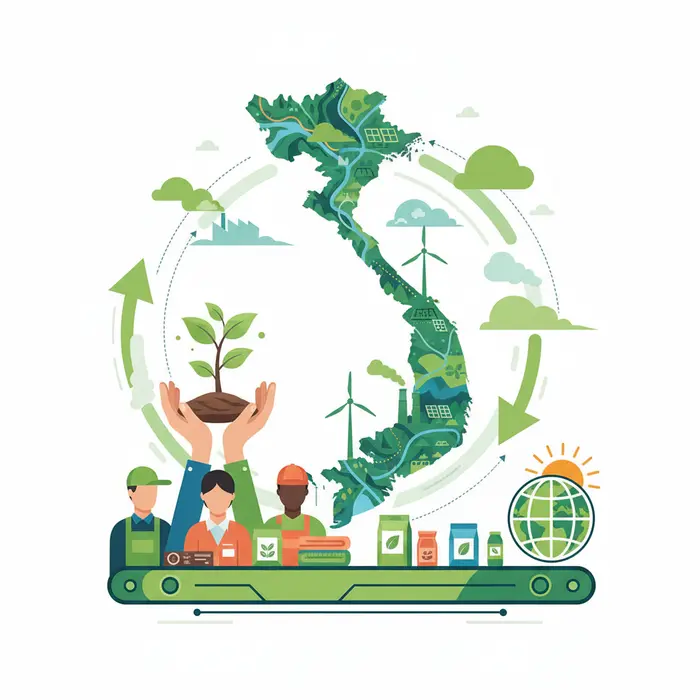
1. Vietnam’s strategic position in global supply chains
Vietnam’s prominence in global supply chains is no accident. Its advantageous geographical location, extensive coastline, and well-developed port infrastructure make it an ideal gateway for international trade. Beyond logistics, a young, adaptable, and increasingly skilled workforce provides a robust labor pool for diverse manufacturing sectors, from textiles and electronics to furniture and agro-processing. Furthermore, Vietnam’s proactive engagement in numerous free trade agreements, such as the CPTPP and EU-Vietnam FTA, has significantly boosted its attractiveness as a manufacturing destination. This strategic positioning, coupled with government incentives for foreign investment, has made Vietnam a preferred alternative for companies looking to diversify their supply chains away from traditional manufacturing hubs. For Vietnam sustainable manufacturing suppliers, this means not only opportunities for growth but also the imperative to align with global environmental and social standards to remain competitive.
2. Increasing consumer and regulatory pressure for sustainability
The global business environment is experiencing an unprecedented surge in demand for sustainability, driven by both conscious consumers and stringent regulatory frameworks. Consumers, particularly younger generations, are increasingly willing to pay a premium for products that are ethically sourced and environmentally friendly. This shift in consumer behavior is compelling brands to ensure greater transparency in their supply chains. Simultaneously, governments and international organizations are enacting stricter regulations related to environmental protection, fair labor practices, and corporate social responsibility. Concepts like ESG (Environmental, Social, and Governance) compliance are no longer optional but critical for market access and reputation. Businesses are now expected to demonstrate fair labor Vietnam supply chain practices, ensure ESG compliance Vietnam factories, and provide transparent sourcing Vietnam data. Failure to meet these rising expectations can result in significant brand damage, boycotts, and legal repercussions. This pressure acts as a powerful catalyst for Vietnamese manufacturers to adopt and demonstrate sustainable practices, making them more attractive partners in a world prioritizing responsible production. For more insights on building resilient and sustainable supply chains, refer to reports by leading global organizations like the World Economic Forum.
3. Economic benefits of adopting sustainable practices
While the initial investment in sustainable practices might seem daunting, the long-term economic benefits for Vietnamese businesses are substantial and multifaceted. Adopting sustainability can lead to significant operational cost reductions through improved resource efficiency, such as lower energy consumption, reduced waste generation, and optimized water usage. Beyond direct savings, embracing sustainable manufacturing enhances a company’s brand reputation and appeal to a broader segment of conscientious consumers and investors. This improved public image can open doors to new markets, especially in regions with high sustainability standards. Furthermore, companies with strong ESG performance often experience better access to capital, as financial institutions increasingly favor sustainable investments. Compliance with international sustainability standards also mitigates risks associated with potential penalties, supply chain disruptions, and reputational damage. Ultimately, integrating sustainable practices transforms challenges into opportunities, fostering long-term resilience, innovation, and competitive advantage for Sustainable Sourcing Vietnam suppliers. For businesses looking to connect with these progressive suppliers, exploring platforms like Vietnam Suppliers can be a crucial first step.
Identifying Vietnam’s Sustainable Manufacturing Suppliers
In an increasingly conscious global market, identifying genuinely sustainable manufacturing suppliers is paramount for businesses seeking to build resilient and responsible supply chains. Vietnam, a burgeoning manufacturing hub, presents immense opportunities for companies committed to ethical sourcing. However, navigating this landscape requires a strategic approach to ensure your partners align with your sustainability goals. This guide provides actionable insights for Sustainable Sourcing Vietnam, focusing on methods to find and vet suppliers that uphold the highest standards of environmental, social, and governance (ESG) practices.
1. Criteria for evaluating sustainable suppliers (certifications, audits)
Establishing clear criteria is the bedrock of identifying reputable Vietnam sustainable manufacturing suppliers. Beyond basic quality and cost, look for verifiable commitments to sustainability. Key indicators include:
- Certifications: Validate a supplier’s environmental and social claims through internationally recognized certifications. For textiles, look for GOTS (Global Organic Textile Standard), Oeko-Tex Standard 100, or Bluesign. In electronics, certifications like ISO 14001 (Environmental Management) and ISO 45001 (Occupational Health & Safety) are crucial. Across industries, SA8000 signifies a strong commitment to fair labor practices, adhering to principles established by the International Labour Organization.
- Third-Party Audits: Rely on independent third-party audits to assess compliance with ethical labor and environmental standards. Platforms like SEDEX (Supplier Ethical Data Exchange) and BSCI (Business Social Compliance Initiative) provide a standardized framework for audits, covering aspects from working conditions and wages to health and safety. These audits offer transparent, verifiable data, crucial for ESG compliance Vietnam factories.
- Environmental Performance: Evaluate energy consumption, water usage, waste management practices (reduction, reuse, recycling programs), and emissions control. Ask for data and evidence of continuous improvement initiatives.
- Labor Practices: Scrutinize worker welfare, fair wages, working hours, non-discrimination policies, child labor prevention, and freedom of association. A Fair labor Vietnam supply chain is non-negotiable for true sustainability.
- Supply Chain Transparency: Insist on visibility not just into the direct supplier, but also their upstream suppliers to mitigate risks of unethical practices further down the chain.
2. Key industries leading sustainable production (textiles, electronics, agriculture)
While sustainability is a cross-cutting imperative, certain sectors in Vietnam are making significant strides in adopting responsible manufacturing practices:
- Textiles and Apparel: Vietnam’s textile industry is increasingly investing in eco-friendly materials (organic cotton, recycled polyester), water-saving dyeing techniques, and waste reduction. Many factories are pursuing LEED (Leadership in Energy and Environmental Design) certification for their facilities and adopting global standards for chemical management. This sector is a prime example of where to find Vietnam sustainable manufacturing suppliers.
- Electronics: The electronics sector is focusing on energy-efficient production, responsible disposal of e-waste, and sourcing of conflict-free minerals. Companies are implementing stricter controls over hazardous substances and striving for circular economy principles in product design and manufacturing processes.
- Agriculture and Food Processing: Given Vietnam’s rich agricultural base, this sector is critical. Sustainable practices here involve organic farming, responsible water management, reduced pesticide use, fair trade certifications for farmers, and sustainable packaging. Traceability systems from farm to fork are becoming more prevalent, offering robust Transparent sourcing Vietnam solutions for food and beverage companies.
3. Leveraging technology for supplier identification and assessment
In the modern era, technology plays a pivotal role in streamlining the search for and vetting of sustainable suppliers:
- Digital Platforms and Databases: Specialized platforms and supplier databases allow businesses to filter potential partners based on certifications, audit scores, and sustainability reports. These tools can significantly reduce the initial screening time.
- Blockchain for Traceability: Blockchain technology offers an immutable and transparent ledger for tracking products from raw materials to finished goods. This can provide unprecedented levels of Transparent sourcing Vietnam, verifying the origin and ethical journey of every component. For instance, knowing the exact farm or mine a material came from, or confirming processing steps without intermediaries, builds trust and ensures accountability.
- AI and Data Analytics: Artificial intelligence and machine learning can analyze vast amounts of data, including news, social media, and satellite imagery, to identify potential risks or greenwashing claims related to suppliers. Predictive analytics can flag potential issues before they escalate, providing proactive insights into ESG compliance Vietnam factories.
- Remote Auditing Tools: While on-site audits remain crucial, remote auditing technologies, utilizing video conferencing, IoT sensors, and real-time data feeds, can supplement traditional methods, especially for ongoing monitoring or preliminary assessments, enhancing efficiency and reducing travel costs.
Embarking on Sustainable Sourcing Vietnam is a strategic imperative for businesses aiming for long-term resilience and positive global impact. By meticulously evaluating suppliers against comprehensive sustainability criteria, focusing on leading industries, and harnessing the power of technology, companies can build a truly responsible and transparent supply chain. This proactive approach not only mitigates risks but also enhances brand reputation, fosters innovation, and contributes to a more equitable and environmentally sound future. Prioritizing fair labor Vietnam supply chain and robust ESG compliance Vietnam factories is not just good practice, it’s essential business.
Ensuring Fair Labor Practices in the Vietnam Supply Chain
As Vietnam continues to solidify its position as a global manufacturing hub, the imperative to ensure fair labor practices within its extensive supply chain becomes ever more critical. Sustainable Sourcing Vietnam is not merely about environmental stewardship; it fundamentally encompasses ethical working conditions, human rights, and the well-being of the workforce. Companies engaging with Vietnamese suppliers are increasingly held accountable for the social impact of their operations, driving a demand for Vietnam sustainable manufacturing suppliers who prioritize human capital. This section delves into the best practices and persistent challenges in maintaining robust ethical labor standards, fostering a truly sustainable and responsible supply chain.

1. Understanding Local Labor Laws and International Standards
The foundation of fair labor practices in the Vietnam supply chain begins with a comprehensive understanding of both local legislation and international labor conventions. Vietnam’s Labor Code, regularly updated, outlines fundamental rights and responsibilities, including provisions for working hours, wages, social insurance, occupational safety, and trade union rights. However, navigating these laws requires diligence, as interpretations and enforcement can vary. Beyond national laws, global brands are expected to adhere to international standards set by organizations like the International Labour Organization (ILO), covering areas such as freedom of association, the elimination of forced labor, abolition of child labor, and non-discrimination. Bridging the gap between local legal requirements and higher international benchmarks is crucial for global companies committed to ESG compliance Vietnam factories. Proactive engagement with legal experts and local stakeholders helps ensure that policies are not just compliant, but also promote best-in-class labor conditions, setting a benchmark for fair labor Vietnam supply chain practices.
2. Implementing Ethical Recruitment and Working Conditions
Effective implementation of ethical labor practices extends from the moment of recruitment through every aspect of daily work life. Ethical recruitment ensures that workers are hired voluntarily, without coercion, debt bondage, or excessive recruitment fees. This means transparent contracts, clear job descriptions, and a zero-tolerance policy for human trafficking or exploitation, critical for fostering transparent sourcing Vietnam. Once employed, fair working conditions encompass several key elements: payment of a living wage that meets basic needs and provides discretionary income, rather than merely the legal minimum wage; reasonable working hours that adhere to legal limits and allow for adequate rest; and a safe, hygienic, and healthy working environment that minimizes risks of injury or illness. Furthermore, it involves fostering a workplace free from discrimination, harassment, and abuse, ensuring equal opportunities for all employees regardless of gender, religion, or background. Investing in robust health and safety protocols and training, coupled with clear grievance mechanisms, empowers workers and reinforces the commitment of Vietnam sustainable manufacturing suppliers to their workforce.
3. The Role of Third-Party Audits and Worker Empowerment Programs
To verify adherence to labor standards, third-party audits play an indispensable role. Independent auditors assess factories against a range of criteria, from wage records and working hours to health and safety provisions and environmental impact. While audits are a vital tool for identifying non-compliance and driving corrective actions, their effectiveness is amplified when complemented by worker empowerment programs. Traditional audits can sometimes miss systemic issues or be prone to manipulation. Therefore, a holistic approach includes initiatives that empower workers to understand their rights, voice concerns without fear of retaliation, and actively participate in improving their working conditions. Programs such as those run by Better Work Vietnam provide training for workers and management, establish effective grievance channels, and foster social dialogue between employees and employers. This shift from mere compliance to active engagement and transparent communication creates a culture of continuous improvement, essential for genuine ESG compliance Vietnam factories and ensuring truly transparent sourcing Vietnam practices. Ultimately, ensuring fair labor goes beyond checking boxes; it’s about building resilient, respectful, and ethical relationships throughout the supply chain.
Navigating ESG Compliance for Vietnam Factories
As global supply chains increasingly prioritize ethical and sustainable practices, factories in Vietnam are under growing pressure to meet stringent Environmental, Social, and Governance (ESG) standards. For international buyers seeking Sustainable Sourcing Vietnam, understanding and ensuring ESG compliance among their manufacturing partners is no longer optional—it’s a critical component of risk management and brand reputation. This section delves into the key ESG factors relevant to Vietnam’s manufacturing sector, offering practical insights for achieving compliance with global benchmarks and fostering genuinely sustainable operations. Achieving ESG compliance not only mitigates potential risks but also positions Vietnamese factories as reliable and responsible Vietnam sustainable manufacturing suppliers.
Environmental impact reduction strategies (emissions, waste, water)
Environmental compliance is foundational to ESG performance, focusing on minimizing the ecological footprint of manufacturing operations. For factories in Vietnam, this translates into strategic interventions across emissions, waste, and water management. Reducing greenhouse gas emissions requires investments in energy-efficient machinery, transitioning to renewable energy sources, and optimizing production processes. Many factories are exploring solar panel installations or participating in national clean energy initiatives. Effective waste management goes beyond simple disposal; it involves robust recycling programs, waste reduction at the source, and proper handling of hazardous materials according to international standards, aligning with circular economy principles.
Water stewardship is another critical area. Factories must adopt practices that minimize water usage, such as implementing closed-loop systems for process water and treating wastewater to meet or exceed regulatory discharge limits before returning it to the environment. Comprehensive environmental impact assessments (EIAs) and regular audits are essential tools for identifying areas for improvement and demonstrating progress. By embracing these strategies, Vietnamese factories can significantly reduce their environmental footprint, enhancing their appeal for buyers focused on responsible environmental stewardship.
Social responsibility: community engagement and worker welfare
The “Social” aspect of ESG compliance centers on the human element, encompassing fair labor practices, worker safety, and positive community relations. For the Fair labor Vietnam supply chain, this means ensuring ethical recruitment, prohibiting child and forced labor, and providing safe and healthy working conditions. Factories should adhere to international labor standards, including those set by the International Labour Organization (ILO), regarding working hours, wages, and benefits. Paying living wages, offering comprehensive health and safety training, and establishing effective grievance mechanisms are paramount for worker welfare.
Beyond internal operations, social responsibility extends to community engagement. Factories are encouraged to contribute positively to their local communities through job creation, supporting local businesses, and engaging in philanthropic activities. Transparent communication with local stakeholders is vital for building trust and addressing any potential concerns. Implementing robust policies against discrimination and promoting diversity and inclusion further strengthens the social pillar, ensuring factories are seen as employers of choice and integral parts of their local economies. This focus on people is crucial for true ESG compliance Vietnam factories.
Governance best practices: anti-corruption and transparency
Governance forms the backbone of robust ESG performance, ensuring that a factory’s operations are conducted with integrity, accountability, and transparency. Key governance best practices include establishing strong anti-corruption policies and implementing strict codes of conduct for all employees. Regular training on anti-bribery measures is essential to foster an ethical culture. Factories should have clear reporting mechanisms for unethical behavior, protecting whistleblowers, and ensuring swift and fair investigations into any alleged misconduct.
Transparency in financial reporting, supply chain dealings, and operational decision-making is equally vital. This includes accurate record-keeping, timely disclosure of relevant information, and clear communication about ESG performance. For buyers, demanding Transparent sourcing Vietnam means expecting factories to map their supply chains, identify potential risks, and ensure traceability. Independent third-party audits and certifications provide credible assurance of a factory’s adherence to governance standards, building trust with international partners and demonstrating a long-term commitment to ethical business practices. Ultimately, strong governance safeguards the factory’s reputation and underpins the credibility of its entire ESG framework, making it a reliable partner in the global market.
Achieving Transparent Sourcing in Vietnam
As global consumer demand for ethical and environmentally responsible products intensifies, businesses sourcing from Vietnam face increasing pressure to demonstrate unparalleled transparency throughout their supply chains. Achieving truly Sustainable Sourcing Vietnam is no longer an aspiration but a critical business imperative. This involves enhancing visibility and traceability from raw material extraction to final product delivery, ensuring clarity and accountability at every stage. For companies operating in Vietnam, moving beyond traditional auditing to embrace a more proactive and integrated approach to supply chain transparency is essential for building consumer trust, mitigating risks, and fostering long-term sustainability.

1. Implementing supply chain mapping and traceability tools
The foundation of transparent sourcing lies in comprehensive supply chain mapping. This process involves meticulously documenting every entity, process, and material flow within the supply chain, from the tier-1 factory down to raw material origins. Modern digital tools and platforms are revolutionizing this effort, enabling companies to create interactive maps that visualize their entire network. These tools facilitate the collection of crucial data points, such as supplier certifications, labor practice reports, environmental impact assessments, and material provenance. By leveraging advanced analytics, businesses can identify potential bottlenecks, compliance gaps, and areas of high risk. This detailed mapping is vital for vetting and collaborating with Vietnam sustainable manufacturing suppliers, ensuring they adhere to international standards for ethics, labor, and environmental stewardship. Implementing robust traceability systems, which track products and components at every stage of their journey, further strengthens this transparency, providing irrefutable evidence of responsible sourcing practices.
2. Data sharing and collaboration with suppliers
While technology provides the framework, true transparency is fostered through active data sharing and collaborative partnerships with suppliers. It’s not enough for brands to merely demand compliance; they must empower their partners in Vietnam to achieve it. This involves establishing clear communication channels and encouraging an open exchange of information regarding operational practices, labor conditions, and environmental performance. Companies should invest in capacity-building initiatives, providing training and resources to help suppliers improve their internal systems for data collection and reporting. Such collaboration is crucial for ensuring fair labor Vietnam supply chain practices, allowing for early detection and remediation of issues like unsafe working conditions or unfair wages. By working together, brands and suppliers can co-create solutions that enhance efficiency, reduce waste, and build a more resilient and ethically sound supply chain for the long term.
3. The role of blockchain and other emerging technologies
Emerging technologies are set to transform supply chain transparency, offering unprecedented levels of data integrity and traceability. Blockchain, with its decentralized and immutable ledger technology, is particularly promising. By recording every transaction and movement of goods on a secure, unalterable chain, blockchain can provide real-time, verifiable data on product origins, certifications, and compliance at every stage. This drastically reduces the risk of fraud and provides unparalleled assurance to consumers and regulators alike. Beyond blockchain, other innovations like IoT (Internet of Things) sensors can monitor environmental conditions, energy consumption, and even worker safety in real-time, providing immediate alerts for deviations. Artificial intelligence (AI) and machine learning can analyze vast datasets from these sources, identifying patterns, predicting risks, and verifying claims about unprecedented transparency and accountability. These advanced tools are instrumental in enabling ESG compliance Vietnam factories, ensuring that environmental, social, and governance metrics are not just met but are provably so, thereby solidifying genuinely transparent sourcing Vietnam practices.
Embracing these strategies—from detailed mapping and collaborative data sharing to leveraging cutting-edge technologies—is fundamental for achieving truly transparent sourcing in Vietnam. This commitment to visibility and accountability not only protects brand reputation and fosters consumer loyalty but also drives tangible improvements in ethical conduct and environmental performance across the entire supply chain. It’s a continuous journey towards building a more responsible and Sustainable Sourcing Vietnam ecosystem for the future.
Partner with Vietnam’s Leading Suppliers
Looking for reliable suppliers in Vietnam? Contact VietnamSuppliers.com today to connect with verified manufacturers and exporters across all industries.
—————————————
References
– World Economic Forum: https://www.weforum.org/agenda/2023/01/how-to-build-a-more-resilient-and-sustainable-global-supply-chain/
– International Labour Standards: https://www.ilo.org/global/topics/labour-standards/lang–en/index.htm
– Better Work Vietnam: https://betterwork.org/our-work/where-we-work/vietnam/
– responsible environmental stewardship: https://www.unglobalcompact.org/what-is-gc/our-work/environment
– :

