The Rise of Vietnam Apparel Manufacturing
Vietnam has rapidly emerged as a formidable force in the global apparel industry, transforming from a nascent player into a strategic hub for textile and garment production. This impressive growth in Vietnam Apparel Manufacturing is characterized by its adaptability, strategic advantages, and a consistent commitment to quality and efficiency. The nation’s journey reflects a conscious effort to integrate into global supply chains, attracting significant foreign direct investment and fostering a skilled workforce. Today, Vietnam stands as a crucial destination for buyers seeking everything from large-scale orders from Vietnam garment factories to specialized private label clothing Vietnam solutions and sustainable sourcing options.
1. Historical context and key growth drivers
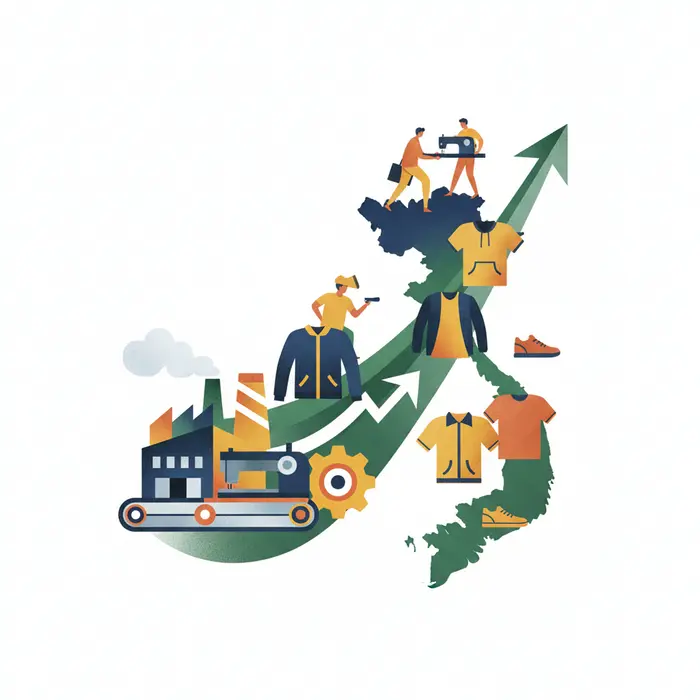
Vietnam’s ascent in the apparel sector began in the late 20th century, spurred by economic reforms (Đổi Mới) in the 1980s that opened the country to international trade and investment. Initially, the industry leveraged a readily available, cost-effective labor force, a fundamental advantage that remains relevant today, albeit with increasing emphasis on skill and productivity. The government’s strategic vision played a pivotal role, implementing policies to attract foreign direct investment (FDI) and establishing industrial zones dedicated to manufacturing. Early growth was driven by cut-make-trim (CMT) operations, but over time, Vietnamese manufacturers moved up the value chain, developing original equipment manufacturing (OEM) and eventually original design manufacturing (ODM) capabilities. Key growth drivers include political stability, a young and adaptable workforce, and geographical proximity to major sourcing markets in Asia.
2. Impact of trade agreements and policy advantages
A cornerstone of Vietnam’s success in the apparel industry has been its proactive engagement in international trade agreements. Treaties such as the Comprehensive and Progressive Agreement for Trans-Pacific Partnership (CPTPP), the EU-Vietnam Free Trade Agreement (EVFTA), and the US-Vietnam Bilateral Trade Agreement (BTA) have significantly lowered tariff barriers, providing preferential access to major consumer markets. These agreements not only boost export volumes but also enforce higher standards for labor and environmental practices, pushing Vietnamese factories towards greater compliance and sustainability. The consistent efforts by the Vietnamese government to create a business-friendly environment, coupled with these trade pacts, have made the country an attractive alternative for global brands looking to diversify their supply chains and capitalize on Vietnam’s robust economic performance and strategic market access. This policy-driven advantage is critical for businesses engaged in wholesale clothing Vietnam sourcing, ensuring competitive pricing and reliable delivery.
3. Competitive landscape and regional comparison
In the highly competitive global apparel market, Vietnam distinguishes itself through a combination of factors. While China remains the largest producer, rising labor costs and trade tensions have led many international buyers to diversify their sourcing, with Vietnam being a primary beneficiary. Compared to other regional competitors like Bangladesh and India, Vietnam often stands out for its higher quality production, more stable labor environment, and increasingly sophisticated supply chain infrastructure. While labor costs might be slightly higher than in Bangladesh, the efficiency, quality control, and faster lead times offered by Vietnam garment factories often justify the difference. Furthermore, Vietnam has made significant strides in embracing sustainable apparel Vietnam sourcing, with many factories investing in eco-friendly processes, certifications, and responsible labor practices. This commitment to sustainability appeals to ethically conscious brands and consumers, solidifying Vietnam’s position as a premium manufacturing destination. For businesses looking for reliable and quality-driven solutions, whether for bulk orders or specialized private label clothing Vietnam, the country offers a compelling proposition.
The journey of Vietnam’s apparel industry is a testament to strategic planning, robust policy support, and an adaptive industrial base. Its continuous evolution, driven by a commitment to quality, sustainability, and market integration, ensures its enduring role as a key player in the global textile and garment landscape.
Navigating Vietnam Garment Factories and Sourcing
Description: A practical guide for businesses looking to source from Vietnam, focusing on understanding different factory types and critical selection criteria.
Vietnam is a powerhouse in the global apparel industry, attracting businesses due to competitive costs, growing expertise, and favorable trade agreements. For brands seeking reliable production, understanding the landscape of Vietnam Apparel Manufacturing is crucial. This guide provides an overview for navigating Vietnam garment factories and establishing successful sourcing partnerships.
1. Types of Vietnam garment factories (CMT, OEM, ODM)
Understanding the operational models of Vietnamese garment manufacturing is essential. Each type offers varying service levels, catering to needs from emerging brands to established labels seeking wholesale clothing Vietnam solutions.
- CMT (Cut, Make, Trim): The most basic service. The client provides all raw materials (fabric, patterns, trims), and the factory cuts, sews, and trims the garments. Ideal for brands with strong in-house design and supply chain control, offering lower manufacturing costs but requiring significant client input.
- OEM (Original Equipment Manufacturer): More integrated than CMT. Clients provide designs, and the OEM factory handles material sourcing, cutting, sewing, and trimming to meet specifications. Suitable for businesses with proprietary designs that delegate production management. Many seeking private label clothing Vietnam opt for OEM to streamline production while retaining design ownership.
- ODM (Original Design Manufacturer): The most comprehensive service. ODM factories not only manufacture but also offer design and development. They often have in-house design teams and existing style libraries for customization. Perfect for businesses needing full-service partners from concept to product, leveraging the factory’s expertise for efficient creation and wholesale clothing Vietnam supply.
2. Key factors in choosing a manufacturing partner
Selecting the right factory goes beyond price. A strategic choice involves evaluating several critical aspects for long-term success and product quality.
- Capacity and Specialization: Match the factory’s production capacity to your order volume. Specialists in specific garment types (e.g., knitwear, activewear) often yield higher quality and efficiency.
- Quality Standards and Certifications: Inquire about QC processes and international certifications (e.g., ISO 9001). For sustainable apparel Vietnam sourcing, look for GOTS, Oeko-Tex, or bluesign for environmental and social responsibility.
- Communication and Transparency: Evaluate responsiveness, language capabilities, and willingness to be transparent about processes, lead times, and challenges.
- Lead Times and Flexibility: Understand typical lead times for samples and bulk production. Discuss flexibility for changes or rush orders.
- Pricing Structure and Payment Terms: Clearly understand pricing components (FOB, EXW) and negotiate favorable payment terms. Prioritize value, quality, and reliability over marginal cost savings.
- Ethical Compliance: Ensure adherence to ethical labor practices and safe working conditions. Due diligence through audits (e.g., BSCI, SA8000, or WRAP’s responsible production practices) is crucial for corporate social responsibility.
3. Quality control and supply chain management best practices
Maintaining high product quality and an efficient supply chain are non-negotiable for successful sourcing from Vietnam. Robust QC and SCM mitigate risks and ensure consistent product delivery.
- Implement a Multi-Stage Quality Control Process:
- Pre-Production Inspection (PPI): Inspect raw materials (fabric, trims) before production to prevent later issues.
- In-Process Inspection (IPI): Regular checks during production (initial, during, and final random) to identify and rectify defects early, minimizing waste.
- Final Random Inspection (FRI): A comprehensive inspection of 80-100% packed goods, packaging, and shipping marks before shipment to ensure all requirements are met.
- Strong Supplier Relationship Management: Foster open communication, provide clear feedback, and collaborate with your factory-partner on problem-solving. Strong relationships lead to better responsiveness and innovative solutions.
- Proactive Supply Chain Mapping and Risk Assessment: Understand every stage, from raw material sourcing to delivery. Identify potential bottlenecks, risks, and develop contingency plans.
- Clear Specifications and Communication: Provide detailed tech packs, design specifications, and sizing charts. Establish clear communication channels and regular updates.
- Logistics and Freight Management: Plan logistics carefully, understanding customs regulations, shipping options, and lead times. Experienced freight forwarders can streamline this process.
By diligently applying these strategies, businesses can navigate the complexities of sourcing from Vietnam garment factories, secure reliable manufacturing partners, and consistently deliver high-quality apparel.
Opportunities in Wholesale and Private Label Clothing Vietnam
Exploring the vast potential for both wholesale and private label ventures within Vietnam’s dynamic manufacturing ecosystem.
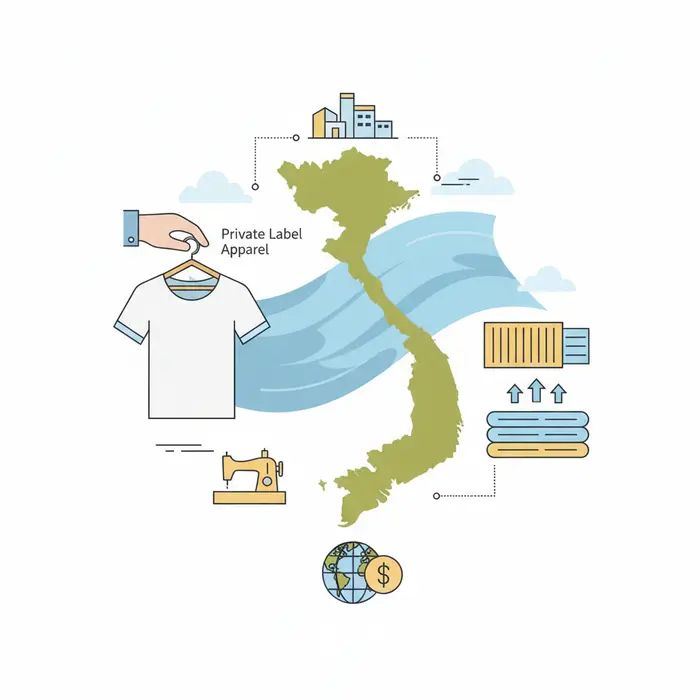
Vietnam has firmly established itself as a powerhouse in the global textile and apparel industry. Its strategic location, skilled workforce, competitive labor costs, and increasingly sophisticated manufacturing capabilities make it an attractive destination for businesses looking to source high-quality garments. From large-scale production for international brands to specialized runs for emerging designers, the opportunities for Vietnam Apparel Manufacturing are immense. The country’s commitment to modernization and its integration into global supply chains mean that Vietnam continues to attract significant investment, solidifying its position as a go-to hub for apparel production.
1. Strategies for successful wholesale clothing Vietnam partnerships
Building successful partnerships for Wholesale clothing Vietnam requires a strategic approach focused on trust, transparency, and shared objectives. The first crucial step is meticulous vetting of potential Vietnam garment factories. This goes beyond simply comparing price quotes; it involves assessing their production capacity, quality control protocols, ethical labor practices, and communication capabilities. Site visits, where possible, offer invaluable insights into factory operations, worker conditions, and overall management. Establishing clear communication channels from the outset is paramount. Regular updates, prompt responses, and a shared understanding of expectations regarding product specifications, delivery timelines, and quality standards are essential for avoiding misunderstandings and ensuring smooth production flows. Long-term relationships often yield the best results, as factories become more familiar with your specific needs and can offer greater flexibility and preferential terms over time. Consider implementing a robust quality assurance process, either through your own on-site representatives or a third-party inspection service, to ensure that every batch meets your brand’s standards before shipment.
2. Developing profitable private label clothing Vietnam brands
For brands looking to establish or expand their presence through bespoke collections, Private label clothing Vietnam offers a wealth of opportunities. The country’s manufacturing expertise allows for a wide range of product categories, from casual wear and activewear to intricate fashion pieces. The key to developing profitable private label brands lies in a combination of innovative design, careful material selection, and effective brand storytelling. Start by defining your brand identity and target market clearly, as this will guide design decisions and material choices. Many Vietnam garment factories offer design assistance, pattern making, and material sourcing services, making the process more accessible for brands without extensive in-house teams. Focus on unique selling propositions – whether it’s through sustainable fabrics, specialized finishes, or distinctive cuts. Small-batch production capabilities, available at many Vietnamese factories, are particularly advantageous for private label brands, allowing for greater design flexibility and reduced inventory risk. Leverage the expertise of local manufacturers in fabric development and technical construction to bring your vision to life efficiently and cost-effectively.
3. Balancing cost-effectiveness with brand differentiation
One of the primary advantages of sourcing from Vietnam is the ability to achieve competitive pricing without compromising on quality. However, in an increasingly crowded market, simply offering low prices is rarely enough for long-term success. The challenge for brands is to strike a delicate balance between cost-effectiveness and strong brand differentiation. This involves strategic choices at every stage, from raw material sourcing to manufacturing processes. Exploring Sustainable apparel Vietnam sourcing can be a powerful differentiator, appealing to environmentally conscious consumers. Many Vietnamese factories are adopting eco-friendly practices, using organic cotton, recycled polyester, or closed-loop manufacturing systems. Investing in unique design elements, custom finishes, or advanced fabric technologies can also elevate your brand’s perception. For instance, incorporating performance features into activewear or utilizing intricate embroidery for fashion garments can justify a higher price point. Furthermore, effective branding and marketing, highlighting the craftsmanship, ethical production, and unique story behind your products, can create a strong emotional connection with consumers, distinguishing your private label brand from competitors and fostering loyalty beyond mere price considerations. By intelligently combining competitive manufacturing costs with unique brand value, businesses can carve out a profitable niche in the global apparel market.
The Future of Sustainable Apparel Vietnam Sourcing
The textile and apparel industry, historically known for its significant environmental footprint, is undergoing a profound transformation towards sustainability. Vietnam, rapidly cementing its position as a global powerhouse in Vietnam Apparel Manufacturing, is at the forefront of this shift. The future of sourcing in Vietnam is inextricably linked to adopting eco-friendly, ethical, and transparent practices, influencing modern sourcing decisions for brands worldwide. As consumer awareness grows and regulatory pressures mount, Sustainable apparel Vietnam sourcing is no longer a niche preference but a critical imperative for competitive advantage and long-term viability.
1. Adoption of eco-friendly practices in Vietnam garment factories
The imperative for sustainability has spurred significant changes within Vietnam garment factories. Manufacturers are increasingly investing in technologies and processes designed to minimize environmental impact. This includes a strong focus on water conservation, with factories implementing closed-loop systems for dyeing and finishing processes, and adopting water-saving machinery. Energy efficiency is another key area, with a growing number of facilities integrating renewable energy sources such as solar panels and optimizing production layouts to reduce energy consumption. Waste management strategies are also evolving; beyond basic recycling programs, some factories are exploring upcycling initiatives, turning textile scraps into new products, or finding innovative ways to reduce pre-consumer waste. Furthermore, there’s a discernible shift towards using more sustainable materials, from organic cotton and recycled polyester to innovative bio-based fabrics, driven by both brand demand and local supply chain development. These adoptions not only enhance environmental performance but also often lead to operational efficiencies and cost savings in the long run, making them smart business decisions.
2. Key certifications and compliance standards for sustainability
For brands engaged in Wholesale clothing Vietnam or developing Private label clothing Vietnam, ensuring sustainability often means demanding adherence to internationally recognized certifications and compliance standards. These benchmarks provide a verifiable framework for ethical labor practices, environmental stewardship, and supply chain transparency. Prominent certifications include the Global Organic Textile Standard (GOTS), which guarantees the organic status of textiles from harvesting of the raw materials through environmentally and socially responsible manufacturing. Oeko-Tex Standard 100 ensures textiles are free from harmful substances, while the Better Cotton Initiative (BCI) promotes more sustainable cotton farming practices. For environmental performance, bluesign® SYSTEM provides solutions for sustainable textile production. On the social front, SA8000 and Worldwide Responsible Accredited Production (WRAP) certifications address fair labor practices, safe working conditions, and ethical business conduct. For a comprehensive industry-wide framework on measuring sustainability, resources like the Higg Index from the Sustainable Apparel Coalition offer valuable tools. By partnering with Vietnam garment factories that hold these certifications, brands can assure their consumers of their commitment to responsible sourcing and mitigate risks associated with greenwashing, building trust and brand reputation. The verification provided by these third-party audits is crucial for navigating the complex landscape of sustainable production.
3. Strategies for building a truly sustainable supply chain
Building a truly sustainable supply chain in Vietnam requires a holistic and strategic approach extending beyond mere compliance. It begins with rigorous supplier selection, where brands conduct comprehensive due diligence to assess potential partners’ environmental and social performance, not just their production capabilities. This often involves detailed audits, site visits, and transparent communication about sustainability goals. Crucially, it shifts from transactional relationships to long-term partnerships, where brands and Vietnam garment factories collaborate to implement continuous improvement initiatives. Transparency and traceability are paramount, demanding robust systems to track materials from their origin to the final product. This not only enhances accountability but also allows for rapid identification and remediation of issues. Furthermore, investing in innovation, such as supporting factories in adopting cutting-edge sustainable technologies or experimenting with new eco-friendly materials, is vital. Brands sourcing Sustainable apparel Vietnam sourcing must also engage in capacity building, providing training and resources to their suppliers to elevate their sustainability practices. Ultimately, a sustainable supply chain is resilient, ethical, and contributes positively to both local communities and the planet, demonstrating a commitment that resonates with modern consumers. To explore more about finding reputable Vietnam Apparel Manufacturing partners, consider leveraging platforms dedicated to connecting businesses with certified suppliers. The collective effort across the supply chain ensures that Vietnam’s apparel sector can meet global demands responsibly.
Outlook and Challenges for Vietnam Apparel in 2025
As the global apparel industry navigates a complex and evolving landscape, Vietnam remains a pivotal player, consistently ranking among the top exporters. The year 2025 promises to be a period of significant transformation, presenting both immense opportunities and considerable hurdles for Vietnam Apparel Manufacturing. This forward-looking perspective delves into the emerging trends, strategic opportunities, and potential hurdles facing Vietnam’s robust apparel manufacturing industry in the coming year, underscoring the need for adaptability and innovation.

1. Emerging Trends and Technological Advancements
The Vietnamese apparel sector is poised for a significant leap in technological adoption. Automation and digitalization are no longer aspirational but imperative for maintaining competitiveness. Factories are increasingly exploring robotics for repetitive tasks, AI-driven inventory management, and data analytics for production optimization. The adoption of 3D design software and virtual prototyping is reducing sample lead times and material waste, aligning with sustainable practices. Moreover, the industry is witnessing a shift towards advanced manufacturing techniques, allowing for higher precision and efficiency in Vietnam garment factories. Investment in smart factory solutions will enhance operational transparency and responsiveness, crucial for fulfilling dynamic market demands. The focus on sustainable materials and production processes, including eco-friendly dyeing techniques and recycled fibers, will continue to grow, driven by global consumer demand and regulatory pressures. This push for innovation will not only improve productivity but also elevate Vietnam’s appeal as a high-value manufacturing hub.
2. Labor Dynamics, Wage Considerations, and Workforce Development
Labor dynamics remain a critical factor for the Vietnam Apparel Manufacturing sector. While Vietnam boasts a young and adaptable workforce, rising wages and a tightening labor market, particularly for skilled positions, pose ongoing challenges. The minimum wage in Vietnam has seen incremental increases, impacting operational costs for manufacturers. To mitigate these pressures, companies are increasingly investing in workforce development programs. These initiatives focus on upskilling employees in areas like advanced machinery operation, digital design, and supply chain management. Creating attractive working conditions, offering competitive benefits, and fostering a positive work environment are also crucial for retaining talent. Furthermore, the integration of automation technologies will necessitate a re-skilling of the existing workforce, shifting their roles towards oversight, maintenance, and more complex tasks rather than purely manual labor. This strategic investment in human capital is vital for ensuring long-term productivity and maintaining Vietnam’s edge in producing high-quality Wholesale clothing Vietnam.
3. Geopolitical Impacts and Market Shifts Affecting Exports
The global geopolitical landscape continues to exert a profound influence on Vietnam’s apparel exports. Ongoing trade tensions, particularly between the US and China, have historically positioned Vietnam as an attractive alternative sourcing destination. In 2025, this trend may persist, but manufacturers must also be prepared for potential shifts in global trade policies and tariff structures. Vietnam’s extensive network of Free Trade Agreements (FTAs), including the CPTPP, EVFTA, and RCEP, will continue to provide preferential access to key markets, bolstering export competitiveness. However, diversification of export markets beyond traditional destinations like the US, EU, and Japan will be crucial for risk mitigation. Emerging markets in Asia and Africa present untapped opportunities. Consumer preferences are also undergoing significant shifts, with an increasing demand for ethical production, transparency, and Sustainable apparel Vietnam sourcing. Brands seeking private label clothing from Vietnam are prioritizing partners who can demonstrate robust ESG (Environmental, Social, Governance) practices. Furthermore, global supply chain resilience, highlighted by recent disruptions, remains a key concern for international buyers. Vietnamese manufacturers capable of demonstrating agile and resilient supply chains will gain a competitive advantage in a world still grappling with the need for strengthening global supply chain resilience. This environment demands that providers of Private label clothing Vietnam remain highly adaptable and strategically positioned to navigate international trade dynamics.
In conclusion, 2025 presents a dynamic period for Vietnam’s apparel industry. By embracing technological advancements, proactively addressing labor challenges through workforce development, and strategically adapting to global geopolitical shifts and evolving market demands, Vietnam is well-positioned to strengthen its standing as a leading and resilient global apparel manufacturing hub.
Partner with Vietnam’s Leading Suppliers
Looking for reliable suppliers in Vietnam? Contact VietnamSuppliers.com today to connect with verified manufacturers and exporters across all industries.
—————————————
References
– Vietnam’s Economy Grew at Stronger Pace in Fourth Quarter, Trade Surges: https://www.bloomberg.com/news/articles/2023-11-20/vietnam-economy-grows-at-stronger-pace-in-fourth-quarter-trade-surges
– WRAP’s responsible production practices: https://www.wrapcompliance.org/
– Vietnam’s textile and garment exports could reach $44 bln in 2023 – industry body: https://www.reuters.com/markets/commodities/vietnams-textile-garment-exports-could-reach-44-billion-2023-industry-body-2023-01-11/
– Higg Index from the Sustainable Apparel Coalition: https://higg.org/
– How to build supply chain resilience in a disruptive world: https://www.weforum.org/agenda/2023/11/supply-chain-resilience-risk-management-future/