The Rise of Vietnam in Global Sourcing
Vietnam has rapidly emerged as a formidable player in the global manufacturing and export landscape, transitioning from a nascent economy to a crucial hub for international trade. Its ascendance is not merely a coincidence but a result of strategic geopolitical positioning, consistent economic reforms, and a dynamic workforce. For businesses worldwide, understanding and integrating a robust Vietnam Sourcing Strategy has become indispensable for achieving resilience, cost-efficiency, and market responsiveness in an increasingly complex global economy.

1. Why Vietnam? Geopolitical & Economic Advantages
Vietnam’s strategic location at the heart of Southeast Asia offers unparalleled logistical advantages. Its extensive coastline and proximity to major international shipping lanes make it an ideal gateway for both imports and exports, facilitating efficient supply chain operations across Asia and beyond. Beyond geography, Vietnam boasts a stable political environment and a government committed to fostering foreign investment through progressive policies and free trade agreements (FTAs). The nation is a signatory to numerous multilateral and bilateral agreements, including the Comprehensive and Progressive Agreement for Trans-Pacific Partnership (CPTPP) and the EU-Vietnam Free Trade Agreement (EVFTA), which provide preferential access to key global markets. Economically, Vietnam has consistently demonstrated robust growth, driven by an open-market approach and a young, educated, and highly adaptable labor force. The average labor cost remains competitive, attracting manufacturers seeking alternatives to higher-cost regions. Furthermore, significant government investment in infrastructure, including modern ports, airports, and industrial zones, continues to enhance its appeal as a manufacturing powerhouse. This combination of geopolitical stability, economic incentives, and a skilled workforce underpins its increasing attractiveness for global sourcing initiatives.
2. Growth of Key Industries and Exports
While historically known for textiles and footwear, Vietnam’s industrial base has undergone remarkable diversification and sophistication. The country has rapidly expanded its capabilities in higher-value manufacturing, particularly in electronics, machinery, and automotive components. Global tech giants have established significant production facilities, turning Vietnam into a vital node in the global electronics supply chain. This shift reflects a strategic move towards industrial upgrading and a greater emphasis on innovation. Beyond manufacturing, Vietnam remains a powerhouse in agricultural exports. Its fertile lands and extensive coastline support a thriving sector, making it a leading exporter of coffee, rice, seafood, and various fruits. The country's diverse array of Vietnam commodity suppliers ensures that businesses can source a wide range of raw materials and finished goods, meeting various market demands. This dual strength in both high-tech manufacturing and traditional commodities provides a robust foundation for its export-driven economy, further solidifying its role in global trade.
3. Shifting Global Supply Chains Post-Pandemic
The COVID-19 pandemic, coupled with escalating geopolitical tensions and trade disputes, particularly between the US and China, has profoundly reshaped global supply chain strategies. Businesses worldwide are actively seeking to de-risk their operations by reducing over-reliance on single-country production hubs. This drive for supply chain diversification Vietnam has emerged as a primary beneficiary. Companies are increasingly exploring an Importing from Vietnam guide as a crucial step in their global sourcing plans, recognizing the country's capacity to offer a viable alternative or complementary manufacturing base. Vietnam's stable political environment, competitive labor costs, and robust network of free trade agreements position it as an attractive option for companies looking to mitigate future disruptions and build more resilient supply chains. This strategic pivot towards Vietnam is not just about cost savings but about long-term sustainability and risk management, making it an indispensable component of modern global sourcing portfolios.
Identifying Vietnam Commodity Suppliers
As global supply chains continue to evolve, Vietnam has firmly established itself as a critical hub for commodity sourcing. Its strategic location, competitive labor costs, and increasingly sophisticated manufacturing capabilities make it an attractive destination for businesses looking to diversify their supply chains. This guide offers insights into finding reliable Vietnam commodity suppliers, with a particular focus on the agricultural, textile, and electronics sectors. Understanding Vietnam’s strengths in these key areas is fundamental to developing an effective Vietnam Sourcing Strategy, ensuring both quality and efficiency when importing from Vietnam.
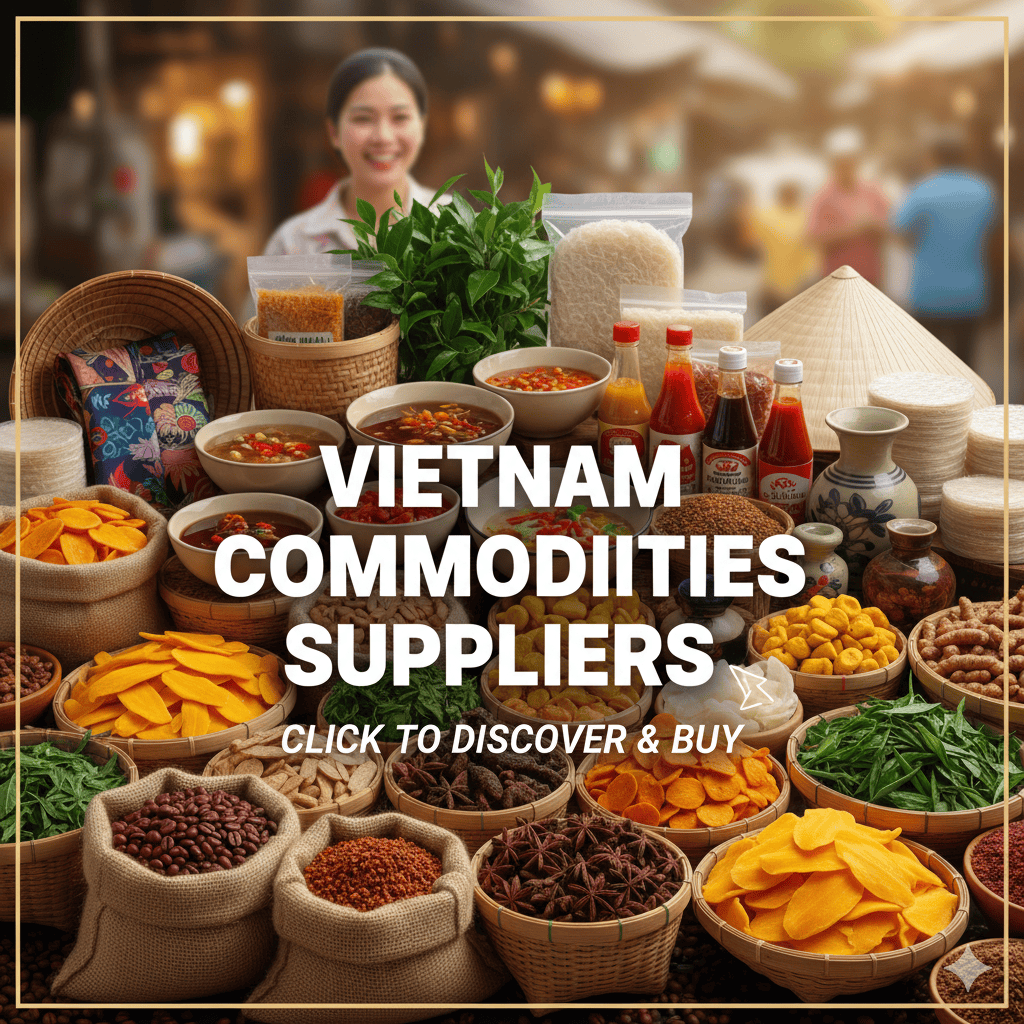
1. Key Agricultural Exports: Coffee, Rice, Seafood
Vietnam’s fertile lands and extensive coastline position it as a global leader in various agricultural commodities. For businesses seeking agricultural products, Vietnam offers significant advantages, particularly in the following areas:
- Coffee: Vietnam is the world’s second-largest coffee producer, primarily known for its Robusta beans. Suppliers range from large state-owned enterprises to numerous private companies and cooperatives. Direct sourcing can often lead to better pricing and traceability. Key considerations include certifications like UTZ, Fair Trade, and Rainforest Alliance, which ensure ethical and sustainable practices.
- Rice: As one of the top rice exporters globally, Vietnam provides a steady supply of various rice types, including jasmine, white, and glutinous rice. Establishing relationships with reputable mills and exporters is crucial for consistent quality and adherence to international standards.
- Seafood: With an extensive coastline and robust aquaculture industry, Vietnam is a major exporter of shrimp, pangasius (basa fish), tuna, and other seafood products. Strict adherence to international food safety standards (e.g., HACCP, BAP) is paramount when vetting seafood suppliers. Verifying their processing facilities and cold chain logistics is essential for maintaining product integrity.
When engaging with agricultural suppliers, thorough due diligence on their production capacity, quality control measures, and export experience is vital to secure reliable long-term partnerships.
2. Textiles & Footwear: A Powerhouse
The textile and footwear industry is a cornerstone of Vietnam’s economy, renowned for its competitive pricing, skilled workforce, and growing capacity for higher-value production. Many global brands source apparel and footwear from Vietnam, leveraging its extensive supply chain and commitment to quality.
- Apparel: From basic garments to complex fashion pieces, Vietnamese textile manufacturers offer a wide range of capabilities. Suppliers often specialize in different product categories (e.g., knitwear, woven garments, sportswear), and many have adopted modern production techniques and sustainable practices. Look for factories with certifications like Oeko-Tex, GOTS, or Bluesign to ensure environmental and social compliance.
- Footwear: Vietnam is a dominant player in footwear manufacturing, producing athletic shoes, casual footwear, and dress shoes for leading international brands. The industry benefits from significant foreign direct investment, leading to advanced machinery and experienced labor. Building strong relationships with manufacturers who understand international design and quality specifications is key.
For textile and footwear sourcing, companies should assess suppliers’ production capacity, lead times, minimum order quantities (MOQs), and ability to meet specific design and material requirements. Factory audits and regular quality checks are indispensable parts of a successful Vietnam Sourcing Strategy in this sector.
3. Electronics & Manufacturing: Emerging Strengths
Over the past decade, Vietnam has rapidly emerged as a significant hub for electronics manufacturing and assembly, attracting substantial investment from global tech giants. This sector offers tremendous opportunities for businesses looking for suppliers of components, consumer electronics, and contract manufacturing services.
- Components & Assembly: Vietnam’s factories are increasingly producing a wide array of electronic components, from circuit boards and semiconductors to cables and connectors. Its expertise extends to the assembly of complex electronic devices, including smartphones, tablets, and various consumer electronics.
- High-Tech Manufacturing: Beyond simple assembly, Vietnamese manufacturers are moving up the value chain, engaging in more sophisticated processes and product development. This growth is supported by a growing pool of engineers and technicians, though sourcing highly specialized components might still require a multi-country approach.
When considering electronics suppliers, focus on their technological capabilities, adherence to international quality standards (e.g., ISO 9001, RoHS compliance), intellectual property protection protocols, and experience with complex supply chain management. Verifying their R&D capabilities and their ability to scale production is also crucial.
Ultimately, a successful Vietnam Sourcing Strategy requires thorough research, direct communication, and a commitment to building strong, transparent relationships with Vietnam commodity suppliers across these diverse sectors. Leveraging local expertise and conducting regular audits will ensure a resilient and high-performing supply chain from this dynamic Southeast Asian nation.
Navigating the Importing from Vietnam Guide
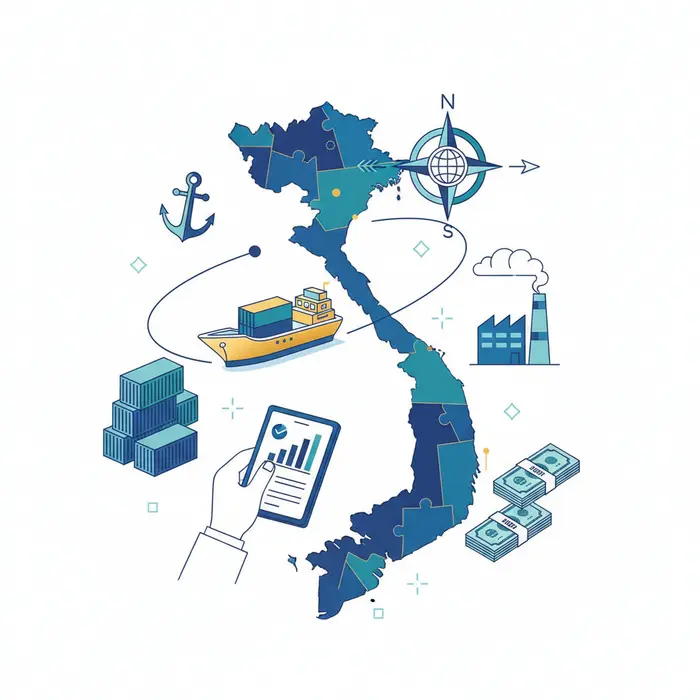
Embarking on an importing from Vietnam strategy offers immense opportunities for businesses looking to diversify their supply chains and tap into a vibrant economy. This comprehensive guide provides an in-depth overview of the entire import process, designed to equip you with the knowledge needed for a successful venture. From understanding intricate legal requirements and navigating customs procedures to optimizing logistics and mastering payment methods, we cover every critical aspect. Whether you’re interested in Vietnam commodity suppliers, Vietnam agricultural exports, or general supply chain diversification in Vietnam, this guide will serve as your essential roadmap.
Understanding Vietnamese Import/Export Regulations
Before initiating any import activities, a thorough understanding of Vietnam’s legal and regulatory framework is paramount. The primary regulatory bodies include the Ministry of Industry and Trade (MOIT) and the General Department of Vietnam Customs. Importers must be aware of various regulations concerning product standards, labeling, intellectual property rights, and specific prohibitions or restrictions on certain goods. For instance, some items may require special import licenses or permits from relevant ministries, particularly for sectors like pharmaceuticals, food, and electronics. Tariffs and duties are applied based on the Harmonized System (HS) codes of the goods, and Vietnam has numerous Free Trade Agreements (FTAs) that can offer preferential duty rates, provided the goods meet the rules of origin. Staying updated on these regulations, which can change, is crucial to avoid costly delays and penalties. Consulting with local legal experts or trade consultants specializing in importing from Vietnam is highly recommended to ensure compliance and a smooth process. You can find general information on customs procedures and regulations through official government portals like the General Department of Vietnam Customs.
Customs Procedures & Documentation
Efficient customs clearance is a cornerstone of successful international trade. When sourcing from Vietnam, preparing accurate and complete documentation is essential. Key documents typically include the Commercial Invoice, Packing List, Bill of Lading (for sea freight) or Air Waybill (for air freight), Certificate of Origin (Form E for ASEAN-China FTA, Form D for ASEAN, etc., to claim preferential duties), and potentially import permits or licenses. Goods imported into Vietnam are subject to import duties, value-added tax (VAT), and potentially special consumption tax. The customs valuation is typically based on the transaction value of the imported goods. Vietnam employs an electronic customs system, requiring declarations to be submitted digitally. Engaging a reliable customs broker in Vietnam can significantly streamline this process, as they possess the expertise to navigate complex declarations, ensure correct HS code classification, calculate duties and taxes, and liaise with customs authorities on your behalf. Delays often arise from discrepancies in documentation or incorrect classification, underscoring the importance of meticulous preparation.
Logistics & Shipping: Sea, Air, & Rail Options
Choosing the right logistics and shipping method is vital for balancing cost, speed, and reliability in your Vietnam sourcing strategy. Each option offers distinct advantages:
- Sea Freight: This is the most common and cost-effective method for large volumes and heavy goods, ideal for products from Vietnam commodity suppliers and Vietnam agricultural exports. Major ports like Ho Chi Minh City (Cat Lai), Haiphong, and Da Nang handle vast amounts of cargo. Options include Full Container Load (FCL) for exclusive container use and Less than Container Load (LCL) for smaller shipments sharing container space. Transit times are longer but offer significant cost savings.
- Air Freight: For high-value, perishable, or time-sensitive goods, air freight provides speed and reliability. Major international airports such as Tan Son Nhat (Ho Chi Minh City) and Noi Bai (Hanoi) serve as key hubs. While considerably faster, it comes at a higher cost, making it suitable for urgent deliveries or products where speed outweighs freight expense.
- Rail Freight: An increasingly viable option, particularly for cargo destined for China and onward to Europe, offering a balance between the speed of air freight and the cost-effectiveness of sea freight. New rail links are enhancing Vietnam’s connectivity, making it an attractive choice for supply chain diversification in Vietnam, especially for landlocked regions or specific routes.
Understanding Incoterms (International Commercial Terms) is crucial, as they define the responsibilities and risks between buyers and sellers regarding transportation and insurance. Selecting the appropriate Incoterm (e.g., FOB, CIF, EXW, DDP) clarifies who is responsible for costs and risks at each stage of the shipping process, from origin to destination, thereby preventing misunderstandings and disputes.
Supply Chain Diversification with Vietnam
In an increasingly volatile global economy, supply chain resilience and risk mitigation have become paramount for businesses worldwide. The strategic integration of Vietnam into diversified supply chains offers a compelling solution, providing an alternative manufacturing and sourcing hub to enhance stability and growth. This section explores key strategies for a robust Vietnam Sourcing Strategy, leveraging its burgeoning capabilities and favorable trade environment.
1. Mitigating Risks: The “China Plus One” Strategy
The “China Plus One” strategy advocates for businesses to diversify their manufacturing and sourcing bases beyond China, reducing over-reliance on a single country. Vietnam has emerged as a primary beneficiary and an ideal candidate for this diversification, offering political stability, a growing skilled workforce, and competitive labor costs. By establishing operations or sourcing channels in Vietnam, companies can significantly mitigate risks associated with geopolitical tensions, trade disputes, natural disasters, and unexpected disruptions in any single region. This approach not only safeguards against potential supply chain failures but also opens up new avenues for market access and operational flexibility. Embracing supply chain diversification Vietnam strengthens a company’s ability to adapt to global changes and maintain uninterrupted operations.
2. Building Resilient Supply Chains
Beyond simply reducing reliance on China, integrating Vietnam into a supply chain is about actively building resilience. Vietnam’s strategic location, expanding industrial zones, and continuous infrastructure development (ports, airports, highways) make it an attractive hub for various industries. The nation boasts a dynamic manufacturing sector, capable of producing electronics, textiles, footwear, and furniture, alongside significant contributions as a source for Vietnam commodity suppliers. Furthermore, Vietnam is a major global player in Vietnam agricultural exports, including coffee, rice, seafood, and rubber, offering diverse sourcing opportunities. Companies looking to strengthen their supply chains should conduct thorough due diligence on potential Vietnamese partners, focusing on their production capabilities, quality control processes, and logistical efficiencies. Developing strong local relationships is crucial for navigating the local business landscape and ensuring a reliable, long-term supply chain. A well-executed Vietnam Sourcing Strategy involves understanding the nuances of local production and logistics to truly build a resilient network.
3. Leveraging FTAs (Free Trade Agreements)
One of Vietnam’s most significant advantages as a global sourcing destination is its extensive network of Free Trade Agreements (FTAs). Vietnam is a signatory to numerous multilateral and bilateral FTAs, including the Comprehensive and Progressive Agreement for Trans-Pacific Partnership (CPTPP), the Regional Comprehensive Economic Partnership (RCEP), and the EU-Vietnam Free Trade Agreement (EVFTA). These agreements provide preferential tariff treatment, reducing or eliminating import duties for goods traded between member countries. For businesses, this translates into significant cost savings, enhanced competitiveness, and streamlined customs procedures. Understanding and strategically utilizing these FTAs is a critical component of any successful Importing from Vietnam guide. For instance, the EVFTA has opened up immense opportunities for European businesses to source from Vietnam at reduced costs, while CPTPP facilitates trade with major Pacific Rim economies. Companies should thoroughly research the rules of origin and specific provisions of relevant FTAs to maximize their benefits, ensuring compliance while optimizing their sourcing and distribution networks.
Integrating Vietnam into a supply chain is more than just a defensive move; it’s a strategic imperative for future growth and stability. By embracing the “China Plus One” approach, building inherently resilient supply chains through careful partner selection, and intelligently leveraging Vietnam’s extensive FTA network, businesses can mitigate risks, reduce costs, and unlock new market potential, ensuring long-term success in an ever-evolving global market.
Challenges & Best Practices for Vietnam Sourcing
As Vietnam solidifies its position as a global manufacturing and agricultural powerhouse, businesses worldwide are increasingly looking to establish robust supply chains within the country. However, navigating this dynamic market requires more than just identifying suppliers; it demands a nuanced Vietnam Sourcing Strategy that addresses inherent challenges while leveraging best practices for long-term success. This section delves into common hurdles faced when sourcing from Vietnam and outlines actionable strategies for thriving in this vibrant economic landscape.
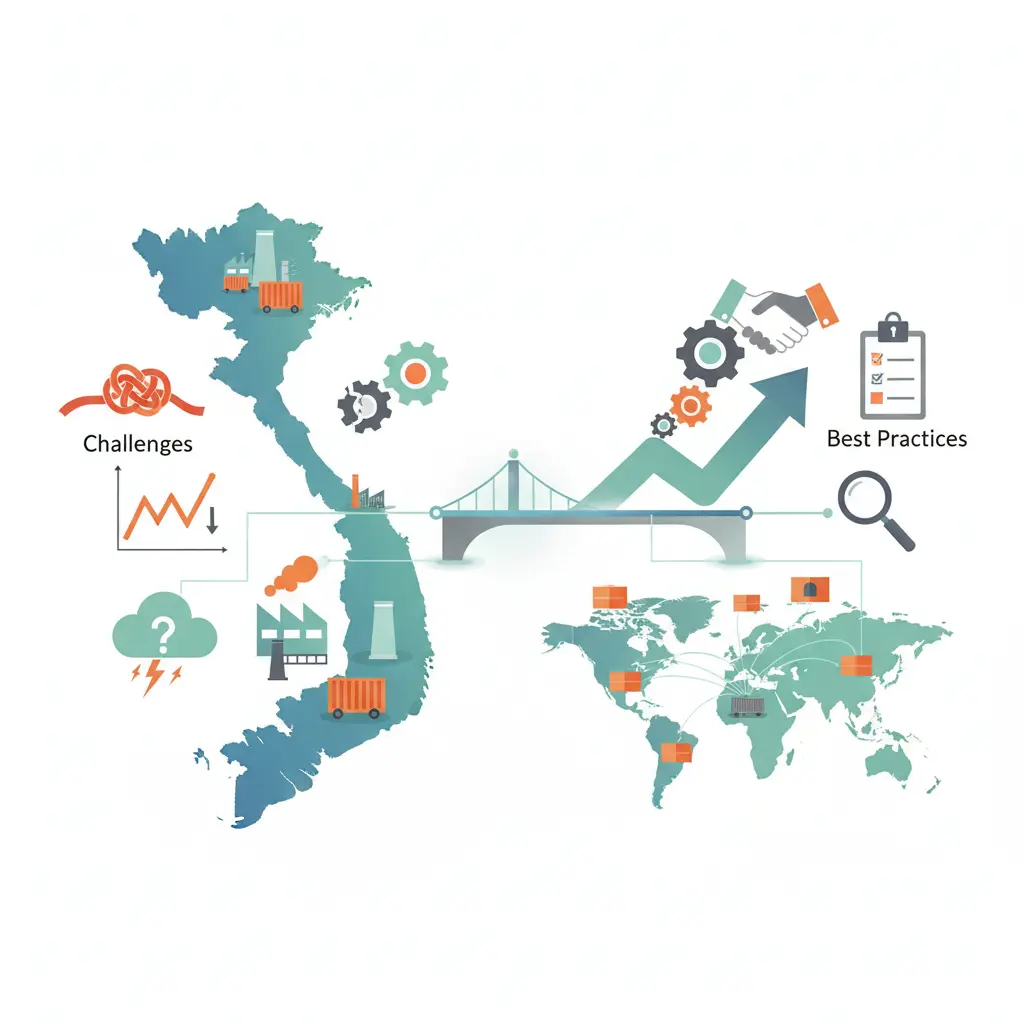
1. Common Challenges: Language, Culture, Infrastructure
Sourcing from a new country invariably brings its own set of challenges, and Vietnam is no exception. Three primary areas often test the resolve of international buyers: language barriers, cultural differences, and infrastructure limitations.
- Language Barrier: While many Vietnamese business professionals have some English proficiency, direct communication, especially with factory floor staff or smaller provincial Vietnam commodity suppliers, can be difficult. Misunderstandings can lead to costly errors in specifications, deadlines, or quality expectations. Best Practice: Invest in professional translation services, hire bilingual staff for your local team, or work with sourcing agents who have proven language capabilities. Clear, written communication should always supplement verbal discussions.
- Cultural Nuances: Vietnamese business culture values long-term relationships, respect for hierarchy, and indirect communication. Rushing decisions, being overly confrontational, or failing to build personal rapport can hinder negotiations and partnership longevity. Best Practice: Take time to build trust. Understand the importance of "giao tiep" (communication) and "tinh cam" (sentiment). Patience, politeness, and a willingness to understand local customs go a long way in fostering successful collaborations.
- Infrastructure Limitations: While major urban centers like Ho Chi Minh City and Hanoi boast modern infrastructure, rural areas – where many manufacturing facilities or Vietnam agricultural exports originate – might face challenges with road quality, logistics networks, power stability, and internet connectivity. This can impact lead times and operational efficiency. Best Practice: Thoroughly vet supplier locations and logistics routes. Engage with local logistics partners who understand the terrain. Plan for potential delays and build buffer time into your supply chain schedule. Reviewing a comprehensive Importing from Vietnam guide can provide further insights into navigating these aspects.
2. Quality Control & Assurance Strategies
Ensuring consistent product quality is paramount for any sourcing operation. In Vietnam, a proactive and multi-layered approach to quality control is essential to mitigate risks.
- Clear Specifications & Standards: Ambiguity in product requirements is a direct path to quality issues. Best Practice: Provide highly detailed specifications, including material composition, dimensions, tolerance levels, color swatches (with Pantone codes), and packaging requirements. Establish measurable quality metrics and share them transparently with suppliers.
- Third-Party Inspections: Relying solely on a supplier's self-assessment can be risky. Best Practice: Engage reputable third-party inspection agencies for pre-production, in-line, and final random inspections. These independent checks provide an unbiased assessment of product quality at critical stages of manufacturing. Consider establishing a dedicated local team for regular checks.
- Supplier Audits & Development: A robust quality assurance strategy extends beyond product inspection to the supplier's entire operation. Best Practice: Conduct regular factory audits to assess production capabilities, quality management systems, and adherence to labor and environmental standards. Work collaboratively with suppliers to identify areas for improvement and implement corrective actions. Fostering a strong Vietnam Sourcing Strategy through continuous supplier development can significantly enhance overall quality.
3. Sustainable Sourcing & Ethical Practices
In an era of increasing consumer and regulatory scrutiny, integrating sustainability and ethical considerations into your sourcing strategy from Vietnam is no longer optional; it's a necessity for responsible business and long-term brand reputation.
- Environmental Responsibility: Focus on minimizing the environmental footprint of your supply chain. Best Practice: Prioritize suppliers who demonstrate commitment to eco-friendly practices, such as responsible waste management, reduced energy consumption, water conservation, and the use of sustainable materials. Request environmental certifications and monitor compliance. This is crucial for supply chain diversification Vietnam efforts that aim for greener operations.
- Labor Standards & Social Compliance: Ensuring fair labor practices is fundamental. Best Practice: Partner with suppliers who adhere to international labor standards, including fair wages, reasonable working hours, safe working conditions, non-discrimination, and the prohibition of child or forced labor. Regular social audits conducted by independent bodies are vital. Programs like Better Work Vietnam offer valuable insights and support in achieving these standards.
- Transparency & Traceability: Knowing your supply chain end-to-end is key to ethical sourcing. Best Practice: Demand transparency from your suppliers regarding their sub-suppliers and raw material origins. Implement traceability systems to track products from source to final delivery. This not only bolsters ethical standing but also enhances a comprehensive Vietnam Sourcing Strategy against counterfeiting and ensures authenticity.
By proactively addressing these challenges and embedding best practices into your Vietnam Sourcing Strategy, businesses can build resilient, ethical, and highly efficient supply chains, unlocking the full potential of what Vietnam has to offer as a sourcing destination.
Partner with Vietnam’s Leading Suppliers
Looking for reliable suppliers in Vietnam? Contact VietnamSuppliers.com today to connect with verified manufacturers and exporters across all industries.
—————————————
References
– Vietnam Overview – World Bank: https://www.worldbank.org/en/country/vietnam/overview
– The World Bank In Vietnam: Overview: https://www.worldbank.org/en/country/vietnam/overview
– General Department of Vietnam Customs: https://www.customs.gov.vn/default.aspx?tabid=804
– EU-Vietnam Free Trade Agreement (EVFTA): https://policy.trade.ec.europa.eu/eu-trade-relationships-country-and-region/countries/vietnam_en
– Better Work Vietnam: https://betterwork.org/programme/vietnam/