Introduction to Vietnam’s B2B Sourcing Landscape
In an increasingly interconnected global economy, businesses are constantly seeking strategic advantages to optimize their supply chains and reduce costs without compromising quality. Vietnam has rapidly emerged as a formidable player in this arena, transforming into a vibrant B2B sourcing hub that attracts international buyers from diverse sectors. Once primarily known for its agricultural exports, the nation has undergone a remarkable economic transformation, fueled by proactive government policies, a youthful and dynamic workforce, and a strategic embrace of international trade agreements. This evolution positions Vietnam as a crucial alternative to traditional manufacturing powerhouses, offering compelling opportunities for companies looking to diversify their procurement strategies.
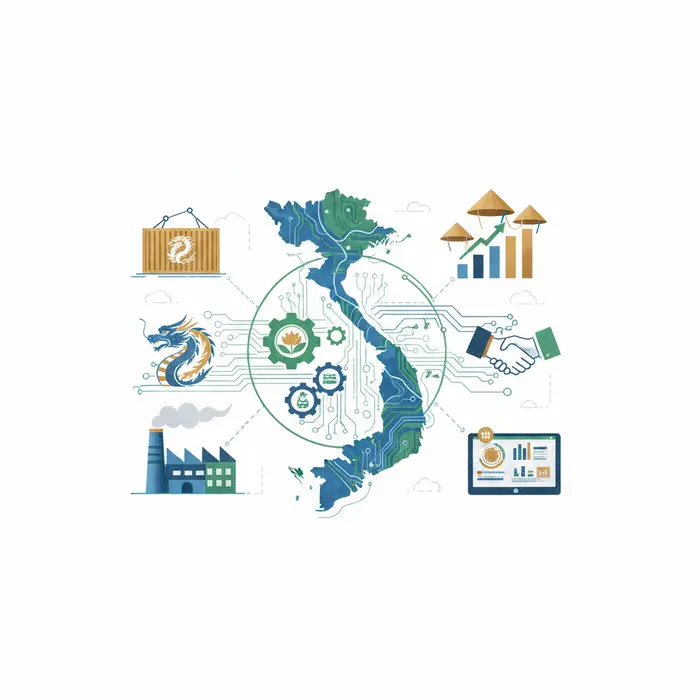
For international buyers, understanding the nuances of the Vietnamese market is key to unlocking its full potential. This section provides an overview of Vietnam’s growing prominence, delving into its unique economic landscape and the strategic advantages it presents. We will explore the factors contributing to its rise, highlight key industries, and discuss essential market dynamics for successful Vietnam B2B sourcing, ensuring you are well-equipped to navigate this exciting market.
1. Vietnam’s Rise as a Global Sourcing Destination
Vietnam’s journey to becoming a global sourcing destination is a testament to its economic resilience and forward-looking policies. Over the past two decades, the country has maintained one of the fastest economic growth rates in Southeast Asia, driven by robust exports and significant foreign direct investment (FDI). This growth has been underpinned by a series of comprehensive free trade agreements (FTAs), including the CPTPP, EVFTA, and RCEP, which have dramatically expanded market access for Vietnamese goods and services while reducing trade barriers. These agreements not only facilitate exports but also attract further investment from multinational corporations seeking to leverage Vietnam’s preferential trade status.
The strategic shift of global supply chains, often referred to as “China Plus One,” has further accelerated Vietnam’s ascent. As businesses seek to de-risk their operations and diversify their manufacturing bases, Vietnam offers an attractive combination of competitive labor costs, a stable political environment, and an increasingly sophisticated industrial infrastructure. This has led to a surge in foreign companies establishing production facilities in the country, contributing to a diverse and growing base of suppliers. The nation’s commitment to improving its business environment, coupled with ongoing infrastructure development—such as new ports, highways, and industrial parks—solidifies its position as a compelling hub for global manufacturing and sourcing. This sustained growth and integration into the global economy make Vietnam B2B sourcing an increasingly attractive proposition for international businesses.
2. Key Industries Driving Vietnam B2B Growth
The diversification of Vietnam’s industrial base is a significant driver of its B2B growth, moving beyond its traditional strengths to encompass a wide array of high-value sectors. Textiles and garments remain a cornerstone, with Vietnam being one of the world’s leading exporters, renowned for its quality and compliance with international labor standards. However, the electronics industry has experienced explosive growth, attracting tech giants like Samsung, LG, and Foxconn, which have established major production facilities for smartphones, components, and consumer electronics. This influx has spurred the development of a strong local ecosystem of support industries and component manufacturers.
Beyond these, furniture and woodworking, footwear, and machinery parts are strong contenders, benefiting from skilled craftsmanship and cost-effective production. Agriculture, too, continues to be a vital sector, with Vietnam being a top producer and exporter of coffee, rice, seafood, pepper, and rubber. For buyers looking to import agricultural products from Vietnam, the country offers a robust supply chain from farm to port. Similarly, a comprehensive Vietnam commodity exporters list would showcase a broad spectrum of raw materials and semi-finished goods available for international trade. These key industries underscore the breadth of opportunities available through Vietnam B2B sourcing, catering to a diverse range of international procurement needs.
3. Understanding the Vietnamese Market Dynamics
Successfully engaging in Vietnam B2B sourcing requires a nuanced understanding of the local market dynamics. The Vietnamese workforce is young, increasingly educated, and highly adaptable, with a strong work ethic. Government policies actively support foreign investment, offering incentives and streamlining administrative procedures, though navigating bureaucracy can still present challenges. Infrastructure continues to improve, with significant investments in logistics and transportation networks enhancing efficiency for exporters and importers alike.
However, international buyers should also be prepared for potential Sourcing from Vietnam challenges. These might include language barriers, cultural differences in business negotiations, and varying levels of supplier sophistication. Therefore, robust due diligence and effective communication are paramount. Implementing thorough Vietnam supplier verification processes is crucial to mitigate risks, ensure product quality, and establish reliable long-term partnerships. This often involves on-site factory audits, quality control checks, and vetting legal and financial standings. Engaging with local sourcing agents or consultants can significantly streamline these processes and bridge cultural gaps, offering invaluable insights into supplier capabilities and market expectations. By addressing these dynamics proactively, businesses can maximize the benefits of sourcing from Vietnam and build resilient supply chains.
Navigating Vietnam Commodity Exporters & Key Products
Guidance on identifying and engaging with top commodity exporters in Vietnam, focusing on high-demand agricultural products and other key categories.
Vietnam has firmly established itself as a global powerhouse in commodity exports, offering immense opportunities for businesses looking to diversify their supply chains. Its strategic location, competitive labor costs, and robust agricultural sector make it a prime destination for Vietnam B2B Sourcing. Navigating this dynamic market requires a clear understanding of its key products and a strategic approach to supplier identification and verification. This guide delves into Vietnam’s top export commodities and provides actionable advice for building a reliable Vietnam commodity exporters list.
1. Top Agricultural Products to Import from Vietnam
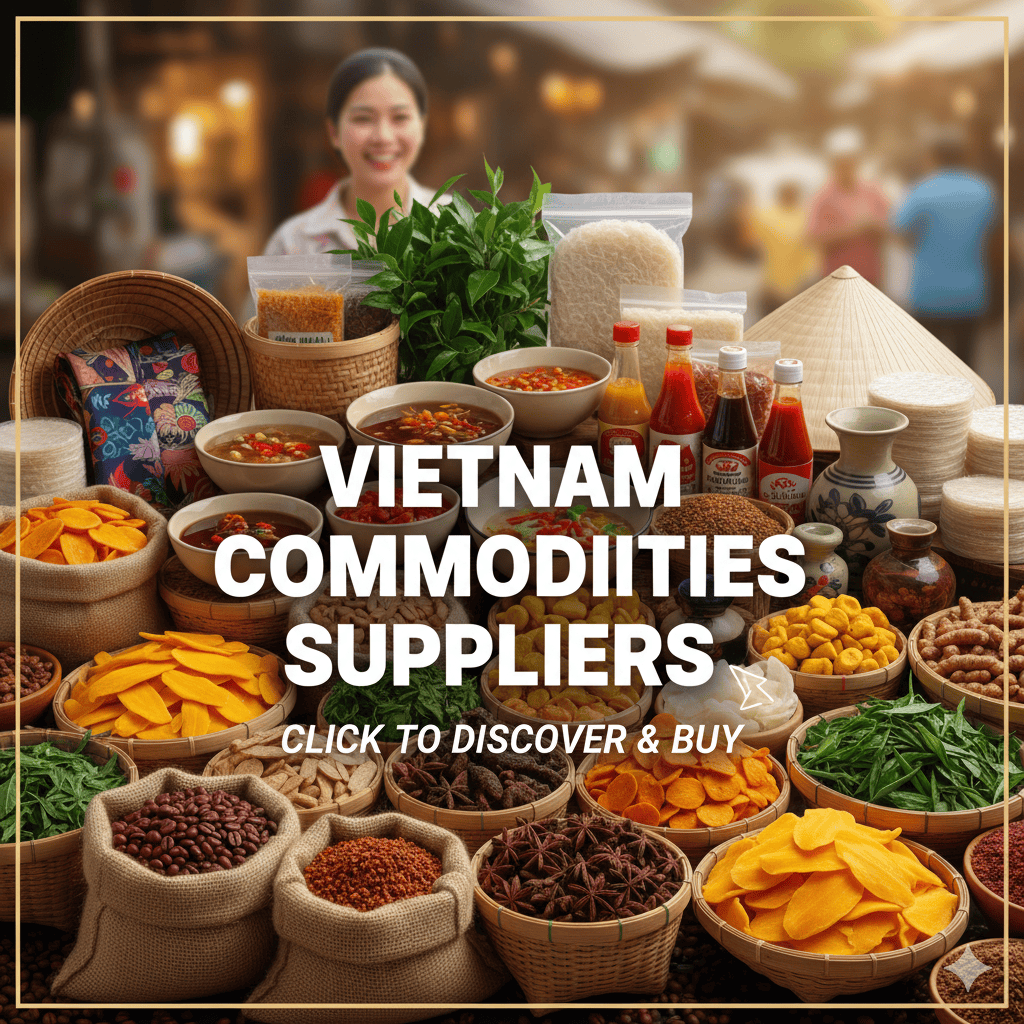
Vietnam’s fertile lands and extensive coastline contribute to a diverse range of high-quality agricultural exports. For those looking to import agricultural products from Vietnam, several categories consistently stand out:
- Coffee: As the world’s second-largest exporter of robusta coffee, Vietnam offers competitive pricing and consistent supply. Buyers can find raw beans, roasted beans, and instant coffee products.
- Rice: A staple commodity, Vietnamese rice varieties, including fragrant jasmine rice and glutinous rice, are highly sought after for their quality and affordability.
- Cashew Nuts: Vietnam is a leading processor and exporter of cashew nuts, known for its high-quality kernels.
- Black Pepper: The country is one of the largest pepper producers globally, offering various grades suitable for different industrial applications.
- Seafood: With an extensive coastline, Vietnam excels in exporting aquaculture products like pangasius (basa fish), shrimp, and tuna. Processing facilities adhere to international standards.
- Fruits & Vegetables: Exotic fruits such as dragon fruit, durian, mango, and lychee, along with various fresh and processed vegetables, are gaining traction in international markets. These products are often available fresh, frozen, or dried.
The Vietnamese government actively supports the agricultural sector, promoting sustainable practices and quality control, which further enhances the reliability of its exports. For more insights into Vietnam’s agricultural trade, refer to resources like FAO Vietnam.
2. Building Your Vietnam Commodity Exporters List
Developing a robust Vietnam commodity exporters list is crucial for successful sourcing. This process involves several key steps:
- Online Platforms & Directories: Start by exploring B2B marketplaces, trade directories, and specialized industry portals. These platforms often list verified suppliers and their product offerings. Websites focusing on Vietnam B2B Sourcing can be invaluable starting points.
- Trade Fairs & Exhibitions: Attending international and local trade shows in Vietnam allows for direct interaction with exporters, enabling you to assess product quality firsthand and build relationships.
- Referrals & Industry Networks: Leverage your professional network and seek referrals from trusted sources within your industry.
- Agent or Sourcing Company: Consider engaging a local sourcing agent or company that has established connections and expertise in navigating sourcing from Vietnam challenges. They can assist with supplier identification, negotiation, and quality control.
Once potential suppliers are identified, thorough Vietnam supplier verification is paramount. This includes checking business registration, export licenses, certifications (e.g., ISO, HACCP, GAP for agricultural products), and references. It’s also wise to conduct background checks and, if possible, factory audits. Addressing sourcing from Vietnam challenges like language barriers, communication styles, and logistics requires patience and clear contractual agreements.
3. Emerging Non-Agricultural Commodities for B2B Sourcing
While agriculture remains a cornerstone, Vietnam’s industrial sector has rapidly expanded, presenting new opportunities for Vietnam B2B Sourcing beyond traditional farm products:
- Textiles and Garments: Vietnam is a major hub for textile and apparel manufacturing, offering competitive prices for a wide range of products from raw fabrics to finished clothing and footwear.
- Electronics and Components: The country has become a significant player in the global electronics supply chain, producing smartphones, computers, consumer electronics, and various components for multinational corporations.
- Furniture: High-quality wooden and rattan furniture, leveraging Vietnam’s natural resources and skilled craftsmanship, is a strong export category.
- Plastics and Rubber Products: From industrial components to consumer goods, Vietnam’s plastics and rubber manufacturing sector is growing, offering diverse sourcing options.
- Building Materials: Cement, ceramics, and other construction-related materials are also finding their way into international markets.
These sectors benefit from foreign direct investment and government incentives, leading to continuous improvements in technology, production capacity, and quality standards. Diversifying your Vietnam commodity exporters list to include these non-agricultural goods can open up new avenues for growth and resilience in your supply chain.
Engaging with Vietnamese commodity exporters offers a strategic advantage for businesses worldwide. By focusing on high-demand agricultural products, meticulously building your supplier network through robust Vietnam supplier verification, and exploring emerging non-agricultural sectors, companies can successfully navigate the complexities of Vietnam B2B Sourcing. With careful due diligence and a clear understanding of market dynamics, importers can forge profitable and sustainable partnerships in this vibrant Southeast Asian economy.
Overcoming Sourcing from Vietnam Challenges
Vietnam has rapidly emerged as a prominent destination for Vietnam B2B Sourcing, attracting global businesses with its competitive manufacturing costs, growing industrial base, and strategic location. However, like any burgeoning market, sourcing from Vietnam comes with its unique set of challenges. Understanding these obstacles and proactively implementing mitigation strategies is crucial for businesses looking to unlock the full potential of this dynamic supply chain hub. This section explores common hurdles faced by companies and provides practical approaches to ensure smooth operations, from navigating complex logistics to managing quality control.

1. Logistics, Infrastructure, and Regulatory Hurdles
One of the primary Sourcing from Vietnam challenges revolves around its developing logistics and infrastructure. While major cities boast modern facilities, more remote regions, particularly those involved in producing agricultural products or specific commodities, may still contend with less developed road networks, leading to longer transit times and higher costs. Port congestion, especially in key hubs like Ho Chi Minh City and Hai Phong, can also cause delays.
Furthermore, navigating Vietnam’s regulatory landscape requires diligence. Businesses must understand varying customs procedures, import/export duties, and specific product certifications. Changes in trade policies or tariffs, though often aimed at fostering economic growth, can impact lead times and overall costs. For instance, companies looking to import agricultural products from Vietnam need to be aware of phytosanitary requirements and specific labeling regulations.
Mitigation Strategies: To overcome these hurdles, partnering with experienced local freight forwarders and logistics providers is paramount. They possess the expertise to navigate customs efficiently, advise on optimal shipping routes, and manage potential bottlenecks. Diversifying sourcing locations within Vietnam can also alleviate pressure on specific ports or infrastructure weaknesses. Additionally, staying informed about Vietnam’s trade agreements and economic policies, perhaps through resources like the World Trade Organization’s country profiles, helps anticipate and adapt to regulatory changes. Early and thorough documentation preparation is also key to preventing customs delays.
2. Cultural Nuances and Effective Communication Strategies
Effective communication is the bedrock of any successful B2B relationship, yet cultural differences can pose significant obstacles when sourcing from Vietnam. Vietnamese business culture often emphasizes hierarchy, respect for elders, and indirect communication. “Saving face” (Giữ thể diện) is a crucial concept, meaning direct criticism or confrontation is generally avoided. This can sometimes lead to misunderstandings or a lack of transparency if not properly managed. Language barriers also persist, even with English becoming more prevalent in business circles.
Mitigation Strategies: Building strong, long-term relationships based on trust and mutual respect is vital. This often involves regular visits, demonstrating commitment, and understanding local customs. Investing in local talent or hiring a reputable sourcing agent who understands both Vietnamese and Western business practices can bridge the cultural gap. When communicating, clarity, patience, and politeness are key. Confirming understandings in writing (e.g., meeting minutes, email summaries) can prevent misinterpretations. Avoid overly aggressive negotiation tactics and instead focus on collaborative problem-solving. Understanding these nuances fosters stronger partnerships, leading to more reliable supply chains.
3. Mitigating Quality Control and Production Risks
Maintaining consistent quality and ensuring timely production are critical concerns for businesses engaged in Vietnam B2B Sourcing. Potential risks include variations in product quality, production delays due to unforeseen circumstances, and challenges in enforcing ethical labor practices. For businesses relying on a Vietnam commodity exporters list, ensuring the quality and consistency of raw materials or finished goods can be particularly challenging without proper oversight.
Mitigation Strategies: A robust Vietnam supplier verification process is the first line of defense. This involves thorough background checks, factory audits, and assessing a supplier’s production capabilities and quality management systems before placing orders. Establishing clear, measurable Key Performance Indicators (KPIs) for quality, delivery, and ethical compliance within contracts is essential. Regular, independent third-party quality inspections at various stages of production (pre-production, in-process, and pre-shipment) can identify and rectify issues early. Implementing a strong Code of Conduct that aligns with international labor standards and conducting unannounced audits can help ensure ethical sourcing. Fostering an open dialogue with suppliers, providing constructive feedback, and collaborating on process improvements can also significantly enhance product quality and production efficiency.
By proactively addressing these challenges with strategic planning, cultural sensitivity, and rigorous oversight, businesses can navigate the complexities of sourcing from Vietnam, securing reliable supply chains and capitalizing on the country’s immense potential.
Ensuring Trust: Vietnam Supplier Verification Strategies
As global supply chains evolve, Vietnam has emerged as a powerhouse for manufacturing and Vietnam B2B Sourcing, offering competitive pricing and a diverse range of products. From textiles to electronics and a robust agricultural sector, the opportunities for businesses looking to import agricultural products from Vietnam are vast. However, the enthusiasm for sourcing from Vietnam must be tempered with rigorous diligence. Sourcing from Vietnam challenges include navigating cultural nuances, regulatory landscapes, and, most critically, safeguarding against fraud and ensuring reliable partnerships. Effective Vietnam supplier verification is not merely an option but an essential shield, building the foundation for trust and long-term success. This section outlines critical steps and best practices to conduct thorough verification, ensuring you establish dependable relationships with Vietnam commodity exporters list.
1. Due Diligence: Company Registration and Financial Checks
The initial and most fundamental step in Vietnam supplier verification is exhaustive due diligence. This process involves a meticulous examination of a prospective supplier’s legal standing and financial health, providing a clear picture of their legitimacy and stability. Start by verifying their company registration. This includes obtaining copies of their business license, tax identification number, and any relevant operational permits. Cross-reference these documents with official government registries in Vietnam to confirm their authenticity and ensure the company is legally authorized to conduct business. Pay close attention to the registered address, legal representatives, and capital contribution, as discrepancies can be red flags.
Beyond legal registration, a thorough financial check is paramount. Request audited financial statements for the past two to three years. While these may be challenging to obtain from smaller private companies, reputable suppliers should be willing to provide some form of financial transparency, such as bank references or credit reports from local agencies. Assess their solvency, cash flow, and debt levels to gauge their financial stability. A financially unstable supplier poses a significant risk to your supply chain, potentially leading to production delays, quality issues, or even outright failure to deliver. Understanding the ownership structure and the background of key management personnel can also provide invaluable insights into the company’s operational integrity and long-term vision. This foundational due diligence helps filter out illegitimate entities and reduces the risk of engaging with financially precarious partners, which is crucial for successful Vietnam B2B sourcing.
2. Leveraging Third-Party Audit and Inspection Services
While document verification is crucial, it only provides a snapshot. To gain a comprehensive understanding of a supplier’s capabilities and compliance, leveraging independent third-party audit and inspection services is indispensable for robust Vietnam supplier verification. These professional services offer unbiased assessments of a supplier’s factory, production processes, quality control systems, and ethical compliance.
Factory audits typically assess manufacturing capabilities, equipment maintenance, production capacity, and overall facility management. They help confirm that the supplier possesses the infrastructure and processes necessary to meet your specific production requirements. Quality control inspections, on the other hand, can be conducted at various stages: pre-production (raw materials), during production (in-line inspection), and pre-shipment (finished goods). These inspections ensure that products meet specified quality standards and defect rates are minimized before goods leave the factory floor. Furthermore, third-party audits can extend to social compliance (e.g., labor practices, working conditions, child labor prevention) and environmental standards, ensuring your supply chain aligns with your company’s ethical guidelines and international regulations. Engaging a reputable audit firm with local expertise in Vietnam provides an objective perspective, mitigating potential biases and ensuring a higher degree of accuracy in the verification process. This layer of external scrutiny significantly reduces risks associated with product quality and ethical sourcing, which are common sourcing from Vietnam challenges.
3. Building Long-Term Relationships with Verified Partners
The ultimate goal of Vietnam supplier verification is not just to find a supplier, but to cultivate a reliable, long-term partnership. Once a supplier has successfully passed rigorous due diligence and third-party audits, the focus shifts to nurturing that relationship. Building trust takes time and consistent effort, but the rewards are significant: increased consistency in quality, improved communication, preferential pricing, and greater flexibility in response to market changes.
To foster enduring partnerships, establish clear communication channels and regular feedback loops. Share your expectations regarding quality, delivery schedules, and ethical standards transparently. Consider implementing performance review mechanisms to periodically assess their compliance and areas for improvement. Investing in joint training programs or collaborative problem-solving initiatives can also strengthen bonds and foster a sense of shared success. For example, if you are working with Vietnam commodity exporters list, understanding their harvest cycles and production capacities can lead to more efficient planning. By fostering a collaborative environment, verified suppliers are more likely to prioritize your orders, offer innovative solutions, and proactively address any potential issues. This strategic approach transforms a transactional relationship into a collaborative partnership, essential for sustainable Vietnam B2B sourcing and effectively overcoming sourcing from Vietnam challenges in the long run.
Future-Proofing Your Vietnam B2B Sourcing Strategy
As global supply chains continue to evolve at an unprecedented pace, businesses engaging in Vietnam B2B Sourcing must adopt a forward-looking perspective to maintain competitiveness and resilience. Vietnam has firmly established itself as a pivotal manufacturing and sourcing hub, but relying on outdated strategies is a recipe for disruption. Future-proofing your approach involves a keen understanding of technological advancements, an unwavering commitment to sustainability, and proactive anticipation of trade policy shifts. This section delves into these critical areas, offering insights to navigate the evolving landscape of sourcing from Vietnam effectively.

1. The Impact of Digitalization on Vietnam Sourcing
The digital transformation is reshaping every facet of global trade, and effective Vietnam B2B Sourcing is no exception. Embracing digitalization is no longer an option but a necessity for enhancing efficiency, transparency, and decision-making. Advanced technologies such as Artificial Intelligence (AI) and Machine Learning (ML) are enabling more accurate demand forecasting, optimizing logistics, and performing sophisticated supplier risk assessments. This predictive capability helps mitigate potential disruptions and identifies high-performing partners.
Furthermore, blockchain technology is revolutionizing supply chain traceability. For buyers seeking robust Vietnam supplier verification, blockchain provides an immutable and transparent record of a product’s journey from raw material to finished good. This not only builds trust but also ensures compliance with various certifications and standards. The proliferation of B2B e-commerce platforms also grants businesses direct access to a wider array of suppliers, including smaller, specialized manufacturers and a diverse Vietnam commodity exporters list. These platforms streamline communication, simplify order placement, and facilitate efficient payment processing, significantly reducing lead times and operational costs. Leveraging big data analytics allows for continuous performance monitoring, identifying trends, and uncovering areas for optimization across the entire sourcing process.
2. Sustainable Sourcing Practices and ESG Considerations
In an increasingly conscious global market, sustainable sourcing and adherence to Environmental, Social, and Governance (ESG) criteria are paramount. Consumers, investors, and regulatory bodies are placing greater emphasis on how products are made, pushing businesses to scrutinize their supply chains for ethical and environmental compliance. For those optimizing Vietnam B2B Sourcing, this means going beyond just cost and quality to assess a supplier’s impact on the planet and its people.
Environmental factors include a supplier’s carbon footprint, waste management practices, water usage, and adherence to eco-friendly production methods. Social considerations involve fair labor practices, safe working conditions, ethical wages, and community engagement – issues that gain particular importance when you import agricultural products from Vietnam, where origin and worker welfare are often under scrutiny. Governance aspects focus on transparency, anti-corruption policies, and responsible management. Implementing robust ESG frameworks not only mitigates reputational risks but also fosters more resilient supply chains. Suppliers committed to sustainability often demonstrate greater operational stability and innovation. As Vietnam continues its economic development, aligning with international sustainability standards will be crucial for long-term export success.
3. Anticipating Future Trade Policies and Market Trends
The global trade landscape is in constant flux, shaped by geopolitical events, new agreements, and evolving consumer demands. To future-proof your future of Vietnam B2B Sourcing, it’s essential to stay ahead of these shifts. Vietnam’s extensive network of Free Trade Agreements (FTAs), including the CPTPP, EVFTA, and RCEP, offers preferential tariffs and market access, but these agreements can also introduce new regulations and compliance requirements. Monitoring updates from organizations like the World Bank on Vietnam’s economic landscape and trade policies is crucial for strategic planning.
Geopolitical tensions elsewhere can significantly impact global supply chains, often redirecting manufacturing to stable regions like Vietnam. Businesses must develop agile sourcing strategies and diversify their supplier base to mitigate risks associated with potential trade wars, tariffs, or political instability. Furthermore, understanding market trends – such as the growing demand for customized products, sustainable goods, or tech-enabled solutions – can guide product development and supplier selection. Overcoming Sourcing from Vietnam challenges related to fluctuating raw material costs, logistics disruptions, and evolving compliance complexities requires a proactive and adaptable approach. By anticipating these shifts, businesses can position themselves to capitalize on emerging opportunities and navigate potential obstacles effectively, ensuring a robust and resilient supply chain.
Partner with Vietnam’s Leading Suppliers
Looking for reliable suppliers in Vietnam? Contact VietnamSuppliers.com today to connect with verified manufacturers and exporters across all industries.
—————————————
References
– global manufacturing and sourcing: https://www.worldbank.org/en/country/vietnam/overview
– FAO Vietnam: https://www.fao.org/vietnam/en/
– World Trade Organization’s country profiles: https://www.wto.org/english/thewto_e/countries_e/viet_nam_e.htm
– :
– Vietnam Overview – World Bank: https://www.worldbank.org/en/country/vietnam/overview