The Imperative for Scaling Quality in Global Trade
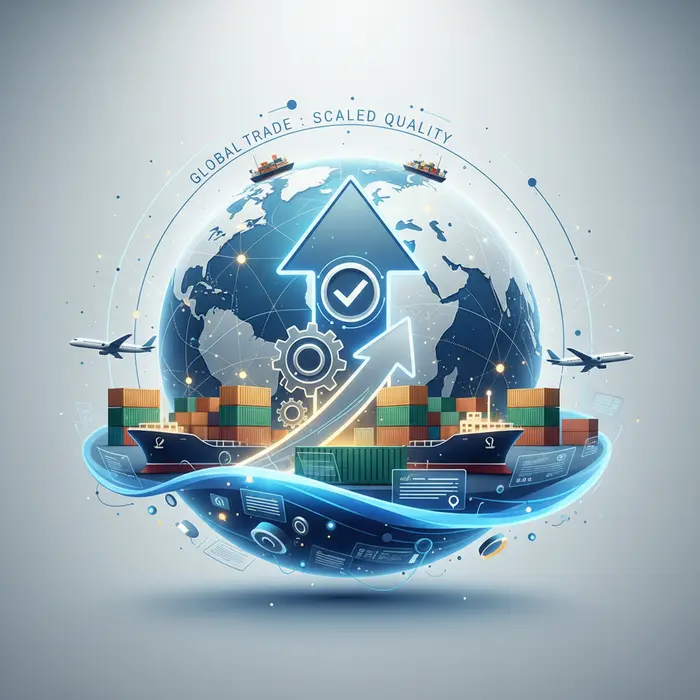
Operating in the international market presents immense opportunities for growth, but it also amplifies the complexities of manufacturing and supply chain management. Businesses venturing into global trade quickly realize that robust and Scaling Production Quality Control is not merely a best practice; it is an absolute necessity. This section explores why scalable quality control is non-negotiable for success in the international arena, highlighting both the inherent risks of neglect and the significant rewards of strategic implementation. Navigating diverse regulatory landscapes, cultural differences, and extended supply chains demands a meticulous approach to maintain product excellence and safeguard brand integrity.
1. Navigating International Supplier Quality Management Challenges
The intricate web of global commerce often means partnering with suppliers across different continents, each with its own operational standards, regulatory frameworks, and cultural nuances. Effective international supplier quality management is paramount. Challenges include language barriers, varying quality standards (or lack thereof), geographical distance complicating on-site inspections, and differing ethical practices. Without a comprehensive strategy for vendor vetting, continuous monitoring, and clear communication protocols, quality inconsistencies can easily slip through the cracks. Businesses must invest in systems that allow for real-time data collection, remote auditing capabilities, and localized quality assurance teams to mitigate these risks. This proactive approach is foundational for any company seeking sustainable growth through Scaling Production Quality Control across their global network.
2. Impact of Quality Lapses on Brand Reputation and Bottom Line
In today’s interconnected world, a single quality lapse can have far-reaching and devastating consequences. Product recalls, customer complaints, negative online reviews, and social media backlash can erode years of brand building within days. The financial implications extend beyond immediate costs of recalls and rework; they include lost sales, legal fees, decreased market share, and a damaged reputation that can take years, if ever, to rebuild. For B2B operations, quality issues from a supplier can disrupt an entire value chain, leading to costly production delays and contractual penalties for their clients. Ensuring export quality assurance best practices is not just about avoiding defects; it’s about protecting the very foundation of trust consumers and partners place in a brand. This underscores why manufacturing scalability strategies B2B must integrate robust quality gates at every stage, from raw material sourcing to final product delivery.
3. Why Proactive Quality Management is Key for Growth
Rather than viewing quality control as a reactive measure, successful global enterprises embrace it as a strategic enabler for growth and competitive advantage. Proactive quality management involves implementing rigorous standards, continuous process improvement, and comprehensive training programs across the entire supply chain. It means leveraging technology for predictive analytics to identify potential issues before they arise and fostering a culture of quality where every stakeholder understands their role. By optimizing global supply chain quality optimization, companies can achieve greater efficiency, reduce waste, and accelerate time-to-market. This not only prevents costly errors but also enhances customer satisfaction, leading to repeat business and positive word-of-mouth. Ultimately, a well-executed strategy for Scaling Production Quality Control allows businesses to confidently expand into new markets, take on larger orders, and innovate without compromising their commitment to excellence, thereby securing their long-term viability and profitability in the dynamic world of international trade.
Foundations of Robust International Supplier Quality Management
In today’s interconnected global economy, manufacturers often leverage international supply chains to achieve competitive advantages and meet market demands. However, Scaling Production Quality Control across diverse geographical and cultural landscapes presents unique challenges. Building a resilient quality control system with international suppliers is not merely about inspecting products; it’s about establishing a foundation of trust, clear communication, and robust processes from the outset. This section delves into the essential frameworks and initial steps required to optimize your global supply chain quality, ensuring product excellence and operational efficiency.
1. Vendor Vetting and Qualification Protocols
The cornerstone of effective international supplier quality management begins with rigorous vendor vetting and qualification. This critical phase systematically evaluates potential suppliers for capability, capacity, and commitment to quality. Key protocols include:
- Financial Stability Assessment: Understanding a supplier’s financial health mitigates operational disruption risks.
- Quality Management System (QMS) Evaluation: Verifying internationally recognized certifications, such as ISO 9001, demonstrates a commitment to documented processes.
- Production Capacity and Technological Capabilities: Assessing their ability to meet current and future demand is crucial for manufacturing scalability strategies B2B.
- Performance History and References: Reviewing past performance and client testimonials provides insights into reliability.
- On-site Audits and Risk Assessments: Conducting physical audits allows for direct observation of facilities and processes, identifying potential risks early.
- Ethical and Environmental Compliance: Ensuring suppliers adhere to ethical labor practices and environmental regulations aligns with corporate social responsibility.
A thorough vetting process minimizes future quality excursions, reduces defect-related costs, and lays the groundwork for a stable, high-quality supply chain.
2. Implementing Standardized Quality Agreements (SLAs, QA Manuals)
Once a vendor is qualified, formalizing the relationship through standardized quality agreements is imperative. These legally binding documents blueprint quality expectations, ensuring both parties understand their roles, responsibilities, and performance metrics. Essential elements include:
- Detailed Product Specifications: Clear, unambiguous descriptions of materials, dimensions, and performance criteria.
- Inspection and Testing Protocols: Defining where, when, and how quality checks will occur, including pre-production, in-process, and final inspection points, along with acceptable quality levels (AQLs).
- Defect Management and Resolution: Outlining procedures for identifying, reporting, and resolving non-conformances, including corrective and preventive action (CAPA) processes.
- Packaging, Labeling, and Shipping Requirements: Ensuring products are protected during transit and comply with import regulations, vital for export quality assurance best practices.
- Communication Channels and Escalation Procedures: Establishing clear lines for routine updates and quality issues.
- Intellectual Property Protection: Clauses to safeguard designs and proprietary information.
A shared Quality Assurance (QA) Manual complements these agreements, providing a common operational guide detailing best practices and standard operating procedures. This consistency is crucial for achieving global supply chain quality optimization.
3. Leveraging Technology for Supplier Performance Monitoring
In the age of digital transformation, technology is indispensable for effective global supply chain quality optimization. Modern solutions enable real-time visibility, data-driven decision-making, and proactive risk management, moving beyond reactive quality control.
Key technological applications include:
- ERP and QMS Software: Integrating these systems allows for centralized data management, tracking supplier performance, and automating quality processes.
- Supplier Relationship Management (SRM) Platforms: These tools facilitate communication, document sharing, and collaboration with suppliers.
- IoT Devices and Sensors: Embedding sensors in production lines provides real-time data on process parameters, enabling early detection of deviations.
- Data Analytics and BI Dashboards: Transforming raw data into actionable insights, these tools allow for trend analysis and predictive modeling of quality issues.
- Artificial Intelligence (AI) and Machine Learning (ML): AI can analyze vast datasets to identify patterns, predict defects, and recommend corrective actions, significantly enhancing efficiency.
By embracing these technological advancements, companies can shift from periodic checks to continuous monitoring, fostering transparency and proactive quality management across their international supplier network. This strategic investment elevates product quality and bolsters operational resilience, paving the way for sustainable growth.
Manufacturing Scalability Strategies for B2B Success
Presents actionable strategies for B2B companies to effectively scale their production capabilities while maintaining or enhancing product quality standards.
In the dynamic landscape of B2B commerce, successfully scaling production while steadfastly upholding quality standards is paramount. Businesses must navigate complex global supply chains and stringent customer expectations, making robust Scaling Production Quality Control a critical differentiator. As companies expand their reach, particularly into international markets, effective manufacturing scalability strategies for B2B become non-negotiable. This involves more than just increasing output; it demands meticulous attention to detail, proactive quality assurance, and strategic operational adjustments to ensure that growth does not compromise the integrity of the product.
Achieving this balance requires a multi-faceted approach, integrating technology, design principles, and human capital. The goal is to create a resilient manufacturing ecosystem capable of high-volume production without sacrificing the precision and reliability that B2B clients demand. Implementing globally recognized quality management systems and focusing on continuous improvement are foundational elements for any company aiming for sustainable growth and a competitive edge in the global marketplace. The following strategies provide a roadmap for B2B companies to scale efficiently and effectively while optimizing their global supply chain for quality.

1. Automating Inspection Processes for Efficiency
Automating inspection processes refers to the implementation of technology-driven solutions to perform quality checks and data collection in manufacturing. This strategy is vital for scaling production quality control as it significantly boosts efficiency, accuracy, and consistency beyond what manual inspections can offer. Advanced technologies such as AI-powered vision systems, robotic quality checks, and Internet of Things (IoT) sensors can monitor production lines in real-time, detecting defects, anomalies, and deviations from specifications with unparalleled speed and precision. For B2B companies, especially those involved in export quality assurance best practices, automated inspections minimize human error, reduce rework, and accelerate throughput, ensuring that products consistently meet stringent international standards before shipment. This proactive approach to quality management is essential for global supply chain quality optimization, providing invaluable data for process improvement and traceability across the entire production cycle.
2. Designing for Quality (DFQ) at Every Production Stage
Designing for Quality (DFQ) is a proactive methodology that integrates quality considerations into every stage of the product lifecycle, from initial concept and design to manufacturing and delivery. Rather than addressing quality issues retrospectively, DFQ aims to prevent defects by building quality into the product and process from the outset. This involves meticulous product design, selecting robust materials, optimizing manufacturing processes, and ensuring that designs are inherently tolerant to variations. For B2B manufacturing scalability strategies, DFQ means creating products that are not only fit for purpose but also easily and consistently producible at scale, with minimal variability. It emphasizes techniques like Failure Mode and Effects Analysis (FMEA), Statistical Process Control (SPC), and Design of Experiments (DOE) to identify and mitigate potential quality risks early. This approach is crucial for international supplier quality management, as it sets clear quality parameters and expectations that can be consistently applied and verified across diverse manufacturing locations and partners, thereby reinforcing scaling production quality control globally.
3. Strategic Workforce Training and Empowerment for Quality
Strategic workforce training and empowerment for quality involves equipping employees with the necessary skills, knowledge, and authority to contribute actively to quality assurance and improvement. While automation and design are critical, human capital remains the backbone of any successful manufacturing operation. Comprehensive training programs, covering areas such as Lean Manufacturing, Six Sigma methodologies, specific equipment operation, and quality control protocols, ensure that every team member understands their role in maintaining product excellence. Beyond training, empowerment means fostering a culture where employees are encouraged to identify problems, suggest improvements, and take ownership of quality outcomes. This includes providing them with the tools and autonomy to stop production if a critical quality issue arises, without fear of reprisal. For manufacturing scalability strategies B2B, an empowered workforce acts as an intrinsic quality control mechanism, capable of adapting to new production demands and quickly resolving emergent issues. Investing in human capital not only enhances scaling production quality control but also builds a resilient, agile, and engaged workforce vital for long-term B2B success and global competitiveness.
Export Quality Assurance Best Practices and Compliance
Navigating the complexities of global trade demands an unwavering commitment to quality. For businesses eyeing international markets, scaling production quality control is not just an operational challenge but a cornerstone of sustainable growth. Ensuring products consistently meet global export standards is critical for protecting brand reputation, securing customer trust, and mitigating the substantial risks associated with non-compliance. This requires a strategic adoption of export quality assurance best practices, integrating rigorous quality management across the entire value chain. Effective global supply chain quality optimization is paramount, encompassing everything from initial design to final delivery. This section outlines key quality assurance measures and regulatory compliance necessary for successful international product deployment, touching upon vital manufacturing scalability strategies B2B.
1. Understanding Country-Specific Quality Standards and Certifications
A fundamental step in successful exporting is a thorough understanding of country-specific quality standards and certifications. Each target market typically possesses unique regulatory frameworks, encompassing product safety, environmental impact, technical specifications, and labeling requirements. For example, the CE Mark is mandatory for many products entering the European Union, while FDA approval is crucial for food and pharmaceuticals in the US. Robust international supplier quality management begins with comprehensive research to identify all mandatory and relevant voluntary standards applicable to each export destination. This proactive approach ensures legal compliance and builds significant trust with international buyers. Adhering to widely recognized international quality standards like ISO 9001 provides a strong foundational system adaptable to regional specificities. Neglecting these nuances can lead to costly delays, customs rejections, and severe reputational damage, making continuous monitoring of evolving global regulations indispensable.
2. Pre-Shipment Inspections and Documentation Control
Pre-shipment inspections (PSIs) serve as a vital final checkpoint, verifying that goods meet specified quality, quantity, packaging, and marking requirements before leaving the factory. These inspections, often conducted by independent third-party agencies, provide an unbiased assessment of the consignment’s readiness for export. Key elements include visual defect checks, functional testing, quantity verification, and ensuring packaging integrity to withstand transit. PSIs are typically performed against an agreed-upon Acceptable Quality Level (AQL), offering a statistical basis for acceptance or rejection. Crucially, meticulous documentation control is equally important. Each export requires a comprehensive set of accurate documents, such as certificates of origin, test reports, quality certificates, packing lists, and commercial invoices. Errors or omissions in this paperwork can cause significant customs delays, demurrage charges, or even product rejection. Implementing robust systems for document generation, verification, and archiving is a core component of export quality assurance best practices, ensuring transparency, traceability, and compliance throughout the logistics process.
3. Handling Non-Conformities and Continuous Improvement Cycles
Even with stringent quality controls, non-conformities—deviations from specified requirements—can occur. A professional and systematic approach to addressing these issues is paramount for maintaining export market credibility and enabling scaling production quality control. The process begins with immediate identification, documentation, and containment of the non-conforming products. This is followed by a thorough root cause analysis (RCA) to pinpoint why the deviation occurred, whether due to material flaws, manufacturing errors, or process breakdowns. Based on the RCA, corrective and preventive actions (CAPA) are implemented: corrective actions resolve the immediate problem, while preventive actions eliminate the likelihood of recurrence. This iterative feedback loop is essential for continuous improvement. By systematically reviewing and refining processes, businesses can strengthen their manufacturing scalability strategies B2B, ensuring consistent or enhanced quality levels as production volumes grow. This commitment to learning and adaptation epitomizes effective global supply chain quality optimization, safeguarding reputation and fostering sustainable international growth.
Optimizing Your Global Supply Chain for Consistent Quality
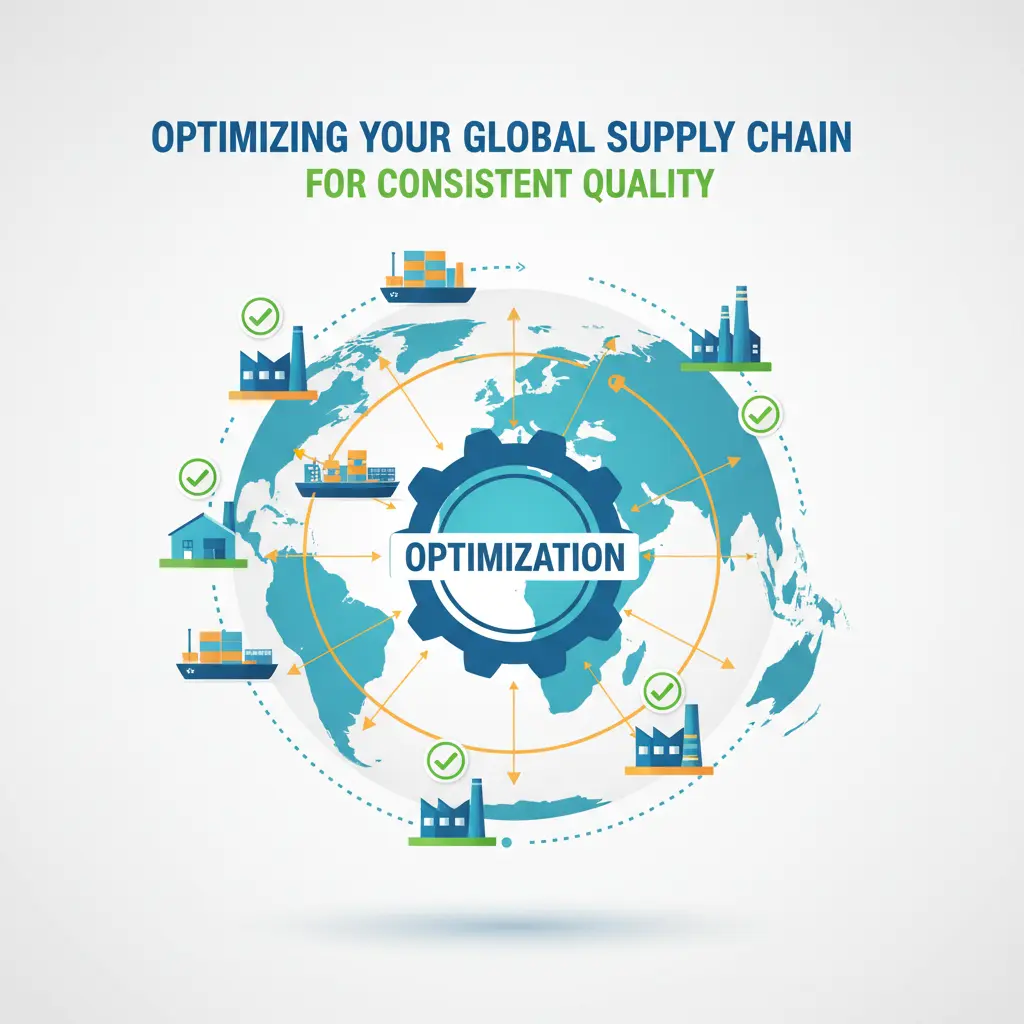
In today’s interconnected world, a robust and efficient global supply chain is critical for business success. However, geographical distances, diverse regulatory environments, and varying production standards can introduce significant challenges to maintaining consistent product quality. Effective Scaling Production Quality Control isn’t just about inspecting finished goods; it demands a holistic approach, integrating quality management into every facet of the supply chain, from sourcing raw materials to final delivery. This section explores overarching strategies for global supply chain quality optimization, fostering long-term improvements and resilience against potential disruptions.
Achieving excellence in a global context demands proactive measures and a commitment to continuous improvement. By focusing on data-driven insights, collaborative partnerships, and embracing technological advancements, businesses can future-proof their operations and ensure quality remains an unwavering competitive advantage.
1. Data-Driven Decision Making for Quality Enhancement
The first cornerstone of a resilient quality strategy is the intelligent use of data. In a complex global supply chain, relying solely on reactive inspections is insufficient. Implementing robust data collection and analytical systems provides unprecedented visibility into operations. This involves gathering real-time data from supplier performance, production lines, quality control checkpoints, and customer feedback. Advanced analytics, including predictive modeling and artificial intelligence, can identify potential quality deviations before they escalate. For instance, analyzing historical supplier data can predict likely defects, enabling targeted inspections and preventive actions. This proactive stance is crucial for effective international supplier quality management, ensuring all partners adhere to stringent benchmarks. By leveraging data, companies pinpoint bottlenecks, evaluate process efficacy, and make informed decisions that drive continuous quality enhancement across the entire value chain.
2. Building Collaborative Relationships with Supply Chain Partners
Quality is a shared responsibility. For manufacturing scalability strategies B2B, fostering strong, collaborative relationships with all supply chain partners—from raw material providers to logistics operators—is paramount. This goes beyond simple contractual agreements, cultivating an environment of mutual trust, transparent communication, and shared goals. Regular communication, joint training, and shared quality standards ensure everyone is aligned. Implementing joint audits and feedback loops helps identify improvements collectively, promoting continuous learning. For example, close collaboration with an overseas manufacturer on process improvements significantly enhances export quality assurance best practices, reducing issues during transit or upon arrival. A truly collaborative approach treats suppliers as extensions of your own quality team, working in unison to uphold brand reputation and customer satisfaction. Such relationships improve resilience, accelerate problem resolution, and foster adaptability to market demands.
3. Future-Proofing Quality Control: Trends and Innovations
The landscape of global manufacturing is constantly evolving. To future-proof quality control, businesses must embrace emerging trends and innovations. Technologies like the Internet of Things (IoT) provide real-time monitoring of environmental conditions, machinery performance, and product quality throughout production and distribution. Artificial Intelligence (AI) and machine learning analyze vast datasets to detect anomalies, predict maintenance needs, and optimize quality checks with greater accuracy. Blockchain technology offers unprecedented transparency and traceability, creating an immutable record of a product’s journey from origin to consumer—invaluable for authenticating materials and verifying compliance. Implementing smart factories and automated quality inspection systems further enhances precision and reduces human error, directly supporting Scaling Production Quality Control efforts. By strategically investing in these innovations, companies build a highly responsive and adaptive quality management system capable of navigating complex global challenges, ensuring consistent quality even as operations expand and diversify. Proactive adoption of these tools boosts efficiency and reinforces a company’s commitment to cutting-edge quality assurance.
Partner with Vietnam’s Leading Suppliers
Looking for reliable suppliers in Vietnam? Contact VietnamSuppliers.com today to connect with verified manufacturers and exporters across all industries.
—————————————
References
– international supplier quality management: https://www.iso.org/standards.html
– ISO 9001 Quality Management: https://www.iso.org/iso-9001-quality-management.html
– ISO 9001 Quality Management: https://www.iso.org/iso-9001-quality-management.html
– International Organization for Standardization (ISO) Standards: https://www.iso.org/standards.html
– Quality in Supply Chain – ASQ: https://asq.org/quality-resources/quality-in-supply-chain