Introduction to International Trade Finance
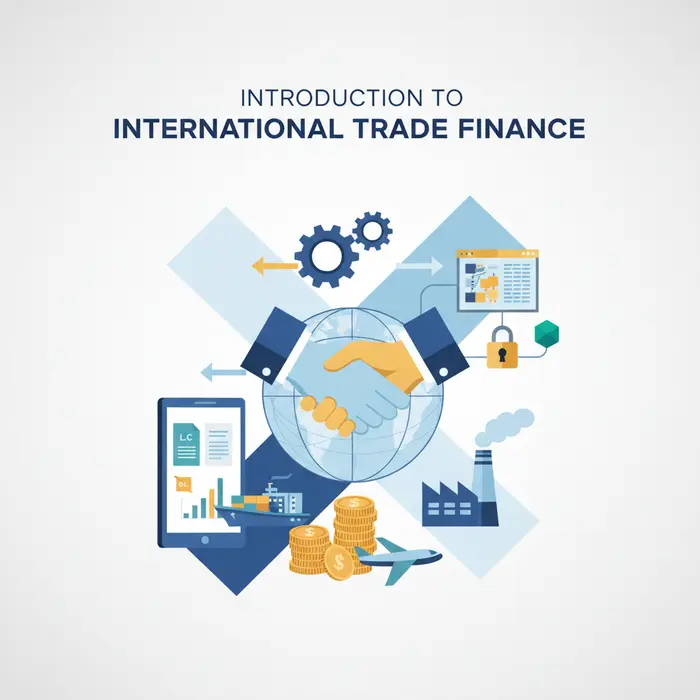
In an increasingly interconnected global economy, the movement of goods and services across borders is the lifeblood of commerce. However, the complexities and inherent risks associated with international transactions often pose significant challenges. This is where International Trade Finance steps in, serving as the crucial mechanism that underpins and facilitates global commerce. This section will define what international trade finance entails, highlight its indispensable role in fostering worldwide economic growth, and introduce the primary entities that drive these intricate financial arrangements.
1.
What is International Trade Finance?
International Trade Finance encompasses a broad array of financial instruments and services designed to mitigate the risks and facilitate the funding of international trade transactions. At its core, it bridges the gap between importers and exporters residing in different countries, each facing unique commercial, political, and currency risks. These financial solutions ensure that exporters receive payment for their goods and services, while importers gain access to the necessary financing to purchase products from abroad. It’s more than just simple payments; it involves managing cash flow, reducing risk exposure, and providing liquidity throughout the supply chain. Key mechanisms include letters of credit, guarantees, documentary collections, export credit insurance, and various Export Finance Solutions. Essentially, trade finance acts as a lubricant for the gears of global trade, allowing businesses to transact confidently and efficiently across borders, regardless of geographical distance or differing legal frameworks.
2.
Why is it Crucial for Global Business Growth?
The significance of International Trade Finance in driving global business growth cannot be overstated. Without robust trade finance mechanisms, the volume and velocity of international transactions would be severely curtailed. Firstly, it substantially reduces risk for all parties involved. Exporters are assured of payment, protecting them from buyer insolvency or refusal to pay, while importers gain confidence that goods will be shipped as agreed. This risk mitigation encourages companies, especially small and medium-sized enterprises (SMEs), to engage in international trade, expanding their market reach and revenue streams. Secondly, trade finance provides essential working capital and liquidity. Many transactions involve long payment cycles, and trade finance solutions, such as pre-shipment and post-shipment finance, bridge these gaps, enabling businesses to manage their cash flow effectively. Thirdly, it fosters trust and predictability in complex cross-border dealings, often involving different legal systems and customs. Instruments like Letters of Credit, backed by financial institutions, offer a universally recognized framework of rules and obligations, increasing transparency and reducing disputes. Finally, it supports the entire global Supply Chain Finance, ensuring continuous flow of goods and raw materials, which is vital for industrial production and consumer markets worldwide. In essence, trade finance is an indispensable catalyst for innovation, market expansion, and economic interconnectedness on a global scale.
3.
Key Stakeholders: Importers, Exporters, and Financial Institutions
Understanding the interplay between the key stakeholders is fundamental to grasping the mechanics of International Trade Finance. At the heart of every transaction are the **exporters**, who are the sellers of goods or services. They seek secure and timely payment for their shipments and often require financing to produce or acquire goods before sale. Their primary concern is managing commercial and political risks associated with selling to foreign buyers. Conversely, **importers** are the buyers of goods or services from abroad. They need assurance that they will receive the specified goods according to the agreed terms and often require financing to purchase these goods, especially during long transit periods. Their concerns revolve around quality, delivery, and payment terms. Bridging these two parties are the **financial institutions**, which include commercial banks, export credit agencies, and specialized Trade Finance Providers. These institutions offer a range of services from issuing Letters of Credit and guarantees to providing working capital, risk mitigation tools, and advisory services. They act as trusted intermediaries, using their global networks and expertise to facilitate secure and efficient transactions. Their involvement is critical in verifying documentation, ensuring compliance, and ultimately underwriting the financial risks inherent in cross-border trade, thereby fostering confidence and enabling millions of transactions daily.
Exploring Export Finance Solutions for Growth
Venturing into international markets offers immense growth potential, but it also presents unique financial challenges, including managing currency risks, political instability, and ensuring timely payment. This is where robust International Trade Finance solutions become indispensable. These specialized financial instruments and strategies are designed to help exporters mitigate risks, optimize cash flow, and secure the funding needed for their global sales. Understanding these Export Finance Solutions is crucial for businesses aiming to expand their global footprint and maintain a competitive edge.
Pre-Shipment vs. Post-Shipment Financing Options
Export activities involve a significant time lag between incurring production costs and receiving payment. To bridge this gap, exporters can leverage financing tailored to different stages of the trade cycle. Pre-shipment financing, or pre-export finance, provides the working capital needed before goods are shipped. This covers expenses like purchasing raw materials, manufacturing, packaging, and transporting goods to the port. Examples include packing credit and pre-export working capital lines, ensuring liquidity to fulfill an order.
Conversely, post-shipment financing applies after goods have been dispatched but before the buyer’s payment is received. This allows exporters to convert their sales receivables into immediate cash, significantly improving liquidity. Common post-shipment options include export bill discounting and negotiation of documents under letters of credit. Utilizing both pre- and post-shipment financing effectively manages cash flow throughout the entire export transaction, from production to payment realization.
Understanding Export Credit Insurance and Guarantees
One of the most critical risks in international trade is the potential for non-payment by foreign buyers due to commercial (e.g., insolvency) or political (e.g., war, currency restrictions) reasons. Export Credit Insurance (ECI) is a vital risk mitigation tool that protects exporters against these unforeseen circumstances. ECI covers losses from buyer default or political events, safeguarding an exporter’s receivables. Reputable Trade Finance Providers and government agencies, such as the U.S. Export-Import Bank (EXIM), offer various ECI policies, which can also make receivables more attractive for bank financing.
Export Credit Guarantees complement ECI. These are typically provided by government export credit agencies to commercial banks. The guarantee reimburses the bank for a percentage of an export loan if the foreign buyer defaults, significantly reducing the bank’s risk. This encourages banks to provide financing to exporters that they might otherwise deem too risky. Both ECI and guarantees are essential components of International Trade Finance, enabling exporters to pursue global sales confidently and secure better financing terms.
Factoring, Forfaiting, and Export Working Capital
Beyond traditional bank loans, specialized instruments offer flexible solutions for managing export receivables and working capital. Factoring involves an exporter selling their short-term accounts receivable (typically 30-180 days) to a factor at a discount for immediate cash. It can be ‘with recourse’ (exporter remains liable) or ‘without recourse’ (factor assumes credit risk), providing excellent cash flow management, especially for businesses with high sales volumes.
Forfaiting is similar but used for medium to long-term receivables (180 days to several years), often for large capital goods or project finance. An exporter sells future payment obligations (e.g., promissory notes) to a forfaiter without recourse, eliminating credit, political, and even currency risks. This is particularly useful for transactions in emerging markets or those requiring extended payment terms.
Finally, Export Working Capital (EWC) provides flexible financing specifically tied to export orders. Unlike general working capital loans, EWC facilities support the entire export cycle, from raw material purchase to shipping and collection. These solutions are invaluable for SMEs needing to scale production for large international orders. By leveraging factoring, forfaiting, and EWC, businesses optimize their Supply Chain Finance, reduce financial strain, and accelerate global expansion.
In summary, the diverse range of export finance solutions offers businesses a powerful toolkit to thrive in international markets. By strategically utilizing options like pre- and post-shipment financing, export credit insurance, guarantees, factoring, and forfaiting, exporters can confidently navigate global trade complexities, secure their transactions, and ensure sustainable growth. These Export Finance Solutions are not just about funding; they are about empowering businesses to compete and succeed on a global stage.
Optimizing Cash Flow with Supply Chain Finance
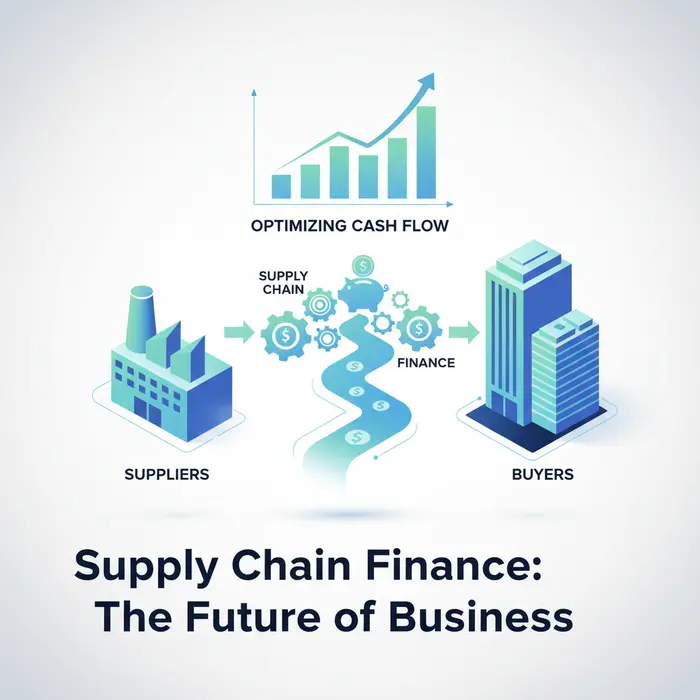
In the intricate landscape of global commerce, managing working capital efficiently is paramount for businesses to thrive. International Trade Finance solutions, particularly Supply Chain Finance (SCF), offer a powerful mechanism to streamline cash flow for both buyers and suppliers. By leveraging financial institutions to facilitate payments earlier for suppliers and extend payment terms for buyers, SCF fosters stronger, more resilient, and more efficient global supply chains. This financial innovation addresses common pain points in cross-border transactions, bridging liquidity gaps and enhancing predictability in payment cycles, which is crucial for sustainable growth.
Supply Chain Finance is an umbrella term encompassing various techniques designed to optimize the financing of a company’s working capital within its supply chain. It’s not merely about offering credit; it’s about providing liquidity and reducing risk across the entire trading ecosystem. From unlocking working capital to enhancing supplier relationships, SCF transforms traditional payment processes into strategic advantages, allowing businesses to navigate market volatilities with greater confidence and agility.
1. Buyer-Centric and Supplier-Centric Models
Supply Chain Finance typically operates through various models, each designed to meet specific needs within the trade ecosystem. The two primary categories are buyer-centric and supplier-centric models. Buyer-centric models, often referred to as reverse factoring or confirmed payables, are initiated by the buyer. Here, a buyer with strong credit standing agrees to confirm invoices from its suppliers to a financial institution. This allows suppliers to receive early payment for their invoices, often at a discount reflecting the buyer’s credit risk rather than their own. The buyer, in turn, can extend its payment terms without negatively impacting its suppliers’ cash flow, freeing up its own working capital. This approach is highly beneficial for strengthening supplier relationships, as suppliers gain access to immediate liquidity, reducing their days sales outstanding (DSO) and improving their financial stability.
Conversely, supplier-centric models focus on providing financing directly to the supplier. These include traditional factoring, dynamic discounting, and invoice discounting. In these scenarios, the supplier initiates the financing request, selling their receivables to a financial institution. This allows them to convert future sales into immediate cash, which is particularly useful for managing operational costs and investing in growth. While the financing terms in supplier-centric models might depend more on the supplier’s creditworthiness, they offer crucial flexibility for businesses to manage their own liquidity independently. Both models serve the overarching goal of optimizing cash flow, but their initiation point and primary beneficiary differ, allowing for tailored Export Finance Solutions to various supply chain dynamics.
2. Benefits for Small and Medium-sized Enterprises (SMEs)
SMEs often face significant challenges in accessing affordable financing, especially in the context of International Trade Finance. Supply Chain Finance offers a lifeline by providing them with crucial liquidity and improving their credit profiles. For SMEs acting as suppliers, buyer-centric SCF programs allow them to receive early payments on their invoices, often within days, rather than waiting the typical 30, 60, or even 90 days. This immediate access to cash can be transformative, enabling them to cover operational expenses, invest in new orders, and manage seasonal fluctuations without resorting to high-interest loans or depleting their cash reserves. The ability to rely on the credit strength of their larger corporate buyers significantly reduces their financing costs and broadens their access to capital.
Furthermore, SCF reduces the administrative burden associated with chasing payments and managing accounts receivable. For many SMEs, this means they can focus more on their core business activities rather than on financial administration. For SMEs acting as buyers, SCF can help them extend payment terms, improving their own working capital cycle without straining their relationships with critical suppliers. This balance is especially important for growth-oriented SMEs seeking to expand their global footprint, as stable cash flow is essential for navigating the complexities of international trade and managing various payment instruments like Letters of Credit.
3. Technology’s Impact on Supply Chain Finance Automation
The evolution of technology has been a game-changer for Supply Chain Finance, transforming it from a niche offering into a sophisticated, scalable solution. Automation, driven by digital platforms and advanced analytics, has streamlined the entire SCF process. Modern SCF platforms leverage cloud computing, AI, and blockchain to facilitate real-time invoice validation, automated payment processing, and comprehensive data analytics. This digital transformation reduces manual errors, accelerates transaction times, and significantly lowers operational costs for all parties involved.
Blockchain technology, in particular, offers the potential for unprecedented transparency and security in SCF. By creating immutable records of transactions and ownership, it enhances trust among participants, reduces fraud, and simplifies compliance. Smart contracts can automate payment triggers, ensuring that suppliers are paid automatically upon verification of delivery or other agreed-upon milestones. Moreover, data analytics provides valuable insights into supply chain health, identifying potential risks and opportunities for optimization. This technological integration not only makes SCF more efficient and accessible but also enables Trade Finance Providers to offer more flexible and tailored solutions, further enhancing working capital management and fostering greater efficiency across global supply chains. The future of International Trade Finance is undoubtedly intertwined with these technological advancements, promising even greater innovation and accessibility.
Navigating Letters of Credit and Payment Instruments
In the complex world of global commerce, securing payment is paramount for both exporters and importers. International Trade Finance encompasses a range of solutions designed to mitigate risks and facilitate transactions across borders. Among these, Letters of Credit (LCs) stand out as a highly secure and widely utilized instrument, offering a bank’s undertaking to pay, provided specific conditions are met. Understanding LCs, alongside other payment methods, is crucial for successful cross-border trade.
1. Irrevocable, Revocable, and Standby Letters of Credit
A Letter of Credit (LC), also known as a documentary credit, is a financial instrument issued by a bank (the issuing bank) on behalf of its client (the importer/buyer) to guarantee payment to a beneficiary (the exporter/seller). The bank promises to pay the exporter a specified amount provided that all terms and conditions stipulated in the LC are strictly complied with, typically involving the presentation of specific shipping and commercial documents.
The vast majority of LCs used today are Irrevocable Letters of Credit. This means that once issued and accepted by the beneficiary, the LC cannot be amended or cancelled without the agreement of all parties involved (importer, issuing bank, and exporter). This irrevocability provides significant security for the exporter, as it ensures the bank’s commitment to pay, independent of any disputes between the buyer and seller over the goods themselves. For detailed rules governing LCs, the Uniform Customs and Practice for Documentary Credits (UCP 600) published by the International Chamber of Commerce (ICC) serves as the global standard.
In contrast, Revocable Letters of Credit allow the issuing bank to amend or cancel the LC at any time without prior notice to the beneficiary. Due to the inherent lack of security for the exporter, revocable LCs are rarely used in international trade and are generally considered unsuitable for most transactions.
A distinct type is the Standby Letter of Credit (SBLC). Unlike a commercial LC which facilitates a transaction by ensuring payment for goods, an SBLC acts as a secondary payment mechanism or a safety net. It is a commitment by a bank to pay the beneficiary only if the applicant (importer) fails to fulfill a contractual obligation. SBLCs are often used in situations where direct performance is expected, but a financial guarantee is required in case of default. They are prevalent in various contracts, including construction projects, large service contracts, and to guarantee repayment of loans. While not a primary payment instrument for goods, SBLCs are vital Export Finance Solutions, providing a layer of security against non-performance.
2. Documentary Collections and Open Account Transactions
Beyond LCs, other common payment instruments include Documentary Collections and Open Account transactions, each offering varying levels of security and risk for the parties involved.
Documentary Collections involve banks facilitating the exchange of documents (such as bills of lading, commercial invoices, etc.) for payment. Here, the exporter’s bank (remitting bank) sends the documents to the importer’s bank (collecting bank) with instructions on when to release them to the importer. Payment typically occurs either at sight (Documents Against Payment – D/P), where the importer pays immediately upon presentation of documents, or after a specified period (Documents Against Acceptance – D/A), where the importer accepts a bill of exchange, promising to pay on a future date. While more secure than open account, documentary collections offer less protection than LCs because the banks act merely as facilitators and do not guarantee payment. They are often a good fit for established trading partners with mutual trust.
Open Account Transactions represent the least secure method for an exporter. Under this arrangement, the exporter ships goods and all necessary documents directly to the importer, with payment expected at a later, agreed-upon date (e.g., 30, 60, or 90 days after shipment). This method is highly favorable for the importer, as it avoids upfront costs and provides time to sell goods before paying. However, it carries significant risk for the exporter, including potential non-payment, delayed payment, and the burden of chasing receivables. Open account is typically reserved for long-standing, trusted relationships or in highly competitive markets where buyer demands dictate terms. The increasing prevalence of open account trade has fueled the growth of Supply Chain Finance solutions, which aim to provide working capital and optimize cash flow for both buyers and sellers in these arrangements.
3. The Role of Bank Guarantees in Trade Security
Bank Guarantees are another crucial form of trade security, often confused with LCs but serving a distinct purpose. A bank guarantee is a firm undertaking by a bank (the guarantor) to pay a specified sum to a beneficiary if the applicant (customer) fails to perform a contractual obligation. Unlike an LC, which is a primary payment mechanism, a bank guarantee is a secondary obligation, triggered only upon default. It acts as an assurance against a buyer’s non-payment or a seller’s non-performance.
Common types of bank guarantees include performance bonds (ensuring a seller completes a project), advance payment guarantees (assuring repayment of an advance if goods are not shipped), bid bonds (guaranteeing a bidder will sign a contract if awarded), and customs guarantees. They are indispensable tools for mitigating risks in various international contracts beyond just the sale of goods. Leading Trade Finance Providers offer a full spectrum of these guarantees, tailoring them to specific transactional needs. To explore more about securing international transactions, visit International Trade Finance.
Choosing Trade Finance Providers & Future Trends
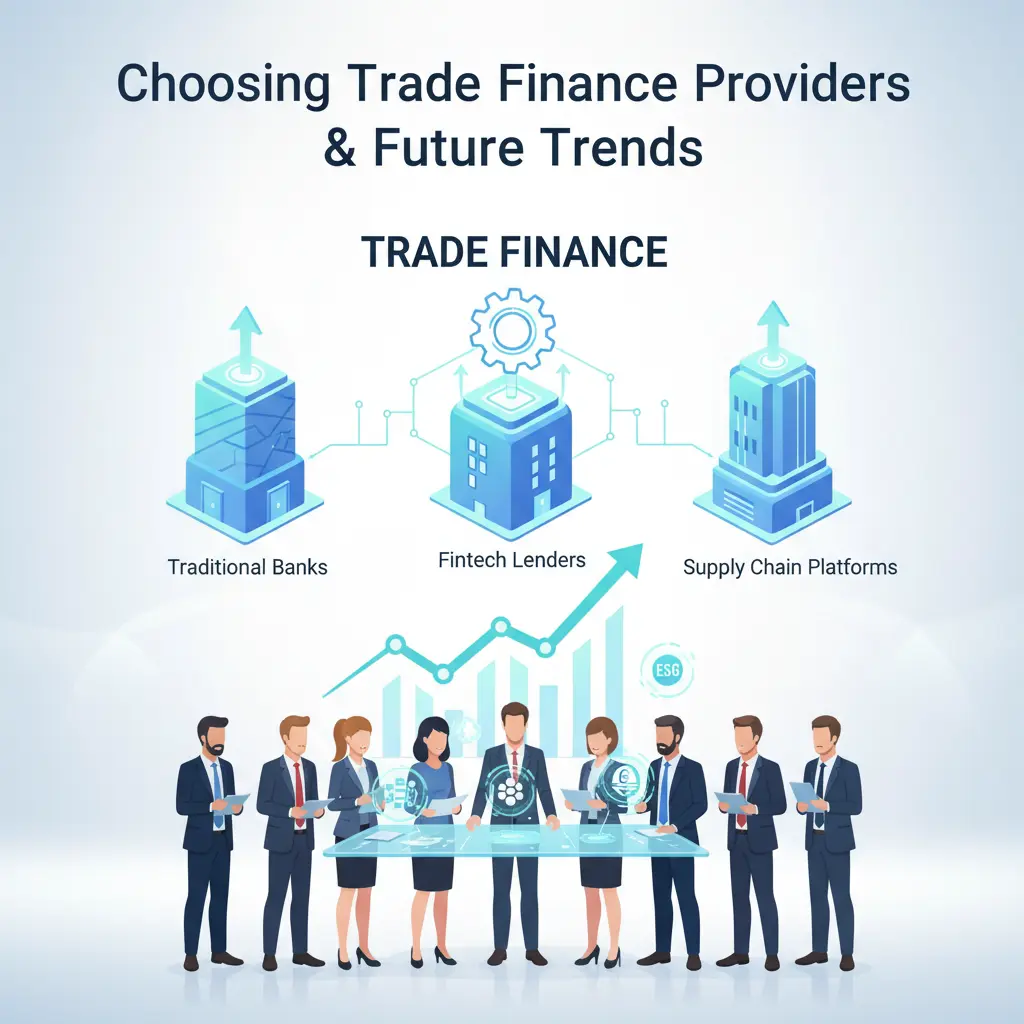
Navigating the complex landscape of global commerce necessitates robust International Trade Finance solutions. For businesses engaged in cross-border transactions, selecting the right financial partner is as crucial as the trade deal itself. This section delves into the critical considerations for choosing a trade finance provider and explores the transformative trends poised to reshape the future of this vital industry. From traditional banking giants to agile fintechs, understanding the diverse options and their implications is key to optimizing your global trade operations.
1. Traditional Banks vs. Fintech and Alternative Lenders
For decades, traditional banks have been the bedrock of International Trade Finance, offering a comprehensive suite of services including Letters of Credit, guarantees, and various Export Finance Solutions. Their established global networks, regulatory compliance expertise, and often lower cost of capital make them a go-to for many large corporations and established traders. Banks typically excel in handling complex, high-value transactions and offer integrated financial services beyond just trade finance. However, their processes can sometimes be slow, requiring extensive documentation, and their risk appetite might limit access for SMEs or those with less conventional trade flows.
In contrast, the past decade has seen the rise of fintech companies and alternative lenders, disrupting the traditional model with innovation and agility. These new entrants often specialize in particular niches, such as Supply Chain Finance or specific trade routes, leveraging technology to streamline processes, reduce paperwork, and offer faster turnaround times. Many focus on providing accessible Export Finance Solutions to small and medium-sized enterprises (SMEs) that might struggle to meet traditional bank requirements. While they might offer more flexible and digital-first approaches, their funding costs can sometimes be higher, and their regulatory frameworks are still evolving. Businesses must weigh the benefits of speed and flexibility against potentially higher costs and the comprehensive support offered by traditional institutions.
2. Key Factors When Selecting a Trade Finance Partner
Choosing the right trade finance providers involves a multifaceted evaluation beyond just cost. First and foremost, consider their expertise and track record in your specific industry and target markets. A provider with deep knowledge of local regulations, cultural nuances, and common trade practices can significantly mitigate risks. Global reach and network capabilities are paramount, especially for businesses with diverse international dealings. Can they support transactions in all your key markets? What is their reputation for reliability and customer service?
Furthermore, assess the range and flexibility of their International Trade Finance products. Do they offer the specific solutions you need, such as documentary credits, factoring, forfaiting, or supply chain finance programs? Evaluate their technological capabilities – a provider offering digital platforms for application, tracking, and reporting can vastly improve efficiency and transparency. Risk management capabilities are also critical; understand their approach to credit assessment, fraud prevention, and compliance with anti-money laundering (AML) and sanctions regulations. Finally, consider their pricing structure, including fees, interest rates, and any hidden costs. A transparent and competitive pricing model is crucial for maintaining profitability in international trade. Establishing a long-term relationship with a trusted partner who understands your business needs can be invaluable as your global operations evolve.
3. The Impact of Blockchain, AI, and ESG on Trade Finance
The future of International Trade Finance is being profoundly shaped by technological advancements and a growing emphasis on sustainability. Blockchain technology, with its promise of immutable ledgers and smart contracts, is poised to revolutionize trade documentation, enhance transparency, and reduce fraud. The World Economic Forum has highlighted the transformative potential of digital technologies in trade finance, noting how initiatives are demonstrating blockchain’s capability to streamline cross-border transactions, making them faster, more secure, and less reliant on manual processes. This can significantly reduce the costs and complexities associated with traditional Letters of Credit and other paper-intensive methods.
Artificial intelligence (AI) and machine learning (ML) are also transforming trade finance operations. AI can enhance credit risk assessment by analyzing vast datasets, automate compliance checks against sanctions lists, and even predict trade patterns. This leads to faster decision-making, reduced operational costs, and more accurate risk profiling for trade finance providers. Concurrently, Environmental, Social, and Governance (ESG) factors are becoming central to lending decisions. Supply Chain Finance solutions are increasingly being linked to suppliers’ sustainability performance, encouraging ethical sourcing and environmentally responsible practices. Financial institutions are integrating ESG criteria into their risk assessments, offering preferential terms for green trade finance, and promoting sustainable Export Finance Solutions. This shift not only aligns with global sustainability goals but also offers businesses opportunities to access more favorable financing by demonstrating strong ESG commitments. The integration of these innovations promises a more efficient, transparent, and responsible global trade ecosystem.
Partner with Vietnam’s Leading Suppliers
Looking for reliable suppliers in Vietnam? Contact VietnamSuppliers.com today to connect with verified manufacturers and exporters across all industries.
—————————————
References
– International Chamber of Commerce – Letters of Credit: https://www.iccwbo.org/resources-for-business/trade-finance/letters-of-credit/
– U.S. Export-Import Bank (EXIM) Export Credit Insurance: https://www.exim.gov/products/credit-insurance
– ICC Trade Finance Resources: https://iccwbo.org/resources-for-business/trade-finance/
– International Chamber of Commerce (ICC): https://iccwbo.org/publication/icc-uniform-customs-and-practice-for-documentary-credits-ucp-600/
– The transformative potential of digital technologies in trade finance: https://www.weforum.org/agenda/2021/04/trade-finance-digital-blockchain-covid19-supply-chain/