
Introduction to the Shifting Trade Landscape
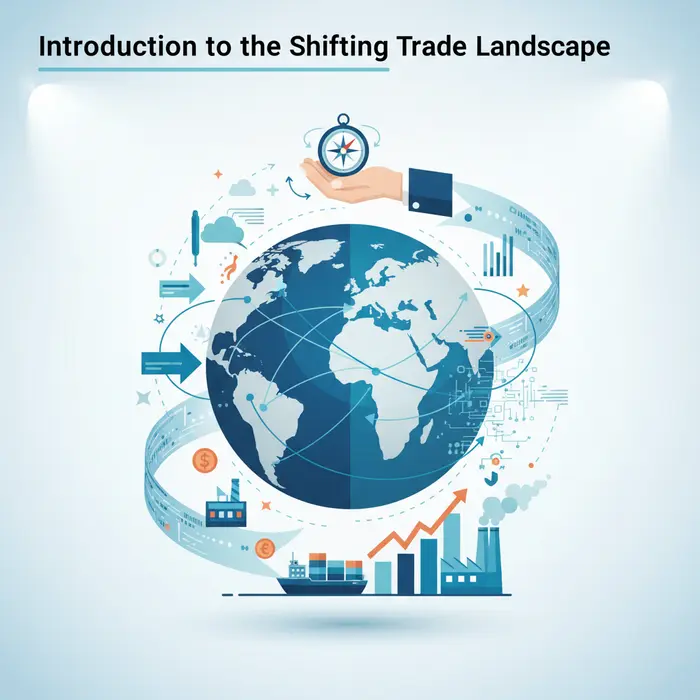
The global commercial ecosystem is in a perpetual state of evolution, driven by a confluence of geopolitical shifts, technological advancements, and a growing emphasis on resilient supply chains. In this dynamic environment, new trade agreements are not merely bureaucratic documents; they are powerful catalysts reshaping international commerce, with profound immediate and long-term effects. For businesses operating across borders, understanding how New Trade Agreements Impact Global Supply Chain 2024 and beyond is paramount to maintaining competitiveness and unlocking new growth opportunities. This section will set the stage for comprehending these transformative changes, exploring the forces behind them, identifying key agreements on the horizon, and analyzing the resulting opportunities and threats for global supply chain networks.
1. Global Trade in Flux: Drivers of Change
Several potent forces are currently driving significant reconfigurations in global trade. Geopolitical tensions, for instance, are compelling nations and corporations to re-evaluate dependencies, often leading to diversification strategies that seek to mitigate risks associated with over-reliance on single markets or suppliers. Concurrently, rapid technological advancements, particularly in automation, artificial intelligence, and logistics, are fundamentally altering production processes and distribution networks. This allows for greater efficiency but also demands adaptability from all participants. Protectionist sentiments, though seemingly counter to free trade, are also influencing policy decisions, pushing some countries to prioritize domestic industries while others seek new partnerships to maintain market access. Furthermore, the increasing global emphasis on sustainability and ethical sourcing is adding a new layer of complexity to trade, requiring companies to align their operations with environmental and social governance (ESG) criteria. These drivers collectively shape Global export market trends, pushing businesses to rethink their traditional sourcing and distribution models and explore new international sourcing opportunities beyond established hubs.
2. Key Agreements on the Horizon for 2025
Looking towards 2025, a wave of new and evolving trade agreements promises to recalibrate the global commercial landscape. These agreements range from comprehensive regional pacts to more focused bilateral deals, each designed to foster deeper economic integration and facilitate trade among signatory nations. Examples include the ongoing evolution of the Regional Comprehensive Economic Partnership (RCEP) in Asia, the continued implementation and potential expansion of the Comprehensive and Progressive Agreement for Trans-Pacific Partnership (CPTPP), and various bilateral agreements being negotiated by major economic powers. Particularly noteworthy are Vietnam trade policy changes, which reflect the country’s proactive engagement in global trade and its efforts to attract foreign investment while expanding its export base. These shifts are creating significant international sourcing opportunities, especially for companies looking to diversify their supply chains away from traditional manufacturing hubs. For importers and exporters, understanding the specific provisions, tariff reductions, and non-tariff barriers addressed by these agreements will be crucial for strategic planning and market entry.
3. The Supply Chain’s New Reality: Opportunities & Threats
The advent of these new trade agreements is forging a new reality for global supply chains, presenting both distinct opportunities and considerable threats. On the opportunity front, businesses can leverage reduced tariffs, streamlined customs procedures, and harmonized regulations to lower costs and access new markets with greater ease. These agreements often open up previously inaccessible regions, creating fresh international sourcing opportunities and expanding the global export market trends for diverse products. For instance, the strategic engagement of nations like Vietnam within these pacts offers compelling options for manufacturers and distributors seeking efficient production locations and robust logistical networks. Conversely, the shifting landscape also poses threats. Increased competition from new entrants, the need to navigate complex rules of origin, and the potential for new non-tariff barriers in non-participating markets demand careful strategic maneuvering. Businesses must develop a robust B2B import export strategy that incorporates agility, risk assessment, and a deep understanding of regional compliance requirements. Adapting to this new reality means prioritizing supply chain resilience through diversification, nearshoring, or even reshoring initiatives, all while capitalizing on the advantages offered by the latest trade frameworks.
Major New Trade Agreements & Their Immediate Impact
The global trade landscape is in a constant state of flux, continuously reshaped by geopolitical shifts, technological advancements, and, critically, the formation and evolution of major new trade agreements. These pacts are not mere bureaucratic exercises; they are powerful engines that immediately begin to redefine market access, modify tariff structures, and reroute global trade flows. Understanding their immediate and future implications is crucial for businesses aiming to optimize their B2B import export strategy and navigate the complexities of international commerce. As we move through 2024, several significant agreements are emerging or deepening their influence, illustrating how New Trade Agreements Impact Global Supply Chain 2024 and create both challenges and unprecedented opportunities for international sourcing and export market growth.
1. RCEP and CPTPP Updates: Expanding Influence
The Indo-Pacific region continues to be a hotbed of trade liberalization, primarily driven by two colossal agreements: the Regional Comprehensive Economic Partnership (RCEP) and the Comprehensive and Progressive Agreement for Trans-Pacific Partnership (CPTPP). RCEP, encompassing 15 Asia-Pacific nations (including China, Japan, South Korea, Australia, New Zealand, and ASEAN members), stands as the world’s largest free trade area by GDP. Its phased implementation is systematically lowering tariffs, streamlining customs procedures, and standardizing rules of origin across member states. This is significantly boosting intra-regional trade and fostering more competitive production networks. For instance, Vietnam trade policy changes within RCEP and CPTPP frameworks are opening new avenues for manufacturers and exporters, allowing them to leverage preferential tariffs for goods moving across the bloc. Businesses are finding increased efficiency in their international sourcing opportunities from these regions, benefiting from reduced input costs and broader market reach for their finished products.
Concurrently, the CPTPP, a high-standard agreement involving 11 Pacific Rim countries (including Canada, Australia, Japan, Mexico, and Vietnam), continues to expand its influence. With recent applications for membership from economies like the UK, the CPTPP sets high benchmarks for digital trade, intellectual property, and labor standards, making its members particularly attractive for long-term investments and resilient supply chain development. Both RCEP and CPTPP are fundamentally altering Asian market dynamics, driving greater integration of regional economies and offering diverse benefits for those operating within or trading with this dynamic bloc. The harmonized rules and reduced barriers under these agreements are critical for understanding how New Trade Agreements Impact Global Supply Chain 2024.
2. US-EU Trade Relations and Emerging Bilateral Deals
While large multilateral agreements dominate the Indo-Pacific, US-EU trade relations often illustrate a more nuanced approach, characterized by strategic cooperation, occasional trade disputes, and targeted bilateral agreements. Though a comprehensive transatlantic free trade agreement has remained elusive, both economic giants continuously engage in dialogues and sector-specific accords that subtly but significantly shape global export market trends. Initiatives like the EU-US Trade and Technology Council (TTC) aim to coordinate policies on critical issues such as AI, semiconductor supply chains, and green technologies, indirectly impacting trade flows by setting common standards and fostering collaborative innovation.
Furthermore, the trend towards smaller, focused bilateral deals or strategic partnerships is becoming more pronounced. The US, for instance, has been pursuing “friend-shoring” or “ally-shoring” initiatives, seeking to strengthen supply chain resilience by fostering deeper trade ties with politically aligned nations. Similarly, the EU is active in forging new bilateral free trade agreements, such as those with New Zealand or ongoing negotiations with countries like Australia and India. For businesses, monitoring these emerging bilateral arrangements is essential, as they can unlock niche markets or provide competitive advantages in specific sectors, influencing where companies choose to invest and source. According to the World Trade Organization, such agreements play a crucial role in diversifying global trade networks.
3. African Continental Free Trade Area (AfCFTA) Progress
Perhaps one of the most transformative trade initiatives in recent history is the African Continental Free Trade Area (AfCFTA). Envisioned to unite 54 of Africa’s 55 countries into a single market for goods and services, the AfCFTA aims to boost intra-African trade, foster industrialization, and facilitate economic development across the continent. With over 1.3 billion people and a combined GDP of approximately $3.4 trillion, the AfCFTA represents an immense, untapped market potential. While its full implementation is a gradual process involving complex negotiations on tariffs, rules of origin, and trade in services, significant progress has been made. The operationalization of guided trade initiatives and ongoing tariff liberalization schedules are beginning to break down historical barriers between African nations.
The immediate impact of AfCFTA is the creation of unprecedented international sourcing opportunities within Africa itself. Businesses are increasingly looking at Africa not just as a consumer market, but as a viable production hub, benefiting from diverse resources and a rapidly growing workforce. For global companies, AfCFTA offers a consolidated entry point into the African market, reducing the complexities of dealing with numerous disparate national trade regimes. This mega-agreement is fundamentally reshaping the continent’s economic geography, promising to transform global export market trends by presenting Africa as a unified, powerful trading bloc. Its success will not only enhance Africa’s position in global trade but also compel multinational corporations to rethink their entire B2B import export strategy concerning the continent.
These major new trade agreements, from the integrated markets of Asia to the evolving transatlantic dynamics and the nascent pan-African free trade zone, are collectively redrawing the map of global commerce. For businesses, staying abreast of these developments is not just good practice; it’s a strategic imperative to identify emerging market access, leverage preferential trade terms, and build resilient, competitive global supply chains. The continuous evolution of these agreements will undoubtedly define the success of many international operations in the coming years.
Regional Focus: Vietnam Trade Policy Changes & Sourcing
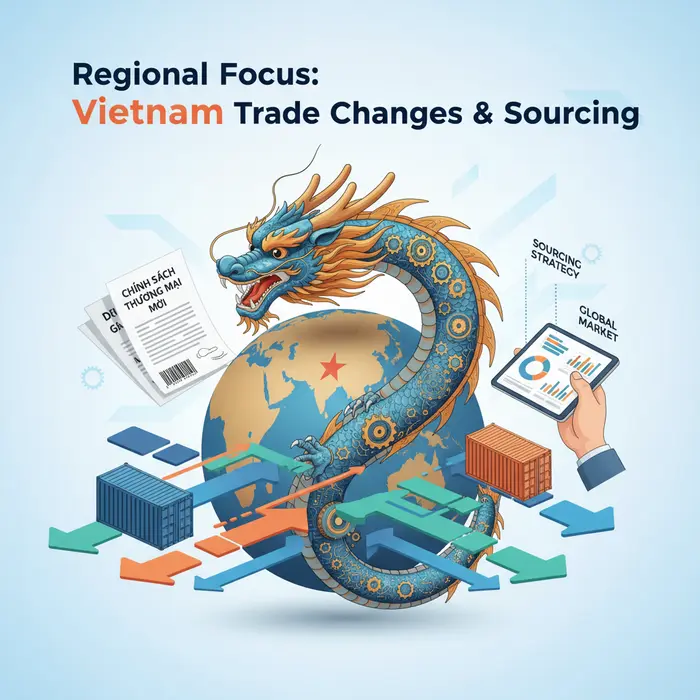
Vietnam’s strategic location and dynamic economic policies have positioned it as a pivotal player in the global supply chain. As businesses worldwide recalibrate their sourcing strategies, understanding Vietnam’s evolving trade landscape is paramount. This deep dive explores how Vietnam’s evolving trade policies and strategic positioning are creating both challenges and new international sourcing opportunities for businesses, particularly in an era defined by the impact of New Trade Agreements Impact Global Supply Chain 2024. We will examine critical areas such as Vietnam trade policy changes, the emergence of international sourcing opportunities, prevailing global export market trends, and essential considerations for a robust B2B import export strategy.
1. Tariff Adjustments and Quotas Impacting Key Sectors
The cornerstone of Vietnam’s integration into the global economy has been its aggressive pursuit and ratification of numerous free trade agreements (FTAs). Agreements such as the EU-Vietnam Free Trade Agreement (EVFTA), the Comprehensive and Progressive Agreement for Trans-Pacific Partnership (CPTPP), and the Regional Comprehensive Economic Partnership (RCEP) have dramatically reshaped the tariff landscape. For instance, the EVFTA has seen nearly 99% of all tariffs eliminated between Vietnam and the EU, creating significant advantages for sectors like textiles, footwear, and agricultural products. Similarly, the CPTPP facilitates reduced tariffs among its members, benefiting electronics, automotive parts, and processed foods. Businesses looking for international sourcing opportunities must closely monitor these changes, as preferential tariffs can lead to substantial cost savings and enhanced competitiveness in global export market trends. However, these agreements often come with complex Rules of Origin requirements, necessitating careful supply chain management to ensure eligibility for tariff reductions. Understanding these intricate Vietnam trade policy changes is crucial for developing an effective B2B import export strategy.
2. Manufacturing Hub Shifts and FDI Trends
Vietnam has emerged as a primary beneficiary of global manufacturing hub shifts, driven by factors such as geopolitical tensions, rising labor costs in other traditional manufacturing powerhouses, and the desire for supply chain diversification. This trend is evident in the robust Foreign Direct Investment (FDI) inflows, which consistently position Vietnam as an attractive destination. Major multinational corporations across electronics (e.g., Samsung, Intel), textiles (e.g., Nike, Adidas), and automotive components have significantly expanded their presence. The Vietnamese government actively promotes FDI through various incentives, including tax holidays, land rent exemptions, and streamlined administrative procedures. This surge in investment is bolstering local industrial capabilities, improving infrastructure, and creating a skilled workforce, further enhancing Vietnam’s appeal for international sourcing opportunities. The continuous development of industrial parks and special economic zones further solidifies its position as a go-to manufacturing alternative. This shift is not merely about relocation but a strategic re-evaluation of global production networks, making Vietnam a central node in future global export market trends. For more detailed insights on Vietnam’s economic outlook and investment climate, the World Bank provides comprehensive reports. Vietnam’s sustained economic growth and investor confidence underscore its role as a stable and promising manufacturing hub.
3. Navigating Vietnam’s Regulatory Environment for Foreign Investment
While Vietnam offers immense potential, successfully establishing and operating a business requires a thorough understanding of its regulatory environment. The government has made significant strides in improving its business climate, enacting reforms to the Law on Investment and the Law on Enterprises to enhance transparency and reduce administrative burdens. However, navigating the legal framework can still be complex for foreign entities. Key aspects include understanding licensing requirements, intellectual property rights protection, labor laws, and land use regulations. It’s imperative for businesses considering international sourcing opportunities or direct investment to conduct thorough due diligence and potentially seek local legal and consulting expertise. The recent Vietnam trade policy changes aim to create a more level playing field for foreign and domestic investors, but nuances remain. Compliance with environmental regulations, understanding local content requirements, and managing currency controls are also vital components of a successful B2B import export strategy. Proactive engagement with local authorities and a commitment to understanding the socio-cultural context can significantly smooth the path for foreign enterprises operating in Vietnam, ensuring they capitalize on the country’s growing role in global export market trends.
Navigating International Sourcing & Global Export Market Trends
The global economic tapestry is constantly being rewoven by a complex interplay of geopolitical shifts, technological advancements, and, most critically, the emergence of new trade agreements. These pacts are not mere bureaucratic formalities; they are seismic forces that profoundly influence corporate strategies, redefine international sourcing opportunities, and redraw the map of global export market trends. For businesses worldwide, understanding how these New Trade Agreements Impact Global Supply Chain 2024 is paramount for maintaining competitiveness and fostering sustainable growth. The strategic implications span everything from operational adjustments to long-term market expansion plans, demanding a nuanced and agile B2B import export strategy.
1. Diversification Strategies for Supply Chain Resilience
The lessons from recent global disruptions — from pandemics to geopolitical conflicts — have underscored the urgent need for robust supply chain resilience. Businesses are moving away from single-source dependencies and “just-in-time” models that proved vulnerable to shocks. New trade agreements facilitate this diversification by reducing tariffs, streamlining customs procedures, and establishing more predictable regulatory environments with a wider array of trading partners. This encourages companies to explore new regions for manufacturing and procurement, thereby mitigating risks associated with over-reliance on any single country or supplier.
For instance, while certain regions have historically been dominant manufacturing hubs, Vietnam trade policy changes and similar developments in other emerging economies, often driven by new bilateral or multilateral agreements, are opening up attractive alternatives. This enables firms to adopt a “China plus one” or even “China plus many” strategy, distributing production across multiple geographies to cushion against potential disruptions. Such geographical diversification is complemented by multi-sourcing strategies, where different suppliers for the same component are utilized across various locations. The objective is not just cost optimization but primarily risk reduction and ensuring continuity of operations, transforming international sourcing opportunities into strategic advantages for long-term stability.
2. Nearshoring vs. Offshoring: Cost-Benefit Analysis
The calculus of where to produce goods has become significantly more complex, with new trade agreements often tipping the scales in the ongoing debate between nearshoring vs. offshoring. Offshoring to distant, low-wage countries has long been been a default strategy for cost reduction. However, rising labor costs in traditional offshoring destinations, coupled with increasing shipping expenses, longer lead times, and growing geopolitical uncertainties, are making nearshoring a compelling alternative.
Nearshoring involves relocating production closer to the end market, often within the same continent or region. Regional trade agreements, such as the USMCA (United States-Mexico-Canada Agreement) or expanded ASEAN agreements, significantly reduce trade barriers between signatory nations, making it economically viable to source and manufacture within the bloc. This can lead to reduced transportation costs, shorter lead times, greater responsiveness to market demands, and often, more favorable intellectual property protection. Conversely, some new trade agreements might also solidify the appeal of certain offshoring locations by granting them preferential market access or investment protections. A thorough cost-benefit analysis must consider not only direct costs like labor and logistics but also indirect factors such as supply chain agility, environmental impact, and the stability of trade relations influenced by the latest trade pacts. The optimal strategy will vary by industry, product, and the specific landscape created by these evolving agreements, profoundly impacting the global supply chain.
3. Identifying High-Growth Export Markets Post-Agreements
One of the most immediate and tangible benefits of new trade agreements for businesses is the identification and unlocking of high-growth export markets. These agreements often eliminate or substantially reduce tariffs, quotas, and non-tariff barriers, making products from signatory countries more competitive. This preferential market access can dramatically alter the commercial viability of exporting to previously challenging regions. Businesses must meticulously analyze the specifics of each new agreement to pinpoint regions where their products or services will gain a significant competitive edge.
For instance, an agreement opening new channels into Southeast Asia could present unprecedented international sourcing opportunities and export potential for European or North American companies, while new pacts between Asian nations might create significant regional trade flows. This requires a dynamic approach to B2B import export strategy, shifting focus and resources to capitalize on newly accessible markets. Companies should leverage market intelligence, conduct thorough feasibility studies, and adapt their offerings to local preferences within these emerging markets. Analyzing global export market trends in light of these agreements is crucial, as is understanding the specific rules of origin, product standards, and certification requirements stipulated by each new pact. Proactive adaptation to these changes defines success in the evolving landscape of New Trade Agreements Impact Global Supply Chain 2024.
In conclusion, the current era of trade is defined by constant evolution. Businesses that proactively adapt their international sourcing opportunities, diversify their supply chains, and strategically target new export markets in response to new trade agreements will be best positioned for sustained success. Understanding the nuances of agreements, like recent New Trade Agreements Impact Global Supply Chain 2024, and their global ripple effects is no longer optional but a fundamental requirement for a robust B2B import export strategy. For further insights into the evolving global trade landscape, professional analyses provide invaluable perspectives.
Developing a Resilient B2B Import-Export Strategy for 2025
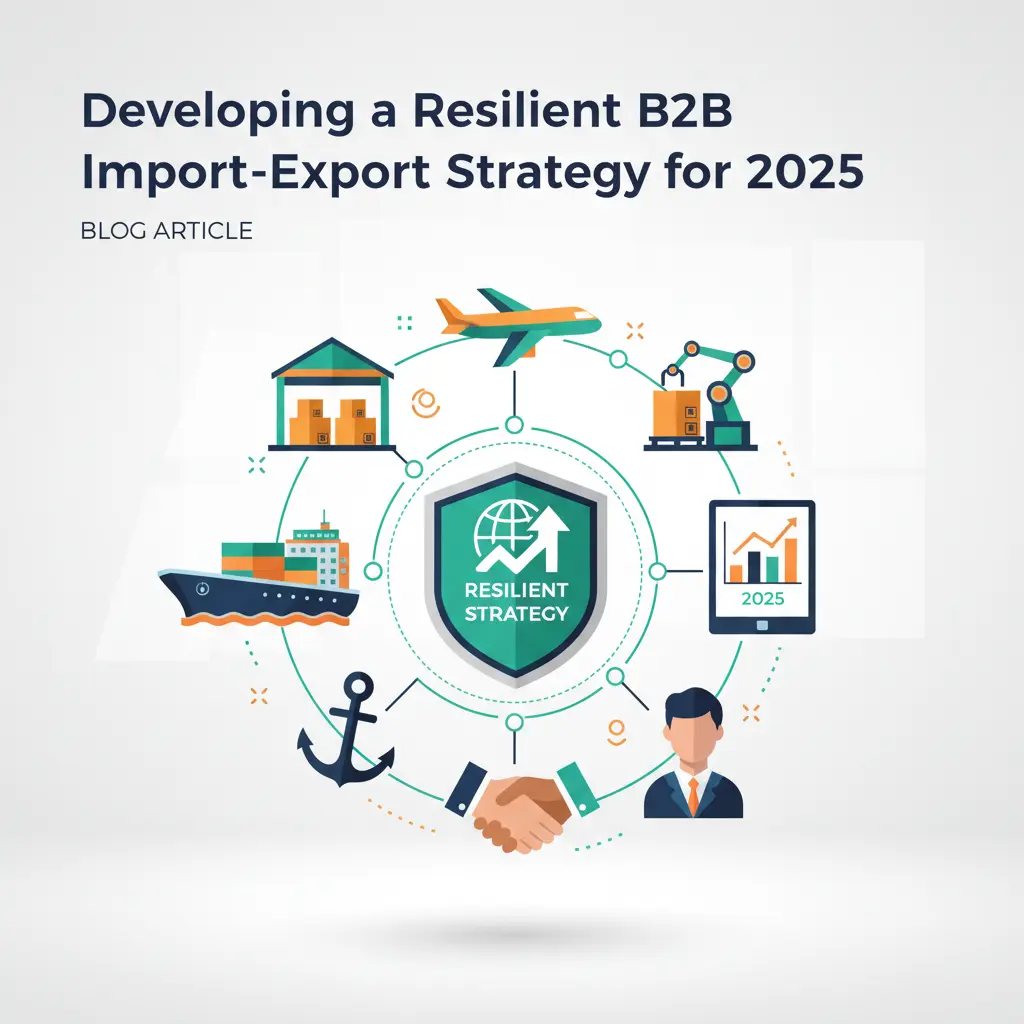
The global trade landscape is undergoing rapid transformation, characterized by geopolitical shifts, technological advancements, and evolving consumer demands. For B2B businesses engaged in import-export, 2025 presents both formidable challenges and significant opportunities. A truly resilient strategy is not merely about reacting to change but proactively adapting, innovating, and capitalizing on emerging trends. This section provides actionable insights and strategic recommendations for businesses to adapt and thrive amidst this changing global trade environment and capitalize on new opportunities, particularly as new trade agreements impact global supply chain dynamics.
1. Risk Management and Compliance in a Dynamic Landscape
In an era where global stability can shift quickly, effective risk management is paramount for any B2B import-export strategy. Businesses must develop robust frameworks to identify, assess, and mitigate risks ranging from geopolitical tensions and trade wars to natural disasters and cyber threats. Understanding the impact of new trade agreements, such as those affecting Southeast Asia, is crucial. For instance, monitoring Vietnam trade policy changes can provide an early advantage, as shifts in tariffs, quotas, or regulatory frameworks can significantly impact sourcing and export costs. Diversifying supply chains is no longer just a best practice but a critical necessity. Instead of relying on a single country or region, businesses should explore multiple sourcing hubs to enhance supply chain resilience. This includes exploring nearshoring or friendshoring options to reduce lead times and political exposure. Furthermore, navigating the complex web of international trade compliance – including sanctions, customs regulations, environmental standards, and labor laws – requires dedicated resources and expertise. Proactive monitoring of regulatory changes and investment in compliance management systems are essential to avoid costly penalties and ensure smooth operations, thus strengthening your overall global trade outlook from the WTO.
2. Leveraging Technology for Trade Facilitation and Visibility
Technology is a powerful enabler for building a resilient B2B import export strategy. The adoption of digital tools can significantly enhance efficiency, transparency, and responsiveness across the entire supply chain. Implementing advanced data analytics and Artificial Intelligence (AI) can provide deep insights into global export market trends, demand forecasting, and inventory optimization, allowing businesses to make more informed decisions. Blockchain technology offers unprecedented levels of transparency and traceability, enabling immutable records of transactions and goods movement, which is particularly valuable for compliance and combating counterfeiting. Furthermore, digital platforms for customs clearance, freight forwarding, and documentation management can streamline processes, reduce administrative burdens, and minimize delays. By integrating these technologies, companies can gain end-to-end visibility of their supply chains, identify potential bottlenecks before they escalate, and react swiftly to disruptions. This technological advantage is key to adapting to the swift changes and increased complexity brought by new trade agreements and evolving market demands, helping businesses to better understand global supply chain resilience.
3. Building Strategic Partnerships and Collaborative Networks
No business operates in isolation, and the ability to forge strong, collaborative partnerships is fundamental to navigating the complexities of international trade in 2025. Strategic alliances with trusted suppliers, logistics providers, distributors, and even competitors can create robust and flexible networks. Exploring international sourcing opportunities often requires reliable local partners who understand market nuances, regulatory frameworks, and cultural dynamics. For example, forming joint ventures or engaging in co-marketing initiatives can unlock access to new markets and distribution channels, while sharing risks and resources. Collaborative forecasting and inventory management with key partners can optimize stock levels, reduce carrying costs, and improve service levels. Furthermore, engaging with industry associations, government agencies, and trade bodies can provide valuable intelligence on emerging trade policies, market access requirements, and potential opportunities. These networks foster mutual growth, enhance collective resilience against disruptions, and enable businesses to adapt more effectively to changes, including those stemming from adapting to trade agreement shifts and fluctuating global market conditions.
Partner with Vietnam’s Leading Suppliers
Looking for reliable suppliers in Vietnam? Contact VietnamSuppliers.com today to connect with verified manufacturers and exporters across all industries.
—————————————
References
– Global export market trends: https://www.wto.org/english/news_e/archive_e/globtr_e.htm
– World Trade Organization: https://www.wto.org/english/news_e/archive_e/news_e.htm
– Vietnam’s sustained economic growth and investor confidence: https://www.worldbank.org/en/country/vietnam/overview
– Deloitte’s analysis on global trade and geopolitics: https://www2.deloitte.com/us/en/insights/economy/global-outlook/economic-outlook-global-trade-geopolitics.html
– :

