Regional Economic Landscape & Forecast
The Middle East stands at a pivotal juncture, transforming from a hydrocarbons-dependent region into a dynamic economic powerhouse attracting significant international capital. The overarching economic outlook for the Middle East is robust and increasingly diversified, presenting a wealth of Middle East Investment Opportunities across various sectors. Driven by ambitious national visions and strategic reforms, the region is charting a course for sustained growth, making it a compelling destination for global investors.
1. Key Macroeconomic Indicators for 2025
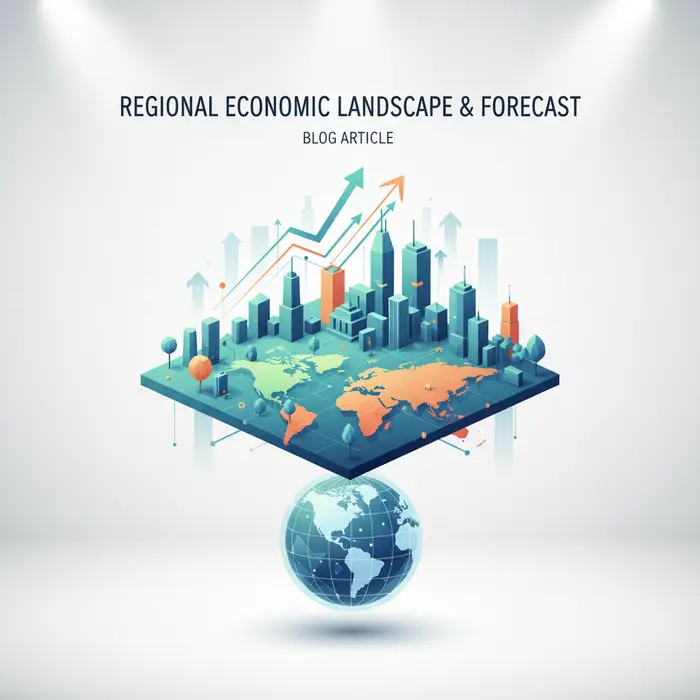
The macroeconomic landscape of the Middle East and North Africa (MENA) region in 2025 is projected to demonstrate resilience and growth, albeit with varying paces across individual economies. Regional GDP growth is anticipated to remain positive, primarily underpinned by prudent fiscal management, ongoing structural reforms, and a favorable, albeit volatile, oil price environment. According to recent forecasts, non-oil sector growth is expected to be the primary engine, reflecting successful economic diversification strategies. Inflation, while a global concern, is generally being managed through central bank policies, though imported inflation remains a factor. Fiscal positions are strengthening in many GCC countries, allowing for continued investment in infrastructure and social programs. Countries like Saudi Arabia and the UAE are leading this charge, demonstrating strong non-oil GDP expansion driven by tourism, logistics, technology, and manufacturing.
2. Factors Driving Regional Growth
Several fundamental factors are propelling the Middle East’s economic expansion and creating attractive Middle East economic growth. Foremost among these is the commitment to economic diversification, moving beyond traditional oil revenues. The UAE economic diversification strategy, for instance, has significantly bolstered non-oil sectors, transforming Dubai into a global hub for finance, tourism, and innovation, while Abu Dhabi focuses on advanced technology and renewable energy. Similarly, ambitious initiatives like Saudi Vision 2030 are unlocking unprecedented Saudi Arabia business prospects, including massive investments in tourism, entertainment, and futuristic cities like NEOM.
Furthermore, significant advancements in GCC trade developments are fostering regional integration and opening new markets. Strategic geographical positioning, coupled with massive investments in ports, airports, and road networks, is solidifying the region’s role as a critical global trade and logistics nexus. This focus on connectivity underpins advanced Middle East logistics solutions, positioning countries like the UAE and Saudi Arabia as crucial transit points between East and West. The region’s young, tech-savvy population is also driving a robust digital transformation, spurring growth in e-commerce, fintech, and digital services, further enhancing the appeal of regional markets for international investors.
3. Investment Climate and Investor Confidence
The Middle East’s investment climate has undergone substantial positive transformation, significantly boosting investor confidence. Governments across the region have implemented sweeping regulatory reforms aimed at enhancing the ease of doing business, protecting investor rights, and promoting transparency. This includes allowing greater foreign ownership in key sectors, streamlining bureaucratic processes, and strengthening legal frameworks. The proliferation of free zones and special economic zones, offering tax incentives, full foreign ownership, and repatriation of capital, has been instrumental in attracting substantial Foreign Direct Investment (FDI).
Beyond traditional sectors, there’s a growing emphasis on sustainable investments. The region is increasingly investing in renewable energy projects, green technologies, and sustainable urban development, aligning with global environmental objectives and attracting impact investors. Mega-projects in Saudi Arabia, such as the Red Sea Project and AMAALA, exemplify this shift, focusing on luxury tourism with a strong sustainability ethos. The commitment to innovation, coupled with a proactive approach to economic reforms and a strategic drive for diversification, positions the Middle East as a highly attractive and resilient destination for global capital seeking long-term growth and stable returns. The continuous government support for new enterprises and the development of cutting-edge infrastructure further cement its appeal, making it a prime region for exploring diverse investment opportunities.
GCC Trade Dynamics & Diversification Efforts
The Gulf Cooperation Council (GCC) region is undergoing a profound economic transformation, moving strategically away from its traditional reliance on hydrocarbon revenues. This shift is driven by a forward-looking vision to build sustainable, knowledge-based economies, presenting significant Middle East Investment Opportunities. The evolving trade policies, deepening intra-GCC market integration, and ambitious national strategies are reshaping the regional and global trade landscape, focusing on non-oil sectors and green initiatives.
1. Intra-GCC Trade Expansion and Agreements
A cornerstone of the GCC’s economic strategy is the enhancement of intra-regional trade. Efforts to foster greater economic integration within the bloc have intensified, aiming to create a more resilient and interconnected market. Key initiatives include the GCC Common Market, which seeks to allow for the free movement of goods, services, capital, and labor among member states, and the GCC Customs Union. These agreements are designed to dismantle trade barriers, harmonize regulations, and streamline customs procedures, thereby boosting GCC trade developments. While progress has been steady, challenges such as non-tariff barriers and varied implementation paces remain. Nevertheless, ongoing dialogue and policy reforms are continuously working towards a more cohesive economic environment, encouraging cross-border investment and fostering regional supply chains. This integration is crucial for strengthening the region’s collective economic power and reducing its vulnerability to external market fluctuations.
2. Non-Oil Sector Growth Across the GCC
The pursuit of economic diversification has propelled unprecedented growth in non-oil sectors across all GCC nations. This strategic pivot is evident in massive government-led projects and private sector investments across various industries. Saudi Arabia, under its Vision 2030, is investing heavily in tourism, entertainment, technology, and manufacturing, opening up immense Saudi Arabia business prospects. Similarly, the UAE economic diversification strategy focuses on developing smart cities, advanced technology, financial services, and logistics. Dubai continues to solidify its position as a global hub for trade and tourism, while Abu Dhabi is investing in renewable energy and aerospace. Qatar is leveraging its World Cup infrastructure for post-event economic growth in tourism and services, and Oman and Bahrain are expanding their manufacturing, logistics, and financial sectors. This widespread development also highlights growing demand for sophisticated Middle East logistics solutions to support the expanding flow of goods and services. From e-commerce platforms to advanced port infrastructure, the logistics sector is a critical enabler of this economic transformation, ensuring efficient supply chains and market access for diverse industries.
3. Sustainability and Green Investment Trends
Sustainability has emerged as a central pillar in the GCC’s diversification efforts, attracting substantial green investment. Recognizing the global imperative to combat climate change and the economic potential of clean technologies, GCC nations are aggressively pursuing renewable energy projects, sustainable urban development, and environmental conservation initiatives. Saudi Arabia’s ambitious NEOM project, with its focus on hydrogen energy and carbon-neutral living, exemplifies this commitment. The UAE, home to Masdar City and a global leader in solar energy, continues to invest heavily in clean energy infrastructure and technology. Qatar is focusing on sustainable infrastructure and environmental protection, while Oman is exploring opportunities in green hydrogen production. This region-wide push towards sustainability is not merely about environmental responsibility; it is also a strategic economic play. It aims to position GCC countries as leaders in the burgeoning global green economy, attracting foreign direct investment into renewable energy, green tech, and sustainable finance. For further insights into the economic diversification and sustainability efforts across the GCC, the World Bank provides comprehensive analysis on the region’s economic outlook and policy reforms, underscoring the shift towards resilient and diversified growth models.
Saudi Arabia’s Transformative Business Prospects
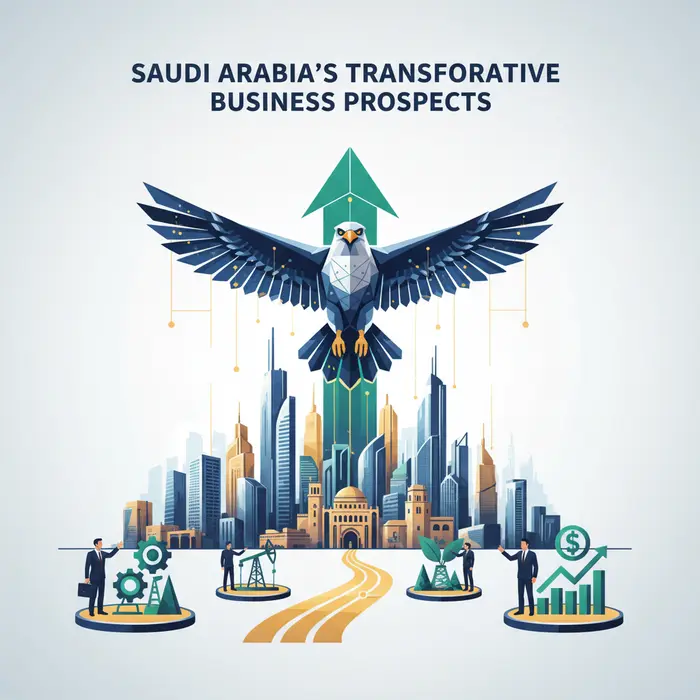
Saudi Arabia is undergoing an unprecedented economic transformation, spearheaded by its ambitious Vision 2030. This strategic framework is repositioning the Kingdom as a global investment powerhouse, moving beyond its traditional oil-dependent economy towards a diversified, knowledge-based future. For international businesses and investors, these profound shifts present a wealth of Middle East Investment Opportunities, particularly as the Kingdom opens its doors wider to foreign capital and expertise. The landscape is ripe for engagement across numerous sectors, driven by massive public and private sector projects, extensive privatization efforts, and a concerted push into emerging industries.
The Kingdom’s strategic geographical location, coupled with its immense financial resources and political will, makes it a pivotal player in GCC trade developments and the broader global economy. As other nations in the region, like those implementing the UAE economic diversification strategy, also push for growth, Saudi Arabia’s scale of ambition sets it apart, promising significant returns for early movers and strategic partners looking to capitalize on this dynamic period of growth and development.
1. Vision 2030: Giga-Projects & New Cities
At the heart of Saudi Arabia’s Vision 2030 are several audacious giga-projects designed to redefine urban living, tourism, and industry. These developments are not merely construction projects; they are integrated ecosystems aimed at attracting talent, fostering innovation, and driving economic growth. NEOM, arguably the most ambitious, is a futuristic smart city spanning three countries, featuring revolutionary urban designs like The Line, advanced manufacturing zones, and sustainable energy solutions. The Red Sea Project and AMAALA are transforming pristine coastlines into ultra-luxury tourism destinations, offering unparalleled hospitality and leisure experiences. Qiddiya is set to become the Kingdom’s entertainment, sports, and cultural capital, boasting theme parks, sports arenas, and cultural venues. Additionally, projects like ROSHN are addressing housing demand with modern, sustainable communities across the Kingdom.
These giga-projects alone represent trillions of dollars in investment, creating immense opportunities for foreign companies in construction, infrastructure development, renewable energy, digital technology, hospitality, and urban planning. Engaging with these initiatives offers a direct pathway into the Kingdom’s evolving economy and the chance to contribute to truly groundbreaking ventures, solidifying Saudi Arabia business prospects for decades to come.
2. Privatization and Public Investment Fund (PIF) Opportunities
A cornerstone of Vision 2030 is the extensive privatization program, aimed at enhancing efficiency, attracting foreign direct investment, and diversifying revenue streams away from oil. Sectors earmarked for privatization include healthcare, education, utilities, transportation, and various state-owned enterprises. This opens significant avenues for private sector participation, bringing in international best practices and fostering competition.
The Public Investment Fund (PIF), Saudi Arabia’s sovereign wealth fund, plays a crucial role as the primary engine of Vision 2030. With assets exceeding $700 billion and a target of $2 trillion by 2030, PIF is not only an investor in the giga-projects but also a major catalyst for new industries and strategic partnerships. It actively seeks co-investment opportunities with international firms across various sectors, including technology, logistics, advanced manufacturing, and renewable energy. Partnering with PIF provides unparalleled access to the Saudi market and aligns businesses with the Kingdom’s strategic priorities, offering substantial long-term growth potential and robust support.
3. Emerging Sectors: Tourism, Tech, Manufacturing
Beyond the headline giga-projects, several specific sectors are being cultivated as future economic pillars. Tourism is experiencing exponential growth, with Saudi Arabia targeting 100 million visitors annually by 2030. This necessitates massive investment in hotels, resorts, entertainment venues, and related services, creating a buoyant market for hospitality providers, tour operators, and ancillary service companies.
Technology and digital transformation are also paramount. The Kingdom is investing heavily in smart city technologies, artificial intelligence, fintech, and cybersecurity. Initiatives to localize technology production and foster a vibrant startup ecosystem offer considerable opportunities for tech companies looking to enter a rapidly digitizing market. Similarly, the manufacturing sector is undergoing a significant renaissance, with a focus on advanced manufacturing, automotive, renewable energy components, and pharmaceutical production. These efforts are supported by improved logistics infrastructure, aiming to establish Saudi Arabia as a key hub for Middle East logistics solutions and industrial supply chains. The convergence of these emerging sectors paints a vivid picture of a dynamic economy ripe with potential for strategic foreign investment.
UAE’s Economic Diversification Strategy in Action
The United Arab Emirates (UAE) stands as a beacon of economic foresight in the Middle East, proactively steering its economy away from traditional oil dependence towards a vibrant, knowledge-based future. This strategic pivot is not merely aspirational; it is a dynamic process marked by significant investments in innovation, talent attraction, and the development of robust non-oil sectors. The nation’s “UAE economic diversification strategy” is meticulously designed to foster a sustainable and competitive global economy, creating myriad Middle East Investment Opportunities across a spectrum of emerging industries.
1. Digital Economy & Tech Innovation Hubs
At the heart of the UAE’s economic transformation lies an aggressive drive to build a world-class digital economy and establish itself as a global tech innovation hub. This encompasses fostering an ecosystem where advanced technologies such as Artificial Intelligence (AI), blockchain, IoT, and fintech can thrive. Cities like Dubai and Abu Dhabi are not just embracing these technologies; they are actively shaping their future through initiatives like the UAE National AI Strategy 2031 and the Dubai Future Foundation, which incubates pioneering projects. Specialized zones such as Dubai Internet City, Dubai Silicon Oasis, and the Abu Dhabi Global Market’s (ADGM) RegLab are magnets for tech startups, multinational corporations, and R&D centers, offering state-of-the-art infrastructure, supportive regulatory frameworks, and access to a diverse talent pool. These hubs are instrumental in attracting foreign direct investment, nurturing local entrepreneurial talent, and creating a dynamic environment conducive to technological breakthroughs, thereby cementing the UAE’s role in the global digital landscape.
2. Renewable Energy & Green Technology Investments
Recognizing the imperative of sustainability and energy security, the UAE has emerged as a leader in renewable energy and green technology investments. This strategic pillar aims to diversify its energy mix and position the nation at the forefront of the global green economy transition. Landmark projects like the Mohammed bin Rashid Al Maktoum Solar Park in Dubai, set to be the world’s largest single-site solar park, exemplify this commitment. Furthermore, the UAE is heavily investing in green hydrogen production, sustainable urban development (e.g., Masdar City), and circular economy initiatives. The nation’s proactive stance on climate action, including its net-zero by 2050 strategic initiative and hosting COP28, underscores its dedication to environmental stewardship and innovation in clean energy solutions. These initiatives not only contribute to global sustainability goals but also unlock significant Middle East Investment Opportunities in green technology, inviting international partners to collaborate on groundbreaking projects that promise long-term economic and environmental returns.
3. Global Connectivity and Free Zone Advantages
The UAE’s unparalleled geographical location and world-class infrastructure have historically positioned it as a vital nexus for global trade and commerce. Today, this advantage is being strategically leveraged to bolster its non-oil economy, with a particular focus on global connectivity and the unparalleled benefits of its numerous free zones. Major logistics hubs like Jebel Ali Port, one of the world’s largest man-made ports, and Dubai World Central (DWC), home to Al Maktoum International Airport, provide seamless integration across sea, air, and land cargo operations, establishing robust Middle East logistics solutions. The nation boasts over 40 free zones, each specializing in various sectors from media to finance and commodities. These zones offer compelling incentives such as 100% foreign ownership, zero corporate and personal income taxes, full repatriation of capital and profits, and simplified business setup processes. This ecosystem not only facilitates GCC trade developments but also serves as a strategic gateway for businesses looking to tap into the wider regional markets, including burgeoning Saudi Arabia business prospects. By providing a highly attractive environment for international businesses, the UAE strengthens its role as a global trading powerhouse and a premier destination for foreign investment.
Advancing Middle East Logistics & Infrastructure
The Middle East, strategically positioned at the crossroads of three continents, is undergoing a monumental transformation, pivoting its economies from oil dependency towards becoming a global hub for trade and commerce. This ambitious vision hinges critically on the development of advanced logistics networks, smart infrastructure, and significant supply chain improvements. These enhancements are not merely about moving goods; they are fundamental to facilitating seamless regional and international trade, attracting foreign direct investment, and creating vast Middle East Investment Opportunities across various sectors.

The region’s commitment to building a resilient and efficient logistics ecosystem is evident in massive government-led initiatives and private sector participation. Countries like Saudi Arabia and the UAE are leading the charge, recognizing that a world-class infrastructure is indispensable for their economic diversification strategies and for cementing their role in global supply chains. This section analyzes the pivotal elements driving this advancement, from strategic port developments to the adoption of cutting-edge smart logistics technologies.
1. Strategic Port Development & Shipping Routes
At the heart of the Middle East’s logistics prowess lies its extensive network of modern ports and their integral role in global shipping. Strategic Port Development refers to the continuous expansion, modernization, and technological upgrade of maritime facilities to handle ever-increasing volumes of cargo and larger vessels, while enhancing efficiency and turnaround times. The region is home to some of the world’s busiest ports, such as Jebel Ali in Dubai, King Abdullah Port in Saudi Arabia, and Hamad Port in Qatar, all of which serve as crucial gateways connecting East and West. These ports are not just transshipment points; they are burgeoning industrial and logistics free zones designed to attract businesses and facilitate re-export activities.
Investments in deeper berths, automated container handling systems, and advanced customs procedures are optimizing the flow of goods. Moreover, the region’s proximity to major global shipping routes, including the Suez Canal, reinforces its importance. These developments are directly fueling GCC trade developments, making the Gulf a more competitive and attractive destination for international trade and logistics operations.
2. Modernizing Transportation Networks (Rail, Road, Air)
Beyond its ports, the Middle East is aggressively modernizing and integrating its terrestrial and aerial transportation networks. Modernizing Transportation Networks encompasses the development of high-speed rail, expansive road systems, and state-of-the-art airports to create a seamless, multimodal logistics chain. The ambitious GCC Rail network, designed to link all six Gulf Cooperation Council states, alongside national projects like Saudi Arabia’s Landbridge project and the UAE’s Etihad Rail, will significantly reduce transit times and costs for freight and passengers, enhancing regional connectivity and trade.
Road infrastructure across the region is already world-class, with extensive highway networks facilitating efficient cross-border movement. Furthermore, the region’s major airports – including Dubai International, Hamad International in Doha, and King Khalid International in Riyadh – are not only passenger hubs but also critical air cargo gateways. Continuous investments in cargo terminals, automation, and air traffic control systems are cementing their role as global logistics accelerators. These massive infrastructure projects underscore the immense Saudi Arabia business prospects and contribute significantly to the UAE economic diversification strategy, attracting further investment in logistics and related industries.
3. Smart Logistics and Supply Chain Resilience
The future of Middle East logistics lies in the adoption of Smart Logistics and the enhancement of Supply Chain Resilience. Smart Logistics involves leveraging cutting-edge technologies like Artificial Intelligence (AI), the Internet of Things (IoT), blockchain, and big data analytics to optimize every aspect of the supply chain, from warehousing and inventory management to last-mile delivery and customs clearance. This digital transformation aims to increase visibility, predictability, and efficiency, reducing operational costs and improving service levels.
The emphasis on Supply Chain Resilience, meanwhile, addresses the critical need for robust systems that can withstand disruptions, whether from geopolitical events, natural disasters, or global health crises. The Middle East is investing in automated warehouses, drone delivery pilot programs, and blockchain solutions for secure and transparent transactions. These initiatives are creating innovative Middle East logistics solutions that not only enhance efficiency but also build adaptive and agile supply chains. By embracing these technological advancements, the region is not just improving its logistics capabilities but also setting new benchmarks for global supply chain management, offering compelling opportunities for technology providers and logistics innovators.
Partner with Vietnam’s Leading Suppliers
Looking for reliable suppliers in Vietnam? Contact VietnamSuppliers.com today to connect with verified manufacturers and exporters across all industries.
—————————————
References
– IMF Regional Economic Outlook Update, April 2024: https://www.imf.org/en/Publications/REO/MECA/Issues/2024/04/23/regional-economic-outlook-update-middle-east-and-central-asia-april-2024
– World Bank provides comprehensive analysis: https://www.worldbank.org/en/country/gcc
– IMF Executive Board Concludes 2023 Article IV Consultation with Saudi Arabia: https://www.imf.org/en/News/Articles/2023/11/pr23389-saudi-arabia-imf-executive-board-concludes-2023-article-iv-consultation
– Middle East Investment Opportunities in green technology: https://www.wam.ae/en/details/1395302636603
– Middle East & North Africa (MENA) Economic Updates and Resources: https://www.worldbank.org/en/region/mena