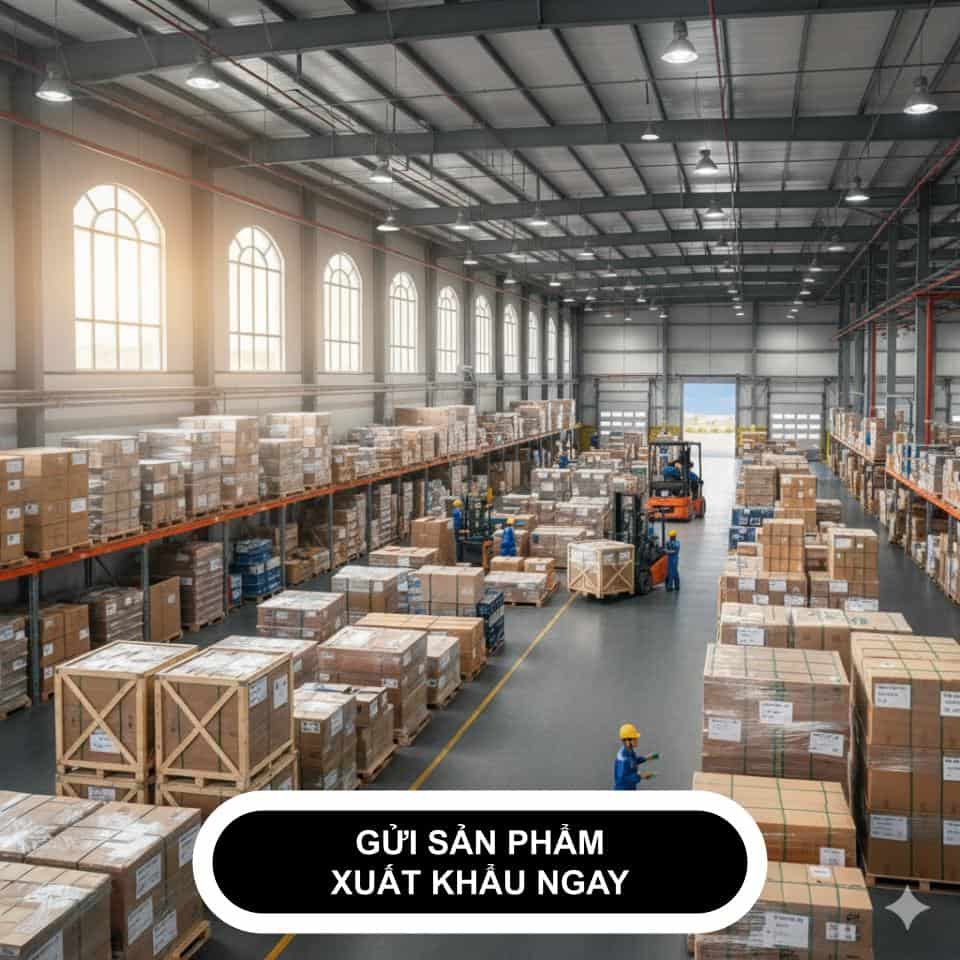
Introduction to the Evolving Global Landscape
The global economic tapestry is undergoing an unprecedented transformation, marked by a confluence of geopolitical shifts, technological advancements, and environmental imperatives. What was once characterized by predictable, linear supply chains driven primarily by efficiency and cost optimization, has now become a complex, interconnected web subject to rapid and often unforeseen disruptions. In this dynamic global environment, businesses worldwide are grappling with a new paradigm of supply chain resilience, a concept that has rapidly ascended from an operational concern to a strategic imperative. Understanding these shifts and proactively building robust, adaptable supply chains is no longer a competitive advantage, but a fundamental requirement for survival and growth in the mid-2020s and beyond.

1. Defining Supply Chain Resilience in 2025
In 2025, supply chain resilience extends far beyond mere recovery from disruptions. It encompasses the inherent ability of a supply chain to anticipate, absorb, adapt to, and rapidly recover from potential disruptions, minimizing their impact on business operations and ensuring continuity. This definition emphasizes proactive measures—such as scenario planning, risk sensing, and early warning systems—as much as reactive capabilities like contingency planning and rapid response. True resilience fosters agility, enabling companies to pivot quickly in response to market shifts, unexpected events, or changes in regulatory landscapes. It’s about building robustness into every layer of the supply network, from raw material sourcing to final delivery, ensuring that shocks don’t propagate into systemic failures. For businesses operating across diverse geographies, fostering resilience also means understanding and navigating local nuances, cultural complexities, and varying regulatory frameworks, transforming potential weaknesses into sources of strength.
2. Recent International Trade Challenges & Their Impact
The past few years have brought a barrage of international trade challenges that have fundamentally reshaped global commerce. Geopolitical tensions, exemplified by trade disputes and regional conflicts, continue to fragment global markets and introduce tariff barriers, sanctions, and export controls. The lingering after-effects of the COVID-19 pandemic, including port congestion, labor shortages, and unprecedented demand shifts, exposed critical vulnerabilities in lean, just-in-time supply models. Furthermore, the accelerating impacts of climate change, from extreme weather events to resource scarcity, are increasingly disrupting agricultural yields, energy supplies, and transportation routes. These factors, alongside significant commodity price volatility impact, driven by geopolitical events, energy transitions, and speculative trading, have led to inflated input costs and unpredictable pricing environments. The cumulative effect is a heightened state of uncertainty, forcing businesses to re-evaluate their global footprint, diversify sourcing strategies, and prioritize stability over sheer cost efficiency.
3. Navigating Global Supply Chain Risk Management
In response to this volatile environment, effective global supply chain risk management has become indispensable. Companies are moving away from single-source reliance towards multi-sourcing and regionalization strategies, including nearshoring and reshoring, to reduce geographical concentration risks. Digital transformation plays a crucial role, with advanced analytics, AI, and blockchain providing enhanced visibility, traceability, and predictive capabilities across complex supply networks. Investing in export market intelligence is also paramount, allowing businesses to identify emerging opportunities, understand new regulatory requirements, and assess the political and economic stability of potential markets. Beyond technology, fostering strong, collaborative relationships with suppliers, logistics providers, and even competitors through information sharing and joint planning initiatives, enhances collective resilience. Ultimately, navigating the modern global landscape requires a continuous, adaptive approach to risk, integrating resilience not as an add-on, but as a core tenet of strategic planning and operational execution.
Key Drivers of Global Supply Chain Risk
In an increasingly interconnected yet volatile world, global supply chains are constantly exposed to a myriad of risks that can disrupt operations, impact profitability, and challenge business continuity. The pursuit of enhanced supply chain resilience has become a paramount concern for organizations worldwide, necessitating a deep understanding of the primary factors contributing to this inherent instability. From political upheaval to environmental catastrophes and technological vulnerabilities, these multifaceted challenges demand proactive strategies and robust risk management frameworks.
1. Geopolitical Shifts and Trade Wars
Geopolitical shifts and trade wars refer to the changing landscape of international relations, characterized by heightened tensions, trade disputes, and protectionist policies that directly impact the free flow of goods and services across borders. These shifts manifest in various forms, including the imposition of tariffs, economic sanctions, and non-tariff barriers, all of which introduce significant international trade challenges. For businesses, navigating these complex scenarios requires not only keen export market intelligence but also agile adaptation to sudden policy changes that can redefine supply routes, sourcing options, and market access.
The strategic rivalry between major global powers, regional conflicts, and political instability in key manufacturing or transit hubs can severely disrupt supply chain operations. For instance, trade wars can lead to re-shoring or near-shoring initiatives as companies seek to reduce their exposure to specific geopolitical risks, though this often comes with increased costs and reduced flexibility. Sanctions can block access to vital components or markets, forcing businesses to hastily reconfigure their supplier networks and potentially incur significant delays and expenses. Furthermore, nationalistic policies prioritizing domestic production can create artificial barriers, distorting market dynamics and compelling companies to diversify their manufacturing footprints, even if it means foregoing traditional efficiencies. Effective global supply chain risk management in this context involves continuous monitoring of geopolitical developments, scenario planning, and building redundancy into supply networks to mitigate the impact of unforeseen political events.
2. Climate Change and Natural Disasters
Climate change and natural disasters encompass the increasing frequency and intensity of extreme weather events and long-term climatic shifts that directly impede global supply chain operations. The scientific consensus points to a future with more severe floods, droughts, wildfires, storms, and rising sea levels, each capable of causing significant disruption. These events can devastate critical infrastructure such as ports, roads, and production facilities, leading to immediate stoppages, prolonged delays, and substantial financial losses.
The impact extends beyond immediate physical damage. Agricultural supply chains are particularly vulnerable to droughts and extreme temperatures, which can lead to crop failures and contribute to commodity price volatility impact. Energy supply, crucial for manufacturing and transportation, can also be compromised by extreme weather. Furthermore, the global drive towards decarbonization, while essential, introduces new regulatory risks and compliance costs for supply chains, especially those heavily reliant on fossil fuels. Businesses must consider both the direct physical risks and the indirect economic and regulatory pressures stemming from a changing climate. Proactive measures include investing in climate-resilient infrastructure, diversifying geographical sourcing to spread risk, and developing robust disaster recovery plans to maintain operational continuity.
3. Technological Disruptions and Cybersecurity Threats
Technological disruptions and cybersecurity threats refer to the inherent vulnerabilities and rapid changes brought about by advanced technologies within interconnected global supply chains. While technology offers immense opportunities for efficiency, transparency, and automation, it also introduces sophisticated risks. Cybersecurity threats, in particular, have become a dominant concern. These threats include ransomware attacks, data breaches, industrial espionage, and state-sponsored hacking, all of which can paralyze operations, compromise sensitive information, and erode trust throughout the supply chain ecosystem.
A successful cyberattack on a single critical link, such as a major logistics provider or a key component manufacturer, can have cascading effects, halting production, delaying shipments, and causing significant financial and reputational damage across the entire chain. Beyond malicious attacks, technological disruptions can also arise from rapid innovation itself. The obsolescence of critical software or hardware, integration challenges with new platforms, or even the failure of complex automated systems can create bottlenecks and breakdowns. Managing these risks demands a proactive and comprehensive approach to global supply chain risk management, including robust cybersecurity protocols, regular vulnerability assessments, supplier due diligence regarding technological security, and continuous investment in updated systems and training to safeguard digital assets and operational continuity.
Understanding and mitigating these pervasive drivers of risk are crucial for building adaptable and robust global supply chains. By strategically addressing geopolitical uncertainties, preparing for climate-induced disruptions, and fortifying against technological vulnerabilities, businesses can enhance their resilience and navigate the complexities of modern international trade more effectively.
Actionable Strategies for Enhanced Resilience
In an era defined by unpredictable geopolitical shifts, economic fluctuations, and rapid technological advancements, cultivating a resilient supply chain is no longer merely advantageous—it’s imperative for survival and sustained growth. Companies worldwide grapple with an array of international trade challenges, from trade disputes and logistical bottlenecks to the acute supply chain resilience required to navigate these complexities. Proactive risk management, underpinned by strategic foresight, is crucial for transforming vulnerabilities into competitive strengths and ensuring business continuity.

Diversification of Sourcing and Manufacturing
Relying on a single supplier or geographical region exposes companies to undue risk, as witnessed during recent global disruptions. A foundational strategy for enhanced supply chain resilience involves strategically diversifying sourcing and manufacturing footprints. This means identifying and qualifying multiple suppliers across different geographies, thereby mitigating the impact of localized disruptions—be they natural disasters, political instability, or labor unrest. Companies should leverage robust export market intelligence to identify new, viable markets for raw materials and finished goods, assessing factors like infrastructure, regulatory environments, and geopolitical stability. Nearshoring or friendshoring initiatives, which involve relocating production closer to end-markets or to allied nations, can also reduce transit times, lower carbon footprints, and enhance overall global supply chain risk management. This multi-pronged approach ensures that if one node in the network is compromised, alternative pathways are readily available, minimizing operational downtime and financial losses.
Digital Transformation and Predictive Analytics
The digital revolution offers unparalleled tools for building adaptive supply chains. Implementing advanced digital technologies and predictive analytics capabilities is paramount for achieving end-to-end visibility and foresight. Real-time data collection from various touchpoints—suppliers, logistics partners, production facilities, and customer demand signals—can be integrated into a unified platform. Artificial intelligence (AI) and machine learning (ML) algorithms can then process this vast amount of data to identify patterns, forecast demand more accurately, and detect potential disruptions before they escalate. For instance, predictive models can anticipate the commodity price volatility impact, enabling companies to make informed purchasing decisions or hedge against future price increases. Digital twins of the supply chain allow for scenario planning and stress-testing, helping organizations understand the ripple effects of various disruptions and pre-emptively formulate response strategies. This proactive stance, powered by data, transforms reactive problem-solving into strategic anticipation.
Collaborative Ecosystems and Supplier Partnerships
Building strong, transparent, and collaborative relationships with all stakeholders across the supply chain is a cornerstone of true resilience. Moving beyond transactional relationships, companies should foster an ecosystem where information sharing, joint planning, and mutual support are prioritized. This includes working closely with tier-1, tier-2, and even tier-3 suppliers to gain multi-tier visibility, understand their capabilities and potential vulnerabilities, and co-develop solutions. Establishing clear communication channels, sharing demand forecasts, and even engaging in joint innovation can strengthen the entire network. Such partnerships enable faster responses to unexpected international trade challenges and facilitate collective problem-solving during crises. Furthermore, creating shared risk-and-reward models can incentivize suppliers to invest in their own resilience, creating a symbiotic relationship that benefits all parties involved. A resilient supply chain is not built by one entity alone, but by a network of trusted partners working in concert.
By systematically implementing these actionable strategies—diversifying sources, embracing digital transformation, and fostering deep collaborative partnerships—companies can significantly enhance their supply chain resilience. This forward-looking approach ensures not only continuity in the face of disruption but also positions businesses to thrive amidst the inherent uncertainties of the global marketplace.
Mitigating Commodity Price Volatility Impact
Commodity price volatility stands as a significant challenge to supply chain resilience, directly impacting stability and profitability across various industries. From raw materials like oil, metals, and agricultural products to their finished goods, unexpected price swings can erode margins, disrupt production schedules, and strain relationships throughout the global supply chain. Navigating these international trade challenges requires a proactive and multifaceted approach to global supply chain risk management. This section explores effective strategies to lessen the impact of commodity price volatility impact, ensuring more predictable costs and operational continuity.
1. Hedging Strategies and Future Contracts
Hedging involves using financial instruments to mitigate the risk of adverse price movements in an asset. For commodities, this primarily translates to utilizing future contracts, options, or swap agreements. Future contracts, for instance, allow businesses to lock in a price today for a commodity to be delivered at a specified future date. This strategy is particularly powerful for companies that rely heavily on a specific raw material, as it provides a predictable cost basis, shielding them from sudden upward price spikes. While hedging doesn’t eliminate price fluctuations, it transfers the risk to financial markets, offering stability in budgeting and financial planning. Companies can use export market intelligence to identify optimal times and prices for entering into these contracts, ensuring they secure favorable terms. However, it’s crucial to understand the complexities and potential costs associated with these instruments, as incorrect hedging can lead to missed opportunities if prices move favorably against the hedged position.
2. Inventory Management and Buffer Stock Optimization
Effective inventory management is another critical lever in mitigating commodity price volatility. This strategy focuses on optimizing buffer stocks – holding a strategic reserve of essential raw materials or components. By maintaining a judicious amount of inventory, businesses can insulate themselves from short-term price increases or supply disruptions. When prices are low, companies might strategically increase their buffer stock to capitalize on favorable market conditions, creating a cost advantage. Conversely, during periods of high volatility or anticipated price surges, a well-managed buffer stock allows operations to continue without immediately procuring materials at inflated spot market prices. The challenge lies in balancing the benefits of buffer stock against the carrying costs (storage, insurance, obsolescence). Advanced analytics and supply chain resilience planning tools can help determine optimal inventory levels, considering historical price data, lead times, and demand forecasts. This approach demands continuous monitoring and adaptability, ensuring that inventory levels are always aligned with market realities and operational needs.
3. Long-Term Supplier Agreements and Price Lock-ins
Establishing long-term relationships with suppliers, cemented by agreements that include price lock-in clauses, offers a foundational strategy against commodity price volatility. These contracts typically stipulate a fixed price or a price range for a specified quantity of goods over an extended period, often one to five years. For suppliers, this provides assured demand and revenue stability; for buyers, it guarantees cost predictability and supply security. Such agreements can incorporate mechanisms like indexed pricing (tying the price to an agreed-upon market index with upper and lower caps) or volume-based discounts, offering flexibility while still providing a degree of price stability. Building trust and transparency through these partnerships is paramount. Companies can leverage export market intelligence to identify reliable suppliers in stable markets, further enhancing the effectiveness of these agreements. This strategy fosters stronger, more resilient supply chain relationships, transforming potential international trade challenges into opportunities for collaborative growth and shared risk mitigation, ultimately strengthening overall global supply chain risk management.
Ultimately, a robust approach to managing commodity price volatility involves a combination of these strategies, tailored to a company’s specific industry, exposure, and risk appetite. Integrating financial hedging with operational adjustments and strategic supplier partnerships creates a comprehensive framework for enhancing supply chain resilience and ensuring sustainable profitability amidst unpredictable market conditions.
Leveraging Export Market Intelligence for Growth
In an increasingly interconnected yet volatile global economy, navigating international trade challenges demands more than just a strong product or service. Businesses today must develop profound supply chain resilience to withstand disruptions ranging from geopolitical tensions to unprecedented demand shifts. A critical tool in achieving this robustness and driving sustainable expansion is granular export market intelligence. This involves collecting, analyzing, and interpreting data about international markets to inform strategic decisions, identify untapped opportunities, and significantly strengthen supply chain resilience against unforeseen adversities.
By moving beyond generic market reports to highly specific, actionable insights, companies can proactively manage risks, optimize logistics, and strategically allocate resources. This intelligence acts as an early warning system, allowing businesses to anticipate shifts in demand, regulatory changes, or even potential commodity price volatility impact, enabling them to adapt their strategies swiftly and maintain competitive advantage in the global arena. Such foresight is indispensable for comprehensive global supply chain risk management.

1. Identifying Emerging Markets and Growth Opportunities
Identifying Emerging Markets and Growth Opportunities refers to the process of using detailed market analysis to pinpoint new geographic regions or niche segments with high potential for product or service demand. This strategic approach goes beyond traditional market research, leveraging sophisticated export market intelligence to uncover underserved markets, assess competitive landscapes, and understand specific consumer behaviors and preferences in various countries. For instance, intelligence might reveal a burgeoning middle class in Southeast Asia creating new demand for specific consumer goods, or infrastructure projects in Africa opening doors for industrial equipment.
By continuously monitoring global economic indicators, demographic shifts, and technological advancements, businesses can be among the first to capitalize on these emerging trends. This proactive identification allows for targeted product development, localized marketing strategies, and the establishment of early market presence, providing a significant competitive edge and contributing directly to long-term growth by diversifying revenue streams and reducing reliance on saturated markets.
2. Assessing Political and Economic Stability in Target Regions
Assessing Political and Economic Stability in Target Regions involves evaluating the political climate, economic health, and regulatory environment of potential export destinations. This is a crucial component of robust global supply chain risk management, as instability in these areas can have profound repercussions. Export market intelligence helps companies analyze factors such as government stability, policy consistency, trade agreements, currency fluctuations, inflation rates, and the likelihood of civil unrest or conflict.
Understanding these risks allows businesses to make informed decisions about market entry, investment levels, and supply chain configuration. For example, insights into a country’s regulatory framework can highlight potential barriers to entry or compliance costs, while an analysis of its economic outlook can signal future demand trends or potential for currency devaluation, which directly impacts profitability. This intelligence helps mitigate the impact of unforeseen events, such as a sudden shift in trade policies or the effects of commodity price volatility impact on local purchasing power, thus safeguarding investments and ensuring the continuity of operations, further strengthening overall supply chain resilience.
3. Data-Driven Decision Making for Global Expansion
Data-Driven Decision Making for Global Expansion is the systematic process of using quantitative and qualitative export market intelligence to guide every facet of international growth strategy. Rather than relying on intuition or anecdotal evidence, companies leverage data analytics to inform critical choices, from selecting the most viable target markets and designing appropriate market entry strategies to optimizing logistics and distribution networks. This includes analyzing trade statistics, tariff structures, non-tariff barriers, logistics costs, consumer demographics, and competitor activities.
For example, detailed shipping data combined with local infrastructure analysis can help determine the most efficient routes and modes of transport, minimizing lead times and costs. Understanding consumer purchasing power and preferences through survey data and sales analytics can inform product adaptation and pricing strategies. By grounding expansion efforts in verifiable data, businesses can reduce risks, enhance efficiency, and build truly agile and responsive international operations. This strategic use of information not only identifies new revenue streams but also reinforces the structural integrity of the entire supply chain, making it more adaptable and robust against future shocks, ensuring enduring supply chain resilience.
In conclusion, granular export market intelligence is no longer a luxury but a necessity for businesses aiming for sustainable growth and robust market analysis tools in the global marketplace. By enabling companies to identify emerging opportunities, assess risks comprehensively, and make decisions based on solid data, it transforms potential international trade challenges into pathways for strategic expansion and fortified supply chain resilience.
Partner with Vietnam’s Leading Suppliers
Looking for reliable suppliers in Vietnam? Contact VietnamSuppliers.com today to connect with verified manufacturers and exporters across all industries.
—————————————
References
– WTO forecasts rebound in goods trade in 2024 but warns of downside risks: https://www.wto.org/english/news_e/pres24_e/pr969_e.htm
– World Economic Forum Global Risks Report 2024: https://www.weforum.org/agenda/2024/01/global-risks-report-2024-cost-of-living-crisis-extreme-weather-ai/
– commodity price volatility impact: https://www.mckinsey.com/capabilities/operations/our-insights/supply-chain-resilience-in-a-changing-world
– global supply chain: https://www.imf.org/en/Topics/commodities
– International Trade Centre market analysis: https://www.intracen.org/trade-support/market-information-analysis/