The Rise of Vietnam as a Global Sourcing Hub
Vietnam has rapidly emerged as a formidable force in global manufacturing and supply chains, transforming into a preferred destination for international sourcing. The nation’s strategic geographical location, coupled with proactive government policies and a burgeoning economy, has propelled it to the forefront of the global sourcing landscape. Businesses worldwide are increasingly recognizing the immense potential of Sourcing from Vietnam, seeking its competitive advantages and stable environment for their production and procurement needs. This shift is not merely a trend but a testament to Vietnam’s significant economic development and its commitment to becoming a global trade hub.

1. Economic Growth & Favorable Trade Policies
Vietnam’s ascent as a global sourcing hub is underpinned by its remarkable economic growth. For decades, the country has maintained one of the fastest-growing economies in the world, driven by a young, educated workforce and a government committed to fostering an attractive investment climate. This sustained growth has translated into significant improvements in infrastructure, technological capabilities, and an expanding industrial base.
A cornerstone of Vietnam’s appeal lies in its extensive network of favorable trade policies and Free Trade Agreements (FTAs). As a signatory to major agreements such as the Comprehensive and Progressive Agreement for Trans-Pacific Partnership (CPTPP), the EU-Vietnam Free Trade Agreement (EVFTA), and the Regional Comprehensive Economic Partnership (RCEP), Vietnam offers preferential tariffs and enhanced market access to numerous global economies. These agreements significantly reduce trade barriers, making goods sourcing from Vietnam more cost-effective and competitive for international buyers. Furthermore, the Vietnamese government actively implements policies that streamline customs procedures, protect foreign investments, and provide incentives for high-tech manufacturing and sustainable practices, thereby reinforcing its position as a reliable and attractive sourcing destination.
2. Diversification from Traditional Sourcing Markets
The global supply chain disruptions witnessed in recent years have compelled businesses to re-evaluate their over-reliance on single sourcing regions, primarily China. This strategic shift towards supply chain diversification has positioned Vietnam as a prime alternative. Many international companies are now looking to establish a dual sourcing strategy or even relocate parts of their production to Vietnam, drawn by its similar manufacturing capabilities, competitive labor costs, and increasingly sophisticated industrial ecosystem.
Vietnam offers a compelling value proposition for companies seeking to mitigate risks, enhance resilience, and reduce geopolitical dependencies. While labor costs remain competitive, Vietnam is also investing heavily in automation and higher-value production, moving beyond basic manufacturing. This enables businesses to maintain cost efficiencies while also ensuring greater stability and flexibility in their supply chains. The move to find Vietnamese manufacturers is a strategic decision for businesses aiming to optimize their global operations and build a more robust and responsive supply network.
3. Key Industries & Product Categories
Vietnam’s manufacturing prowess spans a diverse range of key industries and product categories, making it a versatile sourcing destination. Historically renowned for its dominance in textiles and garments, and footwear, the country has successfully expanded its capabilities into higher-value and more complex sectors.
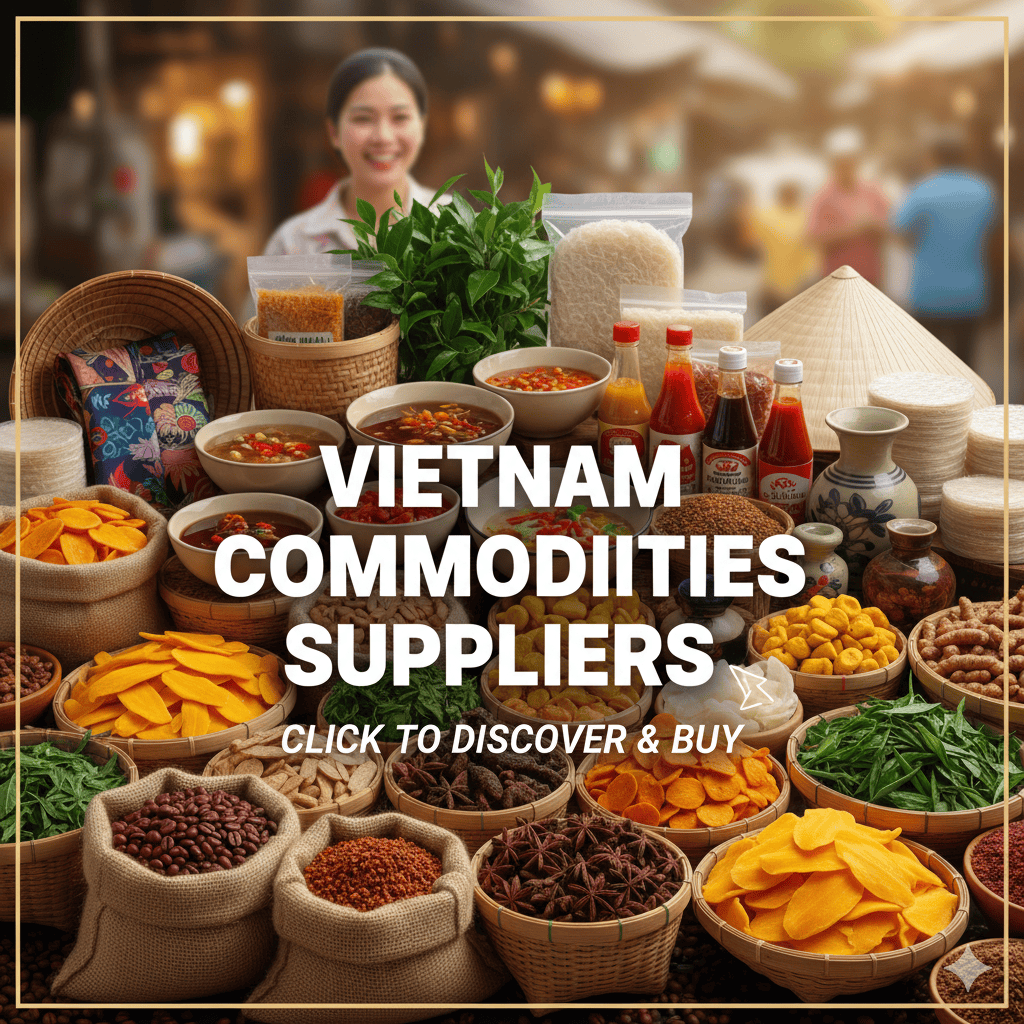
Today, Vietnam is a major exporter of electronics, including smartphones, components, and consumer electronics, thanks to significant investments from tech giants. The furniture industry, particularly wooden furniture, is another strong sector, known for its craftsmanship and competitive pricing. Furthermore, Vietnam’s rich agricultural base supports a thriving food processing industry, exporting coffee, seafood, rice, and various processed foods. Building materials, plastics, and automotive parts are also emerging as significant contributors to the country’s export portfolio.
For businesses looking to engage with this dynamic market, utilizing a reliable Vietnam B2B directory is crucial. It allows buyers to efficiently find Vietnamese manufacturers and access Vietnam trade leads, while also facilitating the process to verify Vietnam suppliers to ensure quality and compliance. The continuous expansion and sophistication of these industries underscore Vietnam’s role as a vital and growing component of the global supply chain.
Navigating Vietnam’s B2B Landscape & Directories
Vietnam has rapidly emerged as a global manufacturing hub and an attractive destination for businesses seeking robust supply chains. However, successfully sourcing from Vietnam requires a strategic approach to identifying and engaging with potential business partners and manufacturers. This guide outlines how to effectively utilize online and offline resources to uncover valuable opportunities, helping you find Vietnamese manufacturers and verify their credibility within Vietnam’s dynamic B2B landscape.
1. Top Vietnam B2B Directories & Platforms
The digital realm offers a strong starting point for your search. Global and local B2B directories are invaluable for initial supplier identification and gathering essential trade leads. For those looking to find Vietnamese manufacturers, several platforms stand out:
- Global B2B Marketplaces: Giants like Alibaba.com and GlobalSources.com host a significant number of Vietnamese suppliers across various industries. They offer extensive search filters, verification badges (e.g., Gold Supplier), and direct communication tools. While comprehensive, utilize their verification features and proceed with due diligence, as the volume of listings can be overwhelming.
- Vietnam-Specific Trade Portals: For a more localized and often government-backed approach, resources such as the Vietnam Trade Promotion Agency (VIETRADE) Portal provide lists of exporters and manufacturers. The Vietnam Chamber of Commerce and Industry (VCCI) also maintains directories of its members, often categorized by industry, offering a degree of pre-vetting for businesses seeking a trusted Vietnam B2B directory.
- Industry-Specific Online Directories: Specialized directories cater to particular sectors like textiles, furniture, or electronics. These can often be found through industry association websites or specific trade event portals, offering a more curated list of potential partners relevant to your niche.
When using these directories, prioritize suppliers with detailed profiles, clear product specifications, transparent certifications, and positive reviews. Initial communications should gauge responsiveness and professionalism, critical steps to verifying Vietnam suppliers before deeper engagement.
2. Industry-Specific Trade Associations
Beyond broad directories, industry-specific trade associations in Vietnam offer valuable information and access to verified members. These associations play a crucial role in promoting their sectors, setting industry standards, and often compiling lists of reputable businesses.
- Vetted Member Networks: Companies that are members of established trade associations have often undergone a level of scrutiny or adhere to certain operational standards. This membership can serve as an initial indicator of credibility and commitment, making it easier to verify Vietnam suppliers.
- Specialized Expertise and Insights: These associations are hubs of industry knowledge. They provide market insights, information on regulatory changes, and often facilitate networking events. Engaging with these bodies helps you understand the nuances of specific sectors, whether sourcing textiles, electronics, or agricultural products.
- Finding Relevant Associations: Identify key industries in Vietnam relevant to your sourcing needs. A simple search for “[Industry Name] Association Vietnam” will often yield results. The VCCI website also lists numerous affiliated industry associations. Connecting with their secretariats can lead to recommendations for reputable manufacturers and suppliers within their network.
Leveraging these associations offers a more targeted and often higher-quality avenue for finding potential Vietnamese manufacturers, supplementing your online directory searches with more deeply vetted connections.
3. Leveraging Government Export Promotion Agencies
Government agencies are instrumental in facilitating international trade and offer significant support to foreign businesses looking to establish connections in Vietnam. These agencies are equipped with resources to help foreign buyers navigate the local landscape and mitigate risks.
- Vietnam Trade Promotion Agency (VIETRADE): VIETRADE is the primary agency responsible for promoting Vietnam’s trade and investment. They organize trade fairs, B2B matching events, and provide market research. Their services often include helping foreign buyers find suitable Vietnamese partners, conducting preliminary checks, and offering guidance on legal frameworks. They are an indispensable resource for verifying Vietnam suppliers through official channels.
- Local Departments of Industry and Trade: At the provincial level, these departments offer localized insights and connections. If your sourcing strategy focuses on a particular region, reaching out to the local Department of Industry and Trade can provide valuable leads for manufacturers operating within that specific area.
- Foreign Chambers of Commerce in Vietnam: Organizations like AmCham Vietnam, EuroCham Vietnam, and others act as bridges for businesses. While not Vietnamese government agencies, they work closely with local authorities and can provide valuable advice, networking opportunities, and lists of trusted service providers (e.g., legal, logistics) to assist in your sourcing journey.
By leveraging these government and quasi-government bodies, businesses gain access to a network of officially recognized and supported entities, significantly enhancing their ability to find Vietnamese manufacturers and secure reliable trade leads. Their support adds a crucial layer of trust and verification to your sourcing efforts in Vietnam.
Finding & Engaging Reputable Vietnamese Manufacturers
Practical steps for identifying, contacting, and building strong relationships with reliable Vietnamese manufacturing partners.

Sourcing from Vietnam has become a strategic move for many international businesses due to its competitive labor costs, growing infrastructure, and stable political environment. However, successfully navigating this vibrant market requires a methodical approach to identify, engage, and ultimately partner with reputable manufacturers. This guide outlines practical steps to forge strong, lasting relationships with Vietnamese suppliers, ensuring quality and efficiency for your supply chain.
1. Identifying Ideal Manufacturer Profiles
Before initiating contact, define your ideal manufacturer profile. This goes beyond just product capabilities; consider factors like production capacity, quality control certifications (e.g., ISO, SA8000), communication proficiency (English-speaking staff), ethical labor practices, and experience with international exports. Utilizing a robust Vietnam B2B directory or specialized platforms can be a powerful first step. These directories allow you to filter by industry, product type, certifications, and even company size, helping you to find Vietnamese manufacturers that align with your specific needs. Look for companies with a clear online presence, detailed product catalogs, and positive testimonials or case studies. Don’t underestimate the value of industry-specific associations in Vietnam, which often list their members, providing a curated list of potential partners. Thorough research at this stage prevents wasted time on unsuitable prospects.
2. Best Practices for Initial Outreach
Once you have a shortlist of potential partners, crafting an effective initial outreach is crucial. Your first communication should be professional, clear, and concise. Avoid generic templates. Instead, customize each email or message to reflect your understanding of their specific capabilities and how they align with your project.
- Be Specific: Clearly state your product requirements, desired quantities, quality standards, and timelines. The more detail you provide upfront, the better their ability to assess the fit and respond accurately.
- Introduce Your Company: Briefly explain who you are, your company’s mission, and your market position. This builds credibility and helps them understand the potential long-term value of the partnership.
- Ask Relevant Questions: Inquire about their minimum order quantities (MOQs), production lead times, payment terms, and existing client references. This also helps assess their responsiveness and professionalism.
- Follow Up Politely: If you don’t receive a response within a reasonable timeframe (e.g., 3-5 business days), a polite follow-up email is acceptable. Be mindful of time zone differences.
Leveraging platforms that offer Vietnam trade leads can also streamline this process, often providing direct contact information for decision-makers. Building rapport from the outset is key to fostering a successful business relationship.
3. Attending Local & International Trade Fairs
While online research and direct outreach are valuable, there’s no substitute for face-to-face interaction, particularly when looking to verify Vietnam suppliers. Attending trade fairs, both within Vietnam and international shows where Vietnamese manufacturers exhibit, offers unparalleled opportunities.
- Direct Interaction: Meet company representatives, discuss capabilities in detail, and assess communication styles firsthand. This helps gauge their professionalism and enthusiasm.
- Product Inspection: Physically examine product samples, assess quality, and understand production processes. This is invaluable for quality assurance.
- Networking: Connect with multiple potential suppliers in a single location, allowing for efficient comparison and negotiation. You can also gather insights from other buyers and industry experts.
- Market Insight: Gain a deeper understanding of the Vietnamese manufacturing landscape, emerging trends, and competitive pricing.
Major events like Vietnam Expo, SaigonTex, or sector-specific shows are excellent starting points. Before attending, research the exhibitors list to prioritize meetings with manufacturers that fit your ideal profile. Following up promptly after a fair is essential to maintain momentum and solidify any initial connections. These interactions are critical for building trust, which is the cornerstone of any successful partnership when sourcing from Vietnam.
Engaging reputable Vietnamese manufacturers requires diligence, clear communication, and a proactive approach. By meticulously identifying ideal partners, employing best practices for outreach, and leveraging opportunities like trade fairs, businesses can establish robust supply chains in Vietnam. Remember, long-term success hinges on mutual trust and transparency, laying the groundwork for enduring and profitable collaborations.
Uncovering Active Vietnam Trade Leads & Opportunities
Navigating the dynamic landscape of international trade requires a proactive approach, especially when Sourcing from Vietnam. This section delves into effective strategies for businesses looking to discover current trade opportunities, identify emerging market trends, and understand the specific sourcing requirements from Vietnamese businesses. From leveraging comprehensive Vietnam B2B directory resources to learning how to Find Vietnamese manufacturers and diligently Verify Vietnam suppliers, we will equip you with the knowledge to capitalize on lucrative Vietnam trade leads.
Vietnam has rapidly emerged as a global manufacturing hub, offering significant opportunities for businesses seeking diverse industrial bases and favorable trade agreements. However, identifying and capitalizing on this potential requires strategic efforts to uncover active trade leads, understand market nuances, and build reliable partnerships. Employing a multi-faceted approach to market intelligence and networking is crucial for securing profitable ventures and sustainable sourcing relationships.
1. Utilizing Trade Databases & Market Intelligence
The digital age offers an abundance of resources for identifying and analyzing potential trade opportunities. Start by exploring global trade databases like the International Trade Centre (ITC) Trade Map or similar platforms that provide detailed import/export statistics and country-specific trade data. These tools are invaluable for pinpointing specific product categories in demand or where Vietnam has a competitive export advantage. Complement this with official Vietnamese government portals, such as those maintained by the Ministry of Industry and Trade (MOIT) or the General Department of Vietnam Customs, which often publish trade statistics and policy updates. Subscribing to industry-specific market intelligence reports provides deep insights into sector-specific growth areas and regulatory changes. These reports illuminate nascent industries or regions, aiding in targeting your search for Vietnam’s market overview and trade policies. Specialized Vietnam B2B directory services also compile verified business listings, offering direct access to potential partners and Vietnam trade leads.
2. Networking with Local Business Communities
While data provides a macro view, direct engagement with local business communities offers invaluable micro-level insights and relationship-building opportunities. Attending major trade fairs and exhibitions in Vietnam, such as Vietnam Expo or specialized industry shows, is an excellent way to meet prospective suppliers, observe product quality firsthand, and gauge market competitiveness. These events facilitate face-to-face interactions, building rapport and understanding local business culture. Engaging with Vietnamese Chambers of Commerce and Industry (VCCI) or industry-specific associations can also open doors to established businesses, as many host regular events and B2B matchmaking sessions. Online professional networking platforms and specialized forums are also effective for connecting with local entrepreneurs and experts. These connections are crucial for finding initial leads and building long-term trust, helping you Find Vietnamese manufacturers that align with your specific requirements and values.
3. Working with Sourcing Agents & Consultants
For businesses new to the Vietnamese market or those seeking to streamline sourcing, partnering with a reputable local sourcing agent or consultant can be a game-changer. These professionals possess an intricate understanding of the local market, cultural nuances, and business practices, mitigating risks and accelerating the sourcing process. A good agent assists with initial supplier identification, due diligence, price negotiation, quality control, and logistics. They act as your eyes and ears on the ground, providing invaluable local context and expertise. Crucially, they Verify Vietnam suppliers, ensuring legitimacy, production capabilities, and adherence to standards. This due diligence avoids pitfalls like scams or quality issues. Leveraging their networks provides quick access to vetted suppliers, and their expertise navigates complex regulations and compliance, making your overall Sourcing from Vietnam journey more efficient and secure.
Uncovering active trade leads and opportunities in Vietnam demands a proactive, multi-pronged approach. By strategically leveraging comprehensive trade databases and market intelligence, actively networking within local business communities, and judiciously partnering with experienced sourcing agents, businesses can effectively navigate this vibrant market. These strategies not only help in identifying promising Vietnam trade leads but also in establishing robust, reliable supply chains. Success in Sourcing from Vietnam hinges on thorough research, strong relationships, and expert guidance, ensuring sustainable growth and competitive advantage in the global marketplace.
Due Diligence: Verifying Vietnam Suppliers Effectively
As Vietnam continues to solidify its position as a global manufacturing powerhouse, businesses worldwide are increasingly turning to the nation for diverse sourcing needs. The prospect of cost-effective production, skilled labor, and a burgeoning industrial base makes Sourcing from Vietnam an attractive proposition. However, successfully navigating this landscape requires more than just identifying potential partners; it demands meticulous due diligence. Thoroughly vetting and verifying potential Vietnamese suppliers is paramount to ensure product quality, ethical practices, and to effectively mitigate operational, financial, and reputational risks. This guide outlines essential processes and best practices to establish reliable, long-term partnerships.

1. Conducting Background Checks & Factory Audits
The first critical step in supplier verification is to perform comprehensive background checks and, whenever possible, conduct on-site factory audits. A thorough background check involves verifying the supplier’s legal standing and business credibility. This includes confirming their business registration, operational licenses, and ownership structure through official Vietnamese government databases or reliable local partners. Scrutinize their financial stability, credit reports, and payment history to gauge their solvency and ability to fulfill orders consistently. Leveraging a reputable Vietnam B2B directory can provide initial leads, but further investigation into their online presence, customer reviews, and any reported disputes is crucial.
Beyond paperwork, a factory audit offers invaluable insight. This involves a physical inspection of the production facilities to assess their actual capacity, equipment, quality control systems, and overall operational efficiency. During an audit, you should evaluate the factory’s cleanliness, organization, adherence to safety standards, and working conditions. For businesses looking to Find Vietnamese manufacturers, engaging a third-party auditing firm with local expertise can provide an unbiased and professional assessment, ensuring the supplier possesses the infrastructure and capabilities to meet your specific product requirements and production volumes.
2. Assessing Legal Compliance & Certifications
Ensuring a supplier’s adherence to legal and regulatory frameworks, along with relevant industry certifications, is non-negotiable for responsible global trade. This involves verifying that the Vietnamese supplier complies with all local labor laws, environmental regulations, and business statutes. Key areas include proper export/import licenses, tax compliance, and awareness regarding intellectual property rights protection to safeguard your designs and trademarks. It’s also vital to understand their commitment to international trade standards.
Furthermore, assessing a supplier’s certifications provides objective proof of their commitment to quality and specific industry benchmarks. Look for universally recognized certifications such as ISO 9001 for quality management, ISO 14001 for environmental management, or industry-specific marks like CE, UL, or RoHS, depending on your product and target market. For ethical sourcing, investigate social compliance certifications like SA8000 or BSCI. These certifications, often verified by independent bodies, demonstrate a supplier’s proactive approach to meeting rigorous standards. For more information on international business compliance, resources like the U.S. Commercial Service’s country commercial guides can offer valuable insights into local regulations.
3. Ensuring Quality Control & Ethical Sourcing Practices
Beyond initial checks, continuous vigilance over quality control and ethical sourcing practices is essential for sustained success. A robust supplier must have clear, documented internal quality control (QC) procedures at every stage of production—from incoming raw material inspection to in-process checks and final product verification. Understanding their approach to AQL (Acceptable Quality Limit) standards and how they handle non-conforming products is crucial. Implementing pre-shipment inspections by your own team or a trusted third party can act as a final safeguard before goods leave the factory.
Equally important is ensuring the supplier adheres to ethical sourcing practices. This goes beyond product specifications to encompass worker welfare, environmental impact, and community engagement. Verify that your suppliers uphold fair labor practices, including reasonable working hours, fair wages, and safe working conditions. Zero tolerance for child labor, forced labor, or discrimination must be a foundational requirement. Investigate their environmental policies, waste management, and efforts towards sustainability. Upholding these ethical standards not only protects your brand’s reputation but also contributes to responsible global supply chains. When you Verify Vietnam suppliers, remember that a holistic assessment of quality and ethics builds a truly reliable partnership.
In conclusion, while the opportunities for Sourcing from Vietnam are immense, the pathway to success is paved with diligent verification. By meticulously conducting background checks, assessing compliance, and ensuring robust quality and ethical standards, businesses can establish secure, efficient, and mutually beneficial relationships with Vietnamese suppliers.
Partner with Vietnam’s Leading Suppliers
Looking for reliable suppliers in Vietnam? Contact VietnamSuppliers.com today to connect with verified manufacturers and exporters across all industries.
—————————————
References
– Vietnam’s Economic Development and Trade Integration – World Bank: https://www.worldbank.org/en/country/vietnam/overview#1
– Vietnam Trade Promotion Agency (VIETRADE) Portal: https://en.vietrade.gov.vn/
– Export.gov’s Market Overview of Vietnam: https://www.export.gov/apex/article2?id=Vietnam-Market-Overview
– Vietnam’s market overview and trade policies: https://www.trade.gov/country-commercial-guides/vietnam-market-overview
– U.S. Commercial Service Vietnam Customs Regulations: https://www.trade.gov/country-commercial-guides/vietnam-customs-regulations-and-standards