
What are LCL Consolidation Services?
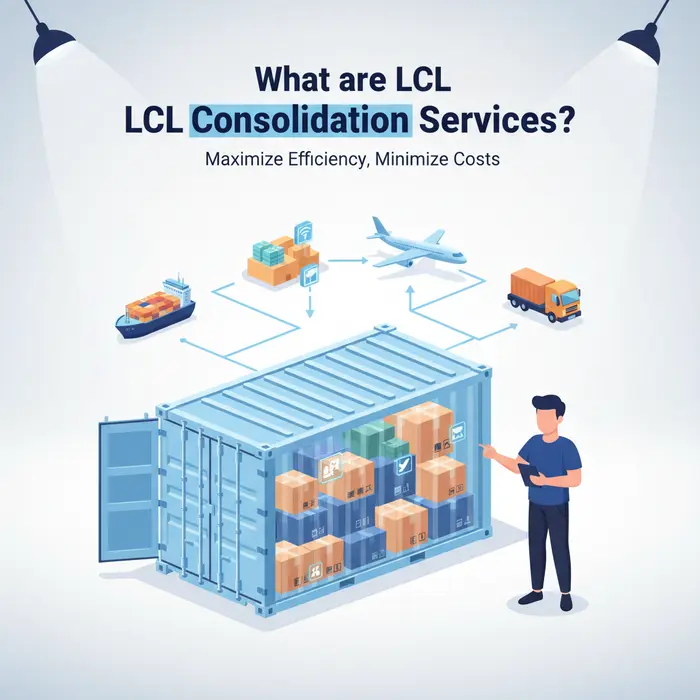
In the intricate world of international trade, businesses frequently face the challenge of transporting goods across vast distances. While large corporations might fill entire shipping containers, many small to medium-sized enterprises (SMEs) or businesses with specific project needs only have smaller volumes of cargo. This is where LCL Consolidation Services become an indispensable solution, fundamentally optimizing modern international logistics. LCL, or Less Than Container Load, refers to ocean freight shipments that do not require the full capacity of a shipping container. Consolidation, on the other hand, is the strategic process of combining multiple such smaller LCL shipments from various shippers into a single, full container. This synergistic approach allows businesses to leverage the efficiencies of containerized shipping without incurring the prohibitive costs of an FCL (Full Container Load), making global trade accessible and cost-effective international shipping for businesses of all sizes.
1.
Understanding Less Than Container Load (LCL) Shipping
Less Than Container Load (LCL) shipping is a flexible and popular option for businesses that don’t have enough cargo to fill an entire 20-foot or 40-foot shipping container. Instead of paying for unused space, LCL allows shippers to pay only for the volume and weight their cargo occupies within a shared container. This model is particularly beneficial for smaller consignments, samples, or goods that are not time-sensitive enough to warrant air freight. When a business opts for less than container load shipping, their goods are transported from their origin to a consolidation warehouse. Here, they await combination with other LCL shipments heading to the same destination port. Once consolidated, the entire container embarks on its ocean voyage. Upon arrival at the destination port, the container is deconsolidated at another warehouse, and individual shipments are then delivered to their respective consignees. This process, while adding a few extra steps compared to FCL, significantly reduces per-unit shipping costs for smaller volumes, making global markets more reachable.
2.
The Concept of Freight Consolidation Explained
Freight consolidation is the operational backbone of LCL services. It involves a freight forwarder collecting numerous LCL shipments from various clients, all destined for the same general region or port. These individual shipments are then meticulously sorted, packed, and loaded into a single shipping container. This strategic grouping maximizes the container’s capacity, transforming what would otherwise be multiple partial container shipments into one efficient FCL movement. A key player in this process is the consolidated freight forwarding company, which manages the entire chain – from cargo pickup and warehousing to documentation, customs clearance, and final delivery. This expert coordination ensures that goods are handled efficiently, comply with international regulations, and reach their destination safely. The practice is often referred to as groupage shipping international, highlighting its role in aggregating smaller consignments. By centralizing these tasks, freight forwarders eliminate much of the complexity and cost associated with international logistics for individual shippers, offering a streamlined and expert-managed solution.
3.
Key Benefits of Choosing LCL Services
Opting for LCL Consolidation Services offers a multitude of advantages, particularly for businesses seeking efficiency and flexibility in their supply chains:
- Cost-Effectiveness: Perhaps the most significant benefit is the considerable cost savings. By sharing container space, shippers only pay for the volume their goods occupy, eliminating the need to pay for an entire container that isn’t fully utilized. This makes international shipping far more accessible and budget-friendly for smaller shipments and SMEs.
- Increased Flexibility: LCL services provide greater flexibility in shipping volumes and frequencies. Businesses can ship smaller quantities more often, which helps in managing inventory levels, responding quickly to market demands, and reducing warehousing costs. It also allows for greater agility in sourcing and distribution.
- Reduced Inventory Holding Costs: By enabling more frequent, smaller shipments, businesses can maintain leaner inventories. This reduces storage expenses, minimizes the risk of obsolescence, and frees up capital that would otherwise be tied up in large stock holdings.
- Accessibility to Global Markets: LCL breaks down barriers for smaller businesses looking to tap into international markets. Without the financial burden of full container loads, even startups can engage in global trade, expanding their reach and growth potential.
- Environmental Benefits: Maximizing container utilization through consolidation leads to fewer partially empty containers being shipped, which in turn reduces the carbon footprint per unit of cargo. This aligns with growing global demands for more sustainable logistics practices.
- Simplified Logistics: Reputable freight forwarders offering consolidated freight forwarding handle all the complex logistics, from origin to destination. This includes managing documentation, customs procedures, and various transportation legs, allowing businesses to focus on their core operations rather than the intricacies of global shipping.
In conclusion, LCL Consolidation Services are a cornerstone of modern, efficient, and accessible international logistics. They empower businesses to engage in global trade with greater cost-efficiency, flexibility, and environmental responsibility, truly democratizing the world of shipping.
Why Choose LCL for Cost-Effective International Shipping?
In the dynamic world of international trade, managing shipping costs is paramount for businesses, especially those dealing with smaller volumes of goods. While Full Container Load (FCL) shipping and air freight have their places, they often present significant financial hurdles for companies without enough cargo to fill an entire container or the budget for premium air services. This is where LCL Consolidation Services emerge as a game-changer, offering a highly cost-effective international shipping solution for businesses looking to optimize their logistics budgets.
1. Reducing Shipping Costs for Smaller Volumes
The primary financial advantage of choosing less than container load shipping lies in its fundamental principle: you only pay for the space your cargo occupies within a shared container. Unlike FCL, where you are charged for the entire container, regardless of whether it’s full, LCL allows multiple shippers to consolidate their goods into a single container. This fractional cost model is revolutionary for businesses that don’t generate enough volume to justify an FCL shipment. For instance, if you’re shipping just a few pallets, an FCL might mean paying for 20 or 40 feet of empty space. LCL eliminates this inefficiency, ensuring that your shipping expenditure directly corresponds to the actual volume and weight of your goods. Compared to air freight, which is significantly faster but also substantially more expensive per kilogram, LCL offers a perfect middle ground—providing reliable ocean transit at a fraction of air freight costs, making it the go-to option for those prioritizing budget over speed for non-urgent shipments.
2. Avoiding Empty Container Space & Maximizing Value
The efficiency of consolidated freight forwarding is rooted in its ability to avoid wasted space. Freight forwarders meticulously plan and combine various smaller shipments from different clients heading to the same destination into one container. This process, often referred to as groupage shipping international, ensures that containers are filled to their optimal capacity. By distributing the costs of the container, vessel space, and port charges among multiple shippers, LCL significantly reduces the per-unit cost for each individual shipper. This intelligent utilization of resources not only provides substantial cost savings but also contributes to greater environmental sustainability by reducing the number of partially empty containers transported globally. Businesses can ship smaller, more frequent batches of goods without incurring the steep costs associated with underutilized FCL capacity, thereby maximizing the value derived from every dollar spent on international logistics.
3. Optimizing Supply Chain Budgets with LCL
Beyond direct shipping cost reductions, LCL plays a crucial role in optimizing a business’s overall supply chain budget. By enabling more flexible and frequent shipping options, LCL helps companies manage their inventory more effectively. Instead of needing to commit to large inventory orders to fill an FCL container, businesses can send smaller, more regular shipments. This approach reduces the need for extensive warehousing at origin and destination, cutting down on storage fees and inventory holding costs. Furthermore, it improves cash flow by reducing the amount of capital tied up in inventory at any given time. For businesses looking to test new markets or introduce new products without significant upfront investment, LCL provides an agile and cost-effective international shipping pathway. It allows for a responsive supply chain that can adapt quickly to market demands, minimizing risks and enhancing financial agility. Ultimately, integrating LCL Consolidation Services into your logistics strategy offers a powerful tool for strategic budget management, allowing businesses to remain competitive and profitable in the global marketplace.
Choosing LCL for your international shipping needs means embracing a smarter, more economical approach to logistics. It’s about leveraging shared resources to achieve significant savings, reduce waste, and build a more resilient and flexible supply chain, all while keeping your budget firmly in check.
The Process of Consolidated Freight Forwarding
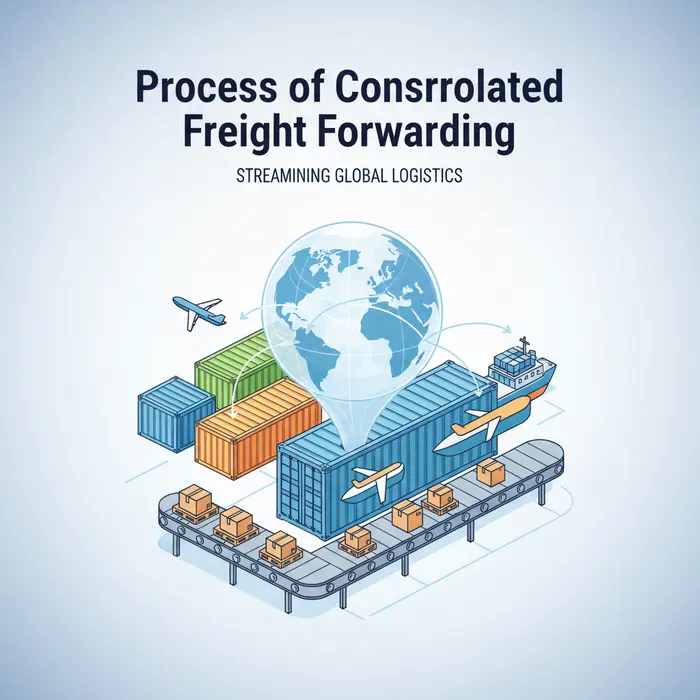
Navigating international shipping can be complex, especially for businesses with smaller shipments that don’t fill an entire shipping container. This is where LCL Consolidation Services, also known as less than container load shipping, become indispensable. Consolidated freight forwarding is a strategic approach that allows multiple shippers to combine their smaller consignments into a single full container load (FCL), significantly reducing individual shipping costs and streamlining logistics. This step-by-step breakdown guides you through the entire journey of LCL cargo, from its origin pick-up to its final destination delivery, highlighting how this cost-effective international shipping solution works.
1. Cargo Collection, Warehousing & Consolidation
The journey of LCL cargo begins with its collection from various shippers. Once you book less than container load (LCL) shipping with a freight forwarder, arrangements are made to pick up your goods from your factory, warehouse, or designated point of origin. This initial pickup might be handled by the forwarder’s own fleet or a trusted local carrier. Upon collection, your cargo, along with shipments from other clients bound for the same general destination region, is transported to the forwarder’s designated consolidation warehouse or container freight station (CFS).
At the warehouse, a meticulous process of inspection, sorting, and preparation takes place. Each item is checked against its shipping manifest to ensure accuracy and condition. Goods are often re-packaged or reinforced to withstand the rigors of international transit. This stage is crucial for preventing damage and ensuring smooth customs processing later on. The core of LCL Consolidation Services lies here: combining smaller shipments from multiple senders into a single, larger consignment. The forwarder strategically groups compatible cargo, ensuring efficient space utilization within the container. This intelligent grouping is what makes groupage shipping international a highly cost-effective solution, as the cost of the full container is shared proportionally among all shippers.
2. Documentation, Customs Clearance & Compliance
Before any cargo can leave the origin country, a comprehensive set of documentation must be prepared and approved, alongside rigorous customs clearance procedures. The freight forwarder plays a pivotal role in managing this often complex aspect. They prepare and submit essential documents such as the Bill of Lading (BoL), commercial invoices, packing lists, certificates of origin, and any required permits or licenses. The Bill of Lading, specifically a House Bill of Lading (HBL) for LCL shipments, acts as a contract of carriage, a receipt for goods, and a document of title.
The forwarder also handles the export customs clearance process at the port of origin. This involves declaring the goods to the customs authorities, ensuring all duties and taxes (if applicable) are settled, and verifying compliance with export regulations. Navigating the ever-changing landscape of international trade laws and tariffs requires expertise, and a proficient freight forwarder ensures that all paperwork is accurate and submitted on time to prevent delays or penalties. This meticulous attention to detail is fundamental to the efficiency of consolidated freight forwarding, guaranteeing that your cargo adheres to all global trade compliance standards.
3. Loading, Ocean Transit & Final Delivery
Once all documentation is cleared and the container is fully loaded at the CFS, it is transported to the port of loading. Here, the consolidated container is loaded onto the vessel for its ocean transit. During the voyage, the freight forwarder continuously monitors the shipment’s progress, providing updates to shippers. While transit times can vary based on the destination, route, and carrier, modern tracking systems offer transparency throughout the journey.
Upon arrival at the destination port, the same level of expertise is applied for import customs clearance. The forwarder’s destination agent or network partner handles the declaration of goods, payment of import duties and taxes, and compliance with local import regulations. Once customs clearance is complete, the consolidated container is transported to a destination CFS for “deconsolidation.” This is where the individual LCL shipments are carefully separated from the full container. Each shipment is then sorted and prepared for its final leg of the journey.
Finally, the individual LCL consignments are loaded onto local delivery vehicles and transported to their respective final destinations. This could be your recipient’s warehouse, a retail store, or another specified delivery point. The entire process, from origin pickup to final delivery, is meticulously managed by the consolidated freight forwarding provider, offering a seamless and cost-effective international shipping solution that truly simplifies complex logistics for smaller cargo volumes.
LCL vs. FCL: Making the Right Shipping Choice
Navigating the complexities of international shipping requires a clear understanding of the options available. For businesses moving goods across oceans, the primary decision often boils down to choosing between Less Than Container Load (LCL) and Full Container Load (FCL) shipping. Each method offers distinct advantages and disadvantages, making the “right” choice highly dependent on your specific cargo volume, urgency requirements, and budgetary considerations. Selecting the most suitable option is crucial for optimizing logistics costs, ensuring timely deliveries, and maintaining supply chain efficiency.
1. When Less Than Container Load (LCL) is Best
LCL shipping, also known as LCL Consolidation Services or consolidated freight forwarding, is the ideal solution when your cargo volume is not enough to fill an entire 20-foot or 40-foot shipping container. In an LCL arrangement, your goods share container space with shipments from other businesses, effectively pooling resources to utilize the container fully. This method is inherently designed for less than container load shipping, making it a highly cost-effective international shipping option for smaller consignments.
The primary advantage of LCL is its affordability for lower volumes. Instead of paying for an entire container that you don’t fill, you only pay for the space your cargo occupies. This significantly reduces freight costs, making it accessible for startups, small and medium-sized enterprises (SMEs), or businesses sending samples, prototypes, or smaller, more frequent replenishment orders. It also allows for greater flexibility in inventory management, enabling businesses to ship smaller batches more often, thereby reducing warehousing costs and mitigating the risks associated with holding large amounts of stock. The coordination of multiple shipments within a single container is often referred to as groupage shipping international, a testament to its efficiency in managing diverse cargo loads.
2. When Full Container Load (FCL) Makes Sense
Conversely, Full Container Load (FCL) shipping is the preferred choice when your cargo volume is substantial enough to fill an entire container, or when you require exclusive use of a container. With FCL, you rent the entire container for your goods alone, whether it’s completely full or not. This method typically offers several distinct advantages, particularly for larger businesses or those with specific logistical needs.
One of the most significant benefits of FCL is faster transit times. Because the container is dedicated solely to your goods, there are no delays associated with consolidating multiple shipments at the origin port or deconsolidating them at the destination port. The container is sealed at the point of origin and remains sealed until it reaches its final destination, providing enhanced security and minimizing handling risks. This direct transit also often leads to more predictable scheduling and delivery times, which is crucial for time-sensitive cargo or businesses operating with just-in-time inventory systems. While the upfront cost of an FCL shipment is higher than an LCL shipment, when measured on a per-unit basis for high volumes, FCL often proves to be the more cost-effective international shipping method. Furthermore, the reduced handling lessens the likelihood of damage or loss, offering greater peace of mind for valuable or fragile goods.
3. Key Factors Influencing Your Shipping Decision
Making the optimal choice between LCL and FCL shipping hinges on evaluating several critical factors:
- Cargo Volume and Weight: This is arguably the most decisive factor. If your goods can’t fill at least 60-70% of a standard container, LCL is generally more economical. If you have enough cargo to fill a container, or if the cost of LCL for your volume approaches the cost of an FCL, then FCL is usually the better option.
- Urgency and Transit Time: FCL offers faster transit times due to direct routing and minimal handling. If your shipment is time-sensitive, FCL is preferable. LCL shipments, while economical, require additional time for consolidation and deconsolidation processes, adding to the overall lead time.
- Budget and Cost Efficiency: For smaller shipments, LCL provides significant savings by allowing you to pay only for the space used. However, as your volume increases, the per-unit cost of LCL can quickly exceed that of FCL. Understanding the break-even point where FCL becomes more financially viable is crucial for cost-effective international shipping.
- Security and Handling: FCL shipments typically experience less handling and remain sealed throughout transit, reducing the risk of damage, theft, or misplacement. LCL shipments undergo more handling as they are loaded and unloaded at consolidation and deconsolidation warehouses, which can increase the risk exposure.
- Flexibility and Inventory Management: LCL offers greater flexibility for businesses that need to ship smaller quantities more frequently, allowing for leaner inventory and quicker response to market demand. FCL is better suited for predictable, large-volume replenishment cycles.
By carefully assessing these factors, businesses can make an informed decision that aligns with their logistical needs, financial goals, and overall supply chain strategy, ensuring efficient and reliable global transportation of their goods.
Maximizing Your LCL Consolidation Experience in 2025
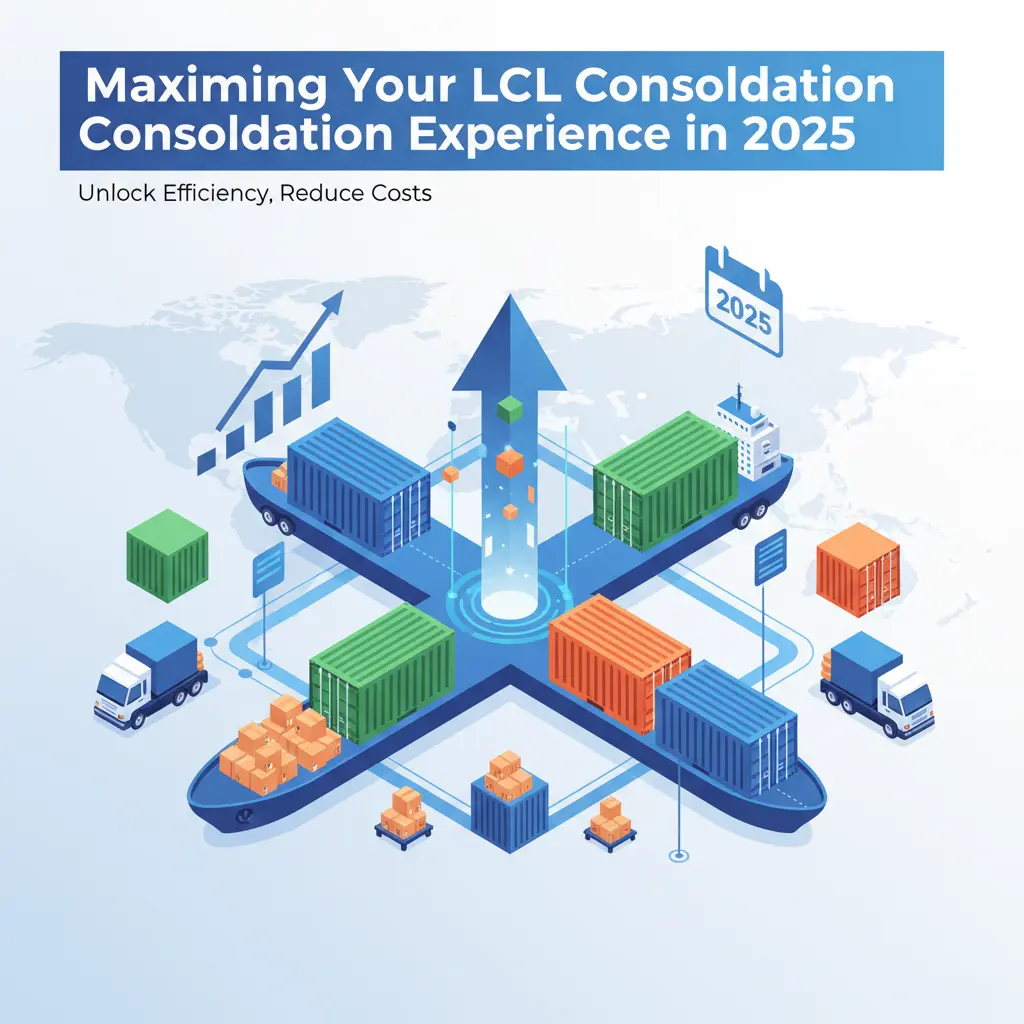
As global supply chains continue to evolve, businesses are constantly seeking more efficient and cost-effective ways to transport goods internationally. LCL Consolidation Services (Less than Container Load) offer a vital solution for smaller shipments, allowing multiple consignments to share container space and reduce individual shipping costs. In 2025, optimizing your LCL usage isn’t just about saving money; it’s about strategic planning, robust partnerships, and leveraging technology to ensure reliability and transparency. This guide provides practical tips and strategic considerations to help you maximize your LCL experience.
Choosing a Reliable Groupage Shipping International Partner
The success of your LCL shipments hinges significantly on the freight forwarder you choose. A reputable partner specializing in consolidated freight forwarding understands the nuances of global logistics, from intricate customs regulations to diverse carrier networks. When selecting a partner for groupage shipping international, consider their track record, network reach, and customer service. Look for forwarders with strong relationships with shipping lines, allowing them access to competitive rates and guaranteed space. Transparency in pricing, clear communication channels, and a proactive approach to potential issues are crucial. Ask about their expertise in handling your specific product type and destination countries. A reliable partner acts as an extension of your team, providing invaluable guidance and ensuring your cargo navigates the complexities of international trade seamlessly. For best practices in selecting a logistics partner, consider industry benchmarks and guidelines on shipping industry best practices.
Packaging, Labeling & Documentation Best Practices
Even with the best forwarder, improper preparation of your cargo can lead to delays, damage, and additional costs. For less than container load shipping, where your goods are handled multiple times and share space with others, robust packaging is paramount. Use durable materials, secure pallets, and adequate internal cushioning to protect against shocks and vibrations. All packages must be clearly and accurately labeled with recipient and sender information, destination port, package count, and any special handling instructions (e.g., “fragile,” “this way up”). Inaccurate or illegible labels are a common cause of misrouted or delayed shipments. Beyond physical preparation, meticulous documentation is non-negotiable. Ensure all paperwork, including the commercial invoice, packing list, bill of lading, and any required customs declarations or permits, is accurate, complete, and submitted on time. Errors here can cause significant customs delays, penalties, or even confiscation. Proactive communication with your freight forwarder about documentation requirements for your specific cargo and destination can help achieve cost-effective international shipping.
Leveraging Technology for Tracking & Transparency
In 2025, technology is a game-changer for LCL consolidation. Modern freight forwarders increasingly offer advanced digital platforms that provide real-time tracking, enhanced visibility, and comprehensive data analytics. These platforms allow you to monitor your cargo’s journey from origin to destination, receive automated updates, and anticipate potential delays. Leveraging such tools means you can proactively manage inventory, inform customers about delivery schedules, and make more informed decisions. Beyond basic tracking, some platforms offer predictive analytics, helping to identify and mitigate risks before they impact your supply chain. Look for partners who invest in user-friendly portals, API integrations for seamless data exchange, and digital documentation management. This level of transparency not only reduces stress but also empowers you to optimize your supply chain further, ensuring that your LCL Consolidation Services are as efficient and predictable as possible.
Partner with Vietnam’s Leading Suppliers
Looking for reliable suppliers in Vietnam? Contact VietnamSuppliers.com today to connect with verified manufacturers and exporters across all industries.
—————————————
References
– LCL Shipping: A Flexible Solution by Maersk: https://www.maersk.com/news/articles/2021/11/17/lcl-shipping-a-flexible-solution
– LCL vs. FCL Shipping: What’s the Difference?: https://www.flexport.com/logistics/ocean-freight/lcl-vs-fcl/
– less than container load (LCL) shipping: https://www.investopedia.com/terms/l/less-than-container-load-lcl.asp
– LCL vs FCL Shipping: What’s the Difference?: https://www.freightos.com/freight-resources/lcl-vs-fcl-shipping-whats-the-difference/
– shipping industry best practices: https://www.joc.com/maritime-news/container-lines/freight-forwarders/what-look-when-choosing-freight-forwarder-20210729.html

