Understanding the Basics of International Trade Documentation
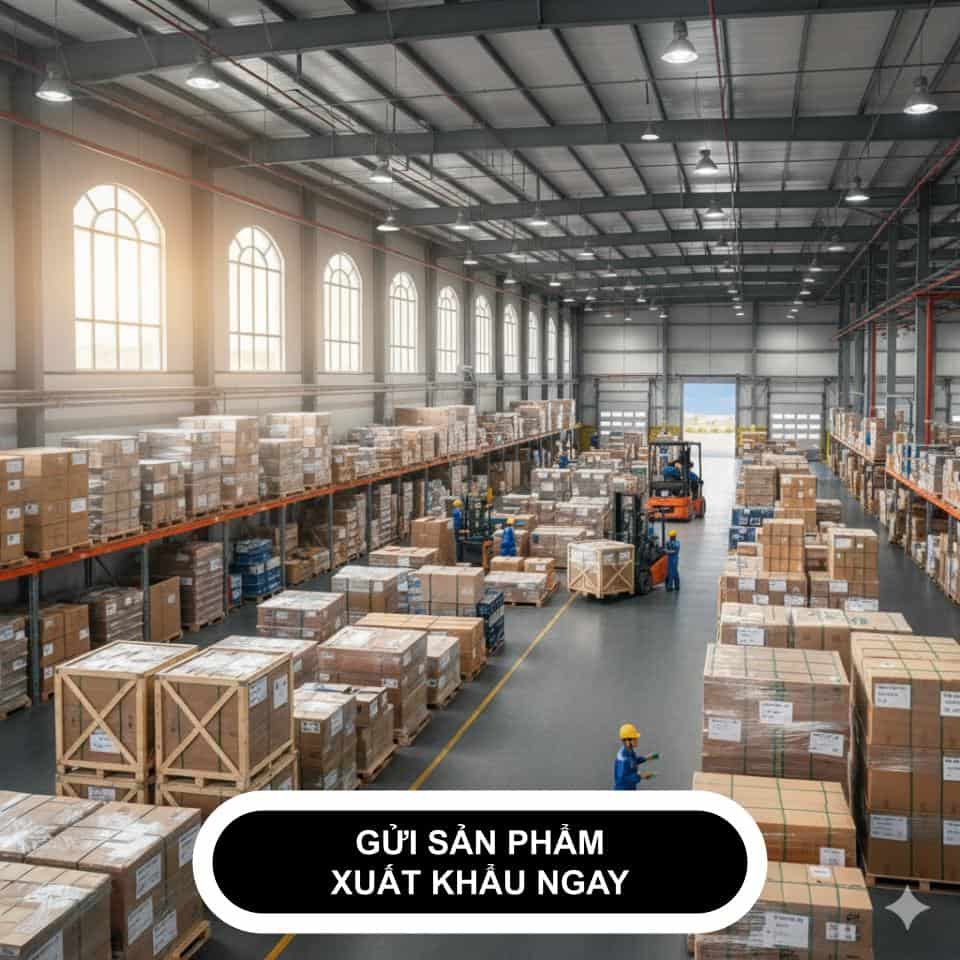
In the intricate world of global commerce, the smooth flow of goods across borders hinges significantly on one critical element: documentation. International Trade Documentation refers to the comprehensive set of paperwork, electronic records, and certifications required to legally and efficiently move products from one country to another. It serves as the backbone of every cross-border transaction, ensuring transparency, accountability, and adherence to myriad international and national regulations. From ensuring proper customs clearance documents to safeguarding against legal disputes, the meticulous handling of these documents is paramount for businesses engaged in importing and exporting. Understanding the purpose and importance of International Trade Documentation is not just about compliance; it's about facilitating seamless operations, mitigating risks, and fostering successful global trade relationships.

1. Why Documentation Matters in Global Trade
The significance of documentation in international trade cannot be overstated. It acts as the official communication channel between all parties involved, including buyers, sellers, carriers, customs authorities, and financial institutions. Without accurate and complete documentation, goods can be delayed, impounded, or even returned, leading to substantial financial losses and damaged reputations. Effective documentation ensures:
- Legal Compliance: Every country has specific trade regulations and import/export requirements. Documents like the Certificate of Origin, commercial invoices, and export licenses prove that goods comply with these laws, preventing legal penalties and fines.
- Smooth Customs Clearance: Customs clearance documents provide authorities with all necessary information to assess duties, taxes, and ensure security checks. Proper documentation accelerates this process, preventing costly delays at borders.
- Risk Mitigation: Documentation provides a paper trail for every step of the transaction. A Bill of Lading, for instance, serves as a contract of carriage, a receipt for goods, and a document of title, crucial for insurance claims or resolving disputes over lost or damaged cargo.
- Financial Transactions: Banks rely on specific documents, such as commercial invoices and packing lists, to process payments, especially when using methods like Letters of Credit, ensuring both parties fulfill their contractual obligations.
- Logistical Efficiency: Accurate documentation helps freight forwarders and carriers plan routes, manage cargo space, and ensure timely delivery, optimizing the entire supply chain.
2. Key Stakeholders and Their Documentation Needs
A multitude of players are involved in an international trade transaction, each with unique documentation requirements:
- Exporters/Importers: They are responsible for generating and consolidating most of the core documents, including the Commercial Invoice, Packing List, Pro Forma Invoice, Purchase Order, and specific Export compliance documents such as export declarations or licenses.
- Freight Forwarders & Carriers: These entities manage the logistics and physical movement of goods. They require documents like the Bill of Lading (for sea freight) or Air Waybill (for air freight), manifest, and delivery orders to transport and track shipments efficiently.
- Customs Authorities: Government agencies demand specific Customs clearance documents, including the import/export declaration, commercial invoice, packing list, Certificate of Origin, and any necessary permits or licenses for regulated goods.
- Banks & Financial Institutions: When financing is involved, banks require documents such as the commercial invoice, Bill of Lading, insurance certificates, and drafts to process payments, particularly for Letters of Credit.
- Government Agencies (Other): Depending on the product, additional agencies might require health certificates (for food), phytosanitary certificates (for plants), or various inspection certificates.
3. Risks of Non-Compliance in Documentation
The failure to adhere to documentation requirements in international trade can lead to severe consequences, impacting not only the immediate transaction but also a company's long-term viability in global markets. Businesses must recognize that errors or omissions in International Trade Documentation are not minor oversights but critical failures that can trigger a cascade of problems. Key risks include:
- Shipment Delays and Storage Fees: Incomplete or incorrect Customs clearance documents can hold up goods at ports or airports, leading to demurrage, detention, and storage fees that quickly escalate.
- Fines and Penalties: Customs authorities can impose substantial fines for non-compliance, misdeclarations, or failure to provide required Export compliance documents. These penalties can be hundreds or thousands of dollars per incident.
- Seizure or Confiscation of Goods: In serious cases of non-compliance, particularly involving restricted goods or deliberate misrepresentation, customs may seize or confiscate entire shipments, resulting in total loss for the exporter/importer.
- Loss of Import/Export Privileges: Repeated violations can lead to suspension or revocation of a company's ability to import or export, effectively shutting down their international trade operations.
- Reputational Damage: Delays, fines, and legal issues stemming from poor documentation can severely harm a company's reputation with clients, suppliers, and regulatory bodies, making future business difficult.
- Legal Disputes and Contract Breaches: Inadequate documentation can lead to disputes between buyers and sellers, carriers, or insurers, potentially resulting in costly legal battles and breaches of contract.
Mastering International Trade Documentation is an essential investment for any business aiming for success in the global marketplace. It underpins legal compliance, facilitates efficiency, and protects against a myriad of operational and financial pitfalls.
Essential Export Compliance Documents
Navigating the complexities of global commerce demands meticulous attention to International Trade Documentation. For businesses engaged in cross-border transactions, understanding and accurately preparing export compliance documents is not merely a bureaucratic hurdle but a critical safeguard against delays, penalties, and legal repercussions. This section dives into the primary documents essential for legal adherence, ensuring your goods move smoothly through customs and reach their destination without incident. Proper documentation is the bedrock of successful international trade, mitigating risks and fostering trust between trading partners.
1. Commercial Invoice and Proforma Invoice
The Commercial Invoice serves as the definitive bill for the goods from the seller to the buyer. It’s the cornerstone of all Customs clearance documents, providing essential details such as the seller and buyer information, a precise description of goods, quantity, unit price, total value, Incoterms, and payment terms. Customs authorities worldwide rely heavily on this document to assess duties and taxes, making its accuracy paramount for smooth processing and preventing valuation disputes.
Conversely, a Proforma Invoice is a preliminary bill of sale provided by the seller to the buyer before the shipment of goods. It acts as an offer to sell, detailing the proposed transaction, including item descriptions, quantities, prices, freight costs, and delivery terms. Buyers often use a proforma invoice to secure financing, obtain necessary import licenses in their country, or confirm their purchase order. While not a demand for payment, it’s a vital precursor that outlines the terms for a future commercial invoice, setting clear expectations for the transaction.
2. Packing List and Shipper’s Letter of Instruction
The Packing List provides a comprehensive inventory of all items included in a shipment, detailing their weights, dimensions, and how they are packaged (e.g., number of cartons, crates). Unlike the commercial invoice, which focuses on value, the packing list focuses on the physical characteristics of the cargo. It’s crucial for freight forwarders to verify cargo, for customs officials during inspection, and for the consignee to check the received goods against the order. Its accuracy is vital for calculating shipping charges, ensuring correct handling, and identifying any discrepancies upon arrival.
The Shipper’s Letter of Instruction (SLI) is a critical document provided by the exporter to their freight forwarder, authorizing them to act on their behalf and providing all necessary information for the shipment. This includes details about the goods, routing instructions, specific handling requirements, and crucially, export control classifications (e.g., ECCN in the US). The SLI also contains information required to prepare the Bill of Lading – a contract between the shipper and carrier detailing the type, quantity, and destination of goods being shipped – and other shipping documents. It ensures the forwarder has all the instructions needed for proper declaration, efficient movement, and full compliance with export regulations.
3. Export Licenses and Permits Explained
Beyond standard shipping documents, certain goods or destinations necessitate Export Licenses and Permits. These are government-issued authorizations granting permission to export specific items that are subject to control due to their nature, technology, or destination. For example, ‘dual-use’ items—goods, software, and technology that can be used for both civilian and military applications—often require licenses. Similarly, exports to embargoed countries or parties on restricted lists will invariably require specific permits or may be entirely prohibited.
Adherence to these licensing requirements is a cornerstone of international trade compliance, preventing goods from falling into unauthorized hands or supporting illicit activities. Government agencies, such as the U.S. Bureau of Industry and Security (BIS) or similar bodies globally, administer these controls, and exporters must meticulously classify their goods and understand the destination country’s regulations. Failure to obtain necessary licenses can result in severe penalties, including substantial fines, imprisonment, and permanent loss of export privileges. Therefore, diligent research and expert advice are paramount to ensure full compliance with export regulations and compliance guidelines, especially when dealing with sensitive commodities or destinations.
The Certificate of Origin (CO), while not a license, is another vital document often required by importing countries. It certifies the country in which the goods were manufactured, produced, or processed. This document is essential for determining tariffs, import quotas, and eligibility for preferential trade agreements, directly impacting the cost and feasibility of the import for the buyer. Together, these export compliance documents form an intricate web designed to facilitate legitimate trade while safeguarding national and international interests.
Navigating Customs Clearance Documents
Engaging in International Trade Documentation is a complex but essential process, demanding meticulous attention to an array of paperwork. Successfully clearing goods through customs, whether at the point of export or import, hinges on the accuracy and completeness of these crucial customs clearance documents. Understanding each piece of documentation is vital for ensuring compliance, avoiding delays, and mitigating potential penalties. From declarations to valuation forms, each document plays a pivotal role in the journey of goods across international borders, confirming their origin, value, and adherence to regulations.

1. Import/Export Declaration Forms
Import/Export Declaration Forms are the foundational International Trade Documentation required by customs authorities to officially record the movement of goods into or out of a country. These forms serve multiple purposes, including trade statistics collection, security screening, and duty/tax assessment. For exports, these are often referred to as Export Declaration Forms or electronic export information (EEI) filings, such as the Automated Export System (AES) filing in the United States. They detail the exporter, consignee, description of goods, value, destination, and the Harmonized System (HS) code. Filing accurate export declarations is a critical component of Export compliance documents, ensuring that goods are not restricted or prohibited from leaving the country.
Conversely, Import Declaration Forms are completed by the importer or their customs broker upon the arrival of goods. These documents provide customs officials with all necessary information to determine duties, taxes, and whether the goods comply with national import regulations. They typically require data mirroring the export declaration, alongside additional details relevant to the importing country’s specific requirements, such as permit numbers or specific licenses. Precision in these declarations is paramount to expedite customs processing and prevent goods from being held at the border due to incomplete or incorrect Customs clearance documents.
2. Customs Bond Requirements and Procedures
A Customs Bond is a contractual agreement guaranteeing that an importer will fulfill all financial obligations and regulatory requirements associated with their imports. Essentially, it’s a financial guarantee to the government that duties, taxes, and fees will be paid, and all laws and regulations will be observed. Bonds are often required for commercial importations, particularly for goods entering under a temporary admission, subject to specific tariffs, or under certain trade programs.
There are generally two types: a Single Transaction Bond, used for a single shipment, and a Continuous Bond, which covers all shipments for a year. The bond ensures that if an importer fails to pay required duties or comply with regulations, the surety company (which issues the bond) will cover the financial obligation up to the bond’s value. The procedure involves obtaining a bond from a licensed surety company, which is often facilitated by a customs broker. This critical piece of Customs clearance documents is a non-negotiable requirement for many importing activities, providing a layer of security for the customs authorities and streamlining the clearance process for compliant traders.
3. Valuation, Duties, and Tax Documents
Proper valuation of imported goods is fundamental as it directly impacts the amount of duties and taxes payable. Key documents for this purpose include the Commercial Invoice, which serves as a bill for the goods from the seller to the buyer, detailing the price, quantity, and terms of sale. Customs authorities rely heavily on this document to determine the transaction value of the goods, a primary method for customs valuation.
Complementary to the commercial invoice are other vital Customs clearance documents such such as the Packing List, which itemizes the contents of each package, and the Bill of Lading (for ocean freight) or Air Waybill (for air freight), which acts as a contract between the shipper and the carrier, a receipt for the goods, and a document of title. Another crucial document is the Certificate of Origin. This document specifies the country where the goods were produced, which is essential for determining eligibility for preferential tariffs under free trade agreements or for applying specific import restrictions and quotas. Accurate preparation and presentation of these documents ensure correct assessment of duties, Value Added Tax (VAT), Goods and Services Tax (GST), and any other applicable levies, preventing underpayment, overpayment, and delays in the supply chain.
Key Transport and Origin Documentation
Navigating global commerce demands meticulous attention to International Trade Documentation. Accurate and complete paperwork is crucial for smooth logistics, international compliance, and efficient customs clearance. These documents serve vital functions: evidence of contracts, receipts for goods, and, in some cases, confer title. They are indispensable for Export compliance documents and facilitate effective Customs clearance documents, mitigating risks and delays. Among these, the Bill of Lading and the Certificate of Origin are foundational for documenting transport arrangements and goods provenance.
1. Bill of Lading (B/L): Types and Functions
The Bill of Lading (B/L) is the cornerstone document for ocean freight, serving three primary roles: (1) a contract of carriage between shipper and carrier, outlining transport terms; (2) a receipt for goods, confirming carrier receipt in good condition; and (3) for certain types, a document of title, granting the holder the right to claim goods at the destination. This makes it crucial for financial transactions, especially under letters of credit.
Key B/L types include:
- Negotiable (or Order) B/L: Allows goods transfer to a third party by endorsement, acting as a document of title. Essential for securing financing.
- Straight B/L: Non-negotiable, goods are consigned directly to a named consignee. Functions purely as a receipt and contract of carriage without conferring title.
- Seaway Bill: Non-negotiable and offers faster cargo release as original documents aren’t required. Ideal for trusted parties or intra-company shipments, but lacks document of title security.
Understanding the B/L type is paramount for all parties, impacting payment, insurance, and logistics. It’s a critical component of Customs clearance documents and financial security.
2. Air Waybill (AWB) and Other Carrier Documents
For air cargo, the Air Waybill (AWB) is the equivalent of a Bill of Lading. Like a Straight B/L, it acts as a contract of carriage and a receipt for goods. A key difference is that an AWB is not a document of title; it cannot be negotiated, and an original is not required for goods possession, enabling faster customs processing. AWBs are essential Export compliance documents for air freight, containing detailed cargo, sender, receiver, and flight information, facilitating customs declarations and aviation security compliance.
Other transport modes also have specific documents:
- CMR Consignment Note: For international road transport (e.g., Europe). A contract of carriage and receipt, but not a document of title.
- CIM Consignment Note: Used for international rail transport. Similar functions to the CMR.
These documents provide the necessary legal framework and information for compliant goods movement, forming a crucial part of comprehensive International Trade Documentation.
3. Certificate of Origin (COO): Importance and Issuance
The Certificate of Origin (COO) is a vital Customs clearance document that certifies the country where goods were manufactured, produced, or processed. Its importance stems from its direct impact on duties, taxes, and import restrictions. Customs authorities use the COO to determine eligibility for preferential tariff treatment under free trade agreements (FTAs), potentially leading to significant cost savings.
COOs are generally categorized as:
- Non-Preferential COO: Certifies origin without conferring preferential tariff benefits, used for general customs and trade statistics.
- Preferential COO: Issued when goods qualify for reduced/zero tariffs under a specific FTA. Requires stricter rules of origin compliance.
Issuance typically involves the exporter applying to an authorized body (e.g., Chamber of Commerce or government agency), backed by evidence of origin (manufacturing invoices, material lists). Accuracy is paramount, as discrepancies can result in penalties or denial of preferential treatment. The COO is thus a critical component of Export compliance documents, ensuring transparency and compliance in global supply chains.
Best Practices for Document Management and Digitalization
In the intricate world of international trade, efficient document handling and meticulous record-keeping are not just administrative tasks; they are critical pillars for success, compliance, and operational fluidity. The relentless pace of global commerce, coupled with diverse regulatory frameworks, necessitates a strategic shift towards robust digital solutions. Embracing these best practices will streamline processes, mitigate risks, and ensure businesses are future-ready in an increasingly digital landscape.

The journey towards optimized International Trade Documentation begins with a proactive approach to managing the vast array of paperwork involved, from initial inquiries to final delivery.
1. Implementing a Robust Document Management System
A well-structured Document Management System (DMS) is the cornerstone of efficient international trade operations. Such a system centralizes all relevant documents, providing easy access, secure storage, and clear version control. For businesses involved in global trade, this means managing everything from commercial invoices and packing lists to critical International Trade Documentation like export compliance documents and Customs clearance documents. Key features of an effective DMS include:
- Centralized Repository: A single, easily searchable location for all documents, eliminating silos and reducing the time spent searching for information.
- Access Control and Security: Ensuring that sensitive trade data is only accessible to authorized personnel and is protected against unauthorized access, loss, or corruption.
- Version Control: Tracking changes and maintaining a history of all document revisions, which is vital for auditing and dispute resolution, especially for complex agreements like letters of credit.
- Workflow Automation: Automating approval processes for documents such as purchase orders, ensuring timely reviews and sign-offs.
- Integration Capabilities: Seamless integration with other business systems like ERP or CRM platforms for a unified data environment.
By establishing a comprehensive DMS, businesses can significantly reduce manual errors, enhance collaboration, and ensure regulatory adherence across their international supply chain.
2. Leveraging Digitalization and E-Documentation
The shift from paper-based to digital documentation is no longer an option but a necessity for competitive and future-ready businesses. Digitalization offers unparalleled benefits in terms of speed, cost-efficiency, and environmental sustainability. E-documentation, in particular, streamlines the exchange of critical trade information globally. The digitalization of International Trade Documentation is not just about efficiency; it’s about accuracy, security, and global reach.
- Electronic Data Interchange (EDI): Implementing EDI systems for standardized electronic communication of business documents, such as purchase orders, invoices, and shipping notices.
- Digital Signatures and Blockchain: Utilizing digital signatures for authenticity and non-repudiation, particularly for legally binding documents. Blockchain technology is emerging as a powerful tool for creating immutable and transparent records of transactions, enhancing trust and reducing fraud in trade finance.
- E-Bills of Lading and Certificates of Origin: Adopting electronic versions of key shipping documents like the Bill of Lading and Certificate of Origin significantly accelerates customs processes and reduces administrative burdens. Many customs authorities worldwide are increasingly accepting or even mandating electronic submissions. For instance, understanding specific requirements for Customs clearance documents is paramount to ensure smooth cross-border movement.
- Cloud-Based Solutions: Leveraging cloud storage and software-as-a-service (SaaS) platforms for accessible and scalable document management from anywhere in the world.
Digitalization not only speeds up operations but also provides robust analytics capabilities, offering insights into document flow and potential bottlenecks.
3. Staying Updated on Regulatory Changes and Future Trends
International trade regulations are dynamic and subject to frequent changes, influenced by geopolitical shifts, new trade agreements, and evolving security concerns. Maintaining compliance requires continuous vigilance and adaptation.
- Continuous Monitoring: Regularly monitoring updates from international bodies like the World Trade Organization (WTO), national customs agencies, and trade blocs. Subscribing to trade news feeds and utilizing compliance software can help track changes effectively.
- Training and Education: Ensuring that all personnel involved in International Trade Documentation are well-versed in the latest regulations and best practices. Regular training sessions can prevent costly errors and delays.
- Embracing Emerging Technologies: Keeping an eye on technological advancements beyond current digitalization efforts. Artificial intelligence (AI) and Machine Learning (ML) are increasingly being used for automated document verification, fraud detection, and predictive analytics in trade.
- Audit and Review: Conducting periodic internal and external audits of document management processes to identify areas for improvement and ensure ongoing compliance.
By prioritizing proactive adaptation to regulatory changes and embracing technological innovation, businesses can not only navigate the complexities of international trade documentation but also gain a significant competitive edge, ensuring long-term readiness and resilience.
Partner with Vietnam’s Leading Suppliers
Looking for reliable suppliers in Vietnam? Contact VietnamSuppliers.com today to connect with verified manufacturers and exporters across all industries.
—————————————
References
– Trade Compliance – International Trade Administration: https://www.trade.gov/trade-compliance
– export regulations and compliance guidelines: https://www.trade.gov/export-control-compliance
– U.S. Customs and Border Protection (CBP) Basic Importing and Exporting: https://www.cbp.gov/trade/basic-import-export
– Bill of Lading: https://www.ukpandi.com/knowledge-area/articles/bill-of-lading-the-ultimate-guide-for-maritime-cargo-transportation/
– World Customs Organization: https://www.wcoomd.org/