Getting Started: Why Import from Vietnam?
In the dynamic landscape of global trade, Vietnam has rapidly emerged as a formidable player, transforming from a nascent economy into a bustling manufacturing hub. For businesses worldwide, the question is no longer merely “Why import?” but increasingly, “Why import from Vietnam?” This vibrant Southeast Asian nation offers a compelling blend of strategic advantages, positioning it as an increasingly attractive primary sourcing destination. Its economic growth trajectory is nothing short of remarkable, propelled by a proactive government, a youthful and skilled workforce, and a strategic embrace of international trade agreements. As companies globally seek resilient and cost-effective supply chains, understanding the multifaceted benefits of sourcing from Vietnam becomes paramount. This section aims to shed light on why businesses are turning their attention to this thriving market, paving the way for lucrative import opportunities and setting the stage for Importing Goods from Vietnam: The Definitive Guide.
1. Benefits of Sourcing from Vietnam
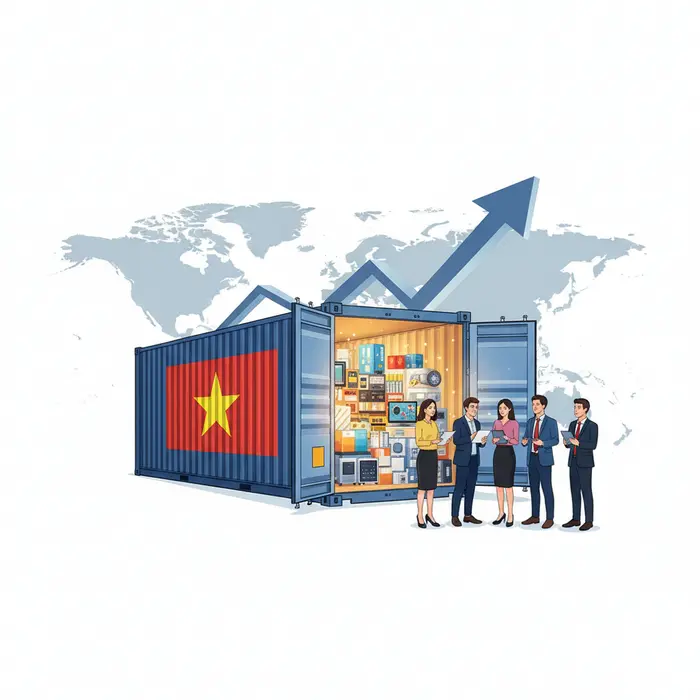
The allure of importing goods from Vietnam stems from a robust set of economic advantages. Firstly, cost-effectiveness remains a significant draw. While labor costs in some traditional manufacturing powerhouses have risen, Vietnam continues to offer competitive wages without compromising on quality or productivity. This translates into lower production costs for a wide array of products, from electronics to apparel. Secondly, Vietnam boasts a young, adaptable, and increasingly skilled workforce. The government’s strong emphasis on education and vocational training ensures a steady supply of capable hands ready to meet the demands of modern manufacturing. Thirdly, the Vietnamese government actively supports foreign investment and export-oriented industries through favorable policies, tax incentives, and streamlined administrative procedures. This supportive regulatory environment minimizes bureaucratic hurdles for international businesses. Fourthly, Vietnam’s strategic geographical location within Southeast Asia provides excellent access to major shipping routes and key Asian markets. This positioning, coupled with significant investments in infrastructure, including deep-sea ports and modern logistics networks, facilitates efficient logistics and helps manage international shipping from Vietnam costs effectively. Lastly, Vietnam is a signatory to numerous Free Trade Agreements (FTAs), including the CPTPP, EVFTA, and RCEP. These agreements provide preferential tariffs and reduced trade barriers, making Vietnamese exports even more competitive in global markets. These combined factors solidify Vietnam’s position as a prime candidate for businesses looking to diversify their supply chains and achieve greater efficiency, contributing to its remarkable economic resilience and growth.
2. Key Industries and Popular Products for Import
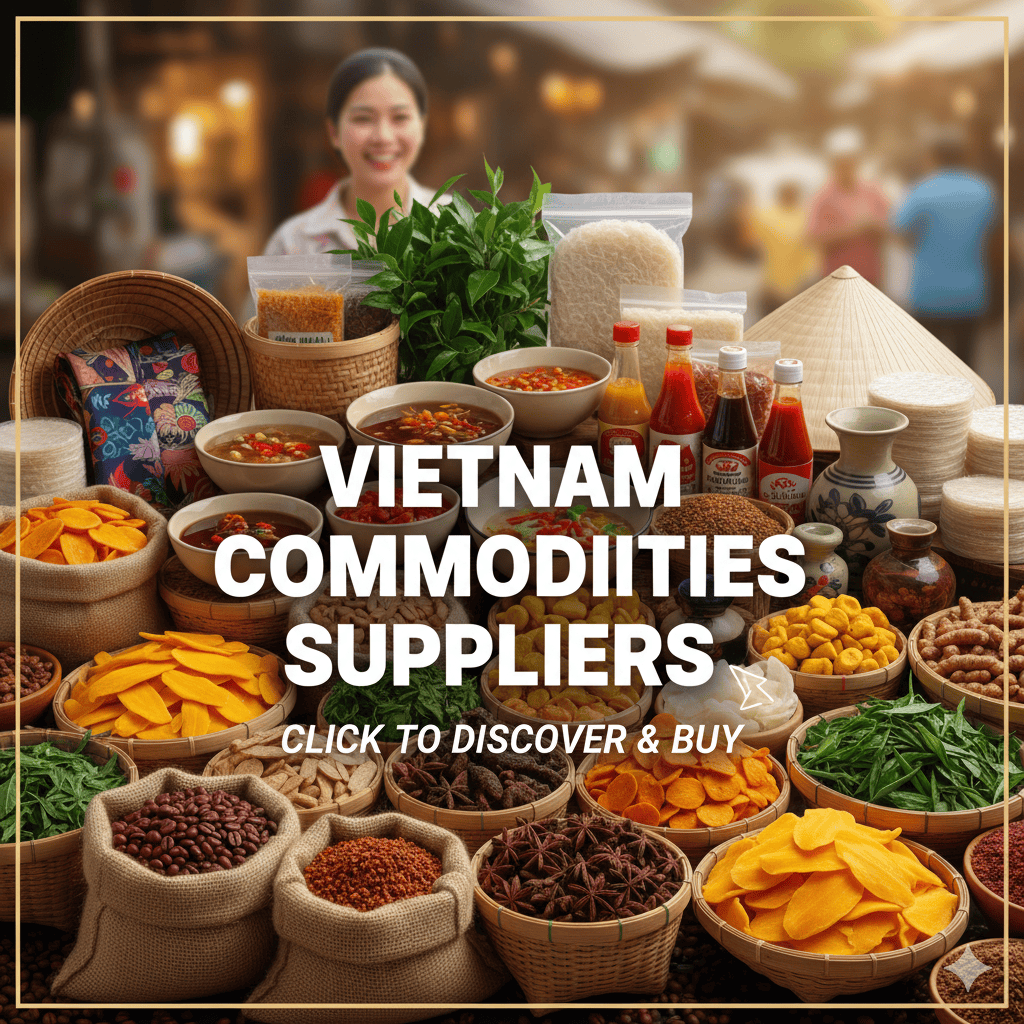
Vietnam’s manufacturing prowess spans a diverse range of sectors, offering an extensive catalog of products for import. Among the most prominent are the textile and apparel industry, where Vietnam is a global leader, producing high-quality garments, footwear, and accessories for major international brands. The electronics sector has also witnessed phenomenal growth, with multinational corporations establishing significant manufacturing bases for smartphones, computers, and components. Furniture, particularly wooden indoor and outdoor furniture, is another strong category, valued for its craftsmanship and competitive pricing. Agricultural products, including coffee, rice, seafood, and spices, continue to be significant exports, leveraging Vietnam’s rich natural resources. Additionally, plastic products, rubber, and various light industrial goods are gaining traction. When exploring how to find manufacturers in Vietnam, potential importers will discover a vibrant ecosystem supporting these key industries. A good starting point for discovery is a reliable Vietnam B2B supplier directory, which can connect businesses directly with verified manufacturers and exporters across these popular product categories. Understanding these sectors helps businesses align their sourcing needs with Vietnam’s industrial strengths.
3. Current Market Trends and Opportunities
The Vietnamese market is characterized by several key trends that present exciting opportunities for importers. A significant trend is the diversification of manufacturing beyond traditional sectors. While textiles and electronics remain strong, there’s increasing investment in high-tech manufacturing, automotive components, and even renewable energy equipment. This diversification offers new avenues for sourcing specialized products. Another crucial trend is the growing emphasis on sustainability and ethical production practices. As global consumers demand more environmentally friendly and socially responsible products, Vietnamese manufacturers are increasingly adopting international standards, offering a competitive edge to importers prioritizing these values. The rise of e-commerce and digital transformation within Vietnam is also creating new business models and facilitating easier connections between international buyers and local suppliers. Furthermore, Vietnam’s rapidly expanding middle class is fueling domestic demand, which in turn strengthens local industries and encourages higher quality production for both domestic and export markets. For businesses navigating Vietnam import regulations and duties, staying abreast of these evolving trends can unlock significant competitive advantages. The ongoing commitment to infrastructure development and digital integration further solidifies Vietnam’s position as a dynamic and future-forward sourcing destination, promising continued growth and innovation for those looking to import from this thriving economy.
Finding Reputable Vietnam Suppliers & Manufacturers
As Vietnam continues to solidify its position as a global manufacturing hub, businesses worldwide are increasingly looking to source products from its diverse industrial landscape. The allure is undeniable: competitive labor costs, a growing skilled workforce, and strategic geographical location. However, navigating the vast network of Vietnamese suppliers and manufacturers requires a systematic approach to ensure you partner with reliable entities. This section provides practical steps and resources to identify, vet, and connect with reputable B2B partners, setting the foundation for successful Importing Goods from Vietnam: The Definitive Guide.
1. Top Vietnam B2B supplier directories and online platforms
The initial step in finding a Vietnamese supplier often begins online, leveraging powerful B2B directories and specialized platforms. These resources act as a crucial Vietnam B2B supplier directory, offering a broad spectrum of manufacturers across various industries.
- Global B2B Platforms: Websites like Alibaba, Global Sources, and Made-in-China host a significant number of Vietnamese manufacturers. These platforms offer extensive filtering options by product type, region, and certifications. While convenient, thorough due diligence is always recommended as not all listings are equally vetted.
- Dedicated Vietnamese Directories: Explore platforms specifically focused on Vietnamese suppliers, such as Vietnam Export and Vietnam Manufacturers. These sites often provide more localized insights and verification, though their user interface or English support might vary. They are an excellent starting point for those asking how to find manufacturers in Vietnam with a specific local focus.
- Industry-Specific Platforms: Depending on your product, niche platforms can be highly effective. For example, if you’re sourcing textiles, look for directories dedicated to Vietnam’s garment industry.
When using these platforms, always prioritize suppliers with detailed profiles, multiple product listings, trade assurance options, and positive reviews. Initial communication should focus on clarity, asking specific questions about their production capabilities, minimum order quantities (MOQs), and quality control processes.
2. Vetting manufacturers: Red flags, due diligence, and best practices
Once you’ve identified potential partners, the critical phase of vetting begins. This involves scrutinizing their legitimacy, capacity, and reliability to avoid costly mistakes. Effective due diligence is paramount for anyone trying to understand how to find manufacturers in Vietnam reliably.
- Red Flags to Watch Out For: Be wary of suppliers who demand 100% upfront payment, offer prices significantly lower than market rates, have poor communication skills (slow responses, vague answers), lack proper business registration documentation, or refuse factory audits/sample requests. Inconsistent information across different platforms or within their own communications is also a major concern.
- Comprehensive Due Diligence:
- Business Verification: Request copies of their business registration, export licenses, and any relevant industry-specific certifications (e.g., ISO, BSCI, WRAP). Verify these documents with official Vietnamese government sources if possible.
- Factory Audits: If feasible, conduct a physical factory audit through a third-party inspection company. This verifies their operational capacity, quality control systems, and ethical labor practices.
- Sample Orders: Always order samples before committing to a larger production run. This assesses product quality, material consistency, and the manufacturer’s ability to meet specifications.
- References & Track Record: Ask for references from their other international clients and check their export history.
- Financial Stability: For larger orders, consider requesting financial statements or using credit reporting services.
- Best Practices: Start with smaller, trial orders to build trust. Utilize secure payment methods like Letters of Credit (L/C) or Escrow services, especially for initial transactions. Maintain clear, documented communication throughout the process.
3. Leveraging trade shows, virtual sourcing, and local agents
Beyond online directories, a multi-pronged approach to sourcing often yields the best results, combining direct interaction with local expertise. This can also help you understand nuances related to Vietnam import regulations and duties and even International shipping from Vietnam costs.
- Trade Shows and Exhibitions: Attending major trade shows in Vietnam, such as Vietnam Expo, SaigonTex (for textiles), or VietnamWood (for woodworking), offers unparalleled opportunities for face-to-face interaction. You can inspect product quality firsthand, discuss specifications directly, and build personal relationships, which are highly valued in Vietnamese business culture. The ability to meet multiple suppliers in one location significantly streamlines the sourcing process.
- Virtual Sourcing Events: In an increasingly digital world, virtual trade shows and B2B matchmaking events have gained prominence. These online events provide a convenient way to connect with suppliers remotely, offering virtual factory tours and online meetings. While lacking the tactile experience of a physical show, they are cost-effective and time-efficient.
- Local Sourcing Agents and Consulting Firms: Engaging a reputable local sourcing agent or consulting firm in Vietnam can be invaluable, especially for businesses new to the market or those with complex sourcing needs. These agents possess deep local market knowledge, can bridge language and cultural barriers, perform on-the-ground factory checks, negotiate on your behalf, and often have existing networks of trusted suppliers. They can also assist with navigating local logistics, quality control, and understanding intricate import/export procedures. When selecting an agent, prioritize those with proven experience in your specific industry and transparent fee structures. Research by organizations like the World Bank often highlights Vietnam’s robust economic environment and ease of doing business, which skilled local agents can help you leverage.
By combining these strategies – thorough online research, rigorous vetting, and leveraging both direct interaction and local expertise – businesses can significantly increase their chances of establishing long-term, successful partnerships with Vietnamese suppliers and manufacturers, contributing to a smooth and profitable import journey.
Understanding Vietnam Import Regulations & Duties
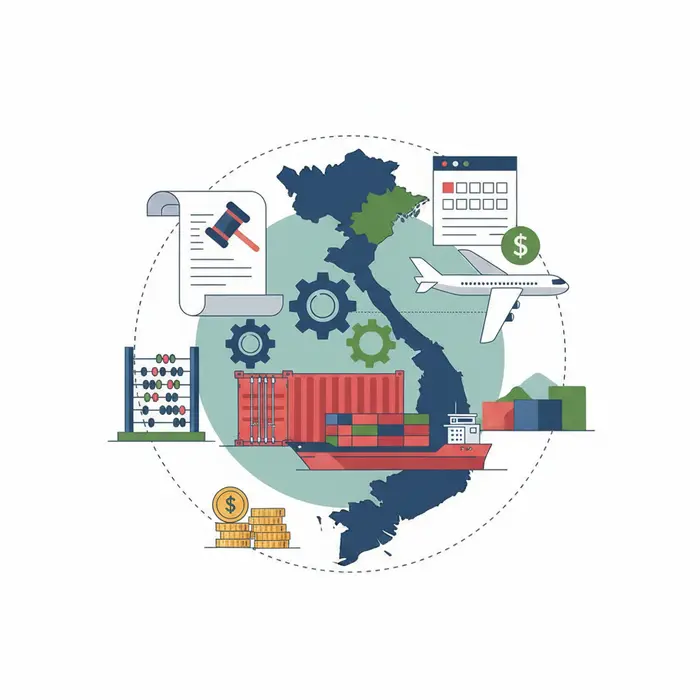
Navigating the complexities of international trade requires a thorough understanding of import regulations. For businesses sourcing from Southeast Asia, a deep dive into Importing Goods from Vietnam: The Definitive Guide is essential. Vietnam has become a manufacturing powerhouse, offering diverse products from textiles to electronics. To successfully import, it’s crucial to grasp the legal framework, documentation, customs procedures, and tariffs that define Vietnam import regulations and duties. This guide provides a comprehensive overview to streamline your import operations.
1. Key import/export documentation requirements
Meticulous documentation is crucial for smooth customs clearance. For imports from Vietnam, several critical documents are typically required:
- Commercial Invoice: Details the transaction, including product descriptions, quantity, value, and Incoterms.
- Packing List: Provides dimensions, weight, and packaging type for customs inspection and cargo handling.
- Bill of Lading (B/L) or Air Waybill (AWB): Serves as a contract, receipt, and document of title, specifying origin, destination, and transport terms.
- Certificate of Origin (C/O): Verifies the country of production, vital for preferential tariffs under free trade agreements (various forms like Form A, B, D, E may apply).
- Import/Export License: Required for certain regulated products (e.g., pharmaceuticals, chemicals, food items) from relevant Vietnamese ministries and the destination country.
- Customs Declaration Form: Submitted by the exporter to Vietnamese customs.
- Product-Specific Certificates: Such as health, phytosanitary, or quality/safety certifications, depending on the goods. A robust Vietnam B2B supplier directory can help identify suppliers familiar with these requirements.
2. Customs duties, tariffs, and preferential trade agreements
Understanding the financial aspects, particularly customs duties and tariffs, is paramount. Vietnam’s tariff structure is based on the Harmonized System (HS) code. Duty rates depend on the product’s HS code and the destination country.
Vietnam is a signatory to numerous free trade agreements (FTAs) that can significantly reduce or eliminate tariffs. Key FTAs include:
- ASEAN Trade in Goods Agreement (ATIGA)
- ASEAN + Agreements: With China (ACFTA), Korea (AKFTA), Japan (AJCEP), India (AIFTA), Australia and New Zealand (AANZFTA).
- Comprehensive and Progressive Agreement for Trans-Pacific Partnership (CPTPP): Involving Canada, Australia, Japan, Mexico, Singapore, New Zealand, Peru, Chile, Brunei, Malaysia, and Vietnam.
- EU-Vietnam Free Trade Agreement (EVFTA)
- UK-Vietnam Free Trade Agreement (UKVFTA)
- Regional Comprehensive Economic Partnership (RCEP): Covering ASEAN countries, Australia, China, Japan, Korea, and New Zealand.
Leveraging these agreements requires a valid Certificate of Origin. Consult your freight forwarder or customs broker to maximize benefits. When evaluating international shipping from Vietnam costs, factor in how preferential tariffs can impact your overall landed cost.
3. Product compliance, safety standards, and certification
Ensuring imported goods comply with destination country safety and quality standards is non-negotiable. While Vietnamese exporters adhere to local regulations, the importer is ultimately responsible for meeting their market’s standards.
Key compliance areas typically include:
- Safety Standards: For electrical appliances, toys, and machinery (electrical, mechanical, chemical safety).
- Health and Sanitary Standards: Critical for food, cosmetics, and pharmaceuticals, adhering to relevant food and drug administrations.
- Environmental Regulations: Pertaining to hazardous substances (e.g., RoHS, REACH), packaging, and energy efficiency.
- Labeling Requirements: Accurate and comprehensive labeling, including country of origin, ingredients, warnings, and usage instructions.
- Certification and Testing: Many products require specific certifications (e.g., CE for EU, FCC for US) through accredited laboratories. When you find manufacturers in Vietnam, verify their capability to meet international standards and provide necessary certifications.
Proactively communicate these requirements to your Vietnamese suppliers and consider third-party inspection. This approach minimizes risks of recalls, fines, and customs delays. By understanding and adhering to these vital aspects of Vietnam import regulations and duties, businesses can build a robust, compliant supply chain, ensuring successful trade and long-term partnerships.
Logistics & International Shipping from Vietnam
Effective logistics and precise cost management are paramount for successful Importing Goods from Vietnam: The Definitive Guide. Navigating the complexities of international shipping from Vietnam, from choosing optimal transport to understanding Incoterms and managing expenses, directly impacts your supply chain’s efficiency and landed costs. Careful planning is essential in this dynamic market.
1. Choosing shipping methods: Sea freight vs. air freight
The primary decision in international shipping from Vietnam revolves around sea freight versus air freight, each with distinct benefits:
- Sea Freight: This is the most cost-effective option for large volumes, heavy goods, and non-urgent shipments. Transit times typically range from 15 to 45 days. Sea freight uses Full Container Load (FCL) for dedicated containers or Less than Container Load (LCL) for smaller shipments sharing container space. While slower, it offers superior capacity and is generally preferred for minimizing international shipping from Vietnam costs.
- Air Freight: Ideal for high-value, time-sensitive, or perishable goods, air freight offers rapid transit, usually 3-7 days. However, it comes at a significantly higher cost per kilogram and has stricter limitations on cargo size and weight. For urgent deliveries, the speed often justifies the premium. Always consider “Vietnam import regulations and duties” when evaluating transit times.
Your choice should align with your product’s nature, urgency, budget, and volume to optimize your supply chain.
2. Understanding Incoterms and their impact on responsibilities
Incoterms (International Commercial Terms), published by the International Chamber of Commerce (ICC), define buyer and seller responsibilities for goods delivery. They clarify who bears the cost and risk at various stages from the factory in Vietnam to your destination, preventing disputes.
Key Incoterms include:
- EXW (Ex Works): The seller’s responsibility ends when goods are available at their premises. The buyer assumes all subsequent costs and risks, including loading, export customs, and all transportation. This offers maximum buyer control and responsibility.
- FOB (Free On Board): Common for sea freight. The seller delivers goods onto the vessel at the named port of shipment in Vietnam and handles export customs. Risk and cost transfer to the buyer once goods are on board, making the buyer responsible for main carriage, insurance, and import clearance.
- CIF (Cost, Insurance and Freight): The seller covers cost and freight to the named destination port and provides minimum insurance. Risk transfers to the buyer once goods are loaded at the shipment port, despite the seller paying for freight and insurance to the destination.
- DDP (Delivered Duty Paid): The seller bears maximum responsibility, covering all costs and risks until goods are delivered, import-cleared, and ready for unloading at the destination. This includes transportation, insurance, duties, and taxes. While convenient for the buyer, it can be more expensive.
Selecting the correct Incoterm significantly impacts your total cost and risk when importing from Vietnam. Always confirm it with your supplier.
3. Calculating international shipping from Vietnam costs and insurance
Accurately estimating international shipping from Vietnam costs is crucial for profitability. These costs comprise:
- Freight Charges: The core cost, based on chosen method (sea/air) and cargo volume (CBM) or weight (KG).
- Origin & Destination Charges: Fees incurred at the origin port/airport in Vietnam (e.g., terminal handling, export customs, local transport) and similar charges at the destination.
- Customs Duties and Taxes: Levied by your country based on the product’s HS code and value. Researching “Vietnam import regulations and duties” beforehand is essential.
- Surcharges: Variable costs like fuel surcharges (BAF/FAF) and security surcharges.
- Insurance: Highly recommended to protect against loss or damage during transit, typically a small percentage of cargo value (e.g., 0.1%-0.5%).
- Miscellaneous Fees: Potential additional costs like demurrage, detention, or inspection fees.
To obtain accurate quotes, provide cargo dimensions, weight, HS code, Incoterm, and origin/destination ports. A reliable freight forwarder specializing in routes from Vietnam can assist in navigating these costs, consolidating shipments, and offering transparency. They can also provide valuable insights if you’re exploring how to find manufacturers in Vietnam who are adept at international shipping. Diligent planning ensures a smoother, more predictable, and profitable experience when importing goods from Vietnam.
Overcoming Challenges & Best Practices for Importing
Embarking on the journey of Importing Goods from Vietnam: The Definitive Guide requires a strategic approach to navigate potential hurdles successfully. Vietnam, with its booming manufacturing sector and competitive pricing, offers immense opportunities, but also presents common challenges that importers must address. This section provides actionable strategies for ensuring quality, managing risks, and fostering strong, lasting relationships with Vietnamese suppliers.
1. Common Challenges in Vietnam Sourcing and Their Solutions
Sourcing from Vietnam can encounter several typical obstacles. One prevalent issue is communication barriers, often due to language differences and varying business cultures. To mitigate this, consider hiring a local agent, utilizing translation services for critical documentation, and establishing clear, concise communication protocols from the outset. Another challenge can be identifying reliable suppliers. Instead of relying solely on online searches, leverage a Vietnam B2B supplier directory, attend trade shows, and seek referrals. Vetting potential partners rigorously through background checks and factory audits is crucial. Furthermore, understanding complex Vietnam import regulations and duties can be daunting. Working with experienced customs brokers and freight forwarders who specialize in the region can streamline this process significantly, ensuring compliance and preventing costly delays. Finally, unexpected quality issues or production delays can arise. Proactive risk management, including diversified sourcing and contingency plans, is essential.
2. Ensuring Quality Control and Pre-Shipment Inspections
Maintaining consistent product quality is paramount when how to find manufacturers in Vietnam and working with them. Implementing robust quality control (QC) measures throughout the production cycle is non-negotiable. This begins with clearly defined product specifications, approved samples, and a mutual understanding of quality standards with your supplier. Don’t wait until products arrive at your warehouse to discover defects. Engage third-party inspection agencies to conduct in-process and pre-shipment inspections (PSI). A PSI is a critical step that verifies the quantity, quality, packaging, and marking of goods before they leave the factory. This final check drastically reduces the risk of receiving substandard products and provides leverage for dispute resolution if issues are found. Establishing a clear inspection checklist based on your product’s critical-to-quality attributes ensures consistency across all orders.
3. Building Strong Supplier Relationships and Effective Communication
The foundation of successful and sustainable importing lies in cultivating strong, trust-based relationships with your Vietnamese suppliers. Treat your suppliers as partners, not just vendors. Regular, transparent, and respectful communication is key. This includes providing clear feedback, sharing long-term forecasts, and being open to understanding their operational challenges. Visiting factories periodically, if feasible, can significantly strengthen rapport and provide valuable insights into their operations. Offering fair payment terms and adhering to contractual agreements also builds credibility and goodwill. Remember that cultural nuances play a role; demonstrating respect for local customs can go a long way. Investing time and effort in these relationships can lead to better pricing, preferential treatment, faster problem resolution, and a greater commitment to quality from your suppliers, ultimately enhancing your overall supply chain resilience and adherence to global trade best practices. By fostering a collaborative environment, importers can transform potential challenges into opportunities for growth and efficiency, optimizing their international shipping from Vietnam costs and overall import experience.
Partner with Vietnam’s Leading Suppliers
Looking for reliable suppliers in Vietnam? Contact VietnamSuppliers.com today to connect with verified manufacturers and exporters across all industries.
—————————————
References
– Vietnam Overview – World Bank: https://www.worldbank.org/en/country/vietnam/overview
– World Bank – Vietnam Overview: https://www.worldbank.org/en/country/vietnam/overview
– General Department of Vietnam Customs: https://customs.gov.vn/home.aspx?lan=English
– International Chamber of Commerce (ICC): https://iccwbo.org/resources-for-business/incoterms-rules/
– International Trade Centre – Sustainability and Compliance: https://www.intracen.org/news/sustainability-compliance-a-competitive-advantage-for-smes/