What Are Global Trade Corridors?
Global trade corridors are the essential arteries of international commerce, serving as integrated networks that facilitate the efficient and seamless movement of goods, services, and capital across national borders. Far more than just simple routes, these corridors represent sophisticated systems comprising physical infrastructure, advanced logistics, streamlined regulatory frameworks, and digital integration. They are pivotal in connecting producers with consumers worldwide, driving economic growth, and fostering global interdependence. Understanding these critical pathways is fundamental to grasping the mechanics of modern global logistics and international trade dynamics.

1. Defining International Logistics Corridors
At their core, international logistics corridors are strategic geographical areas characterized by a concentration of infrastructure and services designed to support cross-border trade. They are multimodal, incorporating sea lanes, railway networks, highways, airports, and inland waterways, all interconnected to optimize supply chain efficiency. These corridors are not merely physical pathways; they are comprehensive ecosystems that include customs facilities, warehousing and distribution centers, financial services, and information technology platforms. The primary objective is to reduce transit times, lower transportation costs, and minimize administrative hurdles, thereby enhancing the competitiveness of businesses engaged in import and export activities.
2. Key Characteristics and Components of Modern Corridors
Modern global trade corridors are distinguished by several key characteristics that contribute to their effectiveness and strategic importance:
- Multimodal Integration: The seamless combination of different transport modes (e.g., sea-rail, air-road) to leverage the strengths of each, ensuring flexibility and efficiency.
- Advanced Infrastructure: High-capacity ports, modern airports, well-maintained road networks, and high-speed rail lines form the backbone of these corridors.
- Digitalization and Technology: Implementation of smart logistics solutions, electronic data interchange (EDI), real-time tracking, and blockchain for transparency and efficiency in supply chain management.
- Streamlined Customs and Regulations: Harmonized customs procedures, reduced paperwork, and international agreements like the WTO Agreement on Trade Facilitation play a crucial role in expediting the movement of goods across borders.
- Logistics Services Hubs: Presence of logistics parks, free trade zones, and special economic zones that offer value-added services such as consolidation, packaging, and distribution.
- Energy and Communication Networks: Reliable energy supply and robust communication infrastructure are vital for supporting the operations within the corridor.
3. Benefits and Impact of Global Trade Corridors
The establishment and optimization of global trade corridors yield significant benefits of trade corridors for import export businesses and national economies alike. For businesses, these corridors translate into reduced lead times, lower inventory costs, and enhanced reliability of supply chains. This efficiency allows companies to better manage their global operations and respond more quickly to market demands. For nations, well-developed corridors attract foreign direct investment, create employment opportunities, stimulate regional development, and boost overall trade volumes.
Illustrative of their importance are the major global shipping routes such as the Suez Canal, Panama Canal, and the Malacca Strait, which serve as choke points for vast amounts of international maritime trade. Beyond these well-known sea lanes, emerging land-based corridors, particularly within regions like Southeast Asia trade corridors, are gaining prominence. For instance, initiatives like the Greater Mekong Subregion (GMS) economic corridors aim to connect landlocked areas to major ports, fostering economic integration and development across Cambodia, Laos, Myanmar, Thailand, Vietnam, and China’s Yunnan Province. These corridors not only facilitate the movement of goods but also promote the exchange of technology, culture, and expertise, underpinning the very fabric of the globalized economy.
The Strategic Importance for Global Commerce
Global trade corridors are the lifeblood of international commerce, sophisticated networks of transportation infrastructure – including sea lanes, railways, roads, and air routes – that facilitate the movement of goods across borders. Far more than just physical paths, these corridors represent strategic investments designed to optimize the flow of trade, linking producers to markets with unprecedented efficiency. Their importance in today’s interconnected world cannot be overstated, directly impacting the competitiveness of businesses, the stability of supply chains, and the economic prosperity of nations. For import/export businesses, understanding and leveraging these corridors is critical to navigating the complexities of global logistics, reducing operational costs, and expanding market reach.
1. Benefits of Trade Corridors for Import Export
One of the primary advantages offered by well-established global trade corridors is the significant reduction in transit times. By streamlining customs procedures, improving infrastructure, and coordinating logistics across multiple jurisdictions, these corridors enable goods to move faster from point of origin to destination. This rapid transit is invaluable for businesses dealing with perishable goods, time-sensitive deliveries, or those seeking to maintain lean inventory models, allowing for quicker market entry and response to consumer demand.
Beyond speed, these international logistics corridors are instrumental in lowering overall costs for import/export operations. Enhanced infrastructure, such as modern ports, efficient rail networks, and integrated multimodal transport systems, reduces fuel consumption, minimizes handling fees, and offers economies of scale for shipping volumes. Furthermore, improved regulatory harmonization and reduced bureaucratic hurdles within these corridors cut down on administrative expenses and potential demurrage costs. For businesses, these cost savings directly translate into more competitive pricing for their products, improved profit margins, and the ability to access new markets that might have previously been economically unviable. These combined factors highlight the distinct benefits of trade corridors for import export, fostering a more dynamic and accessible global marketplace. This is particularly evident along major global shipping routes, where dedicated efforts ensure maximum efficiency.
2. Enhancing Supply Chain Efficiency and Resilience
The modern supply chain is a delicate ecosystem, vulnerable to a myriad of disruptions ranging from natural disasters and geopolitical tensions to port congestion and labor strikes. Global trade corridors play a pivotal role in enhancing both the efficiency and resilience of these critical networks. By consolidating freight movement along optimized routes, they allow for greater predictability in shipping schedules and more effective resource allocation. Advanced tracking and monitoring systems integrated within these corridors provide real-time visibility, enabling businesses to proactively manage potential delays and ensure goods reach their destinations reliably.
Moreover, these international logistics corridors are often equipped with enhanced security measures. From stricter port security protocols to improved border surveillance, these corridors aim to minimize risks associated with theft, piracy, and illicit trade. This robust security framework instills greater confidence in the supply chain, protecting valuable cargo and reducing insurance costs for businesses. The ability of these corridors to offer multiple, redundant routes in some cases also contributes to resilience, providing alternatives when primary routes face disruptions. This strategic diversification helps mitigate single points of failure, a crucial aspect in maintaining continuous operations in an unpredictable world. Understanding the importance of efficient and resilient Global Trade Corridors is vital for any company involved in international commerce. As the World Economic Forum notes, the future of global trade hinges on embracing resilience and sustainability to navigate an evolving landscape of challenges and opportunities.
3. Fostering Economic Growth and Regional Integration
The impact of global trade corridors extends far beyond mere logistics, acting as powerful engines for economic growth and regional integration. By connecting isolated regions to global markets, these corridors stimulate investment in surrounding areas, leading to the development of new industries, job creation, and improved living standards. Infrastructure projects associated with these corridors – such as upgraded ports, airports, and railway networks – themselves provide significant economic stimuli.
A prime example can be seen in the development of Southeast Asia trade corridors. Initiatives like the Greater Mekong Subregion Economic Corridors have transformed landlocked areas, fostering cross-border trade, tourism, and investment within the region. These corridors facilitate the movement of raw materials to manufacturing hubs and finished goods to consumers, creating complex value chains that bind economies closer together. This integration reduces trade barriers, harmonizes regulations, and encourages policy cooperation among participating nations, leading to a more cohesive and prosperous economic bloc. The resulting increased trade volumes and ease of business generate substantial tax revenues for governments, which can then be reinvested into further infrastructure development, education, and healthcare, creating a virtuous cycle of growth. Ultimately, these corridors are not just pathways for goods but catalysts for geopolitical cooperation and shared economic prosperity, shaping the contours of future international relations and commercial opportunities.
In conclusion, global trade corridors are indispensable pillars of the modern global economy. Their ability to drastically reduce transit times, lower operational costs, and fortify supply chain reliability and security directly empowers import/export businesses to thrive in competitive international markets. By fostering efficiency, resilience, and regional economic integration, these strategic arteries continue to underpin global commerce, promising a more interconnected, predictable, and prosperous future for international trade.
Major Global Shipping Routes and Their Impact
The intricate web of major global shipping routes and their impact forms the backbone of the world economy, enabling the flow of goods, services, and ideas across continents. These vital Global Trade Corridors — encompassing maritime pathways, extensive land networks, and rapid air freight channels — are far more than just transportation links; they are strategic arteries dictating the pace of commerce, influencing geopolitical stability, and shaping economic development. Understanding these international logistics corridors is crucial for businesses engaged in import export, as they directly impact supply chain efficiency, costs, and market access. Their continuous evolution, marked by technological advancements and shifting geopolitical landscapes, underscores their dynamic role in connecting producers with consumers worldwide.
Key Maritime Chokepoints and Canals
Maritime routes remain the primary conduits for global merchandise trade, with an astounding volume of goods traversing the oceans annually. Central to these major global shipping routes are strategic chokepoints and man-made canals, which significantly shorten travel distances and reduce transit times. The resilience of global supply chains is often tested at these critical junctures. The Suez Canal, linking the Mediterranean Sea to the Red Sea, connects Europe and Asia without circumnavigating Africa. Its strategic importance was highlighted during the 2021 Ever Given incident, demonstrating how a single blockage could disrupt global trade, causing billions in losses. Similarly, the Panama Canal connects the Atlantic and Pacific Oceans, drastically cutting travel time for vessels moving between the Americas and facilitating trade between Asia and the Americas. Recent challenges, such as severe droughts impacting its water levels, underscore the pressures facing these vital arteries.
Beyond these two giants, other critical maritime chokepoints include the Strait of Malacca, crucial for trade between the Indian and Pacific Oceans; the Strait of Hormuz, through which a significant portion of the world’s crude oil passes; and the Bab-el-Mandeb Strait. The efficiency and security of these passages are paramount for global economic stability, directly impacting the benefits of trade corridors for import export by ensuring timely and cost-effective delivery of goods.

Transcontinental Land and Air Freight Routes
While oceans carry the bulk of global trade, land and air freight routes provide crucial alternatives and complementary services for time-sensitive or high-value cargo. Transcontinental land corridors have seen a resurgence, notably through China’s Belt and Road Initiative (BRI). Freight rail services connecting China to Europe, Central Asia, and beyond have emerged as significant international logistics corridors, offering a faster alternative to sea freight and a more cost-effective option than air freight for certain goods. These routes reduce transit times for goods like electronics and automotive parts, enhancing the benefits of trade corridors for import export by diversifying logistics options.
Air freight, though a smaller percentage of total cargo volume, plays an indispensable role due to its speed and reach. For industries dealing with perishable goods, urgent medical supplies, e-commerce express deliveries, and high-tech components, major air cargo hubs serve as critical nodes. These air routes ensure rapid delivery across vast distances, facilitating just-in-time inventory management. The continuous development of these land and air pathways complements major global shipping routes, creating a robust, multimodal logistics network.
Emerging and Regional Trade Corridors
Beyond established arteries, new and evolving regional trade corridors are gaining prominence, often driven by shifts in manufacturing and regional economic integration. Southeast Asia trade corridors, for example, are increasingly vital. The region’s dynamic economies, growing manufacturing base, and strategic location have led to extensive land, sea, and air links connecting ASEAN member states and beyond. Initiatives such as the Greater Mekong Subregion (GMS) economic corridors, linking Thailand, Vietnam, Laos, Cambodia, Myanmar, and China, are enhancing infrastructure and streamlining customs, thereby unlocking significant benefits of trade corridors for import export within the region and with global partners. These corridors facilitate the movement of agricultural products, manufactured goods, and raw materials, fostering regional supply chains and attracting investment.
The development of these regional corridors fosters not only economic efficiency but also regional stability. As global supply chains diversify and companies seek resilience, investing in and leveraging these emerging international logistics corridors becomes a strategic imperative. Their growth signals a more polycentric global trade system, where regional networks play an increasingly important role alongside traditional major global shipping routes.
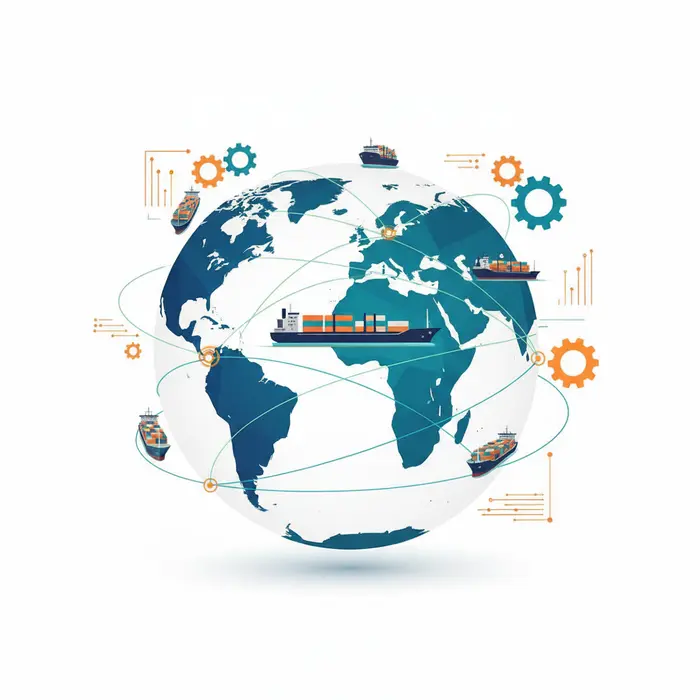
In conclusion, the efficacy and resilience of global trade corridors are paramount for sustained economic growth and stability. From the narrow maritime chokepoints that dictate global maritime trade volumes to the expanding networks of land and air freight, and the burgeoning regional pathways in areas like Southeast Asia, each corridor plays a critical role. Policymakers and businesses must continuously monitor, invest in, and adapt to the evolving landscape of these vital arteries to ensure the smooth flow of international commerce and maximize the benefits of trade corridors for import export in an ever-changing world.
Focus on Southeast Asia Trade Corridors
Southeast Asia, a dynamic economic powerhouse with a combined GDP exceeding $3 trillion, stands at the nexus of global trade. Its strategic geographical location, burgeoning markets, and competitive manufacturing bases make it a pivotal region for international commerce. The rapid development of trade corridors within and connecting Southeast Asia is a testament to the region’s commitment to deeper economic integration, enhanced connectivity, and its evolving role in global supply chains. These International logistics corridors are reshaping trade flows, reducing transit times, and significantly boosting the region’s appeal for investment and trade, influencing major global shipping routes. This section explores these vital arteries, highlighting their significance in driving regional prosperity.
ASEAN Economic Community Connectivity Projects
The vision of a highly integrated and cohesive ASEAN Economic Community (AEC) is underpinned by ambitious connectivity initiatives, fostering seamless movement of goods, services, capital, and skilled labor. The Master Plan on ASEAN Connectivity (MPAC) 2025, a strategic framework, outlines projects across sustainable infrastructure, digital innovation, seamless logistics, regulatory excellence, and people mobility. These are crucial for strengthening Global Trade Corridors within the region.
Key among these are cross-border infrastructure developments: new highways, modernized railway networks, and expanded port facilities. The Greater Mekong Subregion (GMS) corridors (e.g., East-West, North-South) link landlocked areas to major port cities, unlocking new economic potential. Deep-sea port expansions (e.g., Laem Chabang, Tanjung Priok) facilitate greater maritime trade, while improved road and rail links enhance multimodal transport. Digital connectivity, too, enables faster customs and e-commerce growth. By enhancing these physical and digital arteries, ASEAN systematically dismantles non-tariff barriers and streamlines procedures, ensuring the benefits of trade corridors for import export are fully realized. This concerted effort not only boosts intra-ASEAN trade but solidifies the region’s position as a critical global hub. More information on how these initiatives contribute to various Global Trade Corridors and their economic impact can be found here.
Impact of Belt and Road Initiative in SEA
China’s ambitious Belt and Road Initiative (BRI) has significantly impacted Southeast Asia, injecting substantial investments into infrastructure development. The BRI’s maritime and land components converge in Southeast Asia, creating new International logistics corridors and enhancing existing ones. Key projects include the China-Laos Railway, aiming to connect Kunming to Singapore, and port developments in Malaysia (e.g., Kuantan Port) and Myanmar (Kyaukpyu SEZ), seeking to enhance maritime connectivity.
The BRI provides critical infrastructure, foreign direct investment, and new market access, stimulating economic growth and job creation. Improved transport networks can lower logistics costs, making Southeast Asian products more competitive and attracting manufacturing investment. However, concerns regarding debt sustainability, environmental impact, and geopolitical implications persist. Critics point to potential sovereignty issues and China’s strategic leverage through critical infrastructure. A nuanced perspective is needed, balancing economic development with sustainable and equitable partnerships. For a deeper dive into the economic implications of such transport corridors, including their opportunities and risks, refer to the World Bank’s report on Belt and Road Economics: Opportunities and Risks of Transport Corridors.
Strategic Importance of Diversified Supply Chains and Emerging Trade Routes
The global economic landscape is increasingly shaped by a drive for supply chain diversification. Recent global events, including trade tensions and the COVID-19 pandemic, highlighted vulnerabilities of over-reliance on single sourcing locations and traditional major global shipping routes. This presents a significant opportunity for Southeast Asia, positioning it as a prime destination for companies building more resilient supply chains.
Countries like Vietnam, Thailand, and Indonesia are promoting themselves as alternative manufacturing hubs, attracting foreign investment from companies diversifying operations out of China. This leads to the emergence of new trade routes and enhancement of existing International logistics corridors. Growing interest in multimodal transport options combines sea, rail, and road to connect Southeast Asia with markets in Europe and North America, bypassing traditional transshipment hubs. New free trade agreements, such as RCEP, facilitate these diversified flows by reducing tariffs and harmonizing trade rules. Strategic development of specialized economic zones, logistics parks, and improved customs facilitation across these corridors is critical. These developments enhance the benefits of trade corridors for import export by offering more options and greater flexibility, solidifying Southeast Asia’s indispensable role in the re-calibration of global manufacturing and distribution, making it a cornerstone for future global trade corridors.
Navigating and Optimizing Trade Corridor Use
In today’s interconnected global economy, the strategic navigation and optimization of Global Trade Corridors are paramount for businesses seeking a competitive edge. These vital arteries of commerce, encompassing sea lanes, railway networks, and overland routes, facilitate the movement of goods across borders, impacting everything from supply chain efficiency to market access. Understanding how to strategically leverage these international logistics corridors involves meticulous route planning, robust risk management, and the seamless integration of cutting-edge technologies. For businesses engaged in import and export, optimizing the use of these corridors translates directly into reduced costs, faster transit times, and improved reliability, thereby unlocking significant benefits of trade corridors for import export.

1. Choosing the Right Corridor for Your Business Needs
Selecting the most appropriate trade corridor is a strategic decision that demands a thorough evaluation of various factors. Businesses must consider the specific nature of their goods, urgency of delivery, cost sensitivities, and the political and economic stability of the regions traversed. For instance, perishable goods require routes with expedited transit and superior cold chain infrastructure, while bulk commodities might prioritize cost-effectiveness over speed. Analyzing the intricate network of major global shipping routes is crucial, assessing their capacity, connectivity, and potential for bottlenecks. Factors such as customs efficiency, port infrastructure, and last-mile logistics capabilities are equally important. For companies targeting the burgeoning markets of Asia, understanding the nuances of Southeast Asia trade corridors—such as the Mekong River Economic Corridor or the Malaysia-Thailand land bridge—can offer significant advantages in terms of reduced lead times and improved regional distribution. A comprehensive route planning strategy should also include contingency options to mitigate disruptions, ensuring supply chain resilience.
2. Future Trends and Challenges in Corridor Development
The landscape of global trade corridors is continuously evolving, shaped by geopolitical shifts, technological advancements, and increasing demands for sustainability. Future trends point towards greater integration of multimodal transport solutions, fostering seamless transfers between sea, rail, and road to enhance efficiency and reduce carbon footprints. The development of new infrastructure projects, such as China’s Belt and Road Initiative, continues to redefine existing routes and create new ones, offering both opportunities and challenges. Businesses must stay abreast of these developments, adapting their strategies to leverage emerging corridors while navigating potential disruptions. Challenges include persistent infrastructure gaps in developing regions, geopolitical tensions affecting transit security, and the imperative to decarbonize logistics operations. Moreover, the increasing frequency of extreme weather events underscores the need for resilient infrastructure and adaptive risk management strategies to ensure the uninterrupted flow of goods. The overall efficiency and development of these international logistics corridors are continuously assessed and benchmarked by organizations like the World Bank’s Logistics Performance Index, providing valuable insights for strategic planning.
3. Leveraging Technology for Corridor Optimization
Technological integration is no longer an option but a necessity for optimizing trade corridor use. Advanced data analytics and artificial intelligence (AI) can provide predictive insights into route performance, identifying potential delays, optimal shipping windows, and cost-saving opportunities. Internet of Things (IoT) devices, such as smart sensors on containers, offer real-time visibility into cargo location, temperature, and security, enhancing transparency and traceability across the entire supply chain. Blockchain technology is emerging as a powerful tool for secure data sharing and streamlining customs procedures, drastically reducing paperwork and accelerating cross-border movements. Digital platforms facilitate better communication and collaboration among all stakeholders—shippers, carriers, customs officials, and logistics providers—creating a more cohesive and efficient ecosystem. By embracing these digital tools, businesses can significantly improve their Global Trade Corridors operations, leading to enhanced operational efficiency, reduced administrative burdens, and ultimately, a stronger competitive position in the global marketplace.
In conclusion, mastering the art of navigating and optimizing global trade corridors is fundamental for modern businesses. By making informed choices about routes, anticipating future trends, and harnessing the power of technology, companies can transform their supply chains into dynamic assets that drive growth and resilience in an ever-changing world.
Partner with Vietnam’s Leading Suppliers
Looking for reliable suppliers in Vietnam? Contact VietnamSuppliers.com today to connect with verified manufacturers and exporters across all industries.
—————————————
References
– WTO Agreement on Trade Facilitation: https://www.wto.org/english/tratop_e/tradfa_e/tradfa_e.htm
– the World Economic Forum notes, the future of global trade hinges on embracing resilience and sustainability: https://www.weforum.org/agenda/2023/12/future-global-trade-resilience-sustainability/
– Review of Maritime Transport 2023: https://unctad.org/publication/review-maritime-transport-2023
– Belt and Road Economics: Opportunities and Risks of Transport Corridors: https://www.worldbank.org/en/topic/regional-integration/publication/belt-and-road-economics
– The Logistics Performance Index (LPI): https://lpi.worldbank.org/