Overview of Global Commodity Market Trends in 2025
The global commodity market is poised for another year of dynamic shifts and potential volatility in 2025. Building on the foundational Global Commodity Market Trends 2024, the upcoming year will be profoundly influenced by a complex interplay of evolving economic landscapes, persistent geopolitical tensions, and accelerating technological advancements. This section sets the stage by introducing these major drivers, offering a comprehensive look into the forces shaping supply and demand across various commodity classes—from energy and metals to agriculture. Understanding these overarching trends is crucial for businesses, investors, and policymakers navigating the intricate commodity landscape.

1. Key Economic Drivers and Geopolitical Influences
The economic trajectory for 2025 remains a primary determinant for commodity markets. Global growth projections, while showing resilience in some regions, are still tempered by lingering inflation concerns and the potential for varied interest rate policies across major economies. Central banks, particularly the U.S. Federal Reserve and the European Central Bank, will continue to fine-tune monetary policy, impacting investment flows and industrial activity, which in turn dictate demand for raw materials. An accurate international trade forecast suggests a cautious optimism, with some sectors experiencing robust demand while others face headwinds from tightened credit conditions and shifting consumer spending patterns. Emerging markets, especially in Asia, are expected to remain significant drivers of commodity consumption, albeit with varying degrees of growth.
Geopolitical tensions are set to remain a potent force. The ongoing conflict in Eastern Europe continues to disrupt energy and agricultural supply chains, maintaining a risk premium on prices. Similarly, instability in the Middle East poses persistent threats to oil transit routes and global energy security. Trade disputes, particularly between economic superpowers, could escalate or evolve, leading to re-shoring efforts and regionalization of supply chains, fundamentally altering traditional patterns of commodity flow. These factors contribute significantly to the broader supply chain disruption impact, pushing companies to diversify sourcing and rethink logistics, which can lead to higher operational costs and ultimately, higher commodity prices.
2. Forecasting Major Market Shifts and Opportunities
Analyzing specific commodity sectors, 2025 presents a nuanced picture. In energy, crude oil markets will balance OPEC+ production decisions against global demand recovery, particularly from China, and the accelerating transition towards renewable energy sources. Natural gas prices will likely remain sensitive to European storage levels, global LNG supply additions, and any further geopolitical escalations. The demand for critical minerals—such as copper, lithium, and nickel—is set for sustained growth, driven by the electric vehicle (EV) revolution and renewable energy infrastructure build-out. However, potential supply bottlenecks due to geopolitical risks, environmental regulations, or underinvestment in new mining capacity could lead to significant price volatility.
Agricultural commodities face challenges from unpredictable weather patterns intensified by climate change, ranging from droughts to excessive rainfall, impacting yields globally. The ongoing assessment of grain deals in key exporting regions, alongside evolving import demands from countries like China, will be critical for global food security and price stability. For instance, the Agricultural commodity outlook Vietnam indicates sustained growth in key exports like rice, coffee, and seafood, but also highlights vulnerabilities to climate events and international trade policies. Overall, detailed commodity price analysis will need to account for not just fundamental supply-demand dynamics but also speculative trading and algorithmic influences, adding layers of complexity to market forecasts.
3. The Role of Technology and Sustainability in Shaping Future Markets
Technological advancements and sustainability imperatives are increasingly reshaping commodity markets. Innovations such as artificial intelligence (AI) and automation are optimizing extraction processes in mining and enhancing yield predictability in agriculture, potentially mitigating some supply risks. Advanced analytics are also improving market transparency and facilitating more efficient trading decisions. Beyond efficiency, the push towards sustainability is fundamentally altering demand profiles. ESG (Environmental, Social, and Governance) factors are now paramount for investors, driving capital away from carbon-intensive industries and towards greener alternatives.
This shift accelerates the demand for “green commodities” like battery metals and sustainable forest products, while placing greater scrutiny on the environmental footprint of traditional commodity production. Carbon pricing mechanisms, extended producer responsibility schemes, and consumer preferences for ethically sourced goods will impose new costs and opportunities across the supply chain. Companies that proactively integrate circular economy principles, invest in decarbonization technologies, and ensure responsible sourcing will gain a competitive edge, influencing future investment flows and shaping the long-term viability of various commodity sectors. This confluence of technological innovation and sustainability goals will redefine value in the global commodity market in 2025 and beyond.
Detailed Commodity Price Analysis: Key Sectors
A comprehensive breakdown of price movements and factors influencing various commodity sectors, including energy, metals, and agricultural goods, providing insights into their market dynamics.
The Global Commodity Market Trends 2024 are shaped by a complex interplay of geopolitical shifts, evolving demand patterns, and persistent supply chain vulnerabilities. As businesses navigate an uncertain economic landscape, understanding these dynamics is crucial for strategic planning and risk management. This comprehensive analysis delves into the key sectors, offering insights into the factors driving price movements and influencing market stability. From the volatile energy markets to the robust industrial metals sector and the safe-haven appeal of precious metals, we dissect the forces at play, considering everything from international trade forecasts to the pervasive impact of supply chain disruptions.
1. Energy Commodities: Oil, Gas, and Renewable Transitions
The energy sector remains at the forefront of global commodity discussions, with crude oil and natural gas prices exhibiting significant volatility. Geopolitical tensions, particularly in Eastern Europe and the Middle East, continue to pose substantial risks to oil supply routes and production stability. OPEC+ decisions on output quotas, coupled with fluctuating global demand – notably from emerging economies like China and India – dictate oil price trajectories. Natural gas markets, especially in Europe, have shown resilience following earlier supply shocks, benefiting from robust LNG imports and strategic storage build-ups. However, future prices remain sensitive to weather patterns, industrial demand recovery, and the ongoing transition away from Russian pipeline gas.
Simultaneously, the accelerating global shift towards renewable energy sources is exerting a transformative influence. While investments in solar, wind, and battery technologies surge, this transition is not without its own set of commodity demands, particularly for critical minerals. The long-term implications for traditional fossil fuels include potential demand plateaus, but short-to-medium term volatility is likely to persist as energy security remains a paramount concern for nations globally. The international trade forecast for energy commodities points to continued diversification of supply chains and increasing emphasis on energy efficiency.
2. Metals: Industrial Demand vs. Supply Chain Realities
Industrial metals, including copper, aluminum, and iron ore, are vital barometers of global economic health. Demand is largely driven by manufacturing activity, infrastructure development, and the burgeoning electric vehicle (EV) sector. Copper, often dubbed ‘Doctor Copper’ for its predictive economic power, has seen support from green energy initiatives, despite broader economic slowdown concerns. Aluminum benefits from lightweighting trends in automotive and aerospace, while iron ore prices are heavily influenced by the health of China’s steel industry and real estate sector.
However, the sector grapples with significant supply chain realities. Mining operations face increasing environmental scrutiny, labor disputes, and geopolitical risks, leading to potential disruptions in raw material availability. Furthermore, processing bottlenecks and logistical challenges, exacerbated by recent events, continue to inflate costs and extend lead times. Effective commodity price analysis in this segment must account not just for demand-side factors but also for the intricate web of production, refining, and transportation challenges that define the modern industrial metals market. Understanding the true supply chain disruption impact on these materials is paramount for industries ranging from construction to high-tech manufacturing.
3. Precious Metals: Safe-Haven Demand and Inflationary Pressures
Precious metals, primarily gold, silver, and platinum, traditionally serve as safe havens during periods of economic uncertainty and geopolitical instability. Gold, in particular, has seen sustained interest as investors seek protection against currency devaluation and market volatility. Central bank gold purchases have also provided a strong floor for prices, reflecting a broader de-dollarization trend and a desire for reserve diversification among nations. Silver, while also a safe haven, possesses significant industrial applications, linking its price movements to broader manufacturing trends.
Inflationary pressures remain a key driver for precious metals. Persistent global inflation, fueled by fiscal spending, supply constraints, and robust wage growth in some economies, enhances gold’s appeal as an inflation hedge. However, the trajectory of interest rates set by major central banks can temper this appeal, as higher rates increase the opportunity cost of holding non-yielding assets like gold. The interplay between inflation expectations, central bank hawkishness, and geopolitical risks will continue to shape the outlook for precious metals. More broadly, these global economic currents exert a significant influence on local markets, impacting everything from consumer purchasing power to investment flows, and ultimately contributing to the Agricultural commodity outlook Vietnam.
International Trade Forecasts and Policy Impacts
Examines the evolving international trade landscape, focusing on new agreements, tariffs, and geopolitical tensions that will dictate commodity flows and market access.
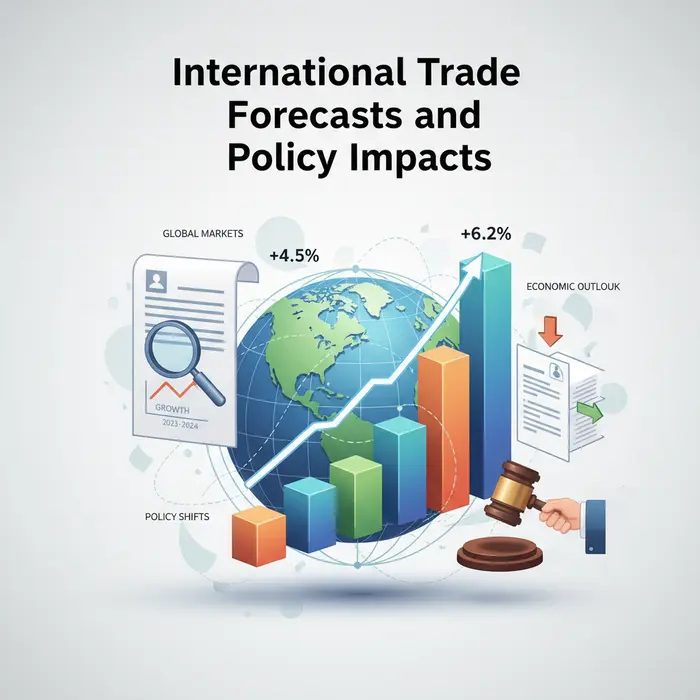
The global commodity market is at a pivotal juncture, profoundly shaped by an intricate web of international trade policies, geopolitical shifts, and technological advancements. Understanding the Global Commodity Market Trends 2024 requires a keen eye on these dynamics, as they directly influence everything from supply chain resilience to consumer prices. This section delves into the multifaceted factors that will dictate commodity flows and market access, offering insights for businesses navigating these complex waters. The confluence of evolving trade agreements, the resurgence of protectionist measures, and persistent geopolitical tensions paints a complex picture for the year ahead, impacting the international trade forecast and individual commodity sectors alike.
1. Emerging Market Trade Dynamics and Growth Regions
Emerging markets are increasingly becoming central to global trade, driven by rapid industrialization, growing consumer bases, and strategic investments in infrastructure. Nations like Vietnam, India, and various African economies are not only significant consumers but also vital producers and transit hubs for a range of commodities, from agricultural products to critical minerals. The Agricultural commodity outlook Vietnam, for instance, remains robust, fueled by strong export demand and diversification efforts. These regions are witnessing a surge in intra-regional trade, bolstered by initiatives like the African Continental Free Trade Area (AfCFTA) and the Regional Comprehensive Economic Partnership (RCEP) in Asia. However, their growth trajectories are not without challenges. Vulnerability to currency fluctuations, infrastructure bottlenecks, and varying regulatory environments can introduce volatility into commodity supply chains. Understanding these localized dynamics is crucial for commodity price analysis and strategic sourcing, as shifts in these markets can trigger ripple effects across global supply networks. Investment in digital trade solutions and enhanced logistics infrastructure will be key determinants of their continued rise as global trade powerhouses.
2. Impact of Global Trade Agreements and Protectionist Policies
The global trade landscape is currently defined by a tension between multilateral agreements aiming for open markets and a rising tide of protectionist policies. While new bilateral and regional trade agreements continue to emerge, seeking to lower tariffs and harmonize standards, several major economies are also enacting measures designed to safeguard domestic industries, jobs, or national security interests. Tariffs, subsidies, and non-tariff barriers are increasingly being deployed, leading to potential distortions in commodity markets. For example, trade disputes can redirect commodity flows, driving up prices in some regions while creating gluts in others. This environment necessitates constant monitoring of policy announcements and their potential implications for specific commodities. The push for “friendshoring” and supply chain diversification, often driven by geopolitical considerations, is further reshaping traditional trade routes and fostering new partnerships. Businesses must adapt by building more resilient and flexible supply chains, capable of mitigating the risks associated with sudden policy shifts and geopolitical tensions. This reorientation is a significant factor in predicting supply chain disruption impact across various sectors.
3. Logistics and Shipping Cost Projections for Commodity Movement
The efficient and cost-effective movement of commodities is fundamental to global trade, and the logistics sector faces its own set of challenges and transformations. Shipping costs, a critical component of landed commodity prices, remain subject to significant volatility. Factors such as fluctuating fuel prices, port congestion, labor shortages, and geopolitical incidents (e.g., disruptions in major shipping lanes like the Suez Canal or Panama Canal) can cause sudden and substantial spikes in freight rates. Furthermore, increasing regulatory pressures related to environmental sustainability, particularly stricter emissions standards for maritime shipping, are expected to introduce additional costs that will likely be passed on to commodity buyers. Technological advancements in logistics, including AI-driven route optimization, autonomous vessels, and enhanced digital tracking, offer potential efficiencies but require substantial investment and widespread adoption. For businesses engaged in international trade, a proactive approach to logistics planning, including diversifying shipping routes, collaborating with multiple carriers, and leveraging freight forwarding expertise, will be essential to manage cost projections and minimize the supply chain disruption impact. The overall international trade forecast heavily depends on the stability and efficiency of these logistical arteries.
Supply Chain Disruption: Lasting Impacts and Mitigation
The global economy continues to grapple with the profound and multifaceted effects of persistent supply chain disruptions. As we look towards Global Commodity Market Trends 2024, understanding these disruptions is paramount. Once viewed as transient, these challenges have cemented themselves as systemic issues, fundamentally altering commodity availability, influencing commodity price analysis, and necessitating robust strategies for building resilience. The ripple effect is felt across all sectors, demanding innovative solutions and a re-evaluation of traditional models to ensure stability.
1. Labor Shortages and Port Congestion: Lingering Effects
The specter of labor shortages and persistent port congestion continues to haunt global supply chains, presenting significant hurdles for international trade forecast. Despite some easing, bottlenecks at key maritime gateways and a deficit of essential personnel, from truck drivers to warehouse staff, remain significant impediments. These lingering effects contribute directly to elevated shipping costs and extended transit times, impacting timely delivery and creating upward pressure on commodity prices. The lack of sufficient labor means goods often sit idle, unable to move through the supply chain efficiently. This not only delays production but also leads to increased storage costs and potential spoilage. Research by institutions like the World Bank highlights how such inefficiencies can depress global economic growth by hindering the smooth flow of goods. These ongoing challenges demand long-term investment in logistics infrastructure, automation, and workforce development to alleviate systemic pressures and prevent future recurrences that could destabilize the Global Commodity Market Trends 2024.
2. Technological Solutions for Supply Chain Visibility and Resilience
In response to exposed vulnerabilities, technological innovation has emerged as a critical enabler for enhancing supply chain visibility and building resilience. Advanced solutions, including Artificial Intelligence (AI), Machine Learning (ML), blockchain, and the Internet of Things (IoT), are revolutionizing logistics. AI and ML algorithms process vast data for sophisticated commodity price analysis and accurate international trade forecasts, allowing companies to anticipate disruptions and make data-driven decisions. Real-time tracking through IoT sensors offers unparalleled visibility into inventory and shipment locations, enabling proactive intervention. Blockchain promises improved traceability and trust. These technologies empower businesses to move beyond reactive problem-solving towards predictive analytics. By integrating these tools, companies create more agile and responsive supply chains, capable of adapting swiftly to unforeseen events, optimizing inventory, and ensuring steady flow, directly influencing positive Global Commodity Market Trends 2024. Strategic adoption of these digital capabilities is a fundamental necessity.
3. Regional Sourcing and Diversification Strategies
The vulnerability inherent in highly centralized, “just-in-time” supply chains has spurred a significant shift towards regional sourcing and diversification strategies. Companies are re-evaluating global footprints, opting for nearshoring, reshoring, and multi-sourcing to mitigate risks from geopolitical tensions, natural disasters, and concentrated production hubs. This pivot aims to create more robust and adaptable supply networks, reducing dependence on single suppliers. For instance, the Agricultural commodity outlook Vietnam is significantly influenced by these shifts, as many look to diversify sourcing, making countries like Vietnam attractive alternatives due to growing manufacturing capabilities and strategic location.
Diversification involves developing multiple supplier relationships for critical components, ensuring redundancy. While these strategies may initially incur higher costs, long-term benefits in terms of enhanced resilience, reduced lead times, and greater control are proving invaluable. This re-regionalization trend directly impacts supply chain disruption impact by building inherent shock absorbers into the system. As businesses reassess operations, integrating comprehensive data analysis, they are better positioned to navigate future Global Commodity Market Trends 2024, ensuring greater stability and predictability. For further insights into market dynamics, explore the latest perspectives on Global Commodity Market Trends 2024.
Regional Focus: Agricultural Commodity Outlook in Vietnam
Vietnam’s agricultural sector stands as a pivotal force in its economy and a significant player in the Global Commodity Market Trends 2024. This deep dive analyzes Vietnam’s key export commodities, the profound impact of climate change on its farming landscape, and the strategic government policies shaping its increasingly vital role in the global market. As an emerging economic powerhouse, Vietnam’s agricultural output significantly influences international trade forecast and demands a comprehensive commodity price analysis to understand its trajectory amidst evolving global dynamics and potential supply chain disruption impact.

1. Key Agricultural Exports: Rice, Coffee, and Aquaculture Trends
Vietnam has cemented its position as one of the world’s leading exporters of several vital agricultural commodities. Rice remains the cornerstone, with the Mekong Delta region serving as the nation’s primary rice bowl. Despite global challenges, Vietnam’s rice exports have shown resilience, driven by consistent demand and the quality of its fragrant varieties. The commodity price analysis for rice in 2024 indicates stable to rising prices, benefiting from export restrictions in other major producers and increasing global food security concerns.
Coffee, particularly Robusta, is another high-value export. Vietnam is the world’s second-largest coffee exporter, with its central highlands being the epicenter of production. The global demand for Robusta, fueled by its use in instant coffee and espresso blends, ensures a strong market for Vietnamese beans. Recent international trade forecast suggests continued robust demand, though vulnerability to weather patterns and global price volatility remains a concern. Farmers are increasingly focusing on improving bean quality and sustainable practices to secure premium markets.
Aquaculture also contributes substantially to Vietnam’s agricultural export basket. Shrimp and Pangasius (Tra fish) are the primary aquatic products, exported to over 160 countries. The sector faces intense competition and strict import regulations, yet it continues to innovate with advanced farming techniques and adherence to international sustainability standards. The Agricultural commodity outlook for aquaculture in Vietnam is positive, with efforts directed towards expanding market access and enhancing value-added processing.
2. Climate Change Adaptations and Sustainable Farming Practices
Vietnam is exceptionally vulnerable to the impacts of climate change, particularly its low-lying coastal areas and the fertile Mekong Delta. Rising sea levels, increased frequency of extreme weather events (droughts, floods), and saline intrusion pose significant threats to agricultural productivity. This vulnerability necessitates urgent climate change adaptations and a shift towards sustainable farming practices.
The government and farmers are actively implementing strategies to mitigate these risks. These include developing climate-resilient crop varieties, optimizing irrigation systems, promoting organic farming, and adopting agroforestry models. For instance, in the Mekong Delta, efforts are underway to adapt rice cultivation to cope with higher salinity levels and transition to more aquaculture-integrated farming systems. Sustainable certifications, such as VietGAP and GlobalGAP, are becoming crucial for accessing discerning international markets, reflecting a broader commitment to environmental stewardship. Research from organizations like the Food and Agriculture Organization (FAO) consistently highlights the need for such adaptive measures to ensure long-term food security and agricultural viability in vulnerable regions.
3. Government Policies and Export Market Strategies
The Vietnamese government plays a proactive role in shaping the nation’s agricultural future, implementing policies designed to bolster productivity, enhance competitiveness, and diversify export markets. Key initiatives include substantial investments in agricultural infrastructure, research and development for new crop varieties, and technology transfer to farmers. Policies also focus on improving food safety standards, crucial for meeting stringent import requirements from key markets like the EU, US, and Japan.
Export market strategies are centered on leveraging free trade agreements (FTAs), such as the EU-Vietnam Free Trade Agreement (EVFTA) and the Comprehensive and Progressive Agreement for Trans-Pacific Partnership (CPTPP). These agreements provide preferential tariffs and improved market access, significantly boosting the competitiveness of Vietnamese agricultural products. Furthermore, the government encourages the development of value-added products, moving beyond raw commodity exports to processed goods like roasted coffee, processed seafood, and specialty rice products. This strategic shift aims to capture higher profit margins and reduce the impact of supply chain disruption impact by building stronger, more integrated value chains. The focus is also on building national agricultural brands, enhancing traceability, and promoting sustainable supply chains to meet evolving global consumer demands.
In conclusion, Vietnam’s agricultural sector is navigating a complex landscape defined by robust export demand, environmental challenges, and proactive government intervention. By prioritizing sustainable practices, technological adoption, and strategic market engagement, Vietnam is set to reinforce its position as a reliable and increasingly valuable contributor to the global agricultural commodity market in the years to come.
Partner with Vietnam’s Leading Suppliers
Looking for reliable suppliers in Vietnam? Contact VietnamSuppliers.com today to connect with verified manufacturers and exporters across all industries.
—————————————
References
– IMF World Economic Outlook: https://www.imf.org/en/Publications/WEO
– World Bank Commodity Markets Outlook: https://www.worldbank.org/en/publication/commodity-markets-outlook
– WTO Global Trade Outlook: https://www.wto.org/english/news_e/pres24_e/pr955_e.htm
– World Bank: https://www.worldbank.org/en/topic/trade
– Food and Agriculture Organization (FAO): https://www.fao.org/climate-change/en/