
The Evolving Landscape of FMCG Supply Chains
The fast-moving consumer goods (FMCG) sector, characterized by high volume, low margin, and rapid inventory turnover, operates within a dynamic and increasingly complex global environment. Over the past few years, the traditional stability once associated with FMCG supply chains has been significantly challenged by a confluence of unprecedented events. From unforeseen global health crises to escalating geopolitical tensions and rapidly shifting consumer preferences, the imperative for robust and adaptive logistics has never been greater. Businesses are now keenly focused on building FMCG Supply Chain Resilience, moving beyond mere efficiency to prioritize agility, transparency, and sustainability across their entire value chain. Understanding these transformative forces is crucial for any player navigating the future of FMCG logistics.

1. Post-Pandemic Disruptions & Learnings
The COVID-19 pandemic served as a brutal stress test for global supply chains, exposing critical vulnerabilities in the FMCG sector. Initial disruptions included factory shutdowns, port congestion, labor shortages, and skyrocketing freight costs, leading to widespread stock-outs and delivery delays. These immediate shocks forced companies to re-evaluate their reliance on single-source suppliers and lean inventory models. A key learning has been the paramount importance of diversification, regionalization of sourcing, and real-time visibility tools. Companies are now investing heavily in advanced analytics and digital platforms to gain end-to-end visibility, enabling quicker responses to unforeseen events. Furthermore, the pandemic accelerated the adoption of automation in warehouses and last-mile delivery, mitigating labor dependency and improving operational speed. The emphasis shifted from just-in-time to just-in-case strategies, bolstering safety stocks and exploring alternative transportation routes. Building strong, agile partnerships with suppliers and logistics providers has also emerged as a cornerstone for strengthening FMCG Supply Chain Resilience, ensuring continuity and adaptability in the face of future crises.
2. Geopolitical Impacts on Global Trade
Beyond health crises, the intricate web of global trade is increasingly being reshaped by geopolitical dynamics. Tariffs, trade wars, and regional conflicts have introduced significant uncertainty and risk into the Import Export Market Analysis FMCG. Shifting alliances and protectionist policies can drastically alter sourcing costs, lead times, and market access for FMCG products. For instance, the ongoing tensions in various regions have disrupted shipping routes, increased insurance premiums, and occasionally halted trade flows, directly impacting the Global Food & Beverage Trade Outlook. Companies are proactively mapping geopolitical risks, diversifying their manufacturing footprints, and exploring nearshoring or friend-shoring strategies to reduce exposure to volatile regions. This involves careful consideration of new trade agreements, compliance regulations, and potential sanctions when planning international distribution. Navigating these complexities requires a deep understanding of international relations and their potential economic repercussions, compelling businesses to adopt more flexible and geographically diversified supply chain designs. According to the World Trade Organization’s latest outlook, global trade continues to face headwinds from geopolitical fragmentation and policy uncertainty.
3. Consumer Demand Shifts & Digitalization
The modern consumer, empowered by digital tools, expects speed, transparency, and ethical practices, fundamentally altering the demand landscape for FMCG. The exponential growth of e-commerce has necessitated sophisticated last-mile delivery solutions, placing immense pressure on distribution networks to fulfill smaller, more frequent orders directly to consumers. This shift also drives the need for more granular demand forecasting and personalized inventory management. Simultaneously, there’s a growing preference for products that align with ethical and environmental values, pushing Sustainable FMCG Sourcing to the forefront. Consumers are increasingly scrutinizing product origins, environmental impact, and labor practices, compelling brands to adopt transparent supply chains. For B2B FMCG Procurement Strategies, this means a greater emphasis on supplier vetting, ethical certifications, and circular economy principles. Digitalization, through AI-driven demand forecasting, blockchain for traceability, and IoT sensors for real-time monitoring, is not just an enabler but a necessity. These technologies help optimize inventory, reduce waste, enhance transparency, and respond rapidly to fluctuating consumer trends, ensuring that FMCG supply chains remain relevant and competitive.
The evolving landscape demands a paradigm shift from traditional, linear supply chains to interconnected, resilient ecosystems. Only through continuous adaptation, technological integration, and a proactive approach to risk management can FMCG companies truly achieve lasting FMCG Supply Chain Resilience and thrive in the future.
Strategies for Enhanced FMCG Supply Chain Resilience
The Fast-Moving Consumer Goods (FMCG) sector operates on speed, efficiency, and thin margins, making its supply chains particularly vulnerable to disruptions. From geopolitical tensions and natural disasters to pandemics and sudden shifts in consumer demand, the need for robust and adaptable supply chains has never been more critical. Building true FMCG Supply Chain Resilience requires a proactive, multi-faceted approach, integrating strategic planning with technological advancements. This section explores actionable strategies and best practices designed to future-proof the supply chain, ensuring continuity and competitive advantage even amidst unforeseen challenges.
1. Diversifying Sourcing & Supplier Networks
The traditional “just-in-time” model, while efficient for cost reduction, often lacks the redundancy needed to withstand significant shocks. Diversification means reducing dependency on single points of failure by exploring multiple geographic regions for raw materials and finished goods, leveraging insights from global supply chain trends. This strategy extends beyond primary suppliers to secondary and tertiary options. For instance, instead of sourcing a critical ingredient exclusively from one country, businesses can identify alternative suppliers in different regions, mitigating risks associated with localized disruptions like trade wars, political instability, or extreme weather events. Sustainable FMCG Sourcing is also a key consideration here, as diversifying often means seeking suppliers who meet ethical and environmental standards, which can also translate to more stable, long-term partnerships. Furthermore, conducting thorough Import Export Market Analysis FMCG helps identify emerging markets and potential new supplier bases that offer both resilience and competitive advantage. Building stronger, more collaborative relationships with a broader network of suppliers, fostering transparency and shared risk, is crucial. This might involve long-term contracts, joint planning, and even investment in supplier capabilities to ensure a resilient and ethical supply base.
2. Technology Adoption: AI & Blockchain in Logistics
The digital transformation of logistics is no longer optional for maintaining a competitive edge in FMCG. Artificial Intelligence (AI) can revolutionize demand forecasting, inventory management, and route optimization. AI-powered analytics can process vast datasets, including historical sales, weather patterns, and social media trends, to predict demand fluctuations with greater accuracy, minimizing costly overstocking and frustrating stockouts. In logistics, AI algorithms can dynamically adjust shipping routes to avoid congested areas, predict maintenance needs for vehicles, or optimize warehouse layouts for improved picking efficiency, all crucial for maintaining timely delivery in the fast-paced FMCG sector. Similarly, blockchain technology offers unparalleled transparency and traceability throughout the supply chain. From raw material origin to final product on the shelf, every transaction and movement of goods can be recorded on an immutable ledger, providing real-time visibility. This not only enhances trust among supply chain partners but also drastically improves the speed and accuracy of recalls, provenance verification, and compliance checks. For B2B FMCG Procurement Strategies, blockchain can streamline vendor management, automate contract execution, and ensure authenticity, reducing administrative overhead and potential disputes. The integration of these advanced technologies empowers businesses to make data-driven decisions, anticipate disruptions, and respond with unparalleled agility.
3. Risk Mitigation & Contingency Planning
Effective risk mitigation goes beyond simply reacting to crises; it involves anticipating them. Companies must conduct regular, comprehensive risk assessments across their entire supply chain, identifying potential vulnerabilities, from geopolitical instability and cyber threats to labor shortages and infrastructure failures. Scenario planning is a powerful tool, simulating various disruptive events (e.g., a major port closure, a sudden surge in demand due to a viral trend, or a significant energy price hike) and developing corresponding response plans. This includes establishing clear communication protocols, identifying alternative transportation modes, securing backup production facilities, and defining emergency production shifts. Building buffer stocks for critical components or finished goods, while seemingly contrary to “lean” principles, can be a vital safeguard against short-term disruptions, though this requires careful balancing to avoid excessive carrying costs. Furthermore, robust data backup and recovery systems are essential to protect critical operational information. For a sector heavily influenced by the Global Food & Beverage Trade Outlook, understanding potential shifts in international regulations, trade agreements, or consumer preferences allows for proactive adjustments to product lines and supply sources. Regular stress-testing of these contingency plans ensures their effectiveness and highlights areas for continuous improvement, turning potential weaknesses into sources of enduring resilience.
Sustainable FMCG Sourcing and Ethical Practices
The Fast-Moving Consumer Goods (FMCG) sector, characterized by its vast global reach and rapid product cycles, faces an increasingly urgent mandate: to integrate environmentally and socially responsible sourcing into its core operations. This imperative is driven not only by escalating consumer demand for transparent and ethical products but also by stringent regulatory frameworks worldwide. Building robust FMCG Supply Chain Resilience is no longer just about efficiency and cost-effectiveness; it critically hinges on adopting sustainable and ethical practices that mitigate risks, enhance brand reputation, and secure long-term viability in a competitive market. The journey towards sustainable FMCG sourcing involves a holistic transformation across the entire value chain, from raw material procurement to final product delivery, ensuring every step aligns with principles of ecological preservation and social equity.
1. Eco-Friendly Production & Packaging Trends
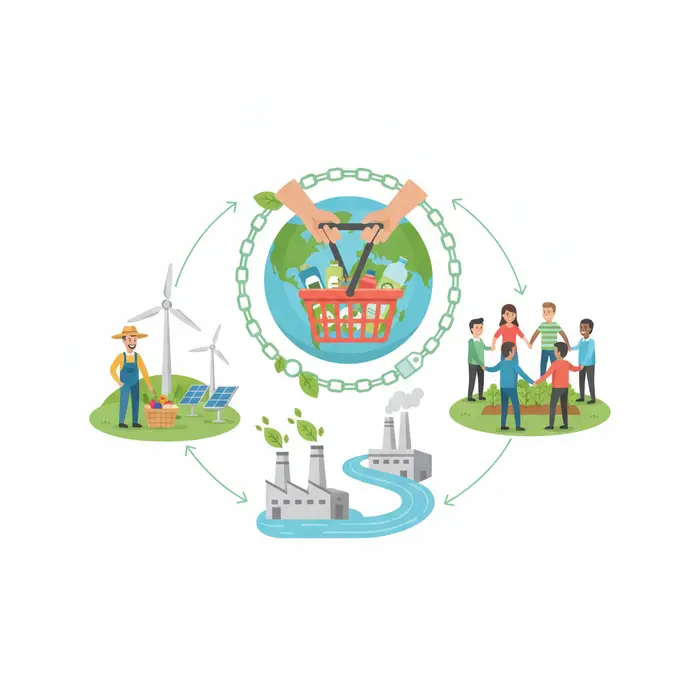
The shift towards eco-friendly production and packaging represents a cornerstone of modern Sustainable FMCG Sourcing. Consumers are increasingly scrutinizing product origins and packaging impacts, pushing brands to innovate. This trend manifests in several ways: the adoption of renewable energy sources in manufacturing, optimization of water usage, and reduction of waste generation through lean production processes. In packaging, the focus is squarely on circularity – embracing materials that are recyclable, compostable, or reusable. This includes exploring novel bio-based plastics, plant-derived packaging, and minimalist designs that reduce material consumption. Brands are investing in research and development to replace single-use plastics with sustainable alternatives, recognizing that innovative packaging not only appeals to eco-conscious consumers but also future-proofs their operations against impending plastic taxes and bans. The evolving Global Food & Beverage Trade Outlook clearly indicates a preference for products with a lower environmental footprint, making eco-conscious production and packaging a vital competitive differentiator.
2. Ethical Labor & Fair Trade Compliance
Beyond environmental considerations, ethical labor practices and fair trade compliance are non-negotiable components of responsible FMCG sourcing. The complex and often opaque nature of global supply chains makes oversight challenging, yet essential. Companies are under immense pressure to ensure that their products are not linked to forced labor, child labor, or unsafe working conditions. This requires rigorous due diligence, transparent auditing, and collaboration with suppliers to uphold international labor standards. Implementing fair trade principles, such as fair wages, safe workplaces, and community development support, especially in developing countries where many raw materials originate, is becoming a benchmark for ethical conduct. For businesses engaged in Import Export Market Analysis FMCG, understanding and adhering to these ethical standards is crucial for market access and reputation management. Integrating ethical labor considerations into B2B FMCG Procurement Strategies involves partner selection based on robust social responsibility credentials and continuous monitoring. According to the Fairtrade Impact Report 2023, such practices not only improve the lives of farmers and workers but also contribute significantly to the stability and ethical integrity of the entire supply chain.
3. Circular Economy Principles in FMCG
Embracing circular economy principles represents a paradigm shift from the traditional linear ‘take-make-dispose’ model to one that maximizes resource utility and minimizes waste. In the FMCG sector, this means designing products and processes with an emphasis on durability, reusability, recyclability, and biodegradability. It involves rethinking packaging to facilitate easy return and refilling, developing products from recycled content, and even creating reverse logistics systems to recover end-of-life products. For example, some brands are exploring subscription models for durable goods or offering refill stations for household products, drastically cutting down on single-use packaging. Implementing these principles effectively requires innovative B2B FMCG Procurement Strategies that prioritize suppliers capable of contributing to a closed-loop system. This holistic approach not only addresses environmental concerns but also drives innovation, reduces material costs in the long run, and significantly bolsters FMCG Supply Chain Resilience by reducing dependency on virgin resources and volatile supply markets. Ultimately, embedding circular economy thinking into sustainable FMCG sourcing is crucial for achieving long-term environmental stewardship and economic sustainability.
The journey toward fully sustainable and ethical FMCG sourcing is ongoing, requiring continuous investment, collaboration, and innovation. By prioritizing eco-friendly production and packaging, ensuring ethical labor and fair trade compliance, and adopting circular economy principles, FMCG companies can not only meet current consumer and regulatory demands but also forge a more resilient, responsible, and profitable future for the entire industry.
The global food and beverage sector stands at a pivotal juncture, navigating a complex web of geopolitical shifts, technological advancements, and evolving consumer demands. As we look towards 2025, the international trade landscape for food and beverage products promises both significant opportunities and formidable challenges. Understanding these dynamics is crucial for businesses aiming to thrive in an increasingly interconnected world. Key to success will be a laser focus on FMCG Supply Chain Resilience, ensuring robust and adaptable systems capable of withstanding disruptions while capitalizing on emerging trends in the Global Food & Beverage Trade Outlook. This outlook delves into the intricate mechanisms of international trade, spotlighting areas of growth, regulatory hurdles, and the strategic importance of regional collaborations.
1. Emerging Markets & Growth Opportunities
The allure of emerging markets continues to be a primary driver for growth in the global food and beverage trade. Regions like Southeast Asia, parts of Latin America, and increasingly, specific African nations are demonstrating robust economic growth, rising disposable incomes, and rapidly urbanizing populations. This demographic shift fuels demand for diversified food products, including processed foods, health-oriented options, and international cuisines. For instance, countries such as Vietnam, Indonesia, and the Philippines are not only significant producers but also burgeoning consumer markets, presenting dual opportunities for both export and import. The expanding middle class in these areas is gravitating towards convenient, high-quality, and often imported food and beverage items, propelling demand for everything from dairy products and confectionery to specialty ingredients. Businesses engaging in Import Export Market Analysis FMCG must keenly monitor shifts in consumer preferences, distribution networks, and e-commerce penetration within these markets to unlock their full potential. Furthermore, a deeper dive into these markets often reveals niche opportunities for products that align with local cultural tastes or address specific nutritional needs.
2. Regulatory Changes & Compliance Challenges
Navigating the labyrinth of international regulations is perhaps one of the most significant challenges in the food and beverage trade. As global concerns intensify around food safety, environmental sustainability, and ethical sourcing, governments worldwide are enacting stricter rules. These include more stringent labeling requirements for allergens, nutritional content, and origin, as well as evolving standards for pesticide residues, genetically modified organisms (GMOs), and food additives. The push for greater transparency across the entire supply chain also means increased scrutiny over production methods and ingredient sourcing. For companies involved in B2B FMCG Procurement Strategies, this translates into a heightened need for diligent compliance management, robust documentation, and potentially, significant investments in new processing technologies or certifications. Failure to comply can result in hefty fines, product recalls, and severe damage to brand reputation. Staying abreast of these dynamic regulatory landscapes, often necessitating legal and scientific expertise, is paramount for maintaining uninterrupted trade flows. The World Trade Organization (WTO) continually updates its members on various trade policy developments, underscoring the dynamic nature of global trade rules, as highlighted in WTO’s analysis on global trade trends.
3. Regional Trade Blocs & Agreements
Regional trade blocs and bilateral agreements continue to reshape the global food and beverage trade architecture by facilitating preferential access to markets, reducing tariff and non-tariff barriers, and often harmonizing regulatory standards. Groups like the European Union (EU), the Comprehensive and Progressive Agreement for Trans-Pacific Partnership (CPTPP), and the African Continental Free Trade Area (AfCFTA) are creating significant trade corridors. These agreements offer distinct advantages, such as lower import duties and simplified customs procedures, making cross-border trade more efficient and cost-effective for member states. For businesses, understanding the nuances of these agreements is vital for optimizing Sustainable FMCG Sourcing and distribution strategies. For instance, preferential tariffs can make products from a partner country more competitive, influencing procurement decisions and supply chain configurations. Conversely, non-member countries might face higher barriers, requiring alternative strategies or market penetration approaches. The ongoing evolution of these blocs, with new agreements constantly being negotiated and existing ones refined, demands continuous monitoring to leverage potential benefits and mitigate competitive disadvantages.
The 2025 outlook for global food and beverage trade is characterized by a blend of opportunity and complexity. While emerging markets offer lucrative growth prospects, the sector must contend with an intricate and ever-evolving regulatory environment. The strategic significance of regional trade agreements cannot be overstated, as they continue to shape market access and competitive dynamics. Businesses that prioritize FMCG Supply Chain Resilience, invest in thorough Import Export Market Analysis FMCG, adapt their B2B FMCG Procurement Strategies to regulatory shifts, and embrace Sustainable FMCG Sourcing practices will be best positioned to navigate these currents and unlock sustainable growth in the years ahead. Agility, foresight, and a commitment to global standards will be the hallmarks of success in this vibrant and essential industry.
Optimizing B2B FMCG Procurement Strategies
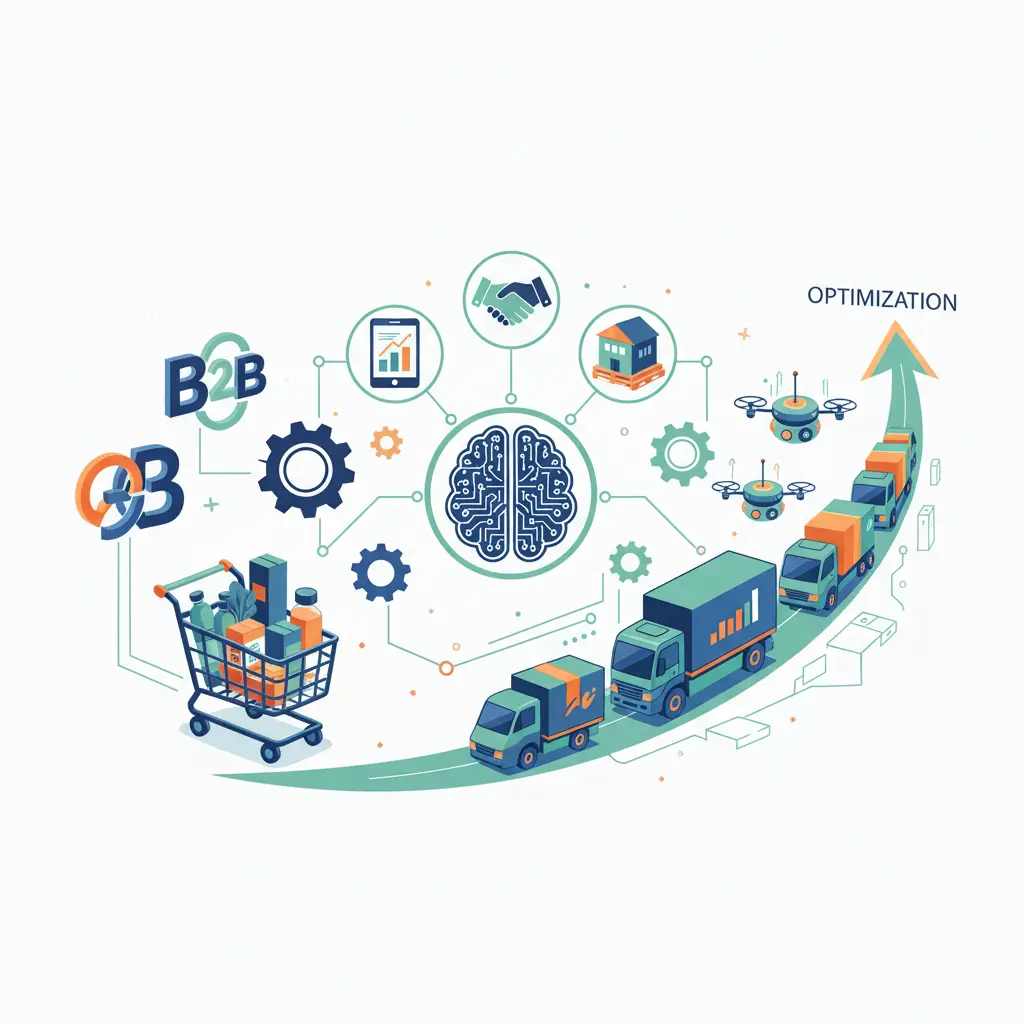
In the fast-paced and ever-evolving landscape of Fast-Moving Consumer Goods (FMCG), effective procurement is not merely about cost-cutting; it’s a strategic imperative for ensuring FMCG Supply Chain Resilience. Businesses require advanced procurement methodologies and best practices to secure an efficient, cost-effective, and sustainable supply of FMCG products. This involves navigating complex global markets, understanding the nuances of Import Export Market Analysis FMCG, and adopting innovative strategies to mitigate risks and capitalize on opportunities. From fostering Sustainable FMCG Sourcing to leveraging data for smarter decisions, optimizing B2B FMCG procurement is crucial for competitive advantage and long-term success.
1. Strategic Supplier Partnerships & Collaboration
Moving beyond transactional relationships, modern B2B FMCG procurement emphasizes building deep, strategic partnerships with suppliers. This approach fosters mutual trust, transparency, and shared goals, leading to enhanced stability and innovation within the supply chain. Collaborative relationships enable joint planning, risk sharing, and problem-solving, which are vital for navigating market volatility and disruptions. By working closely with key suppliers, businesses can co-create value, optimize inventory management, and gain preferential access to critical resources, especially in times of scarcity. Embracing Sustainable FMCG Sourcing practices becomes more achievable through these partnerships, as companies can collectively invest in ethical labor practices, environmental stewardship, and responsible material sourcing. This collaborative framework ensures not only a reliable supply but also promotes innovation, allowing for the introduction of new products and processes that meet evolving consumer demands and regulatory requirements.
2. Data-Driven Procurement Decisions
The digital age has transformed procurement into a data-intensive function, where informed decisions are paramount. Leveraging advanced analytics and real-time data empowers procurement teams to gain deeper insights into market trends, supplier performance, and internal demand patterns. Data-driven procurement enables more accurate demand forecasting, helping to prevent stockouts or overstocking, and optimizes inventory levels. By analyzing historical purchasing data, market intelligence, and Import Export Market Analysis FMCG, businesses can identify cost-saving opportunities, negotiate better terms, and identify potential supply chain risks before they materialize. Furthermore, insights from the Global Food & Beverage Trade Outlook and other economic indicators can inform strategic sourcing decisions, helping companies adapt to shifts in global trade policies, commodity prices, and regional supply capabilities. This analytical approach minimizes guesswork, enhances efficiency, and fortifies the overall resilience of the FMCG supply chain.
3. Cost Optimization vs. Value Creation
While cost reduction remains a core objective, effective B2B FMCG procurement transcends mere price negotiations. A strategic approach focuses on total cost of ownership (TCO) and value creation across the entire supply chain. This means considering not just the unit price, but also factors like lead times, quality, reliability, supplier innovation capabilities, and the environmental and social impact of sourcing decisions. True cost optimization involves understanding the long-term implications of procurement choices, such as reducing waste, improving product quality, and enhancing brand reputation through responsible sourcing. By prioritizing value creation, businesses can secure a stable supply of high-quality goods, foster innovation, and build a more resilient and agile supply chain capable of responding to disruptions. Ultimately, these advanced B2B FMCG Procurement Strategies contribute significantly to sustained profitability and competitive differentiation, reinforcing overall FMCG Supply Chain Resilience rather than just short-term savings.
Partner with Vietnam’s Leading Suppliers
Looking for reliable suppliers in Vietnam? Contact VietnamSuppliers.com today to connect with verified manufacturers and exporters across all industries.
—————————————
References
– WTO Report on Global Trade Outlook: https://www.wto.org/english/news_e/pres24_e/pr954_e.htm
– McKinsey: Supply chain resilience in FMCG: Strategies for the next normal: https://www.mckinsey.com/capabilities/operations/our-insights/supply-chain-resilience-in-fmcg-strategies-for-the-next-normal
– Fairtrade Impact Report 2023 Reveals Continued Progress Towards Living Incomes and Wages: https://www.fairtrade.net/newsroom/latest-news/fairtrade-impact-report-2023-reveals-continued-progress-towards-living-incomes-and-wages
– WTO’s analysis on global trade trends: https://www.wto.org/english/news_e/pres22_e/pr900_e.htm
– World Trade Organization (WTO) Press Release on World Trade Statistical Review 2023: https://www.wto.org/english/res_e/statis_e/wts2023_e/wto_press_23_e.htm

