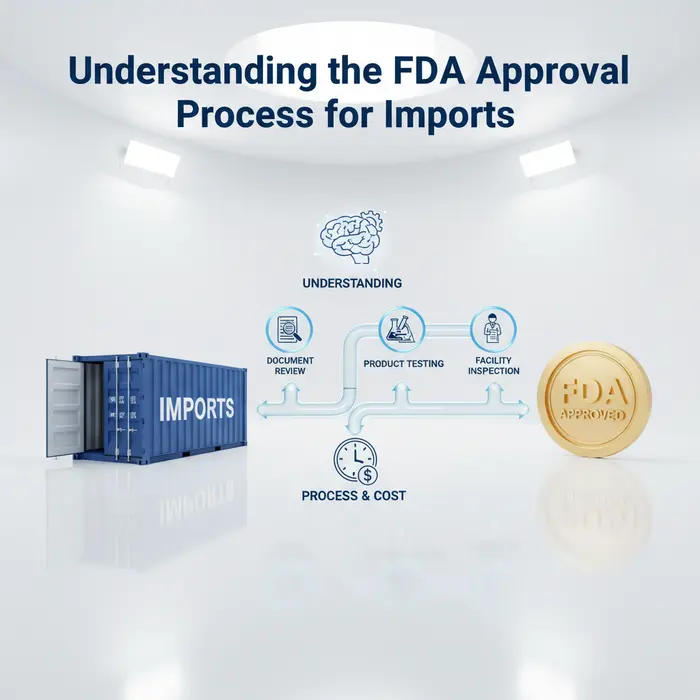
Understanding the FDA Approval Process for Imports
For businesses looking to introduce products to the lucrative U.S. market, navigating the FDA approval process for import is not merely a bureaucratic hurdle—it’s a critical gateway to success. The U.S. Food and Drug Administration (FDA) is tasked with safeguarding public health by ensuring the safety, efficacy, and security of human and veterinary drugs, biological products, medical devices, our nation’s food supply, cosmetics, and products that emit radiation. For imported goods, adherence to FDA regulations is not just important; it’s absolutely essential for market access, consumer trust, and avoiding costly disruptions.
1. What is FDA Approval for Imports?
While often generalized, “FDA approval” has specific meanings by product category. For most food, dietary supplements, and cosmetics, the FDA does not issue pre-market ‘approval.’ Instead, market entry relies on compliance with regulations, facility registration, product listing (where applicable), and adherence to manufacturing and labeling standards. Importers and manufacturers are responsible for meeting all FDA import requirements prior to U.S. shipment.
Conversely, new drugs and medical devices demand actual pre-market approval or clearance, involving rigorous scientific review and clinical trials to ensure safety and effectiveness. Regardless of the product, the FDA’s core mission for imports is to confirm foreign goods meet the same stringent standards as domestic ones, ensuring safety, wholesomeness, proper labeling, and adherence to good manufacturing practices.
2. Why FDA Compliance is Non-Negotiable
Ignoring or misunderstanding FDA regulations can lead to severe consequences. Non-compliant products face immediate detention or refusal at U.S. ports, incurring significant financial losses from storage, re-exportation, or destruction. Persistent non-compliance can trigger import alerts, placing firms on a “red list” for automatic detention, effectively barring market access.
Beyond financial impact, FDA compliance is crucial for consumer health and safety. The agency’s rigorous standards prevent unsafe products from reaching the public. Failing to comply risks legal penalties—fines, injunctions, product seizures—and irreparable brand reputation damage. For example, FDA registered manufacturers Vietnam exporting food must prioritize FDA compliance for food exports to maintain credibility and market access. Strong compliance ensures smoother customs clearance, reduces delays, and builds long-term trust.
3. Key Regulations Governing Imported Products
Navigating the landscape of FDA regulations requires a comprehensive understanding of several key acts and programs:
- Food Safety Modernization Act (FSMA): This 2011 act prioritizes preventing food contamination over responding to it. A key component for importers is the Foreign Supplier Verification Programs (FSVP) rule, requiring U.S. importers to verify foreign suppliers meet U.S. public health standards. This is vital for FDA compliance for food exports.
- Facility Registration: Most foreign food, drug, and medical device facilities exporting to the U.S. must register with the FDA, with regular renewals (often annually/biennially).
- Prior Notice: Food importers must submit “Prior Notice” to the FDA before goods arrive at a U.S. port, enabling risk assessment and potential inspections.
- Labeling Requirements: All imported products must meet strict FDA labeling regulations, which vary by product. Labels need to be truthful, non-misleading, and include mandatory information like ingredients, net quantity, manufacturer details, and allergen declarations for food.
- Good Manufacturing Practices (GMP): While not always explicitly ‘approved,’ adherence to Good Manufacturing Practices (GMPs) is expected across drugs, medical devices, and often for food/dietary supplements, ensuring consistent quality and safety.
- Import Alerts: FDA issues Import Alerts for products or firms posing potential problems, leading to detention without physical examination. Understanding these is crucial for avoiding detentions and managing the FDA approval timeline for your shipments.
Staying informed and proactively engaging with these regulations is paramount for any business aiming to successfully bring imported products to the U.S. market.
Essential FDA Import Requirements & Documentation
Navigating the complex landscape of U.S. import regulations is crucial for any business looking to bring goods into the country. Among these, compliance with the U.S. Food and Drug Administration (FDA) stands as a paramount concern, particularly for products ranging from food and beverages to pharmaceuticals, medical devices, and cosmetics. Understanding the FDA approval process for import is not merely a formality but a critical prerequisite to avoid costly delays, detentions, or even refusal of entry. This section dives into the specific paperwork, certifications, and prerequisites needed to legally bring various goods into the United States, covering crucial steps for robust FDA import requirements.
1. Registration and Listing Obligations
One of the foundational steps for many FDA-regulated products is ensuring that the foreign manufacturer or facility is properly registered with the FDA. This obligation applies to a wide range of products:
- Food Facilities: All domestic and foreign facilities that manufacture, process, pack, or hold food for consumption in the U.S. must register with the FDA. This registration must be renewed biennially during even-numbered years. For instance, ensuring compliance for FDA registered manufacturers Vietnam exporting food products is vital.
- Drug Establishments: Manufacturers, repackers, and relabelers of human and animal drugs must register their establishments and list all drug products they manufacture, prepare, propagate, compound, or process for commercial distribution in the U.S.
- Medical Device Establishments: Manufacturers, initial importers, and various other entities involved in the production and distribution of medical devices intended for use in the U.S. must register their establishments and list their devices.
- Cosmetic and Tobacco Products: While not typically subject to mandatory facility registration, voluntary programs exist for cosmetics, and specific regulations apply to tobacco product manufacturers.
Proper registration and listing ensure that the FDA has a record of the entities and products it regulates, facilitating communication and oversight. Failure to register or maintain accurate listings can lead to product detention and refusal of entry.
2. Prior Notice for Food Shipments and Other Goods
Enacted under the Public Health Security and Bioterrorism Preparedness and Response Act of 2002 (the Bioterrorism Act), the requirement for Prior Notice is a critical component of FDA import controls, especially for food products. Prior Notice means that the FDA must be electronically notified of an impending shipment of food for humans or animals before it arrives at a U.S. port of entry.
- Who Must Submit: The Prior Notice must be submitted by the owner, consignee, or importer of the article, or an agent of one of these parties.
- When to Submit: The timing is crucial. For shipments arriving by land, Prior Notice must be submitted no less than two hours before arrival. For air cargo, it’s four hours. For sea cargo or international mail, it’s eight hours. No Prior Notice can be submitted more than 15 days before arrival.
- Purpose: This requirement allows the FDA to conduct risk-based assessments of incoming food shipments to help protect the U.S. food supply from intentional contamination or other health threats. It’s a cornerstone of FDA compliance for food exports, irrespective of the country of origin.
While primarily associated with food, other FDA-regulated products may have specific notification or pre-market approval requirements that serve a similar function to Prior Notice, though under different regulatory frameworks.
3. Required Import Documents and Declarations
Successfully clearing U.S. Customs and FDA requires a comprehensive set of documents and accurate declarations. Beyond standard customs paperwork like the Commercial Invoice, Packing List, and Bill of Lading (or Air Waybill), FDA-regulated products demand additional specific information:
- FDA Product Codes: Each imported FDA-regulated product must be identified by a specific FDA product code, which categorizes the item based on its type, intended use, and other characteristics. Accurate coding is essential for FDA to process entries efficiently.
- Intended Use: For many products, particularly medical devices and drugs, a clear declaration of intended use is required to determine the appropriate regulatory pathway and classification.
- Manufacturer’s Information: Detailed information about the foreign manufacturer, including their FDA registration number (if applicable), is mandatory.
- Certifications and Analyses: Depending on the product, certifications such as Certificates of Analysis (COAs) for certain chemicals or food additives, or Free Sale Certificates for medical devices, may be required or highly beneficial to demonstrate compliance.
- Entry Type Specifics: Importers must choose the correct entry type (e.g., consumption entry, informal entry) and complete FDA-specific data fields within the Automated Commercial Environment (ACE) system, which is the primary system for all trade data.
- Declaration of Compliance: Importers must declare that their products comply with all applicable FDA laws and regulations. This can involve specifying Good Manufacturing Practices (GMP) adherence or other regulatory standards.
Working with an experienced customs broker specializing in FDA-regulated goods can significantly streamline this process and help avoid pitfalls that can delay your shipments. Diligence in preparing all required documentation correctly from the outset is paramount for an efficient FDA approval timeline and seamless entry into the U.S. market.
In summary, successful importation of FDA-regulated products into the U.S. necessitates a proactive approach to understanding and adhering to a multi-faceted set of regulations. From initial facility registration and timely prior notice submission to meticulous documentation, each step is critical to ensure compliance and avoid costly disruptions to your supply chain.
Navigating FDA Compliance for Specific Product Categories
Understanding and adhering to U.S. Food and Drug Administration (FDA) regulations is paramount for any business aiming to import goods into the United States. However, the path to compliance is far from uniform; it dramatically shifts depending on the product category. What applies to a food item will differ significantly from a medical device or a cosmetic product. For businesses involved in global trade, particularly those looking to navigate the FDA approval process for import, recognizing these category-specific nuances is critical to avoid costly delays, rejections, or even legal repercussions. This section explores how FDA compliance varies, highlighting the distinct FDA import requirements and regulatory frameworks for food, medical devices, and other regulated products, ensuring a smoother entry into the U.S. market.
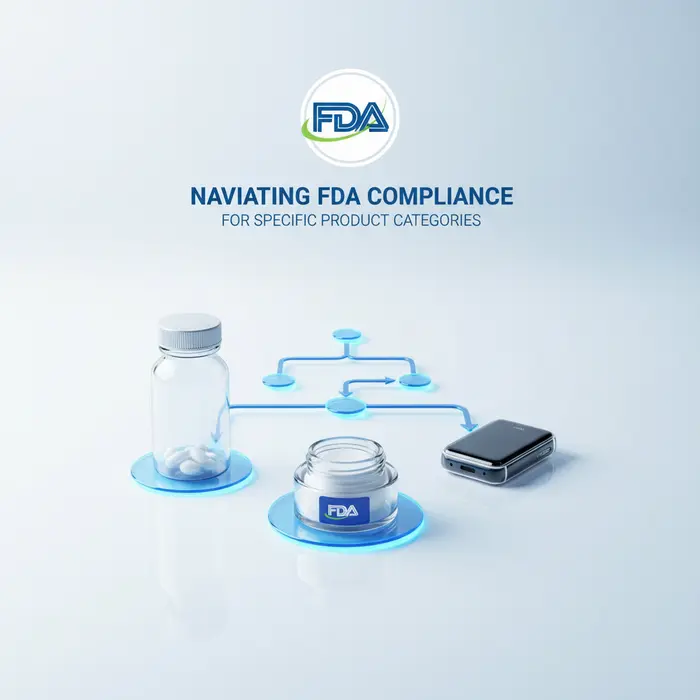
1. FDA Compliance for Food Exports: Safety Standards and Labeling
For food products intended for export to the U.S., FDA compliance for food exports primarily revolves around ensuring public health and safety. The cornerstone of this regulation is the Food Safety Modernization Act (FSMA), which empowers the FDA to prevent foodborne illnesses rather than just responding to them. Importers and foreign suppliers must comply with various aspects, including:
- Facility Registration: Food facilities (manufacturers, processors, packers, storage facilities) must register with the FDA. This registration must be renewed biennially.
- Hazard Analysis and Risk-Based Preventive Controls (HARPC): Most food facilities must implement a HARPC plan, similar in concept to HACCP, to identify and mitigate potential hazards.
- Foreign Supplier Verification Programs (FSVP): U.S. importers are responsible for verifying that their foreign suppliers meet U.S. food safety standards.
- Labeling Requirements: Food labels must adhere to strict guidelines concerning nutrition facts, ingredient lists, allergen declarations, and appropriate product names. Misbranded or adulterated food will be denied entry.
These stringent standards necessitate thorough documentation and adherence to Good Manufacturing Practices (GMPs) throughout the supply chain, ensuring that imported food products are safe for U.S. consumers.
2. Medical Devices: Premarket Notification and Approval Pathways
Medical devices face one of the most rigorous FDA approval processes due to their direct impact on health and safety. The FDA classifies devices into three categories based on risk:
- Class I (Low Risk): Subject to General Controls (e.g., proper labeling, GMP, facility registration). Many Class I devices are exempt from premarket notification.
- Class II (Moderate Risk): Require General Controls and Special Controls (e.g., performance standards, postmarket surveillance). Most Class II devices need a 510(k) Premarket Notification, demonstrating substantial equivalence to a legally marketed predicate device.
- Class III (High Risk): Devices that support or sustain human life, are of substantial importance in preventing impairment of human health, or present a potential unreasonable risk of illness or injury. These typically require a Premarket Approval (PMA) application, which involves extensive clinical data and scientific review to establish safety and effectiveness.
Manufacturers, including potential FDA registered manufacturers Vietnam, must also comply with Quality System Regulation (QSR) requirements, outlining GMP for medical devices. The FDA approval timeline for medical devices can range from a few months for a 510(k) to several years for a PMA, underscoring the complexity and investment required.
3. Cosmetics and Pharmaceuticals: Specific Guidelines
While often grouped, cosmetics and pharmaceuticals have vastly different regulatory landscapes under the FDA.
- Cosmetics: The FDA’s authority over cosmetics is significantly less stringent than for food or drugs. Cosmetic products and ingredients do not require FDA premarket approval, except for color additives. Manufacturers are not required to register their facilities or file product formulas. However, cosmetics must be safe for their intended use and properly labeled. Misleading claims or adulterated products can lead to enforcement actions, including import refusal.
- Pharmaceuticals (Drugs): Drugs, on the other hand, undergo the most stringent FDA review. Before a drug can be marketed in the U.S., it must go through extensive pre-clinical and clinical testing to prove its safety and efficacy. This culminates in either a New Drug Application (NDA) for novel drugs or an Abbreviated New Drug Application (ANDA) for generic drugs. Manufacturers must adhere to strict Current Good Manufacturing Practice (CGMP) regulations, and facilities are subject to regular FDA inspections. The approval process is lengthy and costly, reflecting the high stakes involved in ensuring drug safety and effectiveness for public consumption.
Each product category demands a unique understanding and strategic approach to FDA compliance. Businesses must invest in comprehensive regulatory research and, often, expert consultation to successfully navigate the intricate requirements and ensure their products lawfully and safely enter the U.S. market.
The FDA Approval Timeline & What to Expect
Navigating the U.S. Food and Drug Administration (FDA) approval process for imported goods can be a labyrinthine journey, often more complex than a simple one-time “approval.” For businesses aiming to bring products into the U.S. market, particularly from key manufacturing hubs like Vietnam, understanding the intricate FDA import requirements and the typical duration of the FDA approval process for import is paramount. This section delves into the stages of FDA review, highlights common pitfalls leading to delays, and offers proactive strategies to ensure smoother, faster customs clearance and continuous compliance.
It’s crucial to recognize that for many imported products, the FDA doesn’t issue a singular “approval” certificate prior to entry. Instead, it operates on a system of continuous compliance, screening products at the border to ensure they meet U.S. health and safety standards. This ongoing scrutiny necessitates a thorough understanding of regulations from the outset, especially for categories like food, drugs, medical devices, and cosmetics.
1. Stages of the Import Review Process
The journey of an imported product through FDA scrutiny typically involves several key stages, starting from its arrival at a U.S. port of entry:
- Entry Review and Prior Notice Submission: When goods arrive, U.S. Customs and Border Protection (CBP) collaborates with the FDA. For many product types, such as food, a “Prior Notice” must be submitted to the FDA before the goods arrive. This notice provides essential information about the product, manufacturer, and shipper.
- Automated Screening (PREDICT System): The FDA utilizes an automated screening tool known as PREDICT (Predictive Risk-based Evaluation for Dynamic Import Compliance Targeting). This system analyzes data from the prior notice, entry documents, and historical compliance records to assess the risk associated with an import. High-risk shipments are flagged for further review.
- Documentary Review: FDA import specialists review submitted electronic and paper documents. They look for compliance with labeling requirements, proper registration of foreign facilities (e.g., FDA registered manufacturers Vietnam), and accuracy of product information.
- Physical Examination and Sampling: If a shipment is flagged by PREDICT or during documentary review, it may be held for physical examination and/or sampling. FDA inspectors will verify product integrity, labeling, and other physical attributes. Samples may be sent to FDA laboratories for analysis to confirm ingredients, ensure purity, and check for contaminants.
- Laboratory Analysis: If samples are taken, they undergo rigorous testing to ensure compliance with U.S. standards. This can be the most time-consuming part of the process, depending on the nature of the product and the tests required.
- Decision and Disposition: Based on the review, examination, and laboratory results, the FDA makes a decision:
- May Proceed: The goods are released to the importer.
- Detention: The goods are held due to potential violations. The importer is given an opportunity to provide evidence of compliance or bring the product into compliance.
- Refusal: If violations are confirmed and cannot be resolved, the goods are refused entry and must be re-exported or destroyed.
2. Common Reasons for Delays and Detentions
Understanding the typical FDA approval timeline involves acknowledging that it’s rarely linear. Several common issues can lead to significant delays and even detention or refusal of entry:
- Incomplete or Inaccurate Documentation: Errors in prior notice, missing invoices, incorrect product codes, or insufficient information about the foreign manufacturer are frequent culprits.
- Non-Compliance with Labeling Requirements: This is a major source of issues, especially for food and dietary supplements. Incorrect ingredient lists, missing allergen declarations, improper nutritional facts panels, or non-English labeling can lead to immediate detention.
- Adulteration or Misbranding: Products found to contain contaminants (e.g., pesticides, heavy metals, undeclared drugs), unapproved food additives, or those making false or misleading claims (misbranding) will be detained.
- Unregistered Facilities: Many foreign manufacturers of FDA-regulated products (e.g., food, drugs, medical devices) must be registered with the FDA. Forgetting to register or maintain an active registration for facilities, including FDA registered manufacturers Vietnam, is a guaranteed path to detention.
- Import Alerts: If a specific product, manufacturer, or country has a history of non-compliance, they may be placed on an FDA Import Alert. This results in automatic detention without physical examination, significantly increasing scrutiny and delays.
- Lack of Adherence to Specific Regulations: For instance, failure to meet the requirements of the Food Safety Modernization Act (FSMA) for food products, or Good Manufacturing Practices (GMP) for drugs and devices, can halt an import.
3. Proactive Strategies to Expedite FDA Approval
While the FDA approval timeline can be unpredictable, proactive measures can significantly mitigate risks and expedite the process:
- Thorough Due Diligence on Suppliers: Vet your foreign suppliers meticulously. Ensure they understand and comply with U.S. FDA regulations, especially concerning FDA compliance for food exports. Verify their registration status and quality control systems.
- Pre-Compliance Checks: Do not wait until products reach the border. Conduct comprehensive checks on product formulation, ingredients, and labeling against FDA standards *before* shipment. This includes ensuring correct nutritional information, allergen declarations, and appropriate health claims.
- Accurate and Complete Documentation: Ensure all required documents—prior notice, entry forms, invoices, bills of lading, and product specifications—are meticulously prepared, accurate, and submitted on time. Consider using experienced customs brokers specializing in FDA-regulated imports.
- Maintain Facility Registration: Confirm that all foreign manufacturing facilities are properly registered with the FDA and that their registration is current and active. This is a non-negotiable step for many product categories and directly impacts FDA import requirements.
- Robust Quality Assurance (QA) Programs: Implement strict QA protocols throughout the supply chain, from raw material sourcing to final packaging. This helps prevent adulteration and ensures product integrity.
- Stay Informed on Regulations: FDA regulations evolve. Regularly check for updates on specific product categories and import policies. The FDA’s website, particularly its Import Program page, is an invaluable resource.
- Engage Regulatory Experts: For complex products or if you are new to importing, consider consulting with FDA regulatory specialists or attorneys. Their expertise can help navigate intricate requirements and prevent costly mistakes.
By implementing these proactive strategies, businesses can significantly reduce the risk of delays and detentions, making the FDA approval process for import a more predictable and manageable aspect of their supply chain. Continuous vigilance and a commitment to compliance are the cornerstones of successful importation into the U.S. market.
Partnering for Success: Manufacturers & Ongoing Compliance
In the intricate world of international trade, the smooth flow of goods into the United States hinges significantly on the diligence and compliance of foreign manufacturers. For importers, understanding and navigating the FDA approval process for import is not merely a bureaucratic hurdle, but a foundational element for ensuring product safety, quality, and market access. Establishing robust partnerships with manufacturers who prioritize and actively maintain U.S. Food and Drug Administration (FDA) compliance is paramount, transforming potential complexities into a streamlined, successful import journey. This proactive engagement is key to mastering the nuances of the FDA approval process for import, ensuring your products meet every standard.
1. Importance of FDA Registered Manufacturers (e.g., Vietnam)
The first and arguably most critical step in de-risking your import operations is to partner with manufacturers already registered with the FDA. This is particularly relevant for sourcing from dynamic regions like Vietnam, where an increasing number of facilities are meeting stringent international standards. Opting for FDA registered manufacturers Vietnam means collaborating with entities that have demonstrated their commitment to U.S. regulatory frameworks. Registration signifies that the facility is known to the FDA, simplifying import alerts and inspections, and providing a level of assurance regarding their manufacturing practices. These manufacturers are typically more familiar with Good Manufacturing Practices (GMPs) and other relevant regulations, minimizing the likelihood of detained shipments, costly rejections, or even product recalls that can severely damage an importer’s reputation and bottom line. Moreover, working with pre-vetted, registered partners significantly accelerates the overall import timeline and reduces administrative burdens for the importer.

2. Supply Chain Due Diligence and Audits
While FDA registration is a strong indicator, it is not a substitute for comprehensive supply chain due diligence. Importers must go beyond basic registration to conduct thorough vetting and periodic audits of their manufacturing partners. This proactive approach ensures that the products consistently meet all FDA import requirements from raw material sourcing to final packaging. Due diligence includes reviewing quality control procedures, production records, sanitation protocols, and staff training. Regular on-site audits, whether conducted by the importer directly or through a reputable third-party service, provide invaluable transparency into the manufacturer’s operations. These audits help identify potential weaknesses or non-compliance issues before they escalate, allowing for corrective actions to be implemented proactively. This continuous vigilance builds a resilient supply chain, protects against unforeseen disruptions, and reinforces consumer confidence in the imported products.
3. Maintaining Ongoing Compliance and Updates
FDA regulations are dynamic, constantly evolving to address new scientific understanding, emerging risks, and public health concerns. Therefore, maintaining ongoing compliance is not a one-time achievement but a continuous commitment. Both the foreign manufacturer and the U.S. importer share the responsibility of staying abreast of these changes. This includes monitoring updates to labeling requirements, ingredient restrictions, testing protocols, and documentation standards. Proactive communication between partners is essential, ensuring that any regulatory changes are swiftly integrated into manufacturing processes and product specifications. For instance, adapting to new guidelines for FDA compliance for food exports might involve updating packaging information or modifying ingredient lists. Failure to keep up can lead to shipments being held at the border, requiring costly rework or destruction, and impacting the FDA approval timeline for future imports and the overall FDA approval process for import. Resources like the FDA’s official import program guidance offer invaluable insights for continuous learning and adaptation. A proactive stance on compliance not only safeguards your business but also reinforces your commitment to delivering safe and high-quality products to the U.S. market.
In conclusion, successful importation into the U.S. market relies heavily on strategic partnerships with foreign manufacturers who are not only registered with the FDA but are also dedicated to continuous compliance. By integrating due diligence, regular audits, and proactive adaptation to evolving regulations, importers can navigate the complexities of the FDA approval process for import with greater efficiency and confidence, ultimately securing a reliable and compliant supply chain.
Partner with Vietnam’s Leading Suppliers
Looking for reliable suppliers in Vietnam? Contact VietnamSuppliers.com today to connect with verified manufacturers and exporters across all industries.
—————————————
References
– FDA’s Imports Program: https://www.fda.gov/industry/import-program-food-and-drug-administration
– Basics of Importing FDA-Regulated Products: https://www.fda.gov/industry/import-program-imports/basics-importing-fda-regulated-products
– FDA Imports Program: https://www.fda.gov/industry/import-program
– FDA Import Program: https://www.fda.gov/industry/import-program-imports
– FDA’s Getting Started with Imports: https://www.fda.gov/industry/import-program-food-and-drug-administration/getting-started-imports