The Imperative for Supply Chain Diversification in Asia
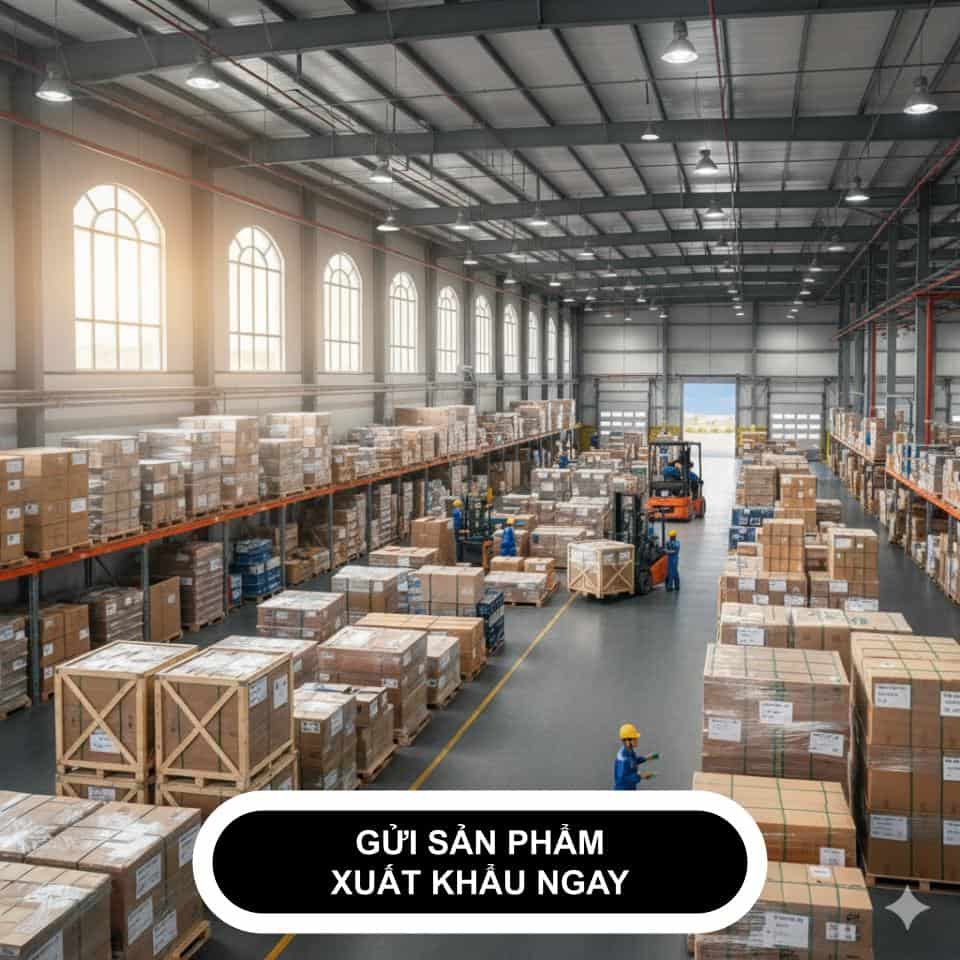
The global economic landscape is undergoing a profound transformation, marked by increased volatility, geopolitical rivalries, and a heightened awareness of systemic risks. For businesses operating within or relying on Asia’s robust manufacturing capabilities, the traditional model of concentrated supply chains is no longer sustainable. The urgent need for Supply Chain Diversification Asia has emerged as a strategic imperative, driving companies to re-evaluate their sourcing, manufacturing, and logistics networks to build resilience, mitigate risks, and ensure business continuity in an increasingly unpredictable world. This shift is not merely reactive but a proactive strategy to harness new opportunities and solidify future growth.
1.
Rising Geopolitical Tensions & Trade Wars Impact
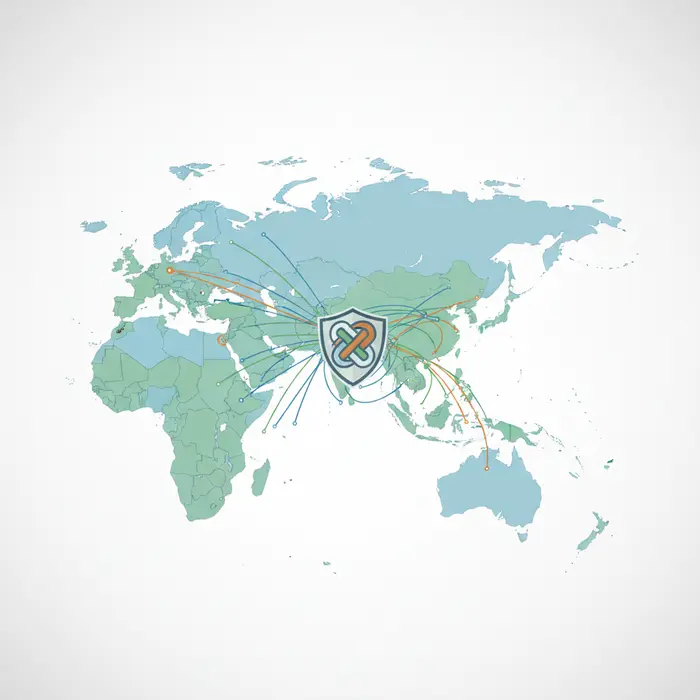
The past decade has witnessed a dramatic escalation of geopolitical tensions, most notably between the United States and China, fundamentally reshaping global trade dynamics. Successive trade wars, tariffs, and export controls have created an environment of uncertainty, compelling multinational corporations to reduce their over-reliance on single-country manufacturing bases. This “de-risking” strategy often involves moving production out of traditional hubs to diversify geographical exposure and avoid potential disruptions from political disputes or sanctions. The concept of “friend-shoring,” relocating supply chain operations to politically aligned countries, is gaining traction. In this evolving landscape, regional blocs like ASEAN have become increasingly attractive, with ASEAN trade agreements offering preferential access and stable regulatory environments. This fosters an ecosystem where new manufacturing hubs can thrive, reducing overall supply chain vulnerability to bilateral conflicts and providing a more predictable operational framework.
2.
Lessons from Recent Global Disruptions & Risks
The COVID-19 pandemic served as a stark, undeniable wake-up call, exposing the extreme fragility of highly concentrated global supply chains. Factory shutdowns, port congestions, and drastic labor shortages brought manufacturing and distribution to a standstill, resulting in unprecedented economic losses. Beyond the pandemic, incidents like the Suez Canal blockage and natural disasters have repeatedly demonstrated how single points of failure can cascade into global crises. These events underscore the absolute necessity of building redundancy and resilience. Consequently, businesses are actively engaged in sourcing new suppliers Asia, exploring alternative production sites, and building strategic inventory buffers. The development and enhancement of Southeast Asia logistics infrastructure — including improved port capacities, road networks, and digital customs processes — are crucial enablers for this diversification, allowing goods to flow more smoothly and efficiently across multiple production locations, as highlighted by the World Economic Forum.
3.
Balancing Cost Efficiency with Supply Resilience
Historically, the primary driver for global sourcing decisions was almost exclusively cost efficiency, leading many companies to establish deep concentrations in regions offering the lowest expenses. While cost remains vital, recent disruptions have forced a re-evaluation of this singular focus. The new paradigm demands a delicate balance between cost optimization and supply resilience. Companies are now willing to absorb slightly higher operational costs for enhanced security of supply and reduced risk exposure. This strategic pivot drives significant investment into emerging manufacturing powerhouses. For instance, Vietnam manufacturing hubs have become a prime destination, attracting foreign direct investment due to competitive labor costs, a growing skilled workforce, and favorable trade policies. Beyond geographical dispersal, leveraging advanced technologies like AI and blockchain for predictive analytics and transparent supply chain mapping is becoming essential. These tools help identify potential bottlenecks, optimize inventory across multiple locations, and facilitate rapid shifts between suppliers, ensuring the drive for Supply Chain Diversification Asia is both strategically sound and operationally effective. The ultimate goal is to create agile, multi-nodal supply chains that can withstand future shocks while maintaining competitive advantages.
Emerging Manufacturing Hubs: Beyond Traditional Centers
The global manufacturing landscape is undergoing a significant transformation, driven by geopolitical shifts, rising labor costs in traditional centers, and the imperative for Supply Chain Diversification Asia. Businesses are increasingly looking beyond established manufacturing giants like China to build more resilient, agile, and cost-effective supply chains. This strategic pivot has propelled several countries and regions in Southeast Asia into the spotlight, offering attractive incentives, improving infrastructure, and a growing skilled workforce. These emerging hubs are not merely alternatives but robust contenders, each bringing unique strengths to the table for companies seeking new sourcing opportunities and reduced dependency on single-country production.
1. Vietnam Manufacturing Hubs: Growth and Incentives
Vietnam has rapidly emerged as a powerhouse among new manufacturing destinations, becoming a premier choice for electronics, textiles, footwear, and furniture production. Its meteoric rise is attributed to a combination of strategic factors: a young, abundant, and increasingly skilled workforce, competitive labor costs, and a government highly committed to attracting foreign direct investment (FDI). The Vietnamese government offers substantial investment incentives, including corporate income tax exemptions and reductions, land lease fee waivers, and streamlined administrative procedures, particularly within its numerous industrial parks and economic zones. Key Vietnam manufacturing hubs like Ho Chi Minh City, Hanoi, Da Nang, and Hai Phong are continuously expanding, boasting improved logistics infrastructure and connectivity. Furthermore, Vietnam’s proactive engagement in global trade agreements, such as the Comprehensive and Progressive Agreement for Trans-Pacific Partnership (CPTPP) and the EU-Vietnam Free Trade Agreement (EVFTA), provides preferential market access, further enhancing its appeal as a manufacturing base. These ASEAN trade agreements solidify Vietnam’s position within regional and international supply chains, offering significant advantages for companies looking to export globally.
2. Thailand & Malaysia: Established Alternatives and Strengths
While Vietnam represents a newer wave, Thailand and Malaysia have long been established alternatives, offering mature industrial ecosystems and robust infrastructure. Thailand, often dubbed the “Detroit of Southeast Asia,” remains a dominant force in automotive manufacturing, alongside electronics, food processing, and petrochemicals. Its Eastern Economic Corridor (EEC) initiative is a cornerstone of its industrial strategy, attracting high-tech and value-added industries with significant investment privileges. Thailand benefits from a well-developed supply chain network and a skilled labor pool, albeit with slightly higher labor costs than some of its regional peers. Malaysia, on the other hand, excels in the electronics and electrical (E&E) sector, particularly in semiconductor manufacturing and assembly, as well as chemicals and medical devices. It boasts a highly educated workforce, strong R&D capabilities, and excellent logistical connectivity through its ports and airports. Both countries offer a stable regulatory environment and sophisticated support industries, making them attractive for companies seeking reliability and advanced manufacturing capabilities.
3. Indonesia & Philippines: Future Potential and Opportunities
Indonesia and the Philippines represent the next frontier of growth, offering immense future potential, particularly for companies focused on long-term expansion and leveraging vast domestic markets. Indonesia, the largest economy in Southeast Asia, provides access to a massive consumer base of over 270 million people. Its manufacturing sector, traditionally strong in textiles, automotive, and resource-based industries, is diversifying with significant government investment in infrastructure development across its sprawling archipelago. This focus on improving Southeast Asia logistics infrastructure is crucial for unlocking its full manufacturing potential and facilitating easier sourcing new suppliers Asia. Meanwhile, the Philippines is increasingly gaining traction beyond its dominant Business Process Outsourcing (BPO) industry. Its manufacturing sector, particularly in electronics, automotive parts, and food processing, is growing, supported by a young, English-speaking, and adaptable workforce. While infrastructure development is still a key focus, strategic economic zones and government incentives aim to attract more foreign investment. Companies exploring these markets can tap into significant growth opportunities, benefiting from evolving industrial policies and a large, dynamic labor pool, as highlighted by reports on regional economic growth and investment trends. The World Bank’s East Asia and Pacific Economic Update frequently underlines the robust growth and investment appeal of these developing nations, positioning them as vital future components of global supply chains.
Leveraging ASEAN Trade Agreements & Regional Blocs
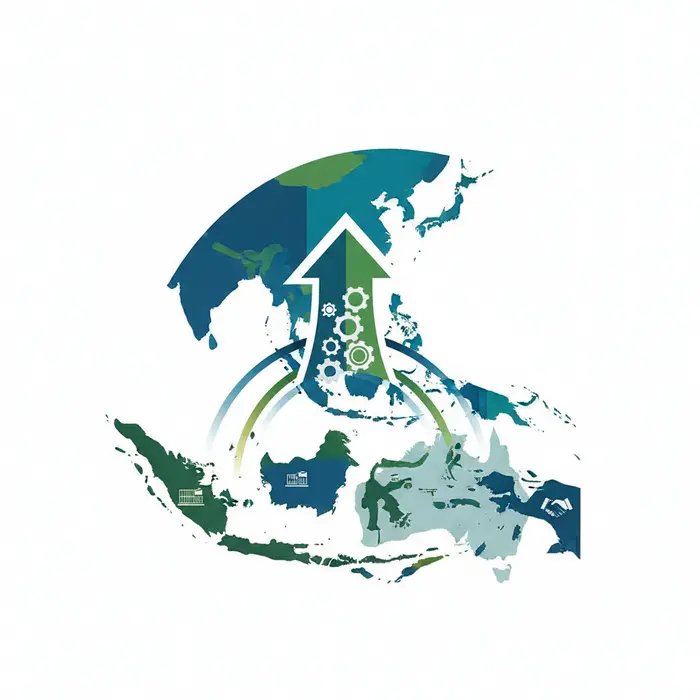
The global economic landscape is in constant flux, prompting businesses worldwide to re-evaluate their operational resilience and seek new avenues for growth. For many, Supply Chain Diversification Asia has emerged as a top strategic imperative. The ASEAN region, with its dynamic economies and strategic location, is at the forefront of this shift, offering a robust framework of trade agreements and regional blocs that significantly reduce trade barriers and facilitate expanded market access. By strategically leveraging these agreements, companies can mitigate risks associated with over-reliance on single markets, optimize costs, and tap into new growth opportunities across Southeast Asia.
1. Understanding RCEP & CPTPP Impacts on Trade
Two of the most impactful ASEAN trade agreements in the Asia-Pacific region are the Regional Comprehensive Economic Partnership (RCEP) and the Comprehensive and Progressive Agreement for Trans-Pacific Partnership (CPTPP). RCEP, encompassing all ten ASEAN members plus Australia, China, Japan, New Zealand, and South Korea, represents the world’s largest free trade area. Its comprehensive framework simplifies customs procedures, harmonizes rules of origin, and reduces tariffs across a vast economic bloc. This makes it significantly easier for businesses to integrate operations across member states, bolstering efforts in Supply Chain Diversification Asia and facilitating the growth of manufacturing powerhouses like Vietnam manufacturing hubs. Companies can leverage RCEP’s common rules to source components from one member country, process them in another, and export the final product across the region with preferential tariffs, streamlining their regional supply chains.
The CPTPP, while smaller in membership (11 countries including Vietnam, Singapore, Japan, Canada, and Australia), sets high standards for trade and investment, covering areas like labor, environment, and digital commerce. For businesses, CPTPP offers an alternative high-standard pathway for market access and investment protection, often providing deeper tariff cuts in specific sectors. It’s particularly attractive for companies looking to align with progressive trade policies and gain access to markets with strong regulatory frameworks. Both agreements provide distinct advantages: RCEP offers broad regional integration and simplified operations, while CPTPP provides a high-standard, robust framework for specific partners. Together, they create a comprehensive network of preferential trade, crucial for companies focused on sourcing new suppliers Asia and expanding their market reach.
2. Bilateral Deals & Investment Protection Treaties
Beyond these large-scale multilateral agreements, a network of bilateral Free Trade Agreements (FTAs) and Investment Protection Treaties (IPTs) further enriches the trade landscape. ASEAN members have numerous bilateral FTAs with key global partners, such as the EU-Vietnam FTA, ASEAN-China FTA, and ASEAN-India FTA, among others. These specific agreements often provide deeper tariff reductions or preferential market access for certain goods and services, allowing businesses to fine-tune their Supply Chain Diversification Asia strategies based on specific product lines and target markets. For instance, the EU-Vietnam FTA has significantly boosted trade between Vietnam and European markets, making Vietnam manufacturing hubs even more attractive for export-oriented businesses seeking to serve Western consumers.
Investment Protection Treaties (IPTs), whether bilateral or as part of broader FTAs, play a critical role in fostering a secure and predictable environment for foreign direct investment (FDI). By providing legal safeguards against expropriation, ensuring fair and equitable treatment, and establishing dispute resolution mechanisms, IPTs encourage international companies to invest in manufacturing facilities, infrastructure, and services within ASEAN countries. This influx of investment is vital for developing local industries, upgrading technology, and creating more sophisticated Vietnam manufacturing hubs, which in turn expands the pool of potential sourcing new suppliers Asia for global buyers. These treaties reduce perceived investment risks, making Southeast Asia an even more compelling destination for businesses aiming to strengthen their regional footprint.
3. Navigating Customs and Compliance within ASEAN
Capitalizing on the benefits of these ASEAN trade agreements requires a thorough understanding of their practical implementation, particularly concerning customs procedures and compliance. The ASEAN Economic Community (AEC) has made significant strides in regional economic integration, working towards reducing non-tariff barriers and harmonizing customs regulations across its member states. However, businesses must remain diligent in navigating the nuances of each country’s specific import/export requirements, product standards, and taxation policies. A key element is understanding and applying the Rules of Origin (ROO), which determine whether a product qualifies for preferential tariff treatment under a specific agreement. Misinterpreting ROO can lead to unexpected duties and delays, undermining the cost-saving potential of trade agreements.
Moreover, continuous improvements in Southeast Asia logistics infrastructure—including modernized ports, better road networks, and streamlined border crossings—are crucial enablers of efficient trade flows. Digitalization of customs processes, electronic document submission, and single-window systems across ASEAN countries are transforming cross-border trade, making it faster and more transparent. Businesses that invest in robust compliance strategies, utilize digital tools for trade management, and engage with local customs brokers can significantly expedite their operations. Effective navigation of these customs and compliance landscapes is paramount for unlocking the full potential of **ASEAN trade agreements** to achieve genuine and sustainable Supply Chain Diversification Asia, ensuring seamless movement of goods and optimal operational efficiency.
Sourcing New Suppliers in Asia: A Strategic Approach
In today’s dynamic global marketplace, Supply Chain Diversification Asia has become not just a buzzword, but a critical imperative for businesses seeking resilience and competitive advantage. The era of over-reliance on a single manufacturing hub is giving way to a more distributed strategy, with Asia, particularly Southeast Asia, emerging as a prime region for identifying, vetting, and onboarding new suppliers. This strategic shift mitigates risks, optimizes costs, and enhances market access.
The journey of sourcing new suppliers in Asia begins with thorough market research and strategic regional selection. Beyond China, countries like Vietnam, Thailand, Malaysia, and Indonesia offer compelling manufacturing capabilities, favorable trade policies, and growing skilled labor pools. Understanding local regulatory environments, assessing the stability of their economies, and leveraging knowledge of key sectors—for example, the rapidly expanding Vietnam manufacturing hubs for electronics and textiles—are crucial initial steps. Furthermore, familiarity with ASEAN trade agreements can unlock significant tariff advantages and streamlined logistics within the bloc, making these markets even more attractive.
1. Due Diligence & Supplier Vetting Best Practices
Once potential regions and initial candidates for sourcing new suppliers Asia are identified, rigorous due diligence is paramount. This phase moves beyond price comparisons to a holistic evaluation of a supplier’s capabilities, reliability, and ethical standing. Key aspects include:
- Financial Stability Assessment: Reviewing financial statements, credit reports, and payment histories to ensure long-term viability and mitigate supply disruptions due to insolvency.
- Quality Control & Certifications: Verifying adherence to international quality standards (e.g., ISO 9001), industry-specific certifications, and conducting on-site audits to assess manufacturing processes, equipment, and quality management systems.
- Operational Capacity & Scalability: Evaluating production capacity, lead times, flexibility for order fluctuations, and their ability to scale operations to meet future demands.
- Ethical & Environmental Compliance: Ensuring suppliers comply with labor laws, human rights standards, and environmental regulations. This often involves third-party audits and adherence to recognized social compliance initiatives.
- Legal & Contractual Framework: Engaging legal counsel familiar with local laws to draft robust contracts that protect intellectual property, define performance metrics, and establish dispute resolution mechanisms.
2. Building Resilient and Diversified Supplier Relationships
The goal of Supply Chain Diversification Asia extends beyond simply adding new vendors; it’s about forging resilient, long-term partnerships. Nurturing these relationships requires clear communication, mutual trust, and shared objectives. Establish transparent communication channels from the outset, setting clear expectations for quality, delivery, and responsiveness. Consider collaborative planning and forecasting to ensure alignment and minimize surprises. Implementing a multi-sourcing strategy, where critical components or finished goods are sourced from at least two independent suppliers, further enhances resilience. Geographic diversification across different Asian countries also provides a strong buffer against localized disruptions, leveraging the growing capabilities of the Southeast Asia logistics infrastructure. Regular performance reviews and feedback loops are essential for continuous improvement and solidifying these vital partnerships.
3. Technology Tools for Supplier Discovery & Management
Leveraging technology is indispensable for efficiently managing the complexities of sourcing new suppliers Asia. Modern platforms streamline every stage of the process:
- E-sourcing & B2B Marketplaces: Platforms like Alibaba, Global Sources, and specialized industry-specific marketplaces facilitate initial supplier discovery, RFQ management, and competitive bidding.
- Supplier Relationship Management (SRM) Software: These systems centralize supplier data, track performance metrics, manage contracts, and streamline communication, offering a comprehensive view of supplier health.
- Data Analytics & AI: Advanced analytics can process vast amounts of data to identify emerging risks, predict supplier performance issues, and optimize sourcing strategies. AI-powered tools can even automate parts of due diligence by analyzing public records and news for potential red flags.
- Blockchain for Traceability: While still evolving, blockchain technology offers the potential for immutable records of supply chain transactions, enhancing transparency and traceability from raw materials to finished goods, crucial for ethical sourcing and quality assurance.
By adopting a methodical approach – from diligent vetting and strategic relationship building to the adoption of advanced technological tools – businesses can effectively expand their supply chain network across Asia. This not only bolsters resilience against global uncertainties but also unlocks new opportunities for innovation, cost efficiency, and market growth, ensuring a robust future for their operations.
Strengthening Southeast Asia Logistics Infrastructure
The imperative for Supply Chain Diversification Asia has never been clearer, pushing businesses to explore robust alternatives to traditional manufacturing hubs. Southeast Asia, with its burgeoning economies and strategic location, stands out as a prime region for this diversification. However, the effectiveness of shifting production and sourcing new suppliers Asia hinges significantly on the strength and efficiency of its logistics and transportation networks. While considerable progress has been made, both advancements and persistent challenges shape the region’s capacity to support complex global supply chains.

1. Port & Airport Expansions and Modernization
Southeast Asia’s maritime and air gateways are undergoing significant transformation to accommodate increased trade volumes and enhance connectivity. Major port cities like Singapore, Port Klang (Malaysia), Laem Chabang (Thailand), and Haiphong (Vietnam) are continuously investing in deeper berths, automated container handling systems, and expanded storage facilities. Vietnam’s ambitious deep-water port projects and expansions in key coastal areas directly support the growth of Vietnam manufacturing hubs, making them more attractive for export-oriented industries. Regional airports are similarly expanding cargo terminals and upgrading air traffic control systems to manage the surge in air freight, critical for high-value and time-sensitive goods. These infrastructure upgrades are vital for reducing transit times and costs, boosting the region’s competitiveness for global logistics.
However, challenges remain. Despite modernization, many ports still face efficiency issues due to bureaucratic processes, varying customs regulations, and occasional congestion. Airport capacities can also be stretched during peak seasons, leading to delays. The sheer pace of economic growth sometimes outstrips the rate of infrastructure development, creating bottlenecks. Sustainable funding models and consistent policy implementation across different nations are crucial for ongoing expansion and maintenance.
2. Cross-Border Transportation Networks & Connectivity
Enhancing connectivity beyond port and airport gates is paramount for truly integrated supply chains. Initiatives like the ASEAN Connectivity Master Plan aim to bolster regional integration through improved road, rail, and inland waterway networks. Major highway projects, such as those linking Thailand, Laos, and Vietnam, or the Pan-Borneo Highway, facilitate faster and more reliable movement of goods across borders. The potential of rail networks, particularly in linking landlocked areas to major maritime routes, offers a more sustainable and cost-effective alternative. The implementation of ASEAN trade agreements, such as the ASEAN Free Trade Area (AFTA), further streamlines customs procedures and reduces tariffs, complementing physical infrastructure improvements and supporting sourcing new suppliers Asia from diverse locations.
Yet, significant hurdles persist. Disparate infrastructure quality, varying road safety standards, and inconsistent customs procedures across different countries often create choke points. While agreements exist, their implementation at local border crossings can be inconsistent, leading to delays. The lack of standardized operating procedures and integrated logistics platforms across borders further complicates multimodal transport. “Last mile” connectivity, especially in rural or developing industrial zones, also poses a consistent challenge, affecting overall distribution efficiency.
3. Digitalizing Logistics: Track & Trace Solutions
The digital transformation of logistics is a critical enabler for overcoming many physical and bureaucratic challenges in Southeast Asia logistics infrastructure. The adoption of advanced track and trace solutions, powered by technologies like IoT, AI, and blockchain, is revolutionizing visibility and transparency within supply chains. These solutions provide real-time data on cargo location, condition, and estimated arrival times, empowering businesses to make proactive decisions, mitigate risks, and optimize inventory. E-customs platforms, electronic data interchange (EDI) systems, and integrated digital logistics platforms streamline documentation, reduce manual errors, and accelerate customs clearance. This digital leap is particularly beneficial for complex cross-border movements, enhancing the predictability and reliability of shipments. The rise of logistics tech startups further adds dynamism. According to a report on improving Southeast Asia logistics infrastructure by the World Bank, investments in digital infrastructure are crucial for improving overall logistics performance in developing regions.
However, the pace of digital adoption is uneven. While major players embrace these technologies, smaller enterprises and less developed areas often lag due to lack of awareness, resources, or skilled personnel. Interoperability between different digital systems across countries remains a challenge, hindering true end-to-end visibility. Data security concerns and the need for robust regulatory frameworks also require careful consideration.
In conclusion, Southeast Asia’s efforts to strengthen its logistics infrastructure are commendable, demonstrating a clear commitment to supporting global supply chain diversification. While significant strides have been made in modernizing ports and airports, developing cross-border networks, and embracing digitalization, sustained investment, regional harmonization, and digital inclusion are essential to fully unlock the region’s potential as a resilient and efficient logistics hub.
Partner with Vietnam’s Leading Suppliers
Looking for reliable suppliers in Vietnam? Contact VietnamSuppliers.com today to connect with verified manufacturers and exporters across all industries.
—————————————
References
– How to build resilient supply chains in a fragmented world: https://www.weforum.org/agenda/2023/10/how-to-build-resilient-supply-chains-in-a-fragmented-world/
– The World Bank’s East Asia and Pacific Economic Update: https://www.worldbank.org/en/region/eap/publication/east-asia-and-pacific-economic-update
– RCEP’s comprehensive framework: https://www.cfr.org/blog/rcep-new-trade-agreement-will-shape-global-commerce
– PwC Global Supply Chain Resilience Report 2023: https://www.pwc.com/sg/en/supply-chain/supply-chain-resilience-report-2023.html
– World Bank Blog on ASEAN Connectivity: https://blogs.worldbank.org/eastasiapacific/strengthening-asean-connectivity-building-back-better