Global Textile Trade Outlook 2025: An Overview
The global textile trade landscape is an ever-evolving tapestry, influenced by a complex interplay of economic forces, geopolitical shifts, technological advancements, and a growing consumer demand for ethical practices. As we approach 2025, the industry stands at a pivotal juncture, grappling with both persistent challenges and promising opportunities. This comprehensive overview delves into the critical factors that will shape the Global Textile Trade Outlook, providing insights into market dynamics, regulatory changes, and emerging trends that are redefining the supply chain. Understanding these elements is crucial for businesses aiming to navigate the complexities and capitalize on the future growth trajectory of this vibrant sector.

1. Current Dynamics of the Global Textile Market
The global textile market continues its recovery trajectory, albeit with regional variations. Post-pandemic shifts in consumer behavior, coupled with inflationary pressures, have created a nuanced demand environment. Developing economies, particularly in Asia, remain the powerhouses of production and increasingly, consumption. Vietnam textile export data, for instance, consistently highlights its significant role as a key manufacturing hub, showcasing robust growth in apparel and textile shipments. However, this growth is not without its hurdles. Global apparel supply chain disruptions, stemming from logistical bottlenecks, labor shortages, and energy price volatility, continue to pose significant challenges to lead times and production costs. Brands and manufacturers are increasingly diversifying their sourcing strategies, looking beyond traditional hubs to mitigate risks and enhance resilience. The shift towards nearshoring and friend-shoring, while nascent, is gaining traction as companies seek greater control and shorter supply routes.
2. Economic and Geopolitical Influences on Trade
The economic health of major consumer markets—North America and Europe—remains a primary driver for the global textile trade. Interest rate policies, consumer spending confidence, and inflation rates in these regions directly impact order volumes for textile manufacturers worldwide. Geopolitical tensions, trade disputes, and evolving alliances further complicate the picture. Tariffs, sanctions, and preferential trade agreements (PTAs) can significantly alter competitive landscapes, shifting production and sourcing decisions. For instance, the ongoing US-China trade dynamics continue to reshape sourcing patterns, benefiting countries like Vietnam, Bangladesh, and India. Furthermore, new textile import regulations worldwide, particularly those concerning environmental standards and labor practices, are becoming more stringent. Businesses must proactively monitor and adapt to these regulatory changes to maintain market access and avoid costly penalties. This necessitates a deep understanding of international trade law and compliance requirements, as outlined by bodies such as the WTO Technical Barriers to Trade (TBT) Agreement.
3. Emerging Trends: Sustainability and Technology in Textiles
The drive towards sustainability is no longer a niche concern but a fundamental imperative shaping the future of the global textile trade. Sustainable apparel sourcing trends are dictating new standards across the value chain, from raw material selection to end-of-life solutions. Consumers are increasingly demanding transparency, ethical labor practices, and environmentally friendly products, pushing brands to adopt circular economy principles, reduce waste, and invest in eco-friendly fibers and production processes. This involves significant investments in renewable energy, water conservation, and chemical management. Concurrently, technology continues to revolutionize the sector. Automation, AI, and blockchain are enhancing efficiency, traceability, and transparency throughout the global apparel supply chain disruptions. Digitalization aids in inventory management, demand forecasting, and quick response manufacturing, allowing businesses to adapt more rapidly to market shifts. The adoption of 3D design software, virtual prototyping, and on-demand manufacturing is also reducing material waste and accelerating product development cycles, making the supply chain more agile and less prone to traditional disruptions.
Navigating Global Apparel Supply Chain Disruptions
The global apparel industry has always been dynamic, but recent years have intensified its volatility. From geopolitical shifts to unprecedented logistical challenges, the Global Textile Trade Outlook is continuously reshaped by an evolving landscape of disruptions. Companies are now compelled to move beyond reactive measures, embracing innovative strategies to build more resilient, transparent, and sustainable supply chains.
1. Impact of Geopolitical Tensions & Trade Policies
Geopolitical tensions and fluctuating trade policies have emerged as significant disruptors in the apparel supply chain. The ongoing trade disputes, sanctions, and regional conflicts directly impact sourcing decisions, production locations, and market access. For instance, tariffs imposed by major economies can drastically alter the cost-effectiveness of traditional manufacturing hubs, forcing brands to explore alternative sourcing destinations. Furthermore, a complex web of textile import regulations worldwide, including evolving environmental standards, forced labor prevention acts (like the UFLPA), and customs compliance requirements, adds layers of complexity and risk. Navigating these regulatory landscapes demands meticulous due diligence and adaptability, often leading to increased operational costs and extended lead times. Companies are increasingly diversifying their manufacturing footprints to mitigate risks associated with over-reliance on a single region or political climate, prioritizing countries with stable trade relations and favorable regulatory environments.
2. Logistics Bottlenecks and Mitigation Strategies
The apparel sector has been particularly vulnerable to persistent logistics bottlenecks. The post-pandemic surge in demand, coupled with labor shortages, port congestion, and geopolitical incidents (such as disruptions in the Red Sea), has led to severe shipping delays and soaring freight costs. These issues underscore the fragility of existing transportation networks and have created widespread global apparel supply chain disruptions. To counteract these challenges, businesses are implementing diverse mitigation strategies. These include the diversification of shipping routes and carriers, exploring multimodal transportation options, and strategically utilizing inventory management techniques like safety stock and postponement strategies. The adoption of advanced logistics technologies, such as AI-powered predictive analytics and real-time tracking systems, is also gaining traction, enabling better foresight and quicker responses to potential disruptions. Additionally, the debate around near-shoring and re-shoring continues, as companies weigh the benefits of reduced transit times and increased control against higher production costs.
3. Building Supply Chain Resilience
The imperative for long-term resilience has never been clearer. Building a truly resilient apparel supply chain involves a multi-faceted approach centered on enhanced visibility, transparency, and collaboration. Companies are investing in digital platforms that offer end-to-end visibility, allowing them to monitor every stage from raw material sourcing to final delivery. Multi-sourcing strategies, particularly regionalization, are key to spreading risk and creating flexibility. Countries like Vietnam, with their robust manufacturing infrastructure and competitive labor costs, continue to be pivotal, reflected in strong Vietnam textile export data even amidst global volatility. Moreover, sustainable apparel sourcing trends are not merely ethical choices but also drivers of resilience. By focusing on circularity, ethical production, and reduced environmental footprints, brands can foster stronger, more localized, and less resource-dependent supply chains. Technology further empowers this resilience, with blockchain offering immutable traceability and digital twins facilitating scenario planning and risk assessment. Ultimately, the future of the apparel supply chain hinges on proactive, adaptive strategies that integrate sustainability, technology, and diversified partnerships to navigate an unpredictable world.
The Surge in Sustainable Apparel Sourcing Trends
The global textile industry is undergoing a profound transformation, driven by an escalating awareness of environmental impact and social responsibility. This shift is giving rise to significant sustainable apparel sourcing trends that are redefining how garments are produced and brought to market. As stakeholders across the supply chain, from raw material suppliers to final consumers, demand greater accountability, the emphasis on eco-friendly materials, ethical labor practices, and supply chain transparency has never been more pronounced. This surge is not merely a passing fad but a fundamental reorientation vital for the future of the Global Textile Trade Outlook, influencing everything from design to distribution and impacting crucial regions like those reflected in Vietnam textile export data.
1. Innovations in Eco-Friendly Materials and Production
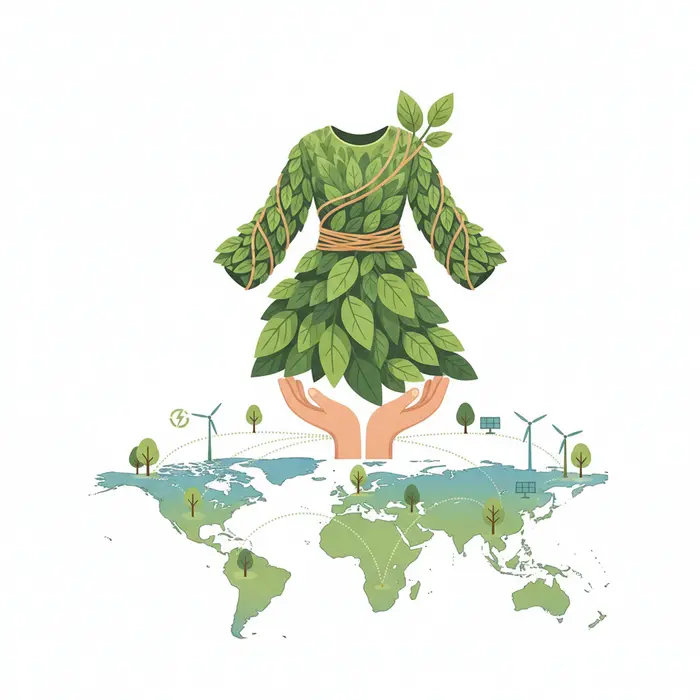
“Innovations in Eco-Friendly Materials and Production” refers to the concerted efforts within the textile industry to develop and adopt materials and manufacturing processes that minimize environmental harm. A cornerstone of sustainable apparel sourcing trends is the relentless pursuit of innovative materials that offer reduced ecological footprints. This includes the widespread adoption of organic cotton, which avoids harmful pesticides and fertilizers, and recycled polyesters, which divert plastic waste from landfills and oceans. Beyond these well-known alternatives, the industry is increasingly embracing novel fibers like Tencel™ Lyocell and Modal, derived from sustainably managed wood sources with closed-loop production processes that recycle water and solvents. Hemp and flax, historically significant, are also making a comeback due to their low water and pesticide requirements.
Furthermore, sustainable innovation extends to production techniques. Waterless dyeing technologies, such as supercritical CO2 dyeing, significantly reduce water consumption and chemical waste, a critical concern given the textile industry’s substantial water footprint. Advances in digital printing minimize dye usage and waste, while renewable energy sources are being integrated into manufacturing facilities to lower carbon emissions. These innovations are reshaping the landscape of textile production, offering viable, environmentally superior alternatives to traditional methods and presenting new opportunities for regions contributing to the Global Textile Trade Outlook.
2. Ethical Manufacturing and Transparency Demands
“Ethical Manufacturing and Transparency Demands” encapsulates the growing imperative for brands to ensure their supply chains uphold fair labor practices, safe working conditions, and complete traceability. The pursuit of ethical manufacturing is a critical component of sustainable apparel sourcing trends, moving beyond environmental considerations to address the social impact of garment production. This involves guaranteeing fair wages, reasonable working hours, and safe environments for all workers, alongside stringent measures to eradicate child labor and forced labor throughout the supply chain. Global apparel supply chain disruptions in recent years have highlighted vulnerabilities and increased scrutiny, prompting brands to invest in more robust ethical oversight.
Transparency has emerged as a powerful tool in achieving these goals. Consumers and advocacy groups are demanding to know “who made my clothes” and under what conditions. This has led to an increased emphasis on supply chain mapping, third-party certifications (e.g., Fair Trade, SA8000), and public reporting on factory audits. Brands are leveraging blockchain technology and other digital solutions to track products from fiber to finished garment, providing unprecedented visibility and accountability. This drive for ethical practices and full transparency is not just about compliance but about building consumer trust and fostering a more equitable and responsible Global Textile Trade Outlook.
3. Consumer-Driven Sustainability Initiatives
“Consumer-Driven Sustainability Initiatives” refers to the significant influence consumers exert through their purchasing choices and advocacy, compelling brands to adopt more sustainable and ethical practices. The shift in consumer values is arguably the most potent force driving sustainable apparel sourcing trends. A growing segment of the global population, particularly younger generations, prioritizes sustainability, ethical production, and environmental impact when making purchasing decisions. This heightened awareness translates into demand for products that are not only high-quality but also produced responsibly.
Brands are responding by launching take-back programs, promoting circular fashion models, and offering repair services to extend garment lifespans and reduce waste, aligning with new textile import regulations worldwide that increasingly focus on end-of-life solutions. Marketing efforts now frequently highlight sustainable attributes, from organic material content to fair labor certifications. The power of social media amplifies consumer voices, quickly holding brands accountable for greenwashing or unethical practices. This direct pressure from the market is forcing companies to integrate sustainability not just as a marketing ploy but as a core business strategy, recognizing that long-term success in the Global Textile Trade Outlook is inextricably linked to meeting these evolving consumer expectations. The evolving Vietnam textile export data also shows a growing emphasis on meeting these international sustainability standards to maintain competitiveness.
Vietnam’s Pivotal Role in Global Textile Exports
In the dynamic landscape of global commerce, Vietnam has steadily emerged as a powerhouse in textile and apparel manufacturing, cementing its position as a critical player in the worldwide supply chain. The nation’s strategic focus on export-oriented growth, coupled with a skilled workforce and a favorable investment climate, has propelled its textile sector to unprecedented heights. This section delves into Vietnam’s specific textile export data, analyzes its competitive advantages, and projects its future trajectory within the broader context of the Global Textile Trade Outlook, considering factors such as sustainable apparel sourcing trends, global apparel supply chain disruptions, and evolving textile import regulations worldwide.
1. Key Vietnam Textile Export Data & Market Share
Vietnam’s textile and apparel industry has demonstrated remarkable resilience and growth, even amidst global economic headwinds. Recent Vietnam textile export data underscores its expanding footprint. In 2022, despite a challenging global economic environment, Vietnam’s textile and garment exports reached approximately $44 billion, marking a significant increase from previous years. While the initial months of 2023 saw some moderation due to reduced demand in key markets, the long-term trend remains upward.
The country consistently ranks among the top global exporters of textiles and apparel, often placing third or fourth behind China and Bangladesh. Its market share has steadily grown, particularly in high-value segments and to major importing nations like the United States, the European Union, Japan, and South Korea. This growth is not merely in volume but also reflects a shift towards more sophisticated products, including technical textiles and higher-end fashion items. This strategic diversification, coupled with robust manufacturing capabilities, allows Vietnam to capture a larger portion of the global apparel supply chain, making it an indispensable sourcing destination for international brands.
2. Competitive Landscape and Investment Trends
Vietnam’s competitive edge in the textile sector is multifaceted. A significant factor is its extensive network of free trade agreements (FTAs), including the Comprehensive and Progressive Agreement for Trans-Pacific Partnership (CPTPP) and the EU-Vietnam Free Trade Agreement (EVFTA). These agreements provide preferential tariffs, enhancing the cost-effectiveness of Vietnamese products in major markets and reducing trade barriers. Furthermore, a relatively stable political environment and a strong government commitment to industrial development attract considerable foreign direct investment (FDI) into the textile sector.
Investment trends highlight a shift towards modernization and sustainability. Many foreign and domestic firms are investing in advanced machinery, automation, and eco-friendly production processes to meet stringent textile import regulations worldwide and consumer demand for sustainable apparel sourcing trends. This includes adopting cleaner dyeing technologies, improving water and energy efficiency, and utilizing recycled materials. The focus on compliance with international labor and environmental standards also strengthens Vietnam’s reputation as a responsible and reliable supplier, giving it an advantage over competitors facing scrutiny over ethical practices.
3. Future Growth Projections for Vietnamese Textiles
The outlook for Vietnam’s textile industry remains largely positive, albeit with recognition of potential Global apparel supply chain disruptions and evolving market dynamics. Analysts project continued growth, driven by sustained global demand for apparel, ongoing shifts in sourcing strategies away from China, and Vietnam’s expanding capacity and capabilities. The emphasis on high-value products and advanced manufacturing techniques is expected to further boost export revenues.
Moreover, the accelerating global trend towards sustainable apparel sourcing trends presents a significant opportunity. Vietnamese manufacturers who proactively invest in green technologies and adhere to international environmental, social, and governance (ESG) standards will be well-positioned to capture a larger share of this growing market segment. While challenges such as rising labor costs and intense competition persist, Vietnam’s strategic policy support, robust trade agreements, and adaptive industry players are poised to ensure its enduring and pivotal role in the global textile trade for years to come.
Worldwide Textile Import Regulations & Future Predictions
The global textile industry operates within a constantly evolving regulatory landscape, a dynamic environment that significantly shapes the Global Textile Trade Outlook. From tariffs and trade agreements to environmental mandates and labor standards, businesses involved in textile trade must navigate a complex web of Textile import regulations worldwide. Understanding these shifts is crucial for strategic planning, sourcing, and maintaining competitiveness in international markets. This section delves into the key regulatory changes and offers a forward-looking perspective on the future trajectory of the global textile trade.

1. New International Trade Agreements and Tariffs
The global trade arena is continually reshaped by the formation of new international trade agreements and the fluctuating imposition of tariffs. Initiatives like the Comprehensive and Progressive Agreement for Trans-Pacific Partnership (CPTPP) and the Regional Comprehensive Economic Partnership (RCEP) have profound implications, creating new trade corridors and altering existing ones. These agreements often lead to reduced tariffs and streamlined customs procedures for member states, offering significant competitive advantages. For instance, preferential tariffs under such agreements can notably boost regions like Vietnam, as reflected in robust Vietnam textile export data. Conversely, ongoing trade disputes and the implementation of new import duties by major economies introduce uncertainty, compelling brands and manufacturers to re-evaluate their supply chain resilience and diversification strategies. Businesses must continuously monitor these developments to adapt their sourcing and distribution networks, ensuring compliance and optimizing costs within the shifting global trade landscape.
2. Environmental & Social Compliance Standards
A dominant force shaping the Global Textile Trade Outlook is the escalating demand for environmental and social compliance. Consumers, advocacy groups, and governments are increasingly pushing for stricter regulations on textile production and sourcing. This includes mandates around carbon footprint reduction, water conservation, chemical management, and responsible waste disposal. Simultaneously, social compliance standards address critical issues such as fair labor practices, safe working conditions, living wages, and the eradication of forced or child labor. These evolving standards translate into complex Textile import regulations worldwide, requiring enhanced transparency and traceability throughout the supply chain. Brands are increasingly adopting certifications and auditing processes to demonstrate adherence to ethical guidelines and respond to growing sustainable apparel sourcing trends. Meeting these stringent requirements is no longer optional; it is becoming a prerequisite for market access and brand reputation, profoundly influencing ethical sourcing practices and investment decisions.
3. Technological Impacts on Trade and Outlook
Technology is rapidly transforming the textile industry, influencing everything from production processes to the enforcement of trade regulations. Advancements in automation, Artificial Intelligence (AI), and blockchain are creating more efficient and transparent supply chains. AI-powered analytics can predict market trends, optimize inventory, and identify potential compliance risks more effectively. Blockchain technology, in particular, offers unprecedented traceability, allowing stakeholders to track products from raw material to retail, ensuring adherence to origin rules, environmental standards, and labor practices. This digital transformation helps mitigate Global apparel supply chain disruptions and enhances the ability of businesses to navigate intricate Textile import regulations worldwide. Furthermore, 3D design and virtual prototyping reduce the need for physical samples, speeding up product development and reducing waste. Looking ahead, these technological shifts will continue to streamline operations, foster greater accountability, and redefine the competitive landscape, pushing the textile trade towards a more integrated and data-driven future. Adapting to this digital evolution is crucial for maintaining supply chain efficiency.
In conclusion, the Global Textile Trade Outlook is characterized by continuous flux, driven by geopolitical shifts, a heightened focus on sustainability, and rapid technological advancements. Navigating the evolving Textile import regulations worldwide requires agility, foresight, and a commitment to responsible business practices. Companies that strategically adapt to new trade agreements, embrace environmental and social compliance, and leverage technological innovations will be best positioned to thrive in this dynamic global market.
Partner with Vietnam’s Leading Suppliers
Looking for reliable suppliers in Vietnam? Contact VietnamSuppliers.com today to connect with verified manufacturers and exporters across all industries.
—————————————
References
– WTO Technical Barriers to Trade (TBT) Agreement: https://www.wto.org/english/thewto_e/what_e/tif_e/agrm8_e.htm
– WTO Trade Negotiations: https://www.wto.org/english/news_e/archive_e/trade_negotiations_e.htm
– Environmental Impact of Textiles – European Environment Agency: https://www.eea.europa.eu/themes/waste/resource-efficiency/textiles-and-the-environment
– International Trade Centre (ITC) Trade Map: Vietnam Textile and Apparel Export Data: https://www.trademap.org/
– Textile Exchange Standards: https://textileexchange.org/standards/