Understanding Core International Packaging Standards
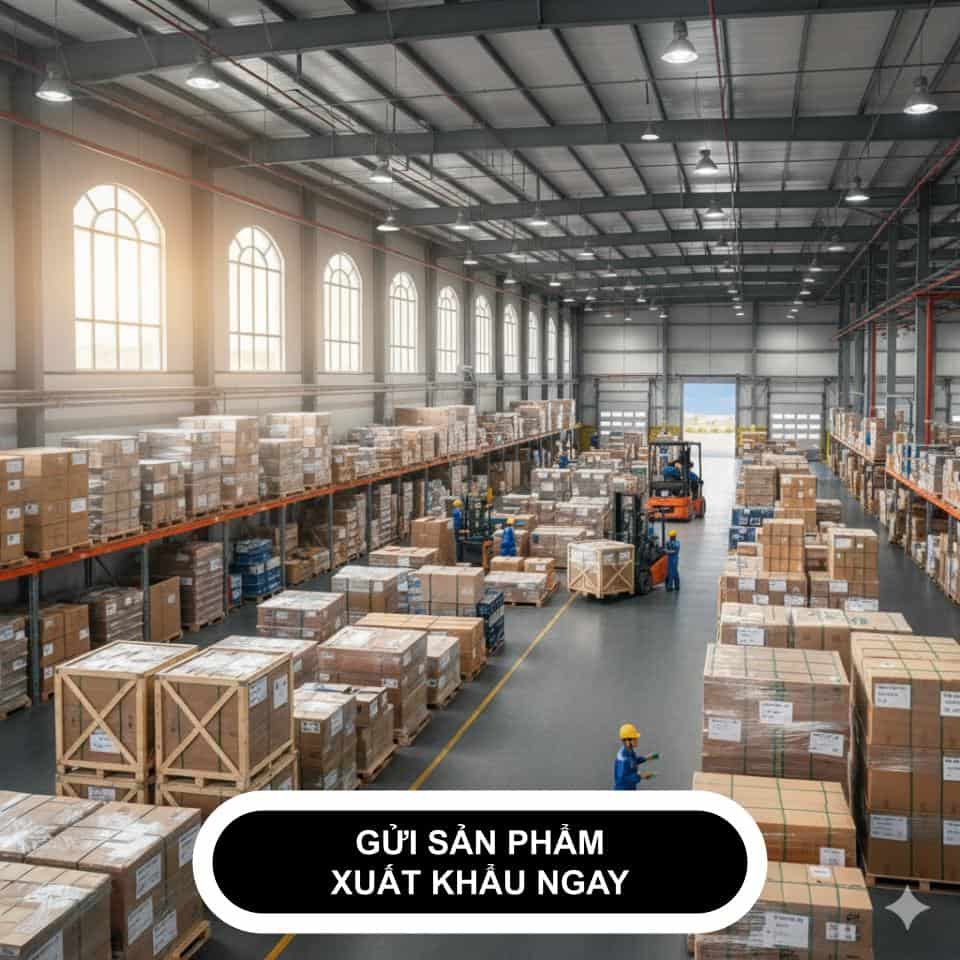
In the intricate world of global trade, the journey of goods from one continent to another is fraught with potential pitfalls. Among the most critical, yet often overlooked, aspects is packaging. Adhering to International Packaging Standards for Export isn’t just a recommendation; it’s a foundational requirement for seamless, efficient, and compliant global trade operations. These standards are designed to protect goods, ensure safety, prevent the spread of pests and diseases, and facilitate smooth customs clearance, ultimately impacting a business’s reputation and bottom line. Understanding and implementing these rules is paramount for any exporter looking to thrive in the international marketplace.

1. Importance of Compliance for Global Trade
The stakes for non-compliance with international packaging standards are high. Failure to meet specific `Export Packaging Requirements Documentation` can lead to significant delays, hefty fines, cargo rejections, and even product damage. Beyond the immediate financial repercussions, non-compliance can tarnish a company’s reputation, disrupt supply chains, and erode customer trust. Conversely, meticulous adherence ensures products arrive at their destination safely, securely, and in pristine condition. This translates into faster customs processing, reduced insurance claims, and enhanced customer satisfaction.
Compliance also extends to environmental considerations and worker safety. Many international standards now incorporate guidelines for sustainable packaging materials and methods, promoting eco-friendliness while maintaining product integrity. Furthermore, proper packaging design, often supported by `Custom Packaging Solutions for International Shipping`, prevents injuries during handling and transportation, contributing to safer global logistics operations. Businesses that proactively embrace these standards gain a competitive edge, demonstrating reliability and a commitment to best practices in the demanding arena of global commerce.
2. Key Regulatory Bodies and Their Roles
A diverse array of international and national bodies establish and enforce the regulations governing export packaging. Navigating this landscape requires a clear understanding of their respective mandates:
- World Customs Organization (WCO): While not directly setting packaging standards, the WCO plays a crucial role in harmonizing customs procedures globally, which indirectly impacts packaging requirements for declaration and inspection.
- International Organization for Standardization (ISO): ISO develops and publishes international standards across various industries. While there isn’t one single “ISO packaging standard,” numerous ISO standards relate to packaging quality, environmental performance, and testing methods that exporters may need to consider.
- International Plant Protection Convention (IPPC): The IPPC is particularly critical for wooden packaging material. It developed the International Standards for Phytosanitary Measures No. 15 (ISPM 15), which mandates that all solid wood packaging used in international trade (e.g., pallets, crates, dunnage) must be debarked and heat treated or fumigated, then stamped with a certified mark. This prevents the spread of pests and diseases across borders.
- National Customs and Border Protection Agencies: Each importing country’s customs authority has its own specific requirements, which often build upon international frameworks. Exporters must be aware of destination-specific rules, especially concerning labeling, hazardous materials, and prohibited packaging types.
Understanding the interplay between these bodies is essential for developing a comprehensive `Export Packaging Requirements Documentation` strategy that accounts for all necessary compliance points.
3. Navigating Specific Regulations: ISPM 15 and Commodity Guidelines
Delving deeper into specific requirements, two areas demand particular attention: `Fumigation and ISPM 15 Regulations` and `B2B Commodity Packaging Guidelines`. ISPM 15, as mentioned, is non-negotiable for wooden packaging. Non-compliant wood packaging will lead to immediate rejection, mandatory fumigation at the importer’s expense, or even destruction of the goods. Exporters must ensure their suppliers of wooden packaging are certified and provide proper documentation confirming compliance.
Beyond wood, the nature of the commodity itself dictates many packaging choices. `B2B Commodity Packaging Guidelines` vary widely:
- Perishables: Require specialized temperature-controlled packaging, often with specific ventilation and moisture control.
- Hazardous Materials: Subject to stringent regulations like the UN Recommendations on the Transport of Dangerous Goods, which dictate container type, labeling, and handling procedures.
- Fragile Goods: Demand robust cushioning, secure internal bracing, and often double-wall or triple-wall corrugated boxes.
- Bulk Commodities: May require specific types of flexible intermediate bulk containers (FIBCs), drums, or specialized containers designed for efficient loading and unloading.
Moreover, the choice between standard solutions and `Custom Packaging Solutions for International Shipping` depends on the product’s uniqueness, value, and specific transit risks. Custom solutions can offer enhanced protection, optimized space utilization, and even branding opportunities. Developing a robust checklist for `Export Packaging Requirements Documentation` that addresses these nuances, from material specifications to labeling and marking, is a critical step in mitigating risks and ensuring smooth passage through international supply chains.
Export Packaging Requirements Documentation Essentials
Exporting goods internationally involves a complex web of regulations, with packaging documentation often the first point of scrutiny. Beyond merely protecting the product, export packaging must adhere to strict international standards, accompanied by precise paperwork, labeling, and certifications. Meticulous attention to these details is not just a best practice—it’s mandatory to avoid delays, fines, or even shipment rejection. Understanding and implementing these International Packaging Standards for Export is paramount for any business engaging in global trade. This section will explore the essential documentation and compliance requirements, ensuring your shipments meet global expectations.
1. Mandatory Labels, Marks, and Symbols
Effective communication is critical in international shipping, and mandatory labels, marks, and symbols on your export packaging are non-negotiable. These visual cues inform customs officials, freight forwarders, warehouse personnel, and end-recipients about the package’s contents, handling instructions, and origin. Common requirements include:
- Shipping Marks: Identify the consignee, port of destination, package number, and total number of packages. Crucial for sorting and tracking.
- Handling Marks: Universal symbols indicate safe handling (e.g., “Fragile,” “This Way Up,” “Keep Dry”). Misinterpretation can lead to damaged goods.
- Hazardous Material Labels: For dangerous goods, specific UN-approved hazard symbols and labels must be prominently displayed, indicating the class of danger (e.g., flammable, corrosive). Essential for safety and compliance.
- Origin Marks: “Made in [Country of Origin]” is often required by importing countries for duties and trade statistics.
- Weight and Dimensions: Net and gross weights, along with package dimensions, must be clearly marked for freight calculations and storage.
Adhering to these labeling requirements ensures efficient processing through customs and safe delivery, making them a cornerstone of effective export packaging requirements documentation.
2. Certifications and Permits for Specific Goods
Many products require specific certifications and permits to enter foreign markets, often relating to product safety, health, environmental impact, or quality standards. The need for these documents varies significantly by product type, origin, and destination.
- Product-Specific Certifications:
- CE Mark: Mandatory for many products in the European Economic Area, indicating conformity with health, safety, and environmental protection standards.
- FDA Approval: Required for food, drugs, medical devices, and cosmetics entering the United States.
- Phytosanitary Certificates: Essential for plants, plant products, and certain agricultural goods to prevent the spread of pests. Issued by the exporting country’s national plant protection organization.
- Certificates of Analysis/Conformance: Common for chemicals, pharmaceuticals, and industrial components, attesting to specifications or conformity.
- Import/Export Permits and Licenses: Some countries require specific import permits for controlled substances or items subject to quotas. Similarly, export licenses might be needed for strategic or dual-use goods.
Navigating these requires thorough research into destination country regulations. Resources like the World Trade Organization (WTO) and national trade bodies provide guidance. For detailed insights into trade agreements and regulations, consult authoritative sources such as the World Trade Organization’s Technical Barriers to Trade (TBT) Agreement, which outlines members’ obligations regarding technical regulations, standards, and conformity assessment.
3. Compliance with ISPM 15 and Other Regulations
A critical aspect of custom packaging solutions for international shipping relates to packaging materials, especially wood. The International Standards for Phytosanitary Measures No. 15 (ISPM 15) governs wood packaging materials (WPM) like pallets and crates. It prevents the international spread of plant pests by requiring WPM to be debarked and heat-treated or fumigated with methyl bromide.
- ISPM 15 Requirements: All WPM must bear a stamp (mark) indicating approved treatment, including the IPPC logo, country code, producer/treatment provider code, and treatment type (HT or MB). Countries that are signatories to ISPM 15 will reject shipments with non-compliant WPM, leading to significant delays and costs. Ensure your WPM suppliers are ISPM 15 compliant.
- Fumigation and Other Treatments: Beyond WPM, some goods may require specific fumigation or sterilization processes based on their nature and destination biosecurity regulations (e.g., agricultural products, antiques).
- B2B Commodity Packaging Guidelines: Businesses shipping B2B commodities must also consider industry-specific guidelines. Electronics might need anti-static packaging, while machinery might need corrosion protection. Chemical shipments require UN-certified drums. These guidelines are dictated by the product’s fragility, value, hazardous nature, or environmental sensitivities.
Meticulously managing these documentation and compliance aspects safeguards your shipment, maintains supply chain integrity, and preserves your business’s reputation in the global marketplace. A proactive approach to fulfilling these requirements is essential for smooth and successful international trade.
Fumigation and ISPM 15 Regulations Explained
Navigating the complexities of international trade requires meticulous attention to every detail, especially when it comes to packaging. One of the most critical aspects for businesses engaging in global shipping is adherence to phytosanitary measures, primarily governed by ISPM 15 regulations. These global standards are designed to prevent the introduction and spread of plant pests and diseases through wood packaging materials (WPM) used in international trade. Understanding these International Packaging Standards for Export is not just about compliance; it’s about ensuring smooth customs clearance, avoiding costly delays, and protecting global ecosystems. This detailed guide explores the essential aspects of ISPM 15, from identifying compliant materials to understanding fumigation methods and the broader implications for international shipping.
1. Identifying ISPM 15 Compliant Materials
The International Standards for Phytosanitary Measures No. 15 (ISPM 15) specifically targets raw wood packaging materials such as pallets, crates, dunnage, and even reels. The core objective is to ensure these materials are treated to eliminate pests like insects and nematodes that could hitch a ride across borders and decimate local flora. For a material to be considered ISPM 15 compliant, it must bear a specific mark—often referred to as the ‘wheat stamp’ or IPPC mark.
This mark is a globally recognized symbol that confirms the wood has undergone an approved treatment. It typically includes:
- The IPPC logo: The official symbol of the International Plant Protection Convention.
- Country Code: A two-letter ISO country code (e.g., US for United States, VN for Vietnam).
- Producer/Treatment Provider Code: A unique registration number assigned by the national plant protection organization (NPPO) to the company responsible for treating and marking the wood.
- Treatment Code: An abbreviation indicating the type of treatment used (e.g., HT for Heat Treatment, MB for Methyl Bromide).
When sourcing wood packaging for your exports, it is paramount to verify that your suppliers provide materials with this clear and legible mark. Without it, your shipments are at risk of being rejected, delayed, or even destroyed at the port of entry, leading to significant financial losses and damage to your supply chain for International Packaging Standards for Export.
2. Fumigation Methods and Certification Processes
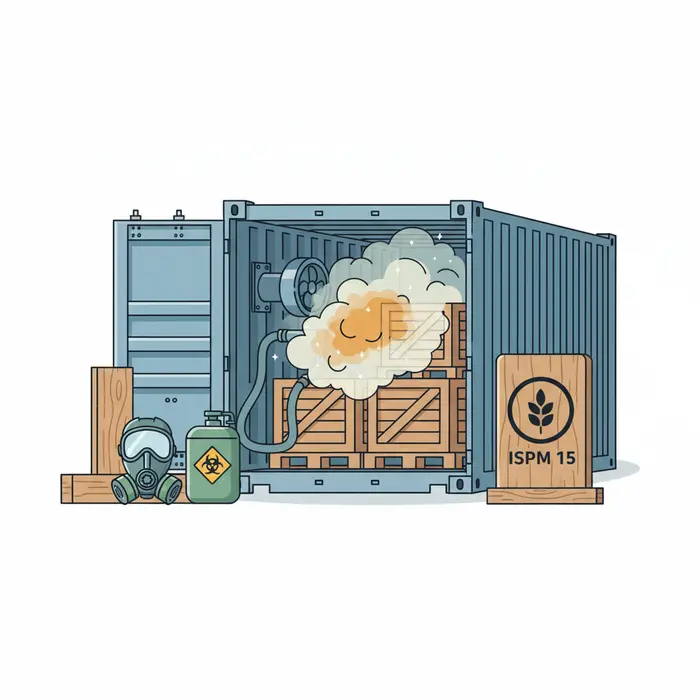
ISPM 15 approves specific treatment methods to ensure the eradication of pests in wood packaging materials. The two primary methods are Heat Treatment (HT) and Methyl Bromide (MB) fumigation.
- Heat Treatment (HT): This is the most common and environmentally preferred method. Wood is heated in a kiln or chamber to a minimum core temperature of 56°C (133°F) for at least 30 continuous minutes. This process effectively kills most pests and also reduces the moisture content of the wood, which can be beneficial for the integrity of the packaging.
- Methyl Bromide (MB) Fumigation: Involves treating the wood with methyl bromide gas. While effective, due to environmental concerns related to ozone depletion, its use is restricted or banned in many countries. Exporters must verify if the destination country permits MB-treated wood.
The certification process involves an authorized treatment provider carrying out the chosen method and then applying the ISPM 15 mark to the treated wood. These providers are often audited by national authorities to ensure they comply with strict protocols. Alongside the physical mark, robust Export Packaging Requirements Documentation, such as a phytosanitary certificate or a certificate of treatment from the supplier, may also be required by certain destination countries. Businesses should always request and retain these documents as proof of compliance.
3. Compliance, Documentation, and Global Trade Impact
Ensuring full compliance with ISPM 15 regulations is paramount for any business involved in B2B commodity packaging guidelines and international shipping. Non-compliance can lead to severe consequences, including shipment rejections, mandatory treatment, destruction of goods, or expensive fines. Such disruptions can severely impact supply chain efficiency, customer relationships, and ultimately, a company’s bottom line.
To mitigate these risks, companies should:
- Partner with Certified Suppliers: Source wood packaging materials only from suppliers officially recognized and certified to produce ISPM 15 compliant products.
- Understand Destination Country Requirements: While ISPM 15 is a global standard, some countries may have additional phytosanitary requirements or restrictions on specific treatment methods (e.g., methyl bromide). Always confirm these with your logistics partners or customs brokers.
- Maintain Detailed Records: Keep meticulous records of all ISPM 15 certificates, supplier documentation, and treatment dates. These can be crucial during customs inspections.
- Consider Alternatives: For situations where wood packaging is problematic, explore alternative materials like plastic pallets, metal, or engineered wood products (e.g., plywood, particleboard), which are typically exempt from ISPM 15 regulations because their manufacturing process already eliminates pests. These can be part of Custom Packaging Solutions for International Shipping.
Adhering to Fumigation and ISPM 15 Regulations is a non-negotiable aspect of modern international trade. By understanding these standards, investing in compliant packaging, and maintaining thorough documentation, businesses can ensure their shipments move seamlessly across borders, protecting both their commercial interests and the global environment from the spread of invasive pests.
Custom Packaging Solutions for International Shipping
Navigating the complexities of global trade demands sophisticated packaging strategies that can withstand transit rigors, meet diverse environmental conditions, and satisfy strict international regulations. Custom packaging solutions are no longer a luxury but a necessity for businesses aiming to protect goods, preserve brand reputation, and ensure seamless delivery for international buyers. This section explores how tailored packaging is pivotal in safeguarding shipments across borders, addressing unique challenges, and enhancing buyer satisfaction.
Effective international packaging involves a strategic blend of material science, logistics planning, and adherence to International Packaging Standards for Export. From delicate electronics to industrial machinery, the right packaging mitigates risks such as damage, spoilage, and theft, while also streamlining Export Packaging Requirements Documentation and facilitating customs processes. Understanding “Custom Packaging Solutions for International Shipping” is essential for any exporter.
1. Designing for Durability, Security, and Climate
International shipments face numerous environmental stressors and physical shocks. Packaging design must anticipate these challenges, prioritizing durability to withstand handling, stacking, and impacts. This involves robust outer packaging, internal cushioning, and bracing. For high-value goods, security features like tamper-evident seals deter theft and unauthorized access.
Climate considerations are equally vital. Shipments may encounter extreme temperature fluctuations, high humidity, or corrosive salt air. Packaging must protect contents from moisture ingress, condensation, thermal shock, and UV radiation using barrier films, desiccants, insulated liners, or specialized coatings to maintain a stable internal environment.
2. Material Selection for Different Commodities and Routes
Packaging material choice is dictated by commodity nature, value, fragility, and shipping route. Custom wooden crates offer robust protection for heavy or unusually shaped items. Corrugated cardboard (e.g., double or triple-wall) is versatile for lighter to moderately heavy goods, providing cushioning and stackability. Plastics like polyethylene foam or bubble wrap excel at shock absorption, while vacuum-sealed bags protect sensitive items from moisture and dust.
Specialized materials, such as anti-static bags for electronics or food-grade packaging with barrier layers, address unique requirements. Sea freight, for instance, demands greater protection against humidity and saltwater corrosion. Businesses must consider these B2B Commodity Packaging Guidelines for optimal material selection.
3. Compliance with International Regulations: ISPM 15, Dangerous Goods, and Beyond
Adherence to global and country-specific regulations is paramount; non-compliance leads to penalties and delays. The International Standards for Phytosanitary Measures No. 15 (ISPM 15) mandates that all solid wood packaging materials (WPM) be treated (heat-treated or fumigated) and marked to prevent pest spread. Implementing Fumigation and ISPM 15 Regulations is non-negotiable for exporters using wood packaging.
Beyond ISPM 15, dangerous goods (e.g., chemicals, batteries) require specific packaging, labeling, and documentation per international codes like IATA (air) and IMDG (sea). Other considerations include restrictions on certain plastics and recycling mandates in various countries.
4. Documentation and Labeling: The Key to Smooth Customs Clearance
Impeccable documentation and labeling prevent shipment delays. Proper labeling includes clear destination/return addresses, handling instructions (“Fragile,” “This Way Up”), hazard warnings, and country of origin. Barcodes and QR codes aid tracking.
Comprehensive Export Packaging Requirements Documentation—packing lists, commercial invoices, certificates of origin—must accurately reflect contents and packaging. Discrepancies are common causes of customs holds, leading to charges and delays. Accuracy and completeness are as crucial as the physical packaging.
5. Cost-Efficiency and Sustainability in Global Packaging
Custom packaging solutions must balance protection and compliance with cost-efficiency and sustainability. Optimizing package dimensions reduces freight costs, often based on volumetric weight. Efficient use of space within containers maximizes load capacity, lowering per-unit shipping costs.
Sustainability demands selecting recyclable, biodegradable, or renewable packaging materials, reducing waste through optimized designs, and considering lifecycle impact. Reusable packaging gains traction for closed-loop supply chains. Balancing robust protection with material efficiency and eco-friendliness is a key challenge for modern Custom Packaging Solutions for International Shipping.
In conclusion, bespoke packaging strategies are indispensable for successful international trade. By carefully considering durability, material science, regulatory compliance, meticulous documentation, and balancing these with cost-efficiency and sustainability, businesses ensure products arrive safely, compliantly, and to the satisfaction of global customers. Investing in expert-driven custom packaging is an investment in brand reputation, operational efficiency, and sustained international growth.
B2B Commodity Packaging Guidelines for Export Success
Exporting commodities in a business-to-business (B2B) context demands meticulous attention to packaging. Unlike consumer goods, B2B commodities often involve bulk shipments, specialized handling, and a stringent adherence to International Packaging Standards for Export. The ultimate goal is to ensure products arrive at their destination intact, cost-effectively, and in compliance with all relevant regulations. Successful B2B commodity packaging isn’t just about protection; it’s a strategic element that impacts logistics, customs clearance, and ultimately, your reputation in the global marketplace. This guide delves into key considerations for optimizing your packaging strategies for international success, balancing efficiency, cost-effectiveness, and paramount safety during transit.

1. Optimizing Packaging for Bulk and Industrial Goods
When dealing with bulk or industrial goods, standard consumer packaging solutions simply won’t suffice. The sheer volume, weight, and often unique dimensions of B2B commodities necessitate robust and thoughtfully engineered packaging. The first principle is to select materials that offer maximum protection against physical damage (impacts, vibrations, compression), environmental factors (moisture, temperature fluctuations), and pilferage. This often means heavy-duty corrugated cardboard, wooden crates (especially for very heavy or fragile items), steel drums, or specialized bulk bags (FIBCs). Consider the mode of transport – ocean freight requires different considerations than air freight or overland shipping. For instance, goods shipped via sea are exposed to prolonged periods of humidity and potential saltwater corrosion, mandating desiccant packs or corrosion inhibitors.
Beyond material selection, internal dunnage and bracing are crucial. Utilizing custom inserts, foam padding, or air bags can prevent movement within the package, significantly reducing the risk of damage. Furthermore, unitization through palletization and stretch wrapping enhances handling efficiency and stability. Proper stacking patterns and load securing within containers are essential to prevent shifting during transit. Investing in custom solutions that meet International Packaging Standards for Export can lead to long-term cost savings by minimizing damage claims and optimizing container space, thereby reducing freight costs. Always evaluate the trade-off between packaging cost and the potential cost of damaged goods or lost customer trust.
2. Navigating Country-Specific B2B Regulations
The global trade landscape is a patchwork of diverse regulations, and packaging is no exception. Successfully exporting B2B commodities requires a thorough understanding of the International Packaging Standards for Export for both the exporting and importing countries. This includes general import regulations, specific industry standards, and even consumer protection laws that might indirectly affect B2B packaging, such as material restrictions or recycling mandates. A critical example is the International Standards for Phytosanitary Measures No. 15 (ISPM 15) regulation. Any wood packaging material (WPM), including pallets, crates, dunnage, and even supporting blocks, must be heat-treated or fumigated and marked with an approved stamp to prevent the spread of pests. Non-compliance with International Packaging Standards for Export, such as those related to Fumigation and ISPM 15 Regulations, can lead to significant delays, re-exportation, or destruction of goods at the destination port, incurring substantial costs and jeopardizing delivery schedules.
Beyond ISPM 15, some countries have specific labeling requirements, material restrictions (e.g., bans on certain plastics or heavy metals), or even rules on package dimensions or weight for health and safety reasons. For example, the European Union has stringent waste packaging directives that necessitate consideration of recyclability and material composition. Engaging with freight forwarders or customs brokers with expertise in your target markets is invaluable for staying abreast of these evolving requirements. Detailed and accurate documentation, including packing lists, declarations of conformity, and treatment certificates, must accompany every shipment to facilitate smooth customs clearance.
3. Implementing Sustainable and Traceable Packaging Solutions
In today’s global market, sustainability is no longer an option but a necessity. B2B commodity packaging guidelines are increasingly incorporating eco-friendly practices, driven by both regulatory pressures and corporate social responsibility. Implementing sustainable packaging solutions involves selecting recyclable, biodegradable, or reusable materials where feasible, without compromising protection. This could mean optimizing packaging designs to reduce material usage, utilizing recycled content, or exploring innovative bio-based plastics. Beyond environmental impact, robust traceability mechanisms within your packaging strategy are becoming paramount. This includes clear labeling with scannable barcodes (e.g., GS1 standards), RFID tags, or QR codes that link to detailed product information, origin, batch numbers, and even handling instructions. This enhances supply chain visibility, simplifies inventory management for the recipient, and is crucial for recall procedures or quality control.
Furthermore, ensuring the security and tamper-evident nature of packaging is vital for high-value commodities. Seals, unique identifiers, and advanced tracking technologies can deter theft and confirm the integrity of the shipment upon arrival. Regular testing of packaging performance under simulated transit conditions, conforming to standards set by bodies like the International Safe Transit Association (ISTA), is highly recommended to validate your chosen solutions. Such rigorous evaluation ensures that your B2B commodity packaging stands up to the rigors of international shipping, protecting your investment and your customer’s expectations.
Partner with Vietnam’s Leading Suppliers
Looking for reliable suppliers in Vietnam? Contact VietnamSuppliers.com today to connect with verified manufacturers and exporters across all industries.
—————————————
References
– International Plant Protection Convention – ISPM 15: https://www.ippc.int/
– World Trade Organization’s Technical Barriers to Trade (TBT) Agreement: https://www.wto.org/english/tratop_e/spr_e/spr_e.htm
– ISPM 15 regulations: https://www.ippc.int/en/publications/ispm-15/
– International Standards for Phytosanitary Measures No. 15 (ISPM 15): https://www.ippc.int/en/core-activities/standards-setting/ispms/
– International Safe Transit Association (ISTA): https://www.ista.org/page/about_ista.asp