The Shifting Landscape of Global Trade Agreements
The global trade environment is in a perpetual state of flux, driven by an intricate web of economic, political, and technological forces. This dynamic landscape necessitates a continuous re-evaluation of international commercial strategies, providing both challenges and significant Global Trade Agreement Opportunities. As the world becomes increasingly interconnected, the formation and evolution of new trade agreements play a pivotal role in shaping international commerce, redefining market access, supply chain resilience, and competitive advantages for nations and businesses alike. Understanding these current global trade dynamics is crucial for any entity looking to thrive, particularly for emerging economies like Vietnam, where meticulous Vietnam export market analysis can unlock substantial growth avenues.
1. Impact of Geopolitics on Trade Pacts
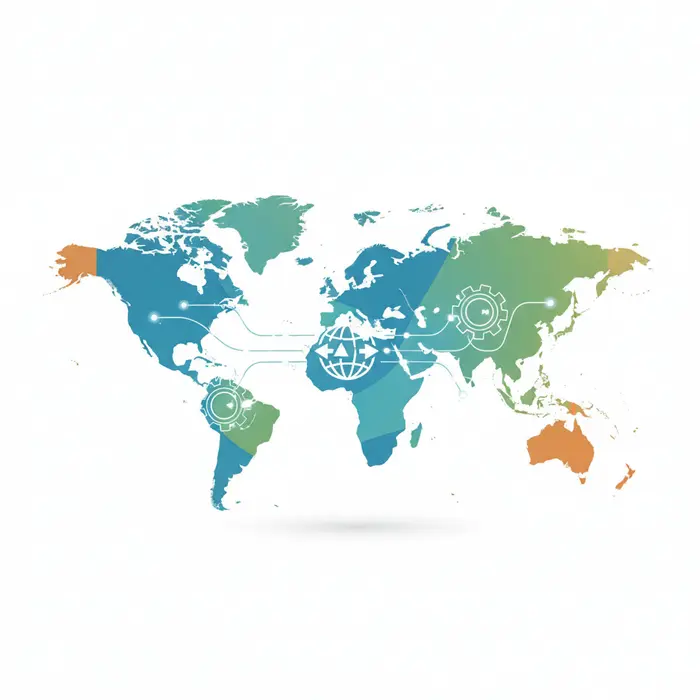
The influence of geopolitics on trade agreements has never been more pronounced. “Impact of Geopolitics on Trade Pacts” refers to how the strategic interests, rivalries, and alliances between nations directly shape the negotiation, scope, and implementation of international trade agreements. Recent years have witnessed a palpable shift away from the multilateralism championed by institutions like the World Trade Organization (WTO) towards more regional or bilateral arrangements. Trade relations are increasingly being weaponized or used as diplomatic leverage, leading to tariffs, sanctions, and non-tariff barriers that disrupt established supply chains and create uncertainty. For instance, the ongoing trade tensions between major global powers compel countries to seek out new partners and secure alternative markets, pushing them towards regional pacts that offer greater stability and predictability. This environment also places a premium on resilient supply chains, encouraging ‘near-shoring’ or ‘friend-shoring’ initiatives, which, in turn, can spur the formation of new trade corridors and agreements among like-minded nations. The challenges faced by the multilateral trading system highlight the urgency for nations to adapt to a more fragmented and politically charged global trade arena.
2. Key Trends Driving New Agreement Formation
Several “Key Trends Driving New Agreement Formation” are reshaping the very nature of trade pacts. Beyond traditional tariff reductions, modern agreements increasingly focus on areas such as digital trade, environmental sustainability, labor standards, and intellectual property rights. The rapid acceleration of digital technologies has necessitated frameworks for cross-border data flows, e-commerce, and cybersecurity, leading to chapters on digital trade in agreements like the CPTPP. Similarly, growing global awareness of climate change is driving the inclusion of green trade provisions, encouraging environmentally friendly production and trade practices. The COVID-19 pandemic underscored the critical need for resilient and diversified supply chains, prompting nations to seek agreements that ensure security of supply for essential goods. For a dynamic economy like Vietnam, adapting to these trends is crucial for its Vietnam export market analysis. For example, understanding and complying with new green trade standards or digital trade regulations can open up lucrative markets in developed economies, while neglecting them could lead to competitive disadvantages. These trends are not merely add-ons but are becoming central pillars of contemporary trade negotiations, reflecting a broader societal expectation for responsible and sustainable global commerce.
3. Economic Bloc Evolution and Their Influence
The “Economic Bloc Evolution and Their Influence” refers to the dynamic transformation and growing impact of regional trade blocs on global trade architecture. These blocs, such as the European Union (EU), the Association of Southeast Asian Nations (ASEAN), the African Continental Free Trade Area (AfCFTA), the Regional Comprehensive Economic Partnership (RCEP), and the Comprehensive and Progressive Agreement for Trans-Pacific Partnership (CPTPP), are not static entities. They continuously evolve, expand, and deepen their integration, creating vast preferential trade zones that influence global trade patterns, investment flows, and regulatory harmonization. For countries like Vietnam, participation in or strategic engagement with these blocs, particularly ASEAN and RCEP, offers substantial advantages, including enhanced market access, reduced trade barriers, and attractiveness for foreign direct investment. These blocs often set regional standards that can become de facto global norms, compelling businesses to adapt to diverse regulatory environments. As these blocs grow in economic might and political cohesion, they exert significant influence over multilateral trade discussions and can shape the direction of future Global Trade Agreement Opportunities. Navigating this complex web of evolving economic alliances is paramount for nations and businesses seeking to optimize their global trade engagement.
In conclusion, the global trade landscape is undergoing a profound transformation, characterized by geopolitical shifts, emerging economic trends, and the dynamic evolution of powerful economic blocs. For businesses and policymakers, comprehending these shifts is not just about adapting to new rules but actively seeking and capitalizing on the myriad of new trade agreement opportunities that arise. Proactive engagement, strategic foresight, and a keen understanding of evolving market dynamics will be key to unlocking sustainable growth and prosperity in this complex, interconnected world.
Identifying Key Global Trade Agreement Opportunities
The landscape of international commerce is constantly evolving, with new bilateral and multilateral trade agreements continuously reshaping global supply chains and market access. For businesses aiming for strategic expansion in 2025, understanding and leveraging these Global Trade Agreement Opportunities is paramount. These pacts not only reduce trade barriers but also create new avenues for market penetration, enhance competitive advantage, and foster economic growth. A proactive approach to analyzing these agreements can unlock significant potential, particularly for dynamic export markets like Vietnam.
1. Emerging Bilateral and Multilateral Pacts
The past few years have witnessed a surge in ambitious trade pacts designed to facilitate deeper economic integration. Agreements like the Comprehensive and Progressive Agreement for Trans-Pacific Partnership (CPTPP) and the Regional Comprehensive Economic Partnership (RCEP) stand out as monumental frameworks. CPTPP, involving 11 Pacific Rim nations, offers preferential access to markets representing over 13% of global GDP. RCEP, the world’s largest free trade agreement, brings together 15 Asia-Pacific nations, including ASEAN members, China, Japan, South Korea, Australia, and New Zealand, covering nearly a third of the global economy. For companies engaged in Vietnam export market analysis, these agreements are particularly salient. Vietnam is a key signatory to both CPTPP and RCEP, alongside its existing free trade agreements with the EU (EVFTA) and the UK (UKVFTA). These pacts collectively provide unparalleled access to major consumer markets, significantly boosting Vietnam’s export potential. Businesses looking to navigate and capitalize on these intricate arrangements can find valuable insights into market specifics and strategic advantages by exploring relevant resources on Global Trade Agreement Opportunities.
2. Market Access Benefits from New Agreements
Beyond headline figures, the true value of these emerging agreements lies in the tangible market access benefits they confer. These typically include significant reductions or eliminations of tariffs, simplified customs procedures, and harmonized regulatory standards. For instance, under the EVFTA, nearly 99% of all tariffs between Vietnam and the EU will be eliminated over a decade, creating immense savings for exporters and importers alike. Similarly, CPTPP and RCEP include provisions for reducing non-tariff barriers, such as complex licensing requirements and quotas, which historically impede trade. This regulatory alignment streamlines supply chain operations, reduces administrative burdens, and decreases the cost of doing business across borders. Companies can leverage these provisions to enter new markets with greater ease, enhance their product’s competitiveness, and achieve higher profit margins. Understanding the specifics of these market access clauses allows businesses to strategically plan their entry points and operational models, maximizing the advantages offered by each pact.
3. Sector-Specific Advantages and Tariff Reductions
The impact of Global Trade Agreement Opportunities is often most pronounced at the sector-specific level, where targeted tariff reductions and preferential treatment can dramatically alter competitive landscapes. For Vietnam, sectors such as textiles and apparel, footwear, electronics, and agricultural products (e.g., coffee, seafood) are major beneficiaries. Under the EVFTA, Vietnamese textiles and apparel, which previously faced substantial EU tariffs, now enjoy preferential access, making them more competitive against goods from non-FTA countries. Similarly, electronics, a rapidly growing Vietnamese export, benefits from reduced tariffs and streamlined customs, facilitating integration into global value chains. The WTO provides comprehensive information on product-specific rules and trade statistics, which can be invaluable for detailed market research. For businesses eyeing specific product categories, a detailed analysis of tariff schedules within each agreement is crucial. For example, understanding the rules of origin provisions is vital to ensure products qualify for preferential tariff treatment. These detailed provisions allow businesses to identify niches where their products gain a decisive cost advantage, transforming potential into concrete export growth.
In conclusion, for businesses charting their course for 2025, a thorough understanding and strategic utilization of Global Trade Agreement Opportunities are indispensable. From the expansive reach of multilateral pacts like RCEP and CPTPP to the tailored benefits of bilateral agreements such as EVFTA and UKVFTA, these frameworks offer a robust foundation for international expansion. By delving into market access specifics, leveraging sector-specific advantages, and staying informed about emerging agreements, companies can effectively navigate the complexities of global trade and secure a competitive edge in an increasingly interconnected world.
Vietnam’s Strategic Position in the New Trade Era
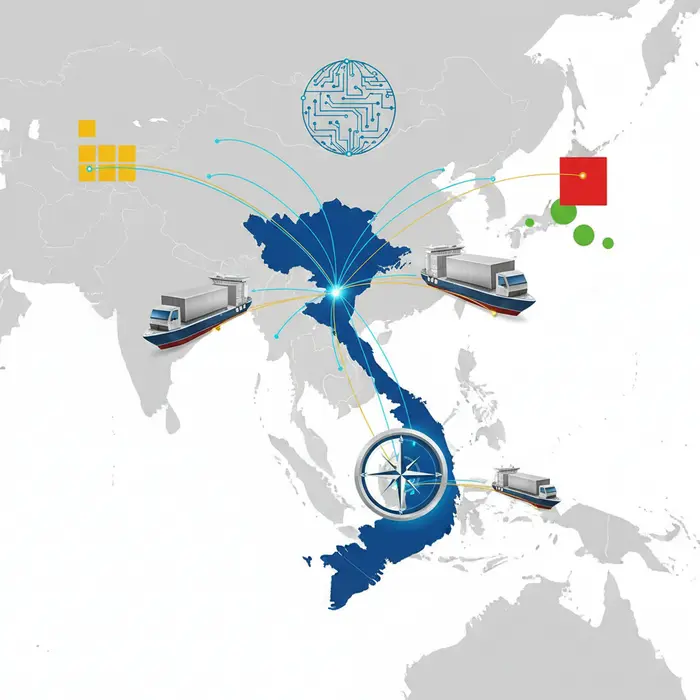
Vietnam has firmly established itself as a dynamic global trade hub, leveraging its strategic geographic location, an industrious workforce, and a proactive government to become an increasingly vital player in international commerce. In an era defined by evolving supply chains and burgeoning Global Trade Agreement Opportunities, Vietnam’s agility in navigating the complexities of the global market has positioned it uniquely. The nation’s commitment to economic liberalization and integration has opened significant avenues for growth, attracting substantial foreign investment and diversifying its export base. This section offers a comprehensive Vietnam export market analysis, exploring the advantages Vietnam holds under various existing and upcoming trade agreements, government support mechanisms, and robust Foreign Direct Investment (FDI) trends shaping its future.
1. Existing Free Trade Agreements (FTAs) and Their Impact
Vietnam’s integration into the global economy has been significantly bolstered by its extensive network of Free Trade Agreements (FTAs). These agreements have been instrumental in providing preferential market access, reducing tariffs, and streamlining customs procedures, thus enhancing the competitiveness of Vietnamese products on the international stage. Key among these are the Comprehensive and Progressive Agreement for Trans-Pacific Partnership (CPTPP), the European Union-Vietnam Free Trade Agreement (EVFTA), and the Regional Comprehensive Economic Partnership (RCEP).
The CPTPP, a high-standard agreement involving 11 Pacific Rim countries, offers Vietnam unparalleled access to markets like Canada, Mexico, and Australia. This has spurred reforms in areas such as labor standards and intellectual property, making Vietnam a more attractive destination for high-value manufacturing. The EVFTA, between Vietnam and the 27-member European Union, has progressively eliminated nearly all tariffs on goods, creating significant advantages for Vietnamese agricultural products, textiles, and footwear. For instance, the European Chamber of Commerce in Vietnam (EuroCham) consistently highlights the positive impact of EVFTA on bilateral trade, citing strong growth in Vietnamese exports to the EU since its implementation. This agreement has not only boosted trade volumes but also encouraged Vietnamese enterprises to meet stricter quality and sustainability standards, further enhancing their global appeal.
RCEP, the world’s largest trade pact, includes 10 ASEAN members and five major partners (Australia, China, Japan, New Zealand, South Korea). RCEP simplifies rules of origin across the region, fostering greater supply chain integration and making it easier for Vietnamese businesses to source inputs and export finished goods within Asia. These FTAs collectively create a stable and predictable trading environment, attracting investors looking to leverage Vietnam as a production base to access multiple lucrative markets. The cumulative effect of these agreements is a vibrant Vietnam export market analysis showing diversification away from traditional low-cost manufacturing into higher-value goods and services.
2. Government Initiatives Supporting Export Growth
The Vietnamese government plays a pivotal role in nurturing and accelerating the nation’s export growth through a series of strategic initiatives and policy reforms. Recognizing the critical importance of a supportive business environment, the government has consistently focused on improving ease of doing business, digital transformation, and infrastructure development. Programs aimed at simplifying administrative procedures, reducing bureaucracy, and enhancing transparency have made it easier for both domestic and foreign enterprises to operate and expand.
Investment in key infrastructure projects, including expressways, deep-sea ports like Lach Huyen International Gateway Port, and modernized airports, has significantly improved logistics and connectivity, reducing costs and transit times for exports. Furthermore, the government actively promotes trade through various channels, including participation in international trade fairs, bilateral trade missions, and the establishment of trade promotion centers abroad. There’s also a strong emphasis on developing a skilled workforce through vocational training and education programs, ensuring that the labor pool meets the evolving demands of advanced manufacturing and services sectors. For businesses seeking to capitalize on Global Trade Agreement Opportunities, government support for digitalization and e-commerce platforms has provided new avenues for reaching international customers directly, underpinning a robust strategy for sustainable export expansion.
3. Foreign Direct Investment (FDI) Trends in Vietnam
Foreign Direct Investment (FDI) has been a cornerstone of Vietnam’s economic success and a major driver of its export capabilities. The nation’s appeal to foreign investors stems from its stable political environment, competitive labor costs, a growing domestic market, and a strategic position within global supply chains, further enhanced by its vast network of FTAs. Major multinational corporations across various sectors, particularly in manufacturing, high-tech, and electronics, have established significant production bases in Vietnam. Companies like Samsung, Intel, LG, and Foxconn have invested billions, contributing substantially to Vietnam’s export value, especially in electronics and components.
Recent FDI trends indicate a shift towards higher-value-added industries, green technologies, and services, reflecting Vietnam’s ambition to move beyond labor-intensive manufacturing. The government offers various incentives, including tax breaks, preferential land leases, and streamlined investment procedures, to attract quality FDI that aligns with its sustainable development goals. This influx of foreign capital not only brings advanced technology and management expertise but also integrates Vietnamese businesses into global value chains, boosting their capacity for innovation and export. The robust FDI environment ensures continuous modernization of production capabilities, a critical factor in maintaining competitive advantage in the global market and capitalizing on the expansive Global Trade Agreement Opportunities available.
In conclusion, Vietnam’s strategic advantages, bolstered by its extensive network of FTAs, proactive government policies, and attractive FDI environment, firmly establish it as a formidable force in the new trade era. Its journey from a developing economy to a dynamic global trade hub is a testament to its forward-looking approach and resilience, promising continued growth and influence in international commerce.
Vietnam Export Market Analysis: Opportunities & Challenges
A detailed examination of specific sectors within Vietnam’s export market offering significant growth potential and potential hurdles for international businesses.
Vietnam has rapidly emerged as a formidable player in global trade, driven by robust economic growth and a strategic pivot towards export-led development. A thorough Vietnam export market analysis reveals a landscape rich with opportunities, fueled by numerous Global Trade Agreement Opportunities. However, navigating this dynamic environment also entails addressing inherent challenges, from supply chain intricacies to evolving regulatory frameworks. For international businesses eyeing expansion or diversification, understanding these facets is crucial for successful market entry and sustainable growth.
1. High-Growth Export Sectors
Vietnam’s export success is diversified across several rapidly expanding sectors. Leading the charge is the technology sector, particularly electronics manufacturing and software services. Global tech giants have significantly invested, transforming Vietnam into a hub for smartphone, computer, and component production. This growth is fueled by a young, skilled workforce and government incentives, positioning Vietnam for higher-value activities like R&D in AI and IoT.
The textile and garment industry remains a cornerstone, consistently ranking among the world’s largest exporters. The industry is shifting towards higher-value activities such as design, branding, and sustainable production. Compliance with international labor standards and environmental practices is increasingly important, creating opportunities for ethical sourcing and advanced manufacturing.
Agriculture and aquaculture also demonstrate significant export potential. Vietnam is a leading exporter of coffee, rice, pepper, and seafood. With growing global demand for organic and sustainably sourced products, Vietnamese producers are adapting to international quality and certification standards. This sector offers opportunities for investment in processing technology, cold chain logistics, and direct sourcing partnerships, benefiting from preferential tariffs under various trade agreements.
2. Overcoming Supply Chain and Regulatory Challenges
Despite its impressive growth, Vietnam’s export market faces hurdles. Supply chain challenges often revolve around infrastructure limitations in logistics and transportation. While major ports are expanding, inland connectivity and warehousing can still pose bottlenecks. Dependence on imported raw materials for certain industries also exposes supply chains to global disruptions. Businesses must strategically plan logistics, potentially investing in local partnerships or advanced supply chain management systems.
Regulatory complexities present another significant challenge. Navigating Vietnam’s customs procedures, licensing requirements, and compliance standards can be arduous. While the government strives to streamline processes, local expertise is often indispensable. Understanding the nuances of local laws, including foreign investment and intellectual property, is critical. Global Trade Agreement Opportunities, while offering tariff benefits, also come with rules of origin and specific compliance demands. Engaging with local consultants, legal advisors, and established trade platforms like Vietnam Suppliers can provide invaluable support in navigating these landscapes and identifying reliable partners.
3. Leveraging Digital Transformation for Export Efficiency
The global shift towards digitalization offers transformative potential for Vietnam’s export sector. Digital transformation can significantly enhance efficiency, transparency, and market reach. E-commerce platforms, both B2B and B2C, are increasingly vital for Vietnamese exporters to connect directly with international buyers, reducing costs. This includes leveraging global marketplaces and developing proprietary digital storefronts for cross-border trade.
Within the supply chain, technologies like IoT, AI, and blockchain can revolutionize logistics. Real-time tracking, predictive analytics for inventory, and automated customs declarations drastically improve efficiency. For instance, blockchain enhances traceability and transparency in agricultural exports, meeting stringent international demands. Furthermore, digital payment solutions simplify cross-border transactions. The Vietnamese government actively promotes a digital economy, fostering an environment ripe for innovation. According to the World Bank’s Vietnam Economic Update, digital transformation is a key driver for productivity growth, offering a pathway for local businesses to integrate deeper into global value chains and for international businesses to optimize operations. Embracing these digital tools is a strategic imperative for maximizing export potential from Vietnam.
In conclusion, Vietnam’s export market offers compelling prospects across diverse high-growth sectors. While supply chain and regulatory challenges exist, strategic planning, local partnerships, and judicious adoption of digital technologies can effectively mitigate these hurdles. By understanding the unique dynamics of this vibrant market, businesses can unlock significant value and contribute to Vietnam’s continued integration into the global economy.
Capitalizing on Global Trade Opportunities in 2025
The global trade landscape is undergoing a dynamic transformation, presenting unprecedented opportunities for businesses poised to adapt and innovate. As we look towards 2025, a confluence of new trade agreements, evolving supply chain dynamics, and the burgeoning potential of markets like Vietnam creates a fertile ground for sustainable growth and competitive advantage. Navigating these shifts requires a strategic approach, a keen understanding of international frameworks, and a readiness to embrace new partnerships. This section offers actionable strategies for businesses aiming to effectively leverage these Global Trade Agreement Opportunities, particularly focusing on the vibrant Vietnam export market analysis, to secure long-term success.

1. Strategic Market Entry and Expansion Tactics
Success in international markets hinges on meticulous planning and execution. Businesses must first conduct thorough market research to identify high-potential sectors and consumer demands within target countries. For instance, Vietnam’s rapidly growing middle class and increasing demand for consumer goods, electronics, and agricultural products make it an attractive destination. New free trade agreements such as the Comprehensive and Progressive Agreement for Trans-Pacific Partnership (CPTPP), the EU-Vietnam Free Trade Agreement (EVFTA), and the Regional Comprehensive Economic Partnership (RCEP) significantly reduce tariffs and non-tariff barriers, opening doors for easier market access. Businesses should analyze these agreements to understand preferential rules of origin, duty exemptions, and specific sector advantages. Establishing a strong local presence, whether through direct investment, joint ventures, or strategic partnerships with established Vietnamese distributors, can provide invaluable insights and operational efficiencies. Furthermore, leveraging e-commerce platforms and digital marketing strategies tailored to local preferences can accelerate market penetration and brand recognition in the competitive Vietnam export market.
2. Risk Mitigation and Compliance in Cross-Border Trade
While the rewards of global trade are significant, businesses must proactively address inherent risks and ensure compliance with complex international regulations. Key areas of concern include fluctuating exchange rates, geopolitical instability, intellectual property protection, and varying legal frameworks. Implementing robust supply chain diversification strategies can mitigate dependency on single regions or suppliers, enhancing resilience against disruptions. Understanding and adhering to international trade laws, customs procedures, and product safety standards is paramount. Businesses should invest in legal counsel specializing in cross-border trade to navigate intricate rules, particularly concerning product labeling, certifications, and data privacy. For instance, the International Trade Centre (ITC) offers resources to help SMEs understand and benefit from trade agreements. Proactive due diligence on potential partners and adherence to ethical business practices are also critical to avoid reputational damage and legal complications. Regular audits of compliance protocols and staying abreast of changes in trade policy, especially those impacting the global trade landscape, are essential for sustained, secure operations.
3. Future Outlook for Global Trade & Vietnam’s Evolving Role
The future of global trade will likely be shaped by several overarching trends, including increasing digitalization, a greater emphasis on sustainability and ESG (Environmental, Social, and Governance) criteria, and continued shifts in global supply chains driven by geopolitical factors and technological advancements. Businesses that integrate these considerations into their strategies will be better positioned for long-term success. Vietnam, with its strategic location, stable political environment, and proactive engagement in international trade agreements, is rapidly solidifying its position as a key manufacturing hub and an attractive destination for foreign investment. The Vietnamese government continues to invest heavily in infrastructure development, including ports, highways, and logistics networks, further enhancing its appeal as an export base. Moreover, a young, skilled, and increasingly educated workforce supports diverse manufacturing capabilities, from textiles and footwear to high-tech electronics. As global supply chains continue to re-evaluate and diversify, Vietnam’s evolving role as a reliable and competitive partner will present unparalleled global trade agreement opportunities for businesses worldwide. Companies that recognize Vietnam’s growing importance and align their strategies accordingly will gain a significant competitive edge in the coming years.
Partner with Vietnam’s Leading Suppliers
Looking for reliable suppliers in Vietnam? Contact VietnamSuppliers.com today to connect with verified manufacturers and exporters across all industries.
—————————————
References
– multilateral trading system: https://www.wto.org/english/thewto_e/whatis_e/tif_e/fact1_e.htm
– WTO – Product Specific Rules and Trade Statistics: https://www.wto.org/english/tratop_e/prod_e/prod_e.htm
– EuroCham comments on the EVFTA third anniversary and EU-Vietnam trade ties: https://www.eurochamvn.org/press-release/eurocham-comments-on-the-evfta-third-anniversary-and-eu-vietnam-trade-ties/
– World Bank’s Vietnam Economic Update: https://www.worldbank.org/en/country/vietnam/overview
– International Trade Centre (ITC) offers resources: https://www.intracen.org/trade-support/trade-agreements/