Introduction to International Trade Compliance
In an increasingly interconnected yet fragmented global economy, the movement of goods, services, and technology across borders is a daily reality for businesses of all sizes. Navigating this intricate web requires more than just logistical prowess; it demands a deep understanding and rigorous adherence to International Trade Compliance. This section will demystify what trade compliance entails, explain why its importance is set to escalate significantly in 2025, and lay the groundwork for a comprehensive exploration of global trade regulations.
1. What is International Trade Compliance?
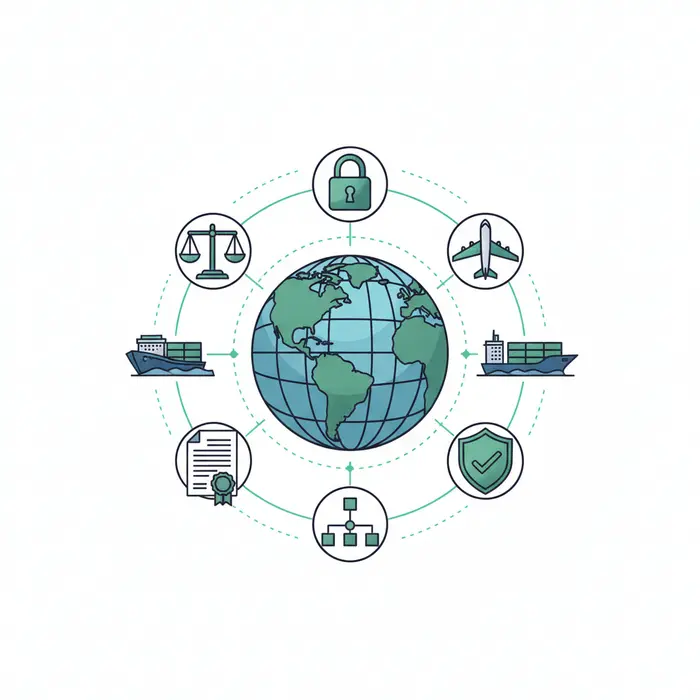
International Trade Compliance refers to the comprehensive set of rules, regulations, laws, and policies that govern cross-border transactions. Its primary objective is to ensure that all parties involved in importing and exporting activities adhere to legal and ethical standards, preventing illicit trade, protecting national security, ensuring fair competition, and safeguarding consumer interests. This multifaceted discipline encompasses several critical areas:
- Export Control Regulations: These rules dictate which goods, software, and technology can be exported from a country, to whom, and for what end-use. They often involve strict licensing requirements for dual-use items (items with both commercial and military applications) and restrictions against sanctioned entities or countries. Understanding these can prevent severe penalties and reputational damage. For more details, consult authoritative sources such as the Bureau of Industry and Security (BIS).
- Customs Clearance Procedures: Importers and exporters must navigate complex customs processes, including accurate classification of goods (using Harmonized System or HS codes), valuation, and origin determination to ensure correct duties and taxes are applied efficiently.
- Import Duty and Tax Compliance: This involves understanding and correctly applying tariffs, excise taxes, VAT/GST, and other levies imposed by destination countries, often requiring specialized knowledge of free trade agreements and preferential duty schemes to optimize costs.
- Supply Chain Due Diligence: Companies are increasingly held responsible for ensuring their entire supply chain, from raw material sourcing to final delivery, operates ethically and legally, free from forced labor, environmental breaches, or involvement with sanctioned parties.
Adherence to these rules is not merely a bureaucratic hurdle; it is a fundamental pillar of responsible global business, directly impacting a company’s reputation, financial stability, and operational continuity. For more insights on this crucial area, visit the International Trade Compliance section on Vietnam Suppliers.
2. Why Compliance Matters More in 2025
As we look towards 2025, several convergent trends are amplifying the criticality of robust trade compliance programs:
- Geopolitical Volatility and Economic Nationalism: Ongoing trade wars, sanctions regimes, and a global shift towards protectionist policies mean that regulatory landscapes can change rapidly and unpredictably. Businesses must be agile enough to adapt to new tariffs, embargoes, and export restrictions almost overnight.
- Increased Regulatory Scrutiny and Enforcement: Governments worldwide are investing more in enforcement mechanisms, with greater penalties for non-compliance, including substantial fines, imprisonment, and revocation of trading privileges. The focus extends beyond direct violations to include negligence in due diligence.
- Technological Advancements and Cyber Security Risks: The rapid adoption of AI, blockchain, and other digital tools in logistics and finance creates new compliance challenges, particularly concerning data privacy, intellectual property protection, and the secure transfer of controlled technologies.
- ESG Factors and Ethical Supply Chains: Environmental, Social, and Governance (ESG) considerations are no longer niche; they are mainstream. Consumers, investors, and regulators demand transparency regarding a company’s environmental impact, labor practices, and ethical sourcing throughout its global supply chain. This elevates the importance of Supply Chain Due Diligence beyond traditional financial checks.
- Supply Chain Resilience: Recent global disruptions have highlighted the fragility of global supply chains. Compliance acts as a shield, helping companies identify and mitigate risks posed by unreliable partners, sanctioned entities, or regions prone to instability, thereby fostering greater resilience.
3. Navigating the Landscape of Global Trade Regulations
Understanding that International Trade Compliance is a dynamic, complex, and evolving field is the first step toward effective management. The sheer volume and intricacy of regulations, spanning national, regional, and international agreements, necessitate a proactive and strategic approach. Businesses cannot afford to view compliance as a reactive measure or a mere checkbox exercise. Instead, it must be integrated into core business strategies, product development cycles, and sales processes.
Effective navigation requires continuous monitoring of regulatory changes, investment in robust compliance technology solutions, regular training for personnel, and potentially, engagement with expert legal and consulting services. From ensuring proper Customs Clearance Procedures to mastering Import Duty and Tax Compliance, the journey demands vigilance and expertise. Establishing strong internal controls and fostering a culture of compliance across the organization are paramount to thriving in the global marketplace of 2025 and beyond.
Navigating Export Control Regulations
Exporting goods, software, and technology across international borders is a complex endeavor, fraught with regulations designed to prevent their diversion to unauthorized end-users or for illicit purposes. For businesses engaged in global trade, mastering Export Control Regulations is not merely a legal obligation but a strategic imperative to ensure smooth operations, avoid severe penalties, and protect brand reputation. This section delves into the critical aspects of these regulations, providing a roadmap for achieving robust International Trade Compliance. From understanding the nature of controlled items to implementing rigorous compliance programs, proactive adherence is key to successful and ethical outbound shipments.
1. Understanding Dual-Use Items and Restricted Parties
A cornerstone of export control is the concept of “dual-use” items: goods, software, and technology with both civilian and military applications. Examples include advanced electronics, specific chemicals, and sophisticated software. Due to their potential for misuse in weapons proliferation, these items are subject to stringent control, often requiring specific licenses for export. International agreements like the Wassenaar Arrangement guide national regulations such as the U.S. Export Administration Regulations (EAR) and the EU Dual-Use Regulation, which list and control these items.
Equally critical is the identification and screening of “restricted parties.” These are individuals, entities, or countries designated by governments (e.g., for terrorism, sanctions evasion, or proliferation). Exporting to or engaging with a restricted party, even if the item is uncontrolled, can lead to severe penalties. Governments maintain consolidated screening lists (CSL), such as the U.S. Specially Designated Nationals (SDN) List (OFAC) and the EU Consolidated List. Regular and thorough screening of all transaction parties—from consignees to freight forwarders—is essential. Neglecting this crucial step can result in significant fines, loss of export privileges, and reputational damage.
2. Key Export Licenses and Sanctions Regimes
Navigating Export Control Regulations often means understanding export licensing. Depending on the item’s classification (e.g., Export Control Classification Number or ECCN), destination, end-user, and end-use, an export license may be required. Licenses vary from general, allowing exports under certain conditions without specific application, to specific licenses for particular transactions. Proper classification is the first step in determining licensing requirements, often involving national control lists and applicable thresholds.
Beyond specific licenses, businesses must comply with various international sanctions regimes imposed by bodies like the United Nations, European Union, and individual nations (e.g., U.S. OFAC sanctions). These prohibit or restrict trade and financial transactions with specific countries, regions, entities, or individuals. Sanctions can be comprehensive or targeted. Compliance requires continuous monitoring of changes, as new sanctions can be imposed with little notice. Violations can lead to devastating legal and financial consequences, underscoring the importance of rigorous due diligence and up-to-date geopolitical knowledge for International Trade Compliance.
3. Implementing Robust Internal Compliance Programs and Due Diligence
Given the complexity of Export Control Regulations, establishing a robust Internal Compliance Program (ICP) is indispensable. An ICP provides a structured framework for ensuring adherence, minimizing non-compliance risks. Key components include a clear company policy, assigned compliance personnel, regular risk assessments, and comprehensive training for all employees involved in export processes. Training should cover product classification, screening, red flags, and record-keeping.
Furthermore, continuous Supply Chain Due Diligence is paramount. This involves not only screening immediate customers but also understanding the entire chain of custody. Verifying the legitimacy of all intermediaries, freight forwarders, and logistics partners is crucial. Implementing audit mechanisms and periodic reviews of compliance procedures helps identify weaknesses and ensures adaptability to evolving regulatory environments. Effective record-keeping, documenting every export step, from classification to license applications, provides an essential audit trail and demonstrates commitment to Customs Clearance Procedures and overall International Trade Compliance. Integrating these practices helps mitigate risks associated with Import Duty and Tax Compliance and ensures transparent, legally sound global trade.
By diligently navigating the intricacies of dual-use items, restricted parties, licensing requirements, and sanctions regimes, and by embedding comprehensive compliance programs, businesses can confidently manage their outbound shipments. This proactive approach not only safeguards against legal repercussions but also fosters trust and facilitates sustainable growth in the global marketplace.
Streamlining Customs Clearance Procedures
Learn the essential steps and documentation required for efficient customs clearance, minimizing delays and avoiding penalties at borders.
Navigating the complexities of global commerce demands meticulous attention to International Trade Compliance. One of the most critical stages in the supply chain is customs clearance, a process that, if not managed efficiently, can lead to significant delays, increased costs, and even severe penalties. Understanding the intricacies of Customs Clearance Procedures is paramount for businesses engaged in importing and exporting, ensuring smooth transit of goods across international borders. This section will guide you through the essential components of effective customs management, from documentation to leveraging technology and expert assistance, helping you achieve seamless operations and uphold robust International Trade Compliance.
1.
Essential Documentation for Customs Declaration
The foundation of efficient customs clearance lies in accurate and complete documentation. Any missing or incorrect information can trigger delays, inspections, or even seizure of goods. Key documents typically required for a customs declaration include:
- Commercial Invoice: A detailed bill of sale between the buyer and seller, providing information on the goods, their value, and the terms of sale.
- Packing List: Itemizes the contents of each package, including dimensions, weight, and marks, crucial for physical inspection and cargo handling.
- Bill of Lading (for sea freight) or Air Waybill (for air freight): A contract between the shipper and carrier, serving as a receipt for goods and a document of title.
- Certificate of Origin: Verifies the country where the goods were manufactured, often required for preferential tariff treatment under free trade agreements.
- Import/Export Licenses and Permits: Required for specific types of goods, such as controlled substances, dual-use items under Export Control Regulations, or products subject to phytosanitary or health checks.
Ensuring that all documents are consistent, accurate, and submitted electronically when possible can significantly expedite the clearance process. Investing time in preparing these documents meticulously is a proactive step towards effective Import Duty and Tax Compliance.

2.
The Role of Customs Brokers and Digitalization
While managing customs documentation in-house is possible, many businesses, especially those dealing with high volumes or complex commodities, opt to utilize customs brokers. These licensed professionals specialize in Customs Clearance Procedures, possessing in-depth knowledge of tariff classifications, valuation rules, and ever-changing national regulations. They act as an intermediary, handling all interactions with customs authorities on behalf of the importer or exporter, thereby minimizing risks and ensuring compliance. Their expertise is invaluable in navigating nuanced Export Control Regulations and achieving accurate Import Duty and Tax Compliance.
Complementing the role of brokers is the increasing digitalization of customs processes. Electronic data interchange (EDI), online customs portals, and integrated supply chain management software are transforming how declarations are submitted and processed. These digital tools enhance accuracy, reduce manual errors, accelerate communication, and provide real-time tracking of consignments. Embracing digitalization is a strategic move for businesses aiming to streamline their Customs Clearance Procedures and improve overall Supply Chain Due Diligence.
3.
Strategies for Expedited Clearance and Risk Management
To further accelerate customs clearance and mitigate potential risks, businesses can adopt several proactive strategies. One effective approach is participation in trusted trader programs, such as the Authorized Economic Operator (AEO) status, which is recognized globally. AEO status signifies a business’s adherence to international customs standards and best practices, often granting them benefits like fewer physical and document-based controls, priority treatment, and simplified customs procedures. Such programs are a cornerstone of modern customs facilitation, aligning with frameworks like the WCO SAFE Framework of Standards.
Additionally, proactive risk management is crucial. This involves conducting thorough Supply Chain Due Diligence to vet suppliers and partners, understanding the risk profiles associated with different commodities and trade routes, and staying updated on evolving trade policies and Export Control Regulations. Pre-clearance options, where customs declarations are submitted and processed before goods even arrive at the border, can also dramatically reduce waiting times. By integrating these strategies, businesses not only streamline their customs operations but also fortify their overall International Trade Compliance framework, minimizing disruptions and fostering predictable, efficient global trade.
Mastering Import Duty and Tax Compliance
In the intricate world of global commerce, the ability to seamlessly move goods across borders is paramount. However, this fluidity is heavily reliant on a deep understanding and rigorous adherence to import regulations. Mastering International Trade Compliance, particularly in the realm of import duty and tax, is not merely about avoiding penalties; it’s a strategic imperative for cost optimization, supply chain efficiency, and maintaining a reputable business profile. This section delves into the critical aspects of accurate calculation and payment of import duties and taxes, while also exploring how to strategically leverage various trade agreements to significantly reduce operational costs and enhance your competitive edge. A robust approach to International Trade Compliance is essential for sustainable international trade.
1. Harmonized System (HS) Codes and Valuation Methods
The foundation of all import duty and tax calculations lies in the correct classification of goods. The Harmonized System (HS) is a globally standardized system of names and numbers for classifying traded products, developed and maintained by the World Customs Organization (WCO). An HS code, typically 6-digits but extending to 8 or 10 digits in national classifications, dictates the applicable duty rates, as well as any quotas, restrictions, or special requirements. Misclassifying goods, whether intentionally or inadvertently, can lead to severe consequences, including incorrect duty payments, delays in customs clearance procedures, fines, and even goods seizure. Meticulous attention to detail and, often, consultation with customs experts are vital.
Equally critical is understanding valuation methods. Customs duties are generally calculated as a percentage of the declared value of the imported goods. The primary method for customs valuation globally, as per the World Trade Organization (WTO) Valuation Agreement, is the “transaction value.” This refers to the price actually paid or payable for the goods when sold for export to the country of importation, with certain adjustments for elements like commissions, packaging costs, and royalties. Other valuation methods are used when the transaction value cannot be determined. Accurately determining the dutiable value ensures proper payment of Import Duty and Tax Compliance and prevents disputes with customs authorities.
2. Preferential Trade Agreements and Duty Mitigation Strategies
One of the most effective strategies for optimizing import costs is to leverage preferential trade agreements (PTAs), also known as Free Trade Agreements (FTAs) or Regional Trade Agreements (RTAs). These agreements are pacts between two or more countries that reduce or eliminate certain tariffs and non-tariff barriers to trade. For businesses engaged in international trade, identifying and utilizing relevant PTAs can lead to significant duty savings, making their products more competitive in foreign markets.
However, accessing these benefits requires strict adherence to Rules of Origin (ROO). ROO are criteria used to determine the national source of a product, essential for applying duty rates under preferential trade agreements. Goods must meet specific origin requirements – for instance, being “wholly obtained” or undergoing substantial transformation within the signatory countries – to qualify for reduced or zero duties. Proving origin often involves extensive documentation, such as Certificates of Origin, and maintaining robust record-keeping systems. Beyond PTAs, other duty mitigation strategies include duty drawback programs (recovering duties paid on imported materials subsequently exported), bonded warehouses (storing goods without paying duties until they enter domestic commerce), and temporary import procedures (importing goods duty-free for a specific purpose and duration).
3. Navigating Customs Clearance Procedures and Payment Obligations
Beyond classification and valuation, the actual process of customs clearance involves a complex series of steps and stringent payment obligations that demand careful management. Efficient Customs Clearance Procedures are vital to avoid costly delays and ensure the smooth flow of goods. This process typically involves preparing and submitting accurate customs declarations, supporting documentation (invoices, packing lists, bills of lading, permits), and undergoing potential inspections by customs officials. Many businesses opt to employ licensed customs brokers, leveraging their expertise to navigate intricate regulations, communicate with customs authorities, and expedite the clearance process.
A crucial aspect of Import Duty and Tax Compliance is the timely and accurate payment of all applicable duties and taxes. This includes not only customs duties but also value-added tax (VAT), excise taxes, anti-dumping duties, countervailing duties, and other charges specific to the imported goods and the importing country. Failure to meet these payment obligations can result in penalties, interest charges, and holds on future shipments. Proactive financial planning, robust record-keeping, and understanding payment mechanisms (e.g., deferred payment schemes) are fundamental components of effective International Trade Compliance. Ultimately, a well-managed approach to import duties and taxes forms a critical pillar of overall Supply Chain Due Diligence, safeguarding your operations and reputation in the global marketplace.
Ensuring Supply Chain Due Diligence
Understanding the importance of vetting partners and monitoring your supply chain to mitigate risks, ensure ethical sourcing, and maintain compliance standards is paramount in today’s global economy. Effective International Trade Compliance demands a proactive approach to managing every facet of your supply chain.
1. Third-Party Risk Management and Vetting
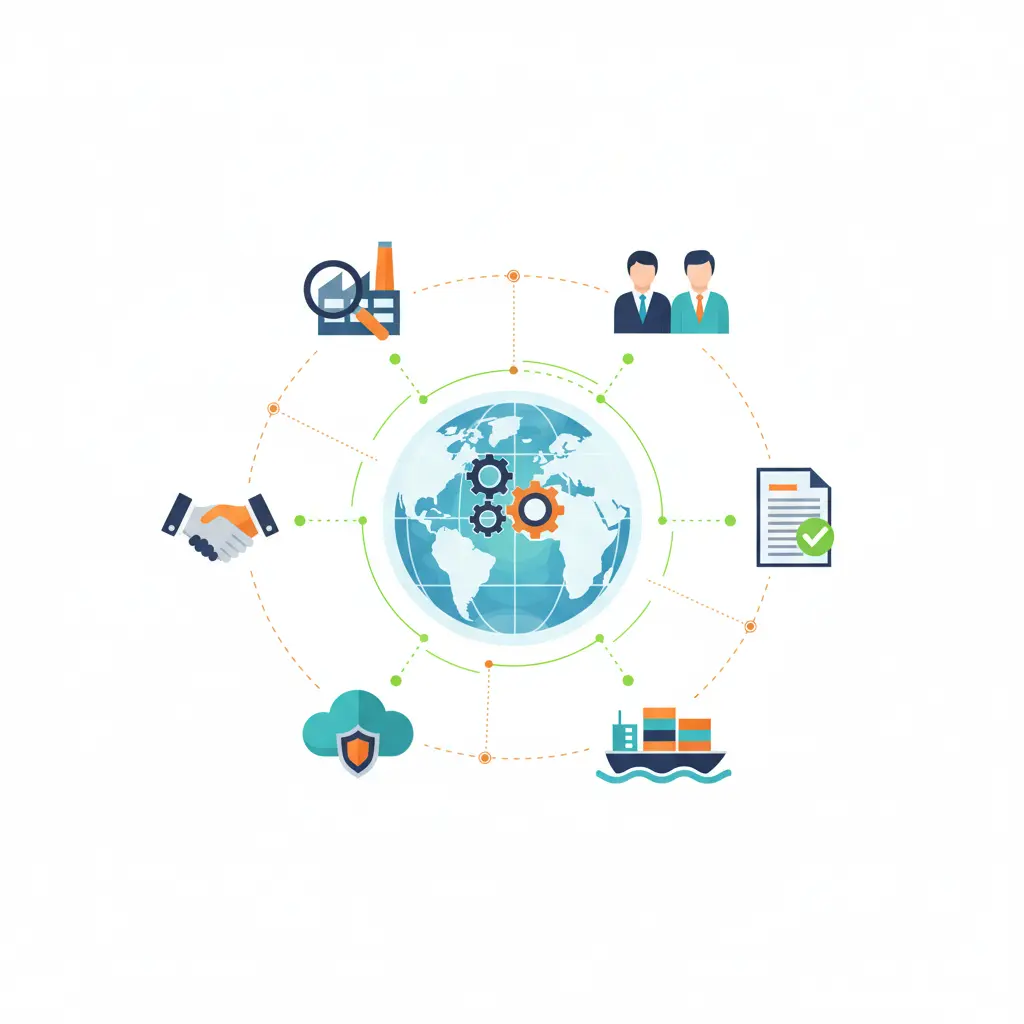
Navigating the complexities of global commerce requires meticulous attention to the partners you engage with. Third-party risk management and vetting involve systematically assessing the potential risks associated with suppliers, distributors, agents, and other business associates. This process is fundamental to effective International Trade Compliance, as non-compliant partners can expose your business to significant legal, financial, and reputational damage. Comprehensive vetting should extend beyond basic background checks to include an evaluation of their compliance programs, financial stability, operational capabilities, and adherence to relevant industry standards.
For instance, understanding a third party’s track record with supply chain risk management is crucial, particularly concerning adherence to Export Control Regulations. Do they have robust internal controls to prevent unauthorized diversion of controlled goods or technologies? Are their Customs Clearance Procedures transparent and efficient, minimizing delays and potential penalties? A thorough vetting process will uncover red flags early, allowing you to make informed decisions about who you partner with, thereby safeguarding your operations and reputation.
2. Ethical Sourcing and Anti-Slavery Compliance
In an increasingly transparent world, consumers and regulators demand that businesses operate with integrity throughout their supply chains. Ethical sourcing and anti-slavery compliance address the imperative to ensure that goods are produced under fair labor conditions, free from forced labor, child labor, or human trafficking. This aspect of International Trade Compliance is not just about moral responsibility; it’s a legal requirement in many jurisdictions, with laws like the UK Modern Slavery Act and the U.S. Tariff Act Section 307 imposing strict obligations on importers.
Effective Supply Chain Due Diligence in this area involves mapping your supply chain to identify high-risk areas, conducting regular audits of supplier facilities, and implementing strong contractual clauses that mandate adherence to ethical labor practices. It also requires training for procurement teams to recognize and address potential violations. Failure to comply can result in severe penalties, including goods seizures, substantial fines, and irreversible damage to brand reputation. Demonstrating a commitment to ethical sourcing strengthens your brand’s integrity and resilience in the face of growing public scrutiny.
3. Ongoing Monitoring and Auditing for Compliance
Supply chain due diligence is not a one-time event but a continuous process. Ongoing monitoring and auditing are critical for ensuring sustained compliance and adapting to evolving risks and regulations. This comprehensive approach is vital for robust International Trade Compliance. This involves regularly reviewing supplier performance, financial health, and compliance records. Proactive monitoring helps identify emerging issues before they escalate, such as changes in a supplier’s ownership, shifts in geopolitical stability affecting their region, or new regulatory requirements that impact your goods.
Audits, both internal and external, provide a deeper dive into specific areas, such as adherence to environmental standards, data privacy protocols, or Import Duty and Tax Compliance. For instance, verifying that your suppliers are correctly classifying goods and accurately declaring values can prevent costly errors and penalties associated with customs non-compliance. Establishing clear performance indicators and conducting periodic risk assessments allows businesses to maintain an agile and resilient supply chain. By embedding a culture of continuous oversight, companies can ensure their operations remain robust, compliant, and ethically sound, protecting their long-term interests and contributing to global best practices.
Partner with Vietnam’s Leading Suppliers
Looking for reliable suppliers in Vietnam? Contact VietnamSuppliers.com today to connect with verified manufacturers and exporters across all industries.
—————————————
References
– Bureau of Industry and Security (BIS): https://www.bis.doc.gov/
– U.S. Export Administration Regulations (EAR): https://www.bis.doc.gov/index.php/regulations/export-administration-regulations-ear
– WCO SAFE Framework of Standards: https://www.wcoomd.org/en/topics/facilitation/resources/safe_framework/safe_framework.aspx
– World Customs Organization: https://www.wcoomd.org/
– CISA Supply Chain Risk Management: https://www.cisa.gov/supply-chain-risk-management