
Understanding the Modern B2B Supply Chain Landscape
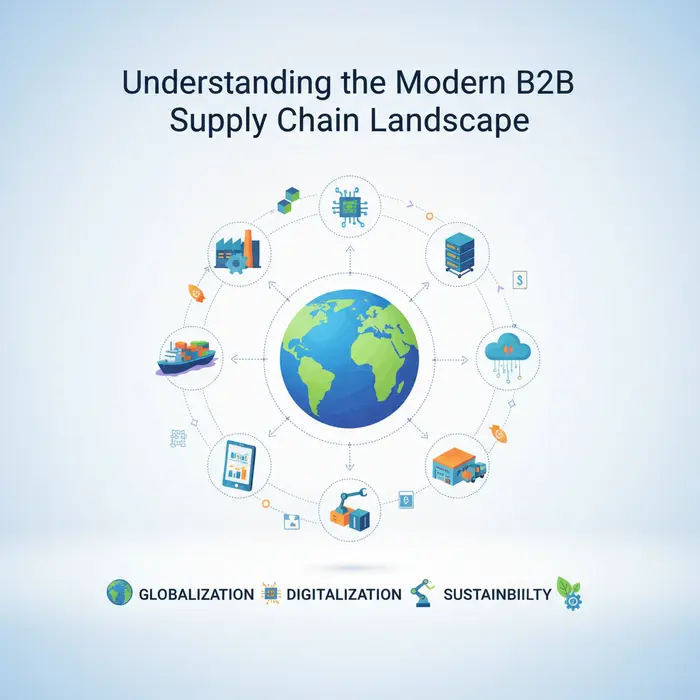
The contemporary B2B supply chain operates in an environment defined by unprecedented complexity, volatility, and interconnectedness. Far removed from the linear models of the past, today’s logistics networks are dynamic ecosystems constantly reacting to global shifts. Businesses are increasingly recognizing that robust Supply Chain Resilience Strategies B2B are not merely a competitive advantage but a fundamental imperative for survival and sustained growth. From unpredictable market demands to geopolitical upheavals and technological disruptions, the need for agile and resilient B2B logistics resilience has never been more critical. This section sets the stage by outlining the prevailing challenges, emphasizing the urgent need for strategic planning to navigate this intricate landscape.
1. Post-Pandemic Volatility and Geopolitical Shocks
The COVID-19 pandemic served as a stark reminder of the fragility inherent in highly optimized, lean supply chains. What began as localized disruptions quickly cascaded into a global shipping crisis, exposing vulnerabilities across continents. Even as the immediate health crisis subsides, its aftershocks continue to reverberate, contributing to persistent inflation, labor shortages, and unpredictable consumer behavior. Businesses are still grappling with the ramifications, seeking global shipping crisis solutions that can withstand future shocks.
Compounding this post-pandemic volatility are escalating geopolitical tensions. Trade wars, regional conflicts, and shifting political alliances directly impact international trade routes, customs regulations, and the availability of critical components. Such events necessitate rapid adjustments in sourcing and distribution. For instance, companies are actively exploring supplier diversification strategies to reduce over-reliance on single regions or suppliers, a lesson painfully learned during various geopolitical standoffs. The quest for stability often leads to examining emerging markets, with countries like Vietnam becoming increasingly important. Developing robust Vietnam export stability solutions, for example, is becoming a key component of broader resilience plans, ensuring uninterrupted access to diverse manufacturing capabilities and supply routes. These combined forces underscore the imperative for dynamic risk assessment and proactive planning in modern Supply Chain Resilience Strategies B2B.
2. Impact of Digitalization on Supply Chain Vulnerabilities
While digitalization offers immense opportunities for efficiency, visibility, and optimization within the B2B supply chain, it also introduces a new layer of complex vulnerabilities. The increasing reliance on interconnected digital platforms, IoT devices, cloud computing, and AI-driven analytics means that a single cyberattack or system failure can have catastrophic, far-reaching consequences. Data breaches can compromise sensitive information, disrupt operational flows, and erode customer trust, while ransomware attacks can halt entire logistics operations.
This digital dependency transforms traditional supply chain risks into cyber-physical threats. Ensuring B2B logistics resilience now explicitly includes robust cybersecurity protocols, secure data management, and resilient IT infrastructure. Companies must invest not only in the technologies that enhance supply chain performance but also in the defenses required to protect these digital assets. Proactive measures, such as threat intelligence, employee training, and contingency plans for system outages, are integral to safeguarding the continuity and integrity of modern supply chains in a hyper-connected world.
3. The Cost of Inefficient or Fragile Supply Chains
The financial and reputational costs associated with an inefficient or fragile B2B supply chain are staggering and extend far beyond immediate operational expenses. Disruptions lead to direct monetary losses through delayed shipments, increased transportation costs (especially expedited shipping), stockouts resulting in lost sales, and penalties for failing to meet contractual obligations. Inventory imbalances – either too much (tying up capital) or too little (missing sales opportunities) – further erode profitability. Beyond these quantifiable impacts, there’s the significant cost to a company’s brand and customer relationships.
Failure to deliver on time or provide consistent quality damages customer trust, leading to churn and a tarnished reputation in a highly competitive market. In an era where customers expect seamless experiences, a fragile supply chain can quickly undermine years of brand building. Recognizing these profound implications, businesses are now prioritizing investment in comprehensive Supply Chain Resilience Strategies B2B. This includes strategic investments in technology for better visibility, diversifying supplier networks through robust supplier diversification strategies, and building redundant capabilities to absorb shocks. The ultimate goal is to move from reactive crisis management to proactive risk mitigation, ensuring sustained operational integrity and profitability.
Navigating Global Shipping Crises with Strategic Solutions
The global shipping landscape has become increasingly volatile, marked by unpredictable disruptions ranging from port congestions and geopolitical conflicts to labor shortages and sudden demand shifts. For B2B enterprises, these challenges translate directly into extended lead times, escalated costs, and fractured customer relationships. In an era where supply chain stability is paramount, merely reacting to crises is insufficient. Forward-thinking companies must proactively implement robust Supply Chain Resilience Strategies B2B to mitigate risks and maintain operational continuity. This section explores actionable strategies designed to navigate these turbulent waters, ensuring that businesses can sustain their competitive edge and fulfill commitments.
1. Diversifying Transportation Modes and Routes
Reliance on a single transportation mode or a limited set of shipping routes significantly amplifies vulnerability during a global shipping crisis. While ocean freight remains a cost-effective backbone for international trade, its susceptibility to port congestion, canal blockages, and geopolitical tensions necessitates a diversified approach. Strategic businesses are exploring alternatives:
- Air Freight: For high-value, time-sensitive, or critical components, air freight offers speed and reliability, bypassing congested seaports and mitigating urgent delays, despite its higher cost.
- Rail Freight: Particularly for transcontinental shipments (e.g., Asia to Europe), rail provides a viable middle ground, offering a faster alternative to sea and a more economical option than air freight, while also reducing environmental impact.
- Multimodal Solutions: Combining different modes (e.g., sea-air, rail-truck) to optimize for speed, cost, and reliability based on specific product requirements and current global conditions.
Beyond modes, geographical diversification of routes and sourcing locations is critical. Companies are increasingly looking at alternative ports or even considering supplier diversification strategies from different regions to avoid over-reliance on a single trade lane. For instance, exploring Vietnam export stability solutions can provide an effective hedge against disruptions affecting other established manufacturing hubs. Building true resilience means creating flexible networks that can quickly pivot when traditional pathways are obstructed. As highlighted by McKinsey & Company, proactive diversification is a cornerstone for building supply chain resilience.
2. Leveraging Technology for Real-time Visibility and Tracking
In the face of complex global logistics, the adage “you can’t manage what you can’t see” rings particularly true. Implementing advanced technological solutions for end-to-end supply chain visibility is no longer a luxury but a necessity for effective global shipping crisis solutions. Real-time data and predictive analytics empower businesses to anticipate, identify, and react to disruptions before they escalate.
- IoT Sensors and GPS Tracking: Provide precise location data for shipments, monitoring conditions like temperature and humidity for sensitive goods.
- AI and Machine Learning: Analyze vast datasets to predict potential delays, identify optimal routes, and even forecast demand fluctuations, allowing for proactive inventory adjustments.
- Blockchain: Offers an immutable, transparent ledger for all transactions and movements within the supply chain, enhancing trust and traceability.
With real-time visibility, companies gain the ability to pinpoint bottlenecks, provide accurate estimated times of arrival (ETAs) to customers, and reroute shipments dynamically. This technological integration dramatically enhances B2B logistics resilience, transforming reactive problem-solving into proactive crisis management and ensuring smoother, more predictable operations even amidst widespread disruptions.
3. Building Stronger Relationships with Logistics Partners
Beyond technology and diversification, the human element of strategic partnerships remains invaluable. Moving beyond transactional interactions to foster deeper, collaborative relationships with logistics providers, freight forwarders, and 3PLs (Third-Party Logistics) can be a decisive factor in navigating crises.
- Strategic Partnerships: Establish long-term contracts and share demand forecasts, enabling partners to allocate resources and capacity more effectively.
- Open Communication and Data Sharing: Regular, transparent communication channels ensure that both parties are aware of potential issues and can collaborate on solutions. Shared data platforms can provide mutual insights into supply chain performance.
- Preferred Service Agreements: Loyal and trusted partners are more likely to offer preferred service, priority booking, and flexible solutions during peak seasons or when capacity is constrained.
- Leveraging Expertise: 3PLs and 4PLs bring specialized knowledge and extensive networks, offering access to alternative routes, carriers, and customs expertise that an individual company might lack.
These fortified relationships ensure that businesses receive early warnings about impending disruptions, gain access to vital capacity during tight markets, and can jointly develop innovative solutions to complex logistics challenges. In essence, these partnerships become an extension of a company’s own resilience strategy, transforming potential adversaries in a competitive market into indispensable allies in overcoming global shipping crises.
By integrating diversification, leveraging cutting-edge technology, and nurturing strong partnerships, businesses can develop comprehensive Supply Chain Resilience Strategies B2B that not only mitigate the impact of global shipping crises but also transform these challenges into opportunities for strategic advantage and sustained growth.
Implementing Robust Supplier Diversification Strategies
In today’s volatile global economy, relying on a limited supplier base is no longer a viable strategy for businesses aiming for sustainable growth and operational stability. Recent Supply Chain Resilience Strategies B2B have been pushed to the forefront, particularly in the wake of unforeseen disruptions like the global shipping crisis solutions and geopolitical shifts. Implementing robust supplier diversification strategies is paramount for enhancing overall supply chain security, mitigating risks, and fostering B2B logistics resilience. This proactive approach not only reduces dependency on single sources but also opens avenues for innovation, competitive pricing, and improved response times, ensuring a more adaptable and secure supply chain.
1. Geographic Diversification: Nearshoring, Friendshoring, and Multi-regional Sourcing
Geographic diversification is a cornerstone of modern Supply Chain Resilience Strategies B2B. This involves strategically distributing supplier locations across various regions to minimize the impact of localized disruptions, whether from natural disasters, political instability, or trade disputes. Nearshoring moves production or sourcing closer to the target market, significantly reducing lead times and transportation costs, which is a key component of global shipping crisis solutions. For instance, sourcing from Mexico for the US market, or from Central European countries for Western Europe. Friendshoring takes this a step further by prioritizing suppliers in politically and economically aligned nations, thereby strengthening strategic partnerships and reducing geopolitical risks. This approach often involves fostering relationships with countries like Vietnam, which offers stable export solutions and increasingly sophisticated manufacturing capabilities, thereby contributing to Vietnam export stability solutions for many international buyers.
Finally, Multi-regional Sourcing involves maintaining a diverse portfolio of suppliers across multiple distinct geographical areas, ensuring that if one region faces disruption, others can pick up the slack. This comprehensive approach builds redundant pathways, making the supply chain inherently more resilient against a wide array of potential shocks, bolstering B2B logistics resilience.
2. Strategic Vendor Relationship Management
Beyond simply having multiple suppliers, the quality and depth of vendor relationships are critical for effective supplier diversification strategies. Strategic vendor relationship management involves fostering collaborative, transparent, and mutually beneficial partnerships with key suppliers. This isn’t just about transactional interactions; it’s about building trust, sharing information, and collaborating on joint innovation and problem-solving. By investing in these relationships, businesses can gain deeper insights into their suppliers’ capabilities, risk profiles, and operational challenges. Proactive communication and joint contingency planning with diverse vendors can significantly enhance the speed and effectiveness of response during disruptions, such as unexpected spikes in demand or supply shortages. Strong relationships with a diversified base of suppliers ensure that during times of crisis, partners are more willing and able to offer support, prioritize orders, or adapt to new requirements, further solidifying Supply Chain Resilience Strategies B2B.
3. Assessing and Onboarding New Suppliers Efficiently
The success of supplier diversification strategies hinges on the ability to efficiently and effectively assess and onboard new partners. This process requires a robust due diligence framework that evaluates potential suppliers not only on cost and quality but also on their financial stability, ethical practices, compliance with regulations, and environmental impact. For companies seeking Vietnam export stability solutions, for example, thorough vetting ensures that new partners meet international standards and can reliably deliver. Leveraging digital platforms and advanced analytics can streamline the assessment process, identifying suitable candidates quickly while maintaining high standards. Once identified, a standardized, yet flexible, onboarding process is essential to integrate new suppliers seamlessly into the existing supply chain. This includes clear communication of expectations, integrating IT systems where necessary, and providing adequate training or support. Efficient onboarding is crucial for quickly expanding capacity or finding alternative sources, especially in response to emergent global shipping crisis solutions, thereby fortifying robust supply chain risk management practices and maintaining B2B logistics resilience without compromising operational efficiency or product quality.
Ensuring Stability: A Focus on Vietnam Export Solutions
Vietnam has solidified its position as a critical node in global supply chains, an indispensable manufacturing and export hub. However, the dynamism of global trade, marked by geopolitical shifts, economic fluctuations, and unforeseen disruptions, necessitates a proactive approach to maintaining export stability. For B2B businesses, ensuring the uninterrupted flow of goods from Vietnam is paramount for safeguarding brand reputation, meeting customer demands, and securing market share. This section delves into actionable strategies designed to fortify Vietnam’s export pathways, ensuring robust and resilient supply chains. It’s about developing comprehensive Supply Chain Resilience Strategies B2B that can withstand and adapt to future challenges.
Understanding Local Regulatory and Economic Landscape
Navigating international trade demands an intimate understanding of the local environment. For Vietnamese exports, this means staying acutely aware of the country’s evolving regulatory framework and economic trajectory. Vietnam has actively pursued global economic integration, signing numerous FTAs like the CPTPP, EVFTA, and RCEP. These offer significant advantages, including reduced tariffs and streamlined customs, but also introduce specific rules of origin and compliance. Businesses must continuously monitor changes in customs regulations, licensing, labor laws, and environmental standards. Missteps can lead to costly delays, penalties, or confiscation, directly impacting export stability.
Beyond regulations, monitoring Vietnam’s economic landscape is crucial. Factors like inflation, exchange rate fluctuations, and governmental economic policies significantly influence production costs, pricing strategies, and export competitiveness. Shifts in local minimum wages or energy prices affect manufacturing overheads, while currency volatility impacts profitability. Regularly consulting official Vietnamese government publications, economic reports from reputable international organizations, and engaging with local business associations provides invaluable insights. This proactive monitoring enables businesses to anticipate challenges, adapt operations, and leverage opportunities, laying a stable foundation for consistent export performance. A deep understanding here is foundational to successful Vietnam’s economic outlook and trade policies.
Building Redundant Export Channels from Vietnam
The adage “don’t put all your eggs in one basket” is particularly pertinent for maintaining export stability. Relying on a single port, shipping line, or transportation mode from Vietnam exposes businesses to unacceptable risks, as recent global shipping crises have vividly demonstrated. Developing redundant export channels is a cornerstone of B2B logistics resilience. This involves strategically diversifying transportation routes, leveraging multiple major ports (e.g., Ho Chi Minh City, Haiphong, Da Nang), and utilizing a mix of shipping carriers and freight forwarders.
For example, if one port experiences congestion or a shipping line faces capacity issues, alternative arrangements allow for seamless rerouting, minimizing delays. This strategy extends beyond sea freight to include air cargo for high-value or time-sensitive goods, and even exploring cross-border land routes where feasible. Implementing robust global shipping crisis solutions means not just reacting to disruptions but building in pre-emptive flexibility. This proactive approach ensures that even when one channel is compromised, others can swiftly pick up the slack, maintaining a consistent flow of goods and insulating the supply chain from widespread disruptions. Such foresight is critical for true B2B logistics resilience.
Partnerships with Local Logistics and Compliance Experts
Even with thorough research and strategic planning, local operational nuances can challenge foreign entities. This is where strategic partnerships with local logistics providers, customs brokers, and compliance experts in Vietnam become invaluable. These local partners possess an inherent understanding of the operational landscape, regulatory intricacies, and cultural nuances that significantly impact export efficiency and compliance. They are adept at navigating customs clearance, understanding local transportation, and staying updated on real-time regulatory changes, acting as essential conduits for smooth operations.
Engaging experienced local freight forwarders optimizes routing, negotiates better rates, and provides critical last-mile solutions. Similarly, partnering with local legal or compliance firms ensures all export documentation, labeling, and product certifications meet Vietnamese and destination country requirements, preventing costly customs hold-ups. These partnerships contribute directly to Vietnam export stability solutions by mitigating risks associated with non-compliance and operational bottlenecks. Furthermore, they can offer crucial insights for supplier diversification strategies within Vietnam, connecting businesses with reliable secondary suppliers or alternative manufacturing locations to further strengthen the overall supply chain. Such collaborations are strategic investments in operational efficiency and long-term export resilience.
In an era defined by volatility, establishing and maintaining stable export operations from Vietnam requires a multi-faceted and proactive approach. By deeply understanding the local regulatory and economic landscape, strategically building redundant export channels, and forging strong partnerships with local experts, businesses can significantly enhance their supply chain resilience. These measures are foundational elements that enable businesses to navigate challenges, seize opportunities, and ensure consistent, reliable delivery of goods from Vietnam to global markets, reinforcing their competitive advantage in the B2B sphere.
Future-Proofing Your Supply Chain with Predictive Analytics & AI
In an era defined by constant change and unforeseen disruptions, the ability to anticipate, prepare for, and mitigate future challenges is paramount for sustained business success. This section explores advanced technologies and methodologies that empower organizations to build robust, resilient supply chains, transforming reactive measures into proactive strategies before disruptions even occur.
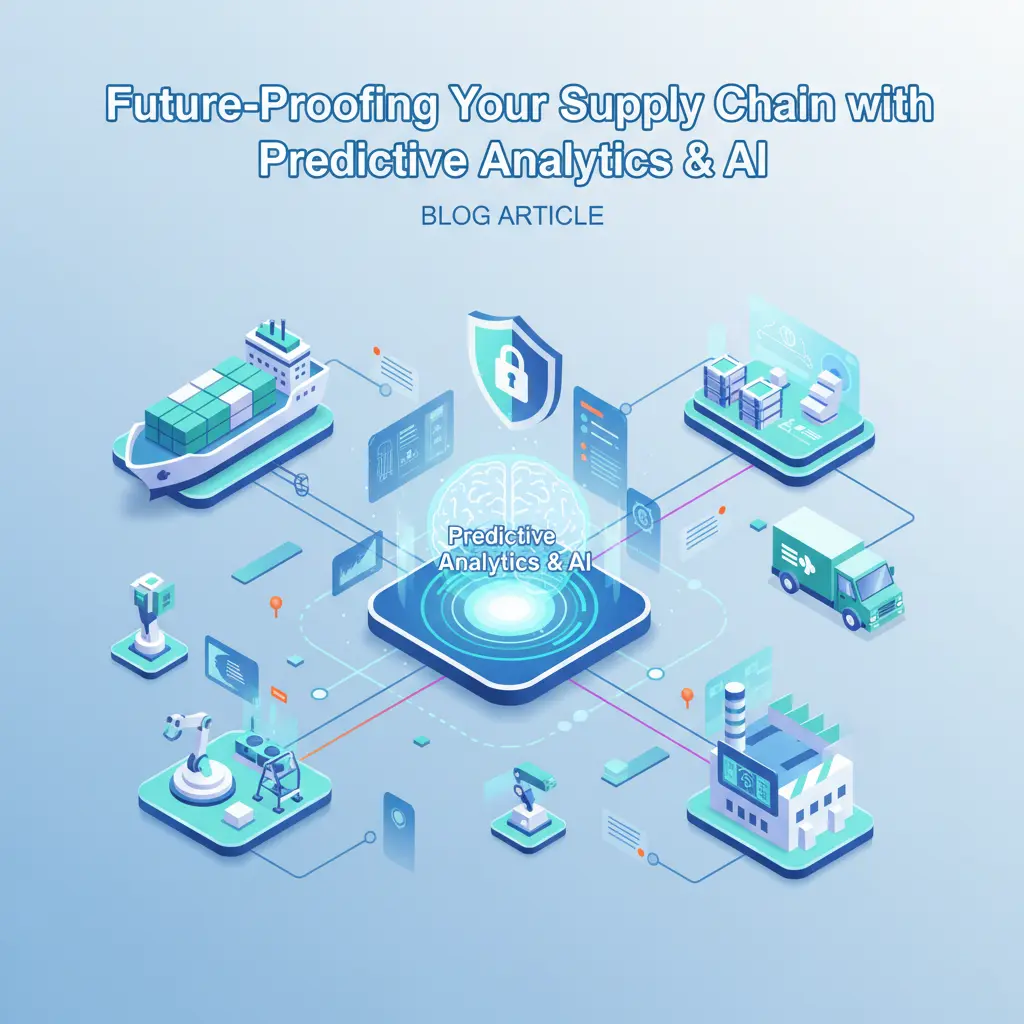
The imperative for Supply Chain Resilience Strategies B2B has never been more urgent. From geopolitical shifts to natural disasters and sudden demand spikes, businesses face a volatile global landscape. Leveraging predictive analytics and artificial intelligence (AI) offers a transformative pathway to navigate this complexity, moving beyond traditional risk management to predictive foresight. These technologies provide critical insights, enabling proactive decision-making and fostering greater adaptability across the entire value chain.
1.
Predictive Modeling for Demand and Supply Fluctuations
Predictive modeling employs statistical algorithms and machine learning techniques to forecast future trends based on historical data. For supply chains, this means accurately anticipating shifts in consumer demand, potential supply shortages, and even the impact of external events. By analyzing vast datasets, including sales history, market trends, economic indicators, weather patterns, and social media sentiment, businesses can generate highly accurate demand forecasts. This allows for optimized inventory levels, reduced waste, and improved customer satisfaction. Furthermore, predictive models can evaluate supplier performance, assess potential bottlenecks, and predict lead time variations, offering crucial intelligence for supplier diversification strategies. For instance, anticipating a surge in demand for electronics or a potential delay in raw material shipments from a specific region empowers companies to adjust production schedules or activate alternative suppliers well in advance, addressing potential global shipping crisis solutions before they escalate into significant disruptions. This proactive stance is fundamental for robust B2B logistics resilience.
2.
AI-Powered Risk Assessment and Early Warning Systems
Artificial intelligence elevates risk management beyond traditional frameworks by continuously monitoring and analyzing myriad data sources in real-time. AI-powered risk assessment systems can scour global news feeds, geopolitical intelligence, weather reports, financial markets, and even social media for early indicators of potential disruptions. These systems utilize natural language processing (NLP) to understand complex information and machine learning to identify patterns indicative of emerging threats, whether it’s a looming port strike, a natural disaster affecting a key manufacturing region, or policy changes impacting trade. An early warning system, for example, could flag an unusual increase in freight rates on a specific trade lane or a spike in COVID-19 cases in a key manufacturing hub in Vietnam, providing timely alerts that enable companies to implement Vietnam export stability solutions or reroute shipments before congestion sets in. This proactive intelligence allows for timely interventions, from adjusting sourcing strategies to activating emergency logistics plans, significantly mitigating the impact of unforeseen events.
3.
Blockchain for Enhanced Traceability and Transparency
While not strictly predictive, blockchain technology plays a crucial role in future-proofing supply chains by establishing an immutable, transparent, and highly secure record of every transaction and movement of goods. Each step in the supply chain – from raw material sourcing and manufacturing to shipping and delivery – is recorded as a block in a decentralized ledger, visible to all authorized participants. This unparalleled traceability enhances trust and accountability, making it easier to pinpoint the exact origin of issues, verify product authenticity, and comply with regulatory requirements. For example, in the event of a product recall or quality control issue, blockchain can quickly identify affected batches and their distribution paths, minimizing impact and speeding up resolution. Moreover, by providing a single source of truth, blockchain reduces disputes and streamlines processes, improving overall operational efficiency. This transparency is vital for building strong, reliable relationships with suppliers and customers, underpinning the long-term resilience required in today’s complex supply networks. According to a report by McKinsey & Company, digital transformation, including the adoption of advanced technologies like AI and blockchain, is essential for creating adaptive and resilient supply chains.
By integrating these advanced technologies, businesses can transition from merely reacting to disruptions to actively shaping a more stable and efficient future. Predictive analytics, AI, and blockchain form the bedrock of a modern, resilient supply chain, ensuring continuity and competitive advantage in an unpredictable world.
Partner with Vietnam’s Leading Suppliers
Looking for reliable suppliers in Vietnam? Contact VietnamSuppliers.com today to connect with verified manufacturers and exporters across all industries.
—————————————
References
– McKinsey: Supply Chain Recovery and Resilience: https://www.mckinsey.com/capabilities/operations/our-insights/supply-chain-recovery-and-resilience
– Building supply chain resilience: What it means and how to do it: https://www.mckinsey.com/capabilities/operations/our-insights/building-supply-chain-resilience-what-it-means-and-how-to-do-it
– 3 Supply Chain Risk Management Best Practices to Drive Resilience: https://www.gartner.com/en/articles/3-supply-chain-risk-management-best-practices-to-drive-resilience
– Vietnam’s economic outlook and trade policies: https://www.worldbank.org/en/country/vietnam/overview
– McKinsey & Company report on supply chain digital transformation: https://www.mckinsey.com/industries/industries/advanced-electronics/our-insights/supply-chain-digital-transformation-how-to-start-strong-and-scale-fast

